

4 Unconventional Bass Fishing Methods That Are Actually Working
4 Unconventional Bass Fishing Methods That Are Actually Working
As fishing pressure increases and competition tightens, the anglers gaining edges are reaching outside the conventional playbook. Here are four under-the-radar techniques — proven by tournament results and real catches — that most bass anglers still haven't tried.
Last updated: May 2026 · By: Jason Sealock
Quick Start
The 60-second version
- Big crankdown swimbaits improve average size on pressured fisheries — big profile swimbaits like the Bucca Bull Shad mean fewer bites, better fish.
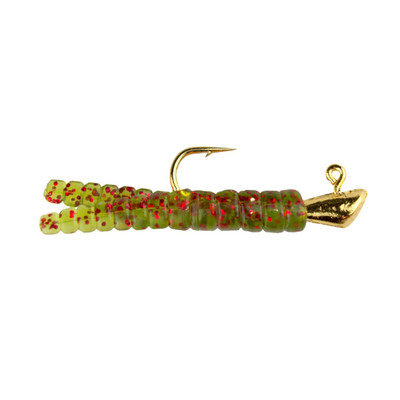
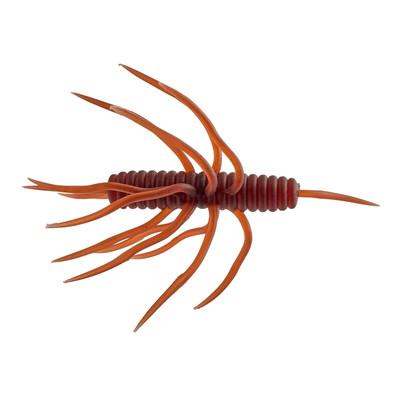
- Micro finesse trout lures — a Trout Magnet + 1/16 oz Tungsten Eye Hole jig triggers spawning bass that have seen every conventional bait.
- Bulky pitching baits like the Geecrack Bellows Gill draw reaction bites from fish other presentations can't move.
- High-speed fluking on a Scamper Rig triggers impulsive strikes from bass running down fast-moving bait on open flats and herring lakes.
Tried-and-true presentations in bass fishing still catch plenty of fish in the right situations. Spinnerbaits, crankbaits, and topwaters won't be phased out anytime soon — they're fun to fish and still effective. But as more pressure hits fisheries and tournaments require anglers to go against the grain, more unconventional methods have become very productive while still remaining relatively unknown. Here are four of those under-the-radar trends.
Big Crankdown Swimbaits for Better Averages
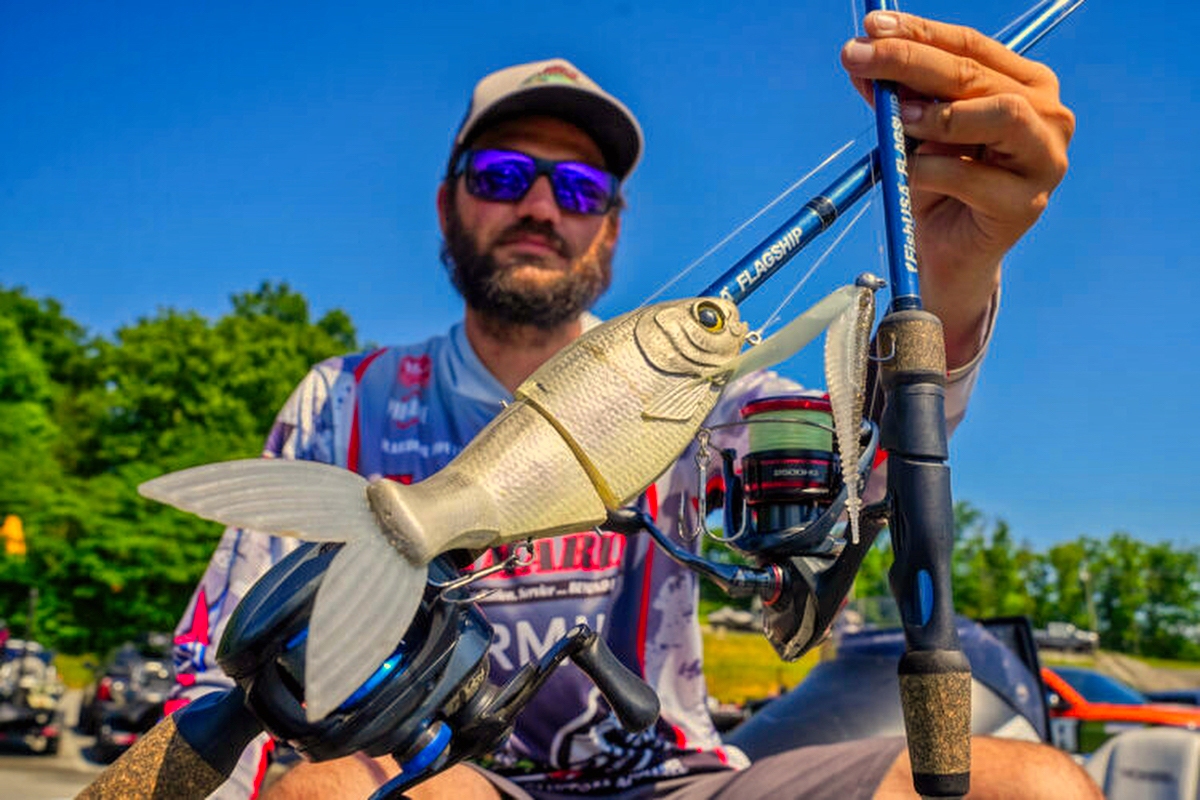
FishUSA pro Harbor Lovin calls Kentucky Lake his home waters now, though he's originally from further north. His father, an accomplished angler in his own right, instilled an outside-the-box mentality that Lovin carries into his own fishing. That approach had its best return of the year with a top-10 finish on the MLF Pro Circuit in May on Douglas Lake — a fishery he had never seen until tournament practice started.
Lovin quickly realized everyone was running the same program in practice. There weren't going to be enough offshore places for everyone, so he spent most of his practice looking for fish in sneaky, off-the-beaten-path locations. The other part of his system: focusing on big baits to increase his average size on a fishery where ounces matter a lot.
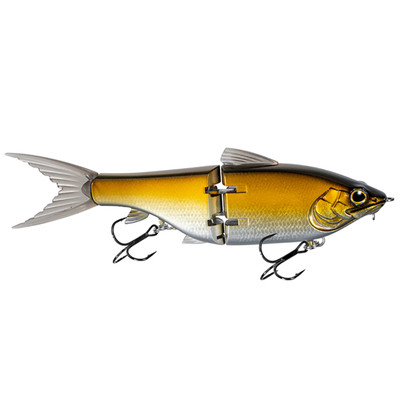
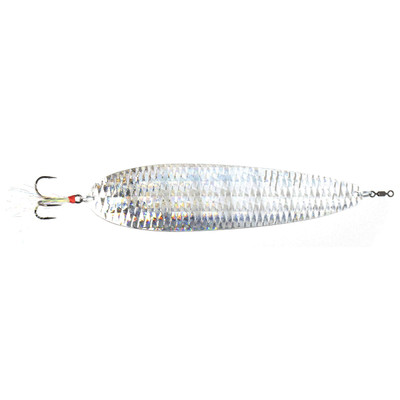
He used big glide baits and the Bucca Bull Shad Live Gizzard swimbait to find fish, gauge their activity levels, and test his theory that a bigger presentation could yield better quality. While he caught some fish on magnum spoons and big deep-diving crankbaits, it was his commitment to the big baits that built his top-10 game plan.
“Those fish would react so well to the big baits.”
“You could really get them to fire with a big glide and the deep crankdown swimmer. I had a lot of confidence I could generate the bites I needed. I didn’t have but 3 or 4 places, and I had to share one with another competitor. But I think my choice of bigger baits was what got me that top 10.” — Harbor Lovin
The takeaway: on a pressured fishery where everyone is chasing numbers, sizing up forces the fish to make a decision and can dramatically improve your average weight per bite. Use the big swimbait as a search tool first — if fish are tracking or swiping, they're there and reactive. Then adjust speed and size until they commit.
Big Swimbaits & Search Baits
Glide baits, big swimmers, and search spoons used by Harbor Lovin

Micro Finesse Trout Lures for Spawners
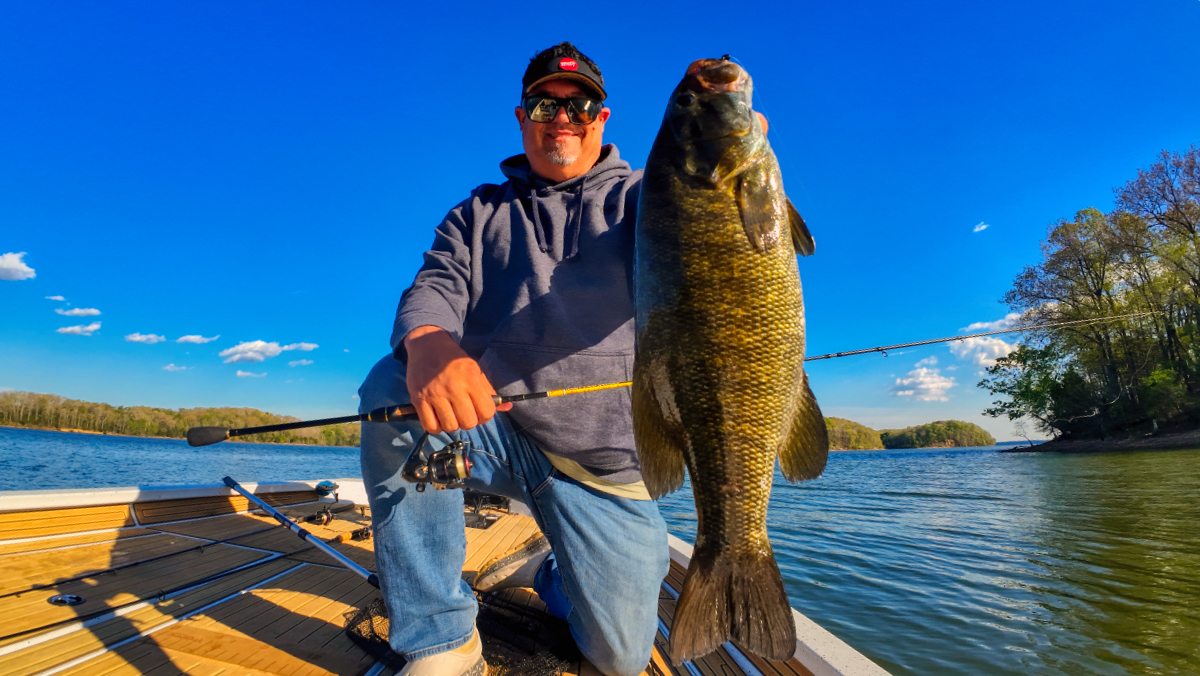
Going in the complete opposite direction, a bait called a Trout Magnet doesn't seem like a winning choice for bass. But a growing number of pros have quietly realized the power of micro finesse when bass are overly finicky and pressured — especially during the spawn.
With the advent of forward-facing sonar and thousands of anglers throwing the same shaking minnows at the same fish, downsizing to more natural, minuscule offerings has become a winning strategy. Fished on light line, a Trout Magnet with a 1/16-ounce Tungsten Eye Hole jig is very castable and — more importantly — fish just slurp it in without hesitation.
If you follow popular bass pros like Mark Daniels and Brandon Lester, you've heard them rave about Crappie Magnets and Trout Magnets for crappie. But they've also more quietly talked about a lot of bass falling for them over the years. The pattern works on both largemouth and smallmouth, particularly when targeting fish on beds or fish guarding fry near rocky areas.
Personal best day on micro finesse
A Trout Magnet in Watermelon Red Flake paired with a 1/16-oz Tungsten Eye Hole jig produced 20 keeper smallmouth in a couple of hours — best five pushing 20 pounds. All on 2-pound line. The pitch: let it pendulum down to the rocks, then shake it all the way back. Fish hit it on the first cast, over and over. The same hover minnow rig on bigger gear had produced only a few small bass in the prior two hours.
The technique is deceptively simple: pitch to your target, let the bait pendulum naturally down to depth, then work it back slowly with light shakes. The subtle action on such a small profile is something fish have rarely seen — and that novelty is the entire advantage.
Trout Magnet Micro Finesse Setup
The exact bait + jig combo for spawning bass


Bulky Pitching Baits
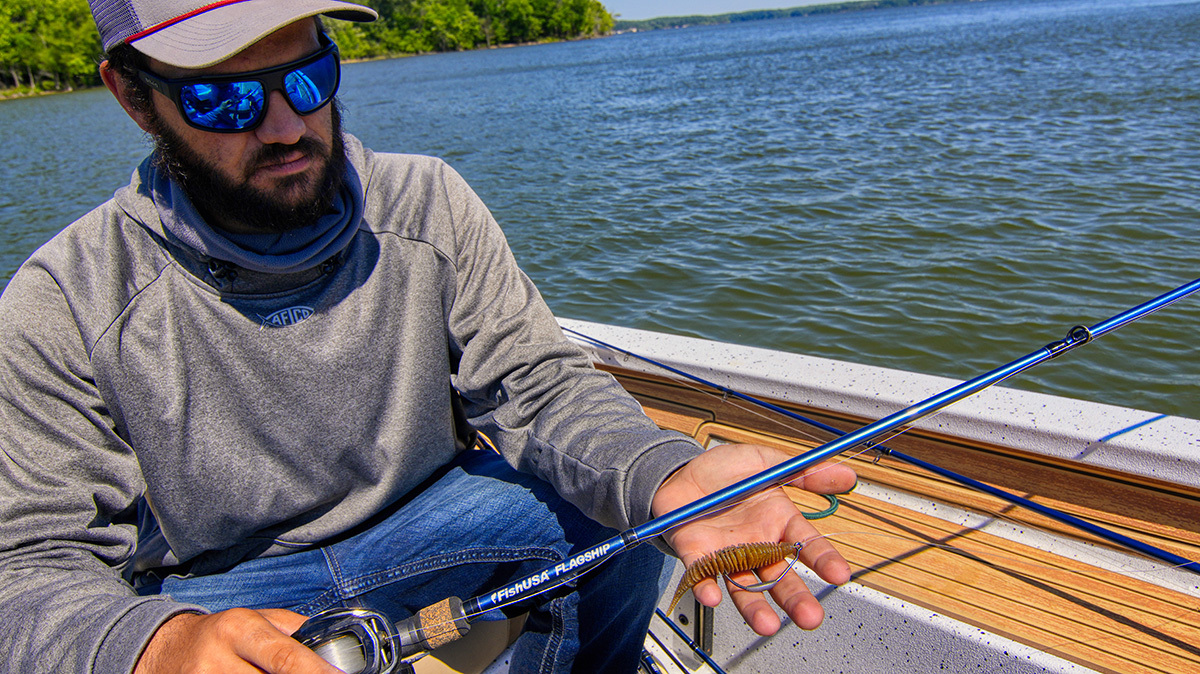
Pitching generally refers to delivering compact, streamlined baits that penetrate heavy cover easily. But a growing number of anglers are using weighted and finesse rigs with big, bulky plastics to reach fish that conventional presentations can't move. The theory is simple: a large, unusual profile commands attention and draws reaction strikes from fish that have been bombarded by standard-issue plastics all season.
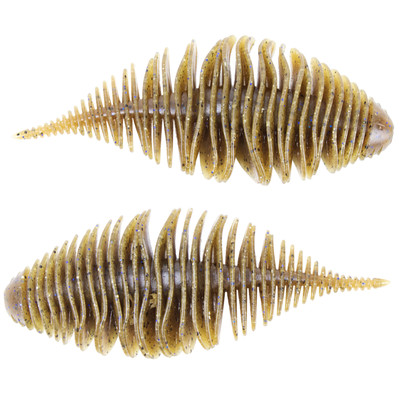
While dice and fuzzy baits are all the rage — and Hideup Coikes have achieved near-mythical status in tournament circles — one bait that flew under the radar before any of that and still seems overlooked is the Geecrack Bellows Gill. The Elastomer version at 5.8 inches is as large a plastic as you can throw and produces giant fish in low-pressure situations. But the 3.8-inch version is plenty big enough to generate big bites when other offerings won't even draw a look.
“I don’t know what they think it is.”
“Probably a ‘gill. But I can tell you when they are guarding fry, that thing can be magic.” — Harbor Lovin
Pro Tip: Rigging the Bellows Gill
- Standard Texas rig or punching rig works in heavy cover.
- Lovin often opts for a Weighted Owner Beast Hook — it gives the bait a gliding, side-to-side action around cover that a straight Texas rig can't replicate.
- Around fry guarders: pitch close, let it fall naturally, and watch your line for the tick before it hits bottom.
Geecrack Bellows Gill + Rigging
The bait, the Elastomer version, and the hook setup that makes it work

High-Speed Fluking
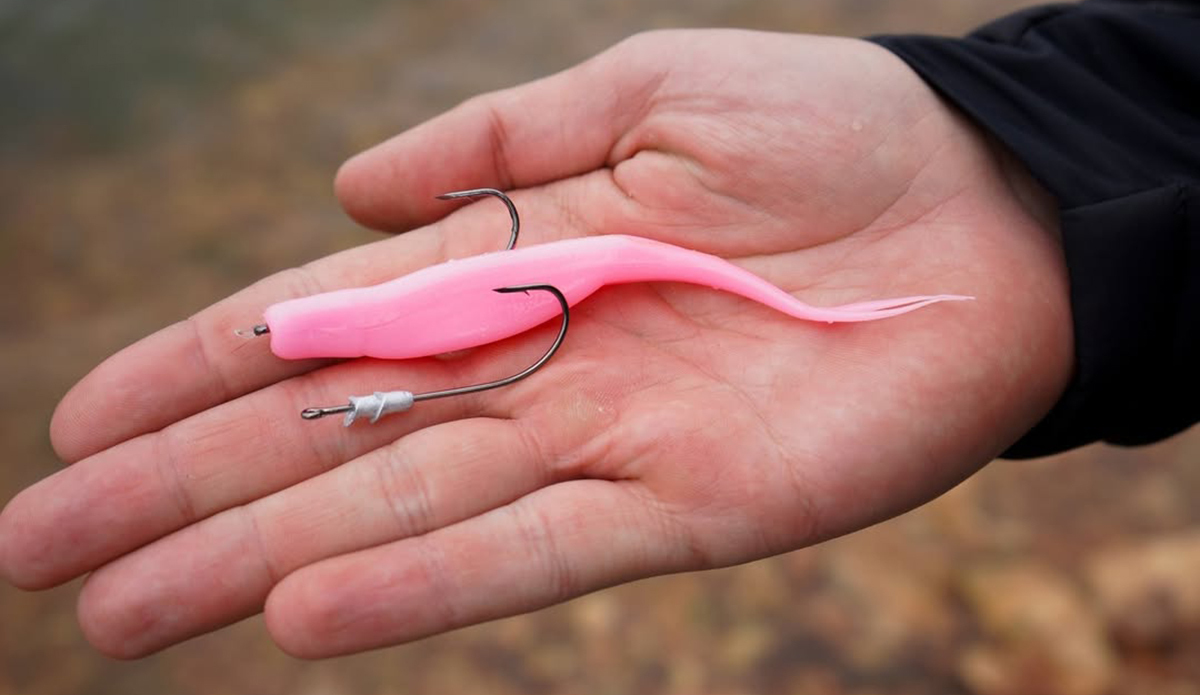
A soft jerkbait has been a staple for decades. Any time bass are feeding up on shad, a fluke-style bait plays. Most anglers fish these weightless, with an unweighted EWG hook — slow, with a series of twitches and pops letting the bait dip and dart, then sink just out of sight before jerking it again.
But anglers on herring lakes have developed a very different approach. They weight the bait and fish it at high speed to trigger impulsive strikes from bass chasing fast-moving herring on the blue-back fisheries of the Southeast. The bait isn't imitated — it's reacted to.
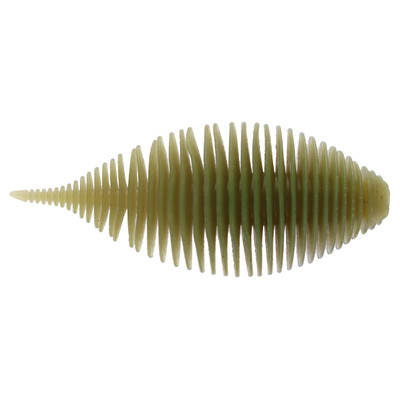
There are even hooks now designed specifically for this technique. FishUSA Pro Matt Becker has raved about the Core Tackle Scamper Rig — a specialized hook that lets you fish a soft jerkbait super fast with lateral vibration rather than the erratic dip-and-dive of conventional slow-twitch fluking. That lateral track keeps the bait running true at speeds where a standard EWG rig would spin out or lose its action.
Where this technique shines
- Large, shallow flats: Cover water fast, locate active fish, follow up with slower presentations.
- Open-water schooling fish: Get into the melee quickly and trigger fish before the surface activity dies.
- Herring lakes: Blue-back herring swim fast — a conventional slow fluke retrieve doesn't match the forage. High-speed does.
This is still a technique that the majority of bass anglers haven't tried. If you fish any reservoir with a herring or fast-moving shad population, it's worth dedicating a rod to it and putting in the reps to get the retrieve dialed in.
Scamper Rig Setup
The hook and body pairing Matt Becker uses for fast-retrieve fluking


Read Next
Unconventional Bass Fishing FAQ
A crankdown swimbait is a large-profile soft swimbait — often 6 to 10 inches — designed to be fished at depth with a steady retrieve, similar in concept to a deep-diving crankbait. Unlike lighter swimbaits fished in the water column, a crankdown swimbait is weighted or rigged to reach and maintain depth. The oversized profile triggers reaction bites from bigger-than-average fish and can gauge activity levels, making it a useful search tool for tournament anglers targeting quality over quantity.
A Trout Magnet is a small soft plastic body — typically 1.5 to 2 inches — originally designed for trout fishing. It mimics small fry, insects, and juvenile baitfish at a size and action profile that heavily pressured fish haven't seen thousands of times. It's particularly effective during the spawn when bass are selective and constantly bombarded by larger, more aggressive baits. Pair it with a 1/16-ounce tungsten jig head to maintain castability on light line.
A 1/16-ounce tungsten jig head is the standard pairing. Tungsten's density keeps the profile tiny while still providing enough weight to cast on light spinning gear. Fish it on 2 to 4-pound fluorocarbon or a light braid-to-fluoro leader. Going heavier disrupts the slow, natural fall that makes this technique effective — if you need to fish deeper, try a drop shot instead of increasing jig weight.
The Bellows Gill is a large, bulky plastic that displaces significant water and mimics a bluegill profile — one of the most recognized forage items for largemouth near spawning areas. Its bulk creates a slow, gliding fall that triggers strikes from fish that have gone off more streamlined presentations. The 3.8-inch version is the most versatile for pitching and flipping; the 5.8-inch Elastomer version produces giant bites in low-pressure situations. Rig it Texas, Carolina, or on a Weighted Owner Beast Hook for a gliding action around cover.
The Scamper Rig is a specialized hook by Core Tackle designed to fish a soft plastic jerkbait at high speeds with a lateral vibration instead of the erratic dip-and-dart of conventional weightless flukes. The hook keeps the bait tracking true at fast retrieves, making it effective for triggering impulsive strikes from bass chasing high-speed forage like herring. It excels on herring lakes in the Southeast and is strong for covering large shallow flats and triggering schooling fish.
2 to 4-pound fluorocarbon is ideal. The low diameter and near-invisible presentation are critical — on pressured fish during the spawn, heavier line is often the reason fish refuse. If you need longer casts, use 6-pound braid with a 2-pound fluorocarbon leader. Spinning gear is required; a light-action rod in the 6'8" to 7' range pairs well. Avoid any leader material heavier than 4-pound in clear water.
High-speed fluking is most effective when bass are actively chasing fast-moving baitfish in open water — particularly in herring lakes and reservoirs where bluebacks or gizzard shad are dominant forage. Best windows: early morning schooling fish, afternoon wind blitzes on open flats, and post-frontal pushes when fish bunch up on bait balls. It's also productive for covering large shallow flats quickly to locate active fish before slowing down.
Short strikes, fish swirling behind the bait, and bass following all the way to the boat without eating are all signs of reactive interest without commitment. Use the big swimbait as a measuring stick — if fish are tracking or swiping, they're present and active. Experiment with retrieve speed (slower often converts followers), try a different color to better match local forage, or switch to a slightly smaller presentation to get a committed eat. The big bait is the scout; your finesse rod is the closer.