

Summer Crappie Fishing: Where to Find Them, What Works, and When to Go
Summer Crappie Fishing: Where to Find Them, What Works, and When to Go
When water temps rise, crappie go deep, get scattered, and shift their feeding windows to low-light hours. This guide covers how to find them, what depth to target, and which techniques consistently produce fish from late June through August.
Last updated: August 2026 · By: FishUSA Staff
Summer Crappie Behavior
The 60-second version
- After spawning, crappie drop to 10–25 ft and suspend near the thermocline
- Midday heat shuts down feeding — target early morning, evening, and night
- Structure still matters: brush piles, standing timber, and creek channel ledges hold the most fish
- Night fishing under submersible lights is the most consistent summer tactic on most lakes
- Spider rigging and vertical jigging are the go-to techniques for scattered deep fish
Post-Spawn Transition
After spawning in late spring, crappie abandon the shallows and move progressively deeper as water temperatures climb. This transition is gradual — fish don't teleport to 20 feet overnight. Through May and into early June, you'll often find them at 8 to 12 feet. By midsummer, the same fish may have settled to 15 to 25 feet depending on the lake's depth and stratification.
During this transition, crappie are less grouped than during the spawn. They spread along structure rather than stacking on specific spots, which is why covering water becomes more important than anchoring on one location.
Summer Habits
Deep oxygen is the driver. Crappie seek cooler, oxygen-rich water during summer and consistently suspend near submerged brush piles, standing timber, creek channel ledges, and points that extend into deeper water. On most lakes, the productive depth range is 10 to 30 feet — with the fish holding at whatever depth the thermocline sits in a given body of water.
Feeding activity compresses into low-light windows. Early morning produces well as the surface hasn't baked yet. Evening picks back up as it cools. Midday is mostly dead unless you're targeting deep structure where water temps stay stable.
Feeding Behavior
Crappie focus on small baitfish and aquatic insects during summer — the same forage they eat year-round — but they're less willing to chase. Presentations that come to the fish — jigs held at depth, minnows suspended at the right level, slow-trolled baits that pass through the strike zone — consistently out-produce anything that requires the fish to move far.
Where to Find Crappie in Summer
Deep Brush Piles and Standing Timber
Brush piles and standing timber in 12 to 25 feet of water are the most reliable summer crappie holding spots on most lakes. The structure provides shade, ambush cover, and concentrates baitfish — everything crappie need in one spot. If you're fishing a lake you don't know, look for flooded timber fields on a map and verify with your sonar before dropping in.
The Thermocline
Thermoclines form in stratified lakes during summer, creating a distinct temperature break that separates warm, oxygenated surface water from the cold, oxygen-depleted water below. Crappie concentrate just above this layer — usually within 2 to 5 feet of it. Your fish finder will show it as a distinct band or fuzzy layer. Once you identify it, fish just above it and you'll be in the zone.
On most lakes, the thermocline sits somewhere between 12 and 30 feet. Shallower, more fertile lakes stratify at shallower depths. Deep, clear reservoirs may not stratify until 25 to 35 feet.
Shaded Structure
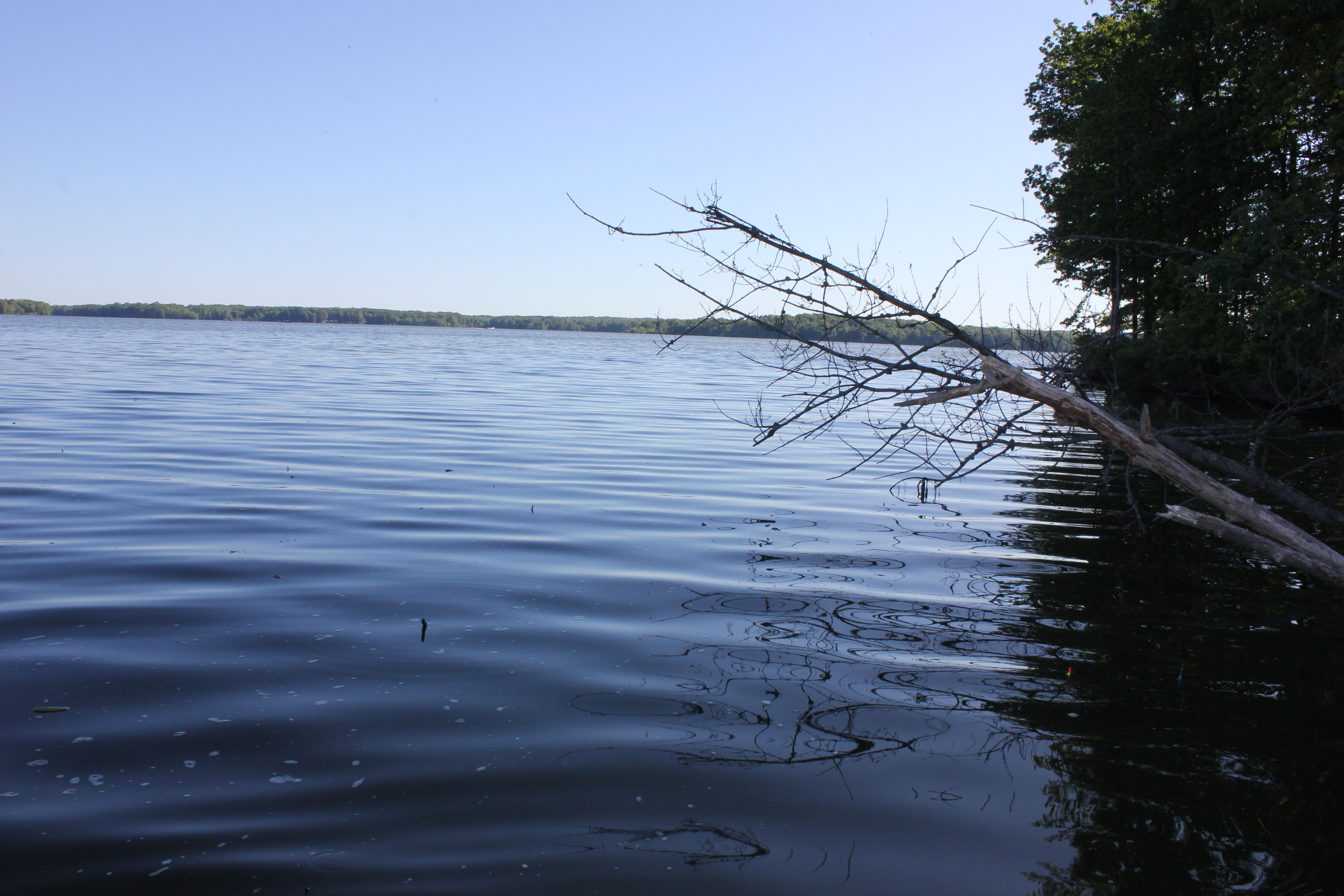
During midday, crappie that haven't gone deep will stack under shade. Docks, bridge pilings, overhanging vegetation, and fallen trees all work. The shade keeps water a few degrees cooler and gives fish something to pin baitfish against. These spots fish best in the early afternoon when surface exposure has been going longest and fish are most compressed into the cool zones.
Creek Channels
Submerged creek channels cut through the bottom of most reservoirs and act as natural highways for crappie movement. The channel edges — particularly where channels swing near timber or brush — are staging areas where fish hold between feeding runs. Troll along channel edges with spider rigs and you'll cover the most active fish efficiently.
Best Times to Fish for Summer Crappie
| Time of Day | Activity Level | Best Approach | Target Depth |
|---|---|---|---|
| Early morning (dawn–8am) | High | Cast and retrieve near structure edges | 8–15 ft |
| Midday (10am–4pm) | Low | Vertical jig deep brush; target thermocline | 15–25 ft |
| Evening (5pm–dark) | High | Spider rig along channel edges | 10–18 ft |
| Night | Very High | Submersible lights + vertical jigs or minnows | 5–12 ft |
Night Fishing
Night fishing is the most consistently productive summer crappie tactic on most lakes. Crappie feed aggressively after dark when surface temps drop and baitfish move shallower. Submersible or surface lights attract plankton, which draws baitfish, which draws crappie. Fish small jigs or live minnows around the illuminated zone — the bite window can last for hours.
Docks with lights already on are easy targets. Otherwise, anchor in 6 to 12 feet over clean bottom, deploy your own light, and wait 20 to 30 minutes for the column to set up before you start fishing. Bank anglers can take advantage of the night bite too — position near a lit dock or cast to fallen timber along a shaded bank edge. See our bank fishing for crappie guide for shore-specific tactics. Full night setup in our crappie night fishing guide.
For a full breakdown of feeding windows by season and time of day, see our guide on the best time to catch crappie.
Summer Crappie Techniques
Vertical Jigging
Vertical jigging is the most direct way to put a bait in front of crappie holding on deep structure. Drop a small jig directly over the fish and work it with subtle lifts and falls. The key in summer is slowing down — crappie aren't chasing, so a jig that hovers and twitches in the strike zone outproduces one that moves through quickly. This works anywhere you can position directly above the fish: brush piles, standing timber, channel ledges. See the full breakdown in our guide to jigging for crappie.
Spider Rigging
Spider rigging lets you cover water efficiently by running multiple rods off the bow simultaneously while trolling at 0.3 to 0.8 mph. Run 6 to 8 rods fanned out at different depths and distances, with jigs or minnows at each. As you pass through productive water, something at the right depth will trigger. This method is especially effective for locating fish in unfamiliar lakes or when fish are scattered along extended structure like creek channel bends. For rod counts, spread angles, and speed tips, see our complete spider rigging guide.
Casting and Retrieving
Early morning and evening, when crappie are shallower and more active, casting small jigs and crankbaits near docks, shaded banks, and timber edges produces well. Use a slow, steady retrieve with brief pauses. The pause is often when fish commit — a jig falling on slack line is one of the most reliable crappie triggers in summer.
Dock Shooting
Dock shooting is the most effective way to reach crappie holding tight under boat docks and pontoons — spots that are impossible to cast to with a normal overhead throw. Load the rod like a slingshot, pinch the jig near the hook, and release so it skips flat across the water and slides back under the dock. It takes some practice but once dialed in you can reach fish 10 to 15 feet back under cover that nobody else is fishing. Read the full guide to dock shooting for crappie for setup and technique tips.
Slip Float Presentations
A slip float rigged with a live minnow or jig lets you fish an exact depth hands-free while watching for strikes. This works particularly well when fish are holding at a consistent depth over a large area — set the bobber stop at the right level, cast to the structure, and let the bait do the work.
Best Baits and Lures for Summer Crappie
Live Minnows
Live minnows are the most reliable summer crappie bait, particularly when fish are sluggish in warm water. Hook them through the lips or back for the most natural movement. Suspend them under a slip float at the target depth, or use them on a split-shot rig dropped vertically over structure. Crappie that won't touch plastic will often take a live minnow.
Tube Jigs and Curly-Tail Grubs
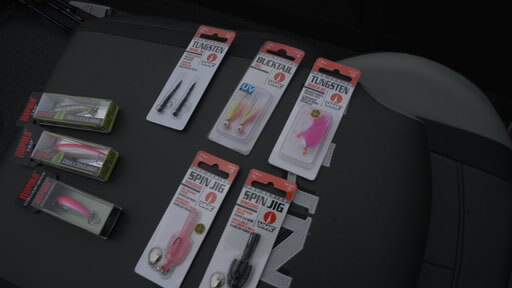
For artificial presentations, 1/32 to 1/16 oz tube jigs and curly-tail grubs produce year-round. In summer, the most effective colors tend to be chartreuse, white, pink, and natural shad patterns. Fish them on light jig heads matched to the depth — heavier heads in deeper water to reach the strike zone faster and hold at the right level through the water column.
Small Crankbaits
Small crankbaits with a tight wobbling action excel for covering water during the morning and evening bite. Troll or cast them along structure edges and channel bends to locate active fish. Choose natural colors like shad and perch patterns for clear water; brighter chartreuse and orange patterns cut through stained water better. See the top crankbaits for crappie for specific picks.
Spinnerbaits and Road Runners
Small in-line spinners and Road Runners combine flash and vibration that triggers reaction bites in murky water and low-light conditions. Use a slow retrieve near cover in the morning and evening. Road Runners are particularly effective under a slip float — the spinning blade gives suspended baitfish a natural look that crappie can't ignore.
Summer Crappie Gear Setup
Rod and Reel
A 6 to 7 foot light-action spinning rod paired with a 1000 to 2500 size spinning reel is the standard summer crappie setup. The light tip reads subtle bites, and the longer blank helps cast past the shaded zones you're targeting. For spider rigging, longer rods (10 to 14 ft) let you fan baits at greater spreads from the boat. See the best crappie rods for specific picks across price ranges.
Fishing Line
4 to 6 lb fluorocarbon is the go-to for summer crappie in clear water — near-invisible underwater, sensitive enough to feel a crappie barely picking up a jig, and abrasion-resistant enough to handle brush contact. In stained water, 6 to 8 lb monofilament works fine. For spider rigging, 10 lb braid main line with a 4 to 6 lb fluorocarbon leader gives the best combination of sensitivity and depth control. See the best fishing line for crappie for more detail on each type.
Electronics
A fish finder becomes more valuable in summer than any other season. Use it to locate the thermocline depth, identify brush piles and timber in deep water, and find schools of fish suspended above bottom. Once you mark crappie at a specific depth, set your jig or float to that exact level before making any casts. Fishing blind in 15 to 25 feet without knowing where fish are holding wastes most of your time on unproductive water.
Electronics tip: Look for the thermocline on your sonar — it usually shows as a slightly fuzzy horizontal band or a transition zone in the water column. Set your baits 2 to 5 feet above it and you'll be fishing where crappie spend most of their summer.
Summer Crappie Fishing FAQ
In most lakes, summer crappie suspend between 10 and 25 feet, just above the thermocline. On deeper, clearer reservoirs they can push to 30 feet or more. The exact depth depends on where oxygen and baitfish stack up — use a fish finder to locate both and you'll find the fish.
Early morning (first two hours of light) and evening (the hour before and after sunset) are most productive when water temps peak. Night fishing with submersible lights is consistently the best option in midsummer — crappie feed aggressively once the surface cools and baitfish swarm the light.
The thermocline is a distinct temperature boundary that forms in stratified lakes during summer, separating warm surface water from colder, oxygen-depleted water below. Crappie cannot live below it long-term, so they concentrate just above it. Finding the thermocline depth with a fish finder and setting your presentation 2 to 5 feet above it puts your bait where the fish are holding.
Live minnows are the most reliable summer bait, especially when fish are lethargic in midday heat. For artificial presentations, 1/32 to 1/16 oz tube jigs and curly-tail grubs in chartreuse, white, or pink account for the majority of summer crappie caught on plastics. Small crankbaits excel for covering water and locating scattered fish during the morning bite.
Yes — spider rigging is one of the most effective summer crappie methods because it lets you troll multiple jigs or minnows simultaneously at a controlled depth. In summer, troll slowly (0.3 to 0.8 mph) along creek channels and submerged structure edges. Dialing in the thermocline depth and running baits just above it makes spider rigging extremely productive when fish are scattered.
1/32 oz jigs are the workhorse for vertical presentations in 10 to 20 feet of water. Go heavier (1/16 oz) in deeper water so the jig reaches the strike zone faster — crappie are suspended, not on the bottom, so getting to depth quickly matters. For spider rigging or long-line trolling, 1/16 to 1/8 oz jigs track better and run more consistently at slow trolling speeds.
They do, but midday surface heat moves feeding windows to low-light periods. The fish don't stop eating — they shift when and where they eat. Focus on early morning, late evening, and night fishing, or target deep structure in 15 to 25 feet where water temps stay cooler through the afternoon.
4 to 6 lb fluorocarbon is the most versatile summer crappie line — invisible in clear water, sensitive enough to read subtle bites, and strong enough for the fight. In stained water or when fishing heavy cover, 6 to 8 lb mono works well. For spider rigging, many anglers use 10 lb braid with a 4 lb fluorocarbon leader for better depth control and sensitivity.