/
/
Four decades of picking apart Santee Cooper docks, boiled down to the setup, the shot, and the depths that put big slabs in the boat. Here’s how to skip a jig where other anglers can’t reach.
Last updated: October 2026 · By: Brandon “Gator” Freeman
Dock shooting for crappie is a finesse technique that demands a nuanced approach. As a crappie fisherman on the Santee Cooper Lakes, I’ve been lucky enough to spend over four decades picking apart the docks big slabs like to call home.
My journey into the world of dock shooting started way before it became a “thing.” No GPS coordinates, no fancy gear – just a passion for exploring every nook and cranny beneath those docks.
In this comprehensive guide, we’ll delve deeper into the intricacies of dock shooting, exploring not only the essential gear and techniques but also understanding the optimal depths to target when fishing docks for crappie.
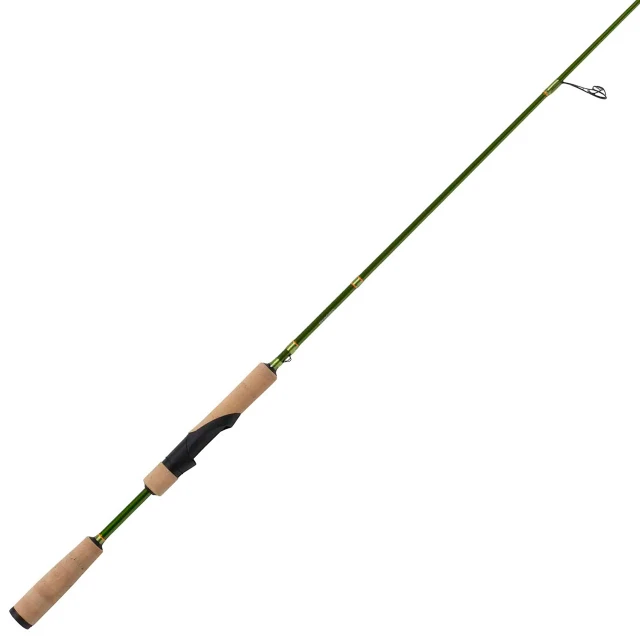
Selecting the appropriate gear is crucial for successful dock shooting. The perfect dock shooting rod needs to be short enough to get low to the water, have enough flex to load up to gain some power, but also have enough backbone to send your bait way under a dock. I recommend a rod between 6 to 6.6 feet, particularly the ACC Crappie Stix, which offers the perfect blend of sensitivity and maneuverability.
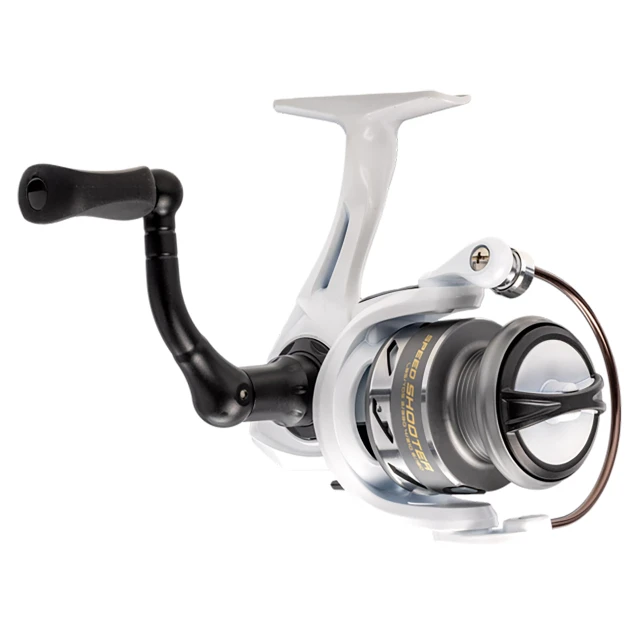
ACC Crappie Stix offers two rod models in their Green Series Rods that excel at this specific technique, the GS061P and the GS661P. The 61 is a 6-footer and the 661 is a 6’6”; both are medium moderate actions that offer the perfect balance of backbone and softness to get a great skip. Pair either of these rods up with a Lew’s Wally Marshall Speed Shooter Spinning Reel in the 75 size and you’re in business.
The most popular jig head sizes for dock shooting are 1/16 - 1/8oz. Just heavy enough to get some momentum to get a far skip yet still light enough to easily control. White, chartreuse, green, and blue are all excellent options. The ACC Crappie Jig Heads are my personal favorite. These jig heads have a quality bait keeper and stout hook to horse big slabs from under docks.
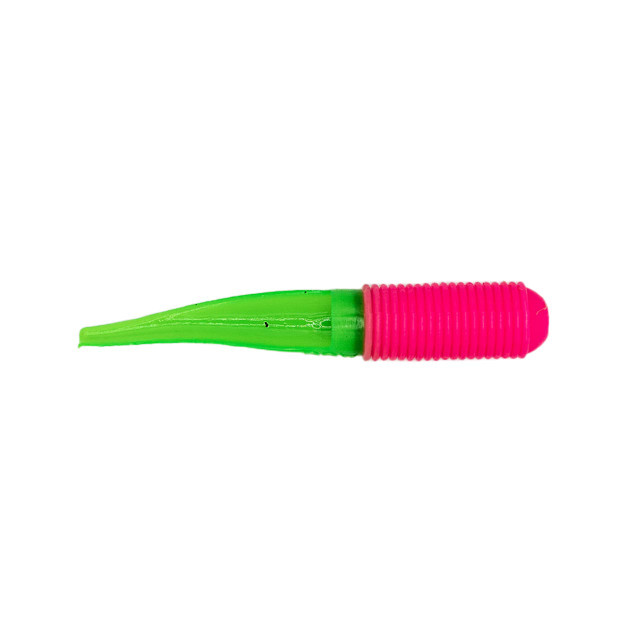
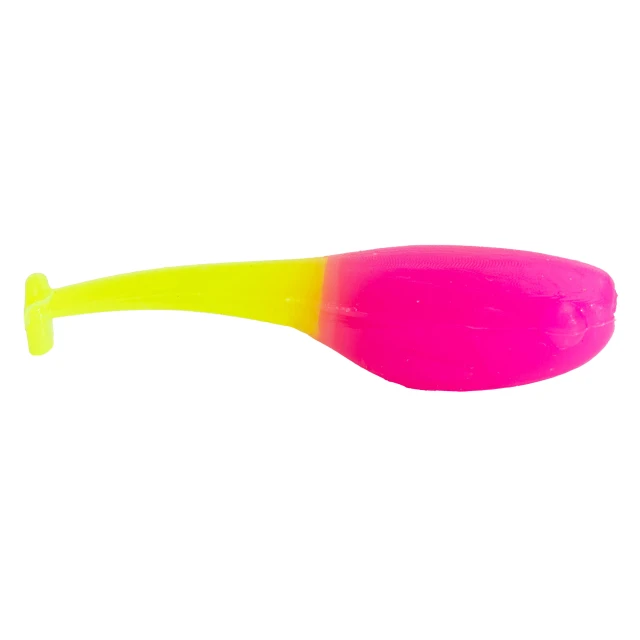
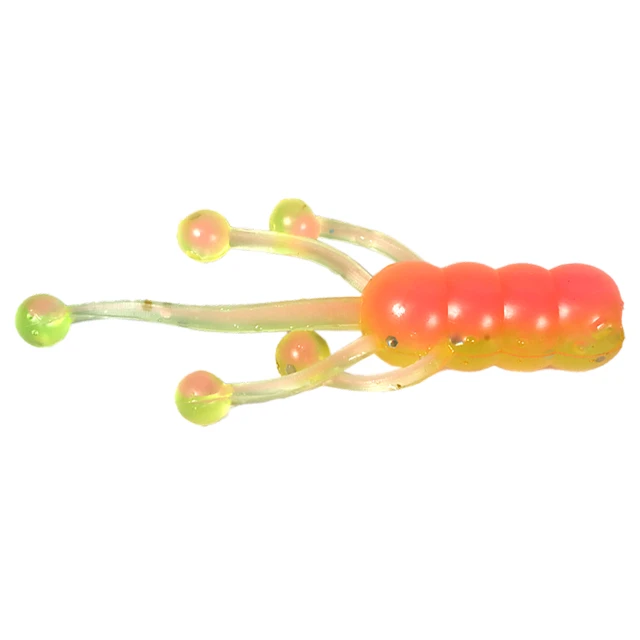
Versatile soft plastic baits are the go-to choice for dock shooting. Experiment with various colors and sizes to determine what entices crappie under different conditions. FishUSA.com has an incredible amount of crappie soft plastics to choose from, but my personal favorite are the ACC Crappie Snax. The colors “Pear Juice” and “Ol’ Faithful” never let me down!
Hair jigs also will work. These are a great option because there’s no chance of your plastic sliding down or becoming manipulated when skipped under a dock.
Perfecting the dock shooting technique involves a strategic approach. Stand parallel to the dock, use a sidearm grip, and execute a pendulum motion to place your bait precisely where crappie are likely hiding.
Start with open docks and bigger gaps until the timing feels natural, then work your way into tighter spots between pilings, boats, and lifts where other anglers can’t reach.
Stay vigilant for subtle signs of bites, such as twitches or a sudden stop in your line. Crappie bites can be delicate, requiring a quick yet controlled hook set. Stay focused and keep your eyes glued to that line!

During the spring, crappie move into shallow waters to spawn. Docks become prime locations for spawning, as they offer the necessary habitat, protection, and are typically in the right depth range. Look for crappie to be on docks in numbers when water temperatures range from 55 to 65 degrees Fahrenheit. For more on timing, see when do crappie spawn and our spring crappie fishing guide.
As temperatures cool in the fall, crappie migrate back toward shallower areas, including docks, in search of baitfish. Target docks when water temperatures range between 60 and 70 degrees Fahrenheit in the fall.
| Season | Water Temp | Target Depth | Where on the Dock |
|---|---|---|---|
| Early Spring | 55–65°F | 2–5 ft | Outer edges, submerged structure |
| Late Spring to Summer | Rising | 5–10 ft | Under the dock, pilings, brush |
| Fall | 60–70°F | 5–10 ft | Pilings, brush, underwater structure |
Understanding the ideal depths to target is crucial for maximizing your dock shooting success. Some lakes are littered with an overwhelming amount of docks, so narrowing down a productive depth can help eliminate a lot of water. Crappie often position themselves at different depths depending on the season and conditions.
In early spring, crappie tend to be in shallower depths, ranging from 2 to 5 feet. Focus on the outer edges of docks and any visible structure where crappie may spawn. Some dock owners will submerge structure under or near their docks. This is definitely something you’ll want to keep an eye out for.
One of my largest dock-caught crappies was caught on a dock with such structure on Wyboo of Santee Cooper Lakes. The guy had so much stuff submerged that losing jigs was the price of admission. But, the payoff was sweet. A 2.65 lb black crappie came off that structure, and that dock went from just another spot to a legendary piece of my fishing history.
As temperatures rise, crappie move slightly deeper, typically in the 5 to 10-foot range. Target the spaces beneath and around dock pilings, submerged brush, and any underwater structures.
During the fall, crappie return to shallower waters. Concentrate on depths ranging from 5 to 10 feet, focusing on the same structures as in late spring to intercept crappie on their seasonal movements.
By incorporating these depth considerations into your dock shooting strategy, you can further refine your approach and increase your chances of landing more crappie.

The cream of the crop for dock shooting, these lightweight and sensitive rods provide the finesse required for accurate casting.
Experiment with various plastic baits in a variety of colors. Find a selection here.
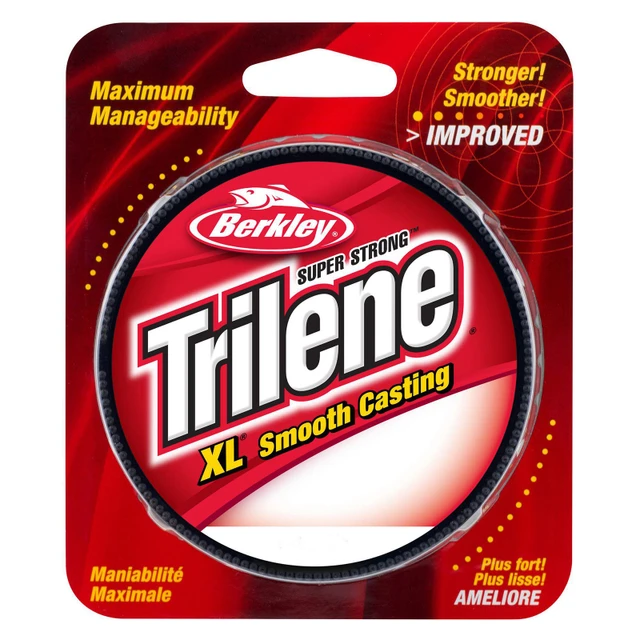
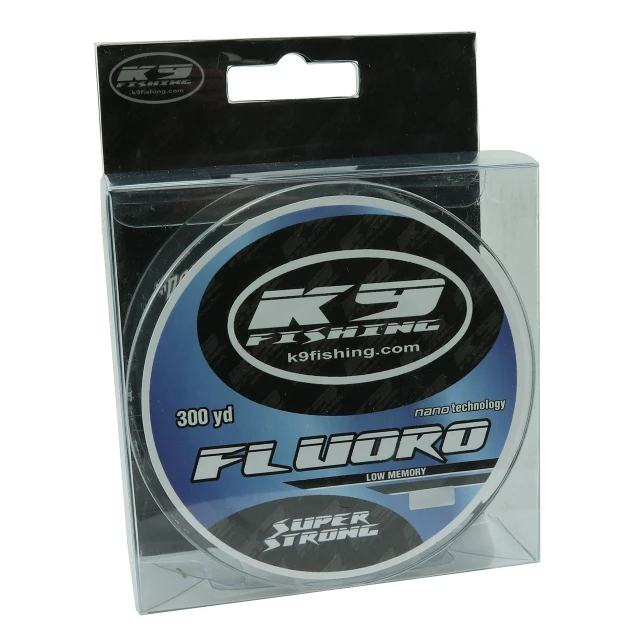
Ensure your reel complements the finesse of your rod and is spooled with 4 to 8-pound test monofilament or fluorocarbon line.
Need help choosing? See our guide to the best fishing line for crappie.
Enhance visibility by reducing glare on the water’s surface, making it easier to spot subtle bites. Browse fishing sunglasses.
Dock shooting is a finesse technique where you bend a short spinning rod and release the jig like a slingshot, skipping it far back under a boat dock where crappie hide in the shade and cover. It lets you reach fish that a normal cast can never get to.
A rod between 6 and 6 feet 6 inches is ideal for dock shooting. It is short enough to keep low to the water, has enough flex to load up and store power, and still has the backbone to send a jig deep under a dock. Medium power, moderate action models such as the ACC Crappie Stix Green Series GS061P and GS661P are built for this technique.
Jig heads from 1/16 to 1/8 ounce are the most popular for dock shooting. They are heavy enough to carry momentum for a long skip yet light enough to control easily. White, chartreuse, green, and blue are all excellent color choices.
Spool a light or ultralight spinning reel with 4- to 8-pound-test monofilament or fluorocarbon line. Lighter line shoots and skips more easily, while the upper end of that range gives you more strength for pulling big crappie out from under dock cover.
Spring and fall are the best seasons. In spring, crappie move onto docks to spawn when water temperatures are between 55 and 65 degrees Fahrenheit. In fall, they return to docks chasing baitfish when water temperatures range from 60 to 70 degrees Fahrenheit.
In early spring, target docks in 2 to 5 feet of water, focusing on outer edges and submerged structure. From late spring into summer, crappie slide to 5 to 10 feet around pilings and brush. In fall, concentrate on the 5- to 10-foot range around the same structure as fish move back shallow.
Watch your line closely after every shot. Crappie bites under docks are often delicate and show up as a small twitch, a sideways jump, or the line suddenly stopping as the jig falls. Make a quick but controlled hook set as soon as you see anything unusual.
In conclusion, mastering dock shooting for crappie involves a holistic approach, from selecting the right gear to understanding the depths crappie inhabit during different seasons. By combining knowledge, skill, and a touch of finesse, you can elevate your dock shooting game and enjoy a more rewarding crappie fishing experience. Happy fishing!
Dock shooting is demanding, and like any technique it can lead to burnout if it’s all you do. Diversify your fishing, take breaks, and make sure you’re fishing for enjoyment rather than solely for results. When the docks aren’t producing, or you just need a change of pace, spider rigging for crappie is a slow-trolling, multi-rod approach that covers open water instead of picking apart cover one shot at a time.
Want more ways to put slabs in the boat? Check out our crappie fishing tips and the best crappie lures, jigs, and baits.
Hook Me Up!
Sign up for emails and texts to get exclusive updates and offers.
By providing your number above, you agree to receive recurring automated marketing text msgs (e.g. cart reminders) to the mobile number used at opt-in from FishUSA on 25043. Consent is not a condition of purchase. Msg frequency may vary. Msg & data rates may apply. Reply HELP for help and STOP to cancel. See Terms and Conditions & Privacy Policy