


/
/
Spider rigging spreads multiple long rods off the boat so you can present different baits at different depths at the same time. Here’s the gear you need, how to set up and rig your lines, and the trolling techniques that put more crappie in the boat.
Last updated: October 2026 · By: FishUSA Staff
Spider rigging is a highly effective technique for crappie fishing that involves using multiple rods to cover a wide area of water. This method allows anglers to present a variety of baits at different depths simultaneously, making it ideal for locating and targeting crappie schools. Whether you’re a beginner or an experienced angler, this guide will teach you how to set up and master spider rigging for crappie.
Spider rigging is a trolling method where multiple rods are spread out like the legs of a spider from the front or sides of a boat. Each rod is rigged with a different bait or lure, and the boat is moved slowly to cover water. This technique maximizes your chances of locating crappie, especially in large lakes or reservoirs.
Rod holders are crucial for spider rigging as they keep your rods securely in place and evenly spaced. Adjustable rod holders allow you to position your rods at different angles and depths. Look for sturdy, corrosion-resistant models that can handle multiple rods.

Use long rods, typically 10 to 16 feet, to spread out your presentation and reduce line tangles. Light or medium-light action rods provide the sensitivity needed to detect subtle bites. Check out our buying guide for more info: Best Crappie Rods for Spider Rigging.
Spinning or baitcasting reels with smooth drag systems are ideal for spider rigging. Line counters can be helpful for maintaining consistent depths across multiple rods. Check out our buying guide for more info: Best Crappie Reels.
Use 6- to 10-pound test monofilament or fluorocarbon lines. For fishing heavy cover or deeper waters, braided line with a fluorocarbon leader is a good choice. Learn more about crappie fishing line.
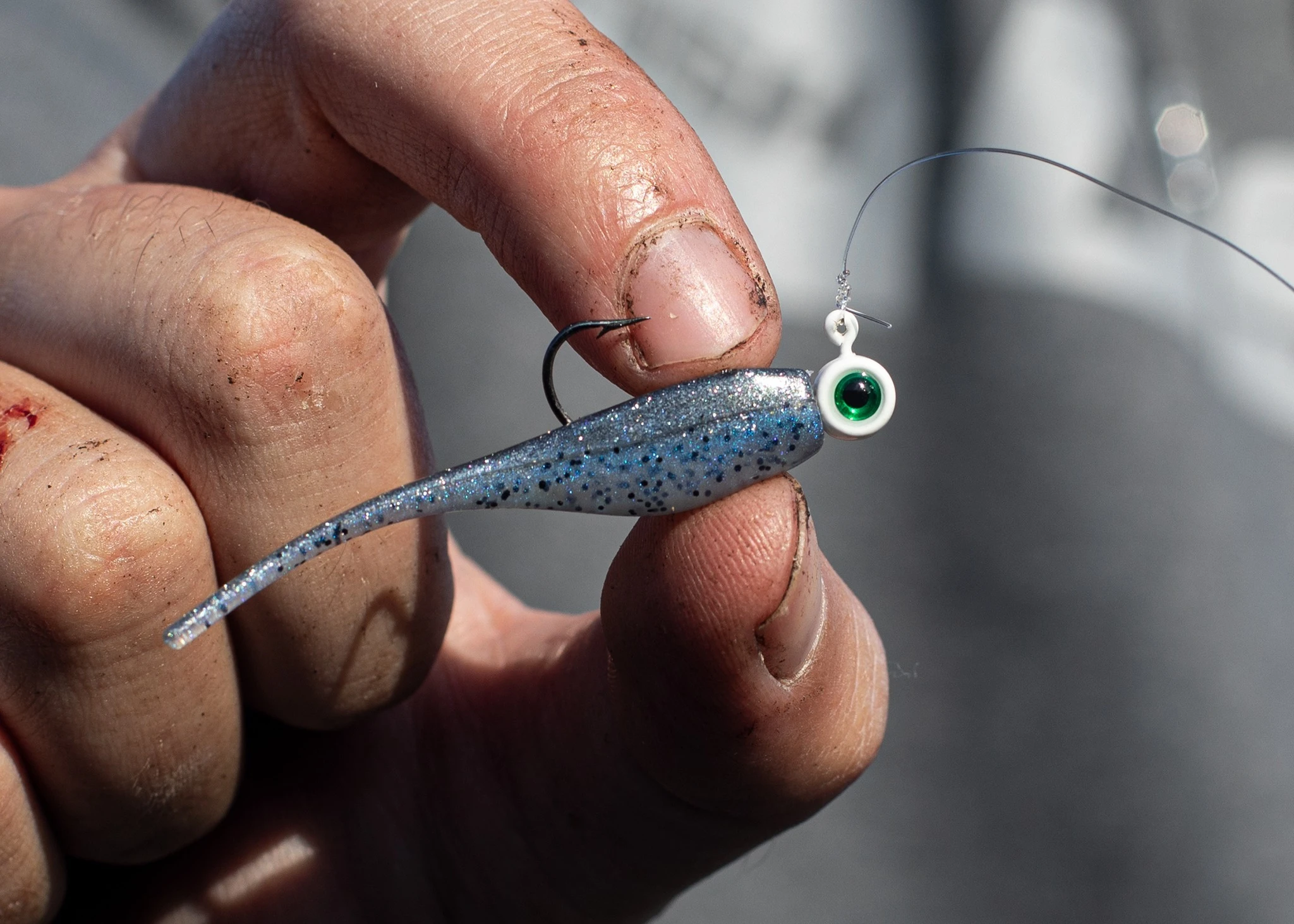
Essential terminal tackle includes jig heads, hooks, split shot weights, and swivels. Use a mix of jig colors and sizes to determine what the crappie prefer on a given day.
Live minnows, soft plastics, and jigs are the most popular baits for spider rigging. Combining live bait with artificial lures can help you cover more scenarios effectively. See the Top Crappie Baits, Lures & Jigs.
Space your rods evenly across the bow or sides of your boat using rod holders. Adjust the angle of each rod to cover different depths and reduce tangles.
There are several ways to rig your lines for spider rigging:
Use a fish finder to locate crappie schools and adjust the depth of each line accordingly. Start by covering a range of depths and narrow it down once you identify where crappie are holding.
Maintain a slow trolling speed (0.2 to 1 mph) to keep your baits moving naturally through the water. Use a trolling motor for precise speed control and smooth movement.
Spider rigging is effective for locating crappie in open water or along structures like creek channels, brush piles, and drop-offs. By spreading your rods, you can quickly determine the most productive areas.
Use different bait types, colors, and sizes on each rod to identify what the crappie prefer. Adjust your setup based on which rods are getting bites.
Watch your rod tips closely for subtle movements that indicate a bite. Crappie often nibble lightly, so quick detection is key to successful hooksets.
Want more ways to put slabs in the boat? See our crappie fishing tips and techniques.
Spider rigging is a slow trolling method for crappie where multiple long rods are set in rod holders and fanned out from the bow or sides of the boat like the legs of a spider. Each rod can carry a different bait, color, or depth, so you cover a wide swath of water and quickly learn what the crappie want.
Keep your speed between 0.2 and 1 mph. That slow pace keeps jigs and minnows hanging naturally in the strike zone. A trolling motor gives the most precise speed control, and drift socks help hold a steady speed in wind.
Rods from 10 to 16 feet long are standard. Long rods spread baits farther apart to reduce tangles and keep lines away from the boat. Light or medium-light action provides the sensitivity needed to see light crappie bites at the rod tip.
Use 6- to 10-pound test monofilament or fluorocarbon for most spider rigging. When fishing heavy cover or deeper water, a braided main line with a fluorocarbon leader adds strength and sensitivity while keeping the presentation subtle.
The number of rods allowed per angler varies by state and even by individual lake, so always check your local fishing regulations before spider rigging. The same applies to rigs that use two jigs or hooks on one line, which are not legal everywhere.
Live minnows, soft plastics, and jigs are the most popular spider rigging baits. Many anglers run a mix of live minnows on bare jig heads and soft plastic jigs in several colors, then switch more rods to whatever bait and color are getting bit.
Spider rigging works well in open water and along structure such as creek channels, brush piles, submerged timber, drop-offs, and weed edges. Use a fish finder to locate schools and their depth, then troll baits through those areas at the depth the fish are holding.
Spider rigging is a versatile and effective technique for targeting crappie, especially in large bodies of water. By setting up your rods correctly, using the right baits, and employing slow trolling techniques, you can locate and catch more crappie. Use the tips and strategies in this guide to master spider rigging and enjoy productive fishing trips throughout the year.
Hook Me Up!
Sign up for emails and texts to get exclusive updates and offers.
By providing your number above, you agree to receive recurring automated marketing text msgs (e.g. cart reminders) to the mobile number used at opt-in from FishUSA on 25043. Consent is not a condition of purchase. Msg frequency may vary. Msg & data rates may apply. Reply HELP for help and STOP to cancel. See Terms and Conditions & Privacy Policy