

Crappie Fishing with Slip Floats: Best Tips, Rig Setup, and How to Fish Them
Crappie Fishing with Slip Floats: Best Tips, Rig Setup, and How to Fish Them
Few things in fishing are more exciting than watching a float twitch, pause, and disappear under the water. Slip floats give you far more depth control and presentation precision than a fixed bobber — and once you know how to rig them, adjusting depth takes seconds without re-tying.
Published: July 2026 · By: FishUSA Staff
Fewer anglers today use slip floats for crappie fishing, and that means many are missing one of the easiest and most effective ways to catch crappie in a wide range of conditions. A slip float helps you keep your jig or minnow above snags, brush, and vegetation while allowing you to fish slowly and methodically — which is often the key to catching more crappie. Once rigged correctly, you can adjust depth in seconds without re-tying.
Slip Float Rig at a Glance
- Thread order: Bobber stop → bead → slip float → weight → hook or jig
- Best weight: 1/32–1/16 oz jig, or small split shot with a live minnow
- Float size rule: Smallest float that will still suspend your bait
- Rod: 7–9 ft spinning rod, light or medium-light power
- Depth range: Shallow spawning flats to 20+ feet over deep structure
- Key bite tell: Float laying flat = crappie lifted the bait
How Slip Floats Work for Crappie Fishing
A slip float has a hollow tube through the center, allowing your fishing line to slide freely through the float. Unlike a fixed bobber, a slip float moves up and down the line until it stops at the bobber stop. This makes it easy to fish precise depths without constantly re-rigging.
To set up a basic slip float rig for crappie, thread your line in this order:
- Bobber stop
- Small bead
- Slip float
- Weight or split shot
- Hook or jig
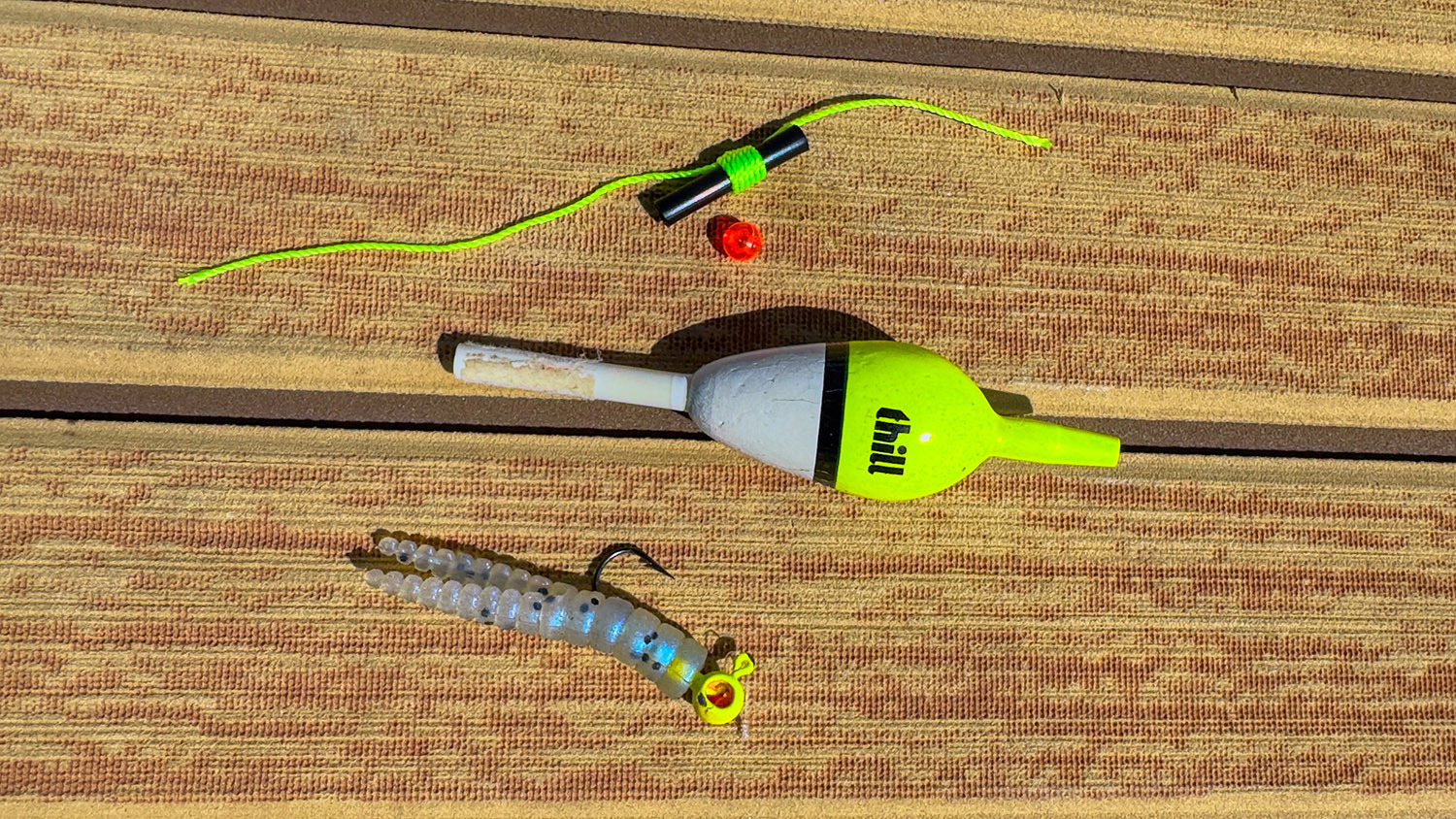
The bobber stop determines your fishing depth. The bead keeps the stop from slipping into the top of the float. Once your bait falls through the water column, the float stops at the preset depth. This simple setup makes it easy to adjust for changing fish position, cover, and water depth.
Best Bobber Stops for Slip Floats
The most important part of a slip float setup is the bobber stop. It needs to stay in place during casts and hooksets, but still pass through your rod guides smoothly when fishing deeper water.
Many experienced anglers prefer corded bobber stops that come pre-tied on small plastic tubes. You slide the stop onto the line, tighten it, trim the tag ends, and you’re ready to fish. These stops hold well and move through guides cleanly.
Other options include rubber bobber stops and plastic tabs. Rubber stops can work, but they often slip more over time than corded versions. Plastic tabs with multiple holes can also be effective if sized properly.
Bead Size Matters
Your bead needs to be small enough to stop at the bobber stop but large enough that it does not jam inside the hollow tube of the float. Test the fit before you rig up — a bead that disappears into the float will cause your rig to fish at the wrong depth every time.
How Much Weight to Use with a Slip Float
Your slip float needs enough weight below it to pull the line down through the float and let the rig settle at the correct depth. Too little weight and the line may not slide properly — your bait may never reach the target depth. Too much and the float sits too low or sinks completely.
Match your weight to the size and buoyancy of the float. For most crappie fishing applications, use:
- 1/32 oz to 1/16 oz jigs
- Small split shot with live minnows
- Compact floats sized for light presentations
In most cases, the best slip float for crappie is the smallest float that will still suspend your bait properly. Smaller floats create less resistance when a fish bites, which helps prevent crappie from dropping the bait before you set the hook.
Keep Your Line Clean
Many high-quality slip floats have top and bottom grommets to help line move smoothly through the float. Keep your line clean as well — moss, algae, and debris create friction and can keep your rig from reaching the set depth even when everything else is rigged correctly.
How to Fish Slip Floats for Crappie
The basic rule is simple: keep your bait slightly above the fish.
For example, if you are fishing a brush pile in 10 feet of water and the cover rises to 6 feet below the surface, set your bobber stop around 3½ to 4 feet. That keeps your jig or minnow above the cover and in the strike zone without hanging up.
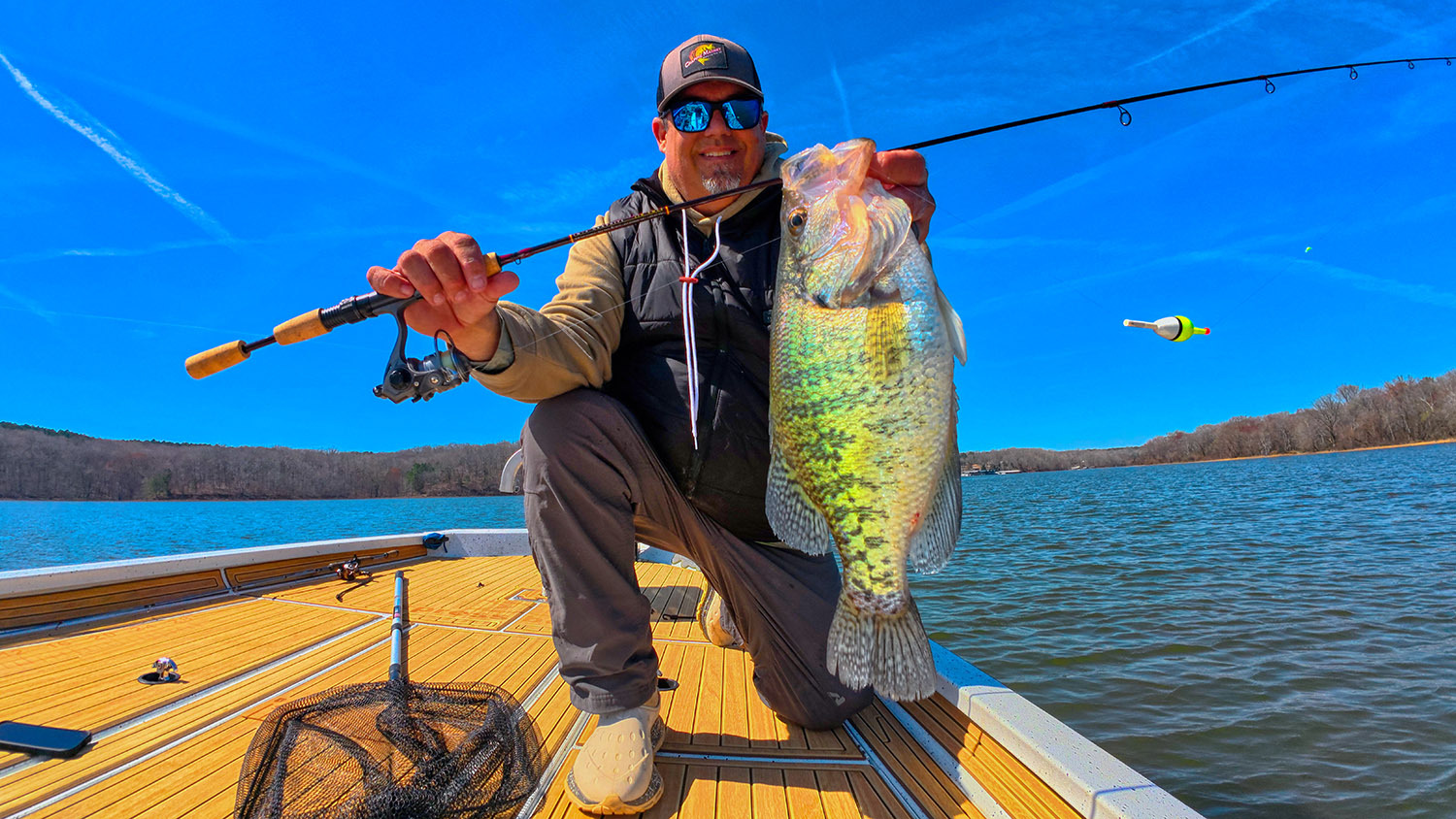
Once your bait reaches the right depth, use a slow, controlled presentation. You can:
- Slowly reel, keeping the float moving at a steady pace
- Pull the float with the rod tip in short sweeps
- Pause between movements to let the bait hang
- Pop the float lightly to trigger reaction bites
Start with subtle movement, then experiment until the fish tell you what they want. Crappie often prefer a slow retrieve with frequent pauses — the float lets you hold that pause without your bait drifting out of position.
Depth Adjustment on the Fly
One of the biggest advantages of a slip float is how fast you can change depth. If you’re marking fish at 8 feet instead of 5, slide the bobber stop up the line, snap it tight, and you’re fishing the new depth on the very next cast. No re-tying, no changing rigs.
How to Detect Crappie Bites Under a Slip Bobber
One of the biggest mistakes anglers make is waiting for the float to fully go under. Crappie do not always bite that way.
In shallow water, a crappie may bite and move upward instead of down. When that happens, the float may:
- Bounce or jiggle briefly
- Tilt to one side
- Lay flat on the surface
A float that suddenly lays over is often a sign that a crappie has lifted the bait. In shallow cover, crappie may not have room to dive, so the float only moves slightly. Learning to recognize these subtle bites — instead of waiting for the classic full dive — will help you hook significantly more fish.
Set on Any Unnatural Movement
If the float does anything it wasn’t doing before — a twitch, a dip, a tilt, a sudden stillness — set the hook. Crappie have soft mouths and rarely hold long, so a fast, light sweeping hookset is better than waiting to be sure.
When to Use Slip Floats for Crappie
Slip floats shine anytime you need to keep your bait in the strike zone longer. Crappie are known for following slowly and often biting on the pause. Without a float, a slow presentation can lead to snags or pull your bait out of the productive zone. A slip float solves that problem by suspending your bait at the exact depth you want.
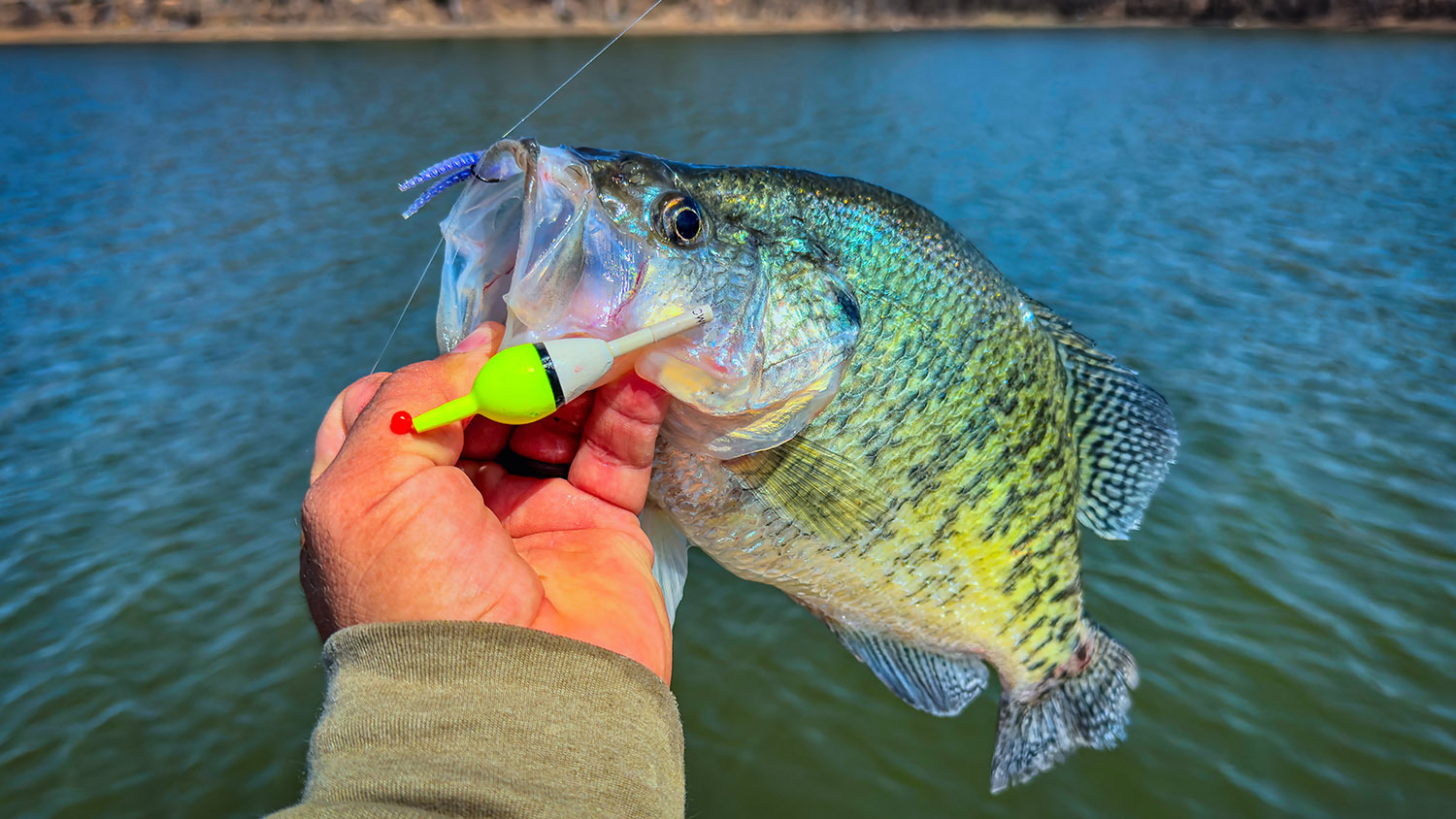
Slip floats are especially effective when:
- Fishing shallow spawning crappie near structure
- Working around brush piles, timber, and vegetation
- Targeting suspended crappie over deep water
- Fishing clear water where crappie are spooky
- Presenting jigs at long distance to avoid spooking fish
- Keeping minnows or jigs above snag-heavy cover
They are also a great option when you want to stay farther away from the fish. In clear or shallow water, that extra distance can make a big difference in how many fish you catch. Some anglers fish jigs as deep as 20 feet under slip floats — effectively vertical jigging from a distance, which can be deadly on pressured or wary crappie.
Best Rod Setup for Slip Float Fishing
A longer spinning rod is often the best choice for slip float fishing. It helps with casting, line control, and hooksets at a distance. Look for a rod between 7 and 9 feet in a light or medium-light power. A longer rod offers several advantages:
- Better casting when the bobber stop is set deep on the line
- Easier line management in wind
- Improved hooksets at long range
- More control when moving the float during the retrieve
Paired with light line and a balanced float, this setup makes it easier to fish precisely around cover and suspended fish. Shop crappie fishing rods to find a rod matched to slip float fishing.
Line Recommendation
4–8 lb monofilament or fluorocarbon is the standard for slip float crappie rigs. Mono floats slightly and casts light presentations well. Fluorocarbon is nearly invisible underwater — a real advantage in clear water. Avoid heavy braid on light slip float rigs; it can bow in the wind and make bite detection harder.
Choosing the Best Slip Float for Crappie
There are many slip float styles on the market, and the best one often comes down to your bait size, fishing depth, and personal preference. Most crappie anglers are fishing small jigs or minnows, so they do best with compact, sensitive floats. Common styles include:
- Long, slender floats that stand tall and show subtle lift bites — great for still or slow-current water
- Short, rounder floats that cast more easily — better when you need distance
- Low-profile floats with minimal above-water footprint — for light-resistance presentations in calm conditions
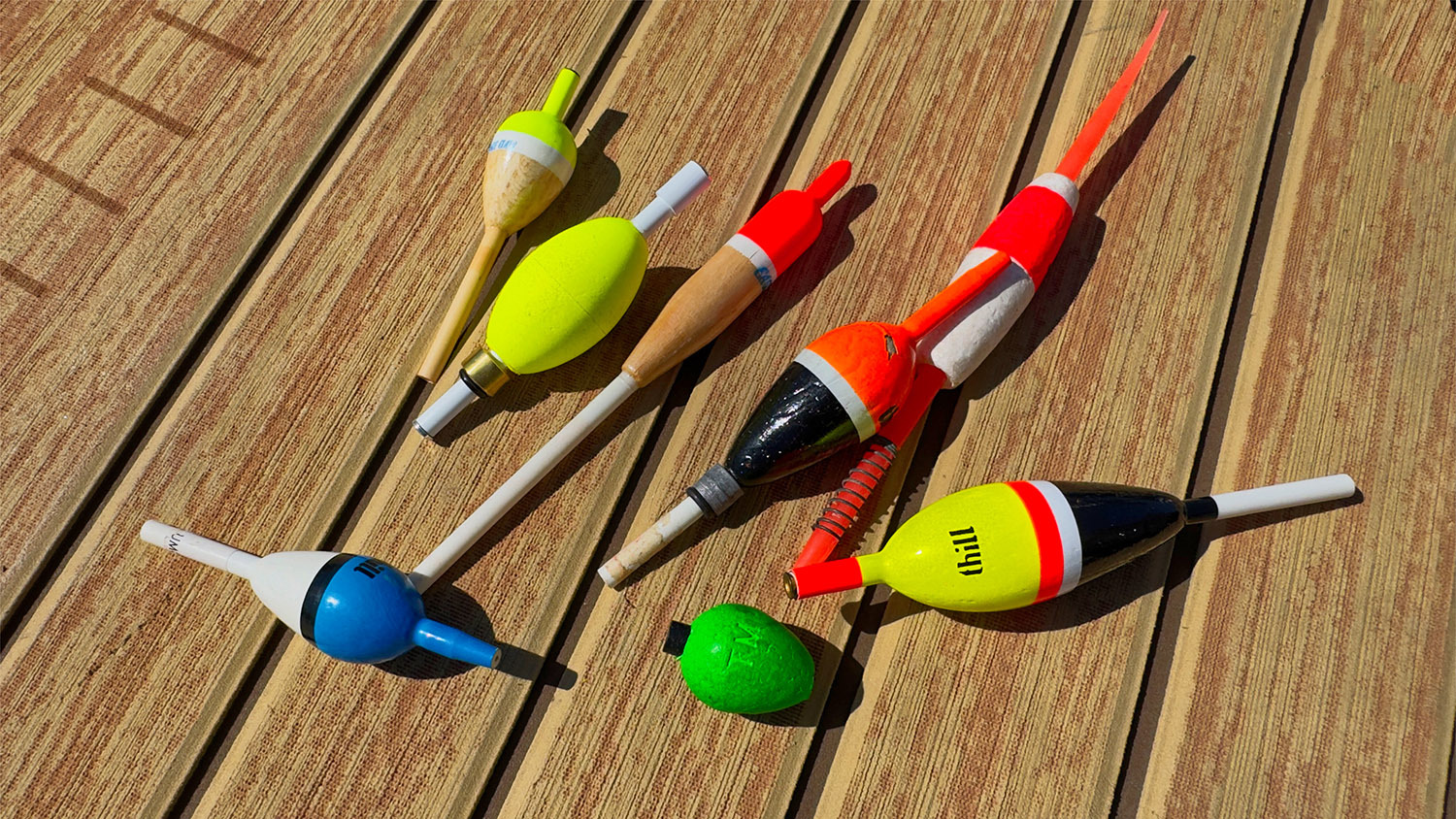
Many anglers prefer an oval-shaped slip float with short stems on each end because it casts well and remains sensitive. Brands like Thill, Eagle Claw, and Northland all make solid slip float options for crappie fishing.
For a full breakdown of styles and top picks, see our guide: Best Crappie Floats, Bobbers, and Corks.
Slip Float Hacks: How to Turn a Regular Bobber into a Slip Float
If you already have several bobbers or floats, you may be able to convert some of them into makeshift slip floats on the water.
Some spring-loaded bobbers allow you to rotate the bottom hook so it forms a loop instead of pinching the line. This lets the float slide freely up to the bobber stop and bead, effectively turning it into a slip float. Other floats — such as some foam panfish models with removable pegs — can also work in a pinch if the peg has a hole through it that the line can pass through.
These quick fixes are not always perfect, and a purpose-built slip float will always be more sensitive and reliable. But they can save the day if you show up to the water without the right gear.
Keep a Few in Your Tackle Box
Slip floats and pre-rigged bobber stops are small and lightweight — tuck a few of each into a small zip-lock in your bag. When crappie are suspended or sitting tight to cover, having a slip float ready can be the difference between a great day and a slow one.
Final Thoughts on Crappie Fishing with Slip Floats
If you love watching a bobber disappear, slip float fishing for crappie is a method worth mastering. It is simple, effective, and incredibly versatile. Whether you are fishing shallow spring cover, suspended fish over deep water, or spooky crappie in clear conditions, a slip float rig helps you stay in the strike zone longer and fish with better precision than a fixed bobber ever could.
Key takeaways:
- Use corded bobber stops — they hold firm and pass through guides cleanly
- Use the smallest float that works — less resistance means more hookups
- Fish slowly with pauses — crappie follow and bite on the pause, not the move
- Watch for subtle bite signals — a float laying flat is often a crappie lifting the bait
- Go longer on the rod — 7–9 ft gives you better casting, hooksets, and line control
Once you learn how to rig and fish slip bobbers properly, you may find they become one of your favorite ways to catch crappie and other panfish.
FAQ
A slip float has a hollow tube through the center that allows your fishing line to slide freely through it. Unlike a fixed bobber clamped at a set point, a slip float rides up and down the line until it hits a bobber stop, letting you fish precise depths without re-rigging.
Thread your line in this order: bobber stop, small bead, slip float, weight or split shot, then your hook or jig. The bobber stop sets your fishing depth. The bead prevents the stop from slipping into the top of the float. Once the bait falls, the float suspends it at the preset depth.
Use the smallest float that will still suspend your bait properly. Smaller, more sensitive floats create less resistance when a crappie bites, which prevents the fish from feeling the float and dropping the bait before you can set the hook. Slender, oval-shaped floats from brands like Thill are popular choices for crappie.
You can fish jigs as deep as 20 feet under a slip float. Some anglers effectively use them for vertical jigging from a distance, targeting suspended crappie over deep structure. The bobber stop can be placed anywhere on the line, so depth is limited only by your casting ability.
Corded bobber stops pre-tied on small plastic tubes are preferred by most experienced anglers. They hold firmly during casts and hooksets, slide easily through rod guides, and are quick to adjust. Rubber stops work but tend to slip more over time. Match your bead size so it stops at the bobber stop but doesn’t jam inside the float.
A 7 to 9 foot spinning rod in light or medium-light power is the best choice for slip float fishing. The extra length improves casting when the bobber stop is set deep, helps manage line in wind, and gives you better leverage for hooksets at long range.