
Shellcracker Fishing 101 - Where To Find And How To Catch Redear Sunfish
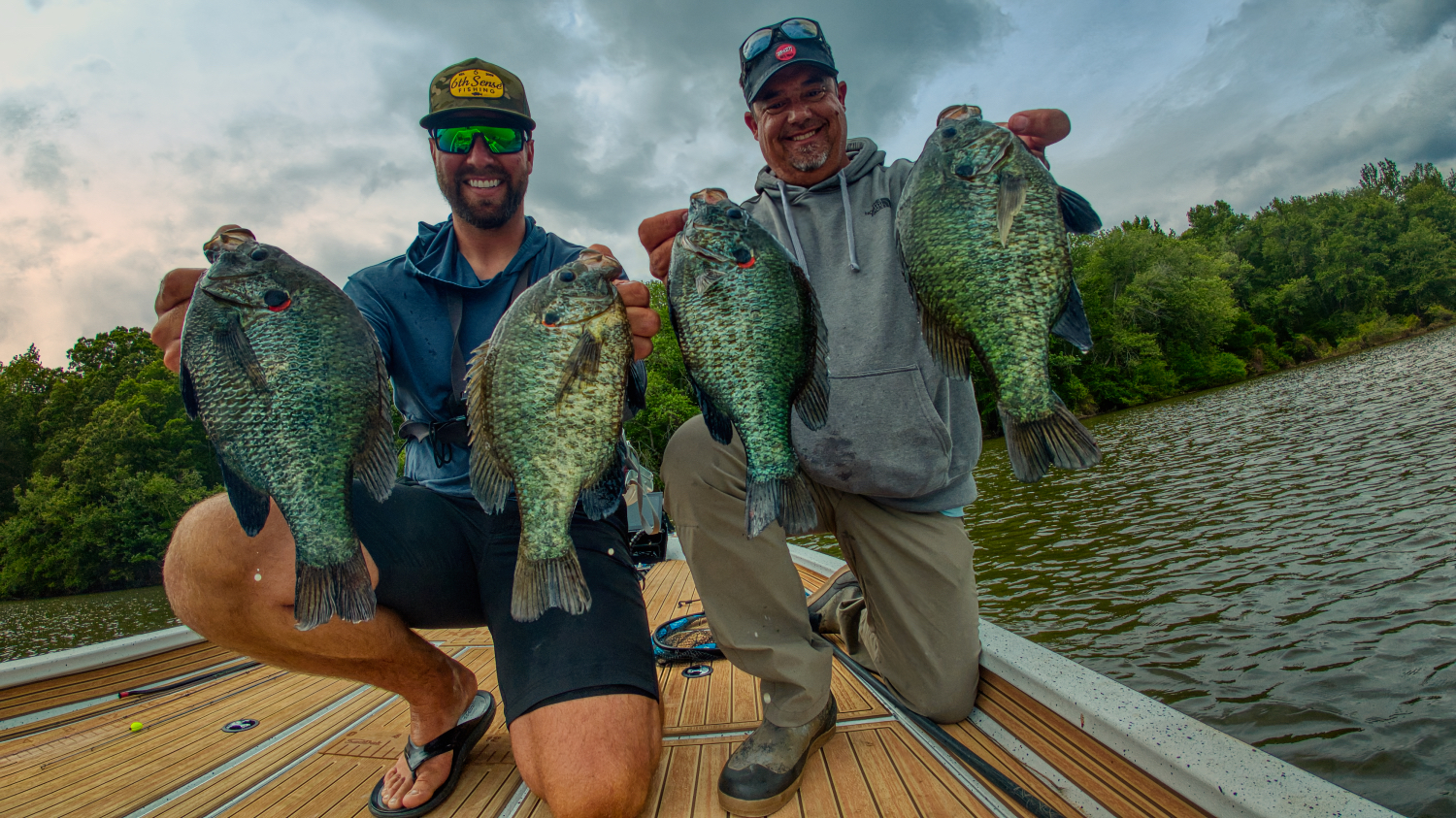
Panfishing offers a great way to introduce folks to fishing while also being a great way to feed the family. And avid pan fishermen love the chase as much as any other game fish. And when it comes to redear sunfish, catching a panfish over 2 pounds can get really exciting on light gear. Shellcrackers are a prized catch on many bodies of water as they often live longer than bluegill, feed more heavily, and can far exceed both crappie and bluegill in size in the right environments.

Panfishing offers a great way to introduce folks to fishing while also being a great way to feed the family. And avid pan fishermen love the chase as much as any other game fish. And when it comes to redear sunfish, catching a panfish over 2 pounds can get really exciting on light gear. Shellcrackers are a prized catch on many bodies of water as they often live longer than bluegill, feed more heavily, and can far exceed both crappie and bluegill in size in the right environments.

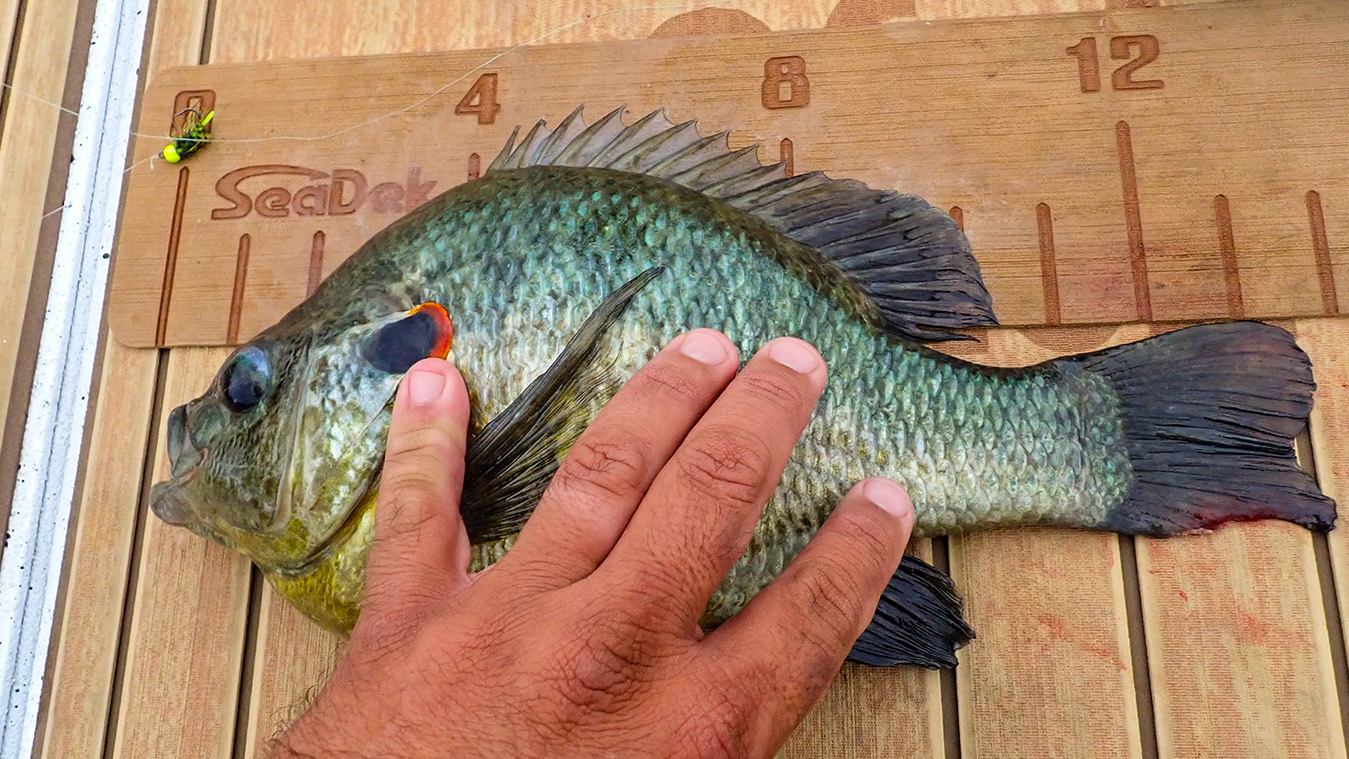
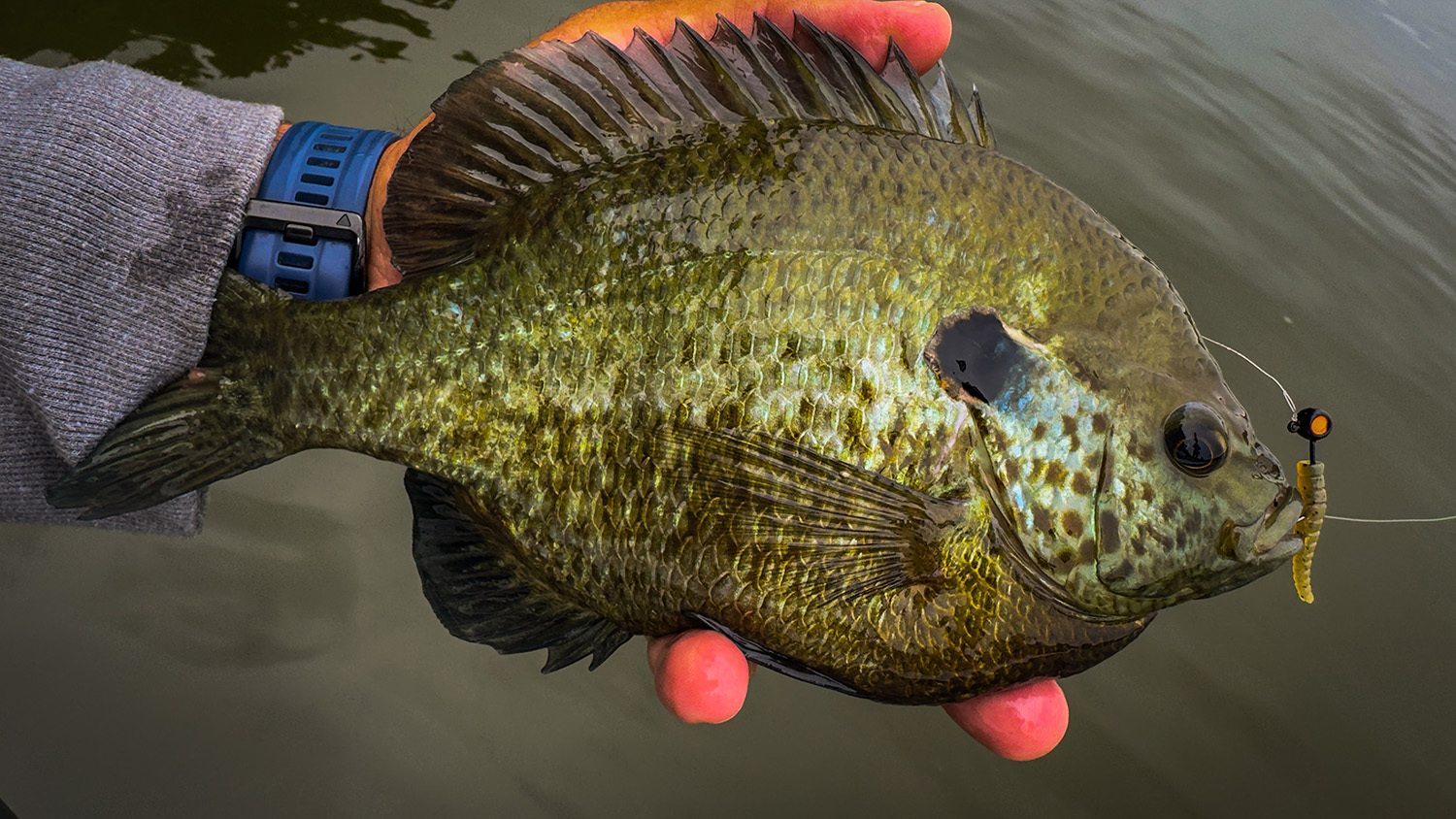
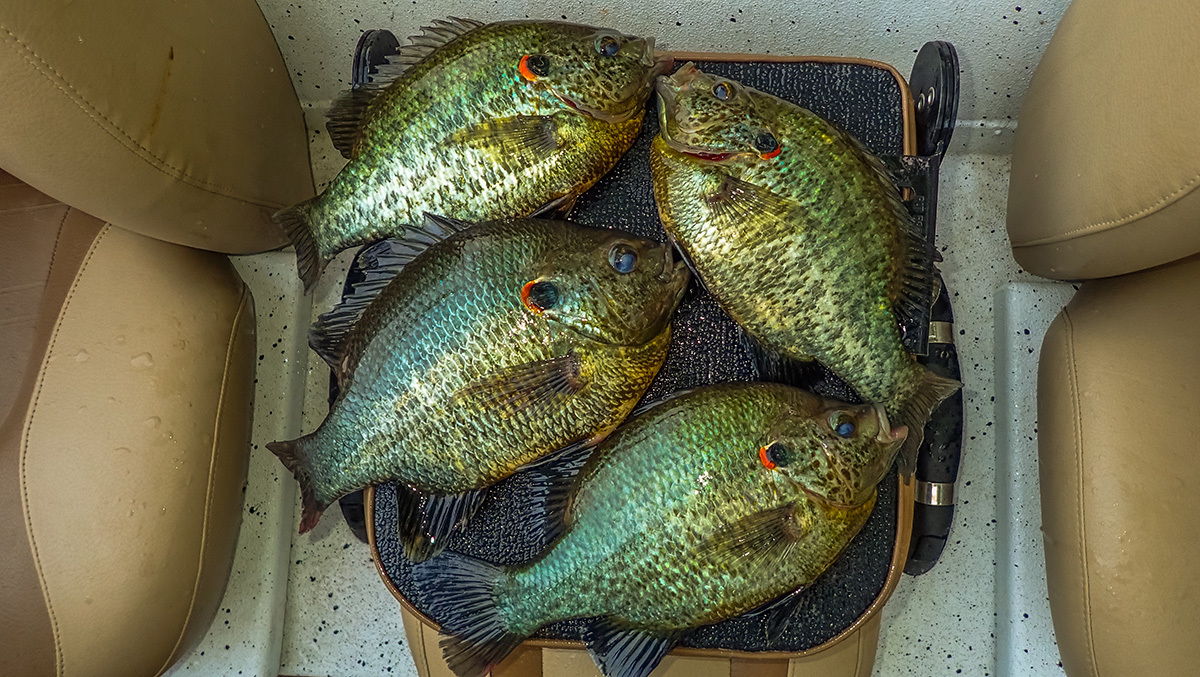
But they remain a very unknown fish compared to other popular gamefish and panfish species. Many people can't tell them apart from bluegills, although they have very distinguishing features, like the red highlight stroke on the outside of their gill flap, for which they are named. They are also aggressive feeders, are active shallow in lowlight conditions, and arguably the hardest fighting fish in freshwater pound for pound. 

Table of Contents

  • About Redear Sunfish / Shellcrackers
  • Where to Find Redear Sunfish
  • How to Catch Redears
  • Best Lures For Shellcrackers
  • Other Considerations for Redear Sunfish

About Redear Sunfish / Shellcrackers

The largest redear sunfish caught to date weighed a whopping 6.3 pounds, was 17 inches long, with a whopping 20-inch girth. Built like a football and pulled like a 10-pound bass. Lake Havasu consistently grows the biggest redears in the world, thanks to its warm climate, fair weather, and incredible food sources to sustain a trophy redear fishery. 

But shellcrackers are found all over the country, from Michigan to Florida and California to New York. While they are not in every fishery, they are dispersed all across the US, with better pockets and concentrations in a number of states. They can get to 1 pound fairly quickly, just a few years, and can grow to be more than 2 pounds commonly in many warmer parts of the country. Some great red ear fisheries would include Lake Kissimmee in Florida, Kentucky and Barkley Lakes in western Kentucky, Santee Cooper Lakes in South Carolina, Folsom Lake in California, and, of course, Lake Havasu, as well as many small lakes in states like Missouri, Illinois, Minnesota, Michigan, and beyond.

Where To Find Redear Sunfish

Red ears prefer to be on lakes with vegetation as well as lakes with an abundance of snails and mollusks, one of their primary food sources. They will often be found around bank grass and other cover in the spring when they come to spawn, and can be found on deep weed edges all year on lakes with a substantial vegetation ecosystem. They do move out deep in the winter and relate to flats and structure off of the main rivers and creek arms.

They can often be found in and around groups of bigger bluegills, and so the areas you target bluegills can also be great places to target redear sunfish. We often catch them around cover in the hotter months and out deep, related more to structure in the colder months. Any place where snails, clams, and mollusks can be found, as well as vegetation environments where chironomids, larvae, freshwater shrimp, and scuds are found.

Oftentimes, contour changes can be your best places to target your search and move shallower in warmer months around their spawn and deeper during the colder months.

If you have good hard bottoms with nearby vegetation, you have a greater potential to find redear spawning beds when the water temperatures get above 70 degrees. 

How To Catch Redears

Many anglers fish for redears with live bait, but they are aggressive panfish and will bite a wide variety of small jigs and presentations. Many anglers believe they only feed on the bottom. While this is not true, they will be close to the bottom or around structure that holds snails. But they also eat larvae, chironomids, freshwater shrimp, small baitfish, and other invertebrates. So they definitely will react to lures up off of the bottom. We have sight fished for them and have found them to be very reactive to presentations up off the bottom.

Many bait fishermen find success using a short dropper on a drop shot rig with a live red worm on the hook. However, small jigs can lead to faster and more consistent action. And many anglers do well floating a jig under a slip cork when they are shallow.

Often, a hopping jig retrieve can work better than straight reeling. They are very impulsive fish and can be triggered fairly easily with a pulse of your jig or a simple lift and drop retrieve. Dragging a jig along the bottom can also work well to imitate shrimp, snails, and invertebrates twitching around on the bottom. 

Best Lures For Shellcrackers

For most anglers, the best lures for shellcrackers are some sort of small jighead with a small 1 to 1 1/2 inch plastic on it. Jigheads from 1/64 up to 1/16 ounce can work well to catch Shellcrackers. You are looking for jig heads with smaller hooks, like No.6 to No. 10.

Some great options for shellcracker jigs and jigheads would include the following:

Trout Magnet / Panfish Magnet

Charlie Brewer Slider 1-inch grub

Bobby Garland Itty Bit SwimR

Z-Man Micro TRD

Eye Hole Jigs in 1/64-ounce size

Eye Hole Tungsten Jig in 1/16-ounce size

Trout Magnet Drop Jigs in 1/64-ounce size

Other Considerations For Redear Sunfish
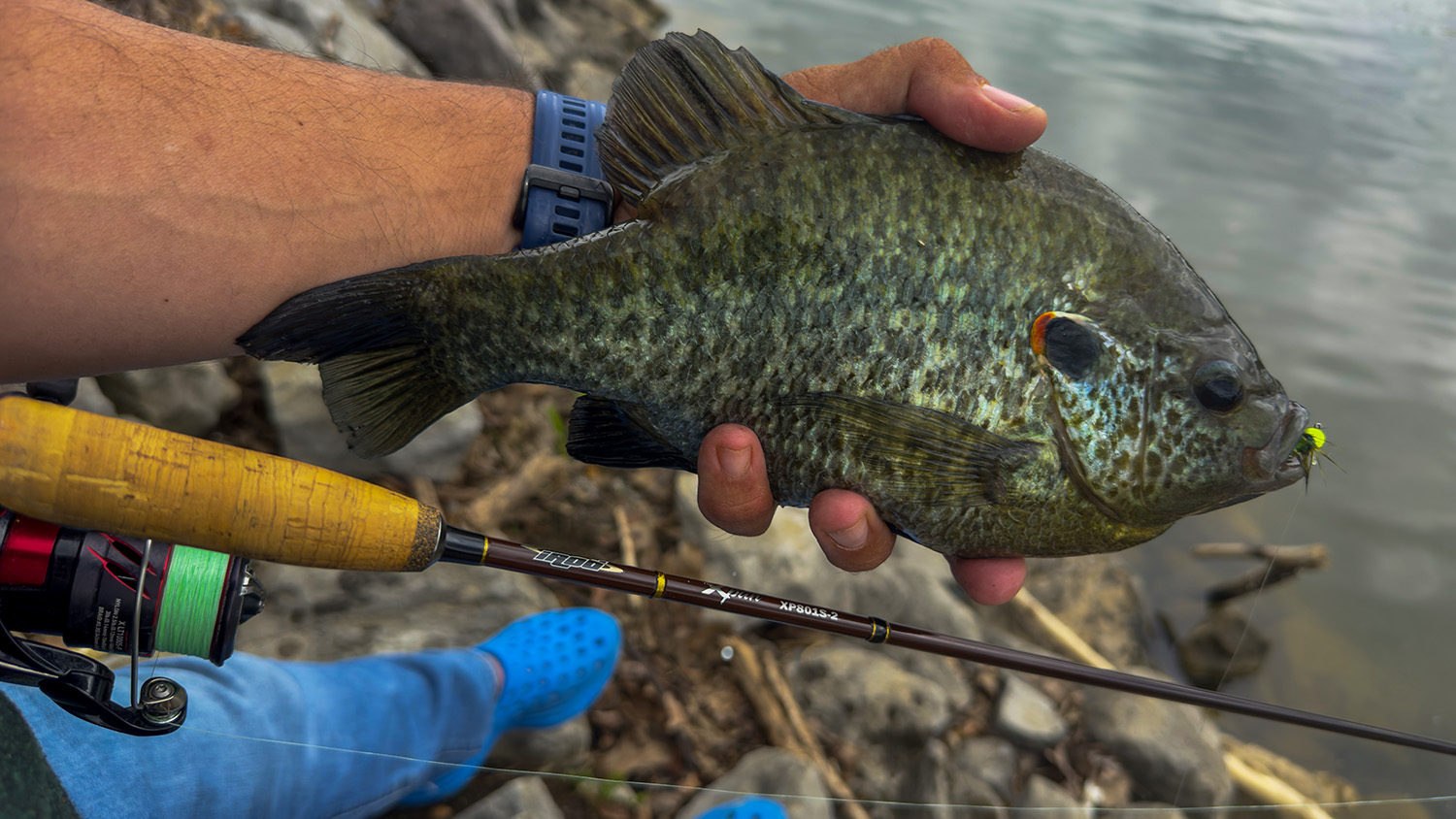
Using light gear is often necessary to throw lighter tackle for red ear. They have small mouths, proportionately speaking, so smaller baits tend to work better. Light lines from 2 to 4-pound test work best, as do ultralight to light action spinning rods. 

When hooked, a big red ear will usually go on a short run, pulling drag on an UL setup. They often bite with a series of small pecks or quick rolling swipes. So don't write off a fish pecking at your baits. 

Likewise, they can be spooky at times, so I often try to stay back off of them and cast from a distance. If you find a bunch together, you might catch a few, and the bite slows. Usually, if you leave the area and come back, they will settle back down and bite again. They really stir up an area in the fight. So if you catch several in a row, it's likely they spooked the other fish in the group, and they just need time to get settled again.

You can often pattern them in the spring and run up and down the lake fishing shallow grassy areas near good spawning pockets, around docks, and on gravel bars or ditches leading into spawning areas. This run-and-gun approach is often a better way to catch not only more red ears but also bigger fish. And to keep productive spawning areas from getting over-harvested. 

If you want a great-fighting, great-eating fish, look no further than the uniquely built and bountiful redear sunfish. 

Shop Panfishing Tackle and Gear

  • Panfishing Rods
  • Panfishing Soft Baits
  • Panfishing Hard Baits
  • Panfishing Jigheads