
Florida Crappie Fishing: Expert Tactics, Best Lakes, Seasons, and Regulations

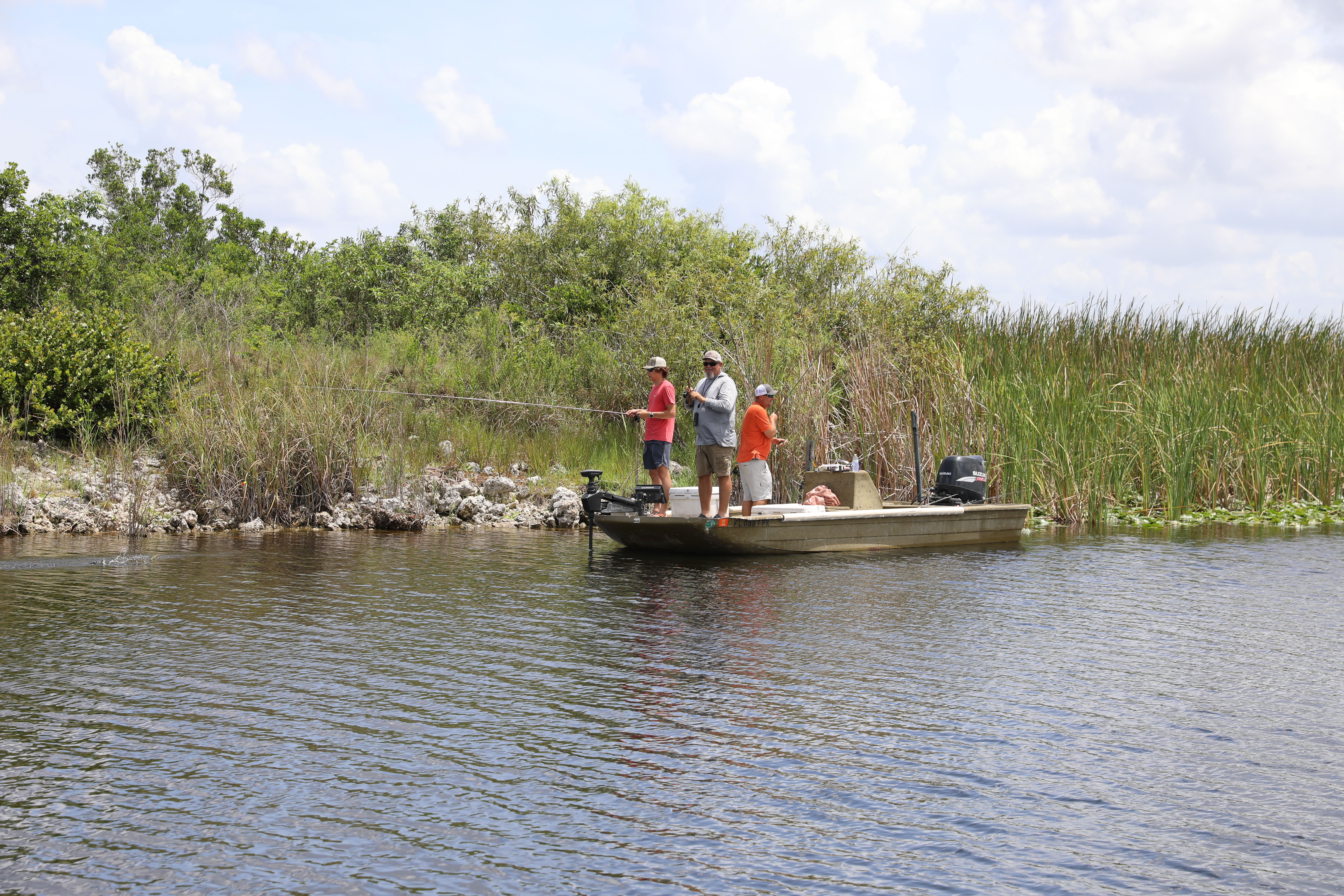
Florida’s “speckled perch” scene is unmatched—teeming with vegetation-rich shallows, massive reservoirs, deep basins, and winding river systems that provide action twelve months of the year. Whether you’re a tournament angler fine-tuning a spread or a weekend fisherman exploring a new lake, this guide delivers field-tested strategies to help you find, pattern, and limit out on crappie anywhere in the Sunshine State.

Florida’s “speckled perch” scene is unmatched—teeming with vegetation-rich shallows, massive reservoirs, deep basins, and winding river systems that provide action twelve months of the year. Whether you’re a tournament angler fine-tuning a spread or a weekend fisherman exploring a new lake, this guide delivers field-tested strategies to help you find, pattern, and limit out on crappie anywhere in the Sunshine State.

Table of Contents

  • How to Fish for Crappie in Florida
  • Dialed-In Gear & Rigs
  • When to Go (Month-by-Month)
  • Best Lakes & Hotspots
  • Water Clarity, Weather & Pressure Adjustments
  • Licenses & Regulations
  • Quick FAQs
  • Final Word

How to Fish for Crappie in Florida

Crappie in Florida are notorious roamers. One day they’ll stage in shallow lily pad fields soaking up the sun; the next they’ll suspend over deep creek channels 15 feet down. The most successful anglers move methodically—sampling multiple depths quickly, marking active schools with electronics, adjusting boat speed, and refining lure color and profile until the pattern clicks.

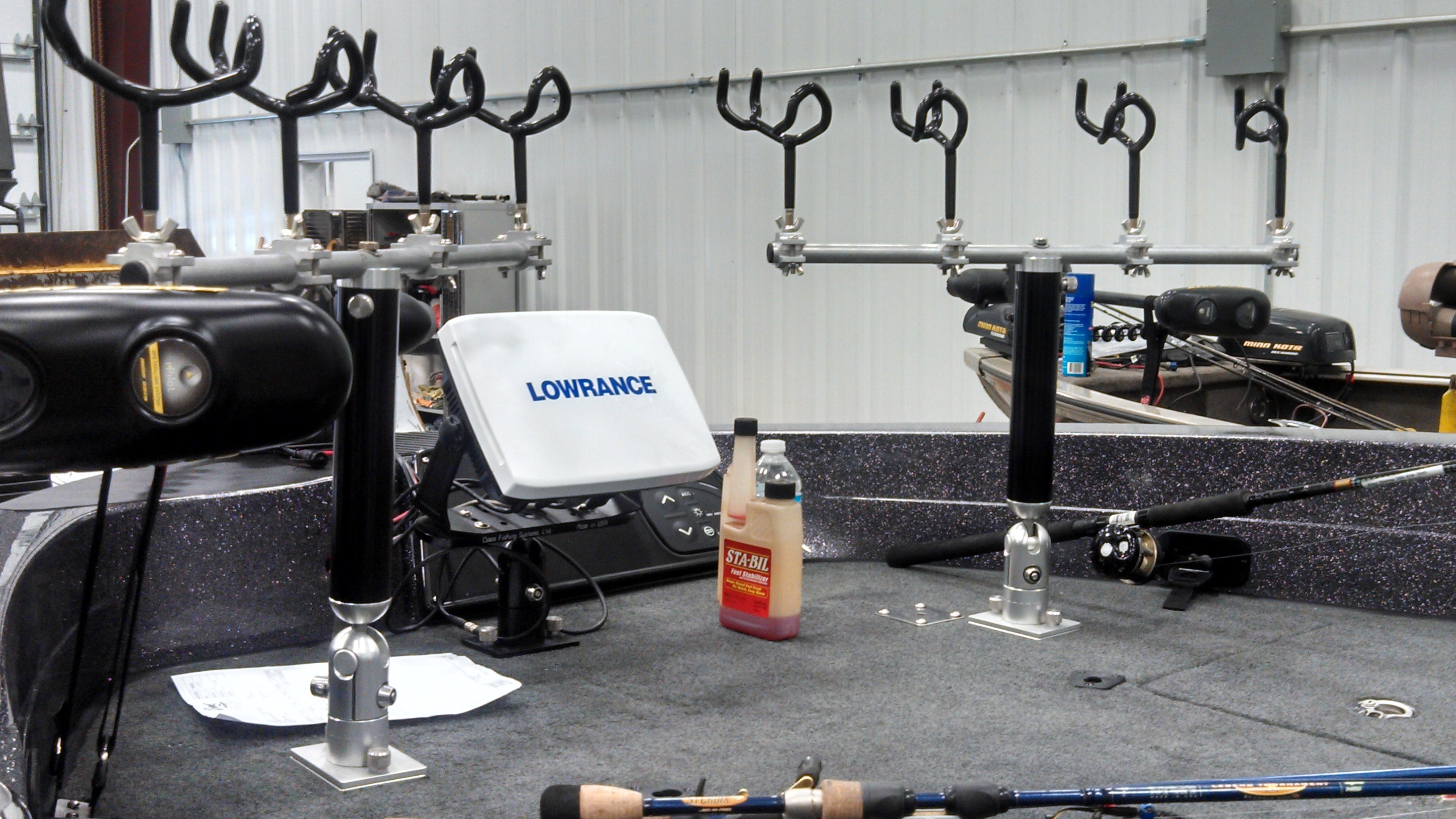
Spider Rigging (Precision Depth Sampling)

  • When: Best from late fall through early spring when crappie school tightly before and after spawning.
  • How: Position 4–8 long rods off the bow with baits set at staggered depths. Move slowly—0.3–0.8 mph—to present offerings in multiple strike zones.
  • Baits: Live minnows, double-minnow rigs, or 1/16–1/8 oz jigs tipped with minnows. Add scent for lethargic fish.
  • Targets: Outside edges of submerged vegetation, creek channel bends, subtle depressions, and man-made brush piles.

Pro Tip: Keep rod tips high enough to detect light upward bites—often crappie inhale and rise without pulling down the float.

Learn more: Mastering Spider Rigging for Crappie

Slow Trolling / Long-Line (Covering Flats)

  • When: Ideal during winter transitions and post-spawn when fish disperse over large areas.
  • How: Pull 1/32–1/16 oz jigs 40–120 feet behind the boat at 0.7–1.2 mph. Adjust line length and jig weight to control running depth.
  • Tip: Use GPS mapping to make wide arcs across contour changes; this keeps baits in front of roaming fish longer.

Single-Pole Jigging (Tight Spots, Thick Cover)

  • When: During the spawn or whenever crappie bury deep in cover.
  • How: Use a 10–12 ft jig pole to drop 1/16–1/8 oz jigs straight down into pockets in pads, bulrush, or submerged timber.
  • Colors: Chartreuse/white and pink/white excel in stained water; “monkey milk” and natural shad tones shine in clear lakes.

Pro Tip: Hold the jig still—tiny rod tip tremors often trigger more strikes than aggressive movements.

Learn More: How To Jig For Crappie

Float-and-Minnow (The Reliable Producer)

  • When: Go-to during cold fronts, clear water, or when fish are finicky.
  • How: Rig a #4–#6 light-wire hook under a pencil or cigar float. Add a split shot to get the bait down and set depth according to sonar marks (1–18 ft).
  • Bonus: In certain lakes, live grass shrimp out-fish minnows—carry both to hedge your bets.

Expert Note: Crappie often suspend just above cover. If you’re not occasionally brushing vegetation or wood, you may be fishing too high in the column.

Dialed-In Gear & Rigs

Rods & Reels

Line

Jigs & Terminal

  • Round, ball, and pony/horse-head jigheads in 1/32–1/8 oz.
  • Soft plastics: tubes, paddle-tails, stinger tails, and marabou or feather jigs for varied action.
  • Hooks: #4–#6 light-wire for minnows; long-shank small hooks for grass shrimp.
  • Floats: Pencil floats for sensitivity in calm water; cigar floats for stability in wind.

Electronics

  • 2D sonar to find bait schools and determine fish depth.
  • Side imaging for locating brush piles, stumps, and isolated grass clumps.
  • Forward-facing sonar to watch fish behavior in real time and adjust presentations.

Shop Our Selection Of Fish Finders

Presentation

Depth Target

Boat Speed

Go-To Weight

Spider rig (tight line)

3–12 ft

0.3–0.8 mph

1/16–1/8 oz

Long-line troll

4–14 ft

0.7–1.2 mph

1/32–1/16 oz

Float-minnow

1–18 ft

Wind-drift

Split shot only

Single-pole jig

Contact cover

Boat hold

1/16–1/8 oz

When to Go Crappie Fishing in Florida (Month-by-Month)

  • November: Early cold snaps push fish toward shallows on sunny days; target weedlines and channel mouths.
  • December: Fish gather on deeper creek channels and depressions; spider rigging is deadly.
  • January: Coldest water of the year—slow presentations, tight spreads, and smaller baits produce best.
  • February: Big females stage in pads and bulrush before spawning; single-pole jigging shines.
  • March: Peak spawning activity—fish are aggressive and shallow; float-minnow rigs dominate.
  • April–May: Post-spawn scatter; long-line trolling helps cover vast flats to find roaming fish.
  • June–September: Night fishing around bridges, docks, and lights is productive; daytime focus on deeper brush or thermocline edges.
  • October: Cooling water triggers migration back to shallower zones; watch for baitfish concentrations.

Best Lakes & Hotspots

These waters are proven crappie producers. Each has its own quirks, seasonal peaks, and local “must-try” tactics.

Headliners

  • Lake Kissimmee: 35,000 acres, shallow average depth of 5 ft. Grass lines hold fish year-round; offshore holes and creek mouths fire up in cooler months. Early morning spider rigging along hydrilla edges is a top producer.
  • Lake Okeechobee: The “Inland Sea” at 730 sq miles. Focus on reed edges, lily pad fields, and submerged wood. In winter, Harney Pond and Tin House Cove are crappie magnets. Use electronics to navigate vegetation and locate open pockets.
  • Lake Tohopekaliga (Toho): Known for big slabs, especially in West Toho. Spawning flats and offshore hydrilla beds are prime in Feb–Mar. Hiring a local guide can shorten the learning curve considerably.
  • Lake Istokpoga: 28,000 acres with extensive bulrush and spatterdock stands. In late winter, fish stage in 3–6 ft before spawning. Wind-protected coves offer reliable bites during fronts.

More Proven Waters

  • Lake Jessup: Shallow and nutrient-rich; drift fishing mid-lake or near Bird Islands produces steady action. Soldier Creek mouth is a consistent producer during winter.
  • Lake Monroe: Improved habitat has boosted crappie numbers; work lily mats and bulrush on calm mornings. Deep timber holds fish in summer.
  • Orange Lake: Often fished in tandem with Lochloosa; spring spawning pads and submerged grass lines yield quality fish.
  • Lake Talquin: 8,800-acre Panhandle reservoir; deep creek channels and standing timber harbor trophy-class crappie. A 10” minimum length keeps quality high.
  • Tenoroc FMA: Network of managed lakes near Lakeland; limited open days—check schedule. Winter fishing with minnows is excellent.
  • Lake Weir: Deep basins over 20 ft with artificial brush attractors; electronics are key to finding fish in summer.
  • Winter Haven Chain: 26+ connected lakes. Cypress shorelines, eelgrass flats, and bridge pilings all hold crappie. Great for a multi-lake day trip.

Water Clarity, Weather & Pressure Adjustments

Clarity

  • Clear: Downsize to 1/32–1/16 oz jigs, use natural hues, and present baits slower. Longer leaders and lighter line help.
  • Stained: Bright colors like chartreuse and pink increase visibility. Consider jigs with added flash or vibration.
  • Muddy: Use bulky profiles in dark colors. Fish tight to cover or inflows where water clarity is better.

Weather

  • Pre-front: Fish feed heavily—slightly increase boat speed and cover water.
  • Post-front: Slow presentations and downsize baits. Target cover and deeper water.
  • Wind: Focus on wind-blown banks where baitfish gather; anchor just off the rough water for the best angle.

Pressure

  • Rotate colors every 15–20 minutes until a pattern emerges.
  • Use ultra-sharp hooks and experiment with hook offsets for finicky biters.
  • Small location shifts—sometimes just 30 yards—can change your catch quality.

Licenses & Regulations (Overview)

  • License: Freshwater license generally required for anglers 16+; exemptions apply for seniors, youth, and certain military/veterans.
  • Daily Bag: Most waters allow 25 crappie per angler; always confirm lake-specific rules.
  • Area-Specific: Lakes like Talquin have size limits to protect trophy fisheries.

Regulations are subject to change—check the Florida Fish & Wildlife Conservation Commission website before each trip.

Quick FAQs

What’s the best time of year?

November–March is prime, with February–March often delivering the largest fish shallow. Summer nights around bridge lights are also highly productive.

Live bait or jigs?

Carry both. Live minnows excel during cold fronts or in clear water. Jigs allow you to cover more water quickly and trigger reaction strikes.

Do I need electronics?

Not essential for catching fish, but electronics speed up the search dramatically, especially on large or unfamiliar lakes.

Final Word

Florida’s crappie fishing rewards adaptability. Be willing to change depth, presentation, and location until you find the sweet spot. Master your electronics, understand seasonal movements, and you’ll enjoy steady action from Kissimmee’s grassy shallows to Talquin’s timbered channels. Pack your gear, watch the weather, and get ready for some of the best speck fishing in the country.

Shop Crappie Fishing Gear

  • Crappie Baits & Lures
  • Crappie Jigs
  • Crappie Rods