Walleye Jigging: Vertical + Casting Jig Heads, Plastics, Weight & Cadence — The Complete System

Jigging is the most versatile walleye presentation — it works from ice-out through post-spawn, covers bottom-oriented and current-holding fish, and adapts to any depth, wind, or clarity condition. This hub covers jig weight selection, cadence rules for active and inactive fish, the three plastic profiles that cover every mood, and the line system that keeps you in contact with the bottom. Start here, then use the setup guide and supporting articles for the deep dive on any piece of the system.

Learn Walleye Walleye Jigging Hub

Hub Page · Vertical + Casting Jigging

Walleye Jigging: Vertical + Casting
Jig Heads, Plastics, Weight & Cadence — the Complete System

Jigging is the most versatile walleye presentation — it works from ice-out through post-spawn, covers bottom-oriented and current-holding fish, and adapts to any depth, wind, or clarity condition. This hub covers jig weight selection, cadence rules for active and inactive fish, the three plastic profiles that cover every mood, and the line system that keeps you in contact with the bottom. Start here, then use the setup guide and supporting articles for the deep dive on any piece of the system.

Built for Great Lakes and inland water conditions · By: FishUSA Staff

Last updated: May 2026 · By: FishUSA Staff

Start Here (Pick Your Conditions)

Quick decision rules

  • If fish are on the bottom and located: go vertical. Drop straight down, maintain contact, and work the strike zone precisely. This is the high-percentage move on pre-spawn staging edges and current seams.
  • If you need to cover water or fish structure at an angle: cast the jig. Points, rock piles, and shallow flats are more efficiently worked on a cast-and-retrieve than a straight vertical drop.
  • Not sure what weight to use: start with 1/8 oz in calm, shallow water. Add weight as wind or depth increases. The goal is the lightest head that still gives you bottom feel. → Jig Weight Guide
  • If fish are visible on sonar but not biting: slow down. Switch to a minnow or straight-tail plastic and drop cadence before changing spots or color.
  • If fish are suspended off the bottom and won’t come down: jigging is the wrong tool. → Cold-Water Jerkbait Hub

Vertical Jigging vs Casting a Jig

Both presentations use the same jig heads and plastics — the approach determines how precisely you can control depth, angle, and drift. Use the method that matches your structure and how the fish are positioned.

Vertical jigging

  • Best for: located fish on specific depth, current seams, staging edges
  • Maximum sensitivity — braid transmits soft bites directly
  • Precise depth control — work a 1–2 ft zone exactly
  • Less snag risk when fishing directly below the boat
  • Requires boat control — drift speed must match current or wind
  • Key tell: if line goes slack during the fall, set the hook

Casting a jig

  • Best for: covering water, points, flats, shallow rock piles
  • Work structure at angles the boat can’t get directly over
  • More effective search presentation when fish aren’t pinpointed
  • Retrieve at any speed — hop, swim, or drag back to the boat
  • Less sensitive than vertical — braid is critical to detect bites on the fall
  • Key tell: watch the line for ticks or slack on the drop

Jig Weight by Depth and Conditions

Use the lightest head that keeps you in contact with the bottom. Weight affects how fast the jig falls, how long it stays in the strike zone, and how much action the plastic displays on the drop. When in doubt, start lighter and add weight — going too heavy kills the fall-action that triggers most bites.

Depth Calm / Light Wind Moderate Wind Heavy Wind / Current
Under 8 ft 1/16–1/8 oz 1/8–3/16 oz 1/4 oz
8–15 ft 1/8–1/4 oz 1/4–3/8 oz 3/8–1/2 oz
15–25 ft 1/4–3/8 oz 3/8–1/2 oz 1/2–3/4 oz
25+ ft 3/8–1/2 oz 1/2–3/4 oz 3/4–1 oz

Weight adjustment rules

  • Lost bottom contact: go up one weight increment. If you still can’t feel bottom after that, slow your drift before adding more weight.
  • Jig is dragging too much: go lighter. If the jig is barely falling between hops, you’re presenting it too slow for active fish.
  • Wind increasing: add weight before you lose feel, not after. It’s easier to stay dialed in than to re-establish contact.
  • Tungsten vs lead: tungsten is denser — a 1/4 oz tungsten head is physically smaller than 1/4 oz lead, which means a faster fall and better feel at the same weight.

Cadence: Three Retrieves and When to Use Each

Walleye jigging cadence is not one retrieve — it’s a progression you run through when bites slow. Active fish respond to sharper movements and shorter pauses. Neutral and cold-water fish need slow, deliberate presentations with longer hangs in the strike zone. Work through cadence before you change the plastic or the spot.

Retrieve Best For How to Execute When to Use
Lift-hop-pause Active fish, any depth Lift rod 1–2 ft sharply, let jig fall on semi-slack line, pause 1–3 sec, repeat Starting retrieve — covers water, draws strikes on the fall. Works best when fish are feeding actively.
Slow drag-lift Neutral or cold-water fish Drag jig along bottom slowly, lift 6–8 inches, pause 3–5 sec, repeat When fish are seen on sonar but not striking hop retrieve. Keeps jig in the zone longer without fast movement.
Swim retrieve Casting on flats, search Cast, let jig sink to bottom, reel slowly with occasional rod lifts — keep jig just off the bottom Covering shallow flats and points on a cast. Best with paddletail plastic for maximum action at slow retrieve speed.

Cadence adjustment sequence

  • No bites on hop retrieve: slow down. Drop to drag-lift before changing plastics or spot.
  • Fish following but not committing: extend the pause. Let the jig sit 3–5 seconds on the bottom before the next move.
  • Short bites (feeling nips but missing fish): slow the hookset. Let the rod load before sweeping — pulling too fast pulls the hook from a lightly loaded fish.
  • No activity at all: move spots before opening the tackle box. No cadence fix works if fish aren’t present.

Plastic Profiles: Three Choices That Cover Every Mood

You don’t need 20 bags of plastics — you need three profiles. A paddletail for searching, a minnow for neutral fish, and a ringworm for finicky conditions and current. Carry both natural and chartreuse in each profile and you’re covered for any spring situation.

Profile decision rules

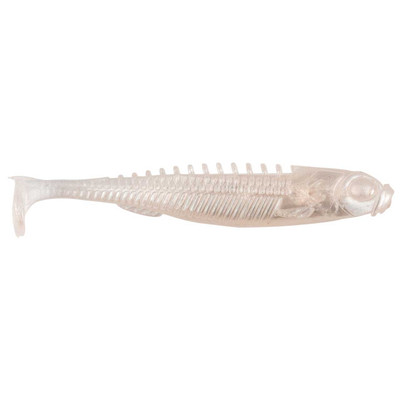
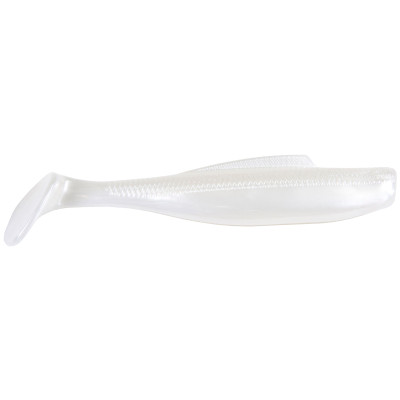
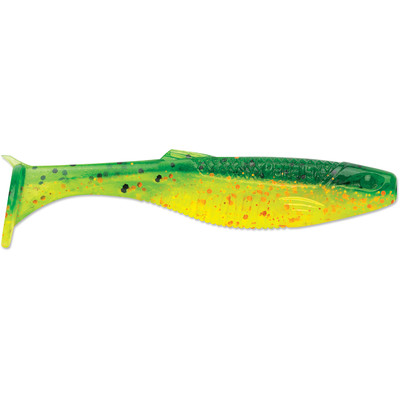
  • Paddletail (3.5–4 in): start here. The vibrating tail draws fish in and works at multiple retrieve speeds. Best search bait when fish aren’t precisely located. Works at any temp but shines above 44°F when fish are willing to chase.
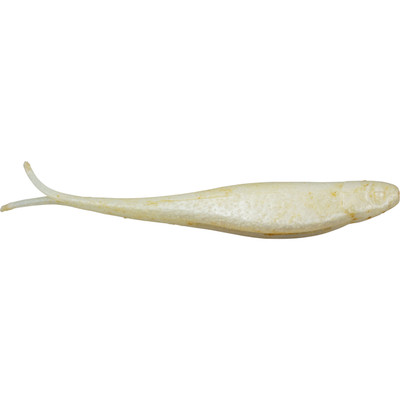
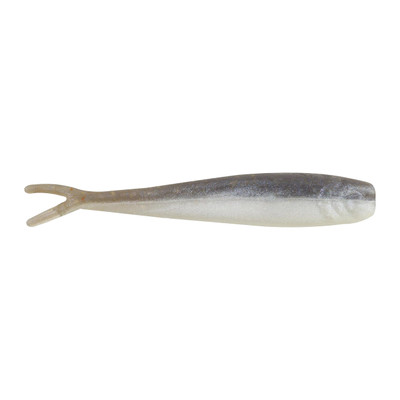
  • Minnow / straight tail (3–4 in): switch to this when fish are located but neutral — when the paddletail gets follows but no bites. Less action, slower fall, more natural profile in clear water. B Fish N Tackle RibbFinn and Z-Man Scented Jerk ShadZ are the go-to options.
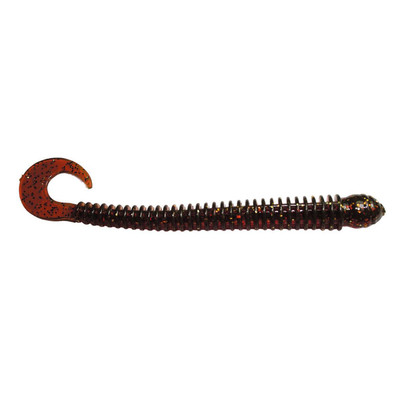
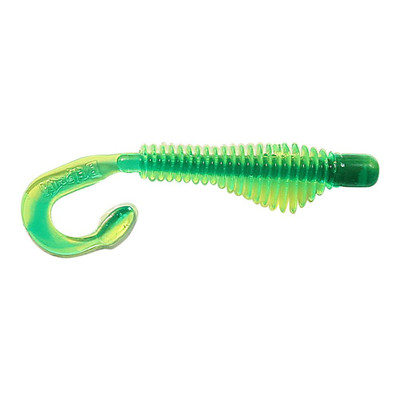
  • Ringworm / curl tail (3–4 in): finesse option for finicky bites, current seams, and ultra-cold water under 42°F. The thin tail creates micro-action on the fall that minimal retrieve speed is needed to trigger. Also effective when fish are short-striking — smaller profile means more hook-ups.

Natural colors (clear water)

  • Shad, smoke, goby, pearl, perch patterns
  • Subtle flash — matching the local forage
  • Translucent bodies in bright, sunny conditions
  • Start natural in clear water — shift bright if no response

Bright colors (stained / low light)

  • Chartreuse, white, orange, fire tiger
  • High-contrast combos: chartreuse + black, white + red
  • Glow tails for overcast days or deeper presentations
  • Don’t skip chartreuse in stained water — it works

Where to Fish (Location by Season Stage)

A jig in the right location always outperforms the best jig in the wrong one. Walleye location in spring follows water temperature, forage position, and structure. Use the temperature windows below to narrow down where fish are holding before you commit to a spot.

  • 38–44°F (pre-spawn staging): fish are on the first major break — the transition between shallow gravel or rock and deeper water. Look for 8–18 ft staging edges adjacent to spawning gravel. Fish will stack here and hold tight to the bottom. Vertical jigging directly on the edge is the highest-percentage approach. → Pre-spawn staging map
  • 44–50°F (spawn and immediate post-spawn): fish move shallower onto gravel and rock. Current-influenced areas — river mouths, narrows, and wind-blown shorelines — become prime. Jigging current seams and transition zones from boat or shore both work. Keep the jig in the current edge without dragging into fast water.
  • 50–58°F (post-spawn recovery): fish scatter. Some move to adjacent flats; others suspend in open water temporarily. This is the best time to cast a jig across shallow points and flats and cover water. Fish are recovering and feeding actively — they respond to faster retrieves.
  • Across all stages: wind-blown structure concentrates fish. A rocky point or break that has been absorbing wind for 12+ hours will often hold more fish than calm-side structure. The wave action pushes forage, and walleye position to ambush.

What to Buy Now (Walleye Jigging System)

Start simple: one quality round-head jig in 3 weights (1/8, 1/4, 3/8 oz), a paddletail and a minnow profile in natural and chartreuse, and a braid-to-fluoro setup. That covers 80% of spring jigging situations. Add specialty jig heads and more profiles once you know which conditions you fish most.

Core Jigging System

Start-to-Finish Spring Walleye Jigging Kit

Jig head + paddletail + minnow profile + braid + fluoro leader — one purchase, ready to fish

Full Setup Guide →
VMC Neon Moon Eye Jigs

1/8–3/8 oz · round head · kit

Shop →
Keitech Easy Shiner
Keitech Easy Shiner

3.5 in · paddletail · natural or chartreuse

Shop →
B Fish N Tackle AuthentX RibbFinn

3.1 in · minnow profile · subtle fall action

Shop →
B Fish N Tackle Ringworm

4 in · ringworm · finesse current option

Shop →
PowerPro Super 8 Slick V2

10 lb · braid mainline · sensitivity + feel

Shop →
Seaguar Blue Label Fluorocarbon Leader Material
Seaguar Blue Label Fluorocarbon

10 lb · leader material · low-vis stealth

Shop →
Jig Heads

Round, Stand-Up & Tungsten Options (1/8–1/2 oz)

Cover every depth and wind condition — carry at least 3 weights to stay dialed in through the day

Shop All Jig Heads →
VMC Glow Sleek Jig Kit

1/8–3/8 oz · round · glow finish kit

Shop →
VMC Neon Moon Eye Jigs

1/8–3/8 oz · round · multi-color kit

Shop →
VMC Moon Tail Jig
VMC Moon Tail Jig

1/8–3/8 oz · swim head · for paddletails

Shop →
Northland Fire-Ball Jigs

1/8–3/8 oz · stand-up · live bait option

Shop →
Northland Tungsten Short Shank Jig Head
Northland Tungsten Short Shank

3/16–3/8 oz · tungsten · dense, fast fall

Shop →
VMC Tungsten Moon Eye Jigs

3/16–3/8 oz · tungsten · deep & current

Shop →
Plastics — 3 Profiles

Paddletail + Minnow + Ringworm (Every Mood)

Start with a paddletail to search · drop to a minnow for neutral fish · finesse with a ringworm

Shop All Walleye Plastics →
Keitech Easy Shiner
Keitech Easy Shiner

3.5 in · paddletail · top search bait

Shop →
Northland Eye-Candy Paddle Shad

3 in · paddletail · natural shad profile

Shop →
Z-Man DieZel MinnowZ

4 in · paddletail · ElaZtech durability

Shop →
Rapala CrushCity The Mayor

3.5 in · paddletail · ribbed body + vibration

Shop →
B Fish N Tackle AuthentX RibbFinn

3.1 in · minnow profile · neutral fish

Shop →
Z-Man Scented Jerk ShadZ

3.75 in · minnow · scented ElaZtech

Shop →
Berkley Gulp! Minnows

3 in · minnow · scent-infused natural

Shop →
B Fish N Tackle Ringworm

4 in · ringworm · current + finesse

Shop →
B Fish N Tackle AuthentX Moxi Ringie
B Fish N Tackle Moxi Ringie

3 in · curl tail · slow fall finesse

Shop →
Line + Leader

Braid Mainline + Fluorocarbon Leader

Braid for bottom-feel · fluoro leader for stealth · or run straight fluoro in ultra-clear water

PowerPro Super 8 Slick V2

10 lb · 150 yds · braid mainline

Shop →
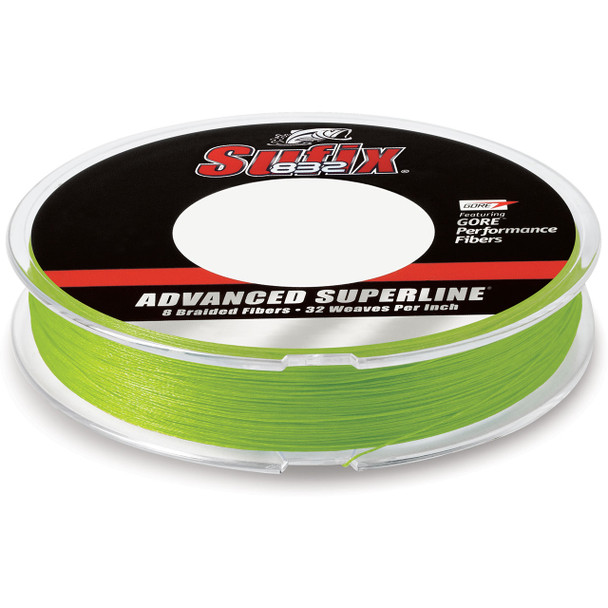
Sufix 832 Advanced Superline

10 lb · 150 yds · braid mainline

Shop →
Seaguar Blue Label Fluorocarbon Leader Material
Seaguar Blue Label Fluorocarbon

10 lb · leader material · low-vis

Shop →
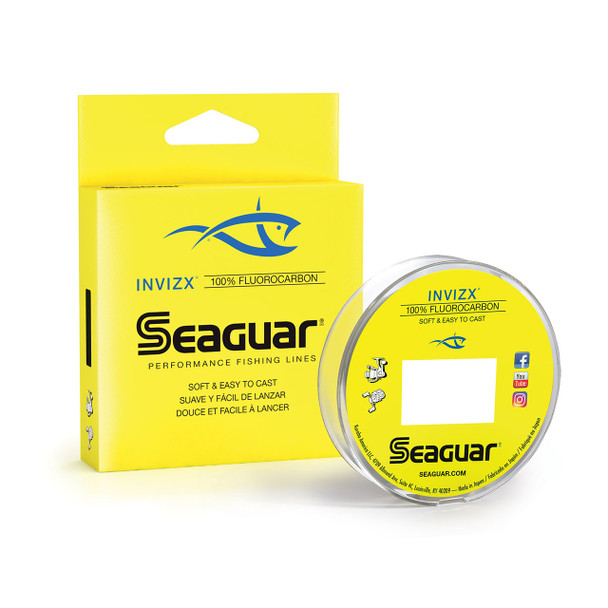
Seaguar InvizX Fluorocarbon

8–10 lb · straight fluoro option

Shop →

Supporting Guides

This hub gives you the framework. Each guide below is the deep-dive on one specific part of the jigging system — bookmark the ones that match where you need more detail.

FAQ

Common questions about walleye jigging — weight selection, cadence, line setup, and when to switch presentations.

Start with 1/8 oz in calm, shallow water (less than 10 feet, minimal wind). Move to 1/4 oz as wind increases or depth reaches 10–18 feet. Use 3/8 oz or heavier in deeper water, strong current, or when boat drift is fast. The goal is the lightest weight that still lets you feel the bottom — if you lose bottom contact, go heavier. Tungsten is worth the upgrade in deeper or windier conditions; the smaller physical size of tungsten means a faster fall and better feel at the same weight rating.
Vertical jigging keeps the jig directly below the boat, which gives precise depth control, maximum sensitivity, and less snag risk in current or heavy structure. Casting covers more water and lets you work structure angles that a vertical approach can’t reach — points, rock piles, and shallow flats. Use vertical when fish are located and depth-specific; use casting when searching or when fish won’t commit to a straight drop.
Start with a paddletail for searching — the vibration draws fish in and works at multiple retrieve speeds. When fish are found but neutral, switch to a minnow or straight-tail profile with minimal action. In finicky conditions, heavy current, or when fish are short-striking, downsize to a ringworm or curl tail. In cold water (under 45°F), smaller profiles and subtler action generally outperform larger, faster-vibrating plastics. Run through profiles before changing spots or adding scent.
Both work. Braid + fluorocarbon leader is the most versatile setup: braid gives you sensitivity for detecting soft bites and feeling bottom, while the fluoro leader adds stealth and abrasion resistance at the business end. Straight fluorocarbon is simpler and works well in ultra-clear water where line visibility is a concern. Most Great Lakes and inland-water walleye anglers run 10 lb braid with a 2–4 foot fluorocarbon leader as the default. Switch to straight fluoro when fish are very pressured or clarity is exceptional.
Two to three feet is the standard starting length for stained water or around rocks where you want snag control and feel. Use three to five feet in clear water where fish may be spooked by braid near the jig. Shorter leaders give more sensitivity and control; longer leaders give more stealth. When bites dry up in clear conditions, try extending the leader before changing the bait or spot.
Most walleye bites on a vertical jig are soft — a tick, a slight heaviness, or the line going slack on the fall when it should still be falling. Braid helps you feel these signals far better than mono. Watch your line during the fall and pause; if it stops falling early or twitches sideways, set the hook. In current, hold your rod tip steady and feel for a load or interruption in the drift. Strike at any subtle change you can’t explain — walleye often drop the bait quickly, so don’t wait for a hard load.
Switch to jerkbaits when fish are suspended off the bottom and willing to rise. If you’re marking fish on sonar above the bottom and the jig isn’t reaching their zone, a jerkbait lets you work the water column at the right depth without dragging bottom. Jigging is most effective when fish are bottom-oriented and located. Jerkbaits are the better search tool across open water and suspended fish, especially in the 40–55°F range when fish are willing to track and commit to a pause.
Natural colors (shad, perch, goby, smoke) are the starting point in clear water and sunny conditions. Move to brighter or higher-contrast options (chartreuse, white, orange) in stained water, low light, or when fishing deep where light penetration is limited. Glow finishes are worth adding on overcast days or at depth. Start natural and switch if you get zero response after working through a spot — don’t cycle colors before you’ve ruled out cadence and location first.
Go heavier before you go to a longer cast. More weight gives you more contact in wind and current without changing your presentation zone. Keep as vertical an angle as possible — long casts in wind create line belly that kills sensitivity and bottom contact. Use a slower drift or anchor if the boat is moving too fast to maintain feel. If you’re still losing contact, tighten the line as you lower rather than free-spooling all the way down — this gives you control of the fall rate.
Slow down and get closer to the bottom. For very inactive fish, a slow lift-drag retrieve — barely moving the jig along the bottom — can trigger bites that a hop retrieve won’t. Keep the pause long (3–5 seconds) after each lift, let the jig settle completely, then barely nudge it forward. Match the cadence to the fish: active fish respond to sharp hops and short pauses; inactive fish need a slow, deliberate presentation that stays in the strike zone longer without requiring the fish to chase.