Complete Spring Walleye Jigging Setup

Spring jigging is about controlled speed and bottom contact. This page gives you the complete system—jig heads, plastics, line/leader, and terminal—plus a simple weight guide and rigging rules so you can buy once and fish confidently.

Learn Walleye Spring Walleye Spring Jigging Setup

Setup Guide · Spring Jigging

Complete Spring Walleye Jigging Setup

Spring jigging is about controlled speed and bottom contact. This page gives you the complete system—jig heads, plastics, line/leader, and terminal—plus a simple weight guide and rigging rules so you can buy once and fish confidently.

Built from FishUSA staff picks and Great Lakes-season logic. Adjust for local clarity, wind, and current.

Last updated: March 2026 · By: FishUSA Staff

How This System Works

Five steps from box to fish. Each step links to the relevant section below.

Best for

  • Pre-spawn staging edges
  • Current seams
  • First break transitions
  • Low-light wind-blown rock

Pick a Kit (Presets)

Choose a starting point based on your budget and conditions. Every kit is a complete, fishable system—no missing pieces.

Budget Starter Kit

Best for: New anglers or tight budgets—fewer sizes/colors, still effective on most spring days.

  • Jig head variety: 1/8, 1/4, and 3/8 oz across 4 styles
  • 3 plastic profiles (paddletail, minnow, ringworm)
  • 1 natural + 1 contrast color per profile
  • Straight fluorocarbon mainline (8 lb)
  • Quick-change snaps + barrel swivels
  • Split shot sinkers

Core System

Most Popular

Best for: Full coverage for most spring days—inland lakes, rivers, and moderate Great Lakes conditions.

  • 5 jig head styles (1/8 through 3/8 oz, lead + tungsten)
  • 3 plastic profiles (paddletail, minnow, ringworm)
  • Natural + contrast colors across all profiles
  • 10 lb braid mainline + fluorocarbon leader (10 lb)
  • Straight fluorocarbon option (8 lb)
  • Quick-change snaps + barrel swivels + split shot

Rough Water + Deep Kit

Best for: Great Lakes, heavy wind, deep structure, or when you need maximum weight range and backup profiles.

  • 6 jig head styles (3/8 and 1/2 oz, lead + tungsten + hair + bucktail)
  • 3 profiles in larger sizes (4–5″ paddletail, 4.25″ minnow, ringworm)
  • Deep/low-light colors + natural contrast options
  • 15 lb braid (300 yds) + fluorocarbon leader (12 lb)
  • Abrasion-resistant fluoro (10 lb) for rocks/current
  • Duolock snaps + SPRO swivels + split shot

Walleye Jigging System — Bundle Builder

All products shown below. Items in your selected kit are pre-checked — adjust to match your water.

What's included

  • • Jig heads matched to your kit tier
  • • Soft plastics across profiles
  • • Line + leader options
  • • Terminal essentials (snaps, swivels)

Swap guidance

  • • Wind picking up? Check heavier jig head variants
  • • Fish neutral? Add a minnow profile plastic
  • • Ultra-clear water? Try a straight fluoro option
  • • Uncheck items you already own
Jig Heads5 Selected
VMC Neon Moon Eye Jigs
Budget Core1/8 oz
View
VMC Neon Moon Eye Jigs
Rough Water / Deep3/8 oz
View
VMC Glow Sleek Jig Kit
Budget Core1/4 oz
View
VMC Glow Sleek Jig Kit
Rough Water / Deep1/2 oz
View
Northland Fire-Ball Jigs
Budget Core3/8 oz • Super Glo Chartreuse
View
Northland Tungsten Short Shank Jig Head
Core3/8 oz • Super Glo Chartreuse
View
Northland Tungsten Short Shank Jig Head
Rough Water / Deep3/8 oz • Metallic Purple
View
VMC Moon Tail Jig
Budget1/8 oz • Green Fire UV
View
VMC Tungsten Moon Eye Jigs
Core1/4 oz • Chartreuse
View
VMC Tungsten Moon Eye Jigs
Rough Water / Deep3/8 oz • Glow Black Wonderbread
View
Northland Minnesota Mullet Hair Jig
Rough Water / Deep1/2 oz • Perch
View
SPRO Bucktail Jig
Rough Water / Deep1/2 oz • Dark Shad
View
Paddletails3 Selected
Keitech Easy Shiner
Budget Core3.5 in • Pro Blue Red Pearl
View
Keitech Easy Shiner
Rough Water / Deep4 in • Clear Chartreuse Glow
View
Northland Eye-Candy Paddle Shad
Optional3.5 in • Pearl White
View
Z-Man DieZel MinnowZ
Core4 in • Electric Chicken
View
Z-Man DieZel MinnowZ
Rough Water / Deep4 in • Ayu
View
Storm WildEye Swim Shad
Rough Water / Deep5 in • Shad
View
Rapala CrushCity The Mayor
Budget Core3 in • Green Perch
View
Minnow / Finesse3 Selected
B Fish N Tackle AuthentX RibbFinn
Core4.25 in • Chartreuse Orange Core
View
B Fish N Tackle AuthentX RibbFinn
Rough Water / Deep4.25 in • Oystershell
View
Z-Man Scented Jerk ShadZ
Budget Core3 in • Pearl
View
Berkley Gulp! Minnows
Core3 in • Smelt
View
Berkley Gulp! Minnows
Rough Water / Deep4 in • Smelt
View
Ringworm / Ringie2 Selected
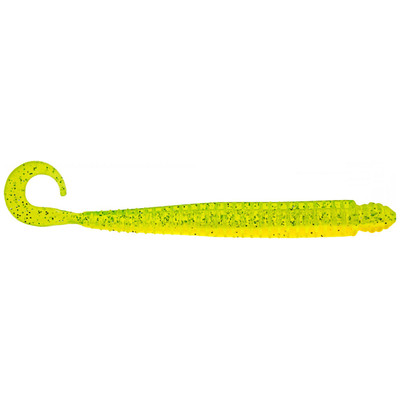
B Fish N Tackle Ringworm
Budget4 in • Purple Chartreuse Tail
View
B Fish N Tackle Ringworm
Core4 in • Motor Oil Gold
View
B Fish N Tackle Ringworm
Rough Water / Deep4 in • Tequila Sunrise
View
B Fish N Tackle AuthentX Moxi Ringie
Core4 in • Chartreuse-Green Core
View
B Fish N Tackle AuthentX Moxi Ringie
Rough Water / Deep4 in • Night Glow Brite
View
Mister Twister Ringworm
Budget4 in • Red/Black Core
View
Braid1 Selected
PowerPro Super 8 Slick V2
Budget Core10 lb • 150 yds • Moss Green
View
PowerPro Super 8 Slick V2
Rough Water / Deep15 lb • 300 yds • Moss Green
View
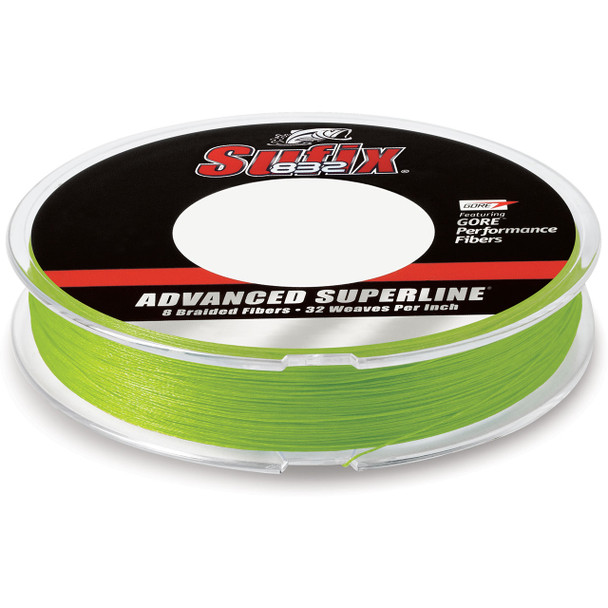
Sufix 832 Advanced Superline
Optional10 lb • 150 yds • Neon Lime
View
PowerPro Braided Spectra Fiber Line
Optional10 lb • 150 yds • Moss Green
View
Leader1 Selected
Seaguar Blue Label Fluorocarbon Leader Material
Budget Core10 lb • 25 yds • Clear
View
Seaguar Blue Label Fluorocarbon Leader Material
Rough Water / Deep12 lb • 25 yds • Clear
View
Straight Fluorocarbon1 Selected
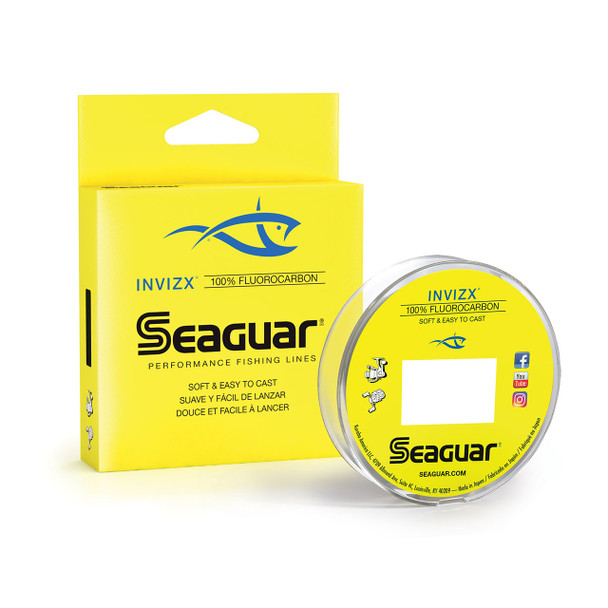
Seaguar InvizX
Core8 lb • 200 yds
View
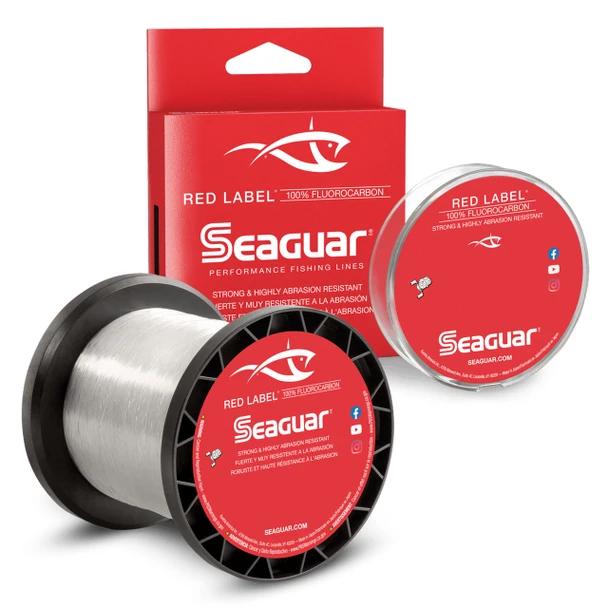
Seaguar Red Label
Budget8 lb • 200 yds
View
Seaguar AbrazX
Rough Water / Deep10 lb • 200 yds
View
Terminal3 Selected
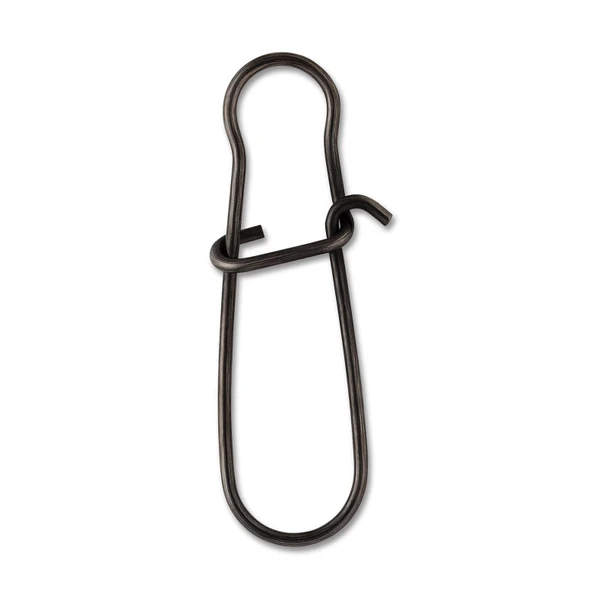
VMC Crankbait Snaps
Budget CoreSize 0
View
VMC Crankbait Snaps
OptionalSize 1
View
VMC Duolock Snaps
Rough Water / DeepSize 1 • Value Pack
View
View
SPRO Power Swivels Combo
Rough Water / DeepSize 5
View
VMC Rolling Swivels
OptionalSize 7
View
Eagle Claw Removable Split Shot Sinkers
Budget Core Rough Water / DeepBB
View

Parts List (Shoppable)

Everything you need, organized by category. Expand each group to see details and shop links.

Jig Heads

Use the lightest head that maintains bottom contact. Carry 3–5 weights to cover depth and wind changes without switching spots.

Recommended: cover 1/8–3/8 oz; go heavier first when wind/current increases.

Plastics (3 Profiles)

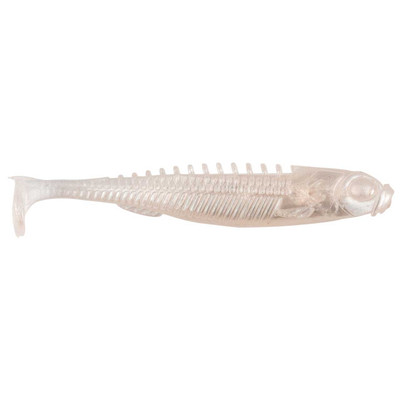
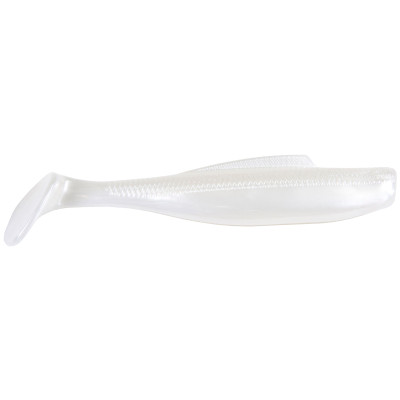
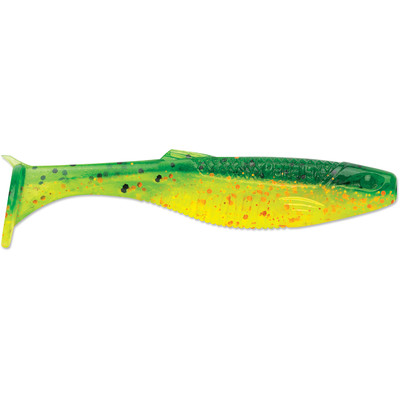
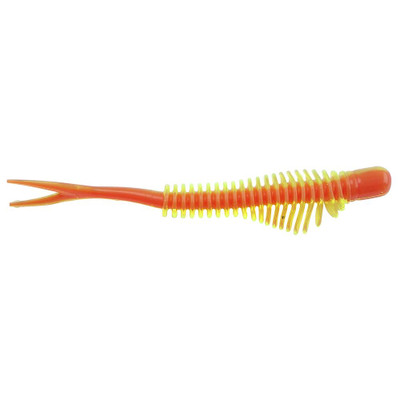
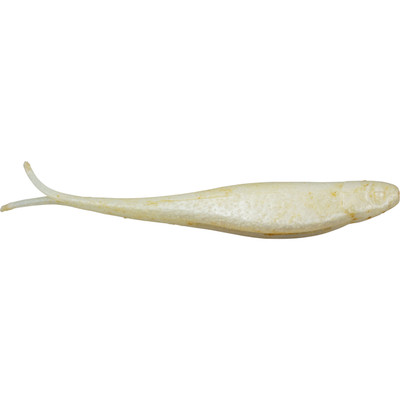
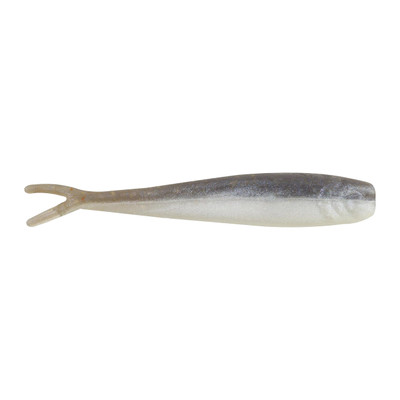
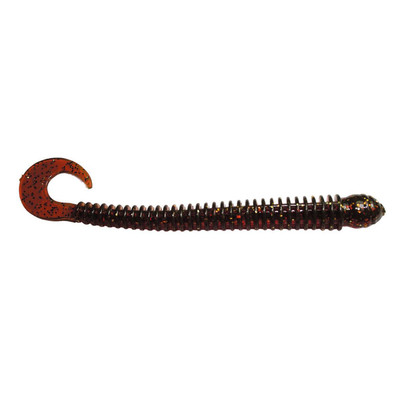
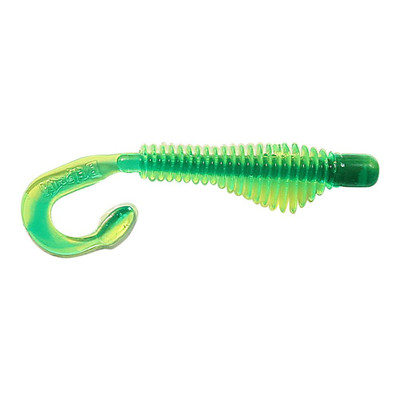
Paddletail for searching (vibration + speed). Minnow/straight tail for cold or neutral fish (subtle action). Ringworm/curl tail for finicky bites or current seams (slow fall + micro-action).

Recommended: start with a 3.5–4 in paddletail + one minnow profile + one ringworm to match mood and clarity.

Line + Leader

Two options: braid mainline + fluorocarbon leader (best sensitivity + stealth combo), or straight fluorocarbon for maximum cadence control and stealth in ultra-clear water.

Recommended: 10 lb braid to a 10 lb fluoro leader for feel + stealth; straight fluoro when you want more stretch and simpler rigging.

Suggested strengths: Braid 10–15 lb main • Leader 8–12 lb (inland) or 12–14 lb (Great Lakes/rocks). Leader length: 3–6 ft depending on clarity.

Terminal Essentials

Quick-change snaps save time. Small barrel swivels reduce line twist when needed. Storage keeps your kit organized and fishable.

Recommended: keep snaps and swivels fresh; add split shot for quick depth control without retying.

What you can skip

You don't need every color—carry 1 natural + 1 contrast to start. You don't need every weight—3 sizes covers 90% of spring days. Add specialty items as you learn your water.

Weight Guide (Decision Logic)

Match jig weight to depth + wind conditions. This table gives you starting points—adjust based on current and drift speed.

Depth Light Wind Moderate Wind Heavy Wind / Current Notes
8–15 ft 1/8 oz 3/16 – 1/4 oz 1/4 – 3/8 oz Shallow staging, calm bays
15–25 ft 3/16 – 1/4 oz 1/4 – 3/8 oz 3/8 – 1/2 oz First break, moderate current
25–40+ ft 3/8 oz 3/8 – 1/2 oz 1/2 oz+ Deep structure, Great Lakes

Rules of Thumb

  • Bottom contact > perfect profile — if you can't feel bottom, go heavier
  • Increase weight before changing color — weight is the #1 variable in spring jigging
  • Drift speed dictates weight needs — faster drift = heavier head, not bigger plastic
  • When in doubt, start light and size up — it's easier to add weight than to re-rig lighter

Rigging (Fast Rules)

Rig in 2 minutes. Here's the standard spring jigging setup from reel to jig.

Line Setup

REEL Braid (10 lb) KNOT Fluoro Leader Snap or Tie JIG

Leader Length

  • Clear water: 3–5 ft leader (more stealth)
  • Stained/rocky: 2–3 ft leader (more control + abrasion resistance)
  • Current seams: shorter leader, heavier weight

Leader Strength

  • Clear water, light structure: 6–8 lb fluorocarbon
  • Inland lakes, moderate cover: 8–10 lb fluorocarbon
  • Great Lakes, rocks, heavy current: 10–14 lb fluorocarbon

Knot + Connection

  • Braid-to-leader: Use your most confident knot (FG, Alberto, or double-uni all work)
  • Snap vs direct tie: Snaps save time swapping jigs. Direct tie gives slightly better action on smaller heads.

How to Fish It (On-the-Water Playbook)

Spring walleye jigging changes with water temp. Here's how to adjust across the three main phases.

A) Pre-Spawn Staging (Slow, Controlled)

Where to fish

  • Adjacent flats near spawning areas
  • First break (10–18 ft) with rock or gravel
  • Current seams where warm water mixes with cold

Cadence

  • Slow lift → controlled fall → long pause (3–5 seconds)
  • Drag along bottom with occasional hops
  • Minimal snap—fish are lethargic in cold water

Color / Profile

  • Natural profiles (shad, perch, goby) in clear water
  • Chartreuse or white paddletails in stained or low-light conditions

B) Spawn Window (Subtle Bites, Shorter Windows)

Where to fish

  • Shallow rock/gravel (4–10 ft)
  • Wind-blown shorelines with hard bottom
  • Transition zones between sand and rock

Cadence

  • Dead-slow drag with intermittent pauses
  • Barely lift off bottom—bites are often just 'weight'
  • Shorter casts, vertical presentations over structure

Color / Profile

  • Minnow/straight tail in subdued colors (smoke, natural)
  • Downsize plastics—3″ profiles outperform 4″ during spawn

C) Post-Spawn (Speed Up + Cover Water)

Where to fish

  • Deeper breaks (15–25 ft) as fish pull off spawning flats
  • Points and humps adjacent to spawning bays
  • Suspended fish over basin edges

Cadence

  • More aggressive snaps and hops
  • Speed up retrieves—post-spawn fish are feeding actively
  • Drift + jig to cover more water, then anchor when you find them

Color / Profile

  • Paddletails for maximum vibration and search speed
  • Brighter accents (chartreuse, orange) to trigger reaction bites

Troubleshooting

No bites? Run through this checklist in order before moving spots.

1

Change weight

Go lighter or heavier—this is the fastest fix in spring jigging.

2

Change cadence

Switch between pause/drag/snap. Slow down first, then try more aggressive.

3

Change profile

Swap paddletail → minnow → ringworm. Different action triggers different responses.

4

Change color

Toggle natural ↔ contrast. If natural isn't working, go bright (and vice versa).

5

Change depth/spot

Move shallower or deeper. Fish may have shifted with temperature or wind.

When you're snagging too much

  • • Go lighter — you may be dragging into structure
  • • Shorten your leader to maintain better feel
  • • Switch to a more vertical presentation (less casting distance)
  • • Try a different jig head style with better hook protection

When bites are short

  • • Downsize your plastic (4″ → 3″)
  • • Add scent — it can extend hold time
  • • Slow your hookset — let them load the rod first
  • • Check your hook point — dull hooks lose short-biters

Spring Jigging FAQs

Common questions about spring walleye jigging gear, technique, and setup.

Start with 3 jig head weights (1/8, 1/4, 3/8 oz), a paddletail and a minnow-profile soft plastic in natural + chartreuse, fluorocarbon leader material, and a pack of small snaps. That's a fishable kit for under $30.
Use the lightest head that maintains bottom contact. Factors: depth, wind speed, current, and drift rate. Start light and increase until you can consistently feel bottom on the fall.
Braid mainline + fluorocarbon leader is the most versatile setup. Braid gives you sensitivity to detect subtle bites; fluoro leader adds stealth and abrasion resistance. Straight fluoro works well in ultra-clear water for maximum stealth.
2–3 ft in stained water or around rocks. 3–5 ft in clear water. Shorter leaders give more control; longer leaders give more stealth. Adjust based on how many bites you're getting vs how many snags.
Paddletail. It's the best search bait—vibration and action draw fish in. Once you find them, switch to a minnow profile if they're neutral, or a ringworm/curl tail if bites are finicky.
Natural (shad, perch, goby patterns) in clear water and sunny conditions. Bright/contrast (chartreuse, white, orange) in stained water, low light, or deep water. When in doubt, start natural and switch if no response.
If fish are suspended and not relating to bottom, try jerkbaits. If fish are spread across a contour and you need to cover water with flash, try harnesses. Jigging is most effective when fish are bottom-oriented and grouped.
Use the lightest weight possible, keep your rod tip high, and shorten your leader for better feel. A more vertical approach (directly below the boat) snags less than long casts. Consider jig heads with weedguards in heavy cover.
Downsize your plastic (4" to 3"), add scent to extend hold time, slow your hookset (let the rod load), and check your hook point. Sharp hooks and smaller profiles convert more short bites.
Position upstream and let your jig drift naturally into the seam. Use enough weight to stay near bottom but not so much that you drag. Short hops and controlled drifts work best. Focus on the transition zone where fast water meets slow water.
Selected kit: [Core System] Estimated total: $—