/
/
Leader length is the adjustment most harness anglers never make — and it is one of the fastest fixes for short strikes. More distance between the bouncer wire and the harness gives wary fish more time to fully eat the bait before reaching the hook. This guide gives you a starting length for every condition and a step-by-step process for fixing short strikes without changing your whole setup.
Last updated: May 2026 · By: FishUSA Staff
The 60-second version
Leader length controls two things: how far the harness rides behind the bouncer wire, and how much time a fish has between spotting the bait and reaching the hook. The 48-inch baseline works for most situations — adjust it one variable at a time.
Go longer when…
Go shorter when…
Change one thing at a time
The most common mistake is changing leader length and blade color on the same pass. If bites pick up, you have no idea which adjustment caused it — and you will not be able to repeat it. Adjust leader length first. Give it two full passes. Then consider blade color.
Use these starting points and adjust in 6-inch increments based on what fish tell you. Short strikes mean go longer. Tangles and control problems mean go shorter.
| Condition | Starting Length | What to Change First | Notes |
|---|---|---|---|
| Clear + calm | 48–72 in (4–6 ft) | Lengthen 6 in if still short-striking | Fish inspect the rig — distance from the bouncer wire is the key variable |
| Stained + wind | 30–48 in (2.5–4 ft) | Shorten if tangling; adjust bouncer weight if losing bottom | Fish keying on vibration; control matters more than stealth |
| Bumps / no hookups | Current length + 6–12 in | Lengthen leader, then slow drift 0.1–0.2 mph | Fish need more time between finding the bait and reaching the hook |
| Fast drift / current | 30–42 in (2.5–3.5 ft) | Shorten first; adjust bouncer weight for bottom contact | Long leaders tangle in fast water; keep the rig compact and controlled |
| Deep water (35+ ft) | 36–48 in (3–4 ft) | Dial in bouncer weight first; leader is secondary at depth | Bottom contact matters more than separation at depth; don't sacrifice control for length |
Leader Material + Swivels
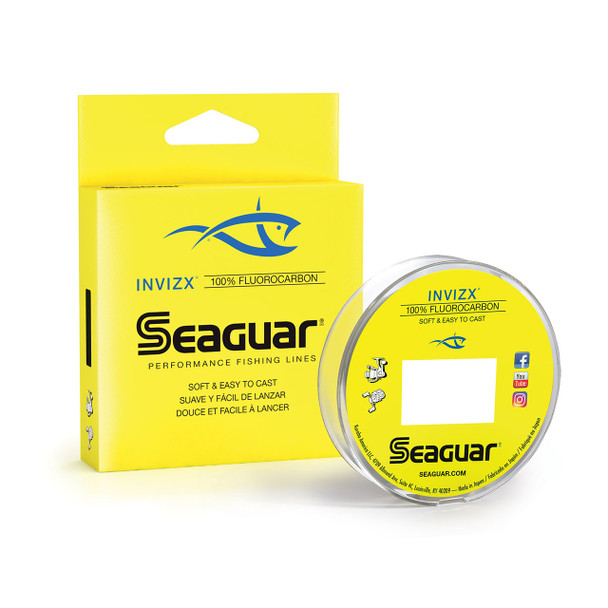
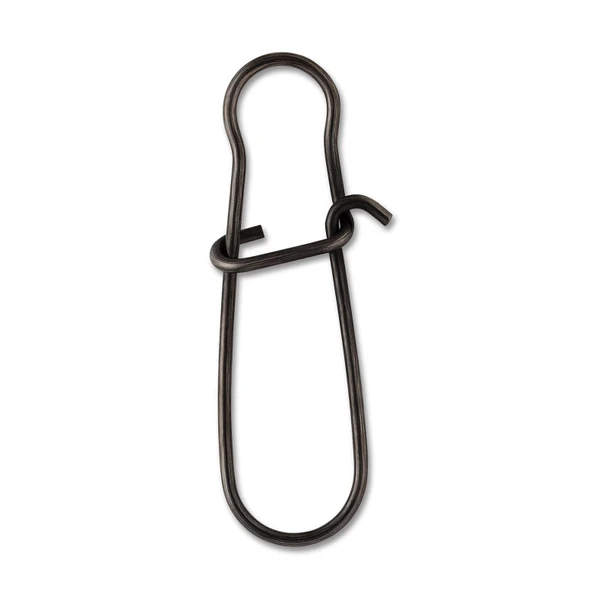
Fluorocarbon leader, ball-bearing swivels, and quick-change snaps
Short strikes — fish bumping the bait without eating, or only taking the tail of the crawler — are the most common reason anglers change blades when they should be adjusting leader length. Here is the correct order of adjustments:
When to use a tandem hook
If short strikes persist after lengthening the leader and slowing down, consider a tandem (double) hook harness that positions a trailing stinger hook near the tail of the crawler. This covers fish that are consistently eating the back half of the bait. The walleye harness selection includes tandem-hook options — look for two-hook harness designs when short strikes are a recurring problem on your water.
Leader length is the last variable to adjust when bites stop completely — not the first. Work through this order: (1) trolling speed ±0.2 mph, (2) blade color from natural to contrast or vice versa, (3) bouncer weight to confirm bottom contact. Only after those adjustments fail is leader length worth changing for a zero-bite situation. Leader length affects commitment, not attraction — you need fish on the rig before leader length matters.
Leader length first, then speed, then hook check, then blade color. See the step-by-step above. This is the one scenario where leader length is the first adjustment rather than the last.
Two causes: leader is too long for the current drift speed, or the swivel is not absorbing blade rotation. Try shortening the leader by 6–12 inches and checking that the ball-bearing swivel rotates freely. A fouled or failing swivel allows blade torque to travel into the leader and wind it around the bouncer wire regardless of length.
Twist is a swivel problem, not a leader length problem. A spinning harness blade creates constant rotational force — a quality ball-bearing swivel between the bouncer connection and the leader must absorb it. Check the swivel for debris or grit that locks the bearing. Replace swivels at the start of each season. A longer leader does not help and may make twist worse if the swivel is failing.
This is a bouncer weight and angle issue, not a leader length issue. Reduce bouncer weight one step, increase speed slightly, or change your boat angle. See the Bottom Bouncer Weight Rules guide for the full snag diagnosis process. A shorter leader can marginally reduce harness contact with bottom debris, but that is a secondary fix to getting the bouncer angle right first.
Start at 48 inches (4 feet) for most moderate-clarity summer conditions. In clear water or when fish are pressured, extend to 48–72 inches. In stained water, wind, or fast drift, shorten to 30–48 inches. The 48-inch baseline works for most conditions — adjust from there in 6-inch increments based on what fish are doing.
Yes. In clear water, walleye have a long visual window and can inspect the whole rig. A longer leader — 48 to 72 inches — puts more distance between the bouncer wire and the harness, which looks more natural and gives neutral fish more time to commit before reaching the hook. This is one of the fastest improvements you can make in clear water before switching harnesses.
Lengthen the leader by 6 to 12 inches first — fish that are bumping without eating need more time between finding the bait and reaching the hook. After adjusting leader length, try slowing drift speed by 0.1 to 0.2 mph. Only after both adjustments fail should you consider changing blade color. Short strikes are almost always a leader length or speed problem.
If bites stop completely, change speed first — a 0.1 to 0.2 mph adjustment affects blade spin, thump, and vibration range. If you are getting bumps or short strikes specifically, change leader length first. The order matters: speed affects attraction; leader length affects commitment. Changing both at once means you cannot identify which fix worked.
Faster drift speed compresses the effective leader presentation and increases the risk of long leaders tangling around the bouncer wire. In a fast drift or strong current, shorten to 30 to 42 inches. In slow, controlled passes, longer leaders track cleanly and often produce better in clear water because fish get a longer look at a natural-swimming harness.
Yes. Leaders over 72 inches are difficult to manage at the boat, more prone to tangling in faster drifts, and harder to net fish on cleanly. In most conditions, 36 to 60 inches covers the full useful adjustment range. Only exceed 60 inches in very clear, very calm conditions where fish are persistently short-striking despite a 60-inch leader and a slow drift.
Fluorocarbon is the standard — it is nearly invisible underwater and stiffer than mono, which helps the leader track straighter. 10 to 12 lb covers most walleye harness applications. In very clear, pressured water, 8 lb can help; in rocky or abrasive structure, 12 to 14 lb is appropriate. Monofilament works in stained water where visibility matters less, but fluorocarbon is the better default.
The leader runs from the mainline through a ball-bearing swivel, then to the harness. The swivel sits between the bouncer connection point and the beginning of the leader — it must absorb the rotational force the spinning blade creates before it reaches the mainline. A quality ball-bearing swivel prevents mainline twist regardless of leader length. A quick-change snap at the harness end lets you swap harnesses without cutting and re-tying.
Hook Me Up!
Sign up for emails and texts to get exclusive updates and offers.
By providing your number above, you agree to receive recurring automated marketing text msgs (e.g. cart reminders) to the mobile number used at opt-in from FishUSA on 25043. Consent is not a condition of purchase. Msg frequency may vary. Msg & data rates may apply. Reply HELP for help and STOP to cancel. See Terms and Conditions & Privacy Policy