Complete Walleye Harness + Bottom Bouncer Setup

This page gives you the complete harness and bottom bouncer system — harness components or pre-tieds, bouncer weight matched to depth and drift speed, and the anti-twist terminal that keeps everything running clean. Use the presets to cut through decisions fast, or build your kit component by component with the section below.

Learn Walleye Harness + Bottom Bouncer Setup

Setup Guide · Harness + Bottom Bouncer

Complete Walleye Harness + Bottom Bouncer Setup

This page gives you the complete harness and bottom bouncer system — harness components or pre-tieds, bouncer weight matched to depth and drift speed, and the anti-twist terminal that keeps everything running clean. Use the presets to cut through decisions fast, or build your kit component by component with the section below.

Harness rule: speed and blade size are the two biggest levers. Get those right before you change everything else.

Last updated: May 2026 · By: FishUSA Staff

How This Setup Works

Five decisions in the right order. Each step is covered below — use the presets to skip straight to a complete list if you want to move fast.

Need the when + where playbook?

This page covers what to buy and how to use it. For staging locations, seasonal timing, and reading contours, start at the Walleye Harness Hub.

Pick a Preset (Fast)

Three starting points based on conditions and depth range. All cover the same core system — presets make the first decision for you so you spend less time in the tackle aisle and more time on the water.

Budget Starter

Best for: first harness setup, moderate depth (15–25 ft), inland lakes, calm-to-light-wind days with a simple two-color blade rotation.

  • 2–3 pre-tied harnesses (natural + one contrast blade)
  • 1 oz and 1.5 oz bottom bouncers
  • Ball-bearing barrel swivels (size 5)
  • Fluorocarbon leader material, 10–12 lb

Core System

Most Popular

Best for: most Great Lakes and inland summer contour trolling, moderate wind, 15–35 ft depths, two-rod spread.

  • 3 harnesses — Indiana natural, Colorado contrast, Wormburner
  • 1, 1.5, and 2 oz bottom bouncers
  • Ball-bearing swivels + quick-change snaps
  • Fluorocarbon leader, 10–14 lb, 48–60 in
  • Natural (gold/copper) + contrast (orange/chartreuse) blades

Rough Water / Deep Control

Best for: Great Lakes wind, faster drifts, deeper contour edges (30–50+ ft), and staying in the strike zone when conditions make control difficult.

  • 4 harnesses — Indiana natural, Colorado contrast, Smile Blade, Wormburner
  • 2 and 3 oz bottom bouncers
  • Heavier-duty ball-bearing swivels (size 3–4)
  • UV and high-visibility blades (hot orange, chartreuse, firetiger)
  • 14–17 lb fluorocarbon leader
  • Larger hook gap (size 2 trailing hook)

Harness + Bottom Bouncer System — Bundle Builder

All products shown below. Items in your selected kit are pre-checked — adjust to match your water and depth.

What’s included

  • • Harnesses matched to your kit tier
  • • Bottom bouncer weights for your depth range
  • • Fluorocarbon leader material
  • • Ball-bearing swivels and quick-change snaps

Swap guidance

  • • Stained water or cold front? Try a Colorado blade
  • • Losing bottom contact? Add one oz of bouncer weight
  • • Line twist after each pass? Check and replace swivel
  • • Uncheck items you already own
Harnesses3 Selected
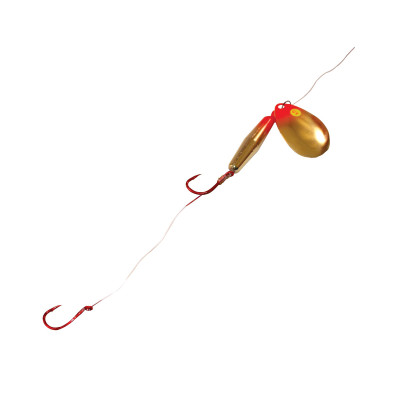
Northland Pro Walleye Crawler Harness
Budget Core Rough Water/Deep ControlGlo Shiner
View
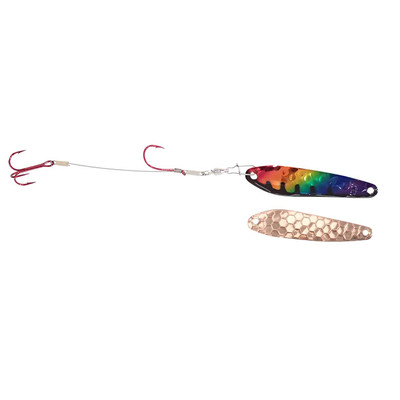
Northland Mr. Walleye Colorado Crawler Hauler
Budget Core Rough Water/Deep ControlFiretiger
View
Mack’s Smile Blade Double Whammy
Rough Water/Deep ControlChartreuse Green Tiger
View
View
Dreamweaver Wormburner
Rough Water/Deep ControlMixed Veggie Jeans
View
View
View
Bottom Bouncers3 Selected
Eagle Claw Bottom Bouncer — 1 oz
Budget Core1 oz · 10–20 ft
View
Eagle Claw Bottom Bouncer — 1.5 oz
Budget Core1.5 oz · 15–25 ft
View
Eagle Claw Bottom Bouncer — 2 oz
Core Rough Water/Deep Control2 oz · 20–35 ft
View
Eagle Claw Bottom Bouncer — 3 oz
Rough Water/Deep Control3 oz · 30–50 ft
View
Mainline1 Selected
Berkley Trilene XL Monofilament
Budget Core10 lb · 330 yds · Low Vis Green
View
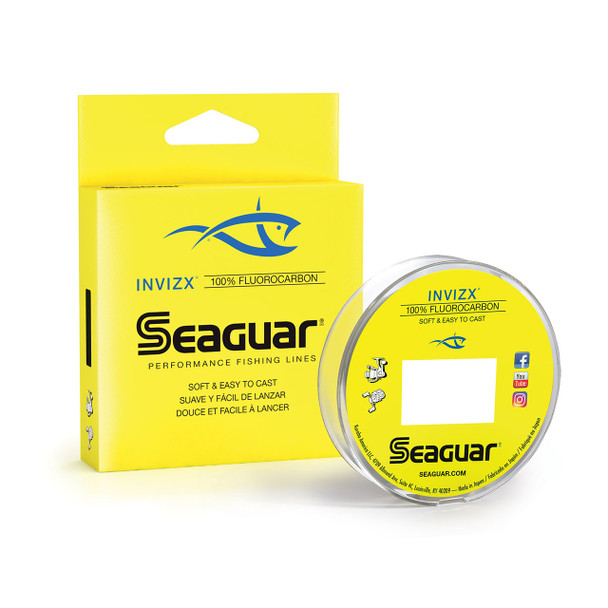
Seaguar InvizX Fluorocarbon
Rough Water/Deep Control12 lb · 200 yds · Clear
View
Leader Material1 Selected
Seaguar Blue Label Fluorocarbon
Budget Core10 lb · 25 yds · Clear
View
Swivels + Snaps2 Selected
View
SPRO Power Swivels Combo
Rough Water/Deep ControlSize 5
View
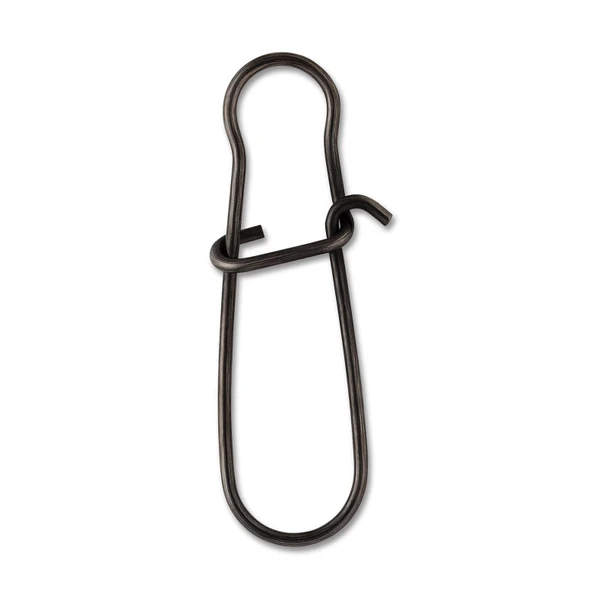
VMC Duolock Snaps
Budget Core Rough Water/Deep ControlSize 1 · Value Pack
View
VMC Crankbait Snaps
OptionalSize 1
View
Trailing Hooks1 Selected
Gamakatsu Octopus Hook
Core Rough Water/Deep ControlSize 2 · Red Chrome · Economy
View

Three rules before you add to cart

Start simple: one natural blade + one contrast blade covers most days. Blade variety is useful; blade overload is not.
Control first: if you’re not ticking bottom consistently, increase bouncer weight one step or reduce speed before you change anything else.
Swivels are not optional: a harness blade creates continuous rotational force. A quality ball-bearing swivel is the cheapest problem you can prevent.

Parts List (Shoppable)

Everything you need, organized by category. Expand each group to see details and shop links.

Harnesses — Natural + Contrast

Start with one natural blade and one contrast option. In clear water, Indiana blades produce best at moderate trolling speed. Colorado blades give slow, thumping vibration for stained water or cold fronts. Smile blades add a flutter action when fish are selective. Wormburners produce a tighter, faster action that can trigger fish when standard harnesses get ignored. Float'N harnesses lift the bait off bottom slightly — useful in rocky or snag-prone structure.

Recommended: Northland Pro Crawler Harness (natural) + Mr. Walleye Colorado Crawler Hauler (contrast) as your starting pair. Add the Dreamweaver Wormburner when fish want a tighter, faster presentation. Carry 3–5 total rigs per trip.

Bottom Bouncers — 1 to 3 oz

Start with 1 oz of bouncer weight per 10 feet of depth as a baseline, then adjust for drift speed and current. Carry at least 1, 2, and 3 oz per trip — wind and depth change faster than bites. Adding weight one step is always faster than slowing down.

Recommended minimum carry: 1 oz, 1.5 oz, 2 oz, and 3 oz. Step up one size when you lose bottom contact; step down when you feel the bouncer dragging.

Line — Mainline + Leader

Mono mainline (10 lb) is the standard for harness fishing — the stretch cushions hooksets and absorbs shock when the bouncer snaps off rocks. In ultra-clear water, straight fluorocarbon mainline reduces visibility end-to-end. Pair either mainline with a Seaguar Blue Label fluorocarbon leader for the final connection to the harness.

Recommended: Berkley Trilene XL on the reel + Seaguar Blue Label as the leader for most conditions. Switch to Seaguar InvizX straight fluorocarbon mainline in clear water above 6 ft visibility.

Swivels + Snaps — Anti-Twist Terminal

A spinning harness blade creates constant rotational force. A ball-bearing swivel between the bouncer and leader stops that force from spiraling your mainline. Quick-change snaps let you swap harnesses without cutting and re-tying the leader. Both are required components, not optional.

Recommended: size 5–7 ball-bearing swivel for the bouncer connection. Size 1 Duolock or Crankbait snap at the harness end for quick swaps.

Trailing Hooks — Stinger Setups

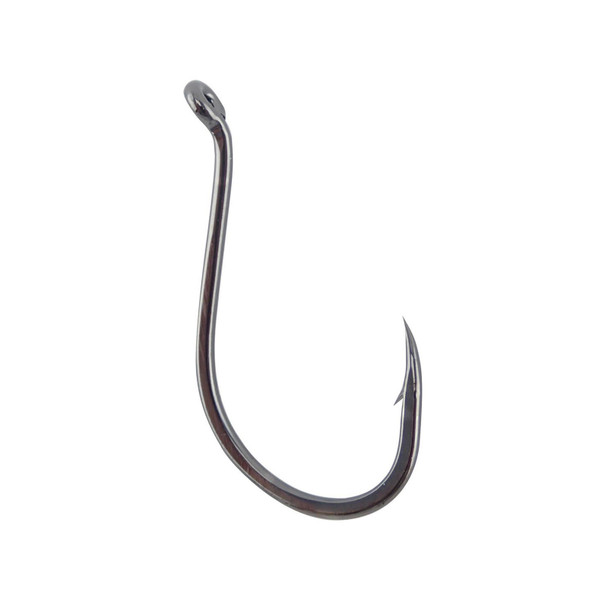
Pre-tied harnesses already include hooks, but keeping a supply of loose octopus hooks lets you replace dull or bent hooks without retiring the entire rig. A red chrome finish adds a subtle attractor element near the bait. Size 2 is the standard for crawlers — large enough to hold the worm, small enough not to impede action.

Recommended: Gamakatsu Octopus Size 2 · Red Chrome. Economy packs give you enough to refresh hooks all season.

What you can skip

Two harnesses (one natural + one contrast) cover most days. Ball-bearing swivels and Duolock snaps are required, not optional — skip them and you’ll have twisted mainline within 20 minutes. Skip the heavier bouncers (3 oz) if you fish shallow inland lakes under 25 feet. Loose hooks are only needed if you want to re-rig worn harnesses instead of swapping the whole rig.

Speed + Blade Rules (Quick Chart)

Trolling speed drives blade rotation and fish response. Blade size and color follow from speed and water conditions — not the other way around. Set your speed first, then match the blade to it.

Situation Starting Speed Blade Size Color Direction Change First
Clear + pressured 1.0–1.3 mph #2–3 Colorado or #4 Indiana Natural metallic (gold, copper, hammered silver) Leader length before color
Stained / wind chop 1.3–1.8 mph #4 Colorado or #5 Indiana High-contrast (chartreuse, orange, UV red) Blade color before adding more rods
Cold front / neutral fish 0.9–1.2 mph #2 Colorado or smaller Indiana Natural + subtle flash (copper, hammered gold) Slow down before switching spots
Warm water / active fish 1.5–2.0 mph #5–6 Indiana or #4 Colorado Bright (firetiger, chartreuse/orange) Increase speed if blade stalls

Blade style quick reference

Colorado blade: wide, round profile — more thump and vibration at slower speeds. Best for stained water, cold water, and slower trolling passes.
Indiana blade: narrower, teardrop profile — spins at higher RPM, produces less drag. Better for faster speeds and clear water where a subtler presentation works.
Willowleaf blade: long and slim — minimal drag, spins tight and fast. Best for very fast trolling or when downsizing is the goal in clear-water pressure.

Bottom Bouncer Weight Chart (Depth + Drift Speed)

Your goal is consistent bottom ticks — the wire tip should brush bottom periodically, not drag continuously. If you’re plowing, reduce weight or increase speed. If you lose contact on the fall, add weight before you do anything else.

Depth Light drift (<1.0 mph) Moderate drift (1.0–1.5 mph) Fast drift / current (>1.5 mph) Notes
10–20 ft 1/2–1 oz 1–1.5 oz 1.5–2 oz Keep wire angle near 45°; over-weighting in shallows kills feel
20–35 ft 1–1.5 oz 1.5–2.5 oz 2.5–3.5 oz Most common Great Lakes summer trolling range
35–50 ft 2–3 oz 3–4 oz 4–5 oz Control > finesse; increase weight first if you lose contact
50+ ft 3–4 oz 4–5 oz 5+ oz Check wire angle — you want 40–50°, not straight down

Wire angle is the diagnostic

Watch the angle of your bouncer wire off the rod tip. A 45° angle is the sweet spot — light enough to feel bottom, heavy enough to stay in contact. Straight down means you’re over-weighted or too slow. Near-horizontal means you need more weight or you’re too fast. Adjust weight in single steps before changing speed.

Leader Length Rules (When Longer Wins)

Leader length controls how far the harness rides behind the bouncer and how much time a fish has to look at it before committing. Most anglers default to 48 inches — that works for most situations. Adjust from there based on what fish are telling you.

  • Standard range (36–60 in): covers most conditions. Start at 48 inches and adjust from there based on bite quality and water clarity.
  • Clear water / pressured fish (5–7 ft): longer leaders put more distance between the wire and the harness, giving finicky fish more time to commit without seeing the bouncer. This is the single most-overlooked adjustment in tough conditions.
  • Stained water / active fish (36–48 in): shorter leaders are easier to manage and still produce. Fish locate the blade faster in reduced visibility; extra distance doesn’t help as much.
  • Short strikes (fish nipping the tail hook): extend the leader 12–18 inches before changing anything else. Short strikes often mean fish are following from the rear and not fully committing — more distance gives them time to turn and eat.
  • Rocky or snaggy bottom: shorter leaders reduce the chance of the harness catching rocks during each bounce. Drop to 36 inches and slow down slightly to reduce snagging.
  • Leader material: fluorocarbon (10–14 lb) is the standard choice — low-vis, abrasion-resistant, and sinks to keep the harness in the zone. Check the leader for nicks after every fish or snag.

Troubleshooting (Fast Fixes)

Line twist / harness spinning

  • Check your swivel first — pull it off the leader and spin it by hand. It should rotate freely with almost no resistance. If it binds or has grit in the bearing, replace it.
  • Confirm your trolling speed is inside the blade’s optimal spin range. Blades spinning too fast create more rotational force than any swivel can handle.
  • Re-spool after a badly twisted day rather than fishing through the twist — twisted leader material weakens and kills presentation.

No bites

  • Step 1 — change speed: bump up or down 0.2 mph. Fish that ignore a blade at 1.2 mph sometimes bite immediately at 1.5 mph, or vice versa after a cold front.
  • Step 2 — change blade color: switch from natural to contrast, or vice versa. Give each color at least two passes over the same structure before deciding it doesn’t work.
  • Step 3 — adjust leader length: extend 12–18 inches if you suspect fish are following but not committing.
  • Step 4 — check the bait: a soft or fouled crawler produces almost nothing. Fresh bait is as important as blade selection.

Snagging constantly

  • Increase trolling speed slightly — a faster drift angle keeps the wire tip up and skims bottom rather than plowing into it.
  • Reduce bouncer weight one step if speed adjustment doesn’t help. You want ticks, not a plow.
  • Shorten the leader to 36 inches when fishing rocky structure so the harness rides higher off the hardest snag points.

Blade not spinning (or spinning wrong)

  • Pull the rig and check for weed, algae, or zebra mussel debris on the blade or clevis. Even a small piece of weed stops a blade cold.
  • Confirm the clevis is seated correctly on the spinner shaft — a folded or cracked clevis won’t allow proper blade rotation.
  • Check that speed is in range for the blade size. A #5 Indiana requires more water pressure to spin than a #2 Colorado at the same speed.

Running too fast or too slow

  • If you’re over-spinning the blade (it helicopters instead of rotating cleanly), drop speed 0.2 mph or switch to a smaller blade at the same speed.
  • If the blade barely spins, either increase speed or switch to a blade with a wider profile (Colorado vs Indiana) that generates rotation at lower RPM.
  • Use a speed-and-temp unit if you don’t have one — surface speed and actual trolling speed can differ significantly with wind and current. Know what speed is actually at the bouncer, not just the boat.

FAQ

Common questions on harness speed, bouncer weight, leader length, and keeping the system running clean.

The standard harness trolling range is 1.0–1.8 mph. Start at 1.2–1.4 mph for most conditions — this keeps a #4 Colorado or #5 Indiana blade spinning consistently without over-spinning. In cold water or after a cold front, drop toward 0.9–1.1 mph and use a smaller blade. In warm water or stained conditions, push toward 1.5–1.8 mph with a larger blade. Speed is the first variable to change when bites drop off — tune it before swapping blade color or leader length.
Start with 1 oz per 10 feet of depth, then adjust for drift speed and current. At 20 ft in moderate wind, a 2 oz bouncer is a solid starting point. If you’re dragging along the bottom (feeling constant resistance), reduce weight one step. If you lose contact completely, add weight. Your goal is consistent bottom ticks. See the bottom bouncer weight rules for the full depth and wind chart.
The standard harness leader runs 36–60 inches. In clear water or on pressured fish, go longer — 5 to 7 feet puts the harness well away from the bouncer and gives fish time to commit. In stained water, shorter leaders (36–48 in) are easier to manage. Short strikes often indicate you need a longer leader, not a different blade color. See the full leader length guide for situation-specific recommendations.
Three things prevent most harness twist: quality ball-bearing swivels between the bouncer and leader, running your speed in the blade’s optimal spin range, and checking the swivel for debris after each pass. Check swivel rotation by letting out a short length of line and watching the blade — it should spin freely without pulling the swivel body into a spin. Replace swivels at the start of each season and after catching multiple fish on the same rig.
Start with two colors: one natural metallic (gold, copper, or hammered silver) and one high-contrast (hot orange, chartreuse, or UV red). Natural metallic blades produce consistently in clear water and full-sun conditions. High-contrast colors hold up in stained water and low-light periods. Change blade color after 20–30 minutes without bites — but only after you’ve confirmed speed and leader length are right. Full breakdown in the blade size and color rules guide.
Live or fresh-cut bait significantly increases harness effectiveness. Nightcrawlers are the standard and produce consistently across seasons. A harness without bait will catch some fish, but adding a full crawler or a half-crawler behind the trailing hook improves both attraction and hookup rates. Keep crawlers cool and lively. Half-crawlers work in warm water when bait softens quickly. Leeches and small minnows are effective alternatives depending on the season and region.
Pre-tied harnesses are the fastest starting point — swap the whole rig and keep fishing without re-tying. Building your own lets you dial in exact blade size, hook gap, bead spacing, and leader length. Most anglers start with pre-tieds and move toward components once they know which combinations produce best on their water. Either approach works; the rig itself matters more than who tied it.
Check the swivel and blade rotation every 20–30 minutes, or any time a retrieve feels different than usual. Weeds, debris, and zebra mussels can clog a swivel or foul a blade without you noticing until you’ve trolled through a school without a bite. After a fish or a snag, pull the rig and inspect the leader for nicks — fluorocarbon develops weak points after abrasion. A clean, spinning blade with an intact leader is the most important variable in harness fishing.
Attractor beads and inline floats are standard on most harnesses. Inline floats lift the bait slightly off bottom, which reduces snags in rocky structure and keeps the crawler at eye level for fish holding just above the contour. In very clear water, a minimal harness (blade + two or three beads + hook) often outperforms heavily decorated rigs. Start simple and add attractors when you need more lift or visibility.
Harnesses and bottom bouncers are most effective when fish relate to a consistent depth contour and you can troll at a controlled speed (1.0–1.8 mph). Switch to jigging when fish are scattered in current, positioned on steep breaks, or in cold water where a slow bottom-contact presentation outperforms a trolled blade. Switch to open-water trolling with crankbaits when fish are suspended well off bottom and inaccessible with a bouncer. See the Walleye Trolling Hub for open-water and lead-core setups.
Selected kit: [Core System] Estimated total: $—