

Why Vertical Glide Baits Should Be a Staple Lure for Ice Anglers
By: FishUSA Staff
January 13, 2026
Most ice anglers lean on the same comfort lures every winter: small tungsten jigs, spoons, and deadsticks. They catch fish, sure—but if you’re relying only on those, you’re leaving a pile of bites on the table. The real secret weapon many anglers are still sleeping on is the Vertical Glide Baits.
Most ice anglers lean on the same comfort lures every winter: small tungsten jigs, spoons, and deadsticks. They catch fish, sure—but if you’re relying only on those, you’re leaving a pile of bites on the table. The real secret weapon many anglers are still sleeping on is the Vertical Glide Baits.
This article explains exactly why vertical glide baits should be a staple lure for ice anglers. We’ll cover what these baits are, why they outshine traditional ice fishing jigs in many conditions, and how to use them to consistently catch more panfish, walleye, perch, trout, and pike. You’ll get proven jigging cadences, gear recommendations, and species-specific tips that will help you fish smarter all winter long.
By the end, you’ll know how to turn vertical glides into your go-to search bait and confidence lure whenever you drill a new hole.
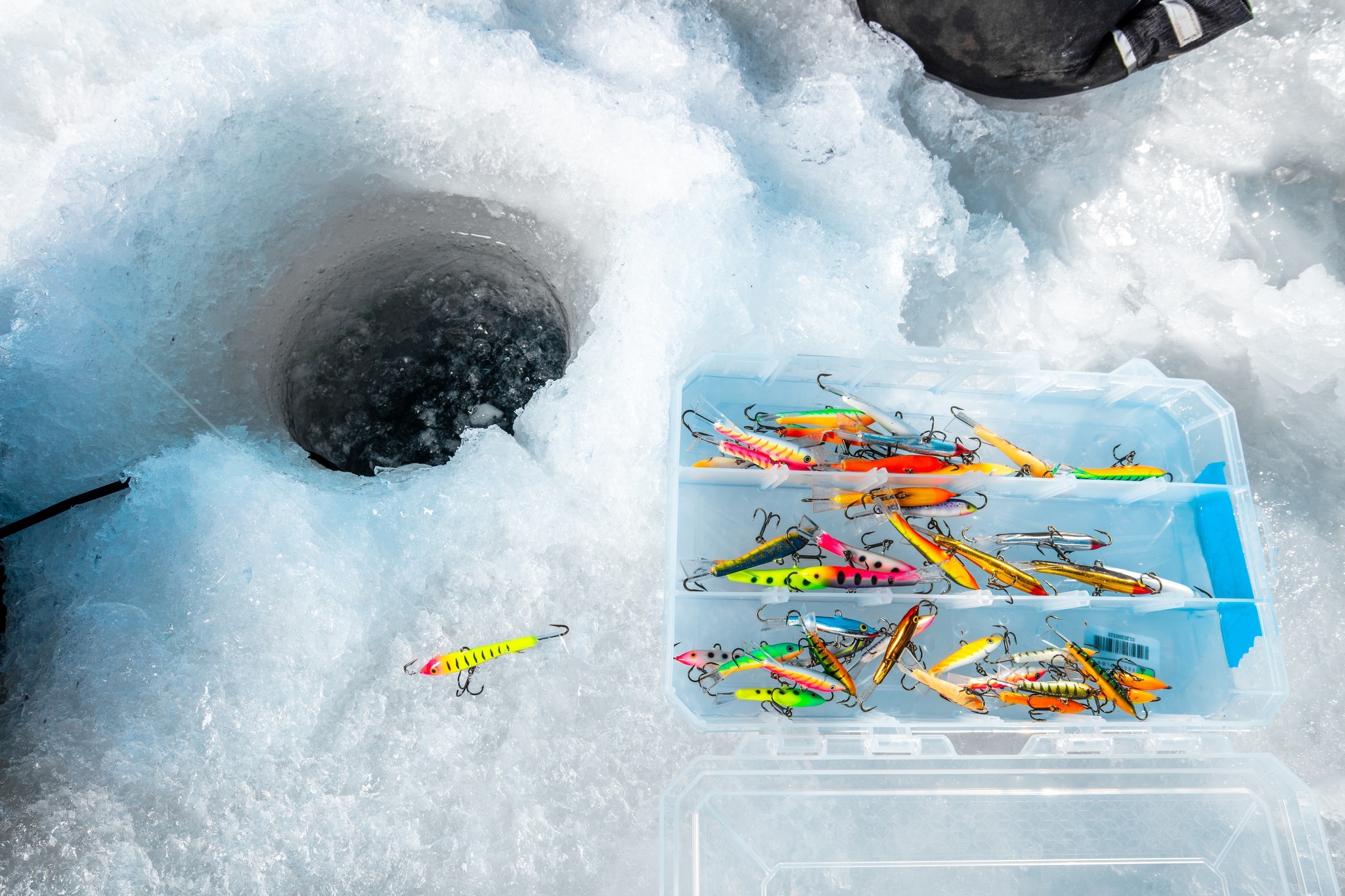
Table of Contents
- What Are Vertical Glide Baits for Ice Fishing?
- Why Vertical Glides Should Be a Staple Lure for Ice Anglers
- When and Where to Use Vertical Glides for Ice Fishing
- How to Fish Vertical Glides Under the Ice
- Species-Specific Tips for Vertical Glides
- Gear Setup for Fishing Vertical Glides on Ice
- Common Mistakes Ice Anglers Make With Vertical Glides
- FAQs About Vertical Glides for Ice Fishing
- Conclusion: Make Vertical Glides a Permanent Part of Your Ice Arsenal
What Are Vertical Glide Baits for Ice Fishing?
Vertical Glides vs Traditional Ice Jigs
When most people think of ice fishing lures, they picture tiny vertical jigs and spoons that move almost straight up and down under the hole. Vertical glide baits for ice fishing are different. They’re designed to glide, swing, and dart out to the sides when you lift and drop them, covering a much wider area beneath the ice.
Common traits of vertical glides include:
- A horizontal or slightly angled hanging position
- Fins, wings, or flat sides that catch water and create a gliding action
- Compact, baitfish-shaped bodies that mimic small minnows
Think of them as the ice fishing equivalent of a swimming jig or glide bait—they search, they hunt, and they trigger reaction strikes.
Key Design Features That Make Vertical Glides Effective
The magic of an ice fishing vertical glide comes from its design. A few details matter a lot:
- Horizontal balance: Hanging level gives a natural baitfish profile.
- Hydrodynamic shape: Flat sides, flared fins, or swept wings create a side-to-side glide on the fall.
- Weight distribution: Center-balanced baits tend to glide in wide circles, while tail-heavy models dart more aggressively.
- Eyes and color: Large eyes and contrast-heavy paint jobs help fish lock on and commit.
It’s this combination of profile and motion that sets vertical glides apart from traditional teardrop or tungsten jigs.
Different Vertical Glides for Different Species
Like any lure family, vertical glides come in a range of sizes and shapes:
- Panfish models: Micro glides with tiny hooks and subtle glides for bluegill, crappie, and perch.
- Walleye models: Mid-sized jigs that mimic shiners, smelt, and young-of-year perch.
- Big predator models: Larger gliding baits and heavy jigs designed for lake trout, pike, and giant walleye.
Once you understand the action, you can scale the size to match whatever species you’re targeting.
Why Vertical Glides Should Be a Staple Lure for Ice Anglers
Covering More Water Under the Ice
The biggest reason vertical glides should be a staple lure for ice anglers is simple: they cover more water. Every time you lift and drop one of these jigs, it glides out and swings in a wide arc away from the hole, then returns under you as it settles.
That means you’re not just fishing a tight vertical column—you’re efficiently scanning a wider “circle” beneath the ice. When fish are spread out or roaming, that extra reach can be the difference between marking nothing and triggering a wolf-pack of angry perch or aggressive walleyes.
Triggering Reaction Strikes From Finicky Fish
Cold-water fish often follow lures without committing. Vertical glides shine here because their glide-and-pause action screams “injured baitfish.” That sideways slide followed by a stall frequently triggers reaction strikes from fish that ignored spoons or simple jig-and-plastic combos.
When I first committed to fishing vertical glides on a heavily pressured midwinter walleye lake, I watched fish follow my spoons repeatedly on sonar with no bites. As soon as I tied one on and let it glide out, the same fish crushed it on the first pause. That pattern repeated the rest of the season.
Versatility Across Species and Depths
Vertical glides are incredibly versatile:
- Work them shallow over weeds for big bluegill and crappie.
- Fish them mid-depth on gravel bars and rock points for walleye.
- Drop them deep over basins for jumbo perch or lake trout.
Once you understand the basic cadence, you can apply it to almost any species. That’s exactly why these baits deserve permanent real estate in your ice box.
Perfect for Hole-Hopping and Search Mode
If you like drilling lots of holes and staying mobile, vertical glides are ideal search lures. They let you quickly test whether there are active fish in the area. If you get followers but short strikes, you can always switch to more finesse-oriented jigs—but the vertical glide finds them fast.
When and Where to Use Vertical Glides for Ice Fishing
Early Ice: Active, Shallow Fish
At first ice, oxygen is high, weed beds are still green, and fish are usually aggressive. This is prime time for vertical glides for ice fishing:
- Target shallow weed edges for bluegill, crappie, and perch.
- Fish shoreline-connected points and humps for walleyes.
- Use brighter colors and more aggressive cadences.
The gliding action lets you comb those shallow flats quickly so you’re not wasting time in dead holes.
Midwinter: Pressure, Cold, and Tough Bites
Midwinter is where vertical glides really earn their spot. Fish slide deeper, the water cools, and heavy pressure makes them picky. Switch to:
- Slightly smaller vertical glides.
- More natural colors (silvers, browns, perch patterns).
- Longer pauses between lifts.
Use your electronics to locate subtle humps, basin edges, and transition lines, then let the jig glide slowly through that zone. You’d be surprised how often a lethargic mark suddenly streaks up and eats when you stop the bait.
Late Ice: Pre-Spawn Movements
As ice begins to melt and days get longer, fish shift shallower toward spawning areas. Vertical glides excel at:
- Finding staging schools of perch and crappie along breaks leading into bays.
- Locating walleyes moving up onto points and flats near spawning rivers or shoals.
It’s a perfect time to blend aggressive search tactics with finesse—start with vertical glides to find life, then dial in with live bait or smaller jigs if needed.
How to Fish Vertical Glides Under the Ice
Basic Vertical Glide Cadence
Here’s a simple, reliable cadence to start with:
- Drop the jig a few feet above bottom or just above the fish you see on sonar.
- Lift the rod 1–3 feet smoothly, then quickly drop the rod tip while maintaining light tension so the jig can glide out.
- Pause and let the jig swing back under the hole—watch your line closely.
- Repeat with occasional higher lifts or longer pauses.
Most strikes come either as the vertical glide starts its glide or during the pause when it stalls and wobbles.
Adjusting Cadence for Mood and Species
A few quick tweaks can completely change how fish respond:
- For aggressive fish: Higher lifts, quicker snaps, and shorter pauses.
- For neutral fish: Medium lifts with smooth falls and moderate pauses.
- For negative fish: Small lifts, long hangs, and minimal movement.
Use your flasher or sonar to watch how marks react. If they chase but don’t eat, lengthen the pause. If they ignore you completely, try a different size or color—or move.
Using Electronics to Tune Your Presentation
Electronics and vertical glides are a perfect pair. On a good graph, you can see:
- How far your jig glides out from the hole.
- Whether fish rise to meet the jig or drop away from it.
- How changes in cadence impact their interest.
Use that feedback loop to experiment: adjust one variable at a time (lift height, pause length, or jig weight) until you find what triggers that mark into a bite.
Color and Size Selection
As with any lure, let water clarity and light conditions guide your vertical glide color choice:
- Clear water: Natural baitfish tones (silver, white, perch, smelt).
- Stained water: Brighter options (chartreuse, orange, glow) to stand out.
- Low light or deep water: Glow finishes and UV accents help fish home in.
When fish are following but not committing, try downsizing or switching from a loud color to something more natural.
Species-Specific Tips for Vertical Glides
Panfish: Bluegill, Crappie, and Perch
For panfish, choose micro vertical glides:
- Use tiny sizes and light line (2–4 lb test).
- Keep lifts small (6–18 inches) to avoid spooking fish.
- Hold the bait just above the school and let it swing slowly with long pauses.
Perch often respond to a faster, more aggressive style than bluegill—don’t be afraid to pound bottom and then lift into the school.
Learn more:
- Ice Fishing for Bluegill and Sunfish: Techniques, Gear, and Tips
- Ice Fishing for Crappie: Tips, Techniques, and Gear
- Ice Fishing for Perch: Tips, Gear, and Techniques
Walleye and Sauger
Vertical glides are deadly on walleyes when they’re chasing baitfish off structure:
- Fish them on main-lake points, humps, and saddles.
- Start with medium-sized vertical glides that mimic local forage.
- Use confident lifts of 1–3 feet and vary your pause length until they commit.
Glow patterns can be especially effective during low-light periods or night fishing sessions.
Learn more: Ice Fishing for Walleye: Expert Techniques, Gear, and Strategies
Lake Trout and Pike
For big predators, upsize everything:
- Use heavier vertical glides or large gliding minnows.
- Fish deep structure, drop-offs, and suspended bait schools.
- Work aggressive, sweeping lifts and let the jig fall and glide freely.
Lake trout often track the bait for several lifts before striking; stay patient and don’t stop working the cadence.
Learn more:
Gear Setup for Fishing Vertical Glides on Ice
Best Ice Rods for Vertical Glides
Rod choice can make or break your vertical glide presentation:
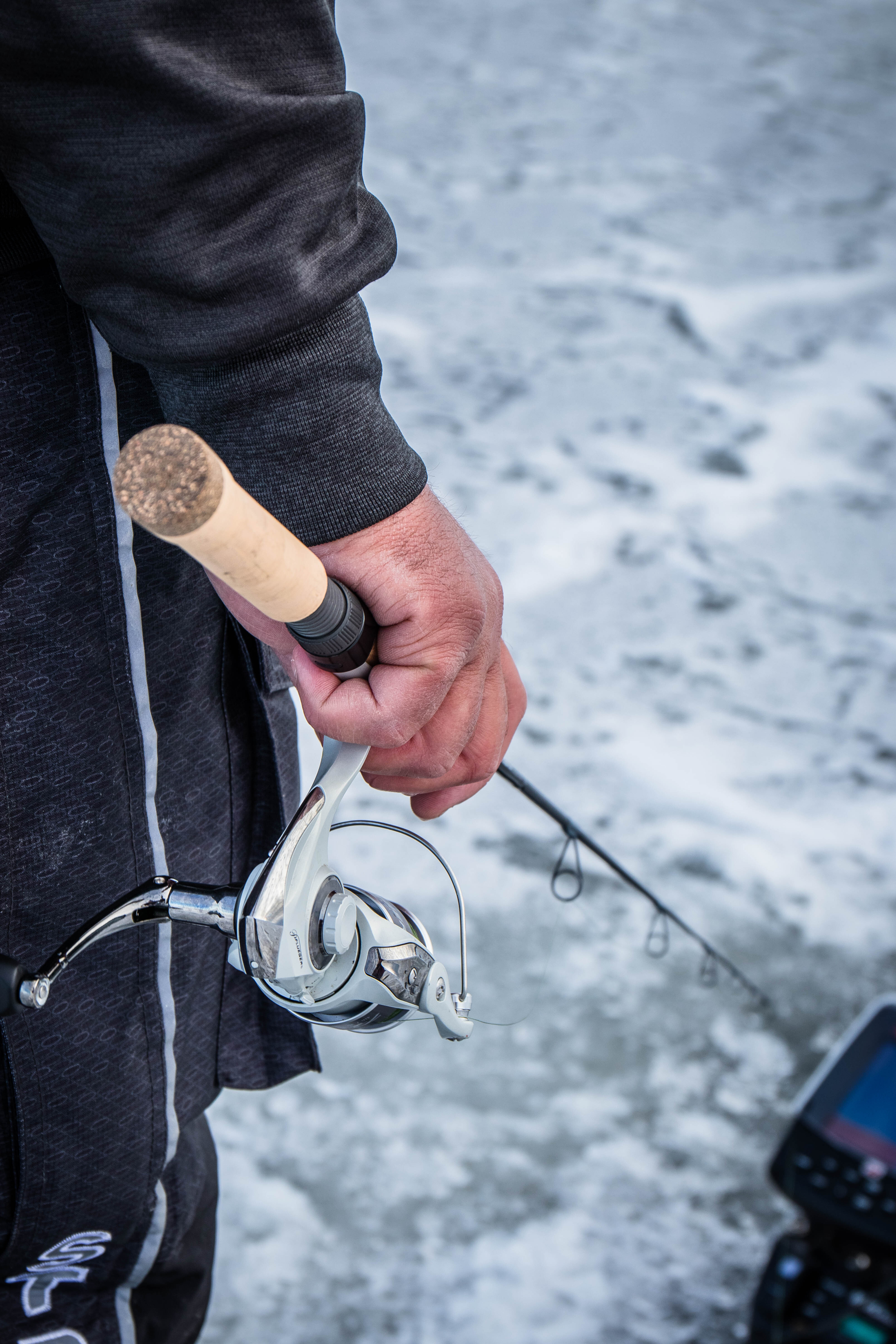
- Panfish: 24–30" ultralight or light rods with fast tips for detecting subtle bites.
- Walleye: 28–36" medium-light to medium rods with crisp actions for solid hooksets.
- Trout/Pike: 34–42" medium to medium-heavy rods to handle big fish and heavy lures.
Reels, Line, and Leaders
Pair rods with smooth, small spinning reels (500–2500 size). For line, consider:
- Braid main line (6–15 lb) for sensitivity and no stretch.
- Fluorocarbon leader (4–10 lb) for stealth and abrasion resistance.
- Mono for panfish setups if you prefer a bit of stretch.
Rigging and Terminal Tackle
Many ice anglers tie vertical glides directly to the leader with a loop knot to maximize freedom of movement. Others prefer a small snap for quick lure changes. Either way, choose strong, low-profile hardware that won’t kill the action.
Common Mistakes Ice Anglers Make With Vertical Glides
Over-Jigging in Cold Water
Big, frantic snaps can be too much for cold-water fish. When in doubt, start more subtle and only speed up if your electronics show fish responding positively.
Using the Wrong Weight or Size
If your vertical glide rockets straight down like a rock, you’re too heavy. If you can’t get it to your target depth or it gets blown around by current, you’re too light. Match weight to depth and conditions.
Ignoring Water Clarity and Light
Sticking with one color all day is a mistake. Rotate through natural and bright patterns until you find what fish respond to best, especially on pressured lakes.
Fishing Only Straight Under the Hole
Remember: the power of vertical glides is that they range out and search. Give them room to glide and swing. Don’t choke them with a tight line or micro-lifts that never let the bait move horizontally.
FAQs About Vertical Glides for Ice Fishing
What is a vertical glide in ice fishing?
A vertical glide is an ice fishing lure designed to glide, swing, or “swim” horizontally under the ice when lifted and dropped, rather than just moving vertically.
Why are vertical glides good for ice fishing?
Vertical glides cover more water, mimic injured baitfish, and often trigger reaction strikes from fish that ignore traditional jigs and spoons.
When should I use vertical glides instead of spoons or standard jigs?
Use vertical glides when you’re searching for fish, dealing with pressured or neutral fish, or trying to imitate roaming baitfish around structure and basin edges.
What species can I catch with vertical glides?
You can catch panfish (bluegill, crappie, perch), walleye, sauger, lake trout, and pike with vertical glides by adjusting size and presentation.
Can beginners fish vertical glides effectively?
Yes. The basic lift-and-glide cadence is easy to learn. With a bit of practice and help from electronics, beginners can quickly gain confidence in vertical glides.
Conclusion: Make Vertical Glides a Permanent Part of Your Ice Arsenal
There’s a reason experienced anglers quietly rely on these baits year after year: vertical glides catch fish when other lures don’t. They cover more water, imitate real baitfish more naturally, and trigger reaction strikes from stubborn fish in some of the toughest winter conditions.
If you’ve been wondering why vertical glides should be a staple lure for ice anglers, the answer is simple: versatility, efficiency, and sheer fish-catching power. Add a few vertical glides to your box this season, commit to learning their cadence, and let your electronics guide your adjustments.
On your next trip, tie one on, drill a small grid of holes, and let that jig glide and hunt for you. Then come back and share your results—drop a comment with your favorite vertical glide model, color, and species. And if this guide helped you, send it to an ice-fishing buddy who’s still stuck in the spoon-and-tungsten rut.vertical glide
Tight lines—and may your next lift-and-glide end with a heavy thump and a bent rod.
Ice Fishing Gear