

Tungsten vs. Lead for Ice Fishing: When Each Jig Wins
By: FishUSA Staff
January 15, 2026
Ask a serious hardwater angler whether tungsten or lead catches more fish and you’ll start a campfire debate. The “tungsten vs lead for ice fishing” question isn’t just about what’s trendy; it’s about how density, fall rate, and profile change the way fish react under the ice. If you’ve ever watched fish on your flasher rush in and then ghost your bait, there’s a good chance jig material played a role.
Ask a serious hardwater angler whether tungsten or lead catches more fish and you’ll start a campfire debate. The “tungsten vs lead for ice fishing” question isn’t just about what’s trendy; it’s about how density, fall rate, and profile change the way fish react under the ice. If you’ve ever watched fish on your flasher rush in and then ghost your bait, there’s a good chance jig material played a role.
This guide is aimed at experienced ice anglers who already know how to work a jig and read electronics. We’ll dig into the physics behind tungsten ice fishing jigs versus lead ice fishing jigs, how material affects fall rate and profile, and which options shine for panfish, walleyes, trout, and more.
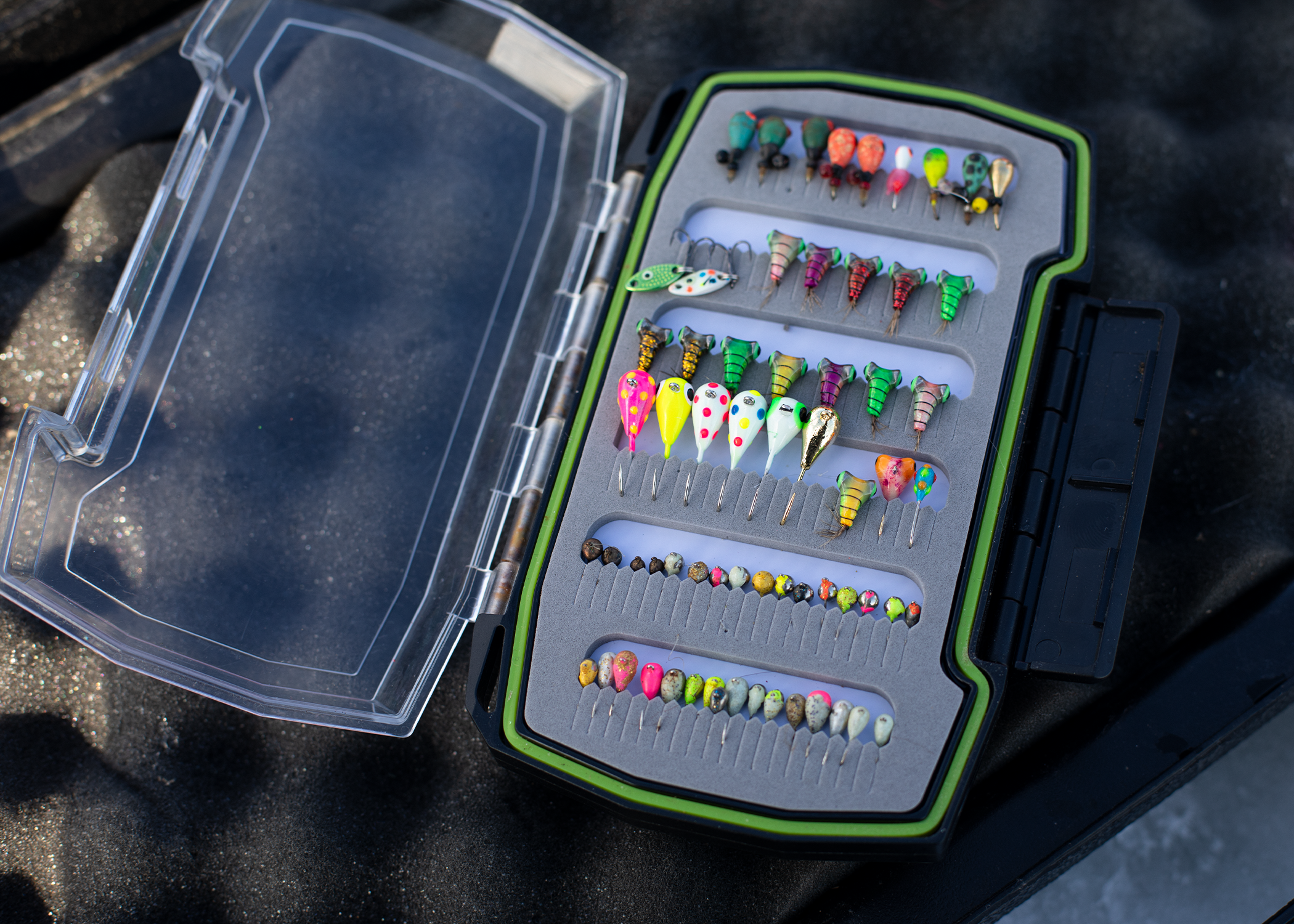
Table of Contents
- Tungsten vs. Lead: What’s Really Different?
- Pros and Cons of Tungsten Ice Fishing Jigs
- Pros and Cons of Lead Ice Fishing Jigs
- Tungsten vs. Lead for Panfish, Walleyes, and Predators
- Presentation, Line, and Rod Choices With Tungsten vs Lead
- Environmental and Regulatory Considerations
- Building a Smart Jig Box: Using Tungsten and Lead as Tools
- FAQs – Tungsten vs. Lead for Ice Fishing
- Conclusion: Use Tungsten and Lead as Tools, Not Identities
Tungsten vs. Lead: What’s Really Different?
Density, Size, and Weight – The Physics Behind Tungsten Jigs
The core difference in the tungsten vs lead for ice fishing debate is density. Tungsten is roughly 1.7 times denser than lead. That means for the same weight, a tungsten jig head can be significantly smaller than its lead counterpart.
On the ice, that translates to:
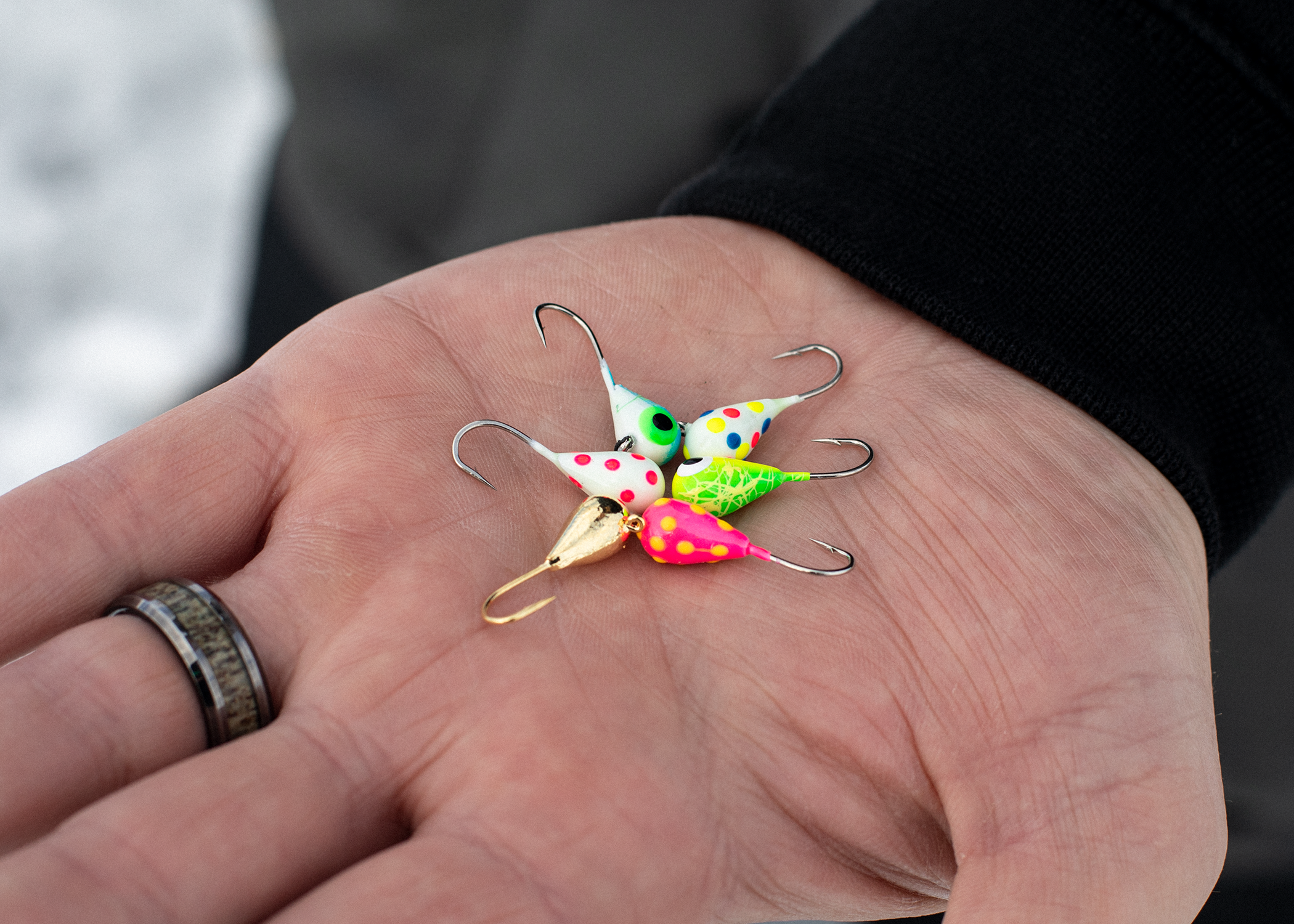
- Smaller profile, same weight: A 4 mm tungsten panfish jig can weigh roughly what a much larger lead jig does.
- Heavier in a smaller package: You can fish a tiny bait that still punches through slush and hits bottom quickly.
- Tighter cluster around the hook: The mass is more compact, which often improves the “feel” through the rod.
Lead, by comparison, needs a bulkier head to achieve the same weight. That bigger profile isn’t always a downside—sometimes fish want a larger silhouette—but it’s a key reason tungsten took over deep panfish fishing so quickly.
Hydrodynamics and Fall Rate Under the Ice
Density also changes how a jig moves through the water. Tungsten falls faster and tracks more vertically. Lead sinks slower and typically glides or drifts more.
Tungsten fall rate advantages:
- Reach suspended fish or deep basin fish quickly, especially in 20+ feet of water.
- Punch through slush and light current without veering off course.
- Maintain a nearly vertical line, which improves contact and sonar readability.
Lead fall rate advantages:
- Slower, more natural descent that can look like a bug or injured baitfish fluttering down.
- More “hang time” in the strike zone for fish that want a lazy presentation.
- Great for shallow water where fast drop is not necessary and can even spook fish.
In clear water with picky bluegills, a tiny tungsten jig lets you present a micro-profile without waiting forever for it to reach their level. On a shallow, weedy flat where crappies are cruising slowly, a slightly bulkier lead jig that glides on the fall might catch more eyes.
Sensitivity, Feedback, and Sonar Visibility
Because tungsten is denser, it often feels “crisper” on the rod. Tap bottom with tungsten and you’ll usually feel a solid tick in the blank; with lead, the same weight may feel softer or muted. On tight-line or braid-to-fluorocarbon setups, this difference is noticeable.
On ice electronics, tungsten typically shows up as a thin, bright mark that’s easy to track above fish. Lead also shows well, but the added density of tungsten can help it stand out when you’re cramming multiple returns onto a flasher or graph—especially with tiny jigs in deep water.
That said, a slower-falling lead spoon can create a broader, more dynamic return that’s easier for you to track during wide, gliding cadences. Neither is “better” 100% of the time; they just give different feedback through your line and screen.
Pros and Cons of Tungsten Ice Fishing Jigs
Why Tungsten Has Become a Hardwater Standard
Among serious panfish anglers, tungsten has become almost mandatory. The advantages are real:
- Micro profile, big weight: Present a tiny bait (especially with plastics) that still fishes efficiently in deep water.
- Fast drop: Ideal when you’re hole-hopping on roaming schools or chasing fish up and down the column on your sonar.
- High sensitivity: Subtle up-bites and sideways ticks transmit clearly, even on a small “finesse” rod.
- Great in current: Whether you’re on a river or a basin with flow, tungsten holds its line better.
When you’re ice fishing a deep basin for crappies and see a pack of marks slide in at 28 feet, you don’t want to wait for a slow, fluffy jig to get there. Tungsten lets you drop, reach, and adjust instantly.
Situations Where Tungsten Absolutely Shines
Some clear use-cases for tungsten ice fishing jigs:
- Deep water panfish: Bluegill and crappie in 20–40 feet, where lead jigs become painfully slow.
- Highly pressured fish: Micro tungsten lets you show a smaller, more natural profile when fish are conditioned to larger lead heads.
- River or current situations: Tungsten cuts through flow and remains more vertical, helping you detect bites.
- Windy days outside the shack: Heavier tungsten helps keep your line straight and taut against wind bow.
Drawbacks and Limitations of Tungsten
Tungsten isn’t perfect. You’ll feel its drawbacks most clearly in your wallet:
- Higher price: Tungsten is expensive. Losing a few jigs in snags stings more than losing cheap lead.
- Overkill in shallow water: In 4–8 feet, an ultra-fast fall can spook fish or pull your bait out of the zone too quickly.
- Hook and design constraints: Cramming a hook into a tiny tungsten head can restrict hook gap or create awkward baiting angles on some models.
- Less glide: If you want a slow, gliding fall, tungsten is often the wrong choice.
In short: tungsten is a scalpel. When you need precision, depth control, and micro size, it’s fantastic. When you want big, slow, and cheap, tungsten may not be the answer.
Pros and Cons of Lead Ice Fishing Jigs
Why Lead Still Has a Place in Your Jig Box
Lead has been catching fish longer than most of us have been alive. Despite the tungsten wave, there are still good reasons to keep and use lead ice fishing jigs:
- Slower, more natural fall: Perfect when fish want a bait that flutters and hovers instead of rocketing past.
- Larger profile: Sometimes bigger really is better, especially for aggressive walleyes, perch, or pike.
- Budget-friendly: Lead is cheaper, ideal for high-snag situations or large spreads.
- Legacy designs: Many classic spoons, teardrops, and specialty jigs are still primarily lead-based.
If you’re fishing a shallow weed flat for aggressive gills in 6–10 feet, a small lead jig that glides down and hangs in their face can be deadly. You don’t need the extra density, and the slower fall might actually trigger more bites.
Situations Where Lead Jigs Still Win
Lead tends to excel when:
- You’re in shallow water: Less than 12 feet, where fast drop isn’t necessary and a natural glide looks good.
- Fish are aggressive: Lead spoons and jigs with larger profiles are fantastic for fired-up walleyes and perch.
- You expect to lose jigs: Fishing brush piles, crib fields, or nasty rock edges makes cheap lead more practical.
- You want a specific action: Certain shapes and gliding behaviors are easier to achieve with lead.
Limitations and Concerns With Lead
The downsides of lead are mostly the inverse of tungsten’s benefits:
- Bulky profiles: On pressured fish in clear water, big heads can be a turnoff.
- Slow drop: In deep water, waiting for a tiny lead jig to reach 30 feet is painful.
- Environmental/regulatory issues: Some regions restrict or ban certain sizes of lead jigs and sinkers, and more may follow.
It’s wise to periodically review your local regulations and consider gradually shifting toward tungsten or non-lead alternatives in sensitive waters..
Tungsten vs. Lead for Panfish, Walleyes, and Predators
Panfish: Bluegill, Crappie, and Perch
For panfish, the tungsten vs lead debate is the most intense:
- Bluegill: Tungsten shines for deep, pressured gills, especially with tiny plastics. In shallow weeds, lead can be just as effective when you want a slow fall and a little glide.
- Crappie: Tungsten is great for quickly dropping into suspended schools and tracking fish on electronics. Lead can excel for a slower, more glidey fall that crappies love to chase.
- Perch: In deep basins, tungsten helps you stay on top of roaming schools fast; on mid-depth flats with aggressive fish, classic lead spoons and jigs are still killers.
Related:
- Ice Fishing for Perch: Tips, Gear, and Techniques
- Ice Fishing for Bluegill and Sunfish: Techniques, Gear, and Tips
- Ice Fishing for Crappie: Tips, Techniques, and Gear
Walleyes: Finesse vs Power Presentations
For walleyes, tungsten is more about finesse than revolution:
- Tungsten for finesse: Small tungsten spoons or tungsten-headed jigs with minnows work well on pressured or neutral fish, especially in deep basins or when downsizing is necessary.
- Lead for power: Classic lead spoons, rattle baits, and jigheads still dominate walleye fishing when fish are actively feeding and you want a bigger flash and fall.
An internal link to Ice Fishing for Walleye: Complete Guide is a great way to dive deeper into spoon/jig selection and cadence.
Related: Ice Fishing for Walleye: Expert Techniques, Gear, and Strategies
Trout, Lakers, and Other Predators
Big predators like lake trout and pike are generally less picky about tungsten vs lead; they care more about size, speed, and action:
- Lake trout: Lead spoons and tubes are proven producers. Tungsten may play a small niche role for micro-trout or finesse situations, but it’s not the main event.
- Pike: Larger lead jigheads and spoons, plus deadbait rigs, are typically the go-to. Tungsten’s small profiles aren’t usually necessary unless you’re dealing with ultra-pressured fish or bycatch scenarios.
Think of tungsten as a precision scalpel for smaller species and finesse presentations, and lead as your hammer for big predators and power fishing.
Related: Ice Fishing for Lake Trout: Techniques, Gear, and Tips
Presentation, Line, and Rod Choices With Tungsten vs Lead
Line Management and Rod Feel
Tungsten’s weight and compactness pair best with sensitive rods and appropriate line:
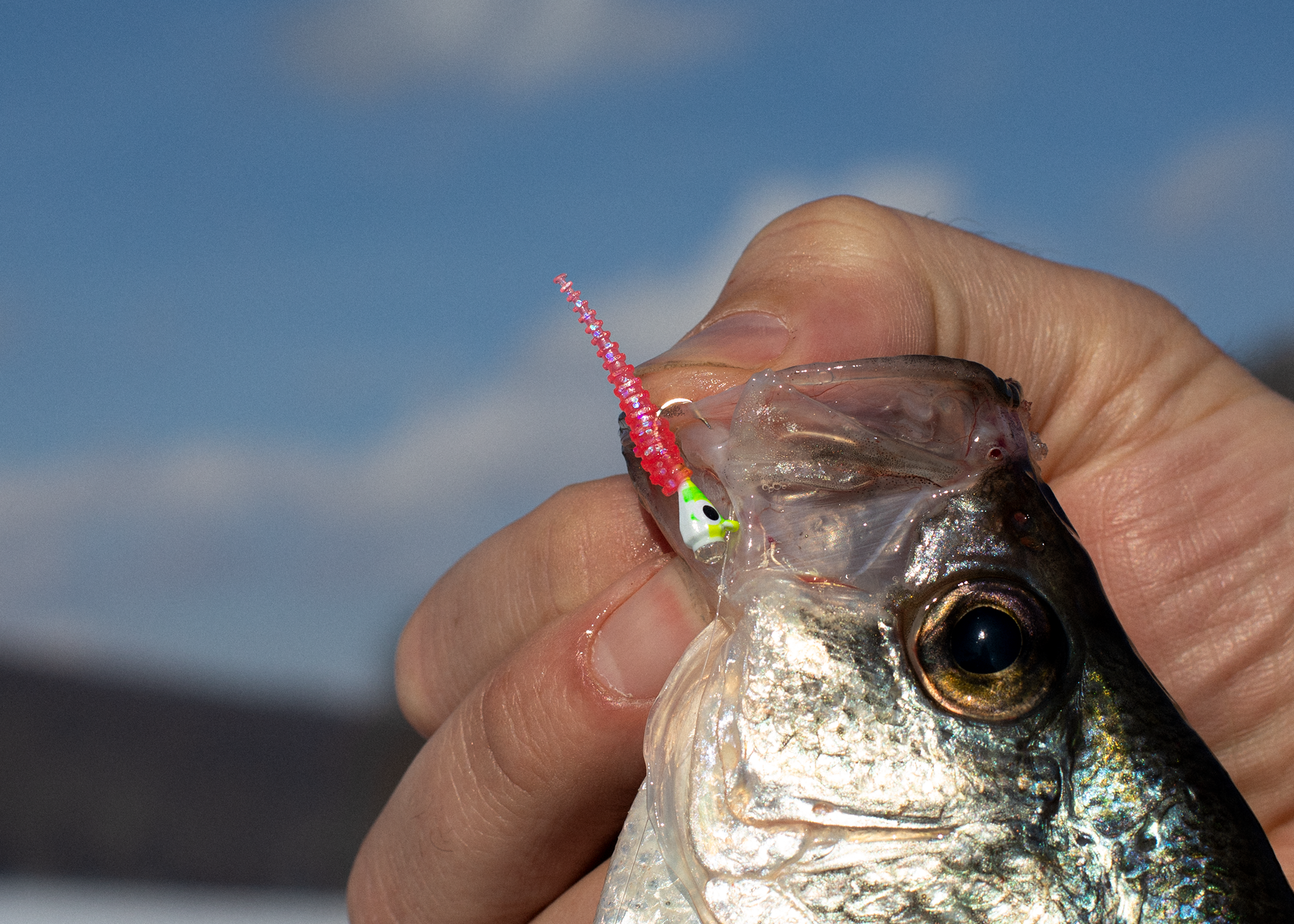
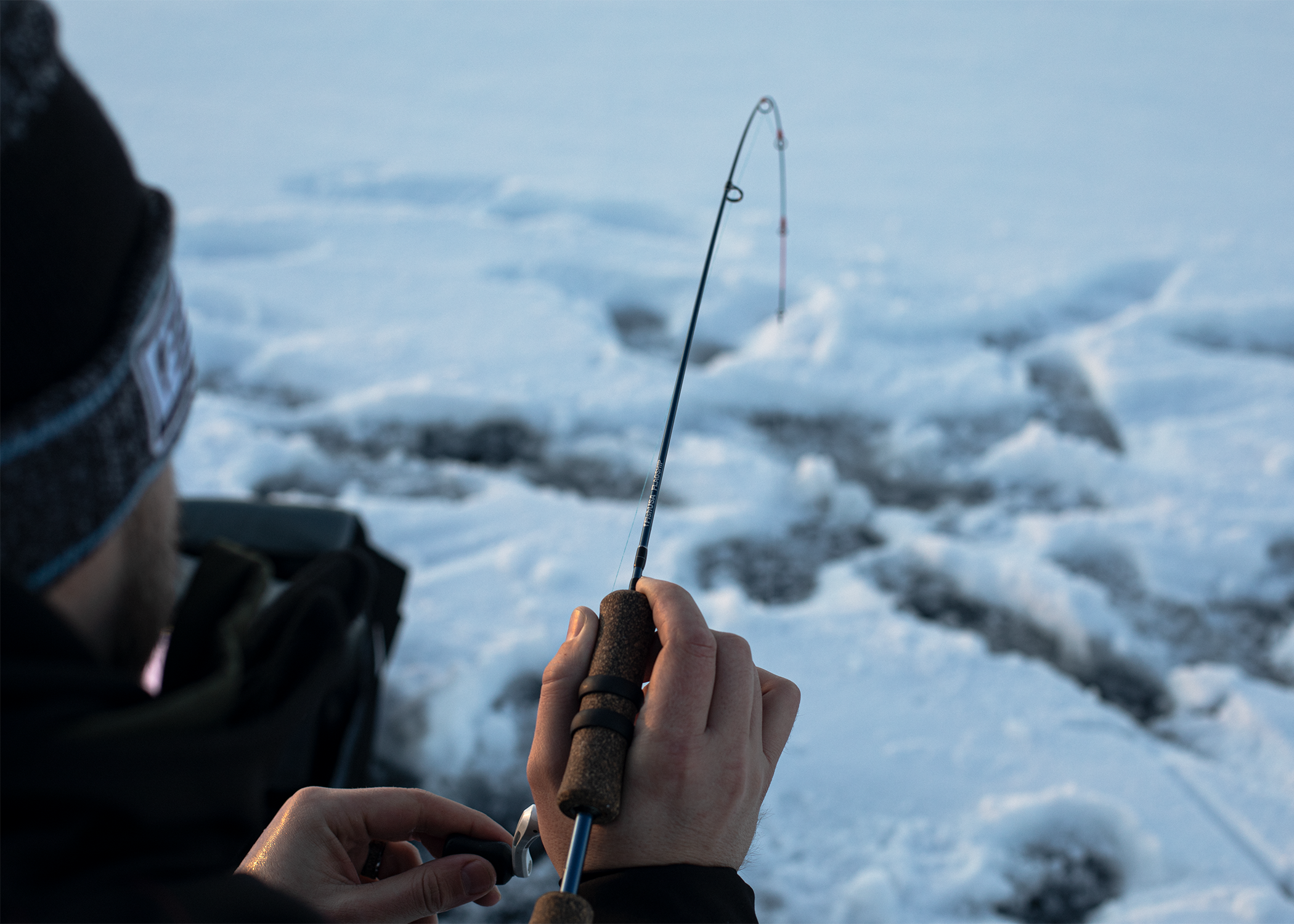
- Tungsten: Excels with light braid main line and fluorocarbon leaders, or sensitive mono/fluoro. You’ll feel bottom ticks, weed tops, and subtle bites more clearly.
- Lead: Often matches well with slightly softer rods and mono, especially when you’re working larger spoons and want some stretch to keep fish pinned.
Matching Material to Line Diameter and Depth
In deep water (20+ feet), tungsten plus thin line is a deadly combination. The jig falls fast, and the thin line reduces drag. If you’re running heavier line—say 6–8 lb mono—some tungsten benefits are less dramatic, and a lead jig might fish just as well or even better for certain presentations.
For panfish tungsten setups, many advanced anglers run 2–4 lb fluorocarbon or braid-to-fluoro. For lead spoons and larger jigs, 4–8 lb mono or fluoro is standard. Internally, you can link to Best Ice Fishing Line for more insight on line choices by species.
Cadence, Action, and Electronics Readability
Tungsten and lead also change how your jig looks on sonar and how it behaves during your cadence:
- Tungsten: Great for short, precise lifts and drops, micro shakes, and “up and away” moves above fish. It shows as a crisp, easily tracked line on your flasher or screen.
- Lead: Better for gliding, fluttering actions, and larger sweeps. The sonar mark may look broader and more dynamic, which can be useful when you’re trying to get fish to chase.
Environmental and Regulatory Considerations
Lead Restrictions and Lead-Free Trends
In some regions, certain lead-based tackle is restricted or banned, especially small jigs and weights that waterfowl can ingest. This is a major driver behind the adoption of tungsten and other lead-free options.
Before filling your box, check:
- State or provincial regulations for lead tackle limits or bans.
- Special regulations on certain lakes or wildlife areas.
Environmental Impact: Tungsten vs Lead
Lead is toxic; lost jigs and shot can accumulate in ecosystems. Tungsten is generally considered more environmentally friendly, but it’s still a mined resource with its own footprint.
Good practices include:
- Properly discarding damaged or unusable lead tackle instead of leaving it on the ice.
- Gradually shifting to tungsten or other non-lead options where it makes the most sense.
- Being mindful of tackle loss in sensitive or heavily regulated waters.
Cost vs Ethics: Finding a Balance
Tungsten is more expensive, so fully replacing every lead jig in your arsenal overnight isn’t realistic for many anglers. A practical approach is to prioritize tungsten for your highest-use, highest-impact situations: deep panfish, finesse walleyes, and any water with lead restrictions. Use existing lead jigs responsibly where they’re still legal and effective.
Building a Smart Jig Box: Using Tungsten and Lead as Tools
Condition-Based Jig Selection
A simple way to think about tungsten vs lead for ice fishing is as a condition-based choice:
- Deep, cold, negative fish: Tungsten micro-jigs with plastics or small live bait.
- Shallow, aggressive fish: Lead spoons and larger jigheads with bulkier profiles.
- Windy or current-heavy days: Tungsten for line control and vertical presentation.
- Short, evening sessions on shallow spots: Lead for slower, more natural falls and glides.
A decision-tree graphic here (depth + mood + species → tungsten/lead recommendation) would be a great visual aid.
Species-Specific Loadouts
For many advanced anglers, this is how jig boxes break down:
- Panfish box: Heavy on tungsten bugs and droppers, with a supporting cast of lead jigs and spoons for shallow glide bites.
- Walleye box: Mix of tungsten finesse pieces and proven lead spoons/rattle baits.
- Multi-species box: A balanced set of tungsten and lead that covers depth and mood changes throughout the day.
Budgeting for Tungsten Without Going Broke
To upgrade without blowing the budget:
- Start with a few core tungsten sizes in your most-used colors for panfish.
- Add tungsten spoons or jigs in your favorite walleye weights for deep or pressured lakes.
- Use lead for high-snag spots and experimental patterns until you know they’re worth “upgrading.”
FAQs – Tungsten vs. Lead for Ice Fishing
Is tungsten really better than lead for ice fishing?
Tungsten is better in some situations, not all. It’s superior when you need a small profile with more weight, a fast fall, and crisp sensitivity—especially for deep or pressured panfish, or finesse presentations for walleyes. Lead is still excellent for shallow water, slower falls, and larger profiles.
When should I choose tungsten jigs over lead jigs?
Choose tungsten when you’re fishing deep water, dealing with current, targeting pressured fish, or relying heavily on electronics to track your bait. Tungsten shines when precision and efficiency matter more than price.
Are tungsten jigs worth the extra money for panfish?
For serious panfish anglers, yes. The combination of tiny size, fast fall, and great sensitivity is hard to beat, especially on deep or heavily pressured lakes. If you mostly fish shallow, unpressured ponds, you can get by with lead, but tungsten will still help you detect more subtle bites.
What size tungsten jig is equivalent to my favorite lead jig?
There’s no perfect one-to-one, but in general, a 4 mm tungsten jig head can fish similarly to a significantly larger lead head of the same weight. Many manufacturers provide weight and size charts—linking to those on product pages or an internal guide is a good idea.
Does tungsten show up better on sonar than lead?
Both show up well, but tungsten often returns a sharper, more distinct mark because of its higher density and compact shape. This is especially noticeable with tiny jigs in deep water.
Can I use tungsten and lead jigs on the same rod setup?
Absolutely. Many anglers switch between tungsten and lead on the same rod based on depth and fish mood. Just be aware that your cadence and fall rate will change when you swap materials, even if the jigs look similar in size.
Are lead jigs banned everywhere?
No. Lead jigs are still legal in many areas, but some waters and regions have restrictions, especially on small lead tackle. Always verify current regulations with your local fish and wildlife agency.
Is tungsten completely safe for the environment?
Tungsten is generally considered a safer alternative to lead, but it’s still a mined metal with environmental costs. The biggest win is reducing toxic lead in sensitive ecosystems, especially where lost tackle accumulates, but responsible use and disposal are still important.
Conclusion: Use Tungsten and Lead as Tools, Not Identities
The “tungsten vs lead for ice fishing” debate isn’t about picking a side for life. It’s about understanding what each material does and using both as tools. Tungsten gives you density, speed, and micro profiles that shine in deep water, on pressured fish, and when finesse matters. Lead offers glide, hang time, bigger profiles, and budget-friendly performance that still catches plenty of fish.
The next time you’re packing for a trip, think conditions first: depth, water clarity, fish pressure, and mood. Build a jig plan around those variables, then choose tungsten or lead—and the right shape, size, and color—to match. Over time, keeping notes on what worked where will turn your jig box into a finely tuned system instead of a haphazard collection.
If this breakdown helped clarify when to reach for tungsten or lead, share it with a buddy who’s still fishing the same jigs everywhere.
Shop Ice Fishing Gear