

PowerPro on Spinning vs Baitcasting: Best Sizes, Backing, and Spool Fill
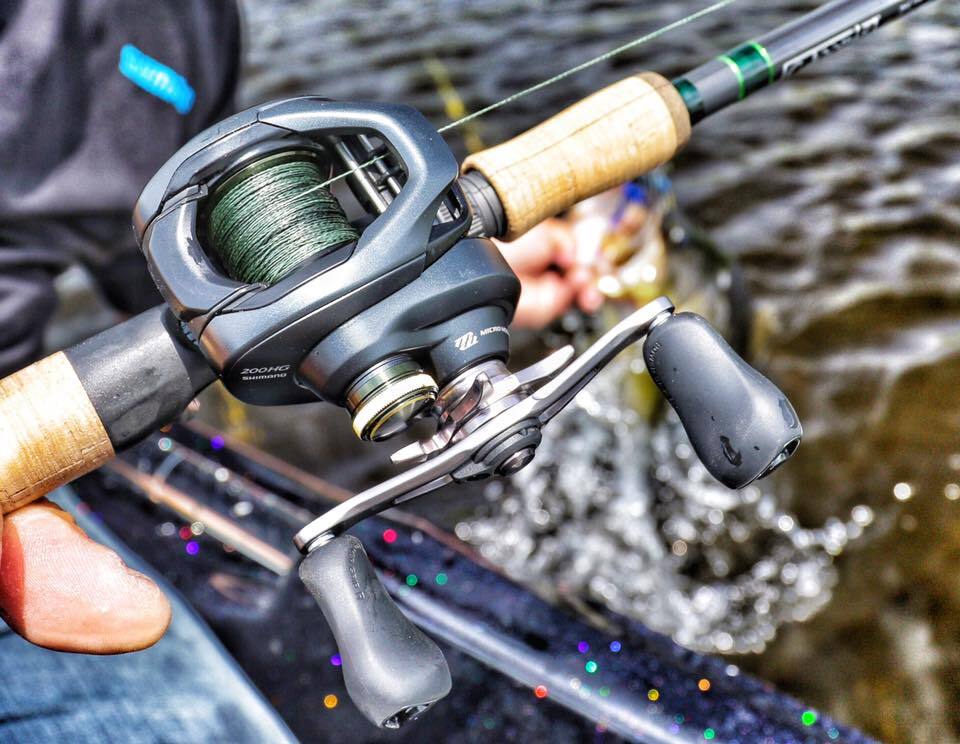
Here’s the problem most anglers run into with braid: you buy a spool of PowerPro braid, put it on your reel, and suddenly your spinning reel starts throwing wind knots—or your baitcaster starts getting braid dig-in after a hard hookset. It’s frustrating, and it’s almost never “bad line.” It’s usually a sizing + spooling setup issue.

Here’s the problem most anglers run into with braid: you buy a spool of PowerPro braid, put it on your reel, and suddenly your spinning reel starts throwing wind knots—or your baitcaster starts getting braid dig-in after a hard hookset. It’s frustrating, and it’s almost never “bad line.” It’s usually a sizing + spooling setup issue.

This guide answers the big question—PowerPro on spinning vs baitcasting: what pound test (and more importantly, what diameter) works best, how to use braid backing (mono vs tape), and how to nail PowerPro spool fill so you cast farther with fewer tangles and fewer headaches. 

Table of Contents

  • Quick Picks: Best PowerPro Braid Sizes for Spinning vs Baitcasting
  • Why Spinning and Baitcasting Need Different Braid Choices
  • PowerPro Size Guide: Pound Test, Diameter, and Real-World Use
  • Backing for PowerPro Braid: Mono Backing vs Tape vs Direct-to-Spool
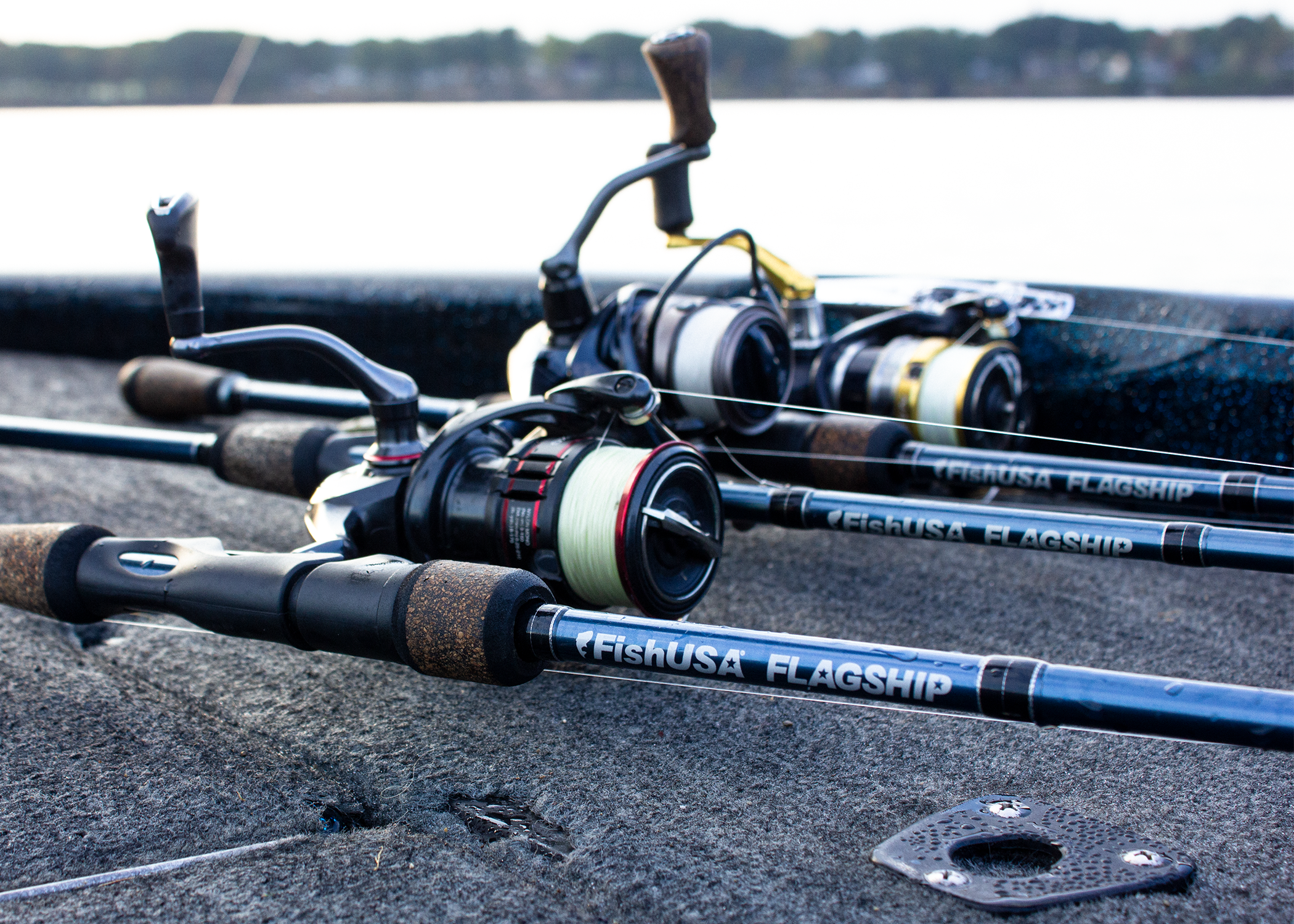
  • PowerPro Spool Fill: How Full to Fill a Spinning Reel vs a Baitcaster
  • Braid-to-Leader Setup with PowerPro (Spinning and Baitcasting)
  • Troubleshooting: Fix the Most Common PowerPro Braid Problems
  • FAQs: PowerPro on Spinning vs Baitcasting
  • Conclusion: Dial In Your PowerPro Setup (and Enjoy the Upgrade)

Quick Picks: Best PowerPro Braid Sizes for Spinning vs Baitcasting

If you want the fastest “just tell me what to buy” answer, start here. These are practical baselines for most freshwater and inshore setups. Once you’re dialed in, you can tweak up or down based on cover, lure weight, and how your reel behaves.

Best PowerPro braid for spinning reels (most anglers)

  • Finesse (drop shot, Ned, small jigs): consider smoother braid like PowerPro Super 8 Slick V2 and run a fluorocarbon leader.
  • All-around spinning (walleye, bass, inshore): classic PowerPro Braided Spectra Fiber Line with a leader in clear water.
  • Heavier spinning (bigger swimbaits, current, zebra mussels): size up in diameter and use a leader for abrasion.

Best PowerPro braid for baitcasters (most anglers)

  • Moving baits (chatterbaits, swimbaits): classic PowerPro works well; size so you avoid digging in under load.
  • Jigs/texas rigs around cover: bump diameter up to reduce braid dig-in.
  • Frogs/punching: classic PowerPro in heavier tests; many anglers tie direct (no leader) in thick vegetation.

If you only buy one line to start

If you want a proven workhorse, start with PowerPro Braided Spectra Fiber Line and match diameter to your reel and cover. Then add Super 8 Slick V2 later if you want the smoothest casting/handling feel.

Why Spinning and Baitcasting Need Different Braid Choices

Spinning reels: wind knots are usually a “line management” problem

Spinning reels shed line in coils. If the spool is overfilled, the line was wound on loosely, or you close the bail with slack, you can get loops that turn into wind knots. Braid’s slick surface and low memory make it fantastic for casting—but also less forgiving when the spool fill and tension aren’t right.

The fix isn’t complicated: use the correct spool fill level, keep steady tension while spooling, and manage slack during retrieves. (If you want a step-by-step refresher, FishUSA has a detailed walkthrough: How to spool a spinning reel.)

Baitcasters: braid dig-in is a “pressure + diameter” problem

Baitcasters wind line under pressure. If your braid is too thin for your hookset/drag/cover, the line can bury into lower wraps. That leads to sudden “stop” casts, backlashes, and a lot of confusion—because everything feels fine until it doesn’t.

The fix is usually one (or more) of these: spool tighter, choose a slightly thicker diameter, and rewind under tension after snags or big fish. FishUSA also recommends a simple anti-slip tip during spooling for braid (tape over the knot) in its baitcaster spooling guide: How to spool a casting reel.

Diameter matters more than pound test (here’s why)

Pound test tells you strength. Diameter tells you how the line behaves on a spool—how it lays, how it grips, how it resists digging in, and how it “wants” to jump off a spinning reel. That’s why two anglers can both run “30 lb braid” and have completely different results depending on their reel size, spool fill, and technique.

PowerPro Size Guide: Pound Test, Diameter, and Real-World Use

Use this table as a practical starting point. The idea isn’t to lock you into a single number—it’s to help you choose a diameter that behaves well on your reel while still giving you the strength you need for your cover and targets.

Recommended visual: Turn the table below into a downloadable “Braid Size Cheat Sheet” image for your blog post and Pinterest. Use alt text like: “PowerPro braid size chart for spinning reels and baitcasters (pound test and best uses).”

Use Case Spinning Reel Starting Point Baitcasting Starting Point Notes
Finesse (small jigs, drop shot) Smoother braid like Super 8 Slick V2 + leader Usually not a baitcaster-first application Prioritize line management and leader knots that pass guides cleanly.
All-around bass/walleye Classic PowerPro braid + leader in clear water Classic PowerPro braid Pick diameter that behaves on your reel. Don’t overfill.
Heavy cover (wood, weeds, docks) Size up in diameter; leader optional depending on cover Size up in diameter to reduce dig-in Hookset pressure + thin braid is a common dig-in trigger.
Ice fishing / freezing temps PowerPro Ice-Tec (light, controlled) + leader when needed Rarely used Cold-specific braid can reduce freeze-up issues and improve feel.

Want exact diameter values by pound test? Use the manufacturer/product specs on the FishUSA product pages: PowerPro Braided Spectra Fiber Line specs and Ice-Tec specs.

Backing for PowerPro Braid: Mono Backing vs Tape vs Direct-to-Spool

Why braid backing matters

Braid can slip on a smooth spool because it doesn’t “bite” the arbor the way mono does. Backing solves two problems: it prevents slip, and it saves money by letting you use braid only where it matters (the top working layer).

Mono backing (best all-around)

  • When to use: almost always—especially if you’re filling a deeper spool.
  • How much: enough to cover the spool arbor plus a working cushion (many anglers use a short base layer, then braid on top).
  • Connection tip: use a reliable mono-to-braid connection and tighten it well.

Tape backing (fast and simple)

Tape is popular because it’s quick and works well when you’re spooling braid onto the arbor knot area. FishUSA explicitly recommends using a small piece of electrical tape over the knot for braided lines on casting reels. See the FishUSA casting reel spooling steps.

Direct-to-spool: when it works

Some spools are “braid-ready” or have textured arbors that reduce slip. Even then, backing is cheap insurance—especially if you fish hard, set the hook aggressively, or pull fish from cover.

PowerPro Spool Fill: How Full to Fill a Spinning Reel vs a Baitcaster

Spinning reel spool fill (avoid wind knots)

Spinning reels punish overfill. If braid is too close to the lip, it can spring off in loose coils. Aim for a small gap below the spool edge and prioritize tight, even line lay.

Baitcaster spool fill (maximize distance without chaos)

Baitcasters generally like to be filled close to optimal capacity for casting distance, but loose spooling invites dig-in and backlashes. The goal is a well-filled spool with line wound on tightly and evenly.

Step-by-step: how to spool PowerPro braid correctly

  1. Thread the line through your guides and the reel’s line guide.
  2. Anchor the line with mono backing or tape (or both for extra grip).
  3. Keep steady tension as you spool. A damp cloth or glove helps you apply consistent pressure safely.
  4. Check spool fill frequently and stop before you crowd the lip on spinning reels.
  5. After a snag or big fish, pull line off and rewind it under tension to prevent buried wraps.

How To Spool A Reel: How to spool a spinning reel and How to spool a casting reel.

Braid-to-Leader Setup with PowerPro (Spinning and Baitcasting)

When to use a fluorocarbon leader

Leaders are most useful in clear water and around abrasive structure (rock, riprap, docks, mussels). They also let you keep the advantages of braid—sensitivity, low stretch, great casting—while improving stealth and durability at the business end.

Leader length: short vs long

  • Short leader: quick, simple, great when you don’t need the knot passing through guides constantly.
  • Long leader: more stealth/abrasion buffer, and useful when fish are line-shy.

Best braid-to-leader knots (FG vs faster options)

The FG knot is popular for a slim profile that can pass through guides. If you want an authoritative reference, the International Game Fish Association (IGFA) has a simplified FG knot guide: IGFA simplified FG knot. For a broader braid/leader overview, FishUSA also discusses braid leaders and knot choices in its braid content: FishUSA braided line guide (leaders and knots)

Troubleshooting: Fix the Most Common PowerPro Braid Problems

Wind knots on spinning reels

  • Don’t overfill the spool; leave a small gap below the lip.
  • Close the bail manually and keep tension on the line as you begin the retrieve.
  • If it still happens often, consider a thicker diameter braid for better handling.

Braid dig-in on baitcasters

  • Spool the braid under higher tension.
  • Size up in diameter if you set hard or fish heavy cover.
  • After a snag, strip line off and rewind tightly to reset the top wraps.

Fraying near the lure or leader knot

  • Retie early around rocks and docks.
  • Add or lengthen a leader when abrasion is the main issue.
  • Check rod guides for chips if fraying happens repeatedly.

Short casts or constant backlashes

  • Review spool fill: underfilled baitcasters lose distance; overfilled spinning reels loop and tangle.
  • Match line size to lure weight—ultra-light lures can struggle on thicker braid.
  • Verify your spooling tension wasn’t loose (loose wraps cause problems later). 

FAQs: PowerPro on Spinning vs Baitcasting

What pound test PowerPro braid for a spinning reel?

Start with a diameter that behaves well on your reel and matches your technique. If you’re getting wind knots, it’s often a spool fill or tension issue— and sometimes stepping up in diameter helps. For smoother handling, many anglers choose Super 8 Slick V2.

What pound test PowerPro braid for a baitcaster?

Choose a diameter that resists digging in under load. If you’re fishing jigs, frogs, or heavy cover with hard hooksets, thin braid can bury itself. Classic PowerPro Braided Spectra Fiber Line is a strong baseline.

How much mono backing should I use for PowerPro braid?

Use enough backing to prevent slip and reduce how much braid you need. The exact amount depends on your reel capacity and spool depth, but the goal is simple: braid should be the top working layer, mono should be the “grip” layer underneath.

Can I spool PowerPro braid without backing?

Sometimes (especially on braid-ready spools), but backing is cheap insurance. If you’ve ever had braid slip on the spool during a hard pull, you’ve felt why.

How full should I fill my spinning reel with braid?

Avoid overfill. Leave a small gap under the spool lip to reduce loose coils and wind knots. Tight, even wraps matter as much as fill level.

How do I prevent braid dig-in on baitcasters?

Spool it tighter, consider a thicker diameter, and rewind under tension after snags or big fish. Dig-in is usually a pressure + thin line + loose wrap problem.

Conclusion: Dial In Your PowerPro Setup (and Enjoy the Upgrade)

The biggest win with PowerPro braided line isn’t just strength—it’s control: better feel, better hooksets, and better casting when your setup is right. If you remember only four things from this guide, make them these:

  • Pick diameter for your reel (spinning = line management; baitcasting = dig-in resistance).
  • Use backing (mono or tape) so braid doesn’t slip and you don’t waste line.
  • Nail spool fill (overfill spinning = wind knots; loose baitcaster wraps = dig-in/backlashes).
  • Use a leader and a good knot when stealth or abrasion matters (FG knot is a solid choice).

Ready to spool up? Shop PowerPro braid at FishUSA. If this helped, share it with a fishing buddy—and drop a comment with your reel type, target species, and current braid size so we can troubleshoot your setup.

Shop Fishing Gear

  • Power Pro Braided Line
  • Spinning Reels
  • Casting Reels