

Lake Erie Water Color Playbook (Clear vs Green vs Mud Line)
Lake Erie Water Color Playbook (Clear vs Green vs Mud Line)
Lake Erie's water color changes faster than any other Great Lakes fishery — clear one morning, stained by afternoon when the wind shifts. This playbook tells you exactly what to throw in each condition, how to find and fish the mud line seam, and the fastest adjustments when bites stop.
Last updated: June 2026 · By: FishUSA Staff
Quick Start: What to Throw by Water Color
Erie conditions change fast. Here's the whole playbook in one place — dial in your starting point, then use the sections below when you need more detail.
Clear Water (4+ ft visibility)
- Natural, translucent profiles: smoke, pearl, shad gray, ghost patterns
- Longer fluorocarbon leader (18–30 inches) to distance braid from the bait
- Slower cadence, longer pauses — finicky fish need time to commit
- Lighter jig heads (1/4 oz or less in calm conditions) for a slower fall
- Fish edges and breaks; avoid bright shallow midday areas
Erie Green (1–4 ft visibility — most common)
- Natural + one contrast option: chartreuse/white, gold/orange belly, shad patterns
- Standard leader length (12–18 inches) works for most days
- Moderate cadence; rotate retrieve before swapping color
- Standard jig weight for depth and wind conditions
- Most productive and forgiving condition on Erie — don’t overthink it
Stained / Dirty Water (<1 ft visibility or heavy churn)
- High-contrast, brighter bellies: hot orange, chartreuse, firetiger, white belly
- Silhouette-driven profiles — fish see outline, not detail
- Shorter leader (10–12 inches) or go straight braid in the dirtiest water
- Go heavier one step for bottom contact in wave action
- More vibration and flash; rattling crankbaits produce when jigging isn’t viable
- Work the seam — don’t commit to either side until fish tell you where they are
Change ladder: when bites stop
1. Speed / weight — adjust first, every time. 2. Profile — paddletail vs. ringworm vs. minnow body. 3. Color — last resort only. Color is almost never the first problem. Control is.
Lake Erie’s Four Water Color Conditions
Lake Erie doesn’t have a single “normal” condition. Wind, current, bottom type, river inflows, and seasonal algae all contribute. Understanding which condition you’re dealing with is the first step to making the right presentation decision.
1. Clear Water
Uncommon on the western basin, more frequent on the central and eastern basin, especially in late summer. Visibility exceeds 4 feet. Walleye can see your entire presentation — leader, swivel, and all. Fish are often pressured and spook more easily in daylight shallows. Morning and evening low-light windows are disproportionately productive.
2. Erie Green
The lake’s baseline condition through most of the spring and early summer season. A characteristic greenish tint from suspended algae and fine particulate, with 1–4 feet of visibility. Walleye are comfortable in this water and feed actively. Most standard Erie presentations were developed for this condition.
3. Stained / Dirty Water
Usually the result of wind events churning the shallow western basin, or river inflows (Maumee, Sandusky, Huron Rivers) pushing turbid water out into the lake. Visibility drops to under a foot. Walleye don’t disappear — they concentrate along clarity transitions or push slightly deeper. High-contrast presentations become the tool.
4. The Mud Line Edge
The seam between clean (or green) water and dirty water is one of Erie’s most reliable walleye highways. Two things happen at the mud line: baitfish concentrate along the visibility edge (easy ambush), and walleye hold where they can see into the clean water while remaining in the low-light comfort of the stained side. The mud line isn’t an obstacle — it’s a target.
On a good mud line day, you can catch fish within a few feet of the seam consistently. Anglers who treat it as “bad water” and stay in clean water miss the best bite of the day.
Clear Water Playbook
Clear water demands a finesse-first approach. Walleye have more time to inspect your presentation, so every component matters more than usual.
Best Starting Profiles
- Minnow profile / slender paddletail: close imitation of emerald shiners, the dominant Erie baitfish. 3–4 inch bodies in natural shad, smoke, or pearl.
- Ringworm / finesse plastic: subtle action, less water displacement. Effective when fish are following but not committing on a paddletail.
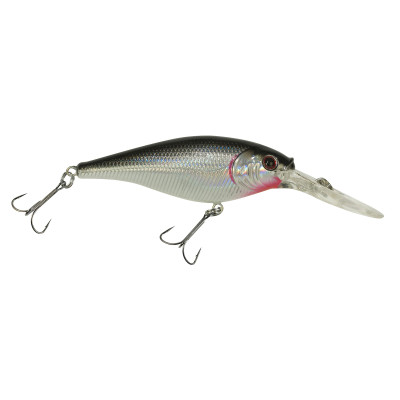
- Subtle finesse crankbaits: slender suspending jerkbaits in natural finishes when trolling. Keep profiles thin and translucent rather than wide-bodied.
Color Direction
Natural and translucent. Smoke with silver flake, pearl, ghost shad, pale chartreuse (not hot chartreuse). Avoid anything with a heavily painted opaque belly in bright daylight — natural belly colors (white, cream, silver) align better with how baitfish actually look from below.
Leader Guidance
Run 18–30 inches of fluorocarbon between your braid and the jig head or lure. In very clear, calm conditions (visibility 5+ feet), lean toward the longer end. The extra length creates more distance between the high-vis braid and the bait, which makes a measurable difference in follows-to-bites ratio on pressured fish.
Presentation Notes
- Slow down. Fish that can see your presentation from 6 feet away are in no hurry — a slower fall and longer pause lets them track and commit.
- Suppress your jigging action. Lift-drop rather than snap-drop. Aggressive pops that scatter the presentation away from followers is a common clear-water mistake.
- Mornings and evenings are disproportionately productive. Midday bright-sun conditions push fish deeper or to shadowed structure.
Where to Fish
In clear water, walleye often pull off the sharpest edges and suspend slightly deeper than their typical depth. Work the lower portion of breaks rather than the very top. Rocky reefs and hard bottom transitions hold fish better than open sand in clear conditions — fish use structural edges in place of visibility edges.

Green Water Playbook (Erie’s Normal Condition)
Erie green is what most anglers will encounter most of the time. It’s the most forgiving condition, and it’s where the lake’s signature jigging and trolling approaches were built. Don’t overthink it.
Best Starting Profiles
- Paddletail on a jig head: the bread-and-butter Erie presentation. 3–4 inch bodies with a natural shad or chartreuse/white color as the starting point.
- Crankbaits (trolling): when searching water or covering structure edges, medium-diving crankbaits in natural finishes with a contrasting belly work well.
- Ringworms and finesse plastics: when fish are biting short or the bite slows mid-day, finesse down from a paddletail to a slimmer body.
Color Direction
Lead with one natural option and one contrast option. Natural: chartreuse/white, gold with an orange belly, shad gray, or pearl. Contrast: hot orange belly, firetiger, or black/chart as a second rod. Rotate cadence and speed before you swap color — Erie green water rarely requires dramatic color changes to find fish.
Leader Guidance
A standard 12–18 inch fluorocarbon leader works for most Erie green days. If fish are pressured or biting short, extend to 24 inches and slow down before switching colors. In rougher conditions where you’re going heavier on the jig, a 10–12 inch leader is fine — fish aren’t as leader-shy in choppier water.
Presentation Notes
Erie green lets you fish a moderate, confident pace. Standard lift-drop cadence (lift 12–18 inches, let fall on semi-slack line) is the starting point. If bites slow, try varying the pause length before anything else. A 3-second pause often outperforms a 1-second pause on fish that are marking but not committing — especially mid-morning when boat traffic increases.
The Erie green rule
If you haven’t caught a fish in 20 minutes of good water, change your cadence before you change your color. Speed and pause are the first levers on Erie.
Mud Line Playbook (The Dirty Water Seam)
The mud line is Erie’s most underutilized pattern by visiting anglers and one of the most reliable edges for locals. Learning to fish it correctly produces fish that most boats are ignoring.
Best Starting Profiles
- High-contrast paddletail: chartreuse/white, white with a bright belly, or firetiger. The bait needs to be visible in reduced visibility — natural shad colors disappear.
- Ringworm for control: in heavier chop, a ringworm on a heavier jig head stays in the zone better than a light paddletail. The subtle action still produces in dirty water.
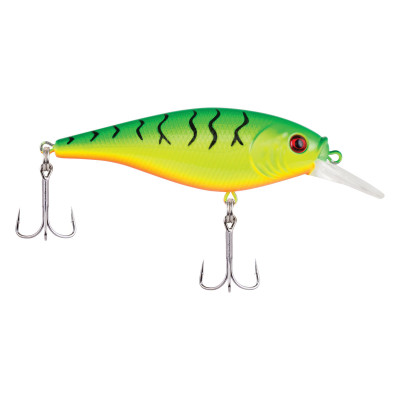
- Trolling crankbaits: deep-diving or diver-assisted crankbaits with strong contrast (firetiger, hot orange belly, chartreuse). Rattle versions add vibration when visibility is near zero.
Color Direction
Contrast and silhouette. Walleye in dirty water are detecting profile and movement before they see color detail. Priority order: bright belly contrast first (chartreuse, orange) → firetiger/tiger patterns → all-white or all-chartreuse as a last resort in the worst conditions. Avoid all-natural, all-translucent presentations in heavy stain — they disappear.
Leader Guidance
Shorten your leader to 10–12 inches in stained conditions. Fish aren’t leader-shy in dirty water, and a longer leader in wave action causes the bait to swing wide of the jig head, reducing hook exposure and control. If using straight braid to a jig in the dirtiest water, that’s a defensible choice — just inspect the jig head connection after every fish.
Presentation Notes
Go one size heavier on the jig head than your normal choice. In 15–20 feet of water with a 1–2 foot wave, a 3/8 oz head outperforms a 1/4 oz head by keeping the bait in the zone longer on the fall. More vibration is better — a more aggressive snap can actually trigger fish in dirty water where subtle action goes undetected.
How to Fish the Seam
- Jigging the seam: position the boat on the clean side, cast toward the stained edge, and work the bait back through the seam. Most bites come as the bait crosses from dirty to clean.
- Trolling parallel: the safest and most productive approach. Keep the boat on the cleaner side with lines running into the stained edge. Mark the seam on your chartplotter and run consistent passes.
- Zigzag cross: once per pass, cross the seam at a 45-degree angle to test whether fish are on the clean side, the dirty side, or right on the edge. Let the bite location tell you where to focus.
- Don’t camp on one side: walleye move along the seam constantly. If a location stops producing, move 50–200 yards along the edge rather than moving to different water entirely.
Erie mud line rule
Most days the best fish are in the first 10–20 feet of stained water, not in the clean water. The seam edge is a feeding lane, not a wall — fish live on both sides of it.
How to Find the Right Water
Knowing what to throw is useless if you’re in the wrong water. Erie’s clarity changes by location, time of day, and conditions. Here’s how to locate the productive zone before you drop lines.
Wind Direction and Mud Line Formation
Southwest and west winds push stained water from the shallow Maumee Bay area northeast across the western basin. A sustained 15+ mph west wind for 12–24 hours will move a mud line from near-shore to mid-lake. North winds push clean offshore water south and often clear the western basin temporarily. Track wind history — a one-day forecast tells you what’s forming; a three-day history tells you where the mud is now.
River Inflows
The Maumee, Sandusky, and Huron Rivers push turbid water into the lake during and after rain events. Maumee River discharges are particularly significant — a major rain event can extend a mud plume 10–20 miles east into the western basin within 48 hours. USGS river gauge data tells you flow levels; higher flow = more turbid outflow = bigger mud plume.
Sun Angle and Daily Clarity Changes
On calm mornings, settled sediment can produce clearer conditions near sunrise. Wind builds through the morning on typical Great Lakes days, and by 10–11 a.m. wave action has re-suspended bottom material, visibly darkening the water. This means early morning in green water can briefly look like clear water — adjust your approach accordingly.
Finding the Seam by Eye and Electronics
- By eye: look for a visible color change on the water surface. It’s often a distinct line rather than a gradual fade — you can see it from 50–100 yards at slow speed.
- On electronics: sonar will show a change in bottom return quality across the seam. In dirty water, bottom marks are often softer and less defined. Fish marks along the seam are frequently visible on good units.
- Drop a waypoint: when you cross the seam, drop a waypoint. Do this every 10–15 minutes to track how the seam is oriented. Connect the waypoints and you have your trolling or drifting lane.
Simple Boat Plan
Start on the edge. Make one pass on the clean side, one pass on the stained side, and one pass right down the seam itself. Where you get bit first tells you which side fish are using that day. Then dial in that zone and stay disciplined — move along the seam when bites stop, don’t abandon it entirely.
Presentation Switches: What to Change First
The most common Erie mistake is reaching for a different color too soon. Here’s the correct decision tree when bites stop.
Decision tree: when bites stop
- No bites at all → Change speed or weight first. Confirm you’re near the seam or structure, not random water.
- Marks on sonar but no commits → Change cadence (add a longer pause) and check leader length. Fish are seeing the bait but not eating it.
- Short strikes / bites on the tail → Change profile. Switch from paddletail to ringworm. Slow down the fall.
- Followers visible but no bites → Trigger with a sudden stop and dead drop. Followers that won’t eat a moving bait often snap at a bait that “dies.”
- Still nothing after two variables → Move 50–200 yards along the seam. The fish have likely moved, not disappeared.
The Color Change Trap
Changing colors feels productive — you’re doing something. But on Erie, color is almost never the primary variable. Speed, depth, cadence, and location account for the overwhelming majority of bite triggers and bite losses. Anglers who cycle through colors every 10 minutes without finding fish are usually fishing in the wrong depth zone or at the wrong speed, not the wrong color.
Change color after you’ve confirmed: correct depth, correct speed, correct cadence, correct location. If all four are dialed and fish are still ignoring the presentation, then color is worth changing.
Color Cheat Sheet
Use this as a quick reference when you’re on the water and need to make a fast decision.
| Water Color | Best Starting Direction | Change-To / Add-On | Notes |
|---|---|---|---|
| Clear (4+ ft vis) | Natural: smoke, pearl, ghost shad, pale chartreuse | Lighter natural; translucent belly | Longer leader, slower fall, morning/evening most productive |
| Erie Green (1–4 ft vis) | Chartreuse/white, gold/orange belly, shad gray | Hot orange belly, firetiger as second rod | Most forgiving condition; rotate cadence before swapping color |
| Lightly Stained (6”–1 ft vis) | Chartreuse belly, firetiger, white with contrast | All-chartreuse, hot orange, black/chart | Heavier jig for contact; shorter leader; vibration helps |
| Mud Line / Seam | Work clean-side first; firetiger, high-contrast | Slide to stained side if no bites on clean | Fish often hold first 10–20 ft into the stain; seam is the target |
| Heavy Stain / Near Zero Vis | Bright belly contrast (chartreuse, orange), all-white | Rattling crankbaits; glow finishes | Profile and vibration over color detail; heavier is better for contact |
| Low Light (dawn/dusk any condition) | High-contrast, brighter bellies, silhouette-heavy | Black/chart, all-black at night shore | Walleye use light edges; transition times often produce best of day |
Universal rule
Whatever your starting color, keep one natural and one contrast in the water at the same time when conditions allow multiple rods. Let the fish vote.
5 Common Mistakes on Lake Erie Water Color
1. Fishing Random Water Instead of the Edge
Most Erie anglers who complain that “the fishing was slow” were fishing 200 yards away from the best water. If there’s a mud line anywhere on the lake that day, start there. If the water is uniformly green, find a clarity transition between current zones or river plumes. Random open water rarely produces the way edge water does.
2. Cycling Colors Too Fast
Changing color every 10 minutes without trying speed, cadence, or position first is one of the most common mistakes on Erie. A color needs at least 20–30 minutes in the right depth zone to get a fair evaluation. Changing too fast leads to “tried everything” frustration when the real problem was depth or speed all along.
3. Too Light in Wind (No Bottom Contact)
Erie’s western basin is notoriously shallow and wind-affected. In 1–2 foot waves at 18 feet of water, a 1/4 oz jig loses contact on every wave cycle. Go heavier until you can feel bottom on every drop. A 1/2 oz jig that stays in the zone outfishes a 1/4 oz jig that’s bouncing in the wave action all day.
4. Not Adjusting Leader Length for Clarity
Using the same leader length in clear water as in dirty water is a common oversight. In clear water, a short leader puts your high-vis braid too close to the jig — fish see it and hang up. In dirty water, a long leader creates unnecessary swing and reduces hook exposure. Match leader length to visibility: longer in clear, shorter in stained.
5. Ignoring Turns and Line Angle While Trolling the Seam
When trolling a mud line, turns are critical. A sharp turn toward the stain forces outside boards to track through the dirty water at an angle that kills bait action and causes tangles. Make gradual, sweeping turns parallel to the seam. On planned seam-crossing passes, slow down and monitor line angles before the turn, not during it.
Erie Essentials: What You Need on the Water
You don’t need a different tackle box for each water color — just the right building blocks. Here’s a practical shopping list for Lake Erie walleye fishing across all conditions.
Cover all conditions with this core kit
- Jig heads (1/4, 3/8, 1/2 oz): carry all three sizes. Wind and depth determine which you use.
- Soft plastics (paddletails + ringworms): chartreuse/white and natural shad as the starting pair. Add firetiger for dirty water.
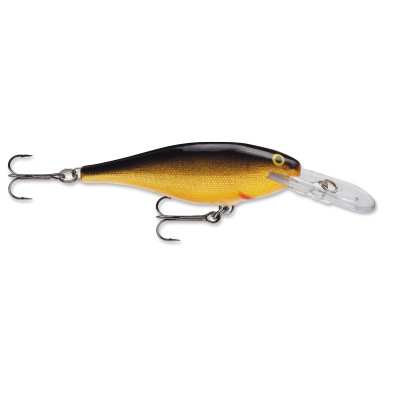
- Jerkbaits / crankbaits: natural finish as the first rod, firetiger or hot orange as the second.
- Fluorocarbon leader (10–14 lb): Seaguar Blue Label or equivalent. Cut fresh leaders daily.
- Braid mainline (10–20 lb): low-diameter braid for sensitivity and casting distance.
- Crankbait snaps + swivels: VMC or similar for fast bait swaps without retying.
Crankbaits by Depth Zone
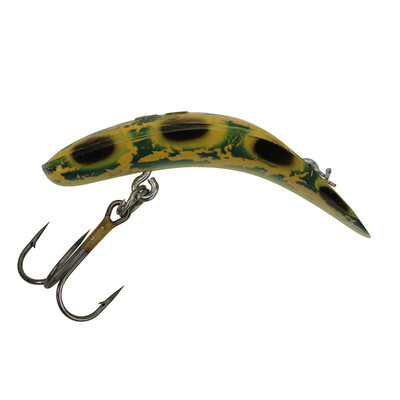
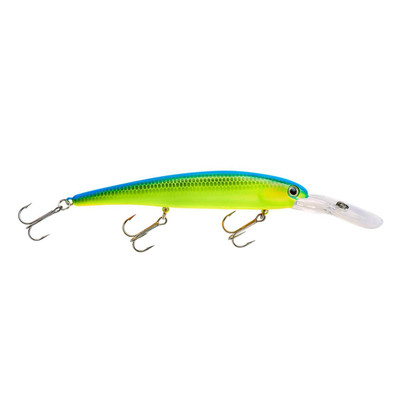
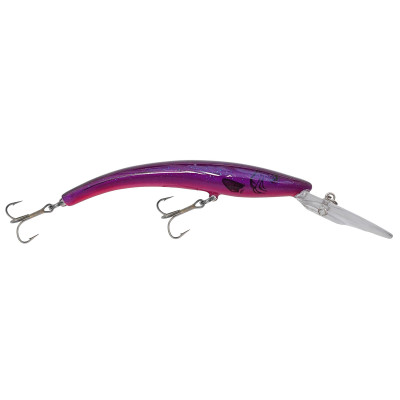
From shallow stained water to deep clear-water presentations — baits organized by where they run
Want a complete gear builder?
The Complete Spring Walleye Jigging Setup and Walleye Trolling Starter Spread pages each include a full bundle builder with presets — one page, everything you need.
Read Next
FAQ
A mud line is the visible seam between clear (or green) water and stained/dirty water, typically caused by wind-driven wave action stirring bottom sediment or river inflow pushing turbid water into the lake. It matters because walleye use the seam as a feeding edge — they can see into the cleaner water to spot prey while holding in the low-light side for comfort and ambush advantage. The mud line concentrates bait and fish in a predictable, fishable strip. Don’t avoid it — fish it.
Erie green is the most common condition and supports a wide range of colors. Natural profiles (chartreuse/white, gold/orange belly, shad gray) are the standard starting point. Add one high-contrast option like hot orange belly or firetiger as your second rod if bites are slow. Avoid going all-natural or all-bright — a balanced pairing covers most Erie green days. Rotate cadence before you swap color.
In dirty or stained water, lead with high-contrast and vibration. Brighter belly colors (chartreuse, orange), firetiger patterns, and silhouette-heavy profiles produce best. For jigging, go slightly heavier than normal to maintain contact in wind chop. For trolling, use crankbaits with a strong rattle and deeper-running profiles. Shorten your leader slightly for more direct contact and better hook exposure.
Fish the seam between them — the mud line edge. Don’t fish randomly in either zone. On windy days the mud line becomes sharper and more defined, which actually concentrates fish. Start on the cleaner side of the edge and work toward the stain. Many days the best bite is in the first 10–20 feet of colored water, not in clean water at all.
The safest approach is trolling parallel to the mud line seam — keep the boat on the clean side with baits running into the stained edge. When you cross the seam (zigzag passes), do it gradually with wide turns and bring outside boards through first. Avoid sharp turns across the seam. Mark the seam on your chartplotter and run consistent passes rather than chasing it by eye.
Usually yes — not because dirty water requires it, but because dirty water on Erie is almost always accompanied by wind and wave action that reduces your feel and control. Going one size heavier (e.g., 3/8 oz instead of 1/4 oz) restores bottom contact and keeps the presentation in the strike zone longer. Fish are less leader-shy in dirty water, so the heavier presentation is almost never a negative.
In very clear water (4+ feet of visibility), run 18–30 inches of fluorocarbon between your braid and jig head. The longer leader creates distance from the high-vis braid and gives finicky fish time to commit. In standard Erie green water, 12–18 inches is fine. In stained or muddy water, shorten to 10–12 inches or skip the leader entirely in the dirtiest conditions.
Change speed or weight first — not color. Most lost bites on Erie are a depth or speed problem. If jigging, go heavier or lighter one step and drop your cadence. If trolling, adjust speed 0.2 mph. If that doesn’t produce in two passes, change cadence or lead length. Color is the last variable to change — it feels productive but is rarely the root cause.
Yes, especially in lightly stained water (1–3 ft visibility), where walleye actively feed with high-contrast presentations. In heavily turbid water with near-zero visibility, fish often move to the edge rather than holding in the worst of it. If the dirty side is producing short follows but no commits, try fishing 10–20 yards back toward the clean side and presenting your bait toward the stain.
Yes — the mud line shifts constantly with wind direction and speed, sometimes moving miles in a few hours on a heavy blow. Track it by dropping waypoints along the visible seam every 10–15 minutes. Connect those waypoints on your chartplotter to create a rough trolling or drifting lane. If the seam moves, your waypoint trail shows the drift direction so you can reposition your passes accordingly.