Complete Walleye Trolling Starter Spread

This page gives you the complete first trolling spread — planer boards, crankbaits covering three depth zones, linecounter reels for repeatable results, and quick-change terminal. Use the presets to cut through decisions fast, or build your kit piece by piece with the sections below.

Learn Walleye Starter Spread

Setup Guide · Complete Trolling Spread

Complete Walleye Trolling Starter Spread

This page gives you the complete first trolling spread — planer boards, crankbaits covering three depth zones, linecounter reels for repeatable results, and quick-change terminal. Use the presets to cut through decisions fast, or build your kit piece by piece with the sections below.

Starter spread rule: cover depth before you chase colors. Clean lines across three depth zones catch walleye. A tangled spread at one depth catches nothing.

Last updated: June 2026 · By: FishUSA Staff

How This Spread Works

Five decisions in the right order. Each part does one job. Get them set correctly and a 4–6 rod spread is manageable on the first trip — use the presets below to skip straight to a complete list.

Need the tactical playbook?

This page covers what to buy and how to use it. For timing, locating fish, and seasonal spread adjustments, start at the Walleye Trolling Hub.

Pick a Preset (Fast)

Three starting points based on depth range, conditions, and budget. All cover the same core system — presets make the first decisions for you so you spend less time choosing and more time fishing.

Budget Starter

Best for: first trolling trip, inland lakes and reservoirs, simple 4-rod spread — use existing rods and reels to start, add linecounters when you're ready to repeat leads.

  • OR12 side planers + snap releases
  • 3 crankbaits — shallow, mid, and deep
  • Crankbait snaps for fast bait changes
  • 10 lb mono mainline

Core System

Most Popular

Best for: most spring and summer walleye trolling — inland lakes, Lake Erie, and any fishery where a repeatable depth-covering spread is the goal.

  • Quality boards + adjustable releases
  • Shallow + mid + deep crankbaits
  • Linecounter reels on all rods
  • Crankbait snaps + ball-bearing swivels
  • 10 lb mono mainline + fluoro leader

Rough Water / Deeper Control

Best for: wind, chop, deeper structure, and walleye holding below what standard board cranks reach — adds divers for extended depth control.

  • Heavy-duty boards with strong-arm releases
  • Deeper-diving crankbaits + longer leads
  • Linecounters + divers for depth extension
  • Extra terminal — rough water means more re-rigging
  • Braid mainline + fluoro leader

Walleye Trolling Starter Spread — Bundle Builder

All components in one place. Items in your selected kit are pre-checked — swap, add, or remove pieces to match your water and depth range.

What’s included

  • • Boards + releases matched to kit tier
  • • Crankbaits covering shallow, mid, and deep zones
  • • Linecounter reels (Core and Rough Water kits)
  • • Mainline + quick-change terminal

Swap guidance

  • • Already own rods/reels? Uncheck those rows
  • • Inland lakes only? Budget boards are fine
  • • Need more depth? Add the Dipsy Diver
  • • Great Lakes? Upgrade to Core or Rough Water
Planer Boards2 Selected
View
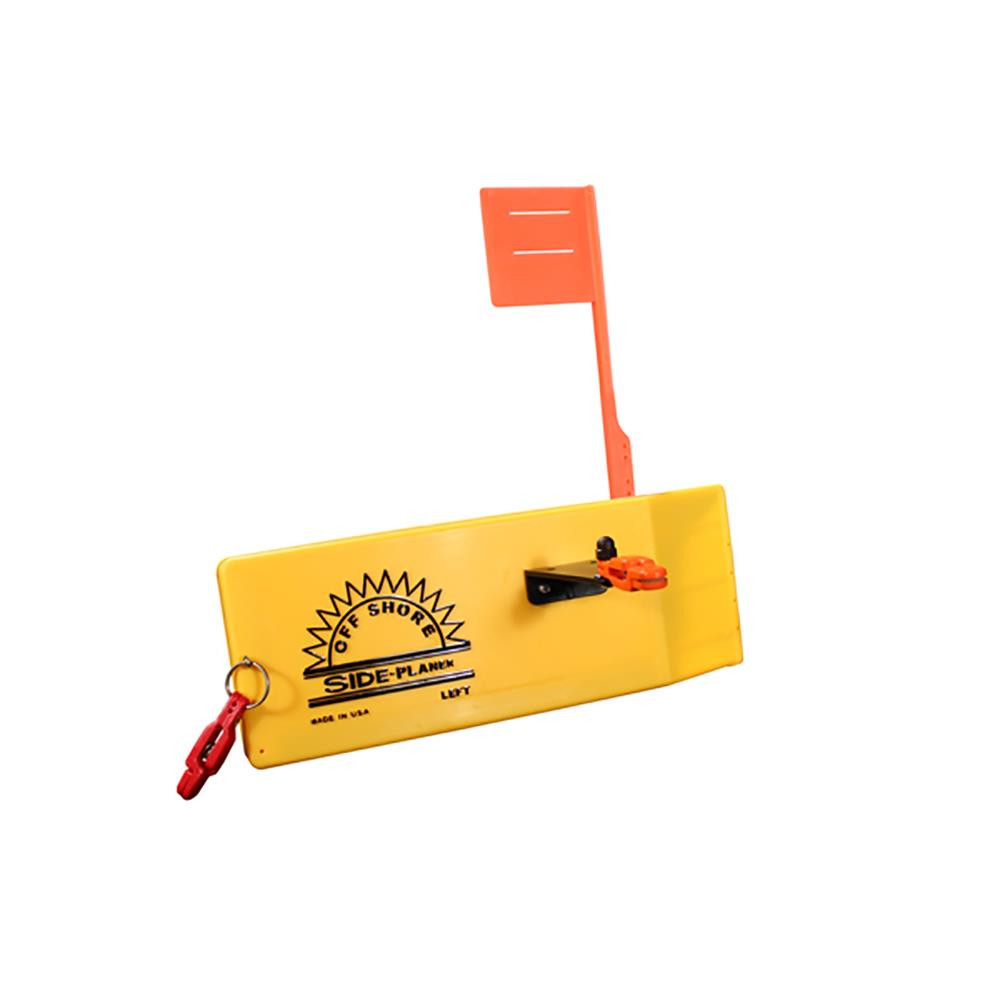
Off Shore Tackle OR12 Right Side Planer
Budget CoreOR12 · Right
View
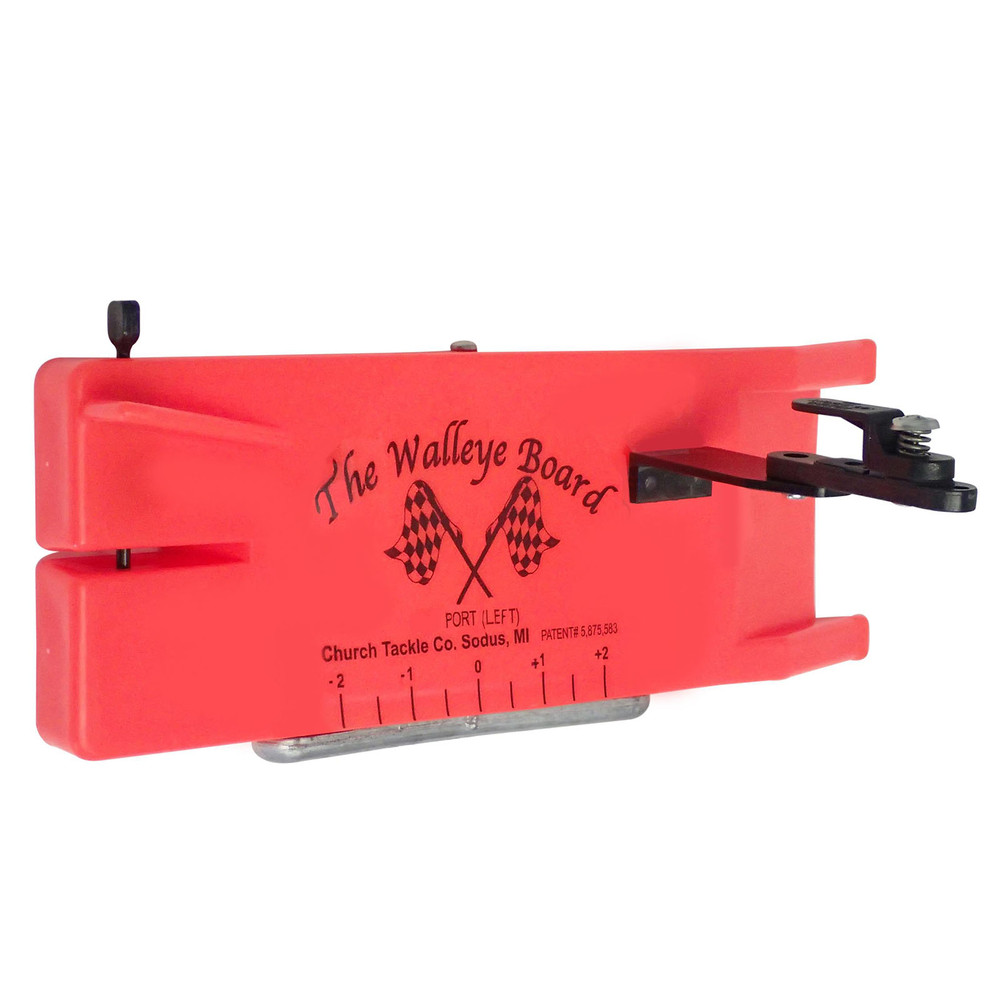
Church Tackle Walleye Left Side Planer
Rough WaterTX-12 · Left
View
Church Tackle Walleye Right Side Planer
Rough WaterTX-12 · Right
View
Snap Releases1 Selected
View
View
Crankbaits (Depth Coverage)4 Selected
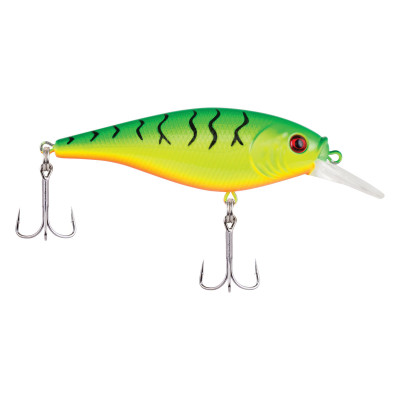
Berkley Flicker Shad 5
Budget Core Rough WaterSize 5 · Fire Tiger · Shallow 2–4 ft
View
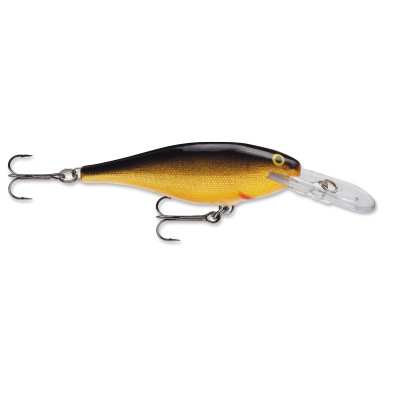
Rapala Shad Rap #5
BudgetSR5 · Gold · 4–9 ft
View
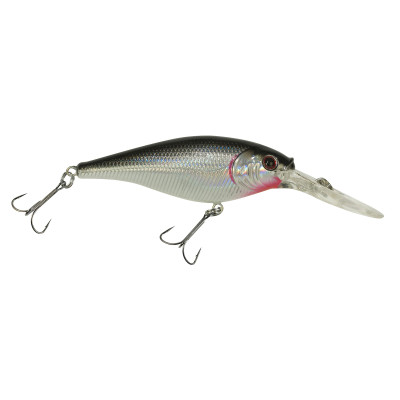
Berkley Flicker Shad 7
Core Rough WaterSize 7 · Black Silver · Mid 11–13 ft
View
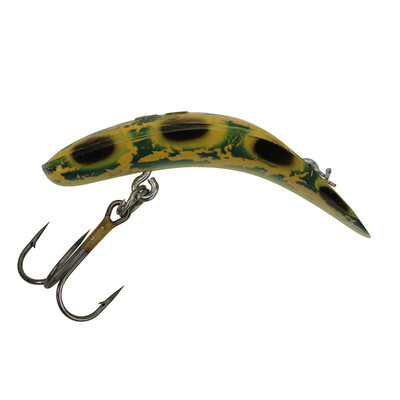
Worden's Original Flatfish
Budget CoreF7 · Frog · Mid 8–12 ft
View
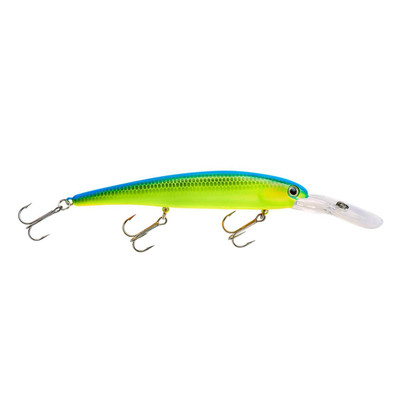
Bandit Walleye Deep Diver
Core Rough WaterChartreuse-Blue Back · Deep 20–27 ft
View
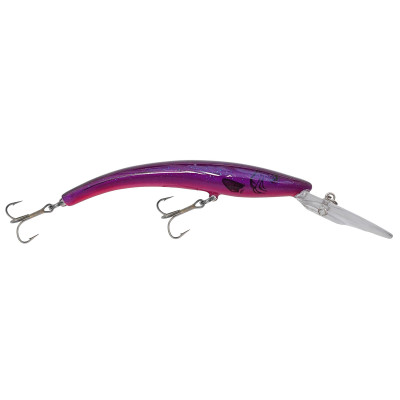
Reef Runner 800 Series Deep Diver
BudgetPurple Demon · Deep 15–28 ft
View
Linecounter Reels1 Selected
Okuma Convector Low-Profile Line Counter Reel
Budget CoreCV-163D · Right Hand
View
View
Mainline1 Selected
Berkley Trilene XL Monofilament
Budget Core10 lb · 330 yds · Low Vis Green
View
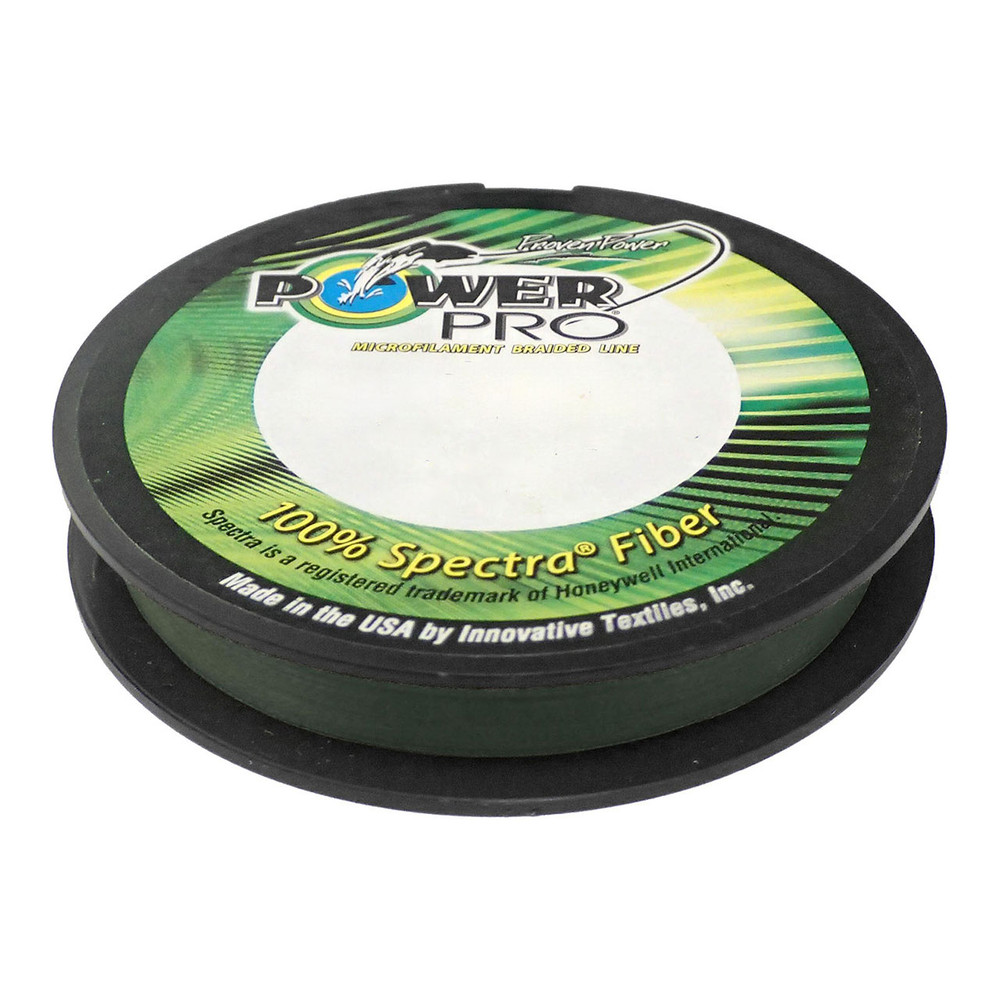
PowerPro Braided Spectra Fiber Line
Rough Water20 lb · 150 yds · Moss Green
View
Fluorocarbon Leader1 Selected
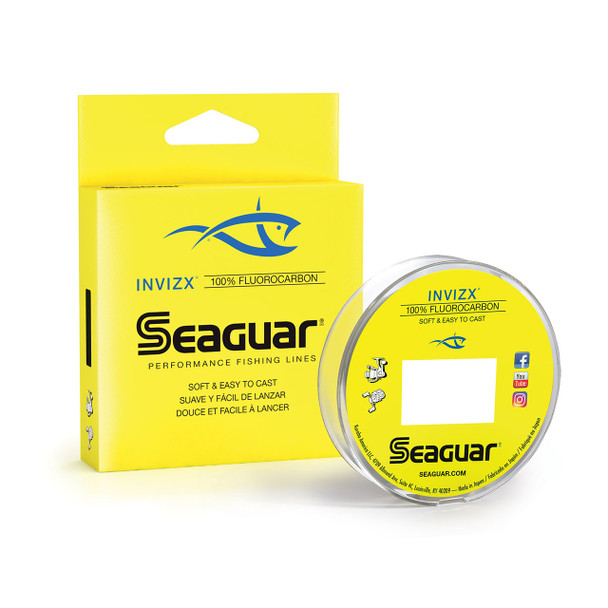
Seaguar InvizX Fluorocarbon
Core Rough Water12 lb · 200 yds · Clear
View
Snaps + Swivels2 Selected
VMC Crankbait Snaps
Budget Core Rough WaterSize 1
View
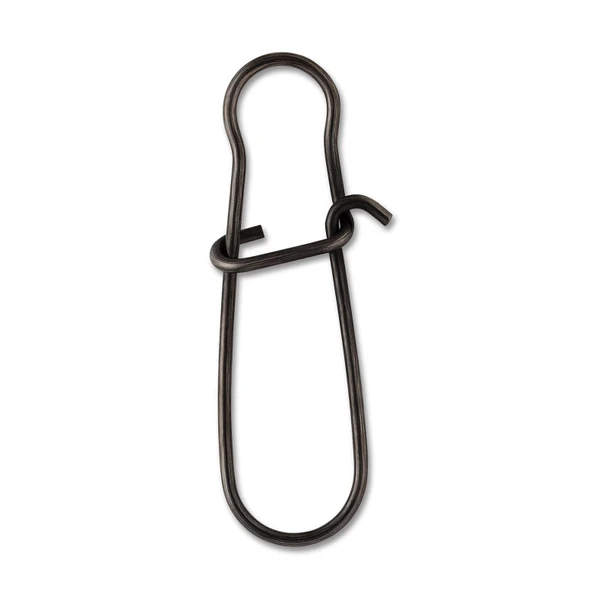
VMC Duolock Snaps
OptionalSize 1 · Value Pack
View
FishUSA Premium Rolling Barrel Swivel
Budget Core Rough WaterSize 7
View
Divers (Add-on)0 Selected
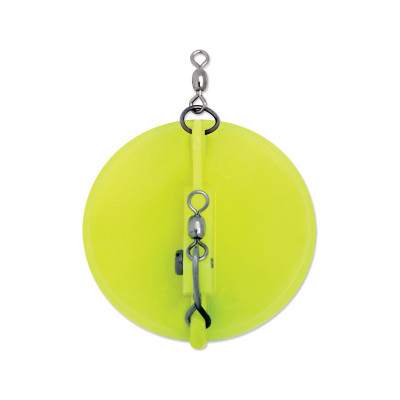
Luhr-Jensen Dipsy Diver
Rough WaterChartreuse · Large
View
Luhr-Jensen Jet Diver
OptionalClear · Size 30
View

Three rules before you add to cart

Depth coverage first: one shallow + one mid + one deep crank covers most days. Twelve colors at one depth zone does not.
Change one variable at a time: speed first → lead length second → bait style third → color last. Change everything at once and you’ll never know what triggered the bite.
Linecounters are not optional if you want repeatable results. They’re the difference between a lucky lead and a documented pattern.

Parts List (Shoppable)

Every component organized by category. Expand each group for details, use notes, and product links.

Planer Boards + Snap Releases

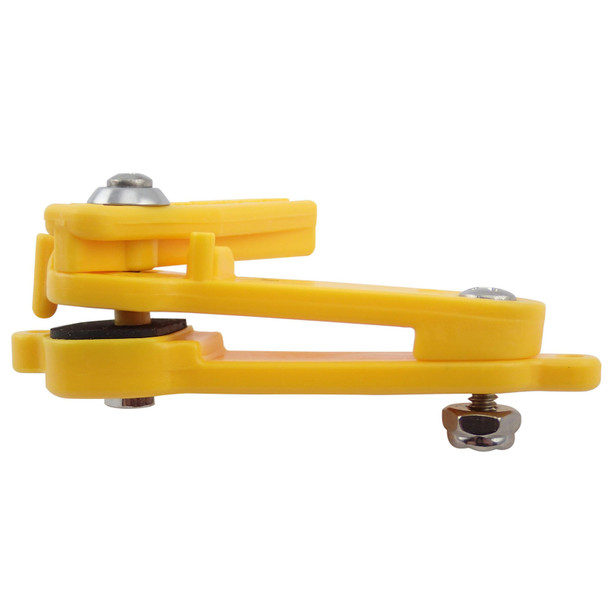
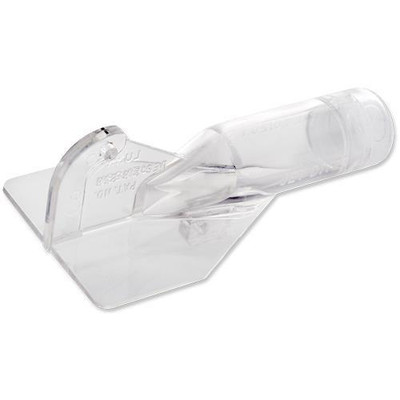
Side planers attach directly to your line and walk out to the side as you troll, spreading lines 20–30 feet per side. The snap release clips your line to the board and trips free when a fish fires, so you fight the fish directly. For most inland and Great Lakes walleye trolling, OR12-style side planers with adjustable-tension releases are the most practical starting point.

Recommended: Off Shore Tackle OR12 Side Planer for inland lakes and calm conditions. Church Tackle Walleye Board for rougher Great Lakes conditions. Pair with Pro Snap Weight Clips (OR12) or Lock-Jaw Clips (Church Tackle) for quick-release tension.

Crankbaits — Shallow, Mid + Deep

Cover all three depth zones on your first spread. A shallow diver finds fish near the surface and works dock edges. A mid-range diver covers the most productive walleye zone on most inland and Great Lakes fisheries. A deep diver lets you probe bottom structure without divers or leadcore. Start with proven color patterns — gold/black, silver/blue, chartreuse, natural perch — and find depth first before dialing color.

Recommended starting set: Berkley Flicker Shad 5 Shallow (2–4 ft), Worden's Flatfish F7 (8–12 ft), Bandit Walleye Deep Diver (20–27 ft). All run on standard 10 lb mono at 1.8–2.2 mph. Carry 2–3 of each depth zone per trip.

Berkley Flicker Shad 5

2–4 ft · Shallow

shallow
Shop
Rapala Shad Rap #5
Rapala Shad Rap #5

4–9 ft · Shallow

shallow
Shop
Berkley Flicker Shad 7

11–13 ft · Mid

mid
Shop
Worden's Original Flatfish F7

8–12 ft · Mid

mid
Shop
Bandit Walleye Deep Diver

20–27 ft · Deep

deep
Shop
Reef Runner 800 Series Deep Diver

15–28 ft · Deep

deep
Shop
Linecounter Reels

A linecounter reel has a mechanical counter that tracks how much line is out. When one lead length produces bites, you can set every rod to that exact distance in seconds. Without linecounters you're estimating — which works until walleye key on a specific 10-foot window and you can't repeat it. Linecounters are one of the best investments in a trolling setup.

Recommended: Okuma Convector CV-163D for budget and core builds — low-profile, accurate line counter, handles 10–12 lb mono well. Step up to the Shimano Tekota A for premium builds and Great Lakes conditions.

Mainline

10 lb monofilament is the standard starting mainline for walleye crankbait trolling — predictable depth performance, enough stretch to protect light treble hooks, and inexpensive to replace. For rough water and deeper presentations, braid (17–20 lb) is the upgrade: thinner diameter reaches more depth at the same lead length and handles rough conditions better. When running braid, add a 4–6 ft fluorocarbon leader to the crankbait side. Note: switching line type changes how deep your crankbaits run at the same lead length.

Recommended: Berkley Trilene XL 10 lb for budget and core builds. PowerPro Braided Spectra Fiber (20 lb) for the rough water kit — pair with a Seaguar InvizX fluorocarbon leader.

Fluorocarbon Leader

A 4–6 ft fluorocarbon leader between the swivel and the crankbait adds low-vis presentation near the bait and a bit of extra stretch to cushion strikes on light treble hooks. Required when running braid as mainline — braid's high visibility at depth makes a leader worth the extra step. Also useful in clear water with mono, particularly on pressured fish.

Recommended: Seaguar InvizX 10–12 lb for core and rough water builds. Tie leader to the swivel with a Palomar or improved clinch; attach snap directly to the leader end.

Snaps + Swivels — Quick-Change Terminal

Crankbait snaps let you change baits in 10 seconds without cutting the line. Ball-bearing swivels prevent mainline twist on long trolling runs — particularly important when running certain crankbaits with spinning or rolling action at depth. Both are required components, not optional extras.

Recommended: VMC Crankbait Snaps size 1 for fast bait changes. FishUSA Premium Rolling Barrel Swivel size 7 above the snap to prevent twist. Carry extras — snaps get lost and swivels wear out.

Divers — Optional Add-On (Deeper Control)

Divers attach inline between the mainline and the crankbait and dive to a set depth based on the diver size and the amount of line out. They're the logical next step when walleye are holding at 25–35+ feet and crankbaits on standard mono can't reach that depth cleanly even on long leads. Master the board spread first — add divers when you feel limited by depth.

Recommended: Luhr-Jensen Dipsy Diver size 1 as the starting diver. Runs 15–25+ feet depending on lead length. Adjust the setting ring for lateral spread direction.

What you can skip on the first trip

Linecounters are optional if you fish with existing reels on the first trip — you'll catch fish but won't be able to repeat exact leads. Skip the divers entirely until you're comfortable keeping a 4-rod board spread clean. Skip the Rough Water kit upgrades if you only fish calm inland lakes; OR12 side planers and 10 lb mono cover most inland walleye situations. Carry at least 2 depth zones of crankbaits even on a budget — one depth zone is not a spread.

Speed + Depth Rules (Quick Chart)

Speed is the first variable to change when walleye aren’t biting. It controls bait action and running depth simultaneously. Set speed first, then adjust lead length as your second dial.

Situation Target Speed (GPS) Baseline Lead Depth Effect First Change
Clear water, calm day 1.8–2.0 mph 50 ft Bait-dependent; note sonar depth vs. fish Speed before lead length
Stained water / overcast 2.0–2.4 mph 50–75 ft Slightly deeper at longer lead Increase speed; try high-contrast color
Cold front / neutral fish 1.5–1.8 mph 40–60 ft Shorter lead = shallower + easier control Slow down before switching spots
Warm water / active fish 2.2–2.5 mph 60–100 ft Longer lead pushes bait deeper Lengthen lead for more depth
Deep fish (20–30+ ft) 1.8–2.2 mph 100–125 ft Maximum depth for most cranks on mono Add diver if leads aren’t reaching

Always use GPS speed

Measure trolling speed by GPS over ground, not engine RPM or throttle feel. Wind and current can make actual speed vary 0.5–1.0 mph from what your throttle position suggests — same engine setting, completely different bait action and running depth.

Lead Length Rules (When Longer Wins)

Lead length is your second adjustment dial after speed. More line out means more depth — up to the crankbait’s maximum — and changes how a fish approaches the bait. Most anglers default to 50 feet. Adjust from there based on what your sonar and fish are telling you.

  • 50 ft is your baseline. Start every rod here, note what depth zone the bait is running, and adjust from there on subsequent passes. Linecounters make this exact and repeatable.
  • Add 25 ft to go roughly 2–4 feet deeper on most standard walleye cranks. Subtract 25 ft to come up. These are ballpark numbers — observe what your sonar says about fish depth, not just the bait spec sheet.
  • Inside board rods run shorter leads than outside rods — typically 25–30 ft less. This keeps inside lines from crossing outside lines when boards spread out or on turns.
  • Stagger leads by at least 20 ft between adjacent rods at the same depth zone. This is the single easiest way to prevent tangles on turns.
  • Line diameter changes depth. Switching from 10 lb mono to 10 lb fluorocarbon changes the running depth curve on the same bait at the same lead. Braid changes it further. Account for this when comparing leads with other anglers.
  • Record productive leads immediately. When one lead fires repeatedly, note it on your linecounter and set every rod to match. Walleye can key on a specific lead window that’s only 10–15 ft wide.

Simple Deployment Plan (No Tangles)

The most common beginner mistake is setting lines in the wrong order. Inside lines first, outside lines second — every time. Get the order right and a 4-rod spread is manageable, even solo.

Step-by-Step Deployment (4-Rod Spread)

  • 1. Reach trolling speed first. Don’t set any lines while accelerating. Get stable at your GPS target speed before dropping anything.
  • 2. Drop Rod 1 — inside left. Let out 50 ft. Run as a flat-line close to the boat or clip to the inside board track. Set the reel clicker and note the lead.
  • 3. Drop Rod 2 — inside right. Mirror Rod 1 at 50 ft on the opposite side. Two symmetric inside lines are now set.
  • 4. Drop Rod 3 — outside left. Let out 75–90 ft. Attach the snap release to the board and let it walk out to the left. The longer lead prevents crossing the inside rod on turns.
  • 5. Drop Rod 4 — outside right. Mirror Rod 3 at the same lead. Confirm all four linecounter readings and write them down.
  • 6. Confirm all boards are planing cleanly before any course adjustments. A board dragging instead of planing will collapse into other lines without warning.

Turn Management — Where Beginners Tangle

  • Keep all turns wide and gradual. Tight, fast turns dump outside board lines forward and cross inside lines almost every time.
  • Bring inside boards in before any tight turn. Outside boards can hold through a slow arc; inside boards cannot.
  • Maintain speed through turns. Slowing down causes lines to sink and tangle with each other or snag bottom.
  • After any turn, confirm all boards are planing before setting additional lines or making bait changes.

Troubleshooting (Fast Fixes)

No bites after multiple passes

  • Step 1 — change speed: bump up 0.2 mph and make a full pass. Then try down 0.3 mph from your starting point.
  • Step 2 — adjust lead length: try lengthening all rods by 25 ft to change depth. Then try shortening if lengthening doesn’t produce.
  • Step 3 — swap bait style: try a tighter-wobble bait if you’ve been running wide action, or vice versa.
  • Step 4 — check your sonar: confirm fish are in the depth zone you’re targeting before changing color.

Tangles and crossed lines

  • Stagger leads more — inside at 50 ft and outside at 85–100 ft rarely crosses on wide turns.
  • Make wider, slower turns. This is the single biggest cause of spread tangles for new trollers.
  • Bring inside boards in before any turn that feels tight. Faster to reset one board than untangle a full spread.
  • Check that all boards are planing at the correct angle. A board riding too low drifts into other lines.

Not reaching the depth you need

  • Increase lead length by 25–30 ft and evaluate on the next pass.
  • Switch to thinner line — dropping from 12 lb to 10 lb mono makes a noticeable depth difference on most cranks.
  • Try a deeper-diving crankbait if the one you’re running maxes out above the target zone.
  • When longer leads on boards still aren’t enough, divers are the right next step. When to add divers →

Boards not running properly

  • Check release tension — too light and the board trips on every wave; too heavy and fish come off before the rod fires.
  • Inspect line clips and board arms for debris or damage that prevents proper planing angle.
  • Confirm the release is clipped at the right tension for your line diameter. Heavier line needs more tension to hold cleanly.

Fish coming off at the boat

  • Slow the boat when fighting a fish to the board. Maintaining full trolling speed keeps pressure on light treble hooks and tears through soft walleye mouths.
  • Don’t rush fish at the boat. Keep the rod loaded and let walleye make a short run; they aren’t done fighting when they first reach the net.
  • Check hook points regularly. Dull treble hooks on walleye’s bony mouths cost fish consistently and go overlooked.

FAQ

Common questions on boards, lead length, speed, and getting the spread running clean on the first trip.

A 4-rod spread — two inside board rods and two outside board rods — with crankbaits running at different depths is the cleanest starting point. Run 50 ft leads on inside rods and 75–100 ft on outside rods to stagger depth and keep lines from crossing on turns. Cover three depth zones and you'll find fish quickly without managing too many variables at once.
50–100 feet is the practical starting range. Shorter leads (25–50 ft) run shallower and are easier to manage; longer leads (75–125 ft) run deeper but are more sensitive to small speed changes. Start every rod at 50 ft, note the depth each bait reaches, and adjust from there. A linecounter reel makes this exact and repeatable. See Lead Length Rules for Cranks for the full breakdown.
Not strictly required, but boards are one of the highest-impact tools in any walleye spread. Even a 2-board setup extends coverage 20–30 feet per side — critical for spooky walleye in clear water and for covering water the boat wake ruins for flat-lining. Most experienced walleye trollers consider boards essential, not optional.
Add divers once you're comfortable keeping your board spread clean and you need more depth than long leads on standard mono can reach — typically when fish are at 25–35+ feet. Divers also help in current and rough water where maintaining consistent crankbait depth is otherwise difficult. More on when to add divers →
Speed — always speed first. Adjust in 0.2 mph increments and complete a full pass before evaluating. If speed doesn't produce, adjust lead length (shorter or longer by 25 ft). After that, try a different bait action. Color is the last variable to change, not the first. Changing multiple things at once makes it impossible to identify what triggered or killed the bite.
1.5–2.5 mph measured by GPS over ground. In cold spring water start at 1.5 mph. In warmer summer conditions 2.0–2.5 mph is often more effective. Always use GPS speed — wind and current can make your actual speed vary significantly from throttle position. See Trolling Speed Control for a full breakdown.
One per depth zone: a shallow diver (3–8 ft), a mid-range diver (8–14 ft), and a deep diver (14–20+ ft). This three-zone approach finds where walleye are holding quickly. Start with proven walleye patterns — gold/black, silver/blue, chartreuse, natural perch — and narrow down color only after you've found the active depth.
Strongly recommended for anyone who wants repeatable results. Once you find a productive lead length, a linecounter lets you duplicate it on every rod in seconds. Without one you're estimating — which works until walleye key on a specific 10-foot lead window and you can't repeat it. Linecounters are one of the best investments in a trolling setup.
Four rods — two inside board rods and two outside board rods — is the practical starting spread. This covers two depth zones with minimal tangle risk and is manageable for one or two anglers learning the system. Add a 5th and 6th rod once you're comfortable with board deployment and lead management.
10 lb monofilament is the standard starting line for walleye crankbait trolling. It has predictable depth performance, enough stretch to cushion runs on light treble hooks, and is inexpensive to replace. Switching to fluorocarbon or superline changes the running depth at the same lead length — important to account for when comparing results with other anglers on the water.
Selected kit: [Core System] Estimated total: $—