

Kids on the Ice: How to Make Ice Fishing Fun, Safe, and Comfortable for Families
By: FishUSA Staff
January 23, 2026
Take a second and picture two different scenes. In the first, a family is laughing inside a warm shelter while a kid proudly holds up a perch, cheeks red from the cold but grinning from ear to ear. In the second, a shivering child is crying, fingers numb, begging to go home while their parent tries to jig “just a few more minutes.” The difference between those two trips isn’t luck—it’s planning.
Take a second and picture two different scenes. In the first, a family is laughing inside a warm shelter while a kid proudly holds up a perch, cheeks red from the cold but grinning from ear to ear. In the second, a shivering child is crying, fingers numb, begging to go home while their parent tries to jig “just a few more minutes.” The difference between those two trips isn’t luck—it’s planning.
Done right, ice fishing with kids is one of the best ways to introduce them to winter, wild places, and the excitement of watching a bobber dip or a spring bobber load up. Done wrong, they’ll decide they hate ice fishing before they ever really experience it. This guide breaks down practical, advanced family ice fishing tips to make your time on the hardwater fun, safe, and comfortable—for you and your kids.
We’ll cover safety basics, how to dress kids for success, choosing the right weather and lakes, kid-friendly gear, games and snacks, simple teaching strategies, and a set of FAQs that answer the most common questions parents have about taking kids on the ice.
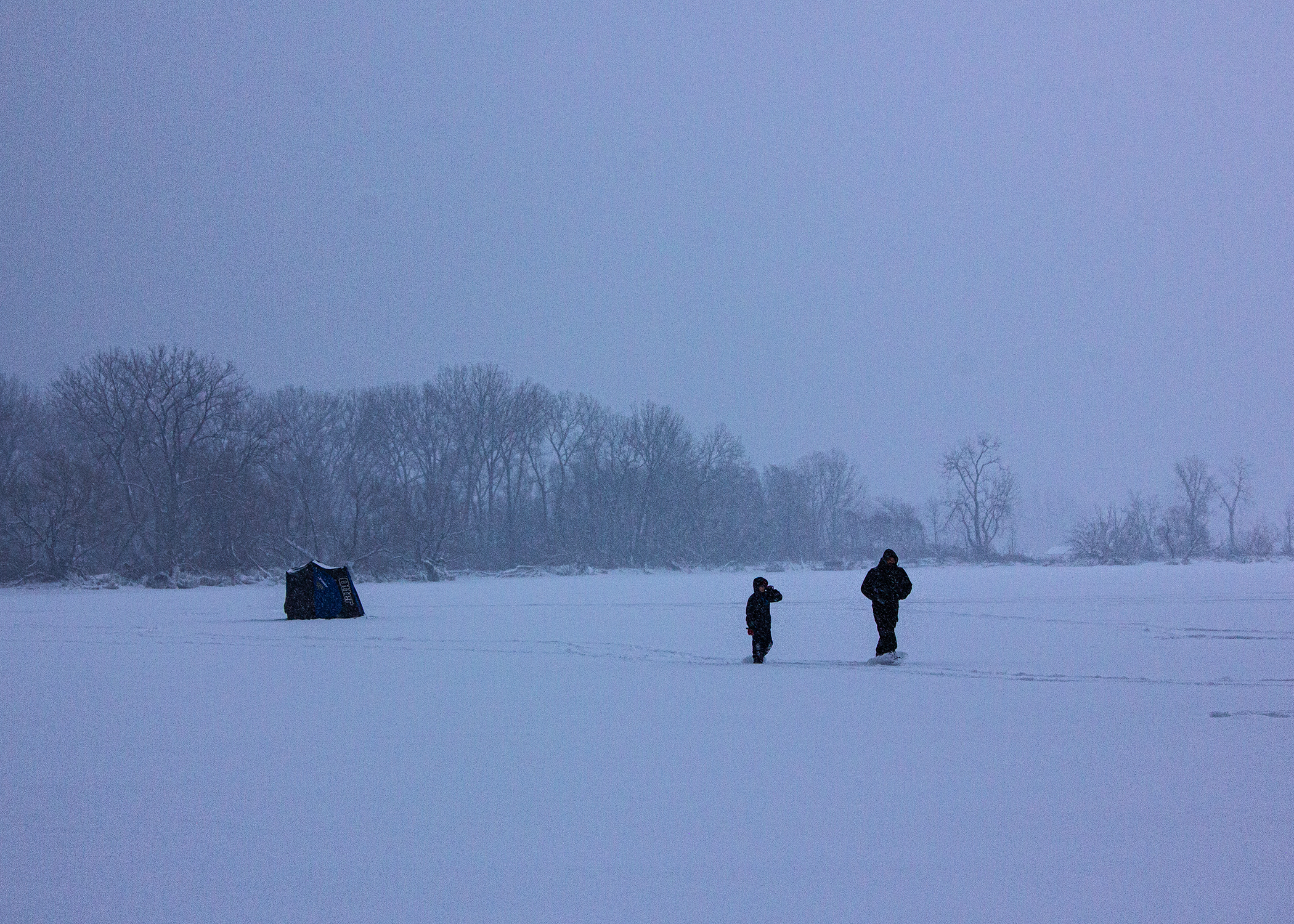
Table of Contents
- Start with Safety: Non-Negotiables When Ice Fishing with Kids
- Dressing Kids for Ice Fishing: Warm, Dry, and Happy
- Choosing the Right Day, Location, and Conditions
- Simple, Kid-Friendly Ice Fishing Gear and Setups
- Making Ice Fishing Fun for Kids (Not Just the Adults)
- Shelters, Sleds, and On-Ice Comfort for Families
- Teaching Kids to Fish on the Ice (Without Overwhelming Them)
- FAQs – Ice Fishing with Kids and Families
- Conclusion: Building Lifelong Anglers, One Fun Trip at a Time
Start with Safety: Non-Negotiables When Ice Fishing with Kids
Safe Ice Thickness Guidelines for Families
Before you think about rods, snacks, or shelters, you need to know your ice is safe. Kids are lighter, but they’re also less aware and more likely to run, jump, or wander. Safe ice is your responsibility.
General rules many agencies recommend for clear, solid ice include:
- 4 inches+ for one adult on foot.
- 5–6 inches+ for a small group walking with gear.
- 8–12 inches+ for ATVs or snowmobiles.
These are guidelines, not guarantees. Snow cover, current, springs, pressure cracks, and early/late-season conditions can all change the game. When ice fishing with kids, add an extra margin of safety. Avoid river current, narrows, inlets, outlets, and any “iffy” areas you wouldn’t want to cross alone.
Before heading out, check local reports from bait shops, tackle stores, or online communities, and review your state or provincial agency’s ice safety page. Linking externally to your local fish and wildlife department’s ice safety guidelines gives readers an authoritative reference.
Essential Safety Gear for Kids on the Ice
Think of safety gear as a standard part of your family ice fishing kit, just like rods and a scoop. At a minimum, every child should have:
- Float suit or life jacket: A properly sized PFD or float suit adds a layer of security if something goes wrong, especially early or late in the season.
- Ice picks: Worn around the neck, kids should know they’re “for grown-ups to help with” but you can still teach the basics of how they work.
- Whistle: Attached to their jacket—if they get separated, a whistle is easier than shouting.
- Rope or throw bag: Carried by an adult, but part of every family outing.
- Traction/cleats: Falls on glare ice hurt; cleats or traction devices help kids stay upright and confident.
Rules and Boundaries Kids Must Understand
Kids do best with simple, repeatable rules. Before you step onto the ice, set clear expectations:
- “Always stay behind the adults or walk right beside us.”
- “No running between holes or near anyone else’s holes.”
- “Never go near cracks, open water, or edges without an adult.”
Establish “safe zones” around your setup. Use a sled, cones, or even a line in the snow to mark the boundary. If you’re in a group, make sure every adult knows the rules you’ve set and backs you up consistently.
You can practice “what if” drills lightly at home or in the parking lot (“If you ever fall through, what do you do?”) without terrifying your kids. The goal is confidence and awareness, not fear.
Dressing Kids for Ice Fishing: Warm, Dry, and Happy
Layering Systems for Children on the Ice
The fastest way to end a trip is a cold kid. Winter comfort is all about layers, not just a “big coat.” A simple system for kids looks like this:
- Base layer: Moisture-wicking long underwear (no cotton). Synthetic or merino wool works best.
- Mid layer: Fleece or wool sweater and pants to trap warmth.
- Outer layer: Waterproof, windproof bibs and jacket to block wind and snow.
Don’t forget extra layers. Pack a dry pair of base layers and socks in a dry bag. If a boot leaks, a drink spills, or a kid sweats and then chills, a quick change can rescue the day.
Boots, Mittens, and Headwear That Actually Work
Adults can tough out cold feet for another hour; kids can’t. For family trips:
- Boots: Insulated, waterproof, and big enough to fit thick socks without compressing them. If toes can’t wiggle, circulation is restricted and feet get cold.
- Socks: One pair of good wool or synthetic socks beats multiple cotton layers. Bring spares.
- Mittens vs gloves: Mittens are warmer for most kids. Use hand warmers inside mittens if needed (follow the safety instructions and never place them directly on bare skin).
- Hats and neck gaiters: A warm hat plus a neck gaiter or balaclava keeps heat in and wind off cheeks and ears.
Keep a “comfort kit” in your sled: spare mittens, an extra hat, and a small towel to dry wet hands.
Comfort Extras: Hand Warmers, Blankets, and Hot Drinks
Comfort is your secret weapon. A small set of extras can turn a chilly outing into a cozy adventure:
- Hand and foot warmers: Great for breaks or mid-trip morale boosts. Explain that they’re “magic warm packs” and let kids help you open them.
- Blanket or sleeping bag: Keep one in the shack for kids to wrap up in as they sit and watch the rods.
- Hot drinks: A thermos of hot cocoa, tea, or broth can reset a grumpy, cold kid in minutes.
Choosing the Right Day, Location, and Conditions
Pick the Right Weather Window
One of the best family ice fishing tips is simple: don’t pick “hero conditions” for kids. Save the -10°F, 25 mph wind, blizzard-day grind for adults who know what they signed up for.
For kids:
- Choose sunny or overcast days with relatively mild temps.
- Aim for low wind or locations where a tree line or point blocks it.
- Avoid days with big storms or rapid temperature swings in the forecast.
Weather apps are your friend. Build the habit of checking wind speed and real feel, not just air temperature.
Family-Friendly Ice Fishing Spots
The “best” lake for your personal fishing might not be the best for your kids. Look for:
- Short walks: A spot you can reach within 5–10 minutes of leaving the car.
- High action, smaller fish: Bluegill, perch, and crappie lakes that offer frequent bites are better than trophy-only water.
- Simple structure: Flats or gentle breaks you can spread lines on without walking miles.
- Safe layout: Avoid heavy current, narrows, or areas heavily crisscrossed by pressure ridges.
If you’re not sure where to start, call a local bait shop and ask specifically for “easy, kid-friendly ice fishing” spots. Most are happy to help.
Trip Length and Timing for Kids’ Attention Spans
Successful ice fishing with kids isn’t about how long you stay; it’s about how they feel when you leave. For younger kids, plan on:
- 1–3 hour trips to start.
- Mid-morning to early afternoon outings when it’s warmest.
- Optional “round two” trips later in the season once they’ve decided they like it.
Ending the trip while they’re still having fun is one of the best ways to guarantee they’ll want to go again.
Simple, Kid-Friendly Ice Fishing Gear and Setups
Short Rods, Simple Reels, and Easy Rigs
You don’t need a pile of high-end gear to take kids out. In fact, simple is better:
- Short, soft rods: 24–28 inch light or ultralight rods make it easy for small arms to work the jig and feel bites.
- Smooth spinning reels: Avoid sticky drags that cause breakoffs or tangles.
- Basic rigs: Small jig with a waxworm or plastic, or a simple bobber rig over a jig or small hook and split shot.
Set the drag light so a surprise crappie or bass doesn’t snap the line, and help kids learn to “lift, reel, lift” instead of high-sticking the rod.
Tip-Ups and “Set-It-and-Wait” Strategies
Tip-ups are a great tool for family trips because they keep the possibility of fish coming even while kids snack, play, or explore. A couple of well-placed tip-ups can:
- Provide excitement when a flag pops and everyone runs to check it.
- Target larger panfish, walleyes, or pike while kids jig for smaller fish in the shack.
Adults should handle hooks and handlining as needed, but let kids be involved: they can call out when they see a flag, help pull line under supervision, or pose with the fish for photos.
Lures and Baits That Catch Lots of Fish
When you’re ice fishing with kids, action beats size almost every time. Choose ice lures and baits that maximize bites:
- Small tungsten or lead jigs tipped with waxworms, spikes, or soft plastics.
- Tiny spoons that flutter with just a small lift of the rod.
- Live bait like minnows for tip-ups (where legal) to keep a “bonus fish” option in play.
If your local fish respond well to something weird or colorful, let kids pick the color or pattern. Watching “their” lure catch fish is a big confidence booster.
Making Ice Fishing Fun for Kids (Not Just the Adults)
Set Expectations: Fun First, Fish Second
One of the most important family ice fishing tips is mental: your success metric needs to change. A great kid trip might involve two small fish, a snowball fight, and a thermos of cocoa—not a limit of perch.
Tell kids ahead of time:
- “We’re going on a winter adventure.”
- “We’re going to try to catch fish, but we’ll definitely play in the snow and drink hot cocoa.”
Shift your mindset from “serious mission” to “family memory.” You can always go back later alone or with hardcore buddies.
Easy Jobs and Ways Kids Can Help
Kids love to help if you give them jobs sized for their age. Examples:
- Let them scoop slush from holes with a skimmer.
- Have them watch the sonar screen and tell you when a “fish mark” appears.
- Let them put a sticker on the tackle box for every fish caught.
- Older kids can help set rods, hand you hooks, or keep simple notes on what lures worked.
The more ownership they feel, the more engaged they’ll be.
Games, Snacks, and Breaks
Plan for breaks as seriously as you plan for bite windows. Great options include:
- “First fish” or “biggest fish” games with silly small prizes (stickers, picking the next song, etc.).
- Guess-the-depth contests using the flasher or sonar.
- Short snowball fights or snowman-building sessions near your setup.
Snacks are non-negotiable. Pack more than you think you need: crackers, fruit, jerky, granola bars, and a few “fun” items like cookies or candy as rewards. Small, frequent snack breaks keep energy and morale high.
Photos, Memories, and Staying Positive
Capture a few photos—first fish, biggest smile, the whole crew in the shack—but don’t turn the trip into a photo shoot. Let kids be messy, goofy, and proud.
When tangles happen (and they will), keep your cool. Laugh it off, fix it, and move on. The tone you set when things go wrong is what they’ll remember most.
Shelters, Sleds, and On-Ice Comfort for Families
Why a Shelter Is a Game-Changer
You can absolutely do short trips with kids in the open on nice days, but an ice shelter takes ice fishing with kids to another level. A hub or flip-over:
- Blocks wind and keeps kids warmer and happier.
- Gives them a place to sit, play, and snack between bites.
- Helps you stay organized with rods, tackle, and clothing.
Even a small two- or three-person shelter can transform a borderline day into a comfortable one.
Heaters and Safety Inside the Shack
If you use a heater, safety inside the shelter is critical:
- Use only heaters designed for indoor or tent use.
- Ventilate the shelter—crack a window or vent as directed by the manufacturer.
- Place a CO detector in the shelter and test it regularly.
- Create a “no-go circle” around the heater that kids know they can’t enter.
Adults handle setup, lighting, and refueling. Kids’ job is simply “stay away from the hot box.”
Smart Sled Setup for Family Trips
Treat your sled like a mobile base camp. Pack in layers:
- Top / easy access: Kids’ clothing, gloves, hats, snacks, thermos, safety gear.
- Middle: Rods, tackle, small electronics.
- Bottom: Heavy gear like augers, heaters, shelter bag.
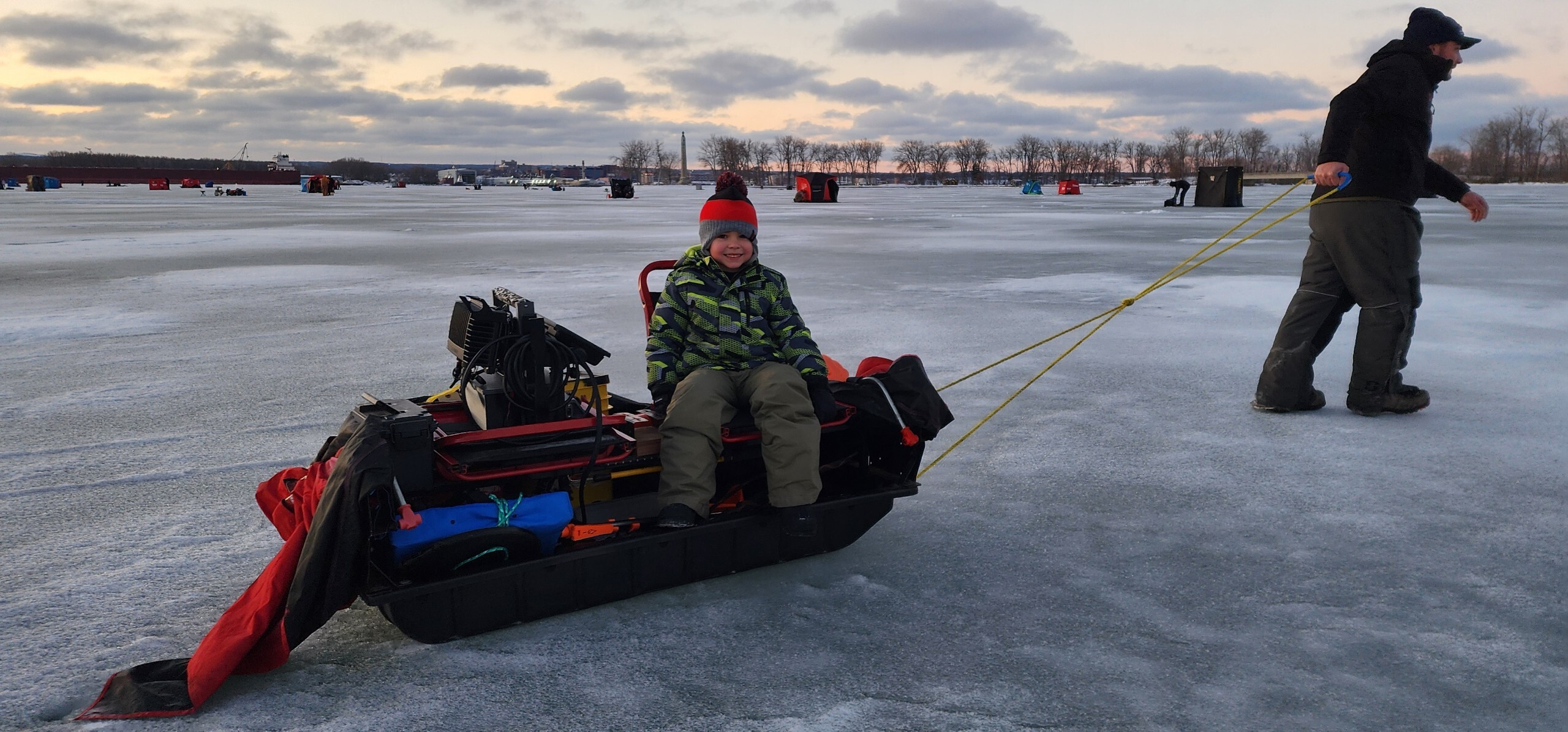
On the way out, a safe, slow sled ride (pulled by an adult or towing machine where legal) can be half the fun. Just keep speed modest and watch ice conditions closely.
Teaching Kids to Fish on the Ice (Without Overwhelming Them)
Start with the Basics
Keep the teaching simple, visual, and hands-on:
- Show them how to drop the jig until it hits bottom and then reel up “this much” (you can mark rods with tape).
- Explain that fish might “tap” the bait or simply make the line go slack.
- Let them see the jig and fish on sonar or a camera if you have one—that live connection helps them understand what’s happening under the ice.
Teach one concept at a time. Depth today, hook-setting tomorrow, jig cadence another day. Too much detail all at once just becomes noise.
Celebrate Small Wins and Early Success
When kids catch their first fish, make it a big deal. Cheer, take a quick photo, and let them show it off. For released fish, teach gentle handling and a respectful send-off. For keepers, let them help put the fish in the bucket or cooler.
If a fish gets off at the hole, call it a win: “We fooled that fish! That was awesome!” The goal is encouragement, not performance pressure.
Know When to Call It a Day
One of the hardest lessons for adults is knowing when to leave. If kids are cold, bored, or fighting, it’s time. Forcing “one more spot” or “one more hour” usually just ensures they won’t want to come back.
Leaving with them still smiling—especially after a small success—is the best way to build lifelong anglers.
FAQs – Ice Fishing with Kids and Families
How old should kids be before you take them ice fishing?
There’s no magic age; it depends on the child and conditions. Some parents bring toddlers out for very short, warm, mid-day trips close to shore. Many find ages 4–6 a sweet spot where kids can follow basic rules and enjoy short outings. Start small and prioritize safety and comfort.
What is the safest ice thickness for kids?
Follow or exceed standard ice thickness guidelines from your local authorities, and add extra caution when kids are involved. Many families avoid taking children out until there is at least 5–6 inches of solid, clear ice on small lakes with no current. Always verify thickness frequently as you move.
How long should a family ice fishing trip last with young children?
Plan for 1–3 hours for young kids, depending on weather and how far you are from the access. It’s better to end early on a positive note than push into meltdown territory. As kids gain experience and interest, you can extend trip length.
What should kids wear for ice fishing?
Use a three-layer system: moisture-wicking base layers, warm mid-layers (fleece/wool), and waterproof/windproof outerwear (bibs and jacket). Add insulated, waterproof boots, wool socks, warm mittens, and a good hat. Pack extra layers and dry backups—kids get wet and cold faster than adults.
What is the best bait for ice fishing with kids?
Anything that produces frequent bites is ideal. Small jigs tipped with waxworms, spikes, mealworms, or soft plastics are great for panfish. Tiny spoons can also be effective. For tip-ups, minnows (where legal) keep the possibility of a “big fish moment” alive.
Do you need a shelter to go ice fishing with children?
You don’t absolutely need one, especially on short trips in mild weather. But a shelter dramatically increases comfort and extends your usable weather window. For most families, a small hub or flip-over shelter quickly becomes “mandatory” after they experience the difference.
How do I keep my kids from getting bored while ice fishing?
Shorten the trip, choose action-heavy spots, bring plenty of snacks, and build in breaks for play. Give kids simple jobs, play small games (first fish, biggest fish, most species), and be prepared to pivot if the bite is slow. Remember, it’s a winter adventure with fishing, not a fishing trip with kids attached.
Is it safe to bring a heater in an ice fishing shelter with kids?
It can be, if you follow the heater manufacturer’s directions, ventilate the shelter properly, use a CO detector, and enforce a strict “no-go” zone around the heater. Adults should handle setup, lighting, and adjustments, and should never leave kids alone in a heated shelter.
Conclusion: Building Lifelong Anglers, One Fun Trip at a Time
At the end of the day, ice fishing with kids isn’t about perfect presentations or personal bests. It’s about building a set of positive experiences on the ice—warm hands, big smiles, goofy photos, hot cocoa, and the rush of watching a rod bend or a flag fly.
The core family ice fishing tips are simple but powerful: put safety first, dress kids properly, pick kind weather and kid-friendly lakes, use simple gear and high-action baits, and keep trips short and fun. If you can leave the ice with your kids saying, “When can we go again?”, you’ve done it right.
Before your next trip, use this article as a checklist. Plan your spot, pack your safety gear, build a kid-focused snack and clothing list, and adjust your expectations from “numbers and size” to “memories and smiles.”
Ice Fishing Gear