

Ice Fishing Wisconsin: Best Lakes, Species, and Tips for a Successful Hardwater Season
By: FishUSA Staff
December 31, 2025
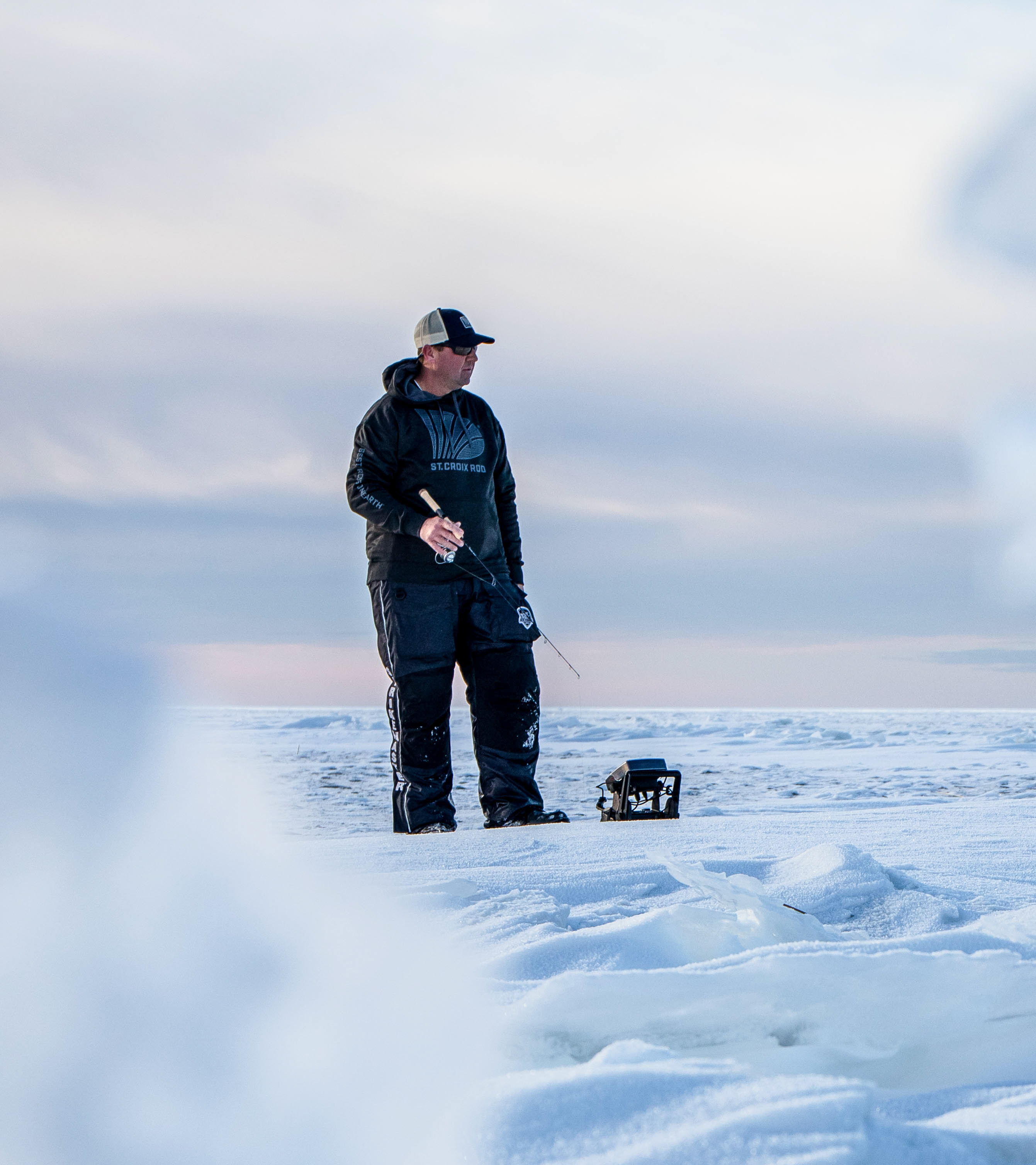
When winter locks in and the lakes glaze over, Wisconsin doesn’t go quiet—it comes alive. Shanty villages grow on Lake Winnebago, anglers bounce across Green Bay in search of reef walleyes, and headlamps trace slow circles on inland lakes as panfish fans drill fresh holes. For many anglers, ice fishing in Wisconsin isn’t just a hobby; it’s a seasonal way of life.
When winter locks in and the lakes glaze over, Wisconsin doesn’t go quiet—it comes alive. Shanty villages grow on Lake Winnebago, anglers bounce across Green Bay in search of reef walleyes, and headlamps trace slow circles on inland lakes as panfish fans drill fresh holes. For many anglers, ice fishing in Wisconsin isn’t just a hobby; it’s a seasonal way of life.
But if you’re new to the state—or just looking to expand beyond your home lake—it can be hard to know where to start. Which Wisconsin ice fishing lakes are worth the drive? How do you choose between Winnebago, Green Bay, Chequamegon Bay, or a quiet Northwoods lake? What species should you target, and how do Wisconsin’s ice fishing regulations and safety concerns affect your plans?
This guide answers those questions and more. We’ll break down the best regions and lakes for ice fishing in Wisconsin, explain how to target key species like walleye, perch, panfish, pike, and whitefish, cover essential gear and safety, and close with FAQs and clear next steps.
Related: Top Ice Fishing Tips: Essential Techniques, Gear, and Safety
Table of Contents
- Wisconsin Ice Fishing Basics: Season, Conditions, and Regulations
- Best Regions and Lakes for Ice Fishing in Wisconsin
- Top Species for Ice Fishing in Wisconsin and How to Catch Them
- Essential Ice Fishing Gear for Wisconsin Waters
- Access, Resorts, and Local Resources for Ice Fishing in Wisconsin
- Ice Safety and Weather Considerations Specific to Wisconsin
- Responsible Harvest and Conservation in Wisconsin
- FAQs – Ice Fishing Wisconsin
- Conclusion – Plan Your Next Ice Fishing Trip to Wisconsin
Wisconsin Ice Fishing Basics: Season, Conditions, and Regulations
When Is Ice Fishing Season in Wisconsin?
Wisconsin’s ice fishing season isn’t defined by a date on the calendar—it’s defined by ice. In a typical year, smaller and more northerly inland lakes freeze first, followed by larger and more southerly waters as winter settles in. Broadly speaking, anglers see a pattern like this:
- Early ice (late November–December): Shallow northern lakes and back bays lock up first. Fish are often aggressive and shallow, but ice is still building, so safety is critical.
- Midwinter (January–February): This is prime time for ice fishing in Wisconsin. Many lakes across the state are accessible, travel on the ice gets easier, and resorts begin running plowed roads and shack rentals on larger lakes.
- Late ice (March, conditions permitting): As snow melts and light penetrates the ice better, panfish and perch often fire up. At the same time, ice conditions become more variable and demand extra caution.
The key takeaway: never rely on the calendar alone. Always check local ice reports, talk with bait shops, and carry a spud bar to test ice thickness as you go.
Wisconsin Ice Fishing Regulations and Licenses
Before you drill your first hole, make sure your paperwork and knowledge of the rules are in order. Most anglers need a valid Wisconsin fishing license—resident or non-resident—even when fishing through the ice. There are annual and short-term options, and youth anglers may have different requirements.
Bag limits, size limits, and special regulations vary by waterbody and species. Some lakes have slot limits on walleye, reduced limits on panfish, or special seasons for certain species. Lake Winnebago’s famous sturgeon spearing season, for example, has its own strict rules and tag system.
The best approach is to:
- Review the current Wisconsin DNR fishing regulations on the official website.
- Double-check rules for your specific lake (Winnebago, Green Bay, Chequamegon, or inland systems).
- Use any site-specific “Wisconsin Ice Fishing Regulations Overview” article as a summary, but always treat the DNR as the final authority.
Ice Thickness and Safety Guidelines for Wisconsin Lakes
Ice thickness and quality can vary dramatically between lakes—and even within the same lake. While exact numbers should always be confirmed from authoritative sources, many anglers in Wisconsin use general guidelines as a starting point and add extra caution on big or moving water.
Important safety concepts include:
- Check as you go: Use a spud bar to punch the ice ahead of you, especially early in the season or when exploring new areas.
- Know your water: River-connected lakes, flowages, and areas around inlets/outlets can have thinner, inconsistent ice.
- Respect big water: Lakes like Green Bay, Chequamegon Bay, and Winnebago can develop pressure cracks, currents, and shifting ice.
- Safety gear: Ice picks, a float suit or PFD, cleats, and a throw rope are standard kit, not luxury gear.
Best Regions and Lakes for Ice Fishing in Wisconsin
Lake Winnebago System: Walleye, Perch, and Sturgeon Tradition
The Lake Winnebago system is Wisconsin’s hardwater heart. When the ice sets up, shanty villages form across the basin, and anglers target:
- Walleye: A mix of eater-size fish and larger specimens migrating through the system.
- Perch: Schooling fish roaming mud flats, rock edges, and subtle structure.
- White bass: In some years, excellent numbers offering fast action.
- Sturgeon (special season): A unique and tightly regulated spearing tradition that draws anglers from around the country.
Ice travel on Winnebago usually involves ATVs, snowmobiles, or even vehicles when conditions allow, but conditions can change quickly with wind and warm-ups.
Green Bay and Door County: Big-Water Walleye and Whitefish
When most anglers think of ice fishing Wisconsin for trophy walleye and whitefish, they think of Green Bay and the Door County peninsula. This region offers:
- World-class walleye fishing: Big fish roaming reefs, breaks, and basins.
- Whitefish action: Deep-water structure and rock edges where schools hold during winter.
- Strong guide and resort presence: Many anglers rely on guides to safely navigate pressure cracks, currents, and shifting ice.
Because Green Bay is large, wind-exposed, and influenced by current, ice safety is paramount. Plowed roads, guide services, and local knowledge are key allies.
Chequamegon Bay and the Apostle Islands: Trout and Multi-Species Opportunities
On the Lake Superior side, Chequamegon Bay offers a unique mix of species under the ice. Anglers may encounter:
- Lake trout, brown trout, and splake in deeper, colder water.
- Whitefish and other Great Lakes species in certain areas.
- Panfish and pike in protected back bays when conditions are right.
Because Superior is a true inland sea, conditions can change very quickly; this is not a place to experiment without guidance.
Northern Inland Lakes: Classic Panfish and Walleye Country
Northwoods communities across Wisconsin are loaded with inland lakes that come alive in winter. These waters offer:
- Excellent panfish action: Bluegill, crappie, and perch in healthy numbers.
- Walleye and pike: Breaklines, weed edges, and points that hold predators all winter.
- Classic Northwoods atmosphere: Cabins, resorts, and snowmobile trails tying everything together.
These lakes are perfect for anglers who want a mix of quality fishing and a quieter, more traditional winter experience.
Southern and Central Wisconsin Lakes: Close-to-Home Action
If you’re near Madison, Milwaukee, or other southern metro areas, you don’t have to drive north to enjoy ice fishing in Wisconsin. Central and southern lakes, including the Madison chain, offer:
- Solid panfish and crappie fishing on community lakes and reservoirs.
- Pike and occasional walleye bites on select waters.
- Quick-hit convenience: Half-day trips after work or short weekend outings close to home.
Top Species for Ice Fishing in Wisconsin and How to Catch Them
Walleye: The Backbone of Wisconsin’s Ice Season
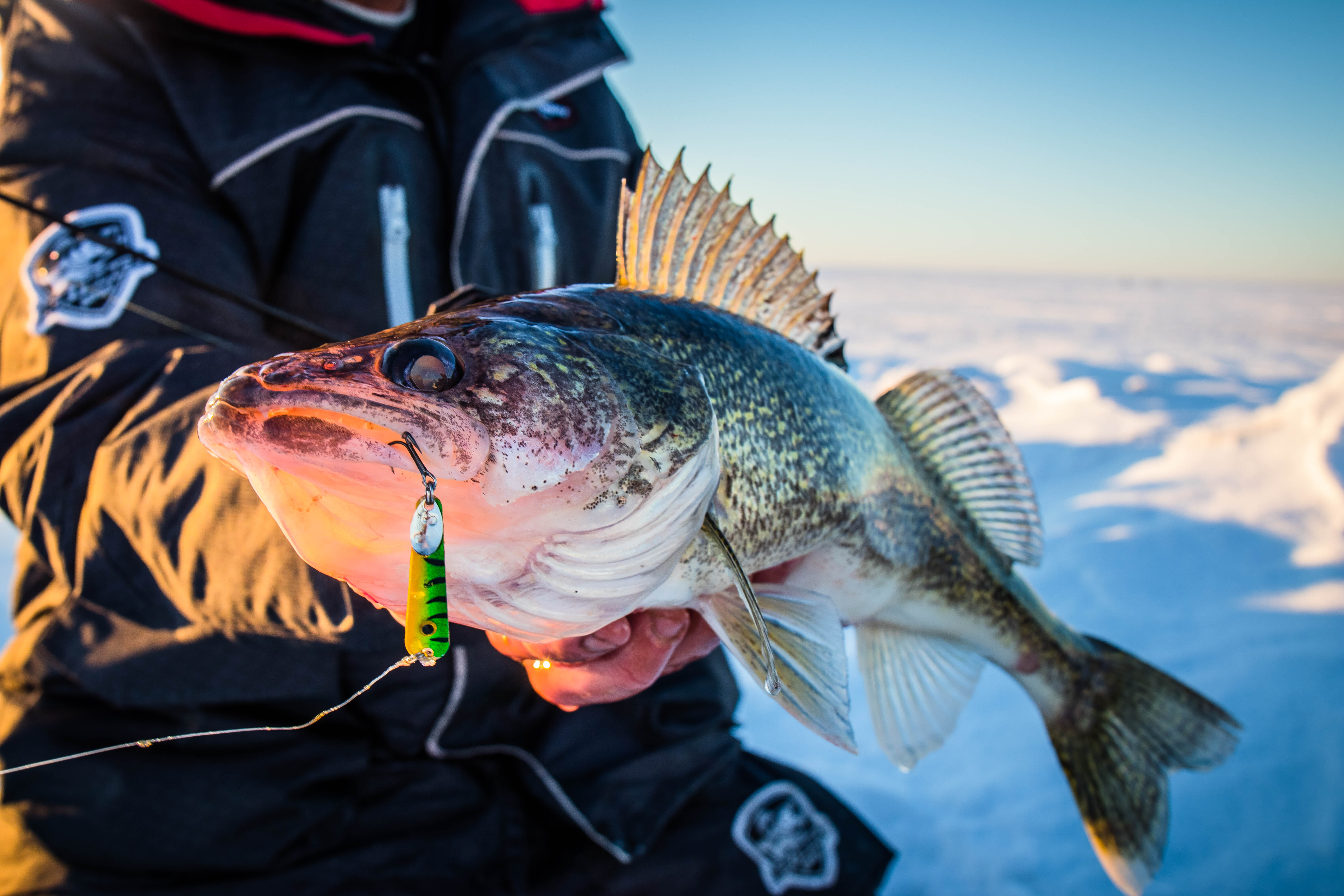
Walleye may not be the only draw, but they’re the backbone of Wisconsin ice fishing on many major lakes. You’ll find winter walleyes on Winnebago, Green Bay, Chequamegon-connected waters, and countless inland lakes.
Core walleye tactics include:
- Jigging spoons: 1/8–3/8 oz spoons tipped with a minnow head or whole minnow. Use lift-drop-pause cadences, adjusting speed based on fish mood.
- Rattle baits and glide baits: Great for low-light flurries and calling in active fish from a distance.
- Deadsticks and set-lines: A second rod rigged with a plain hook or small jig and live minnow for fish that won’t chase an aggressive spoon.
Focus on low-light periods—sunrise, sunset, and after dark—and target edges of flats, points, and basin transitions.
Related: Ice Fishing for Walleye: Expert Techniques, Gear, and Strategies
Perch and Panfish: High-Action Hardwater Staples
Perch, bluegill, and crappie are the fish that keep Wisconsin ice anglers returning week after week. They offer steady action, great table fare, and plenty of room for fine-tuning tactics.
Some quick species-specific tips:
- Perch: Found on Winnebago, Green Bay, and many inland lakes. Look for soft-bottom flats, mud basins, and subtle structure. Tungsten jigs and small spoons tipped with minnow heads or waxworms are top producers.
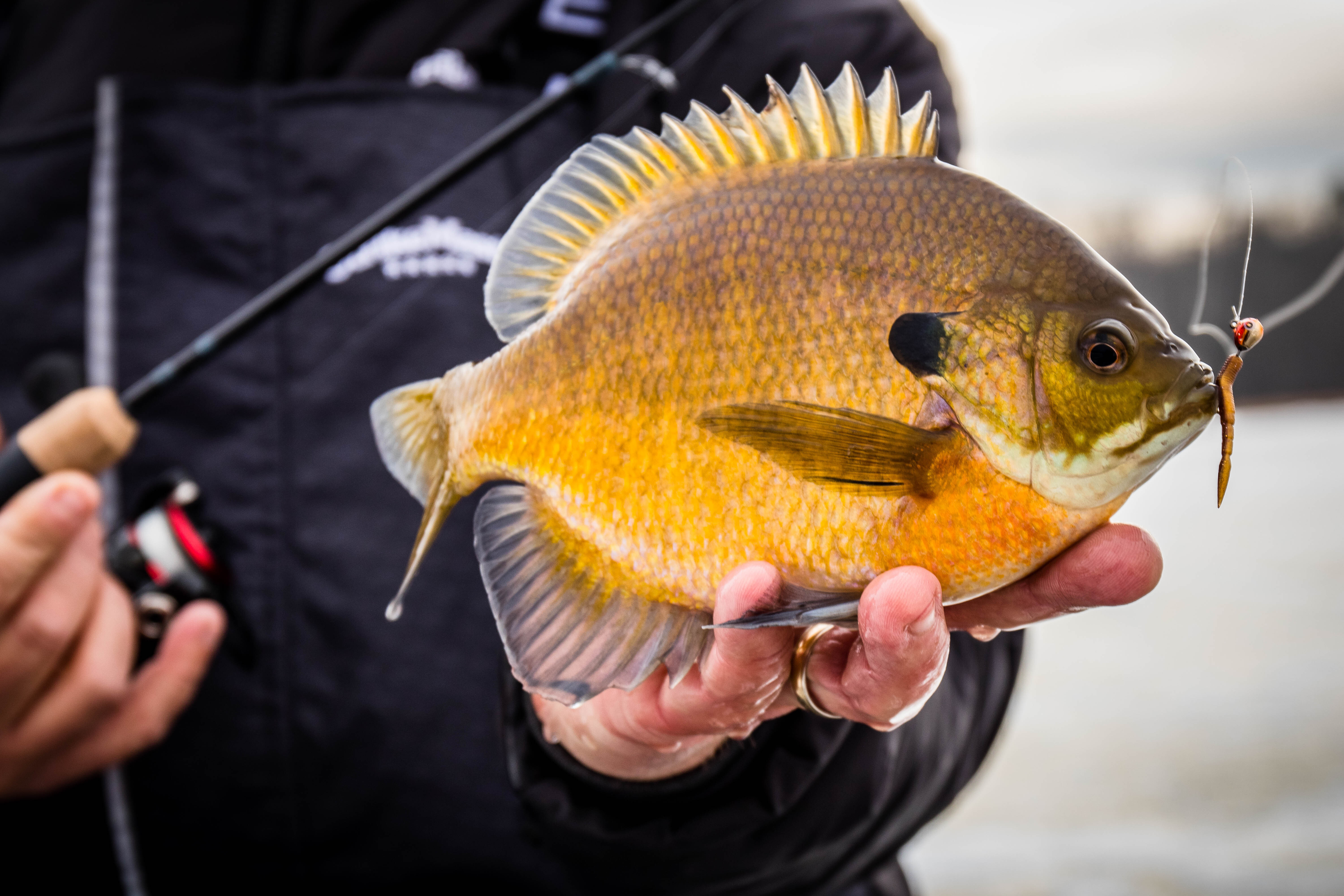
- Bluegill/sunfish: Often relate to weeds early, then move toward deeper basins as winter progresses. Small tungsten “bug” jigs, micro plastics, and waxworms get the nod.
- Crappie: Frequently suspend over deeper basins, especially around dusk and after dark. Glow jigs with minnows or plastics excel, especially when paired with sonar to track suspended schools.
Related:
- Ice Fishing for Perch: Tips, Gear, and Techniques
- Ice Fishing for Bluegill and Sunfish: Techniques, Gear, and Tips
- Ice Fishing for Crappie: Tips, Techniques, and Gear
Northern Pike: Flags, Tip-Ups, and Big Baits
Northern pike are common across Wisconsin and add a dose of chaos and adrenaline to any trip. They’re ideal for mixed-bag days when you want bites between walleye flurries or panfish hunts.
To target pike through the ice:
- Set tip-ups along weed edges, points, and shallow flats adjacent to deeper water.
- Use large live or dead baits (where legal) rigged on wire or heavy fluorocarbon leaders.
- Space your tip-ups to cover a range of depths and transitions to find active fish.
Related: Ice Fishing for Pike: Techniques, Gear, and Expert Tips
Whitefish, Trout, and Other Specialty Targets
Wisconsin also offers a handful of specialty species that dedicated anglers chase each winter:
- Whitefish: A prime target on Green Bay and some Great Lakes-connected waters. They relate to deep reefs and structure; small spoons, beads, and subtle vertical presentations are the norm.
- Trout: Chequamegon Bay, the Apostle Islands region, and select inland lakes offer lake trout, browns, and splake. Heavier rods, spoons, and tubes fished near structure are standard.
- Sturgeon (Winnebago spearing season): A unique, heavily regulated spear fishery. Interested anglers should thoroughly review Wisconsin DNR sturgeon regulations, application/tag processes, and season rules.
Essential Ice Fishing Gear for Wisconsin Waters
Rods, Reels, and Line for Wisconsin Conditions
Because Wisconsin offers everything from shallow panfish lakes to deep Great Lakes structure, it pays to match your gear to your targets:
- Panfish/perch: 24–30" ultralight or light rods with 2–4 lb mono or fluorocarbon. Soft tips help detect light bites.
- Walleye: 28–36" medium-light or medium rods with 6–8 lb mono or braid plus fluorocarbon leader. Enough backbone for hooksets with some forgiveness around the hole.
- Pike/trout/whitefish: Medium-heavy rods with 10–20 lb line and abrasion-resistant leaders for toothy or big fish.
Braid plus a fluorocarbon leader excels when you’re fishing deep or using sensitive jigging presentations, while straight mono still has a place for spoons and baits where a bit of stretch helps keep treble hooks pinned
See our buying guides for advice and top picks:
- The Best Ice Fishing Rods: Reliable Gear for Every Ice Angler
- The Best Ice Fishing Reels: Top-Rated Options for Every Angler
- Top Ice Fishing Lines: Best Picks for Strength, Sensitivity, and Freeze Resistance
Lures and Baits That Shine in Wisconsin
A well-rounded tackle box for ice fishing in Wisconsin should include:
- Tungsten jigs: 3–5 mm sizes in natural, glow, and UV patterns for panfish and perch.
- Spoons: 1/16–3/8 oz in metallic and glow finishes for perch, walleye, and trout.
- Rattle baits and glide baits: For aggressive walleye and pike on Winnebago, Green Bay, and inland lakes.
- Live bait: Minnows (fatheads, shiners), waxworms, and spikes where legal and effective.
Related: Top Ice Fishing Lures: Must-Have Choices for Every Species
Shelters, Heaters, and Clothing for Wisconsin Winters
Wisconsin winters can be bitterly cold, especially on open basins like Winnebago and Green Bay. Comfort and safety often come down to preparation:
- Shelters: Hub shelters offer room and height, while flip-overs excel for mobile solo and two-man setups. Some communities also have semi-permanent shacks on popular lakes.
- Heaters: Use only heaters designed for enclosed spaces, maintain ventilation, and consider a CO detector in enclosed shelters.
- Clothing: Dress in layers: moisture-wicking base layers, insulating mid-layers, and waterproof, windproof outerwear. Float suits add a margin of safety.
Electronics and Navigation
While you can still catch fish with a bucket and a basic rod, electronics and navigation tools dramatically increase your odds—especially on large, complex waters. Consider:
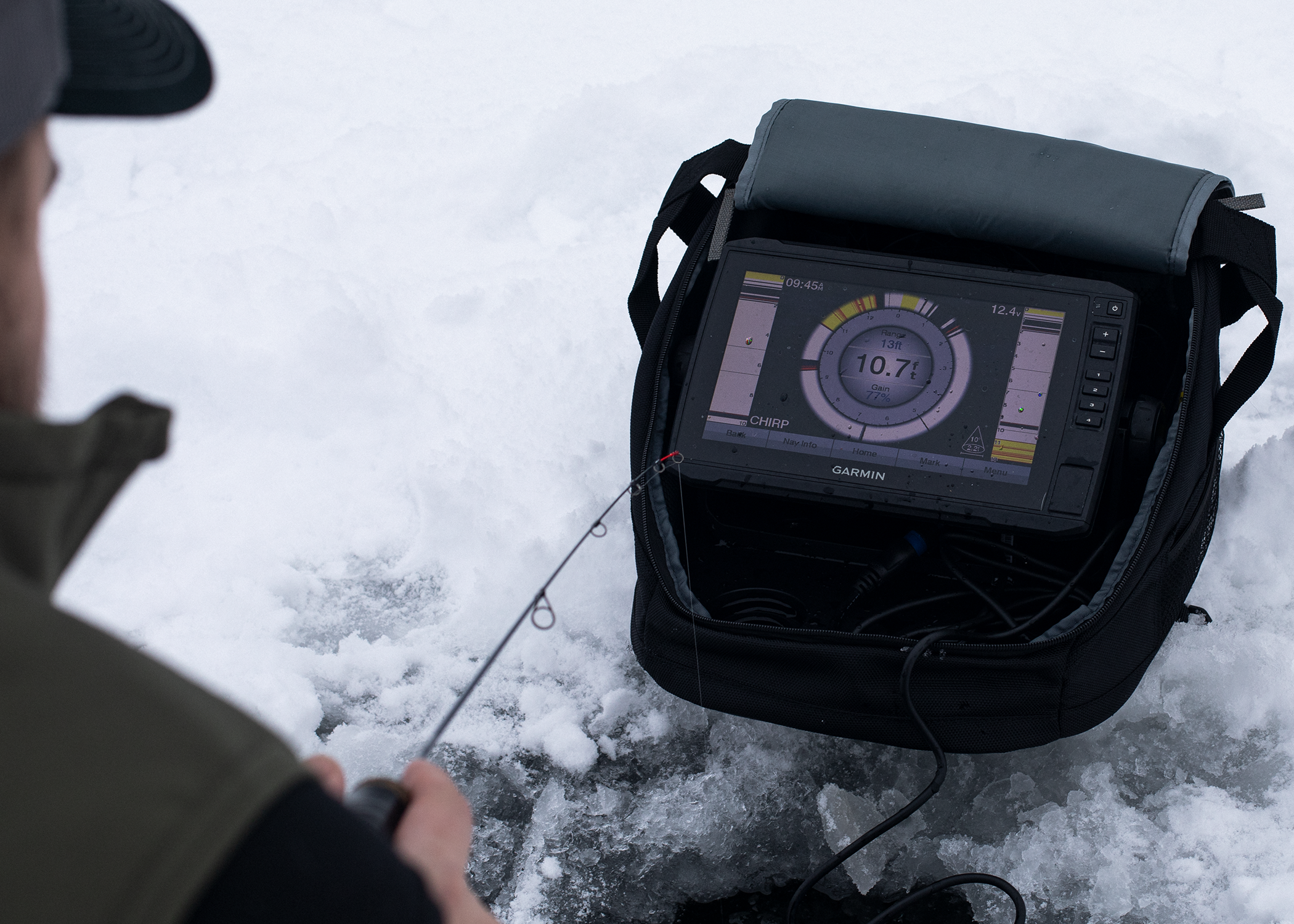
- Flashers/sonar: To see your lure, track fish movements, and adjust depth and cadence on the fly.
- GPS/mapping units or apps: To find structure, mark productive spots, and safely navigate to and from shore in low visibility.
- Weather and navigation apps: For checking wind, temperature, and future changes before you commit to big-water travel.
Access, Resorts, and Local Resources for Ice Fishing in Wisconsin
Public Access Points, Parking, and Travel on the Ice
Wisconsin’s lakes are often accessible via public boat launches, parks, and designated access points. Before your trip:
- Locate public accesses and verify winter parking rules.
- Check whether ATVs, snowmobiles, or vehicles are commonly used on that lake and under what conditions.
- Respect private land and never cross posted property without permission.
Guides, Outfitters, and Fish House Rentals
If you’re new to a lake, especially big waters like Green Bay or Winnebago, hiring a guide or booking with a resort is one of the best investments you can make. Guides and outfitters can:
- Provide safe, plowed travel routes and pre-set houses.
- Dial in the bite with current information on depths, baits, and patterns.
- Offer gear and electronics, so you don’t have to bring everything with you.
Local Bait Shops and Fishing Reports
Wisconsin bait shops are gold mines of information. They live and breathe local conditions, and they see what anglers are buying and catching every day.
- Call bait shops for updated ice thickness, hot depths, and productive lures.
- Ask about access points, parking, and problem areas (cracks, slush, etc.).
- Use online fishing reports and forums as a starting point, then verify everything with on-ice checks.
Ice Safety and Weather Considerations Specific to Wisconsin
Big-Water Hazards: Green Bay, Winnebago, and Lake Superior
Big water behaves differently than small inland lakes. On systems like Green Bay, Winnebago, and Chequamegon Bay, you may encounter:
- Pressure cracks and ridges: Where ice sheets expand and contract, creating dangerous gaps or heaves.
- Shifting ice: Wind and current can move sheets or open leads unexpectedly.
- Slush and overflow: Heavy snow can push water up through cracks, creating messy, hidden hazards.
On these waters, staying on established roads, heeding resort and guide advice, and respecting closures or “no-go” areas is essential.
River and Flowage Ice: Extra Caution Required
Flowages and river systems, including sections of the Wisconsin and Mississippi Rivers, can offer fantastic multi-species ice fishing—but with higher risk. Current creates uneven ice thickness, hidden weak spots, and areas that may never freeze safely.
When fishing flowages, it’s wise to:
- Talk with experienced local anglers and bait shops before going.
- Avoid areas of obvious current, neck-downs, and near dams.
- Use a spud bar religiously and travel with partners, not alone.
Weather: Wind, Snow, and Warm Spells
Wisconsin’s winter weather can swing from bitter cold to rainy thaw and back again. These swings impact ice quality and access: heavy snow can create slush, warm spells can rot shorelines, and strong winds can reorganize snow and pressure ridges.
Before each trip:
- Check temperature trends, not just the day-of forecast.
- Watch for strong winds that can create drifts or reduce visibility.
- Plan backup lakes or access points in case conditions change.
Safety Gear Checklist for Wisconsin Ice Anglers
Wrap this section with a quick safety checklist:
- Float suit or PFD.
- Ice picks worn around your neck.
- Spud bar to test ice ahead of you.
- Throw rope and cleats.
- Charged phone, GPS/mapping, and headlamp.
- Extra clothing, food, and basic first aid kit.
Related: Comprehensive Guide to Ice Fishing Safety Gear and Tips
Responsible Harvest and Conservation in Wisconsin
Understanding Size and Bag Limits
Healthy fisheries depend on anglers who understand and respect Wisconsin fishing limits. That means:
- Checking statewide and lake-specific regulations before each trip.
- Paying attention to special rules on high-profile lakes or for specific species.
- Keeping a digital or printed copy of the regulations with your ice gear.
Selective Harvest and Catch-and-Release
Selective harvest keeps fishing strong year after year. Good practices include:
- Keeping eater-size fish and releasing larger breeders, especially for walleye and panfish on pressured lakes.
- Handling release fish quickly and gently—wet hands, minimal time out of the water, and careful dehooking.
- Being thoughtful about how many fish you actually need to keep for a meal.
Etiquette on the Ice: Respecting Other Anglers and Communities
Good etiquette goes a long way toward making ice fishing in Wisconsin enjoyable for everyone:
- Give other anglers space; don’t drill right next to someone without asking.
- Drive slowly and carefully on the ice, avoiding close passes near other houses or holes.
- Pack out all trash, including bait containers and cigarette butts.
Wisconsin communities are proud of their fisheries—showing respect keeps access open and relationships positive.
FAQs – Ice Fishing Wisconsin
When is the best time to go ice fishing in Wisconsin?
In many years, the most consistent period for ice fishing Wisconsin is midwinter—January through February—when ice is generally widespread and stable. Early and late ice can offer excellent bites, especially for walleyes and panfish, but conditions are more variable and demand extra caution.
What are the best lakes for ice fishing in Wisconsin?
Lake Winnebago, Green Bay, and Chequamegon Bay are top-tier destinations for walleye, whitefish, and trout. Northern inland lakes provide excellent panfish, pike, and walleye fishing in a more traditional Northwoods setting. Central and southern lakes, including the Madison chain, offer solid panfish and pike action closer to metro areas.
Do I need a fishing license to ice fish in Wisconsin?
Yes. Most anglers need a valid Wisconsin fishing license, whether they are fishing from shore, on open water, or through the ice. There are resident and non-resident options, as well as short-term licenses. Check the Wisconsin DNR website for current license types, prices, and age requirements.
How thick should the ice be to safely ice fish in Wisconsin?
There is no single “safe” thickness for every situation, but many anglers prefer several inches of clear, solid ice before walking, and significantly more for machines and vehicles. Conditions vary by lake, region, and weather patterns, so always test the ice as you go and follow local guidance.
Where can I ice fish for walleye in Wisconsin?
Walleyes are widely distributed. Popular destinations include Lake Winnebago, Green Bay and Door County, Chequamegon-connected waters, and countless Northwoods lakes. Some southern and central lakes also hold solid walleye populations. Local bait shops can point you toward productive walleye waters near you.
Can you rent ice fishing shacks or houses in Wisconsin?
Yes. Many resorts and outfitters offer heated day shacks and overnight fish house rentals, especially on major lakes like Winnebago and Green Bay. Renting a shack is a comfortable way to experience ice fishing in Wisconsin without transporting your own shelter and heater.
What species can I catch while ice fishing in Wisconsin?
Common species include walleye, yellow perch, bluegill, crappie, and northern pike. On certain waters, anglers also target whitefish, lake trout, brown trout, splake, and, during special seasons, sturgeon. The exact mix depends on the region and lake you choose.
Is it safe to ice fish on Green Bay or Lake Winnebago?
Thousands of anglers fish both each winter, but big-water ice always carries additional risks. Follow resort-plowed roads, heed closures, use safety gear, and consult local guides or bait shops before venturing out. When in doubt, don’t go—or go with a professional guide.
What gear do I need for ice fishing Wisconsin’s big lakes vs small lakes?
On small inland lakes, you can often get by with portable shelters, hand augers, and a simple sled. On big waters like Green Bay and Winnebago, a power auger, more robust shelter, navigation tools, and extensive safety gear are strongly recommended. Plan your kit around the most demanding conditions you expect to face.
Conclusion – Plan Your Next Ice Fishing Trip to Wisconsin
From the shanty towns of Lake Winnebago and trophy walleye reefs of Green Bay to quiet Northwoods basins loaded with panfish, ice fishing in Wisconsin offers an incredible range of opportunities. You can chase sturgeon under spearing regulations, spend a weekend in a rented fish house, or slip away to a small local lake with nothing but a bucket and a flasher.
To make the most of Wisconsin’s hardwater season, focus on four pillars: knowledge, safety, gear, and respect. Learn your target waters and species, put safety first on every trip, choose gear that fits your goals and conditions, and fish in a way that takes care of the resource and the people around you.
Use this guide as your planning hub: pick a region that excites you, review current regulations and ice reports, build a species-specific gear list, and decide whether you’ll go DIY, hire a guide, or rent a shack.
If this article helped you plan your next trip, share it with friends and bookmark it for future winters.
Shop Ice Fishing Gear