

Ice Fishing North Dakota: Best Lakes, Species, and Tips for a Successful Hardwater Season
By: FishUSA Staff
January 13, 2026
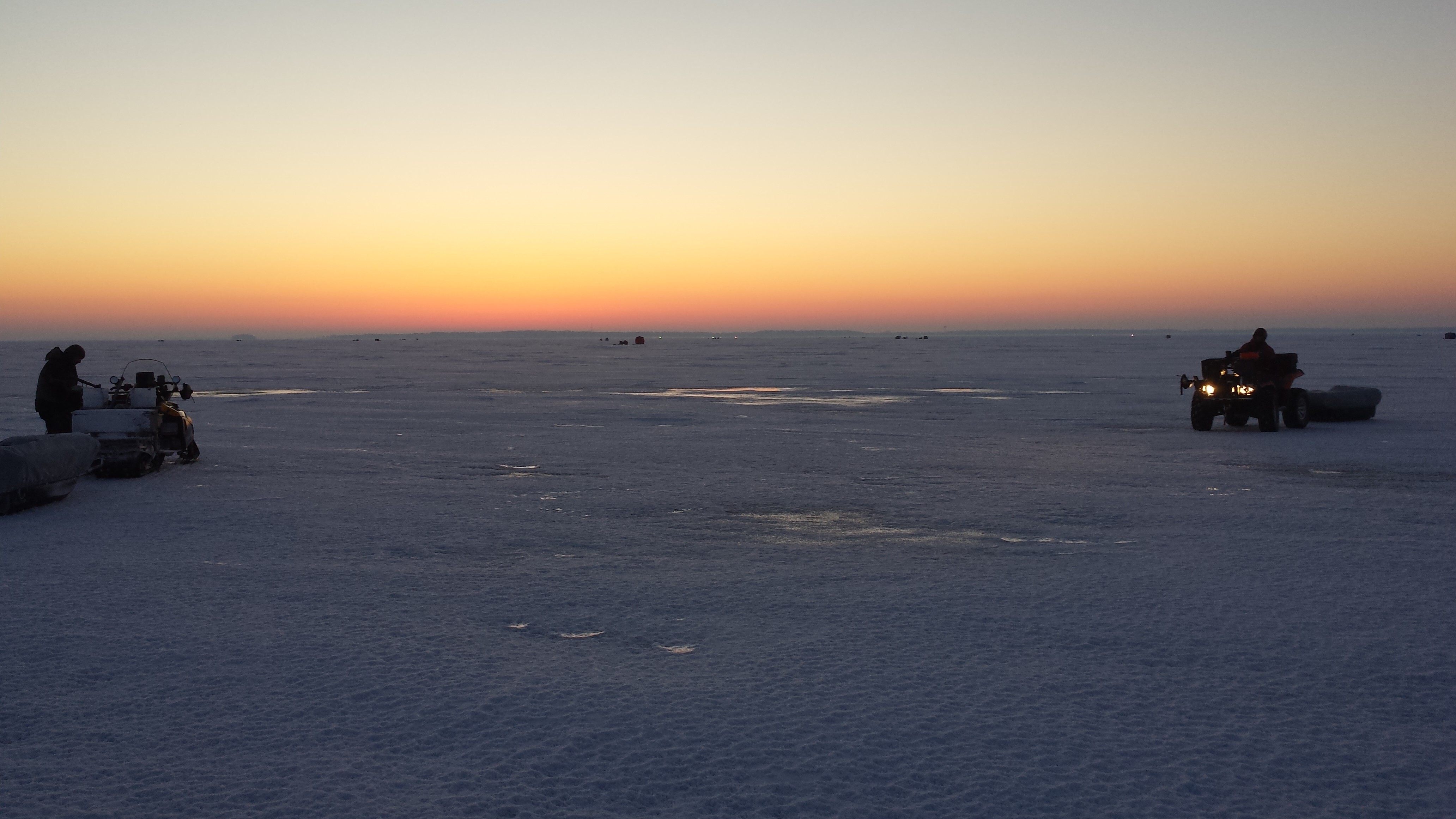
Ask serious hardwater anglers where they’d go for jumbo perch and big walleyes, and you’ll hear the same answer again and again: ice fishing North Dakota. Trucks and wheelhouses lined up on Devils Lake, tiny shacks scattered across prairie potholes, and walleye guys bouncing around Lake Sakakawea—North Dakota’s winter scene is built for anglers who don’t mind a little cold in exchange for big fish.
Ask serious hardwater anglers where they’d go for jumbo perch and big walleyes, and you’ll hear the same answer again and again: ice fishing North Dakota. Trucks and wheelhouses lined up on Devils Lake, tiny shacks scattered across prairie potholes, and walleye guys bouncing around Lake Sakakawea—North Dakota’s winter scene is built for anglers who don’t mind a little cold in exchange for big fish.
But if you’re planning a trip, a few questions pop up quickly. Which North Dakota ice fishing lakes are truly worth the drive? How do you pick between Devils Lake, Lake Sakakawea, or a smaller prairie lake? What species should you focus on, and how do North Dakota’s regulations and extreme winter weather affect how you fish?
This guide breaks those questions down from the perspective of someone who’s spent more than a few windy days on the prairie ice. We’ll walk through the basics of ice fishing in North Dakota, highlight the best regions and lakes, show you how to target walleye, jumbo perch, pike, and panfish, cover essential gear and safety, and finish with FAQs.
Related: Top Ice Fishing Tips: Essential Techniques, Gear, and Safety
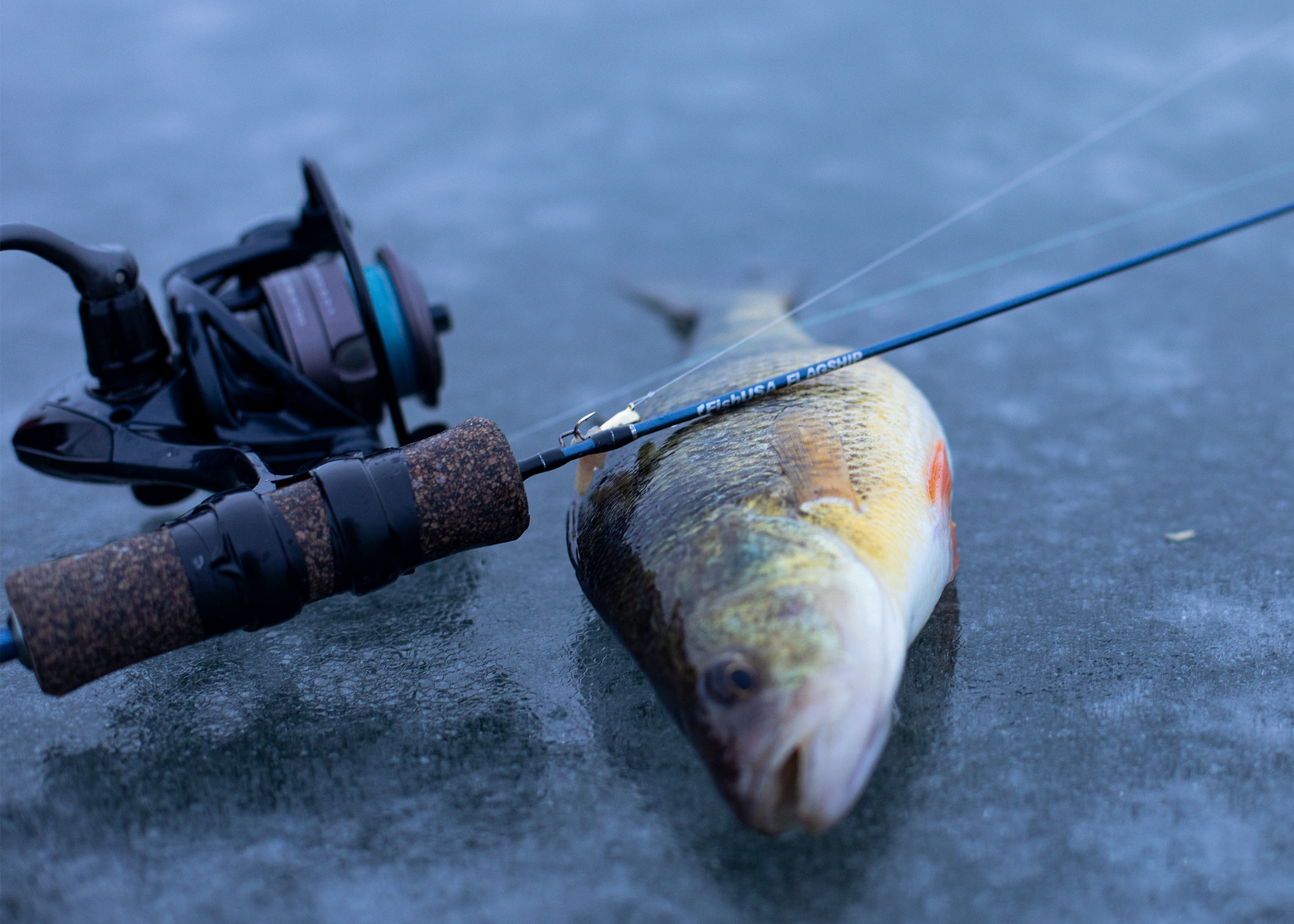
Table of Contents
- North Dakota Ice Fishing Basics: Season, Conditions, and Regulations
- Best Regions and Lakes for Ice Fishing in North Dakota
- Top Species for Ice Fishing in North Dakota and How to Catch Them
- Essential Ice Fishing Gear for North Dakota Waters
- Access, Lodging, and Local Resources for Ice Fishing in North Dakota
- Ice Safety and Weather Considerations Specific to North Dakota
- Responsible Harvest and Conservation in North Dakota
- FAQs – Ice Fishing North Dakota
- Conclusion – Plan Your Next Ice Fishing Trip to North Dakota
North Dakota Ice Fishing Basics: Season, Conditions, and Regulations
When Is Ice Fishing Season in North Dakota?
North Dakota’s winters are no joke—and neither is the ice season. Cold temperatures and steady winds typically lock up shallow lakes early, with larger reservoirs and deeper basins following. While exact dates change year to year, a typical pattern looks like this:
- Early ice (late November–December): Smaller, shallower prairie lakes and protected bays freeze first. Fish are often shallow and active, but ice is still building, so safety demands extra care.
- Mid-season (January–February): The heart of ice fishing North Dakota. Lakes across the state are usually accessible, and travel on the ice is more predictable. This is prime time for walleye and jumbo perch on Devils Lake and other major fisheries.
- Late ice (March, conditions permitting): As days lengthen and snow melts off the ice, panfish and perch bites can get hot. At the same time, shorelines and pressure ridges can weaken, so you need to watch conditions closely.
No matter when you go, don’t trust the calendar alone. Always check local ice reports, talk to nearby bait shops and guides, and bring a spud bar to test thickness as you move.
North Dakota Ice Fishing Regulations and Licenses
Before you start drilling holes, make sure you’re legal and informed. Most anglers will need a valid North Dakota fishing license, whether you’re a resident or non-resident. Licenses are available in seasonal and short-term options, and youth anglers may have specific rules.
North Dakota’s fishing regulations cover:
- Season dates for certain species and areas.
- Daily and possession limits by species.
- Special regulations on certain lakes or river systems.
Ice Thickness and Safety Guidelines for North Dakota Lakes
Prairie lakes can build ice fast—but wind, snow, and current can still create dangerous spots. As a rule, think in terms of safety habits, not magic numbers. Important concepts include:
- Check as you go: Use a spud bar to punch the ice in front of you, especially early in the season, near structure, or when crossing old cracks and heaves.
- Know your waterbody: Reservoirs, river-connected lakes, and spots near inlets/outlets can have thinner and more variable ice due to current.
- Watch for snow and slush: Heavy snow can insulate ice, slow down growth, and create slush pockets that make travel a mess.
- Always carry safety gear: Ice picks, a float suit or PFD, cleats, and a throw rope should be standard equipment.
Best Regions and Lakes for Ice Fishing in North Dakota
Devils Lake: Jumbo Perch and Walleye Factory
When people talk about ice fishing North Dakota, they’re usually talking about Devils Lake. This sprawling, ever-changing lake is famous for:
- Jumbo perch: Thick-shouldered fish that make the long drive worth it.
- Solid walleye action: Both eater-size fish and larger trophies roam flooded timber, points, and structure edges.
- Northern pike and white bass: Bonus fish that add excitement to any trip.
Devils Lake is known for fluctuating water levels and massive amounts of submerged cover: flooded roads, trees, and rock piles.
Lake Sakakawea: Big Reservoir, Big-Water Opportunities
Lake Sakakawea is a massive Missouri River reservoir that offers a different style of North Dakota ice fishing. It’s characterized by:
- Structure-rich fishing: Points, flooded river channels, breaks, and submerged flats.
- Walleye and pike opportunities: Depending on the area and current year-class strength.
- Constantly changing conditions: Water levels, current, and wind can all impact ice quality and access.
Because Sakakawea is essentially a river system in a long basin, ice thickness can vary significantly. This is a lake where local intel and caution are non-negotiable.
Smaller Prairie Lakes: Hidden Gems for Perch and Panfish
Beyond the headliners, North Dakota’s real strength might be its smaller prairie lakes—shallow, fertile waters scattered across the landscape. These lakes can offer:
- Outstanding perch fishing: Especially when a lake is in a “boom” cycle.
- Bluegill and crappie action: Where these species are present.
- Good pike populations: Especially in weedier or marsh-connected systems.
The flip side is that some of these lakes are highly cyclical—huge numbers of fish for a few years, then a slump. This is where local bait shops, online reports, and word of mouth are invaluable.
Missouri River Backwaters and Reservoir Arms
Back bays, slack-water areas, and connected ponds along the Missouri River system can provide excellent ice fishing for multi-species catches. You might find:
- Walleye staging along breaks and channel edges.
- Pike lurking in weedier or shallower bays.
- Panfish roaming protected pockets and backwaters.
However, current, fluctuating levels, and underwater springs can make ice on these waters more variable. If you’re new to a river-connected area, fishing with a local or a guide is smart.
Community and Urban Lakes: Quick-Hit Options
Not every trip has to be a multi-day trek. Community and urban lakes near population centers often provide:
- Fast panfish and pike action for a few hours after work or on a Saturday morning.
- Easy access and short drives, perfect for families and new anglers.
- Simple logistics: Park, walk, and fish without long hauls or complex planning.
Top Species for Ice Fishing in North Dakota and How to Catch Them
Walleye: Signature Predator of the Prairie
Walleye are the backbone of many North Dakota ice fisheries. Devils Lake and Lake Sakakawea get most of the attention, but plenty of other lakes and reservoirs hold quality fish too. Core walleye tactics include:
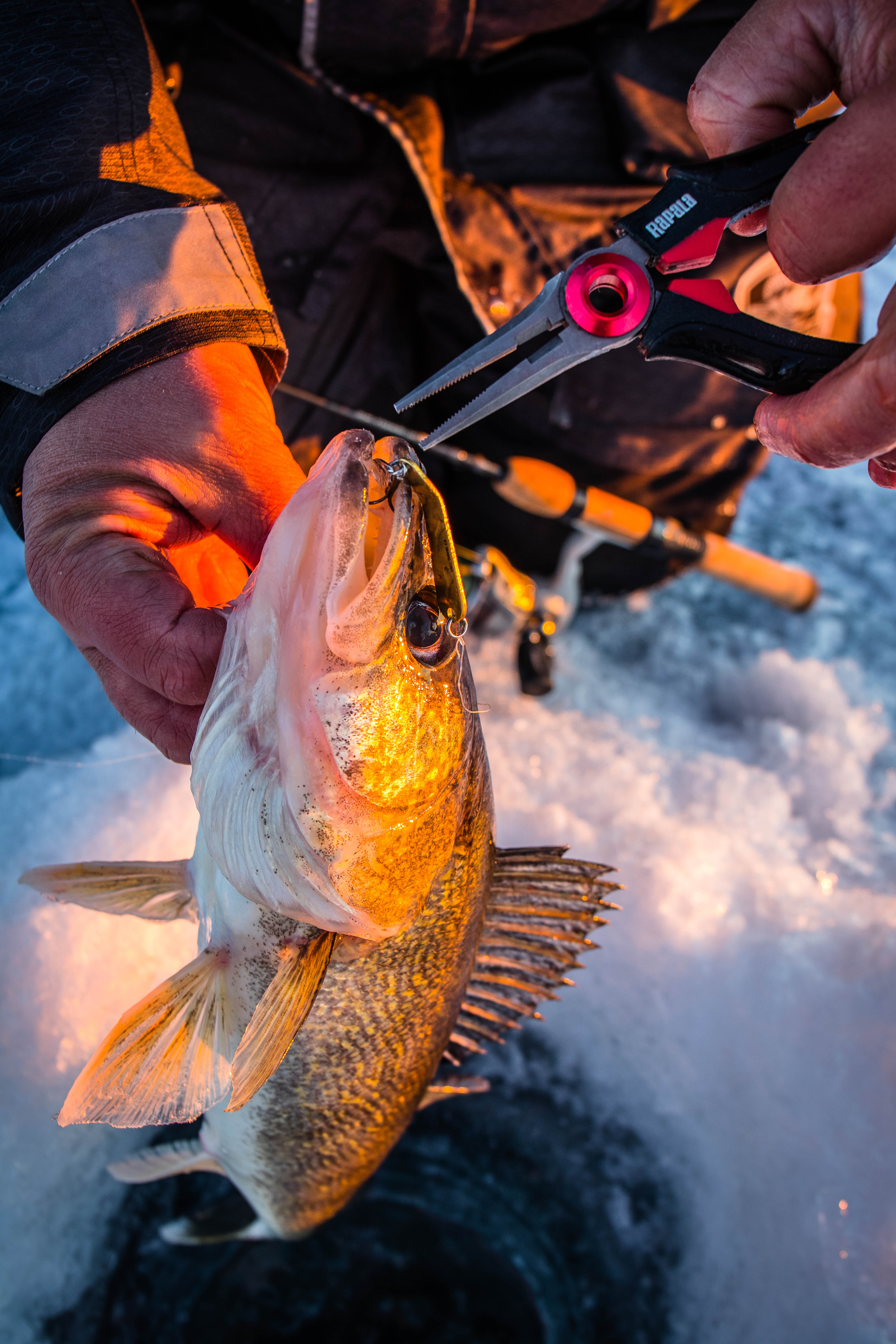
- Jigging spoons: 1/8–3/8 oz spoons tipped with minnow heads or whole minnows. Lift-drop-pause cadences often trigger bites, but vary your rhythm until you see results.
- Rattle baits and glide baits: Perfect for calling in active fish during low-light windows and when walleyes are roaming.
- Deadsticks and set-lines: A second rod rigged with a plain hook or small jig and live minnow for more neutral fish.
Target breaks, flooded roads, rock edges, and travel corridors between shallow feeding areas and deeper basins.
Related: Ice Fishing for Walleye: Expert Techniques, Gear, and Strategies
Jumbo Perch: North Dakota’s Hardwater Headliner
If you hear stories of 13–15 inch perch and bulging buckets, you’re hearing about North Dakota perch fishing, especially on Devils Lake and certain prairie lakes. To consistently find and catch jumbo perch:
- Use light gear: 24–30" light rods, 2–4 lb line (mono or fluoro), and sensitive tips to spot subtle bites.
- Lean on tungsten: 3–5 mm tungsten jigs get down quickly in deeper basins and stay in the strike zone in wind or current.
- Mix spoons and jigs: Small spoons tipped with minnow heads call fish in; tungsten jigs and plastics or waxies seal the deal when they get picky.
- Cover water: Drill lots of holes, watch electronics, and move until you find active schools.
Related: Ice Fishing for Perch: Tips, Gear, and Techniques
Northern Pike: Big Bites in Big Country
Northern pike are found across North Dakota’s lakes and reservoirs. They’re ideal when you want big bites, flags flying, and a chance at a toothy trophy. To target pike under the ice:
- Set tip-ups along weed edges, drop-offs, and channel bends.
- Use large live or dead bait (where legal) on heavy fluorocarbon or wire leaders to resist teeth.
- Spread your tip-ups to cover a range of depths and transitions instead of clustering them in one area.
Related: Ice Fishing for Pike: Techniques, Gear, and Expert Tips
Panfish, White Bass, and Other Species
Depending on the lake, you may also encounter:
- Bluegill and crappie: Especially on smaller lakes and community waters. Tiny tungsten jigs, micro plastics, and waxworms are standard.
- White bass: On Devils Lake and similar systems; they often roam mid-depth basins and can be aggressive on spoons and small rattle baits.
- Burbot or other oddballs: In some systems, mostly as a bonus bycatch.
Related:
Essential Ice Fishing Gear for North Dakota Waters
Rods, Reels, and Line for North Dakota Conditions
Because you might fish a 6-foot prairie dish one day and a 30-foot Devils Lake basin the next, it pays to build a small but versatile rod lineup. A smart setup includes:
- Panfish/perch rods: 24–30" ultralight or light rods with 2–4 lb mono or fluorocarbon for sensitivity and soft hooksets.
- Walleye rods: 28–36" medium-light or medium rods with 6–8 lb mono or braid plus fluoro leader; enough backbone for jigging spoons without tearing hooks out at the hole.
- Pike rods: Medium-heavy rods for jigging or dead-bait setups, paired with 10–20 lb line and leaders when needed.
Related:
- The Best Ice Fishing Rods: Reliable Gear for Every Ice Angler
- The Best Ice Fishing Reels: Top-Rated Options for Every Angler
- Top Ice Fishing Lines: Best Picks for Strength, Sensitivity, and Freeze Resistance
Lures and Baits That Shine in North Dakota
A North Dakota-ready tackle box should cover everything from spooky perch to aggressive walleyes. Core categories include:
- Tungsten jigs: 3–5 mm sizes in natural and glow colors for perch and panfish.
- Spoons: 1/16–3/8 oz in metallic, glow, and UV finishes for perch and walleye.
- Rattle baits and glide baits: Great for calling in roaming walleyes on Devils or Sakakawea.
- Live bait: Minnows, waxworms, and spikes where legal and appropriate.
Related: Top Ice Fishing Lures: Must-Have Choices for Every Species
Shelters, Heaters, and Clothing for Prairie Winters
North Dakota’s open landscapes mean wind. Even on relatively mild days, the windchill can be brutal. For comfort and safety, consider:
- Shelters: Hub shelters provide space for groups; flip-overs are ideal for mobile anglers hole-hopping across basins. In some areas, wheelhouses or permanent shacks are also popular.
- Heaters: Use only heaters rated for indoor use in shelters, ensure adequate ventilation, and consider a CO detector for added safety.
- Clothing: Layer from the inside out: moisture-wicking base layers, insulating mid-layers, and windproof, waterproof outerwear. A float suit adds safety if the worst happens.
Electronics and Mapping on the Ice
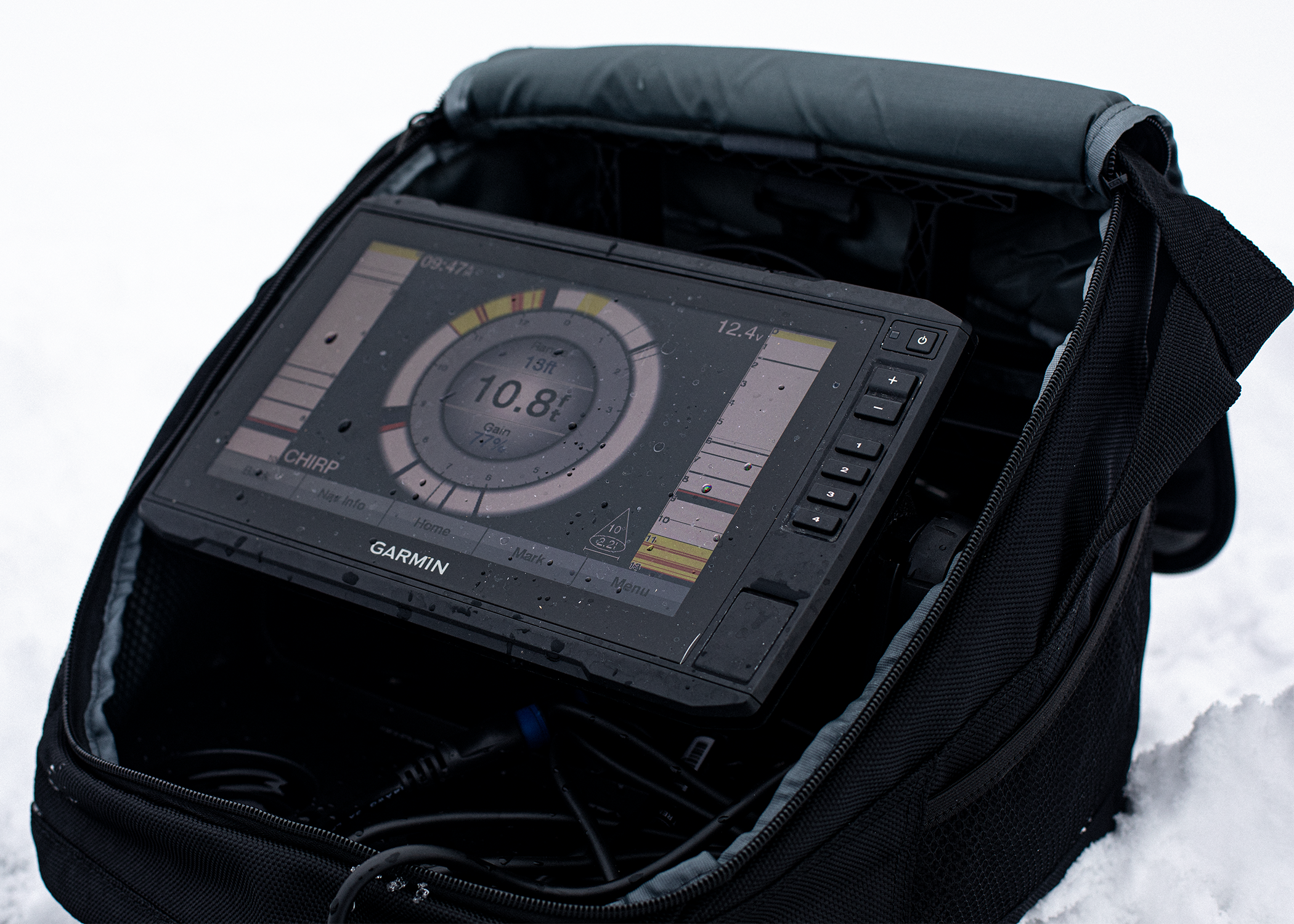
While a coffee can and a stick will technically catch fish, electronics and mapping have become standard tools on North Dakota’s bigger waters:
- Flashers/sonar: Crucial for tracking how perch and walleyes react to your lures and for staying on roaming schools.
- GPS and mapping: Helpful for finding flooded roads, humps, and old shorelines on Devils Lake, as well as channel edges and points on Sakakawea.
- Mobile apps: Some anglers supplement dedicated electronics with mapping and weather apps to plan routes and monitor wind and temps.
Access, Lodging, and Local Resources for Ice Fishing in North Dakota
Public Access Points, Parking, and Ice Travel
North Dakota’s lakes are often accessed via public boat ramps, township roads, and designated access points. Before heading out, it’s smart to:
- Identify public access locations and confirm winter parking options.
- Understand common travel methods on that lake—walking, ATV/snowmobile, or trucks—based on current conditions.
- Respect private property and posted signs, and avoid blocking ramps or access during busy periods.
Guides, Outfitters, and Ice House Rentals
If it’s your first time ice fishing North Dakota, especially on Devils Lake or Lake Sakakawea, hiring a guide or booking an ice house can flatten the learning curve. Benefits include:
- Safe, known travel routes and pre-scouted locations.
- Pre-drilled holes, heated shelters, and sometimes provided gear.
- Up-to-the-minute knowledge of depths, baits, and fish locations.
Bait Shops, Local Intel, and Fishing Reports
In North Dakota, bait shops are information hubs. They see what’s being caught, where, and on what.
- Call ahead for ice thickness, access conditions, and general bite info.
- Ask about depths, baits, and patterns for current perch and walleye bites.
- Use online fishing reports and forums as a starting point, but always verify with on-ice checks.
Ice Safety and Weather Considerations Specific to North Dakota
Prairie Winds, Drifting Snow, and Whiteouts
The same open horizons that make North Dakota beautiful can also make it dangerous. Strong prairie winds can create:
- Whiteout conditions: Sudden loss of visibility on big basins or open fields.
- Drifting and deep snow: Blocking access roads and making travel difficult.
- Rapid chilling: Windchills far below air temp, turning a small mistake into a serious emergency.
Check wind speed and direction before every trip and consider using GPS tracks to navigate back to shore when visibility drops.
Reservoir and River-Connected Ice
Reservoirs like Sakakawea and river-connected systems require extra caution. Current and fluctuating levels can create:
- Thin spots and “honeycomb” ice in seemingly random areas.
- Weak ice near narrows, inlets, outlets, and underwater points.
- Areas that may never reach safe thickness despite cold temps.
On these waters, lean hard on local knowledge, avoid obvious current areas, and treat unfamiliar ice with suspicion rather than bravado.
Safety Gear Checklist for North Dakota Ice Anglers
To wrap up safety, here’s a simple checklist for your North Dakota ice kit:
- Float suit or PFD.
- Ice picks worn around your neck.
- Spud bar for checking ice as you go.
- Cleats or traction for boots.
- Throw rope, first aid kit, and emergency blanket.
- Charged phone, GPS/mapping device, and headlamp.
Related: Comprehensive Guide to Ice Fishing Safety Gear and Tips
Responsible Harvest and Conservation in North Dakota
Understanding Size and Bag Limits
North Dakota’s perch and walleye fisheries are special, and staying that way depends on anglers respecting North Dakota fishing limits. That means:
- Checking current daily and possession limits for each species you target.
- Paying attention to any lake-specific rules or special regulations.
- Keeping a copy of the regulations handy, either on your phone or printed in your gear.
Selective Harvest and Catch-and-Release
Selective harvest helps maintain quality fishing, especially for slow-growing jumbo perch and older walleye. Good practices include:
- Keeping eater-size fish and releasing large breeders.
- Handling release fish quickly and gently, with minimal exposure to frigid air.
- Being realistic about how many fish you need to bring home—more isn’t always better.
Ethics and Etiquette on the Ice
Good etiquette keeps access open and the experience enjoyable for everyone. On North Dakota ice, that means:
- Giving other anglers space and avoiding drilling directly next to someone without asking.
- Driving slowly on the ice and avoiding spinning or cutting ruts near other shacks.
- Picking up all trash, including bait containers and line, and leaving spots cleaner than you found them.
Respect for landowners, guides, and fellow anglers goes a long way in tight-knit prairie communities.
FAQs – Ice Fishing North Dakota
When is the best time to go ice fishing in North Dakota?
For most anglers, the most reliable time for ice fishing North Dakota is midwinter—typically January through February—when ice is usually established on major lakes and reservoirs. Early and late ice can produce fantastic bites, especially for walleyes and perch, but conditions can be more variable and require extra caution.
What are the best lakes for ice fishing in North Dakota?
Devils Lake is the headline destination for jumbo perch, walleye, and pike. Lake Sakakawea offers big-water walleye and pike opportunities. Smaller prairie lakes can provide excellent perch and panfish fishing, and various reservoirs and backwaters along the Missouri River system offer multi-species action.
Do I need a fishing license to ice fish in North Dakota?
Yes. Most anglers need a valid North Dakota fishing license, whether they are residents or visitors, and whether they are fishing open water or through the ice. Check the North Dakota Game and Fish Department for current license types, pricing, and age requirements.
How thick should the ice be to safely ice fish in North Dakota?
There is no single thickness that guarantees safety, but many anglers wait for several inches of clear, solid ice before walking and significantly more for ATVs, snowmobiles, and vehicles. Because conditions vary by lake, depth, and weather, always test ice thickness with a spud bar and auger and follow local guidance.
Where can I catch jumbo perch in North Dakota?
Devils Lake is famous for jumbo perch ice fishing, but certain prairie lakes also produce big fish when conditions are right. Perch populations can be cyclical, so check current fishing reports and talk with local bait shops and guides for the most up-to-date information.
Is Devils Lake good for ice fishing?
Absolutely. Devils Lake is one of the premier North Dakota ice fishing destinations, known for jumbo perch, strong walleye fishing, pike, and white bass. Its flooded timber, submerged roads, and variable structure reward anglers who use mapping, electronics, and a willingness to move.
Is it safe to ice fish on Lake Sakakawea?
Many anglers safely fish Sakakawea each winter, but as a large Missouri River reservoir, it comes with additional risks. Current, fluctuating water levels, and wind can create variable ice conditions. Always follow local advice, avoid obvious current areas, and use extra caution when exploring new sections of the reservoir.
What gear do I need for ice fishing North Dakota’s big lakes vs small lakes?
On smaller prairie lakes, you can often get by with a portable shelter, hand auger, basic electronics, and light rod setups. On larger waters like Devils Lake or Sakakawea, a power auger, more robust shelter, GPS mapping, and a wider range of rods and lures are extremely helpful. Always factor in wind exposure and travel distance when planning your gear.
Can I hire a guide or rent an ice house in North Dakota?
Yes. North Dakota has a variety of ice fishing guides and outfitters, especially around Devils Lake and Lake Sakakawea. Many offer guided day trips, wheelhouse or shack rentals, and even full-service packages that include lodging, transportation, and gear. Hiring a guide is a great way to learn a lake safely and quickly.
Conclusion – Plan Your Next Ice Fishing Trip to North Dakota
From flooded timber walleye haunts on Devils Lake to windswept basins on Sakakawea and hidden prairie potholes loaded with perch, ice fishing North Dakota is big-water adventure meets classic hardwater tradition. This is a state where you can chase trophy fish with few crowds and a lot of sky.
To make the most of it, focus on four pillars: preparation, safety, local knowledge, and responsible harvest. Study the lakes you plan to fish, gear up for serious cold, lean on guides and bait shops for up-to-date intel, and treat both the resource and fellow anglers with respect.
Use this guide as your launch pad: choose a region—Devils Lake, Lake Sakakawea, or a cluster of prairie lakes—check current regulations and ice reports, and build a species-specific gear list. Then dig deeper with related resources like Best Ice Fishing Lures, Ice Fishing Safety Basics, and Beginner’s Guide to Ice Fishing.
If this article helped you plan your next trip, share it with your fishing partners and bookmark it for future winters.
Shop Ice Fishing Gear