

Ice Fishing Michigan: Best Lakes, Species, and Tips for a Successful Season
By: FishUSA Staff
December 30, 2025
When winter locks Michigan in ice, the state doesn’t shut down—it just changes gears. Shanty towns pop up on big bays, the sound of augers replaces outboards, and anglers chase everything from jumbo perch to trophy walleyes and lake trout. For many die-hard anglers, ice fishing in Michigan is the highlight of the year.
When winter locks Michigan in ice, the state doesn’t shut down—it just changes gears. Shanty towns pop up on big bays, the sound of augers replaces outboards, and anglers chase everything from jumbo perch to trophy walleyes and lake trout. For many die-hard anglers, ice fishing in Michigan is the highlight of the year.
But with two peninsulas, thousands of inland lakes, and giant waters like Saginaw Bay and Lake St. Clair in the mix, planning a trip can feel overwhelming. Where should you go? What species should you target? What gear and safety precautions do you really need for Michigan’s winter conditions?
This complete guide to ice fishing in Michigan breaks down the best regions and lakes, key species and tactics, essential gear, safety and regulation basics, and practical planning tips.
Related: Top Ice Fishing Tips: Essential Techniques, Gear, and Safety
Table of Contents
- Michigan Ice Fishing Basics: Season, Conditions, and Regulations
- Best Regions and Lakes for Ice Fishing in Michigan
- Target Species for Ice Fishing in Michigan and How to Catch Them
- Essential Ice Fishing Gear for Michigan Waters
- Access, Lodging, and Local Resources
- Ice Safety and Weather Considerations Specific to Michigan
- Responsible Harvest and Conservation
- FAQs – Ice Fishing Michigan
- Conclusion – Plan Your Next Ice Fishing Trip to Michigan
Michigan Ice Fishing Basics: Season, Conditions, and Regulations
When Is Ice Fishing Season in Michigan?
Michigan’s ice fishing season is long enough to keep you busy, but short enough that timing matters. In many years, safe ice forms first in the Upper Peninsula and northern inland lakes, followed later by larger and more southerly waters. Typically:
- Early season: Smaller inland lakes and sheltered bays often freeze first.
- Mid-season: January and February usually offer the most consistent ice statewide.
- Late ice: Some of the best bites of the year occur as days lengthen and snow melts off the ice—but safety becomes more complex.
Year-to-year conditions vary widely. Before every trip, check local ice reports, talk to bait shops, and bring a spud bar to test ice as you go. Never assume a lake is safe just because it “usually” is by a certain date.
Michigan Ice Fishing Regulations and Licenses
All anglers above a certain age (often 17 and older) are required to have a valid Michigan fishing license, whether they are fishing open water or through the ice. Resident and non-resident licenses are available in daily and seasonal formats, making it easy to plan weekend getaways or long-term winter campaigns.
Bag limits, size limits, and special regulations differ by species and waterbody. Some lakes have unique slot limits for walleye, special rules for trout, or seasonal closures around spawning periods. Because regulations can change, the best practice is to review the current fishing regulations guide before you fish.
Ice Thickness and Safety Guidelines for Michigan Anglers
Michigan’s diverse waters mean ice conditions can vary dramatically even on the same lake. As a general rule of thumb, many anglers consider:
- Clear, solid ice as the most reliable type.
- Extra caution around river mouths, inlets, outlets, and areas with current or springs.
- Increased safety margins on big water like Great Lakes bays, where wind and currents can shift ice sheets.
Remember: there is no universal “safe thickness” for every situation. Use a spud bar, drill test holes, wear ice picks and a float suit or PFD, and never fish alone on questionable ice.
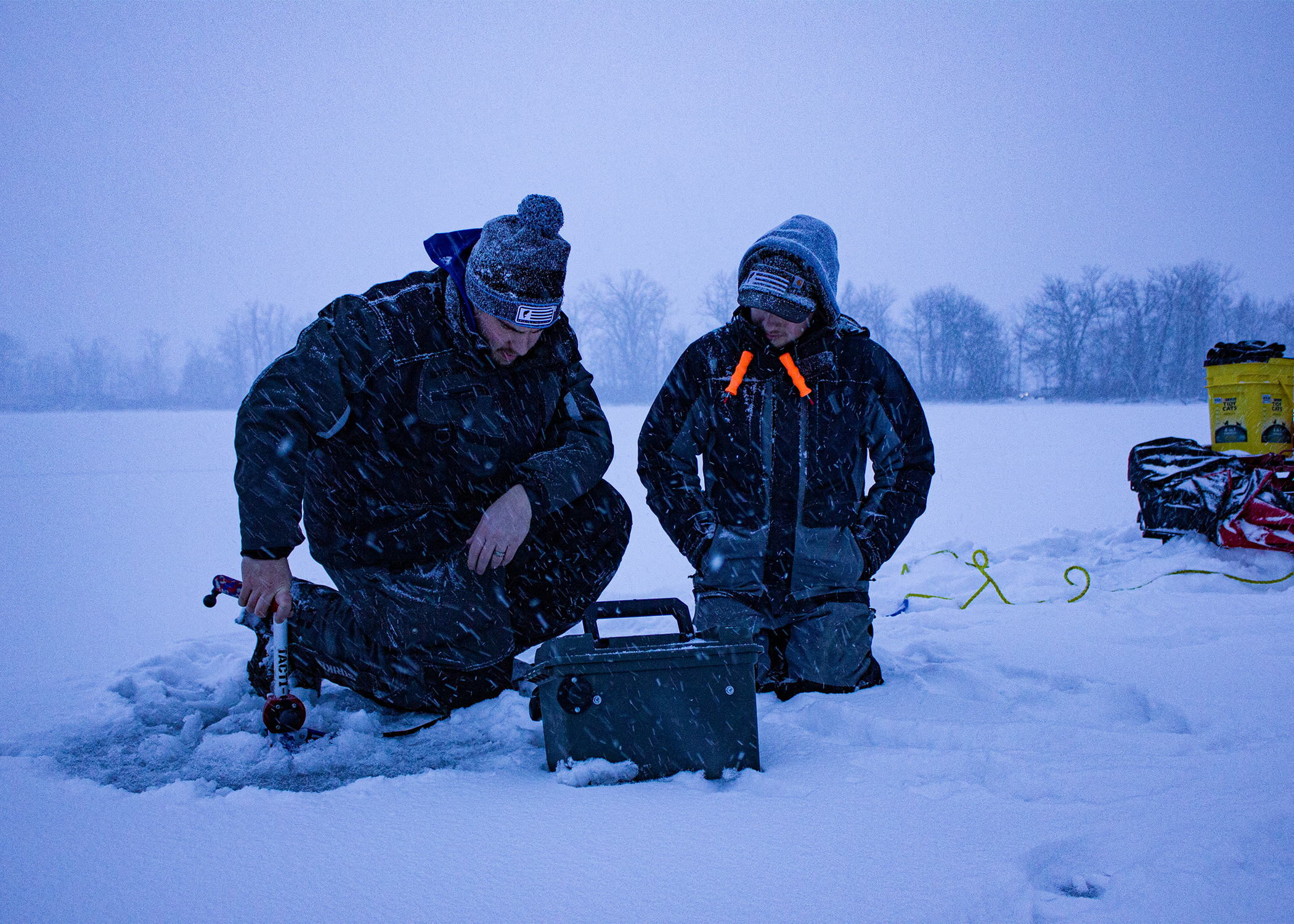
Best Regions and Lakes for Ice Fishing in Michigan
Upper Peninsula: Wilderness and Trophy Potential
The Upper Peninsula (U.P.) is Michigan’s wild side. Forested shorelines, long snowmobile rides, and relatively low fishing pressure make it a dream for anglers willing to work for their fish. Many U.P. lakes hold:
- Walleye that prowl drop-offs and mid-lake humps.
- Lake trout and splake in deeper, colder waters.
- Perch, bluegill, and crappie in bays and weedy shorelines.
Northern Lower Peninsula: Inland Lakes and Multi-Species Action
The northern Lower Peninsula is inland-lake heaven. Here, countless lakes offer consistent winter opportunities for:
- Yellow perch, often mixed with bluegill and crappie.
- Walleye cruising breaks and humps.
- Northern pike stalking weedbeds and flats.
These lakes are perfect for anglers who want a mix of comfort and challenge—shorter walks than the U.P. wilderness, more amenities nearby, but still plenty of room to explore. This region is ideal for families and weekend warriors who want dependable action with realistic travel time.
Saginaw Bay: Walleye and Perch Powerhouse
No conversation about ice fishing Michigan is complete without Saginaw Bay. When ice conditions are solid, the bay offers:
- High numbers of eater-size walleye, with bonus trophies.
- Jumbo perch opportunities in the right areas and years.
- Northern pike and other species as welcome surprises.
Because Saginaw Bay is large, relatively shallow, and influenced by weather and currents, ice conditions can change quickly. Following well-traveled paths, checking in with local bait shops, and paying close attention to ice reports are essential.
Lake St. Clair: Perch and Panfish Playground
Lake St. Clair is famous for warm-weather fishing, but it shines in winter, too. When the lake locks up, anglers target:
- Jumbo perch roaming sand flats and subtle structure.
- Bluegill, pumpkinseed, and crappie in specific areas.
- Pike patrolling weed lines and drop-offs.
The lake’s relatively shallow, bowl-shaped structure means fish often roam, so drilling multiple holes, moving, and using electronics can pay big dividends.
Inland Lakes Across the State: Hidden Gems Close to Home
Beyond the famous destinations, Michigan’s real strength lies in its thousands of inland lakes. Nearly every region has a mix of pansize bluegill and perch lakes, pike-filled weedbeds, and the occasional sleeper walleye or crappie lake.
For these waters:
- Study online lake maps and depth charts.
- Visit local bait shops for up-to-the-minute advice.
- Join regional fishing clubs or online communities to get a feel for seasonal patterns.

Target Species for Ice Fishing in Michigan and How to Catch Them
Walleye Ice Fishing in Michigan
For many anglers, walleye are the star of the show. Whether you’re fishing a U.P. inland lake or a sprawling bay, some core principles apply:
- Prime times: Low-light periods—dawn, dusk, and after dark—often produce the best bites.
- Locations: Edges of flats, points, humps, and adjacent basins where walleyes travel and feed.
- Presentations: Jigging spoons, rattle baits, and glide baits paired with a deadstick or a second line rigged with a live minnow where legal.
Vary your cadence until you find what fish want: sometimes aggressive rips and long pauses, other times subtle lifts and tiny hops.
Related: Ice Fishing for Walleye: Expert Techniques, Gear, and Strategies
Perch and Panfish: High-Action Hardwater Fishing
Panfish—perch, bluegill, and crappie—are the backbone of ice fishing in Michigan for many anglers. They offer frequent bites, great table fare, and are widely available. Key tips:
- Gear: Light rods, small tungsten or lead jigs, and 2–4 lb line.
- Baits: Waxworms, spikes, soft plastics, and small minnows (especially for crappie and perch).
- Locations: Weed edges, mid-depth flats, and soft-bottom basins where zooplankton and invertebrates are concentrated.
Related:
- Ice Fishing for Perch: Tips, Gear, and Techniques
- Ice Fishing for Bluegill and Sunfish: Techniques, Gear, and Tips
- Ice Fishing for Crappie: Tips, Techniques, and Gear
Northern Pike: Flags, Tip-Ups, and Big Baits
Northern pike add an element of chaos to a quiet day on the ice. In Michigan, they’re commonly targeted with:
- Tip-ups: Set along weedlines, points, and shallow flats.
- Baits: Live or dead baitfish rigged on wire or heavy fluorocarbon leaders.
- Gear: Strong line and sturdy rods for fighting bigger fish in close quarters.
Related: Ice Fishing for Pike: Techniques, Gear, and Expert Tips
Lake Trout, Whitefish, and Other Deep-Water Species
On deeper lakes and Great Lakes waters, lake trout and whitefish become marquee targets. These fish demand:
- Precise electronics: Sonar or flasher units to track depth, structure, and fish movement.
- Heavier gear: Medium to medium-heavy rods, stronger line, and larger spoons, tubes, or blade baits.
- Vertical mobility: Working different depths throughout the water column to intercept roaming fish.
Related: Ice Fishing for Lake Trout: Techniques, Gear, and Tips
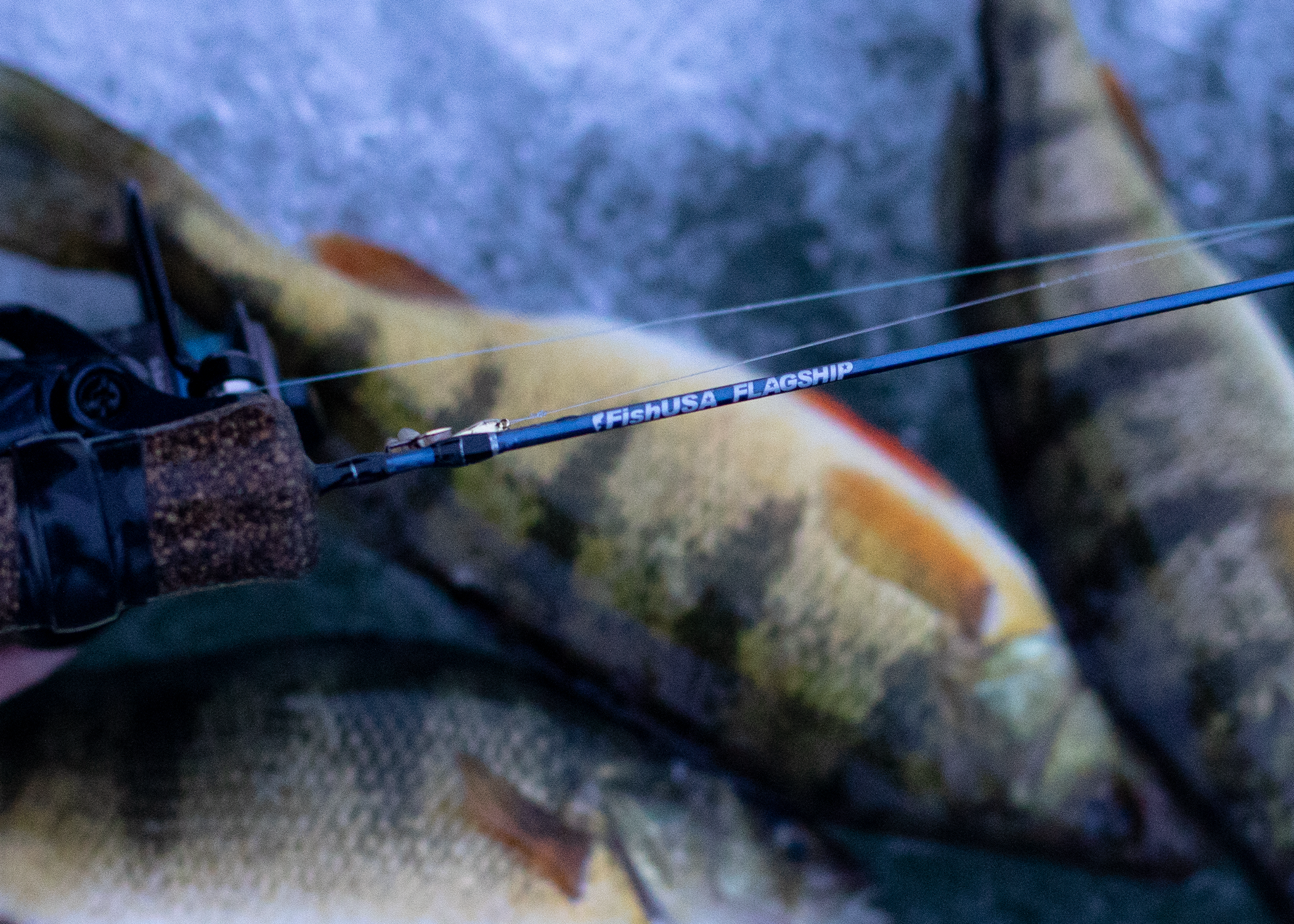
Essential Ice Fishing Gear for Michigan Waters
Rods, Reels, and Line for Michigan Conditions
Michigan’s variety of species and environments means you’ll want a small arsenal of rods:
- Ultralight/light rods with 2–4 lb mono or fluoro for panfish.
- Medium-light/medium rods with 6–8 lb line for walleye and inland lake trout.
- Heavier setups with strong leaders for pike and big-lake trout.
Braid-to-fluorocarbon leader setups are popular for deeper water and jigging, while straight mono can shine for spoons and treble-hook baits where a bit of stretch keeps fish pinned.
Buying guides and tips:
- The Best Ice Fishing Rods: Reliable Gear for Every Ice Angler
- The Best Ice Fishing Reels: Top-Rated Options for Every Angler
- Top Ice Fishing Lines: Best Picks for Strength, Sensitivity, and Freeze Resistance
Lures and Baits That Consistently Produce in Michigan
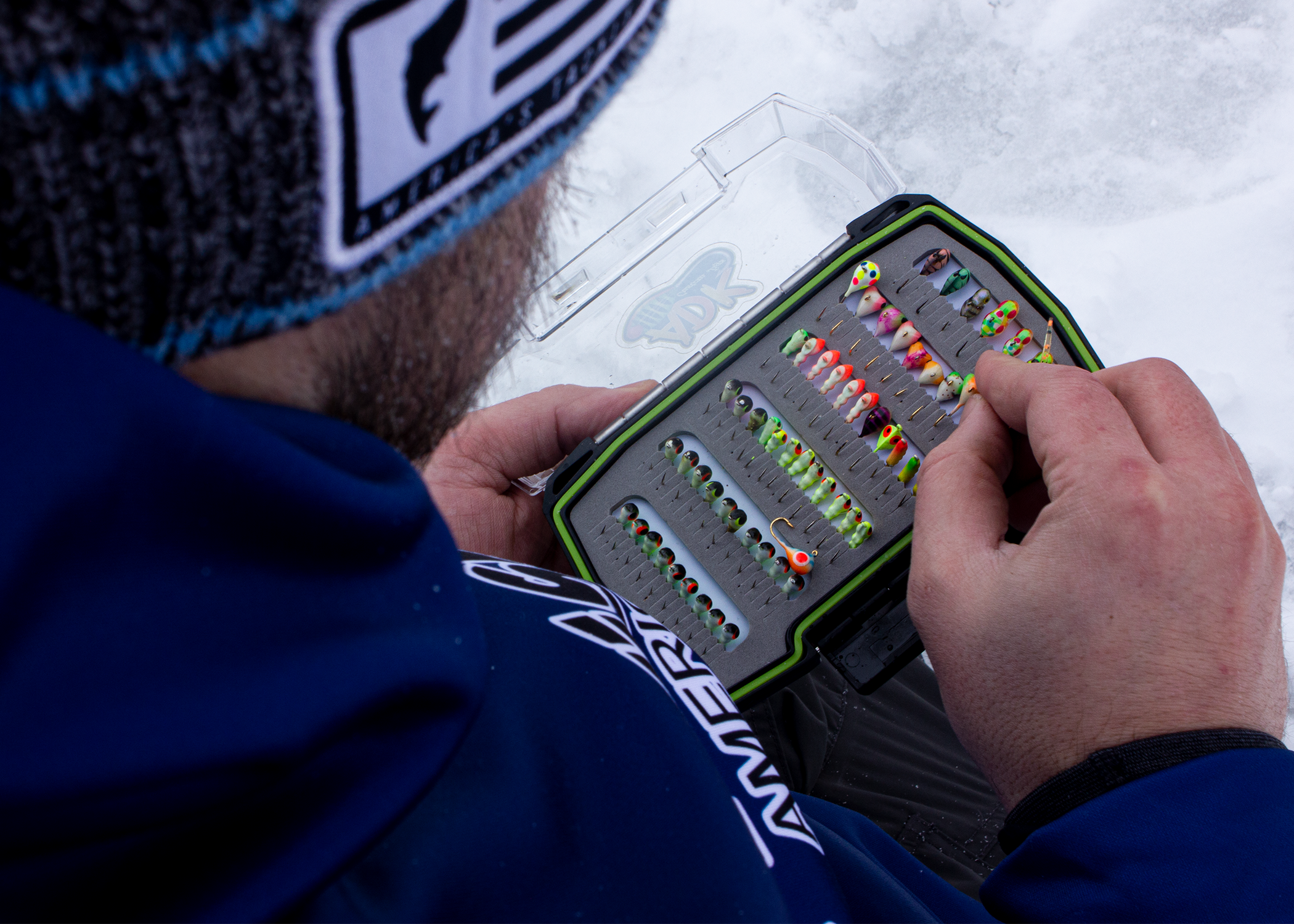
Building a Michigan-ready tackle box doesn’t have to be complicated. Focus on core categories:
- Tungsten jigs: For panfish and perch in deeper water.
- Spoons: In a range of sizes for perch, walleye, and lake trout.
- Rattle baits and glide baits: To call in aggressive walleyes and pike.
- Live bait: Minnows, waxworms, spikes, and other live offerings where legal.
Related: Top Ice Fishing Lures: Must-Have Choices for Every Species
Shelters, Heaters, and Clothing for Michigan Winters
Michigan winters can be harsh, especially on open Great Lakes bays. To stay safe and comfortable:
- Shelters: Flip-over shelters excel if you move a lot, while hub shelters provide more space for groups.
- Heaters: Only use heaters designed for enclosed spaces, ensure ventilation, and consider a CO detector.
- Clothing: Layered system with moisture-wicking base layers, insulating mid-layers, and waterproof outerwear; float suits add a margin of safety.
Electronics and Navigation on the Ice
While you can absolutely catch fish with a bucket and a jigging rod, electronics dramatically increase your efficiency—especially on big or deep water. Consider:
- Flashers/sonar: See your jig, watch fish reactions, and dial in depth quickly.
- GPS/mapping: Use lake maps to identify structure and mark productive spots for return trips.
- Mobile apps: Certain mapping and weather apps are invaluable for route planning and safety.
Access, Lodging, and Local Resources
Public Access Points, Parking, and Travel on the Ice
Michigan offers many public access points via boat launches, parks, and recreation areas. For each region you highlight, encourage anglers to:
- Look up public launches and parking areas ahead of time.
- Check if snowmobile or ATV use is allowed and under what conditions.
- Respect private property and posted signs.
Guides, Outfitters, and Shanty Rentals
If you’re new to ice fishing Michigan—or exploring a big destination for the first time—hiring a guide can be a shortcut to success. Benefits include:
- Dialed-in spots and up-to-date knowledge of fish locations.
- Pre-drilled holes, provided gear, and shelters ready to fish.
- Local safety experience with big water conditions and weather patterns.
Local Bait Shops and Fishing Reports
In Michigan, bait shops are more than just places to buy minnows—they’re information hubs.
- Call local shops for ice conditions and general bite updates.
- Ask about access points, parking, and pressure cracks on big water.
Ice Safety and Weather Considerations Specific to Michigan
Great Lakes-Specific Ice Hazards
Fishing large bays and Great Lakes shorelines is not the same as fishing a small inland lake. Big water introduces:
- Pressure cracks: Ice sheets that expand and contract, creating dangerous gaps.
- Shifting ice: Wind and current can move ice sheets, creating leads and open water overnight.
- Variable thickness: Areas near river mouths, channels, and shipping lanes are especially unpredictable.
Weather, Wind, and Whiteouts
Michigan’s winter weather can change fast. On open bays, high winds can create whiteout conditions and brutal windchills. Key tips:
- Watch extended forecasts for wind direction and speed, not just temperature.
- Use GPS tracks when venturing far from shore so you can navigate home in poor visibility.
- Carry extra layers, food, and emergency gear in case conditions worsen unexpectedly.
Related: Comprehensive Guide to Ice Fishing Safety Gear and Tips
Responsible Harvest and Conservation
Understanding Size and Bag Limits
Michigan’s bag and size limits are designed to protect fisheries while providing high-quality angling opportunities.
- Review current limits for every species they intend to target.
- Note any special regulations on individual lakes or river stretches.
- Keep a copy of the regulations handy (digital or paper) in their ice gear.
Selective Harvest and Catch-and-Release
A strong ice fishing Michigan culture includes respecting the resource. Promote selective harvest:
- Keep eater-size fish and release outsized trophies, especially on slower-growing species.
- Handle fish gently if releasing—wet hands, quick photos, and minimal exposure to frigid air.
FAQs – Ice Fishing Michigan
When is the best time to go ice fishing in Michigan?
In many years, the most consistent ice across Michigan falls in January and February, with early-season opportunities in colder north-country lakes and late-ice bites as spring approaches. Always base your timing on current ice conditions, not the calendar alone.
What are some of the best lakes for ice fishing in Michigan?
Popular areas include big-water destinations like Saginaw Bay and Lake St. Clair, plus countless inland lakes in the Upper and Lower Peninsulas that produce walleye, perch, pike, and panfish every winter. Local bait shops and DNR lake maps are great tools for identifying productive waters near you.
Do I need a fishing license to ice fish in Michigan?
Yes. Anglers above a certain age must have a valid Michigan fishing license to fish through the ice. Short-term and annual licenses are available for residents and non-residents. Always verify current licensing requirements with the Michigan DNR.
How thick does the ice need to be for safe ice fishing in Michigan?
There is no universally “safe” thickness, but many anglers look for several inches of clear, solid ice before venturing out on foot and more for machines. Conditions vary by lake and region, so test as you go and consult local reports. When in doubt, stay off.
What species can I catch while ice fishing in Michigan?
Michigan offers a wide range of winter species, including walleye, yellow perch, bluegill, crappie, northern pike, lake trout, whitefish, and more, depending on the lake or bay you’re fishing.
Is it safe to ice fish on the Great Lakes in Michigan?
Anglers safely fish big waters like Saginaw Bay and Lake St. Clair every year, but big-water ice carries extra risk. Follow local advice, check ice frequently, be cautious around cracks and pressure ridges, and consider going with experienced partners or guides.
What gear do I need for ice fishing Michigan’s inland lakes vs. Great Lakes bays?
Inland lakes often require lighter gear and shorter travel distances—simple sleds, hand augers, and small shelters can be enough. Great Lakes bays may demand more robust augers, larger shelters, snowmobiles or ATVs where allowed, and more extensive safety and navigation equipment.
Can I hire a guide for ice fishing in Michigan?
Yes. Many regions have experienced ice fishing guides who offer everything from basic instruction to fully outfitted trips. A guide can be especially valuable when learning a new species or tackling big, unfamiliar water.
Conclusion – Plan Your Next Ice Fishing Trip to Michigan
From U.P. wilderness lakes and endless inland options to legendary big-water fisheries, ice fishing Michigan offers something for every angler. You can chase trophy walleyes on windswept bays, load a bucket with perch and bluegill on a quiet local lake, or battle lake trout in deep, clear water—all within the same state.
To get the most from Michigan’s hardwater season, focus on three pillars: safety, preparation, and local knowledge. Check ice and weather carefully, build a gear kit tailored to your target species and waterbody, and lean on local bait shops, guides, and DNR resources to stay informed and effective.
Use this guide as a starting point: pick a region, identify a few lakes, review the latest regulations, and assemble the essential rods, lures, and safety gear. Then head out, drill a few holes, and let Michigan’s winter fisheries show you what they can do.
If you found this guide helpful, share it with friends planning a trip, drop your own Michigan ice fishing stories and questions in the comments, and explore related resources like Best Ice Fishing Lures, Ice Fishing Safety Basics, and Beginner’s Guide to Ice Fishing. With a little planning and the right information, your next Michigan ice season could be your best yet.
Shop Ice Fishing Gear