

Ice Fishing for Crappie on Small Lakes: Location, Gear, and Tactics
By: FishUSA Staff
December 26, 2025
When winter locks up your local waters, ice fishing for crappie on small lakes might be the most overlooked way to stack up fast action and big slabs. Small lakes are quieter, easier to learn, and often loaded with crappie—but they’re also easy to “fish wrong” if you don’t understand how winter crappie move, feed, and school up under the ice.
When winter locks up your local waters, ice fishing for crappie on small lakes might be the most overlooked way to stack up fast action and big slabs. Small lakes are quieter, easier to learn, and often loaded with crappie—but they’re also easy to “fish wrong” if you don’t understand how winter crappie move, feed, and school up under the ice.
This guide walks you step-by-step through finding crappie on small lakes, dialing in the right ice fishing gear, choosing the best baits and presentations, and adapting to early-, mid-, and late-ice patterns. You’ll learn the seasonal spots to drill, exactly how to jig for crappie, and the common mistakes that leave anglers staring at blank sonar screens while fish swim somewhere else.
By the time you’re done reading, you’ll have a clear game plan to turn any small frozen lake into a reliable crappie producer all winter long.
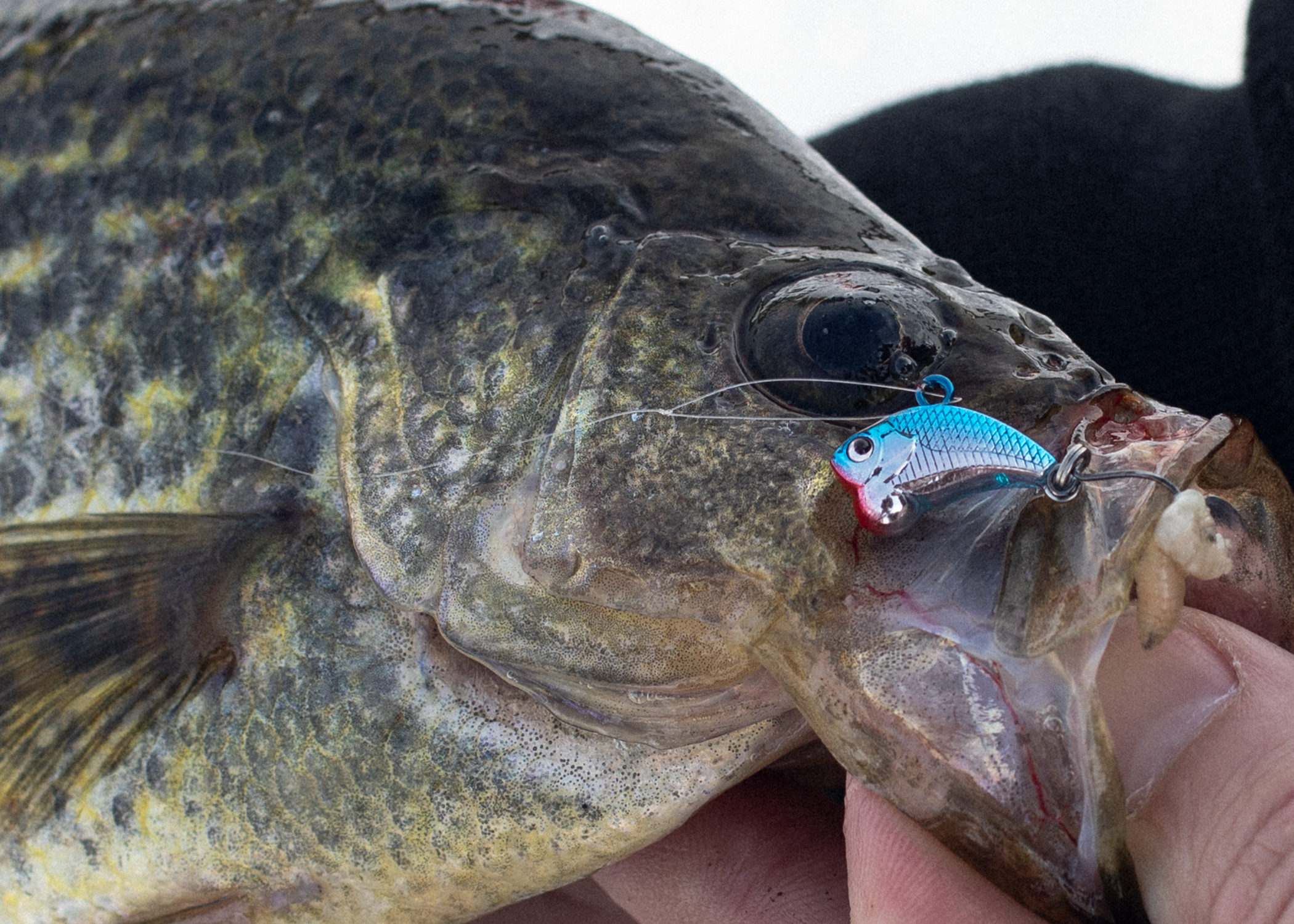
Table of Contents
- Why Target Crappie on Small Lakes in Winter?
- Finding Crappie on Small Lakes Through the Ice
- Essential Gear for Ice Fishing Crappie on Small Lakes
- Presentation Tactics for Crappie on Small Lakes
- Seasonal Strategies: Early, Mid, and Late Ice crappie
- Small Lake Crappie Patterns: Structure and Cover
- Common Mistakes When Ice Fishing for Crappie on Small Lakes
- FAQs – Ice Fishing for Crappie on Small Lakes
- Conclusion: Dial In Your Small Lake Crappie Ice Game
Why Target Crappie on Small Lakes in Winter?
Advantages of Small Lakes for Ice Crappie Fishing
Big reservoirs and sprawling natural lakes get all the attention, but small lake crappie ice fishing has distinct advantages:
- Less pressure: Fewer anglers means less spooked fish and more consistent bites.
- Easier to pattern: With limited surface area, you can quickly map the entire lake and eliminate dead water.
- Concentrated fish: crappie have fewer places to hide, so once you find the right depth and structure, you often find them in bunches.
On many small lakes, crappie are the dominant winter panfish. If you understand how they use weedlines, basins, and soft-bottom flats, you can build a repeatable pattern that pays off all season.
Crappie Behavior in Small Lakes vs Big Water
Crappie in small lakes behave a lot like their big-water cousins, but everything is compressed. Instead of roaming massive basins, they cruise smaller depressions, mini-basins, and short breaklines. Common winter movements include:
- Early ice: Holding near remaining green weeds and shallow structure where they fed in the fall.
- Midwinter: Sliding out over basins and soft-bottom areas where zooplankton and invertebrates concentrate.
- Late ice: Moving back toward channels, inside turns, and staging areas near spawning bays.
Because small lakes have fewer structural options, finding the right “zones” is easier—but crappie can also be more sensitive to noise and pressure. Stealth and smart hole-hopping are vital.
Safety Considerations on Small Lakes
Don’t let the word “small” fool you—ice safety matters just as much here as on big water. Watch out for:
- Thin ice near inflows, outflows, and culverts.
- Springs and bog edges where ice can be inconsistent.
- Areas with heavy snow cover that insulates and weakens ice.
Always check local ice reports, carry a spud bar, and wear ice picks. For more safety guidance, bookmark your state or provincial agency’s official ice safety recommendations.
Finding Crappie on Small Lakes Through the Ice
Early Ice crappie: Shallow Edges and Remaining Weeds
At first ice, crappie haven’t completely abandoned their fall haunts. On many small lakes, you’ll find them around:
- Green weedbeds in 6–12 feet of water.
- Soft-bottom bays with leftover vegetation.
- Edges of shallow flats dropping into deeper water.
Start by drilling along weed edges and inside turns near where you caught fish in the fall. A few exploratory holes and a quick pass with your flasher or sonar will tell you whether crappie are still home or already sliding deeper.
Midwinter Basin crappie: Deep Holes and Soft Bottom
As winter sets in, oxygen levels and forage shift. Crappie often leave the shallow weeds and move to the deepest areas of the lake:
- Main-lake basins or depressions (sometimes only 20–30 feet in small lakes).
- Soft-bottom flats where zooplankton and insect larvae are plentiful.
- Transition areas where a shallow shelf slopes into the basin.
Here’s the catch: midwinter crappie are often suspended, not glued to bottom. If you only fish near bottom, you’ll miss the action. Watch your sonar for marks 5–15 feet off bottom—or even higher—and adjust your bait to hover just above the school.
Late Ice Movements: Edges and Pre-Spawn Areas
Late in the season, as light and temperature increase, crappie begin sliding back toward spawning areas. On small lakes, that often means:
- Breaklines near shallow, soft-bottom bays.
- Inside turns and channels leading into spawning coves.
- Shallow flats that warm up faster than the main basin.
Late-ice fishing can be incredible for big slabs, but ice conditions can deteriorate quickly around shorelines and inflows. Conservative decisions and frequent ice checks are non-negotiable.
Using Maps, Sonar, and Drilling Patterns
To consistently locate crappie on small lakes, think like a surveyor. Before you drill your first hole:
- Study contour maps (digital or paper) for basins, inside turns, and points.
- Mark the deepest part of the lake and note any shelves or saddles nearby.
- Plan a simple drilling pattern: a grid, zig-zag, or line along a contour.
Once you’re on the ice, use your electronics to quickly check each hole. If you don’t mark fish or see any activity in 10–15 minutes, move. On a small lake, you can cover a surprising amount of water with this approach.
Essential Gear for Ice Fishing Crappie on Small Lakes
Rod, Reel, and Line Setup
Crappie have soft mouths and subtle bites, so your gear should favor finesse over brute strength:
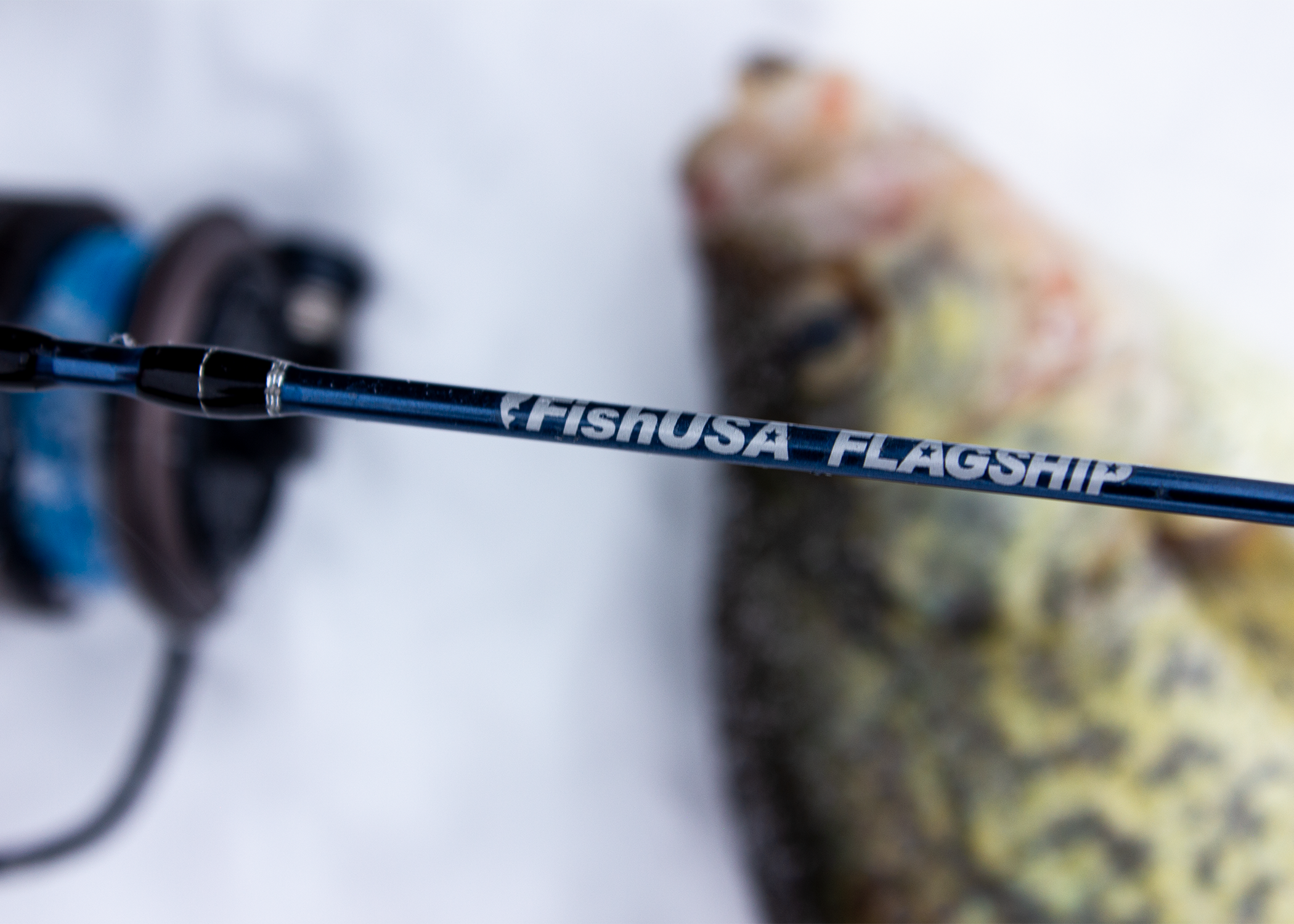
- Rod: 24–30" ultralight or light-power ice rod with a sensitive tip and moderate backbone.
- Reel: Small spinning reel (500–1000 size) or inline reel for reduced line twist.
- Line: 2–4 lb mono or fluorocarbon. In clear water, a light fluorocarbon leader can boost bites. Some anglers run 5–6 lb braid to a 3–4 lb fluoro leader for better sensitivity.
A soft-tipped rod lets you see delicate “up bites” where the jig actually floats upward as a crappie inhales it—one of the classic winter crappie tells.
If you need new rods, reels, or line, check out our top recommendations:
Best Ice Fishing Lures and Baits for Crappie
For most crappie ice fishing tactics, you can cover 90% of situations with:
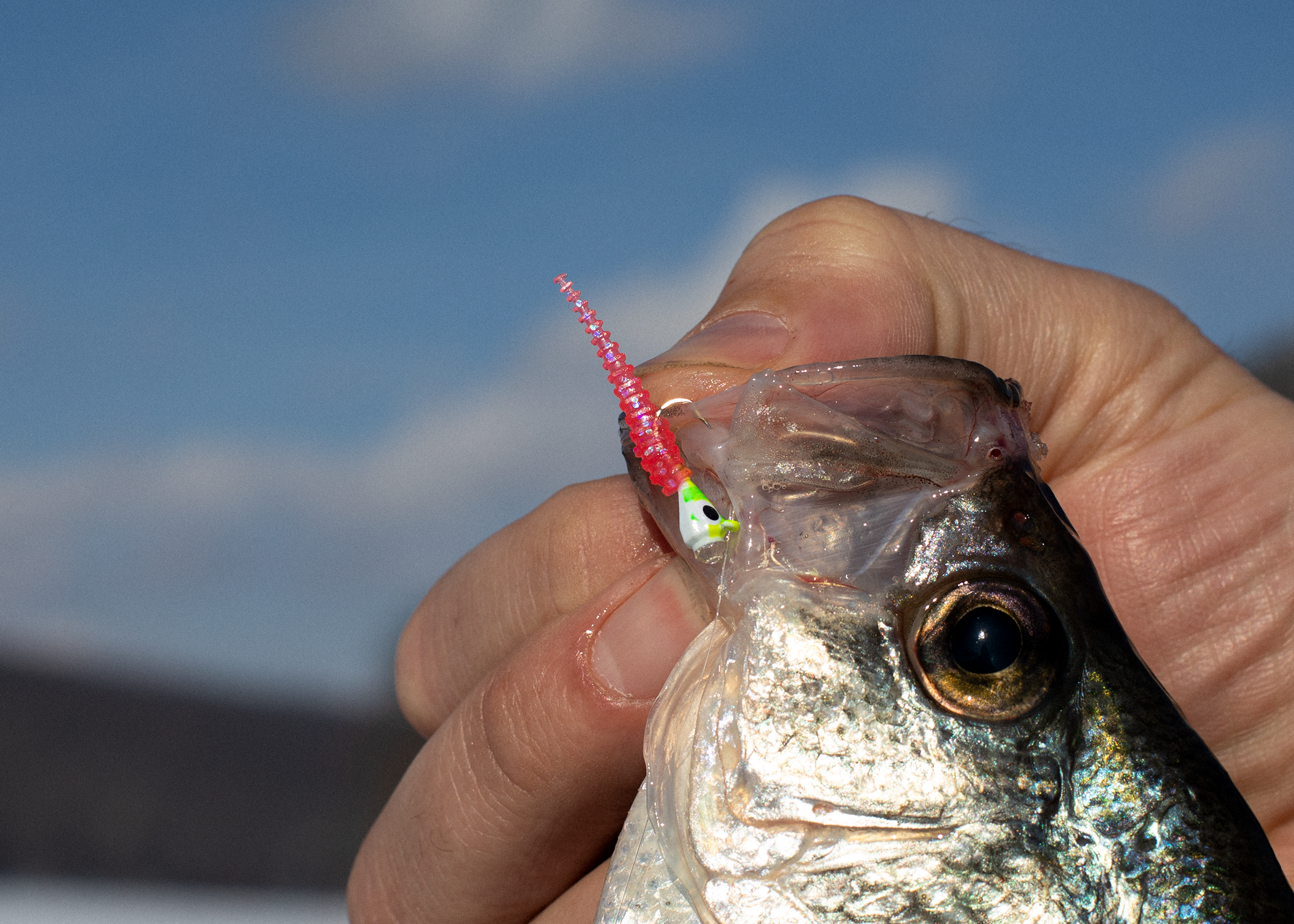
- Micro tungsten jigs: 3–5 mm sizes in natural and bright colors.
- Horizontal jigs: Small “banana” or minnow-style jigs that present plastics horizontally.
- Small spoons: 1/16–1/32 oz spoons for search mode and calling in aggressive fish.
Pair them with:
- Soft plastics: micro minnows, insect imitations, and finesse tubes.
- Live bait: waxworms, spikes, or tiny crappie minnows (where legal).
On clear small lakes, natural colors like white, pearl, brown, and translucent tones shine. In stained or low-light conditions, glow, chartreuse, and pink can really stand out.
Learn more about the Best Ice Fishing Lures and Baits for Crappie
Electronics and Other Essentials
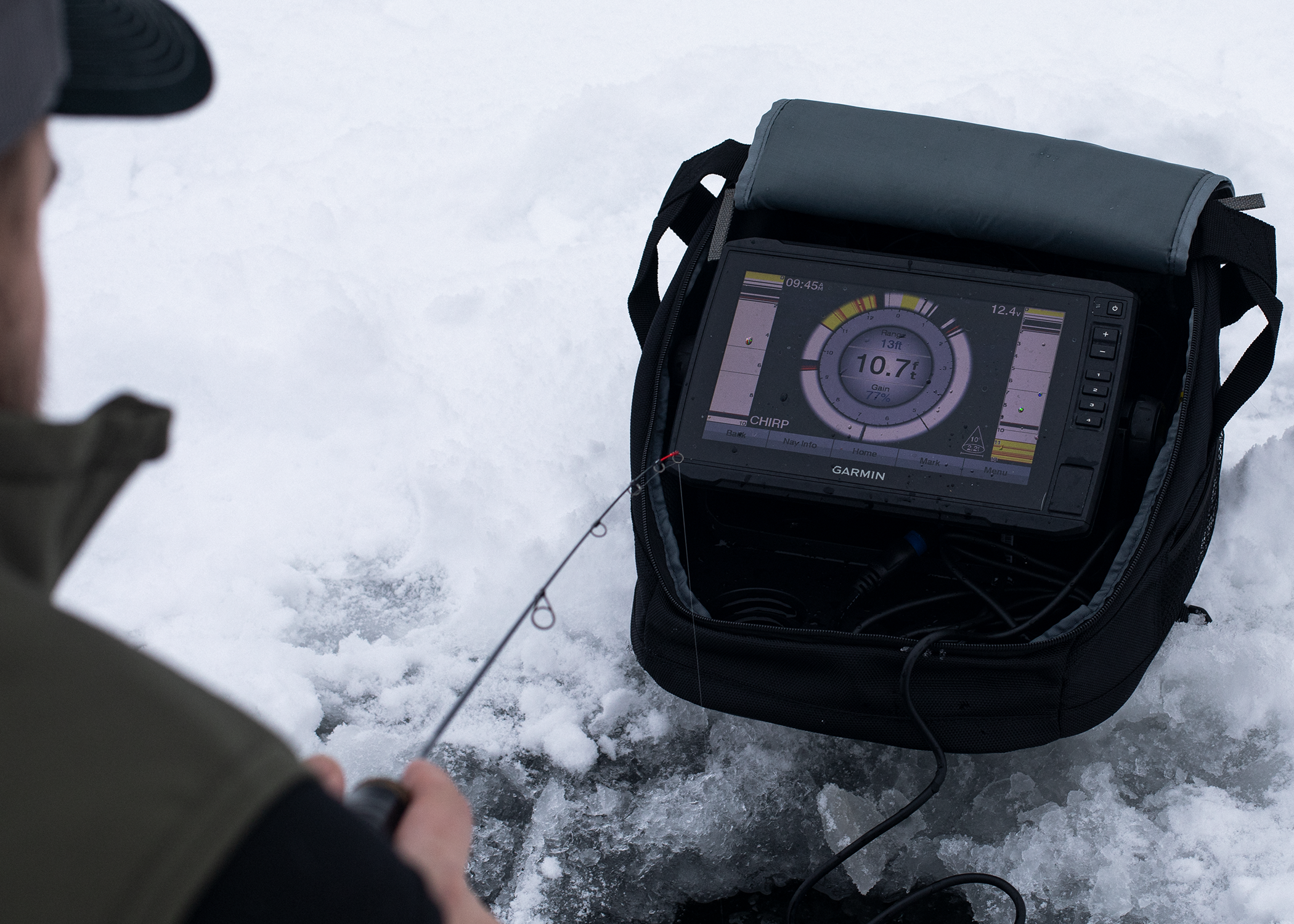
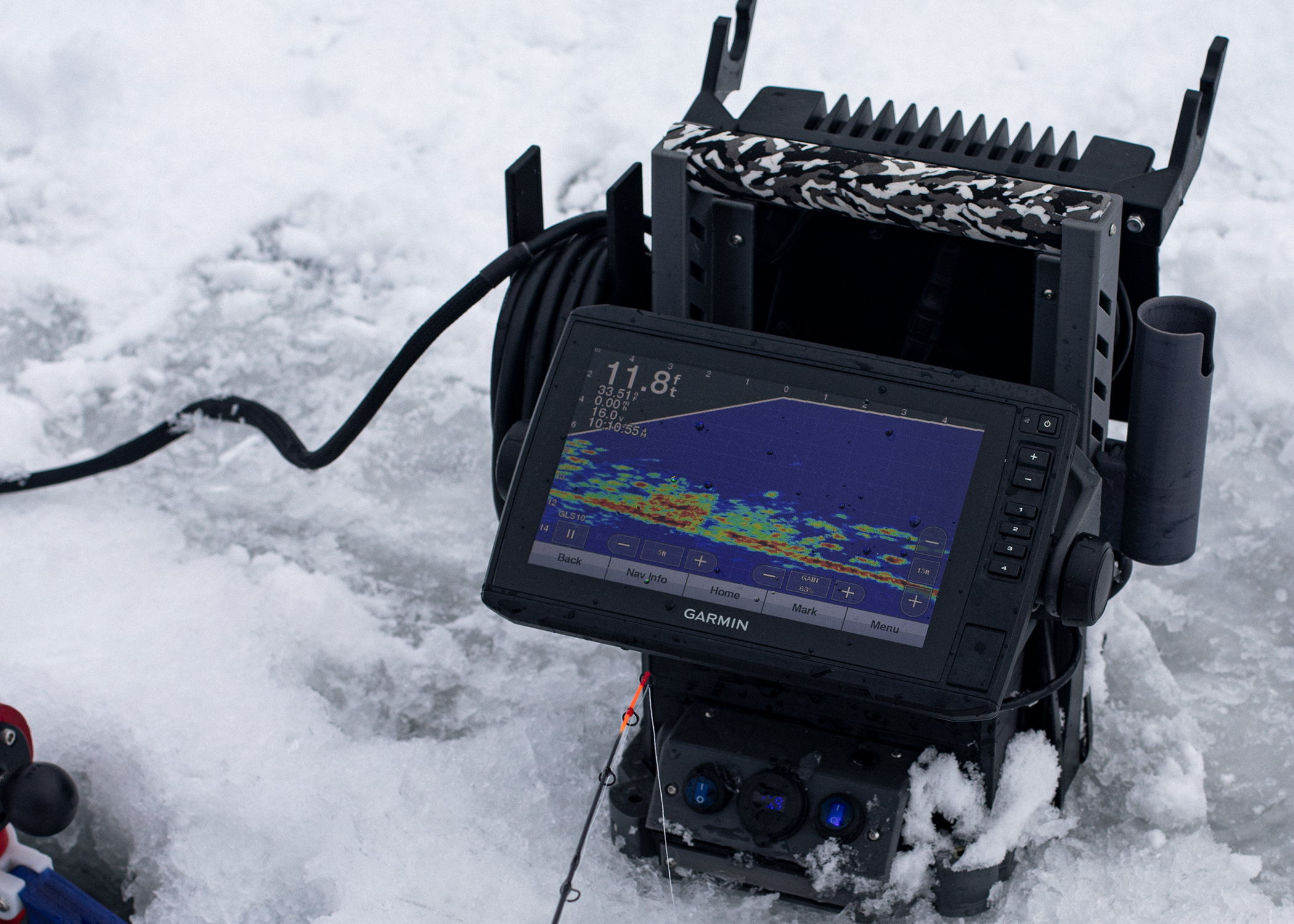
A flasher or LCD sonar is a game-changer for ice fishing for crappie on small lakes. It helps you:
- See the exact depth crappie are holding.
- Watch how fish respond to different jigging cadences.
- Avoid wasting time in “dead” water.
Beyond electronics, don’t overlook:
- A sharp hand or power auger for drilling lots of holes.
- An ice scoop, bucket, or comfortable seat.
- A simple flip-over or hub shelter for night sessions and windy days.
Presentation Tactics for Crappie on Small Lakes
Basic Jigging Cadences That Work
Crappie rarely want wild, aggressive moves. A simple starting cadence looks like this:
- Drop your jig to the level of the marks on sonar or a foot above bottom if you’re still searching.
- Lift the rod tip 2–4 inches and let the bait fall back on a semi-tight line.
- Shake the rod lightly for a few seconds, then hold dead still.
- Pause for 5–10 seconds, watching your line and tip closely.
If fish rise to the bait and stop, lengthen the pause. If they ignore you, try slightly bigger moves or a different bait profile.
Vertical vs Horizontal Presentations
Vertical teardrop jigs are classics, but horizontal jigs and plastics can be deadly when crappie are chasing minnows:
- Vertical jigs: Great for bugs-and-zooplankton bites, especially when crappie are finicky and tight to structure.
- Horizontal jigs/plastics: Mimic small minnows and often trigger bigger fish, especially in midwater basin scenarios.
Don’t be afraid to switch from a bug-style plastic to a tiny paddle-tail minnow when you spot fish cruising higher in the water column.
Deadsticking and Set-Lines for Finicky crappie
A slick trick on small lakes is to run a deadstick or set-line next to your active jigging hole:
- Rig a second rod with a small live minnow under a float or spring bobber.
- Set it a foot or two above where you’re marking fish.
- Let your jigging rod call fish in, then watch as the deadstick picks off cautious followers.
This one-two punch is especially deadly at dusk and after dark when crappie shift into feeding mode but still prefer a subtle presentation.
Night Ice Fishing for crappie on Small Lakes
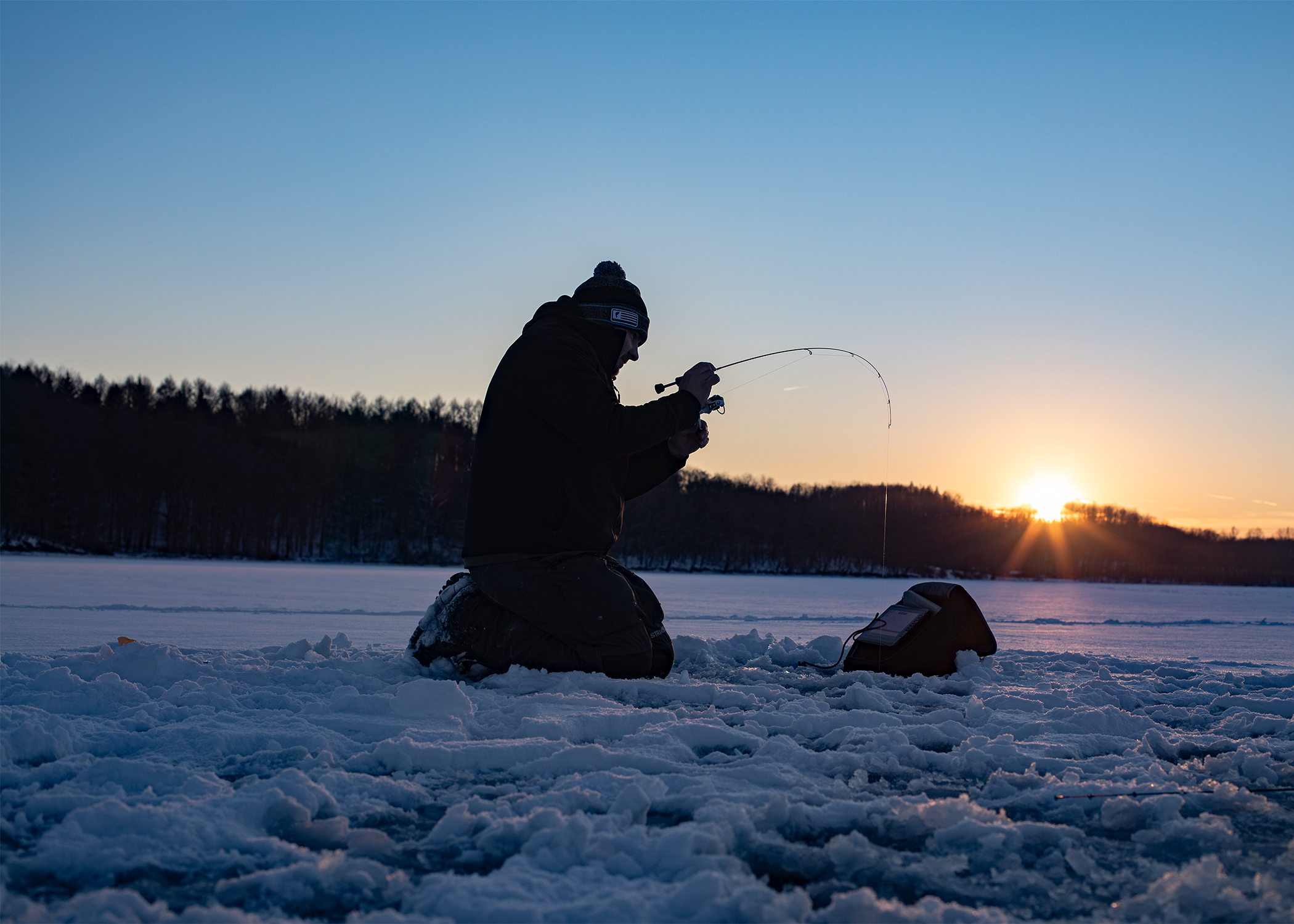
Night ice fishing for crappie can be insane on small lakes. Many of the biggest slabs slide in at dusk and continue feeding well after dark. To capitalize:
- Arrive and drill well before sunset to avoid spooking fish.
- Use subtle glow jigs or soft plastics and recharge them occasionally.
- Keep noise and light levels moderate—small lakes are quiet, and crappie can be easily spooked by banging and loud talk.
A soft, slow cadence usually outfishes aggressive ripping after dark. Think “barely moving” rather than “pounding bottom.”
Related: Ultimate Guide to Ice Fishing at Night: Tips, Techniques, and Safety
Seasonal Strategies: Early, Mid, and Late Ice crappie
Early Ice: Mobility and Shallow Search
At early ice, focus on safety first—and then be aggressive with your search:
- Target remaining weeds, shallow breaks, and the first drop into deeper water.
- Use slightly larger jigs or tiny spoons to cover water quickly.
- Move often until you find small pods of fish, then refine your approach.
On small lakes, early-ice crappie can be incredibly shallow, especially during low-light windows.
Midwinter: Basin Roamers and Finesse
When winter gets serious, crappie often slide deeper and get picky. Your midwinter strategy should emphasize:
- Fishing main-lake basins or deepest depressions.
- Downsizing jigs and baits to match zooplankton and invertebrates.
- Hovering your bait just above suspended schools and using ultra-subtle motions.
This is when light line, tiny plastics, and a sensitive rod really shine.
Late Ice: Shallow Slides and Big-Fish Potential
As days lengthen and snow melts, crappie feel the pull of the shallows. Late ice can be prime time for big fish as they stage near spawning areas:
- Target breaks and channels leading into shallow bays.
- Look for slightly warmer water near dark-bottom shallows.
- Balance aggressive searching with stealth—late-ice fish can be shallow and spooky.
Always monitor ice quality: shorelines and inflows often deteriorate first, even while main-lake ice remains thick.
Small Lake Crappie Patterns: Structure and Cover
Weed Edges, Flats, and Inside Turns
On many small lakes, crappie use weeds like underwater highways. Look for:
- Remaining green weeds, especially cabbage or coontail.
- Inside turns and points along weed edges.
- Adjacent flats where fish roam to feed.
Fish your jig just above the weed tops or suspended slightly outside the edge, not buried in the weeds themselves.
Basin Edges and “Nowhere” Flats
Midwinter, some of the best crappie spots look boring on the map: featureless basins and soft-bottom flats.
- Drill a line of holes across the basin and use sonar to find the depth band where fish are suspended.
- Once you find that “magic depth,” follow that contour around the lake.
- Crappie often roam in big pods—when you see a school on sonar, stay on them.
Wood, Brush Piles, and Man-Made Structure
Brush piles, cribs, and downed trees are crappie magnets, particularly on small lakes with limited natural structure. When fishing wood:
- Position your bait above and slightly off the side of the cover to avoid constant snagging.
- Use sonar or an underwater camera to see how crappie relate to the structure.
- Expect fish to slide in and out—be patient, but don’t be afraid to move if you don’t see life.
Common Mistakes When Ice Fishing for Crappie on Small Lakes
Staying Too Long on Dead Holes
One of the biggest ice fishing mistakes is parking over unproductive water and hoping fish appear. On small lakes:
- Give each hole 10–15 minutes max if you don’t mark fish or get bit.
- Let your electronics guide your moves—no marks, no reason to stay.
- Don’t be lazy with your auger; drilling is part of the pattern.
Fishing the Wrong Part of the Water Column
Crappie are notorious for suspending. If you only fish near bottom, you’re missing a lot of fish. When you see marks:
- Start by placing your bait above the highest fish, not below.
- Watch for “up bites” where crappie rise to meet your bait.
- Adjust depth constantly until you find the sweet spot.
Using Oversized Gear and Heavy Line
Heavy line and big hardware can spook pressured crappie, especially in clear small lakes:
- Keep line in the 2–4 lb range for most situations.
- Choose compact jigs and small swivels or no swivel at all.
- Let your drag and rod do the work on larger fish.
Ignoring Low-Light and Night Bites
Another common mistake: packing up just when crappie are getting active. On many small lakes, the best crappie windows are:
- The last hour of daylight.
- The first few hours after dark.
If you only fish mid-day, you’re missing some of the best small-lake crappie ice fishing of the season.
FAQs – Ice Fishing for Crappie on Small Lakes
What is the best time of day to ice fish for crappie on small lakes?
Dusk and early evening are often prime, especially on clear small lakes. Crappie may bite throughout the day, but the biggest flurries of action usually happen around sunrise and sunset.
How deep should I fish for crappie on a small lake in winter?
Depth varies by lake and season. Early ice may find crappie in 6–12 feet, while midwinter fish often hold over basins in 20–30 feet or more. Always use sonar to see where they’re actually suspending, then fish just above them.
What is the best lure for crappie ice fishing on small lakes?
There’s no single “best,” but you’ll rarely go wrong with micro tungsten jigs tipped with plastics or live bait. Small spoons are great search baits, and horizontal jigs with minnow-style plastics can produce bigger slabs.
Do I need electronics to catch crappie through the ice?
You can catch crappie without electronics, but a flasher or sonar dramatically shortens the learning curve. Being able to see fish depth, mood, and response to your jig is priceless on small lakes with roaming schools.
Can I catch crappie all day, or just at night?
Crappie will feed at all hours, but the most consistent action tends to be early and late in the day, with strong night bites on many small lakes. Mid-day bites are often more subtle and may require finesse tactics.
What line size should I use for ice fishing crappie?
For most situations, 2–4 lb test mono or fluorocarbon is ideal. In especially clear water or heavily pressured lakes, many anglers prefer 3 lb fluorocarbon or a light braid with a fluoro leader.
How many holes should I drill when searching for crappie?
On a small lake, it’s common to drill 15–30 holes over the course of a trip, especially in midwinter. Think of each hole as a “scan”—if you don’t see marks or get bites, move on quickly.
Are small lakes better than big lakes for trophy crappie?
Some small lakes grow incredible slabs, while others are full of stunted fish. It depends on forage, fishing pressure, and management. Check local reports and regulations, and don’t overlook small lakes known for quality panfish.
Conclusion: Dial In Your Small Lake Crappie Ice Game
Ice fishing for crappie on small lakes is a perfect mix of strategy, finesse, and flat-out fun. By understanding how crappie move from weeds to basins and back again, matching your gear to light bites and clear water, and staying mobile until you intersect a roaming school, you can turn almost any small lake into a reliable winter crappie producer.
On your next trip, pick a small lake, study its contours, and build a simple plan: start with likely shallow or basin spots for the season, drill a smart pattern, and let your electronics and bites guide your adjustments. Keep notes on depths, times, and presentations that work, and your crappie patterns will get stronger every season.
If this guide helped you think differently about small-lake crappie, share it with a fishing partner who loves hardwater panfish.
Shop Ice Fishing Gear & Tackle