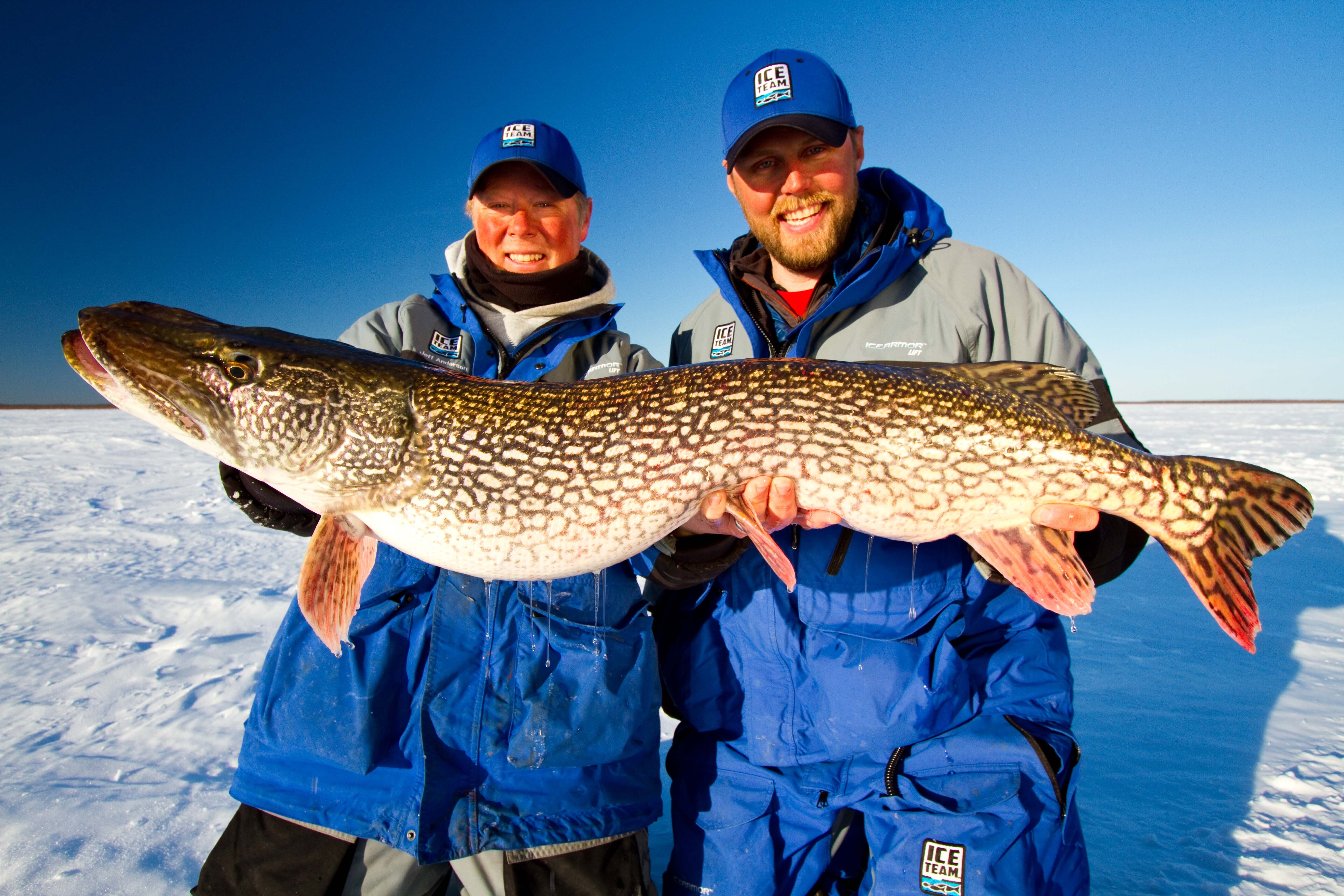

Tips for Late Ice and Early Open Water Pike: How to Catch Aggressive Pre-Spawn Fish

Late ice and the first days after ice-out can be the most consistent window for targeting aggressive northern pike—if you fish smart and stay safe.

Late ice and the first days after ice-out can be the most consistent window for targeting aggressive northern pike—if you fish smart and stay safe.

Table of Contents

  • Why Late Ice and Early Open Water Pike Fishing Is So Good
  • Safety & Regulations First (Before You Chase Giants)
  • Where to Find Pike Late Ice and Right After Ice-Out
  • Tip 1: Cover Water (The Most Important Rule)
  • Tip 2: Big Baits Catch Big Pike (Especially Now)
  • Tip 3: Change Baits to Beat Educated Fish
  • Tip 4: Pike Bite in Twilight and After Dark (Myth-Busting the Night Bite)
  • Tip 5: Don’t Be Discouraged by a Cold Front
  • Tip 6: Fish Shallow Weeds (and Vary Depth Until You Dial It In)
  • Tip 7: Keep a Pike Fishing Log (Because This Pattern Repeats)
  • Gear Checklist for Late Ice and Early Open Water Pike
  • FAQs: Tips for Late Ice and Early Open Water Pike
  • Final Takeaway: A Simple Late-Ice-to-Ice-Out Pike Plan

Why Late Ice and Early Open Water Pike Fishing Is So Good

If you’ve ever wondered why some anglers seem to “run into” monster pike during the last weeks of ice season—or in the days immediately after the ice melts— you’re not imagining things. This is one of the most productive periods of the year for northern pike because many fish are feeding aggressively ahead of the spawn. The catch is that the window can be short, conditions can change fast, and your approach needs to shift between late ice tactics and early open water strategies.

This guide answers the big question: How do you consistently locate and catch pike during late ice and early open water? We’ll break it down into a simple plan: cover water, target shallow weeds and nearby staging areas, throw bigger baits, rotate presentations when fish get “educated,” and take advantage of low-light feeding windows—all while keeping safety and regulations front and center.

Safety & Regulations First (Before You Chase Giants)

Late ice and early open water are two of the most dangerous periods on the calendar—not because you’re doing anything wrong, but because conditions are unstable. Late ice can be honeycombed, pressure-cracked, and inconsistent. Early open water often means dangerously cold water that can cause cold shock and rapid fatigue.

Late ice safety essentials

  • Carry ice picks and a spud bar; check as you move.
  • Fish with a buddy and keep distance so you don’t both load the same weak area.
  • Avoid inlets/outlets, narrows, and current areas where ice can be thinner.
  • Have a “get warm fast” plan in the vehicle (dry clothes, towel, warm drink).

Early open water safety essentials

  • Wear a PFD—especially from a small boat or when fishing alone.
  • Dress for immersion, not air temperature (cold water stays cold well after ice-out).
  • Bring a dry bag with spare layers and keep your phone protected.

Where to Find Pike Late Ice and Right After Ice-Out

Late ice and early ice-out pike are often “on the move,” but that movement isn’t random. Think like a pike preparing to spawn: it wants a safe staging zone with quick access to shallow spawning habitat and nearby feeding opportunities. Your highest-percentage areas usually share three traits: weeds, baitfish presence, and easy travel routes (edges, points, and breaks).

Key late ice locations

  • Shallow weed flats: especially where green weeds remain or where dying weeds still hold bait.
  • Inside weed edges: pike cruise pockets and lanes like hallways.
  • Points and neck-downs: natural travel corridors that concentrate moving fish.
  • Transitions: weeds-to-sand, weeds-to-muck, shallow-to-first break.

Key early open water locations

  • Shallow bays warming first: sunlight and wind can make certain bays “turn on” earlier.
  • Weed-adjacent staging water: pike often pause just outside the shallowest cover.
  • Protected shorelines: calmer water can concentrate bait and make ambush easier.

Tip 1: Cover Water (The Most Important Rule)

“Cover water” is basic advice—and still the most commonly ignored. Late ice and early open water pike are often roaming and hunting. The difference between an average day and a great day can be how quickly you adapt when a spot goes cold.

Late ice: move your spread

  • Set tip-ups along a weed edge, then shift them when you don’t get activity.
  • Try a simple 15–20 minute rule: if nothing happens, move to the next pocket or depth band.
  • Drill a “lane” of holes that follows weeds or a contour instead of clustering in one spot.

Early open water: fan cast and drift with purpose

  • Use your trolling motor or controlled drifts to cover a shoreline efficiently.
  • Make short, accurate casts to weed pockets and edges; don’t just bomb long casts into nowhere.
  • Keep moving until you contact fish—then slow down and dissect that zone.

If you’re rigging for late ice, build a “cover water” spread with tip-ups and accessories: Ice Fishing Tip-Ups & Accessories

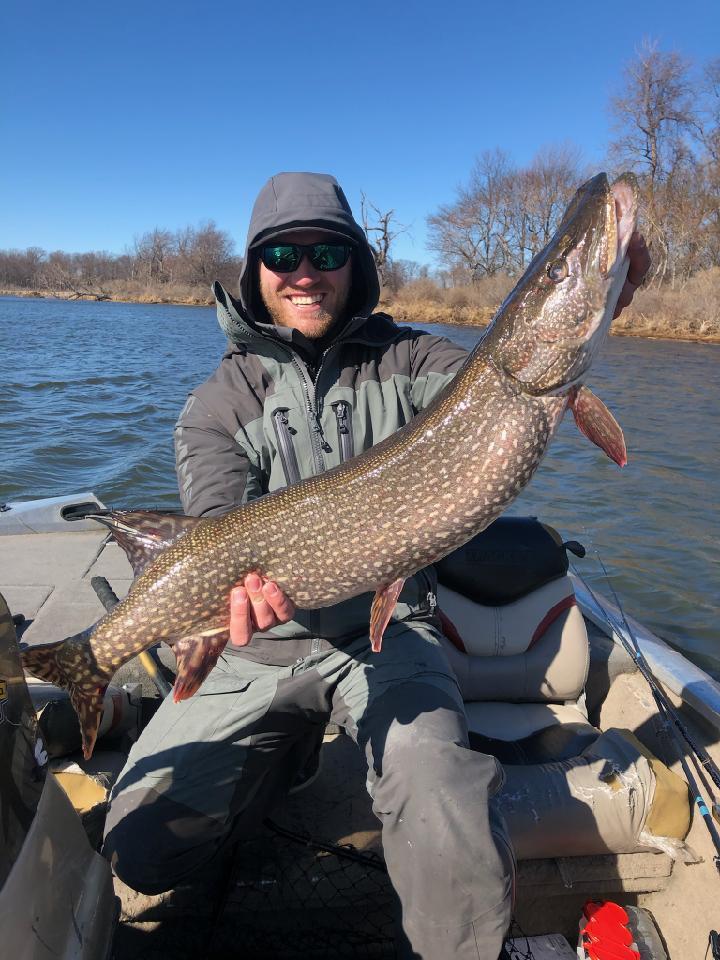
Tip 2: Big Baits Catch Big Pike (Especially Now)

Pike are opportunists, and late ice/early ice-out is prime time for a “one big meal” mindset. Smaller fish will hit plenty of offerings, but bigger pike often respond to a larger profile because it’s worth the effort—especially when they’re feeding ahead of spawning.

Late ice big-bait options

  • Large live bait (where legal): suckers or chubs can be a magnet for bigger fish.
  • Deadbait or “scored” bait: a few cuts can release extra scent when fish want something already dead.
  • Big jigging baits: oversized soft plastics or glide-style jigging presentations can trigger reaction strikes.

Early open water big-bait options

  • Glide baits: great for shallow weeds and pre-spawn prowlers.
  • Jerkbaits/stickbaits: pause-and-go triggers bites from fish tracking in cold water.
  • Swimbaits: steady, easy meals when pike are patrolling edges.
  • Spinnerbaits/spoons: flash + vibration for stained water or windy shorelines.

If you need a broad starting point for pike-friendly lure categories, browse: Fishing Baits & Lures.

Tip 3: Change Baits to Beat Educated Fish

By late season, pike in popular lakes may have seen plenty of baits, flags, and hooks. Even when fish are aggressive, “educated” pike can get selective. The fix is simple: bring variety and rotate with intention instead of throwing the same presentation all day.

A smart rotation plan (late ice and early open water)

  1. Start natural: live bait or a realistic swimbait.
  2. Switch profile: jerkbait to spoon, or glide to spinnerbait.
  3. Change speed: slow-roll vs rip-and-pause.
  4. Change “signal”: more flash/vibration in stained water; more subtle in clear.
  5. Adjust leader: keep protection from teeth while preserving lure action.

Pike are toothy—leaders matter. Stock up on wire leaders or leader material here: Leaders & Leader Material. If you prefer premade options for quick changes, this product type is a good example: Heavy Duty Wire Leaders

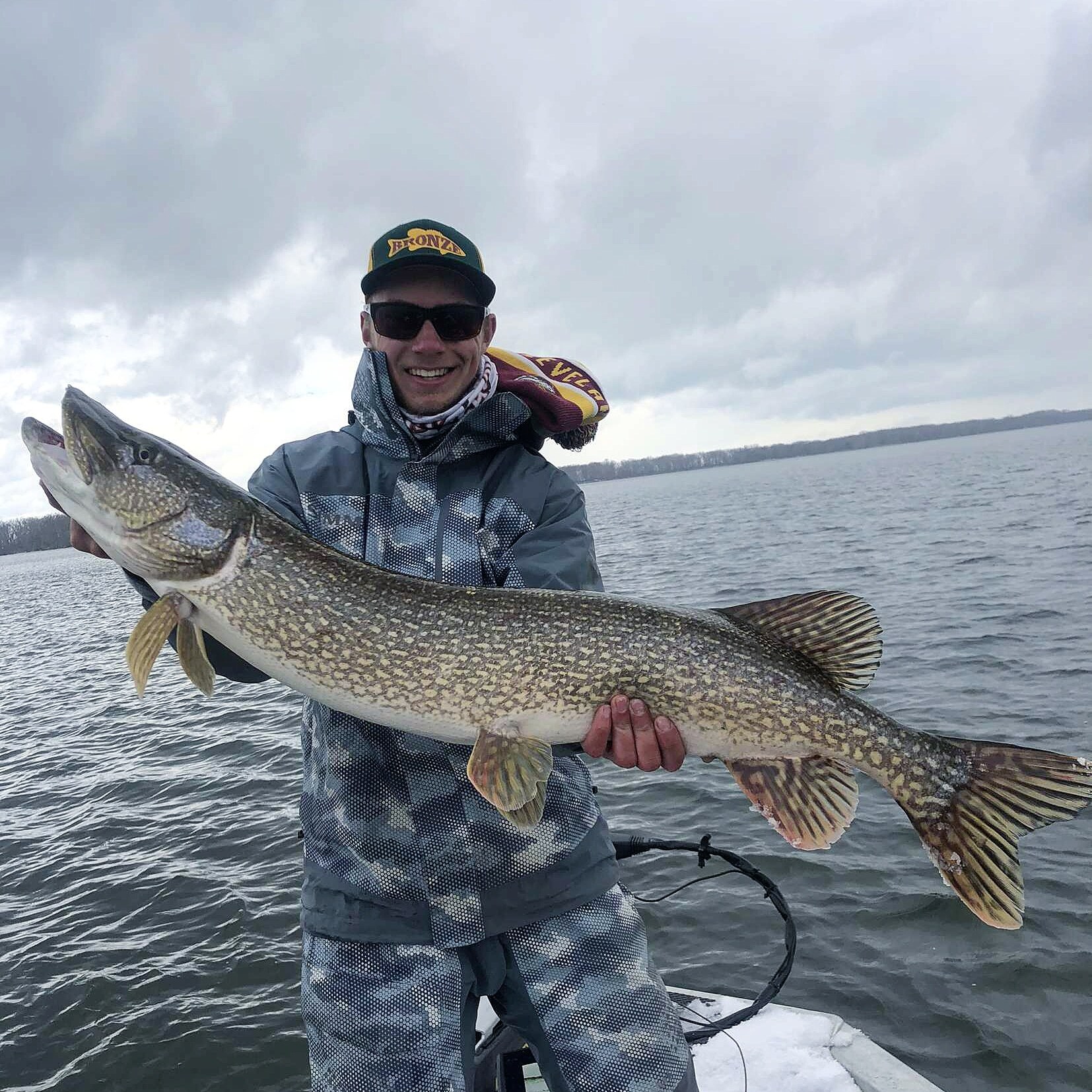
Tip 4: Pike Bite in Twilight and After Dark (Myth-Busting the Night Bite)

The idea that pike “don’t feed at night” is one of the most stubborn myths in fishing. Late ice and early open water can feature excellent twilight bites—especially in shallow weeds where pike prowl and “map” spawning areas. The key is to fish a presentation they can find: vibration, steady movement, and a clean lane along the weeds.

Late ice: night sets that make sense

  • Set tip-ups along a weed edge that borders slightly deeper staging water.
  • Use safe visibility practices (reflective markers) without turning the ice into an obstacle course.
  • Prioritize safety: known routes, stable ice, buddy system, headlamp with spare batteries.

Early open water: low-light casting plan

  • Spinnerbaits: slow-roll along weed edges for a strong vibration signature.
  • Swimbaits: steady retrieve through shallow lanes.
  • Glides/jerkbaits: work pauses—cold water fish often eat on the stop.

Tip 5: Don’t Be Discouraged by a Cold Front

Cold fronts can slow many species down, but late ice and early ice-out pike are often still in a feeding mode. Instead of leaving the lake, adjust your approach. A front usually calls for better positioning and slightly slower presentations—not giving up.

Front-proof adjustments

  • Fish tighter to weeds and ambush cover (edges, pockets, lanes).
  • Slow your presentation and emphasize pauses.
  • Offer “one big meal” with a larger bait before downsizing.
  • Move less randomly: rotate systematically through a few high-percentage spots.

Tip 6: Fish Shallow Weeds (and Vary Depth Until You Dial It In)

Depth is one of the toughest pieces to pin down during late ice and early open water. Pike can stage in dead water before sliding shallow, and they can also sit in surprisingly skinny water—sometimes just a couple feet—especially when they’re scouting spawning habitat. The most consistent pattern is still shallow weeds, often in roughly 5–15 feet, but don’t let that number trap you.

The 3-depth-band experiment (quick and repeatable)

  1. Inside weeds: 2–6 feet, pockets and lanes.
  2. Weed edge: 6–12 feet, the “highway.”
  3. First break/staging: 12–20 feet nearby, especially when conditions shift.

Tip 7: Keep a Pike Fishing Log (Because This Pattern Repeats)

If you want to turn “lucky days” into predictable success, keep a simple fishing log. Pike follow seasonal patterns year to year. You don’t need a novel—just enough data to spot repeatable conditions.

What to record (the short list that matters)

  • Date + lake
  • Late ice or early open water phase
  • Water clarity (clear / stained / dirty)
  • Wind direction and strength
  • Depth band that produced (inside weeds / edge / break)
  • Best bait/lure category (glide, jerkbait, swimbait, live, deadbait)
  • Best time window (midday, twilight, night)

Gear Checklist for Late Ice and Early Open Water Pike

Late ice essentials

  • Tip-ups, line, and hooks matched to your local regulations
  • Leaders (wire or sturdy leader material) to prevent bite-offs
  • Ice safety gear (picks, spud bar, cleats)
  • Bait management (keep bait lively and legal)

For a one-stop place to gear up for late ice sets: Ice Rods, Reels & Tip-Ups and Ice Fishing Tip-Ups & Accessories.

Early open water essentials

Leader choice: wire vs fluorocarbon (quick guidance)

  • Wire leaders: maximum bite-off protection; great for big baits and aggressive fish.
  • Fluorocarbon leaders: lower visibility and good abrasion resistance, but must be heavy enough and checked often. 

FAQs: Tips for Late Ice and Early Open Water Pike

What is the best time for late ice pike fishing?

The last weeks of safe ice often produce strong action because pike are feeding ahead of the spawn. The best “mini-windows” are commonly midday warmth and twilight—especially near shallow weeds.

Where do pike go during late ice and right after ice-out?

Pike commonly stage near shallow weed flats, inside edges, and nearby breaks that connect to spawning habitat. Start with weeds and then expand outward until you contact fish.

Do big baits really catch bigger pike in early spring?

Often, yes. Larger pike frequently prefer a bigger, high-reward meal during pre-spawn feeding. Big baits also help you filter out smaller fish when trophy hunting.

Do pike bite at night during late ice?

Pike can and do feed after dark. Twilight and early night can be excellent around shallow weeds—just prioritize safety and predictable travel routes.

Wire leader vs fluorocarbon for pike: which should I use?

If you want maximum bite-off protection, wire is the safe choice. Fluorocarbon can work well for certain lures and clear water, but it should be heavy, inspected often, and replaced when nicked.

Final Takeaway: A Simple Late-Ice-to-Ice-Out Pike Plan

If you want more consistent success chasing aggressive pike during late ice and early open water, keep the plan simple: cover water, fish shallow weeds and staging edges, throw bigger baits, and rotate presentations when fish get selective. Add twilight to your schedule, don’t panic over a front, and keep a log so you can repeat the pattern next year.

Shop Pike Fishing Gear

  • Casting Rods
  • Casting Reels
  • Swimbaits
  • Spinnerbaits
  • Tip Ups