

Understanding Fishing Rod Power and Action
Fishing Rod Power vs Action: How to Match Your Rod to Every Technique
Most missed strikes and pulled hooks aren’t bad luck — they’re the wrong rod. Power controls what you can cast and how hard you can pull. Action controls where the blank bends and how it behaves at the hook. Get both right and everything else gets easier.
Published: July 2026 · By: FishUSA Staff
Whether you’re finessing a 1/16-oz jig for crappie or bombing a 3-oz swimbait for pike, one decision shapes every cast, every bite, and every landed fish: the power and action of your rod. Anglers blame bad luck for pulled hooks and missed strikes, but the real culprit is usually a mismatch — a treble-hook crankbait on a fast-action rod, a heavy jig on an underpowered spinning outfit. This guide cuts through the noise with technique-matched charts, species picks, and the practical details manufacturers leave off the label.
What Rod Power Means (and Why It Matters)
Rod power is the overall stiffness of the blank — how much force it takes to bend the rod into a load. Power is rated from Ultra-Light (UL) to Extra-Heavy (XH), and it controls three things: the lure weights you can cast efficiently, the line you should run, and how much pressure you can put on a fish before the rod starts working against you.
Think of power as the foundation of a setup. It defines the window everything else operates inside. A Medium-Heavy rod fishes completely differently than a Medium even with the same action rating, because the backbone is stiffer, the line you run is heavier, and the force you can apply on a hookset multiplies accordingly.
Common Power Ratings and What They Handle
- UL / L: 2–8 lb mono or fluoro, 3–10 lb braid; 1/64–1/4 oz. Panfish, trout, finesse micro presentations.
- ML: 4–10 lb mono or fluoro, 6–15 lb braid; 1/8–1/2 oz. Walleye jigs, Ned rigs, finesse bass.
- M: 6–12 lb mono or fluoro, 8–20 lb braid; 1/4–3/4 oz. All-around bass and walleye.
- MH: 10–17 lb mono or fluoro, 15–50 lb braid; 3/8–1.25 oz. Jigs, Texas rigs, spinnerbaits, light frogs.
- H / XH: 15–25+ lb mono or fluoro, 50–80 lb braid; 1–4+ oz. Frogs, punching, big swimbaits, catfish, muskie.
Sizing tip: When in doubt, start with the lure weight you throw most. Power should load comfortably at your typical bait — not feel like a broomstick at the light end or bottom out at the heavy end.
| Power | Mono / Fluoro | Braid | Lure Weight | Typical Use |
|---|---|---|---|---|
| UL | 2–6 lb | 3–8 lb | 1/64–1/8 oz | Panfish, trout, micro-jigs |
| L | 4–8 lb | 5–10 lb | 1/32–1/4 oz | Trout, light spinners and plugs |
| ML | 4–10 lb | 6–15 lb | 1/8–1/2 oz | Walleye jigs, Ned, finesse rigs |
| M | 6–12 lb | 8–20 lb | 1/4–3/4 oz | Bass all-around, inshore species |
| MH | 10–17 lb | 15–50 lb | 3/8–1.25 oz | Jigs, Texas rigs, chatterbaits, light frogs |
| H | 15–25 lb | 40–65 lb | 1–3 oz | Frogs, punching, stripers |
| XH | 20–30+ lb | 65–80 lb | 2–6 oz | Big swimbaits, muskie, blue catfish |
What Rod Action Means (and Why It’s Different)
Rod action describes where the blank bends and how quickly it transitions from stiff to flexible. Power is about total force; action is about feel, load timing, and what happens at the hook. Two rods can share the same Medium-Heavy power rating and feel completely different based on action alone.
- Extra-Fast (XF): Bends in the top 15–20% of the blank. Maximum bite transmission, crisp hooksets for single hooks, immediate feedback on bottom contact.
- Fast (F): Bends through the top 20–30%. The most versatile action — excellent for jigs, Texas rigs, and most contact presentations.
- Moderate-Fast (MF): Bends through the top 30–40%. Balances feel with cushion; the right call for treble-hook moving baits where a pure Fast rod rips too many hooks.
- Moderate (M): Bends through the mid-blank (40–50%). The correct choice for crankbaits and most treble-hook presentations. Keeps fish pinned through head shakes and boatside surges.
- Slow: Parabolic bend through the full blank. Niche application for certain plugs, live-bait fishing, and trolling where maximum cushion matters more than sensitivity.
Worth knowing: action, taper, and blank modulus are related but distinct. Taper is the physical geometry of the blank; modulus refers to graphite stiffness per unit of weight. Builders adjust all three together to create the final feel — which is why two rods can carry the same listed action and feel nothing alike.
| Action | Best Hook Style | Ideal Techniques | Strengths | Trade-offs |
|---|---|---|---|---|
| Extra-Fast | Single | Finesse jigs, shaky head, wacky, dropshot | Instant feel, precise load | Less give with treble hooks |
| Fast | Single | Jigs, Texas rigs, spinnerbaits | Strong hooksets, versatile | Can rip trebles free if too stiff |
| Moderate-Fast | Treble or Single | Chatterbaits, topwater, jerkbaits | Balance of sensitivity and cushion | Not as crisp for bottom-contact work |
| Moderate | Treble | Crankbaits (shallow through deep) | Keeps trebles pinned, extends cast distance | Lower sensitivity vs fast actions |
| Slow | Treble or Live Bait | Live bait, trolling, slow-roll cranks | Maximum cushion | Lowest sensitivity of all actions |
Power vs Action: Matching Combos to Techniques
Power and action work together. A Medium-Heavy rod with Fast action handles jigs and Texas rigs well; switch to Moderate action on the same power rating and you’re in crankbait territory. The matrix below gives you a concrete starting point for each lure family.
| Technique | Power | Action | Notes |
|---|---|---|---|
| Ned, Dropshot, Wacky | ML (UL–L for micro) | XF–F | Fine wire hooks; protect light leaders |
| Finesse Jigs (1/4 oz) | ML–M | F | Bottom contact + clean hooksets |
| Jigs & Texas Rigs (3/8–3/4) | MH | F | Drive single hooks in cover |
| Spinnerbaits / Swim Jigs | MH | F–MF | A touch of give reduces pull-outs |
| Chatterbaits | MH | MF | Too-fast action can rip the blade bait loose |
| Jerkbaits | M | MF–M | Cushion trebles; keep fish pinned on surges |
| Crankbaits (Shallow–Deep) | M (H for 10XD) | M–Slow | Glass or composite blanks shine here |
| Topwater (Plugs) | M–MH | MF | Give helps on braid; wait for load before setting |
| Frogs | H | F | Power to winch fish out of mats immediately |
| Glide Baits / Swimbaits (2–6 oz) | H–XH | F–MF | Pick based on bait weight and hook style |
| Catfish Live Bait | MH–H | MF–M | Circle hooks + sinker weight favor moderate action |
| Walleye Jigs | ML–M | F | Sensitivity + crisp hookset through the bait body |
| Steelhead Float / Drift | ML–M (long rod) | MF–M | Shock absorption and line control on long drifts |
Pro move: If you fish treble-hook baits with braid, choose a more moderate action. Braid’s zero stretch removes the cushion you’d normally get from the line — the action has to make up for it.
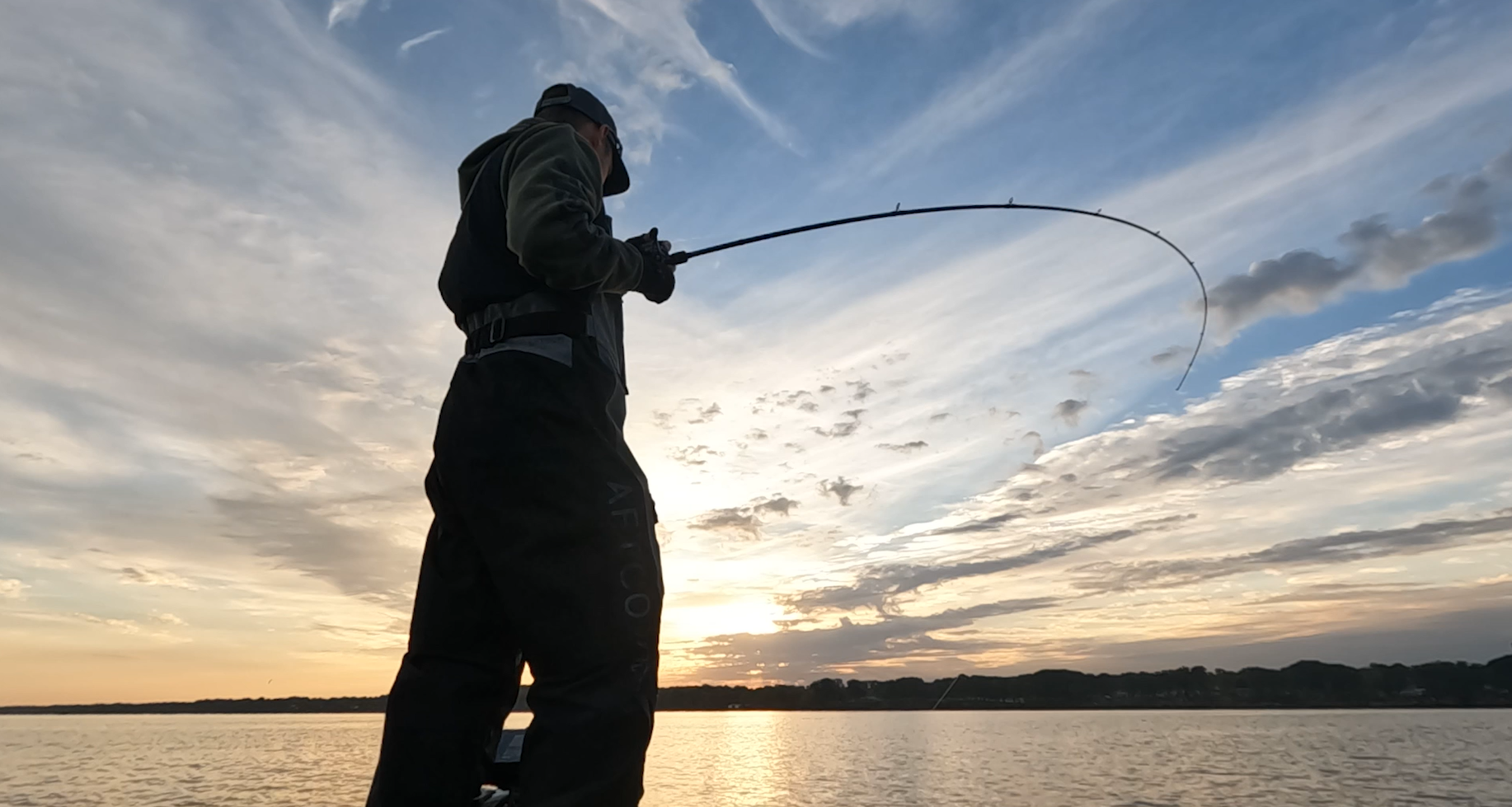
Spinning vs Casting: Which Platform Fits?
Choosing between a spinning rod and a casting rod isn’t personal preference — it’s physics. Lure weight, line management, and technique determine which platform actually performs. Here’s how to decide.
When Spinning Is the Right Call
Spinning reels release line off a fixed spool. Light lures travel farther with less effort because there’s minimal start-up inertia. That advantage becomes non-negotiable below 1/4 oz, where casting reels simply can’t generate enough spool speed to avoid backlash.
- Lure weight window: Excels from 1/32 to 1/2 oz. Micro-jigs, Ned rigs, dropshotting, light jerkbaits.
- Finesse advantage: Light braid (8–15 lb) with a fluorocarbon leader (6–10 lb) gives you sensitivity without sacrificing stealth.
- Wind: Crosswinds that cause backlash on casting reels are a non-issue on spinning. Just feather the spool with your index finger.
- Awkward angles: Kayaks, steep banks, pitching from odd positions — the open bail and index-finger control keep presentations precise.
Good matches: Ned, dropshot, wacky, hair jigs, small swimbaits on 1/8–3/8 oz heads, finesse jerkbaits, spinners and spoons for trout.
Starter setup: 7’ ML/XF spinning, 10 lb braid, 8 lb fluorocarbon leader — covers 80% of light-lure work.
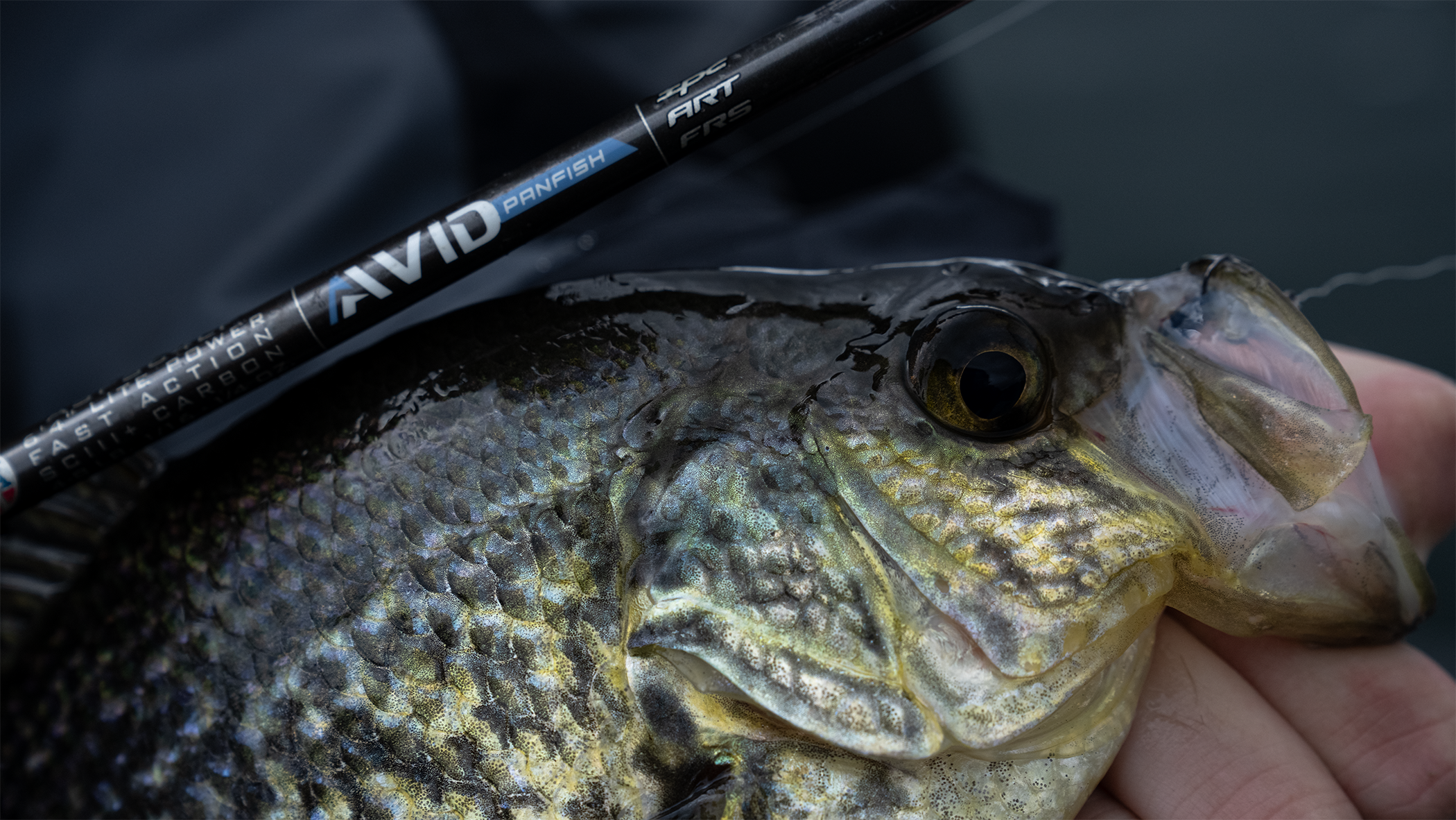
When Casting Is the Right Call
Casting reels put thumb pressure directly on the revolving spool, giving you micro-braking control that’s ideal for target-casting under docks, around timber, and down riprap lanes. They also handle heavy line more efficiently — 30–65 lb braid on a casting setup lets you apply real pressure in vegetation.
- Lure weight window: 3/8 oz and up. Jigs, Texas rigs, spinnerbaits, chatterbaits, frogs, swimbaits.
- Accuracy: Thumb-controlled spool lets you stop the lure mid-flight for placement under docks and in tight windows.
- Hook-driving power: MH or H power with Fast action and heavy line delivers more force on the hookset than any spinning setup.
- Ergonomics in cover: Palming the reel with a longer rear grip gives better mechanical advantage when you need to steer fish immediately.
Good matches: 3/8–3/4 oz jigs and T-rigs, spinnerbaits, chatterbaits, frogs, 1–4 oz swimbaits, medium to deep cranks.
Starter setup: 7’2” MH/F casting with 30–40 lb braid (or 15–17 lb fluoro) for jigs, Texas rigs, spinnerbaits, and chatterbaits.

The Factors That Actually Decide It
- Start-up inertia: Spinning wins under 1/4 oz; casting wins over 3/8 oz.
- Wind: Spinning handles gusts better. In casting, bump braking one click and back off spool tension when crosswinds pick up.
- Line twist vs backlash: Spinning develops twist (especially with inline spinners); casting risks backlash. Use a quality swivel with twist-prone baits on spinning; learn thumb control on casting.
- Fatigue: Heavier lures and longer handles favor casting comfort. Light lures and wrist-heavy work favor spinning.
Quick platform decision
Average lure weight under 1/4 oz → spinning. 3/8 oz and up → casting. Treble-hook moving baits → factor action (Moderate or Mod-Fast) before picking a platform.
How to Read a Rod Label (Fast — and Use It Like a Pro)
A typical spec reads something like: 7’2” MH/F • 10–20 lb • 3/8–1 oz. Here’s what each piece actually tells you — and what the label leaves out.
What Each Spec Means
- Length (7’2”): Longer rods cast farther, control line at distance, and give more sweeping leverage. Shorter rods excel in tight quarters, for skip-casting accuracy, and for vertical jigging. More on rod length selection.
- Power (MH): The overall stiffness. Governs fish control and the usable line and lure window. The question to ask: “How hard do I need to pull?”
- Action (F): Where and how quickly the rod bends. Fast means crisp bite transfer for single hooks; Moderate means cushion for trebles.
- Line rating (10–20 lb): Typically based on mono or fluoro. Braid runs higher — 30–40 lb braid often fishes comfortably inside a 10–20 lb mono-rated rod.
- Lure rating (3/8–1 oz): The payload the blank loads optimally. Underloading kills distance; overloading collapses the tip and can snap the rod.
What Manufacturers Won’t Print
- Brand variance is real: One brand’s MH can feel like another brand’s M. Use the lure weight rating as your consistent reference — not the power letter.
- The braid effect: Braid casts light lures well, but zero stretch changes your action needs. Go more moderate when fishing trebles with braid.
- Tungsten density: A 1/2-oz tungsten jig carries more mass per size than lead. It loads the blank harder and pushes you toward the upper end of the lure rating faster.
A Fast Decoding Workflow
- Match lure weight first — your most-used bait should fall in the middle of the range, not at the edges.
- Confirm hook style: Fast or Extra-Fast for single hooks; Moderate-Fast or Moderate for trebles.
- Pick platform: Spinning under 1/4 oz; casting at 3/8 oz and up.
- Check line plan: If you’re running straight braid to a treble-hook bait, go more moderate in action or add a leader.
- Factor in cover: Open water forgives power mistakes. Heavy grass, mats, and timber require stepping up to control the fight early.
Example: You fish 3/8–1/2 oz jigs around grass with 30 lb braid. Choose a 7’2” MH/F casting rod — lure weight centers in the range, single hooks need Fast action, and MH power handles the leverage in vegetation.
7 Common Power/Action Mistakes (and How to Fix Them)
These are the errors that consistently cost anglers fish — each with a clear cause and a precise fix.
1. Fast Action for Treble-Hook Baits
What you’ll see: Fish popping off mid-fight; shallow hook penetration on crankbaits and jerkbaits. Why it happens: Fast tips transfer sudden load changes too quickly for small treble points to handle on multi-directional head shakes. Fix: Move to Moderate-Fast or Moderate (glass or composite is ideal), or add a 3–6 ft mono or fluoro leader if you want to keep the fast rod.
2. Too-Light Power in Heavy Cover
What you’ll see: Fish bury you in the weeds; hooksets feel spongy; the rod loads too far before the hook moves. Why it happens: Not enough backbone to steer the fish or drive a heavy-gauge single hook home. Fix: Step to MH or H power with Fast action. Run 30–65 lb braid for cutting through vegetation.
3. Ignoring the Lure Weight Rating
What you’ll see: “I can’t cast this far” or the rod tip feels overloaded and sluggish. Why it happens: Underloaded blanks won’t catapult light lures; overloaded blanks collapse the tip and lose accuracy. Fix: Stay inside the printed lure range. When you straddle two ranges, pick the one where your main bait lands near the middle.
4. Braid + Fast Action + Treble Hooks
What you’ll see: Heartbreak boatside on crankbaits, topwaters, and jerkbaits — the fish throwing the bait on the last head shake inches from the net. Why it happens: No line stretch plus a stiff tip equals zero cushion at the treble. Fix: Move to Moderate-Fast or Moderate action, or add a 12–20 lb mono or fluoro leader and loosen the drag slightly.
5. Under-Gunned Frog Rod
What you’ll see: Fish blowing up, hooks not penetrating, or the rod bowing helplessly while a bass wraps the line around lily pad stems. Why it happens: Frog hooks need Heavy power and Fast action to punch through thick plastic bodies and haul fish before they reach the mat. Fix: 7’3”–7’6” H/F casting with 50–65 lb braid. Wait until you feel the weight of the fish before setting — don’t swing on the visual explosion.
6. One-Rod-Does-Everything Thinking
What you’ll see: Mediocre performance everywhere — always a compromise somewhere in your setup. Why it happens: Power and action sweet spots are technique-specific. An MH/F rod that’s perfect for jigs fights you on crankbaits and underperforms on finesse. Fix: Start with two cores — 7’ ML/XF spinning and 7’2” MH/F casting. Add specialists (glass crankbait rod, H/F frog rod, XH swimbait) as your techniques expand.
7. Setting the Hook on the Topwater Splash
What you’ll see: Topwater blowups with air hooks, short strikes, or fish thrown at boatside when they head-shake. Why it happens: You’re reacting to what you see, not what you feel. The fish hasn’t fully turned with the bait when the water erupts. Fix: Count “one-one-thousand,” then set when you feel load on the blank. A Moderate-Fast action adds extra forgiveness when you’re fishing braid with no leader.
Advanced Tuning: Materials, Balance & Line Synergy
Blank Materials
- High-modulus graphite: Maximum sensitivity for jigs and bottom-contact rigs. Stiff and light, but more brittle than composites — avoid high-stick angles on big fish.
- Fiberglass (E-glass / S-glass): Parabolic bend and near-perfect crankbait action. Heavier than graphite, but the built-in cushion is exactly what treble-hook baits need.
- Composite (graphite + glass): Sensitivity of graphite with cushion of glass — a strong option for moving baits like chatterbaits and swimbaits where you want feel without going full moderate.
Balance
Pair reel weight to the rod to eliminate tip-heaviness. A tip-heavy combo shifts fatigue to your wrist after two hours of casting and subtly reduces bite detection — most anglers underestimate how much this matters over a full day on the water.
Line Choice Synergy
- Braid (no stretch): Pair with more moderate action for treble-hook baits, or add a mono or fluoro leader. The stretch you lose from the line has to come from somewhere.
- Fluorocarbon (low stretch): Sinks, abrasion-resistant, excellent for bottom contact. Choose Fast action to keep hookset feel crisp when fishing single-hook presentations.
- Monofilament (stretch): Naturally forgiving with treble hooks and topwater. You can go slightly faster in action without tearing hooks free because the line absorbs some of the load change.
Frequently Asked Questions
Power is overall stiffness — rated from Ultra-Light to Extra-Heavy — and controls what line and lure weights the rod handles efficiently. Action describes where the rod bends and how quickly: Extra-Fast bends only in the top 15%, Moderate bends through the mid-blank. Match power to lure weight; match action to hook style and presentation.
For bass fishing, Medium-Heavy with Fast action is an excellent all-around choice for jigs, Texas rigs, spinnerbaits, and lighter frog setups. It’s not the right pick for treble-hook crankbaits (Medium/Moderate-Fast is better there) or finesse techniques under 1/4 oz (where Medium-Light/Extra-Fast spinning excels).
Moderate action — ideally a glass or composite blank — is the right call for crankbaits. The extra give cushions treble hooks during head shakes and surges, keeping fish pinned. A Fast action transfers load changes too suddenly and increases pull-outs on multi-treble lures.
Heavy power with Fast action is the standard for frogs. You need the backbone to drive thick double hooks through plastic and vegetation, then winch fish out of mats before they can wrap. Pair with 50–65 lb braid and a 7’3”–7’6” rod for maximum leverage.
A Medium-Light or Light power spinning rod with Extra-Fast action is the right choice. The fast tip transmits slack-line bites with precision while protecting the light wire hooks common on finesse presentations. Pair with 8–10 lb braid and a 6–8 lb fluorocarbon leader.
Braid has virtually no stretch, removing the cushion you’d normally get from mono or fluoro. When fishing treble-hook baits with braid, choose Moderate-Fast or Moderate action — or add a mono or fluoro leader — to put that give back. For single-hook contact baits, braid’s no-stretch property is an advantage, not a problem.
Not without compromise. A two-rod core covers about 90% of bass and freshwater fishing: a 7’ Medium-Light/Extra-Fast spinning setup for finesse and sub-1/4 oz presentations, and a 7’2” Medium-Heavy/Fast casting setup for jigs, Texas rigs, spinnerbaits, and heavier moving baits. Add specialists — glass crankbait rod, Heavy/Fast frog rod, Extra-Heavy swimbait rod — as techniques demand.