

PowerPro Braid Buyer’s Guide: Which PowerPro Line Should You Choose?
PowerPro Braid Buyer’s Guide: Which PowerPro Line Should You Choose?
PowerPro makes three distinct braided lines built for different conditions and techniques. This guide breaks down the differences between Braided Spectra Fiber, Super 8 Slick V2, and Ice-Tec — and gives you concrete guidance on pound test, reel match, leaders, and setup by species.
Published: July 2026 · By: FishUSA Staff
PowerPro makes multiple braided fishing lines that do genuinely different things — and staring at the wall of options without a clear framework for choosing can make the decision harder than it needs to be. The short answer is to pick your technique first, then match the line. Everything else follows from there.
Quick picks
- Smoothest casting, finesse, spinning: PowerPro Super 8 Slick V2
- All-around workhorse, heavy cover, multi-species: PowerPro Braided Spectra Fiber Line
- Ice fishing and cold-weather: PowerPro Ice-Tec
- If you’re unsure: start with Braided Spectra Fiber — it covers the most ground
PowerPro Lines at a Glance
Three lines, three distinct jobs. Here’s how they stack up before diving into the details.
| Line | Best For | Key Advantage | When to Skip It |
|---|---|---|---|
| Braided Spectra Fiber | All-around, heavy cover, multi-species | Proven durability, great strength-to-diameter, value-friendly | When finesse casting distance is the priority |
| Super 8 Slick V2 | Long casts, finesse, spinning reels | 8-carrier weave + coating = smoother, quieter line through guides | Heavy flipping/punching where casting distance doesn’t matter |
| Ice-Tec | Ice fishing, cold-weather rivers | Built for freezing temps; low stretch preserves bite sensitivity | Warm-weather open-water fishing (overkill for that use) |
PowerPro Line Breakdown
PowerPro Braided Spectra Fiber Line
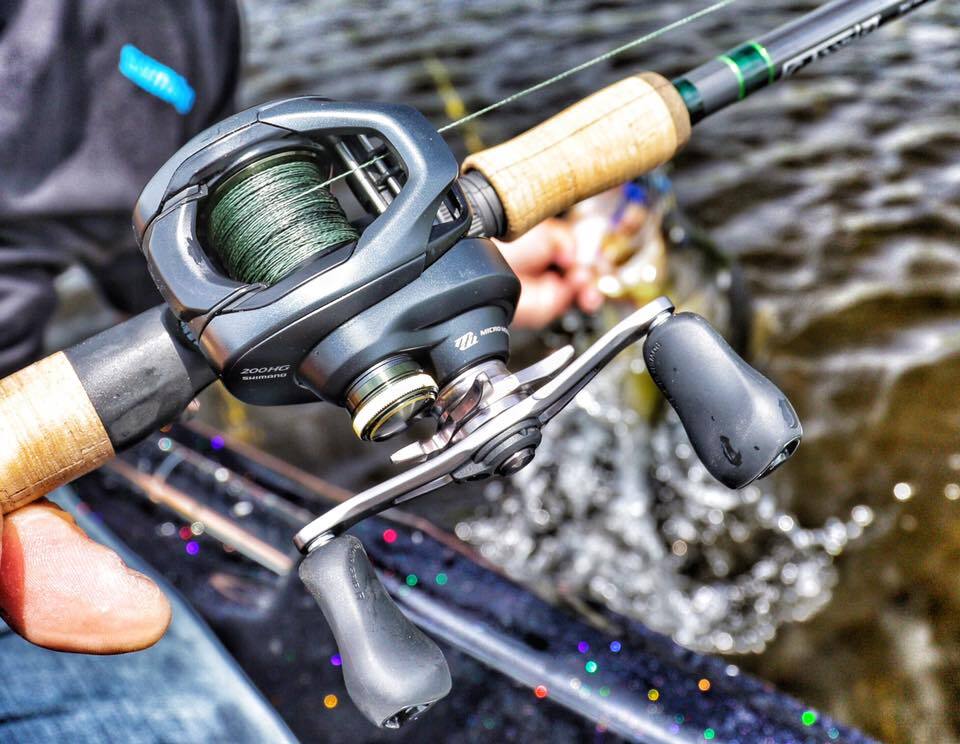
PowerPro Braided Spectra Fiber Line is the original and most versatile option in the lineup. If you need one spool of braid that covers bass, walleye, inshore, or multi-species fishing without overthinking it, this is the starting point. The Spectra fiber construction delivers low stretch for better hooksets, a thinner diameter than mono at equivalent strength, and enough abrasion resistance for most freshwater cover.
- Best uses: Heavy cover, pitching and flipping, general spinning setups, multi-species
- Why it works: Low stretch improves feel and hookset power; thinner diameter increases spool capacity and casting range
- Who should pick it: Anglers who want a dependable all-around braid without paying a premium for specialized construction
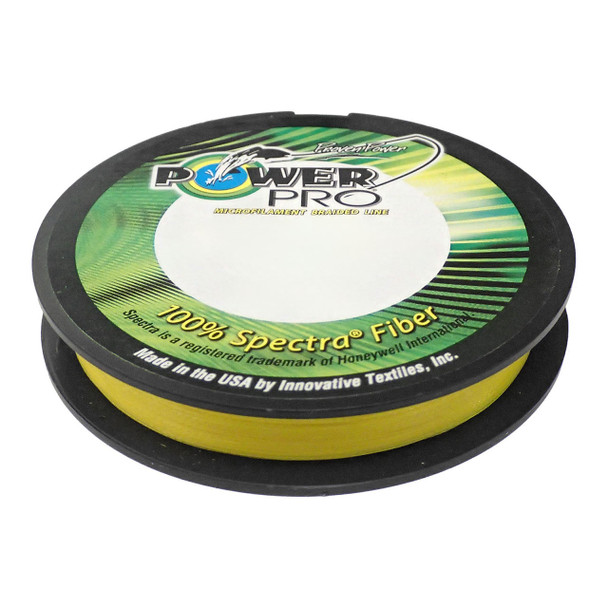
PowerPro Super 8 Slick V2
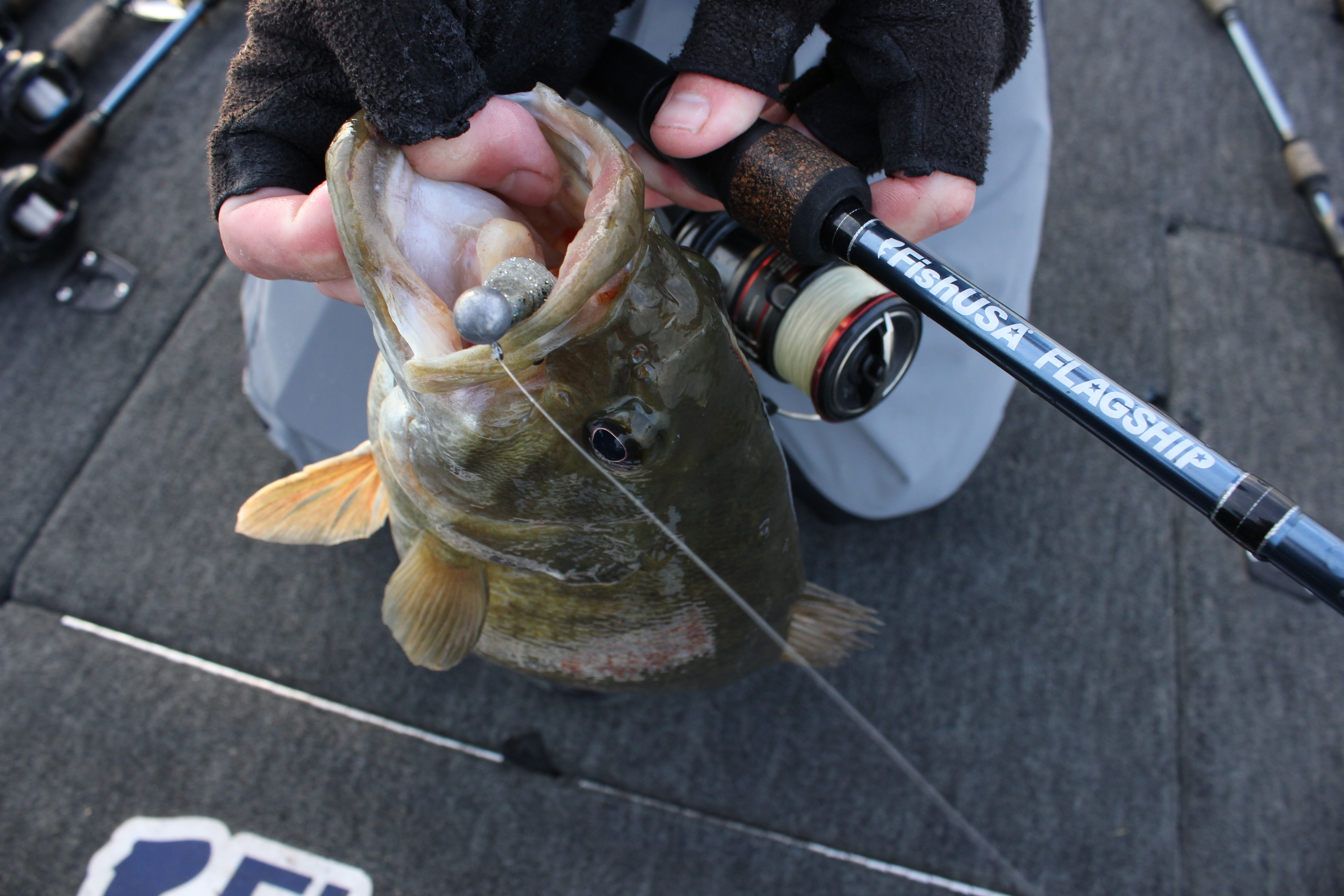
When casting distance, smooth guide feel, or finesse presentations are the priority, PowerPro Super 8 Slick V2 is built for that job. The 8-end dense weave creates a rounder, more uniform braid that flows through guides with less friction and audible noise. The coating adds a slicker surface that helps the line lay flat on spinning reels — which directly reduces wind knots when spooled properly.
- Best uses: Finesse spinning setups (drop shot, Ned rig, shakyhead), long-distance casting, topwaters and jerkbaits, inshore casting
- Why it works: Smoother surface reduces guide friction and improves line flow off the spool; 8-carrier weave produces a rounder, more manageable profile
- Who should pick it: Anglers who cast a lot, fish finesse techniques, or want the best possible casting performance from a spinning reel

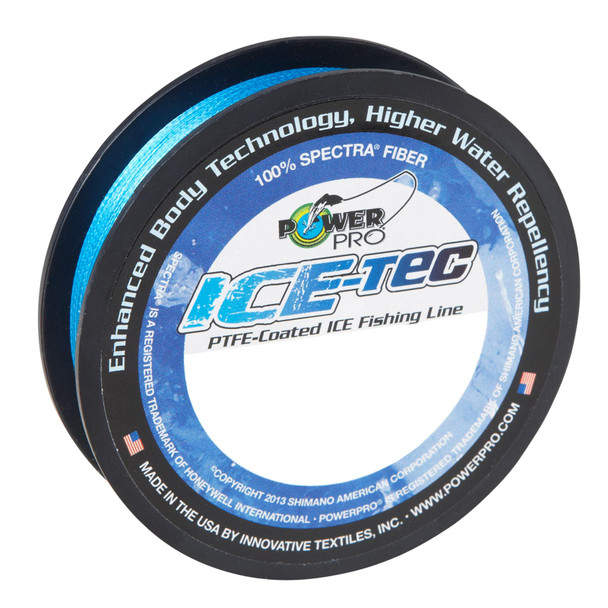
PowerPro Ice-Tec
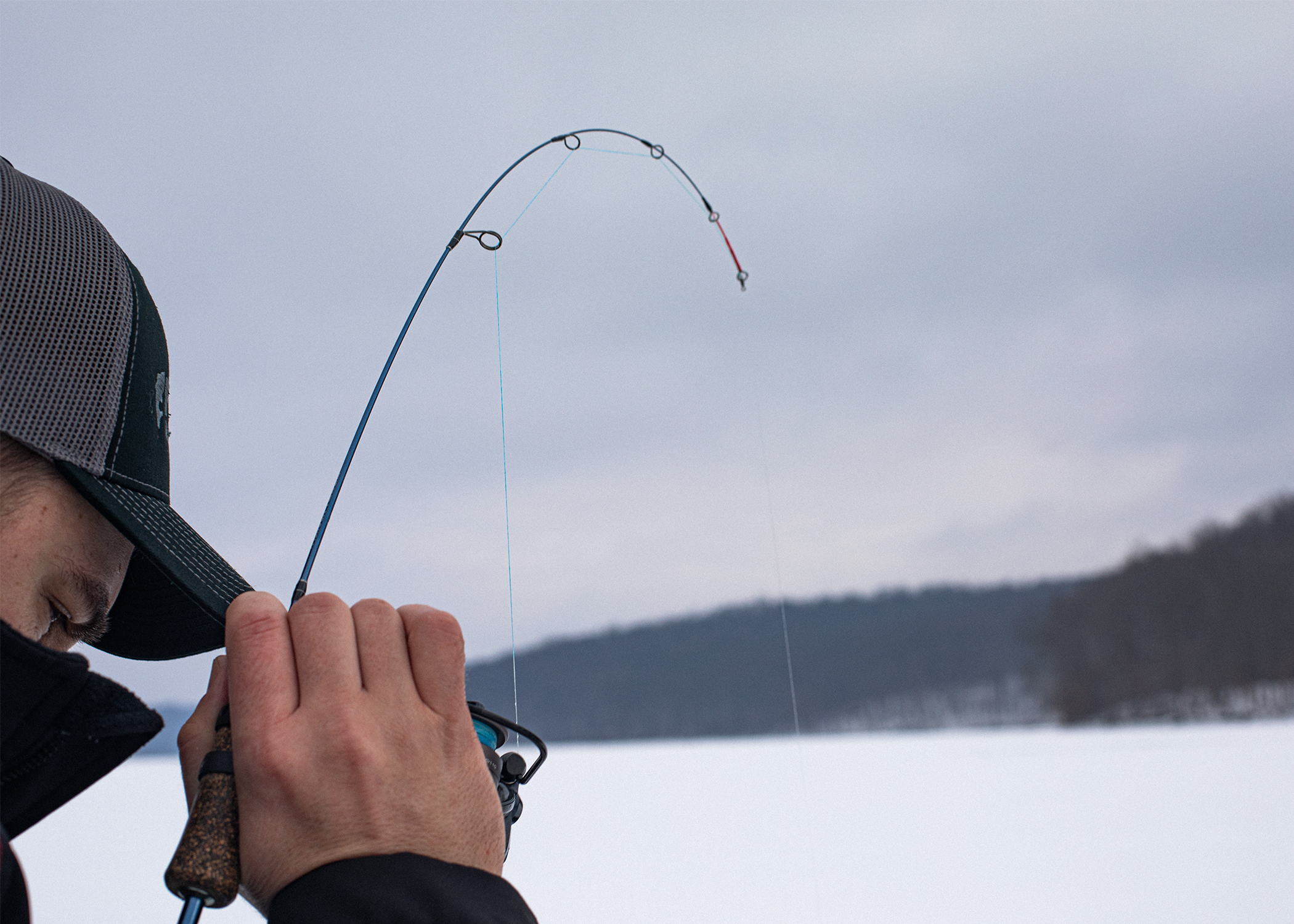
Cold water changes how a fishing line performs — standard braids can stiffen, coil, and lose their sensitivity as temperatures drop. PowerPro Ice-Tec is built specifically for those conditions. It handles cold without the stiffness issues that can make standard braid difficult to manage through frozen guides. Low stretch preserves the sensitivity needed to detect light winter bites.
- Best uses: Ice fishing (panfish, walleye, trout, perch), winter river and tributary fishing
- Why it works: Maintains flexibility and sensitivity in freezing temps; low stretch helps detect the subtle bites cold-water fish produce
- Who should pick it: Anglers who regularly fish hard water or cold-weather rivers — not just occasional ice anglers
How to Choose PowerPro Braid: 6 Factors That Matter
1. Pound Test vs. Diameter: Pick the Right Strength
Pound test is your strength rating, but diameter determines how the line actually behaves on the reel — spool capacity, casting distance, and line management all follow from it. The practical rule: size up for heavy cover and aggressive hooksets; size down for finesse and long casts, especially on spinning reels. For exact diameters by pound test, check the specs on the product listing at FishUSA.
2. Spinning vs. Baitcasting: Match the Line to Your Reel
- Spinning reels: Thinner, smoother braid (Super 8 Slick V2) minimizes wind knots and lays flatter on the spool. Going too light without proper tension during spooling increases loop and tangle issues.
- Baitcasters: Slightly heavier diameter reduces the risk of braid digging into itself under the spool when you set hard on a fish in heavy cover. See our full guide on PowerPro on spinning vs. baitcasting reels.
3. Match the Line to Your Technique
- Finesse (drop shot, Ned, shakyhead): Super 8 Slick V2 + fluorocarbon leader
- Frogging / punching mats: Braided Spectra Fiber in heavier pound test; tie direct, skip the leader
- Cranking / long-distance casting: Super 8 Slick V2 for smoother line flow off the spool
- Pitching and flipping wood: Braided Spectra Fiber + short fluoro leader in high-abrasion spots
- Ice fishing: Ice-Tec with a light leader section when targeting finicky fish
4. Water Clarity and Leader Strategy
In clear water, braid is more visible to fish than fluorocarbon or mono — and rocks, mussels, and docks can wear it faster. A fluorocarbon leader (12–24 inches for most applications, longer in very clear conditions) adds stealth and concentrates abrasion away from the mainline. In stained water or thick vegetation, many anglers skip the leader entirely to simplify the rig.
5. Braid Color: Hi-Vis vs. Low-Visibility
Hi-vis colors (yellow, green) make it easier to watch your line for subtle strikes on slack-line presentations like drop shots or shaky heads. Darker colors can feel more subtle in clear water. Either way, a fluorocarbon leader removes braid visibility as a real concern. Choose based on how you fish, not just aesthetics.
6. Cover and Abrasion
Rock piles, riprap, dock cables, and oyster beds wear braid faster than soft vegetation. In heavy abrasion environments: (1) use a leader to take the abuse, (2) consider stepping up diameter on the mainline, and (3) retie regularly. In saltwater, rinse your gear after trips and check the first few feet of line before each session.
Recommended Setups by Species and Technique
Bass
- Frogs and heavy grass: Braided Spectra Fiber in 50–65 lb, baitcaster, no leader
- Flipping and pitching wood or docks: Braided Spectra Fiber + short fluorocarbon leader in high-abrasion spots
- Finesse (drop shot, Ned, Alabama rig): Super 8 Slick V2 on spinning gear + fluorocarbon leader for stealth
Walleye
Braid’s zero-stretch sensitivity is a real advantage for jigging and bottom-contact walleye fishing — you feel gravel, rocks, and light bites that mono would mask. Most walleye anglers run braid mainline with an 8–10 lb fluorocarbon leader to reduce visibility and handle rocky riverbottom abrasion. Braided Spectra Fiber is the go-to here.
Pike and Muskie
Big baits, long days of casting, and hard pulls demand a comfortable, durable line. Braided Spectra Fiber in heavier pound tests handles the sustained load. If you’re throwing large topwaters or swimbaits all day, Super 8 Slick V2 can improve casting comfort. Always use a proper wire or heavy fluorocarbon bite leader.
Inshore Saltwater
Braid improves casting distance and gives better control around grass flats, oyster beds, and dock pilings. Pair it with an abrasion-resistant fluorocarbon leader (20–30 lb for most inshore species). Rinse the reel and first few feet of line after every saltwater trip to prevent corrosion and coating degradation.
Ice Fishing
Standard braids stiffen and become difficult to manage when temps drop below freezing. PowerPro Ice-Tec holds up in those conditions. Add a 24–36 inch light fluorocarbon leader when targeting finicky panfish or walleye in clear water.
Browse all PowerPro
See the full PowerPro lineup at FishUSA — all three lines in multiple pound tests, colors, and spool sizes.
Knots, Leaders, and Rigging Tips
Best Knot for Tying Direct to a Lure
Braid is thin and slick, and weak knots fail from slippage rather than breakage. The Palomar knot is the most reliable choice for tying braid directly to a hook, swivel, or lure. Cinch it carefully, wet the knot before tightening, and trim the tag end cleanly.
Best Braid-to-Leader Knot
The FG knot is the go-to braid-to-leader connection when the knot needs to pass through guides. It creates a slim, strong connection with minimal bulk. The IGFA has a simplified version: IGFA simplified FG knot guide. The double uni knot is easier to tie and works well when a slim profile isn’t critical.
How to Spool PowerPro Braid
- Use backing or tape first: Braid can slip on a bare spool. Mono backing (15–20 yards) or electrical tape over the arbor gives it something to grip.
- Maintain steady tension: Spool under firm, even pressure. Loose spooling creates uneven line lay that leads to wind knots and buried wraps.
- Don’t overfill: Leave a 1/8” lip on spinning reels. Overfilled spools throw loops on the cast, especially with lighter braid.
- After a snag or big fish: Pull 20–30 yards off the spool and reel it back on under firm tension to prevent compressed wraps from burying.
For a full walkthrough on size selection and spooling for each reel type, see our PowerPro spinning vs. baitcasting guide.
Troubleshooting Common PowerPro Braid Problems
Wind Knots on Spinning Reels
- Don’t overfill the spool — leave a small lip.
- Close the bail manually rather than flipping it with the handle; this sets the line properly before tension is applied.
- Consider stepping up one diameter if your setup is consistently prone to loops on the cast.
Braid Digging Into the Spool on Baitcasters
- Spool under higher tension to prevent soft spots in the line lay.
- Use a heavier diameter for heavy-cover fishing and hard hooksets — lighter braid compresses more easily.
- After a big fish fight or a hard snag, pull off 20–30 yards and reel back on under firm hand tension.
Fraying Near the Lure or Leader Knot
- Retie frequently around abrasive structure — don’t fish through obvious wear.
- Add or lengthen a fluorocarbon leader to shift the abrasion zone away from the mainline.
- If fraying happens repeatedly in the same spot without obvious contact, inspect the tip guide and all rod guides for chips or rough spots that can cut braid.
Color Fading
Some color fading is expected with use and UV exposure — it doesn’t mean the line has degraded. Judge by feel and performance: if the line feels fuzzy or flattened in cross-section, has visible abrasion, or begins to fray frequently, it’s time to reverse the spool (putting fresh line back on top) or replace it.
Conclusion
Most anglers should start with PowerPro Braided Spectra Fiber Line — it covers the widest range of techniques and conditions without a premium price. If casting distance and finesse presentation are priorities on a spinning rod, upgrade to Super 8 Slick V2. And if you fish hard water or cold winter rivers consistently, Ice-Tec is worth the dedicated spool.
The bigger gains come from the fundamentals: spool under tension, use the right knots, add a leader when conditions call for it, and retie regularly. Get those right and any of these lines will perform well above what the specs suggest on paper.
PowerPro Braid FAQ
Most spinning reel anglers reach for PowerPro Super 8 Slick V2 because its 8-carrier construction casts smoothly and lies flatter on the spool. Pair it with a fluorocarbon leader for stealth and abrasion resistance. Classic PowerPro Braided Spectra Fiber Line is also a solid choice when spooled under firm, even tension.
Super 8 Slick V2 uses an 8-end dense weave and coating that produces a smoother, quieter line better suited for long casts and finesse presentations. Braided Spectra Fiber Line is the original workhorse — strong, durable, and versatile at a lower price point. Choose V2 when casting performance is the priority; choose Spectra Fiber for all-around fishing and heavy cover.
In clear water or around abrasive structure — rocks, docks, shell beds — a fluorocarbon leader adds stealth and extends the life of your mainline. In heavy vegetation like matted grass, many anglers tie direct to braid to maximize pull strength. The main factors are water clarity and the type of cover you’re fishing.
For tying braid directly to a hook or lure, the Palomar knot is the most reliable and consistent choice — it holds well without slipping. For connecting braid to a fluorocarbon leader, the FG knot creates a slim, strong connection that passes through guides cleanly.
Braid color can affect visibility to fish, but leader choice usually matters more. Hi-vis colors make it easier to watch your line for subtle bites on slack presentations. In clear water, a fluorocarbon leader effectively removes braid visibility as a concern regardless of line color.