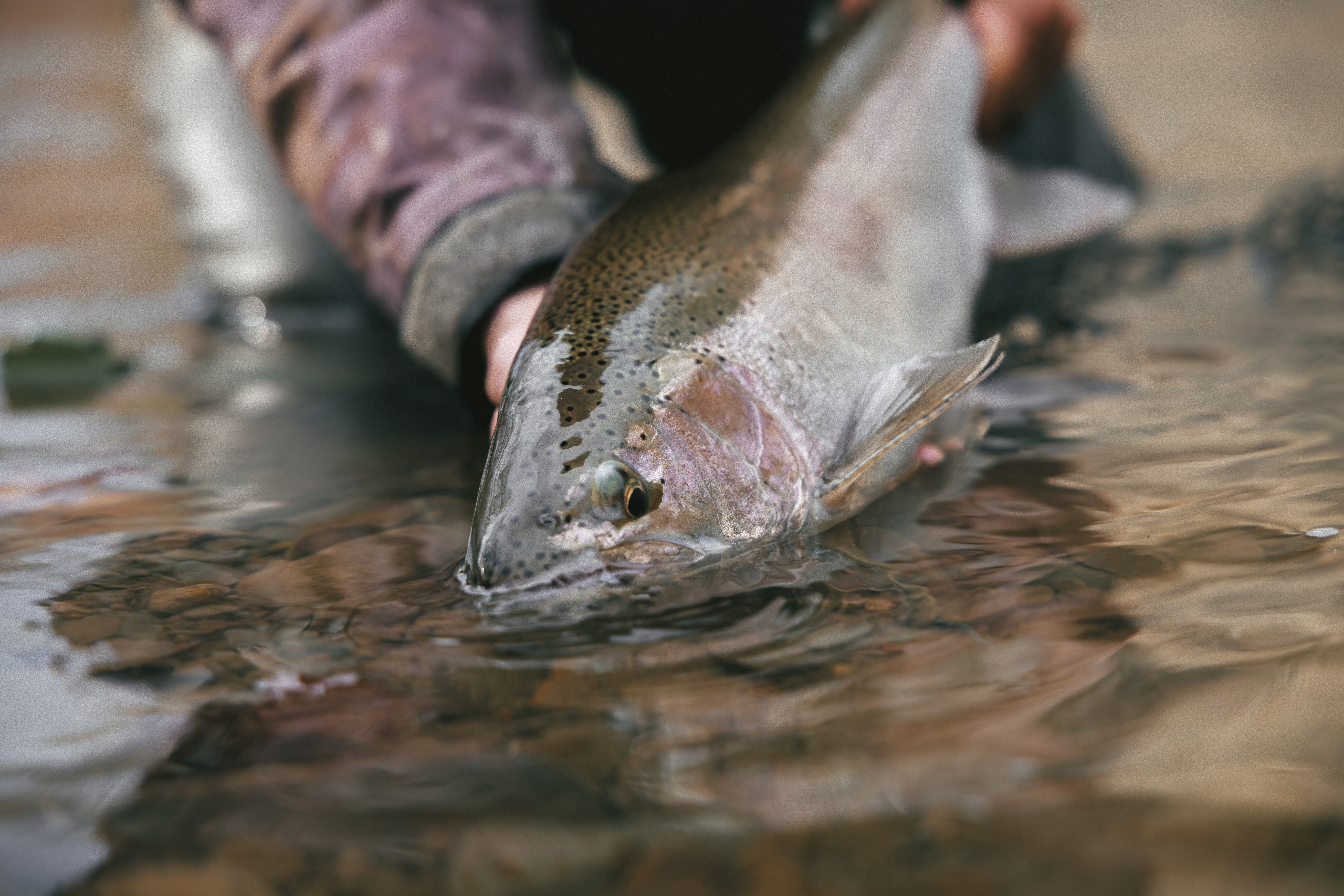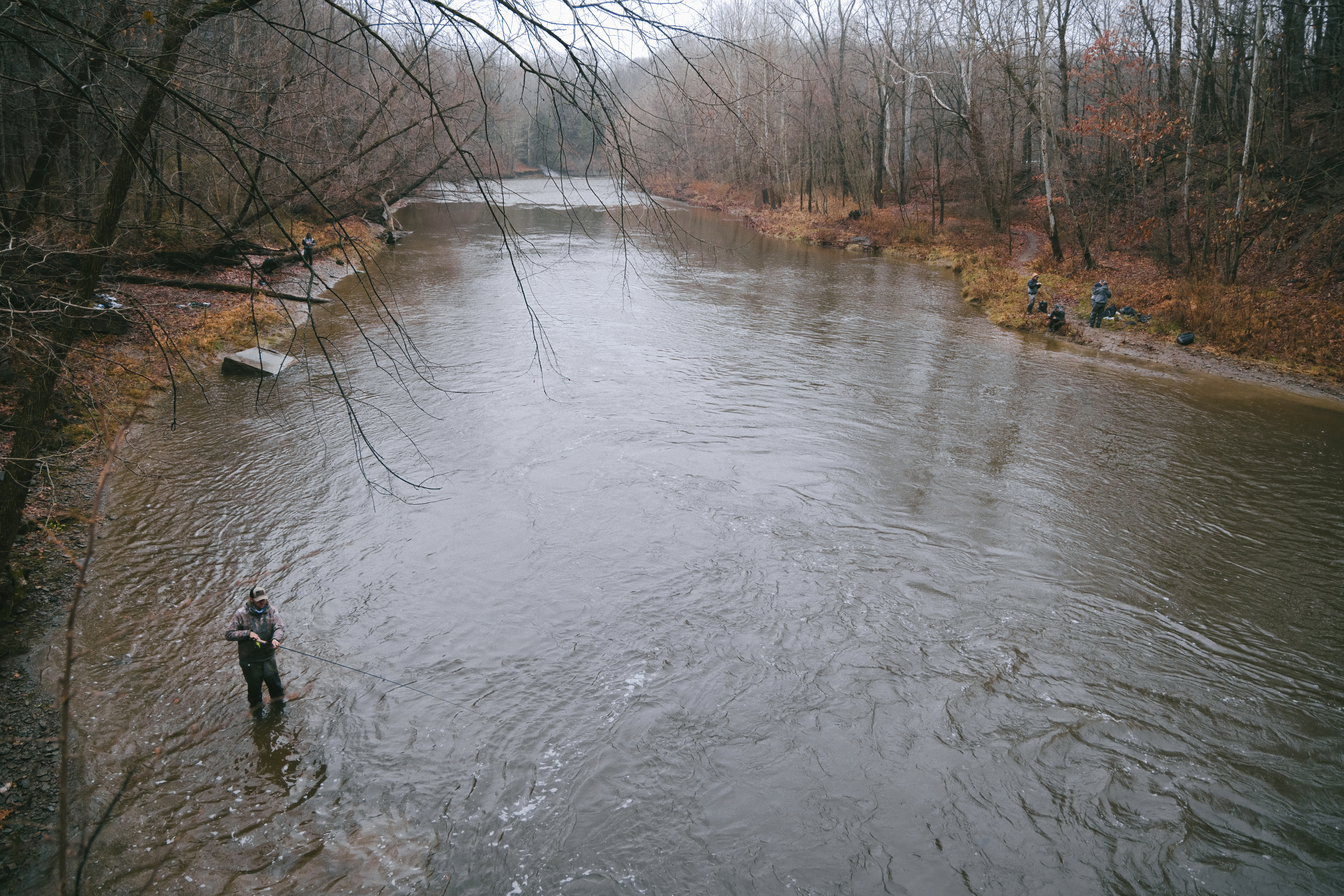

Late Winter Steelhead Fishing: Cold-Water Tactics, Gear, and Presentations That Work

When the crowds disappear and the water gets frigid, steelhead can be concentrated—and surprisingly catchable—if you adjust your approach.

When the crowds disappear and the water gets frigid, steelhead can be concentrated—and surprisingly catchable—if you adjust your approach.

Table of Contents

  • Quick Answer: What Changes in Late Winter
  • Why Late Winter Can Be Prime
  • Where Steelhead Hold in Late Winter
  • Presentation: Slow, Natural, Controlled
  • Best Baits & Flies for Winter Steelhead
  • Fluorocarbon Leaders: The Cold-Water Edge
  • Winter Gear That Keeps You Fishing
  • A Simple Late Winter Steelhead Game Plan
  • Common Mistakes
  • FAQs
  • Final Takeaway: Fish Slower, Dress Smarter, Catch More Late Winter Steelhead

Quick Answer: What Changes in Late Winter Steelhead Fishing?

The biggest challenge in late winter steelhead fishing isn’t finding a “secret bait”—it’s solving two problems at once: (1) steelhead are less willing to chase in cold water, and (2) brutal weather shortens your time on the river. The fix is simple but not always easy: focus on deep, slow pools and tailouts, fish them methodically, use fluorocarbon leaders for stealth and natural drift, and rotate eggs, beads, jigs, and subtle fly patterns until you trigger bites.

Why Late Winter Steelhead Can Be the Best (If You Adapt)

Late winter is a funny window: conditions feel harsh, but the fishing can be excellent. Many casual anglers stay home, which means less pressure, more room, and fish that haven’t seen 1,000 drifts a day. In New York’s Lake Erie tributaries, for example, steelhead runs extend well into winter and early spring, giving anglers legitimate opportunities through late winter.

Here’s the underrated truth: on the toughest days, the angler who stays comfortable enough to keep fishing usually wins. If you’re shivering, numb, and rushing through drifts, you’ll miss bites and abandon good water too early.

Where Steelhead Hold in Late Winter

As water temperatures drop into true winter range (many anglers use ~38°F as a practical “behavior shift” marker), steelhead commonly slide out of fast riffles and into deeper, slower pools, soft seams, and tailouts where they can conserve energy. This doesn’t mean they never use fast water—it means your highest-percentage water changes.

High-percentage winter water

  • Deep pools (“winter buckets”): slow, stable water where fish can rest.
  • Soft seams: the slow edge beside faster current—prime “grab a meal” lanes.
  • Tailouts: where flow tapers and depth changes; steelhead often slide through and feed here.
  • Depth changes and subtle edges: the inside bend, a depression, or a drop-off can hold more fish than it looks like.

Water to de-prioritize in true cold snaps

If you’re limited on time, spend less effort on shallow riffles and fast choppy runs and more effort on the places fish can live comfortably in the cold. Think “easy calories, minimal effort.”

“Work every inch” instead of “10 drifts and go”

Late winter steelhead can stack in small sections of a pool. A common mistake is drifting only the middle lane and leaving. Instead, cover the pool in layers: mid-lane, then soft seam edges, then tailout. When you’re sure you’ve covered the water well, move.

External planning note: Always verify current regulations for your river and season. New York’s Great Lakes & tributaries rules are published by NYSDEC and can vary by location.

Presentation in Late Winter: Slow, Natural, and Controlled

In late winter, your drift often matters more than your bait. If your offering is too fast, too high, or dragging unnaturally, steelhead can ignore it even when they’re sitting right there.

A 5-step “winter drift” checklist

  1. Get to the right lane: aim for the slow seam and deeper bucket water.
  2. Match speed: your float/indicator should travel naturally with the current.
  3. Control depth: tick bottom occasionally, but don’t plow or snag every drift.
  4. Repeat angles: fish respond to small changes—run slightly different lanes through the same holding water.
  5. Change one variable at a time: size → color → profile → scent (don’t randomize everything at once).

Winter bite detection: the “nothing…then something” bite

  • Ticks and hesitation: a tiny pause in your float can be the bite.
  • Dead weight: if it feels like a leaf or a snag that moves, set the hook.
  • Sweep set: a firm sweep is often better than a wild hookset that rips bait away.

Best Baits and Flies for Late Winter Steelhead
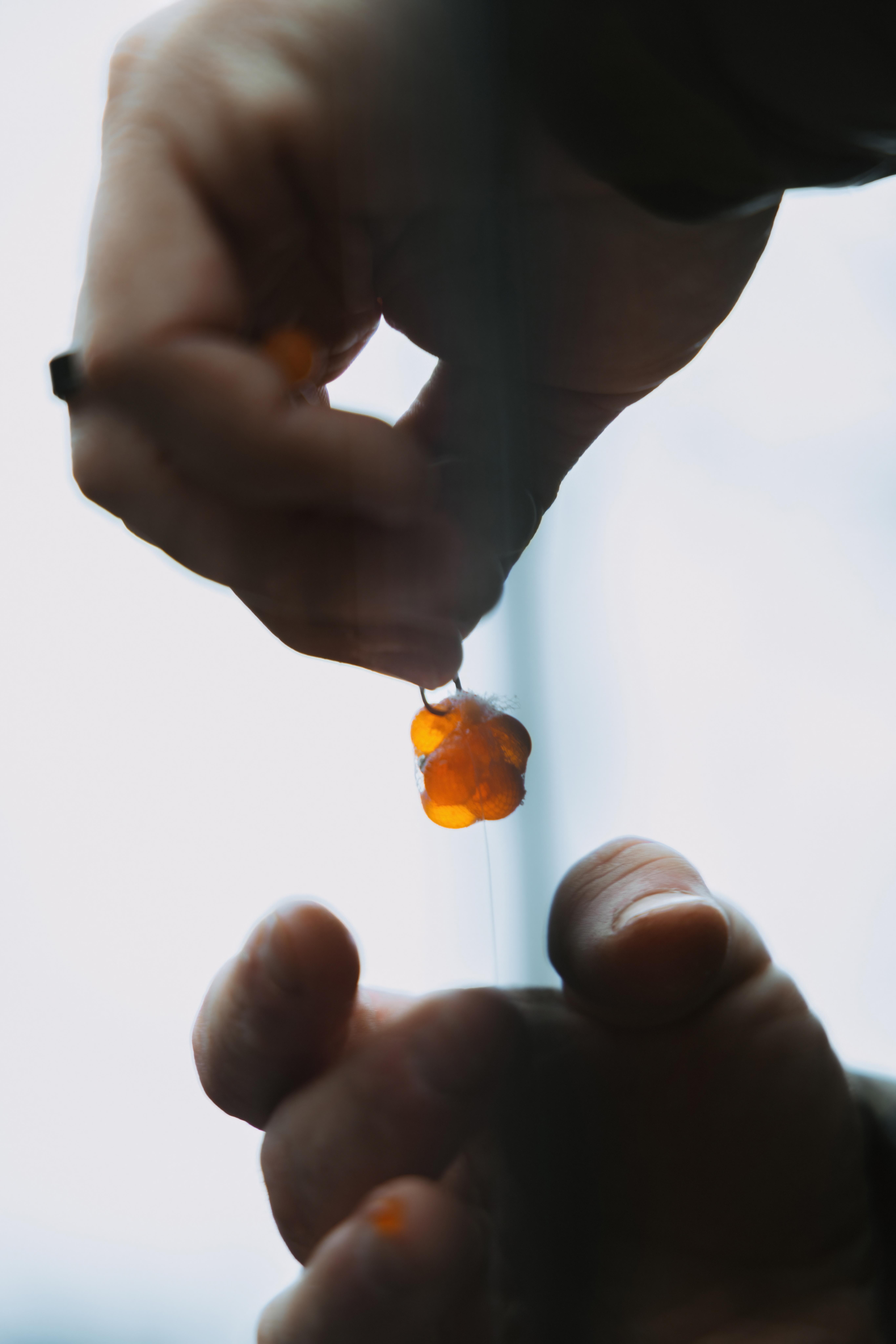
“Best” changes day to day. Late winter steelhead often reward anglers who stay versatile—especially with size and color. Build a small rotation you can cover confidently.

Spin & centerpin staples

  • Egg sacs and single eggs: a cold-water classic that can produce when fish won’t chase.
  • Beads: great for matching subtle egg profiles and dialing in depth.
  • Jigs: deadly under a float; adjust weight to current so they ride naturally.
  • Shiner/minnow patterns: can shine when fish want a larger meal.

Shop tackle & gear: Salmon & Steelhead gear, steelhead jigs, beads, eggs & roe-style baits.

Fly fishing patterns that consistently produce in cold water

  • Blood dots, sucker spawn, and egg patterns: great when fish are low-energy.
  • Nymphs: ideal for slow, deep lanes and subtle takes.
  • Streamers: better when you see aggression or slightly warmer “windows.”

Fly Shop: Steelhead Flies

Scents and attractants: the “tough day” tie-breaker

Scents and gel attractants aren’t magic, but they can be a difference-maker when fish are following and refusing. Use a light touch—especially in clear water—so you enhance the presentation without overpowering it.

Shop: Attractants and Cures

Fluorocarbon Leaders: The Cold-Water Edge

Steelhead have strong vision, and winter water is often clearer than fall spate flows. Fluorocarbon can help your presentation look more natural and reduce visibility—especially when you’re fishing slow pools where fish have time to inspect your offering.

Leader length guidelines (practical starting points)

  • Spin / centerpin: many anglers run roughly 3–6 feet of fluorocarbon leader, adjusting for clarity and pressure.
  • Fly fishing: longer tapered leaders (often 9–12 feet) can help in clear, slow winter pools.

Match leader strength to conditions

  • Low & clear: consider lighter leader and smaller profiles.
  • Higher or stained: step up strength to handle flow, snags, and bigger fish.

Tip: If you’re losing fish late, don’t automatically “go heavier.” Check hook sharpness, drag, and whether you’re setting too hard in cold water.

Shop Leaders

Winter Gear That Keeps You Fishing Longer (and Catching More)
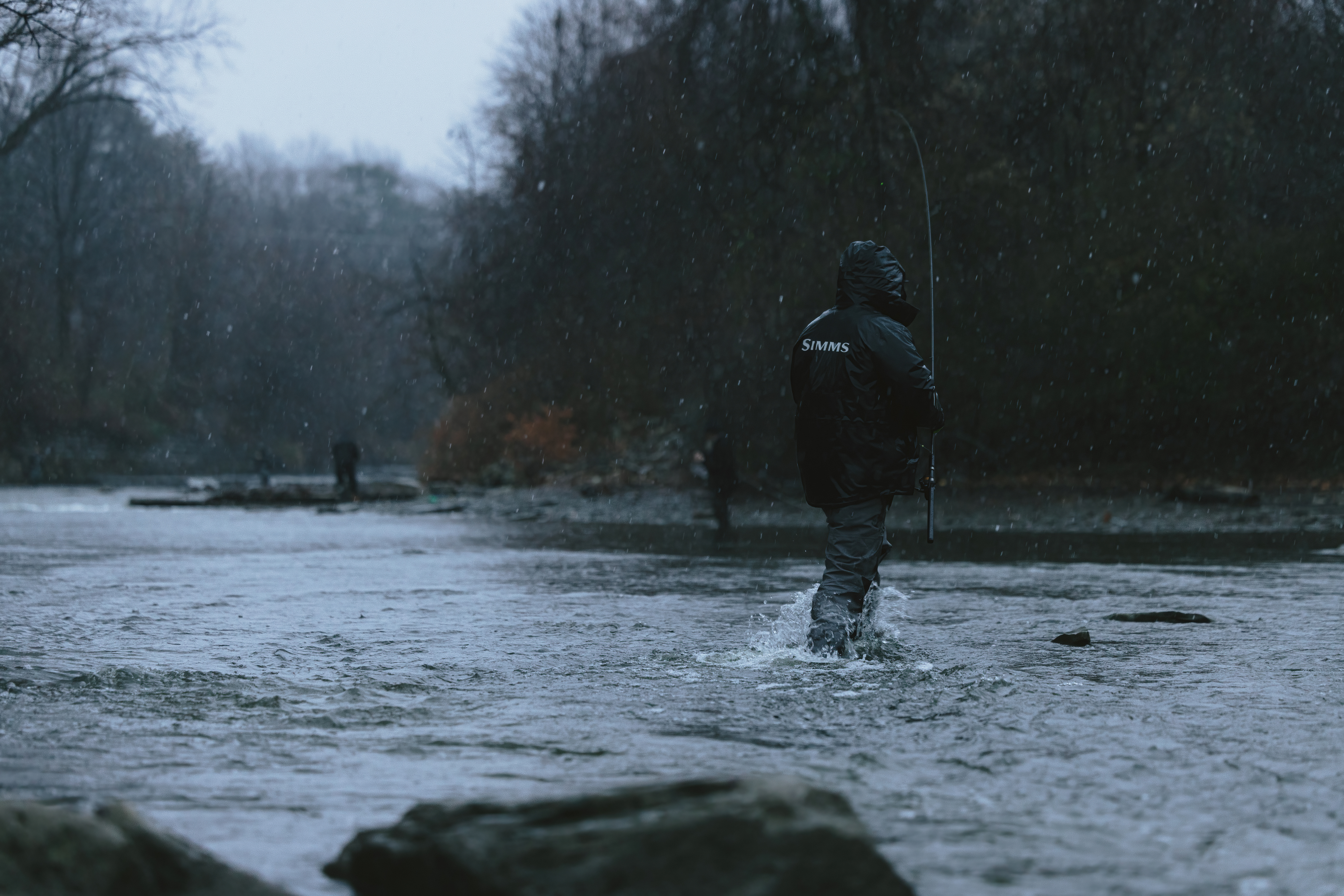
Late winter steelhead success is often a comfort equation. More comfortable = more focused = more drifts = more chances. Dress for the day you hope you don’t get, because winter weather can flip fast.

Layering that works

  • Base layer: invest in quality; moisture management matters.
  • Mid layer: fleece or insulated layer for warmth.
  • Outer shell: windproof and waterproof jacket to protect the system.

Neoprene vs breathable waders (choose based on your style)

If you stand for hours in one run, neoprene can be a warmth advantage. If you “run and gun” and cover water, breathable waders paired with warm layers can be more comfortable and less sweaty—especially when hiking between spots.

Hands, feet, head: the bite-killers

  • Hands: carry two glove options—one for fishing and one for warming up between drifts.
  • Feet: don’t overstuff socks; tight boots reduce circulation and make feet colder.
  • Head/neck: a warm hat plus a gaiter makes a bigger difference than most people expect. 

A Simple Late Winter Steelhead Game Plan

Plan A: Start in deep pools and tailouts

  • Pick one pool and fish it thoroughly (mid-lane → seams → tailout).
  • Run an egg or bead first for a natural cold-water look.
  • If you see follows or subtle interest, adjust size/color before leaving.

Plan B: If you see fish but can’t trigger bites

  • Go smaller and more natural (especially in clear water).
  • Slow your drift and tighten your depth control.
  • Add a light scent or switch to a different profile (egg → jig, bead → nymph).

Plan C: If you’re not seeing signs of life

Don’t grind dead water all day. Late winter steelhead often stack—so moving between multiple pools can be smarter than camping one spot. Fish thoroughly, then relocate.

External regulations reminder: If you’re traveling across state lines (NY/PA/OH), regulations can differ by waterbody and season. Use official sources like NYSDEC’s Great Lakes rules, Pennsylvania’s PFBC Lake Erie pages, and Ohio’s ODNR regulations to confirm current requirements. PFBC Lake Erie |Ohio fishing regulations

Common Late Winter Steelhead Mistakes (and the Quick Fix)

  • Fishing fast water out of habit: prioritize deep, slow pools and tailouts first.
  • Leaving a pool too early: cover multiple lanes before moving.
  • Staying stuck on one “confidence bait”: rotate size and color; winter fish can change daily.
  • Leaders too heavy/short in clear water: lengthen and lighten for a more natural drift.
  • Dressing wrong and ending the day early: treat warmth like essential tackle.

FAQs: Late Winter Steelhead Fishing

Where do steelhead hold in late winter?

In late winter, steelhead commonly favor deeper, slower pools, soft seams, and tailouts where they can conserve energy and feed efficiently.

What are the best baits for late winter steelhead?

Egg sacs, beads, and jigs are top producers for spin and centerpin anglers, while egg patterns, nymphs, and occasional streamers are strong fly choices. Rotate sizes and colors based on clarity and fish mood.

How long should my fluorocarbon leader be for winter steelhead?

Many anglers start around 3–6 feet for spin/centerpin and longer tapered leaders for fly fishing, then adjust for clarity, pressure, and drift control.

Should I use scent/attractant in winter?

Scents can help on tough days, especially when fish follow and refuse. Apply lightly and let drift and depth remain the priority.

Neoprene vs breathable waders for winter steelhead: which is better?

Neoprene can favor stationary anglers in frigid conditions, while breathable waders often suit mobile anglers who hike and cover water—especially when paired with good layers.

Final Takeaway: Fish Slower, Dress Smarter, Catch More Late Winter Steelhead

Late winter steelhead fishing rewards anglers who simplify: cut the river in half by prioritizing deep, slow pools and tailouts, fish every lane methodically, and stay versatile with eggs, beads, jigs, and winter fly patterns. Just as important, dress to stay warm and functional— because the angler who can keep making good drifts will out-fish the angler who has to quit early.

Shop Steelhead Fishing Gear

  • Steelhead Rods
  • Steelhead Beads
  • Steelhead Soft Baits
  • Steelhead Jigs