

Pre-Season Ice Fishing Prep: Sharpening Auger Blades, Organizing Tackle, and Checking Electronics
By: FishUSA Staff
December 16, 2025
You know the scene: first safe ice, perfect conditions, fish are snapping—and someone on the ice is fighting a dead battery, dull auger, and rusty jigs while the bite is on. Dialed-in pre-season ice fishing prep is what separates that guy from the angler who’s drilling efficiently and catching fish from the first drop.
You know the scene: first safe ice, perfect conditions, fish are snapping—and someone on the ice is fighting a dead battery, dull auger, and rusty jigs while the bite is on. Dialed-in pre-season ice fishing prep is what separates that guy from the angler who’s drilling efficiently and catching fish from the first drop.
This is not a beginner “don’t forget your gloves” checklist. This is an advanced ice fishing pre-season checklist focused on three major failure points for serious hardwater anglers: sharpening auger blades and maintaining your auger, organizing ice fishing tackle into a system that actually works on the ice, and thoroughly checking ice fishing electronics so sonar, GPS, and batteries are ready to grind all winter.
In this guide, we’ll walk step-by-step through pro-level auger maintenance, modular tackle organization, and pre-season sonar and GPS prep. You’ll also get practical timelines, FAQs, and suggestions for internal resources (gear, electronics, safety) and external manufacturer tips that add credibility and depth. By the time you’re done, you’ll have a repeatable system that turns pre-season ice fishing prep into automatic first-ice success.
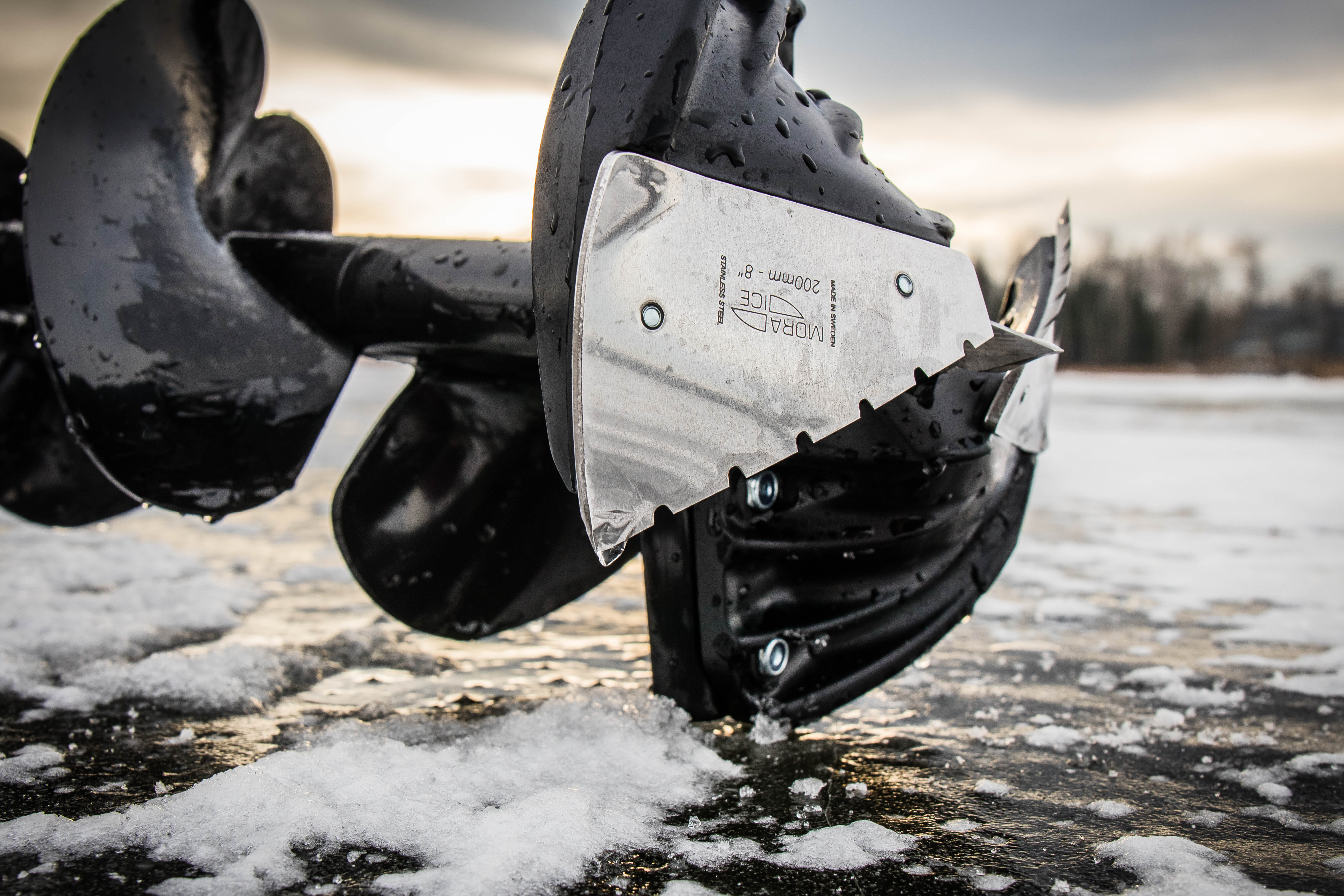
Table of Contents
- Pre-Season Ice Fishing Checklist for Advanced Anglers
- Sharpening Auger Blades and Ice Auger Maintenance
- Organizing Ice Fishing Tackle for Maximum Efficiency
- Checking and Calibrating Ice Fishing Electronics
- Shelter, Sled, and Clothing Tune-Up
- Creating a Pre-Season Ice Fishing Timeline
- FAQs – Pre-Season Ice Fishing Prep for Experienced Anglers
- Conclusion: Turn Pre-Season Prep into First-Ice Confidence
Pre-Season Ice Fishing Checklist for Advanced Anglers
Build a System, Not a Last-Minute Panic
Experienced anglers know that “I’ll get to it” turns into the night before your first trip with gear scattered everywhere. The fix is simple: build a pre-season ice fishing checklist you follow every season. Treat prep like you treat a tournament or a guided trip—organized and intentional.
At a minimum, your checklist should cover:
- Cutting & drilling: Auger blades, powerhead, spare blades, extensions.
- Tackle & terminal: Jigs, spoons, plastics, hooks, leaders, snaps, weights.
- Electronics: Sonar, GPS, batteries, chargers, wiring.
- Rods & reels: Line, guides, drag, lubrication.
- Shelters & sleds: Fabric, hubs/poles, sled runners, tow bars.
- Clothing & safety: Float suit, picks, rope, cleats, gloves, headlamps.
Use a note app, spreadsheet, or printed sheet you can reuse every year. After each season, jot down what annoyed you most (weak battery, dull blades, tackle chaos) and bake those fixes into next season’s checklist.
Prioritize Critical Failure Points
Not all gear failures are equal. A forgotten lure box is annoying; a dying auger or sonar is day-ruining. When you plan your pre-season ice fishing prep, prioritize the items that can completely shut down your day:
- Dull or damaged auger blades.
- Dead or unreliable electronics batteries.
- Frozen, under-lubed reels or cracked guides.
Front-loading these items early in the fall ensures you’re not scrambling when the first cold snap hits.
Sharpening Auger Blades and Ice Auger Maintenance
Inspecting Ice Auger Blades Before the Season
Pre-season auger prep starts with a slow, detailed inspection. Clear a table, pull the auger out, and get close:
- Look for chips, rolled edges, flat spots, and rust along the cutting edge.
- Check the underside of the blade—any burrs or “back bevel” damage will ruin cutting performance.
- Confirm the blades sit perfectly flush and tight against the mounting surface; loose bolts or misaligned shims can make a sharp blade cut like junk.
While you’re at it, inspect the auger flighting for bends and the powerhead shaft for wobble. A slightly bent auger can cause vibration, excessive wear, and poor hole quality.
If you’re looking for a new ice auger, take a look at what we have to offer: Ice Augers
How to Sharpen Auger Blades (and When Not To)
Sharpening auger blades is one of those tasks that can save you money—or destroy a good set of blades if you get it wrong. Some brands and styles (especially certain shaver blades) are very sensitive to angle changes.
General guidelines:
- When to DIY sharpen: Minor dullness, light edge rolling, no deep nicks, and blades with a simple bevel you can mimic accurately.
- When to replace: Deep chips, cracks, corrosion pitting, and blades that have already been “experimented on” too many times.
- When to send to a pro: High-end blades with complex bevels or when you lack the tools and experience for consistent angles.
If you do sharpen yourself, stick to fine files or diamond stones, work only the beveled face, and avoid grinding the flat side. Maintain the factory angle and finish with light, even strokes. When in doubt, consult the auger manufacturer’s sharpening recommendations (link externally to the official manufacturer page) so you don’t void warranties or ruin geometry.
Auger-Specific Pre-Season Maintenance
Beyond sharpening auger blades, pre-season ice fishing prep should include a full check of your specific auger type:
Gas augers:
- Inspect fuel lines and primer bulbs for cracks or softness.
- Change the spark plug, check air filter, and verify compression/start-up.
- Use fresh, ethanol-free fuel with the proper mix; purge old gas from last year.
Propane augers:
- Inspect hoses and connections for leaks or wear.
- Test-fire with a fresh cylinder, ensuring smooth start and idle.
- Check your regulator and protective covers.
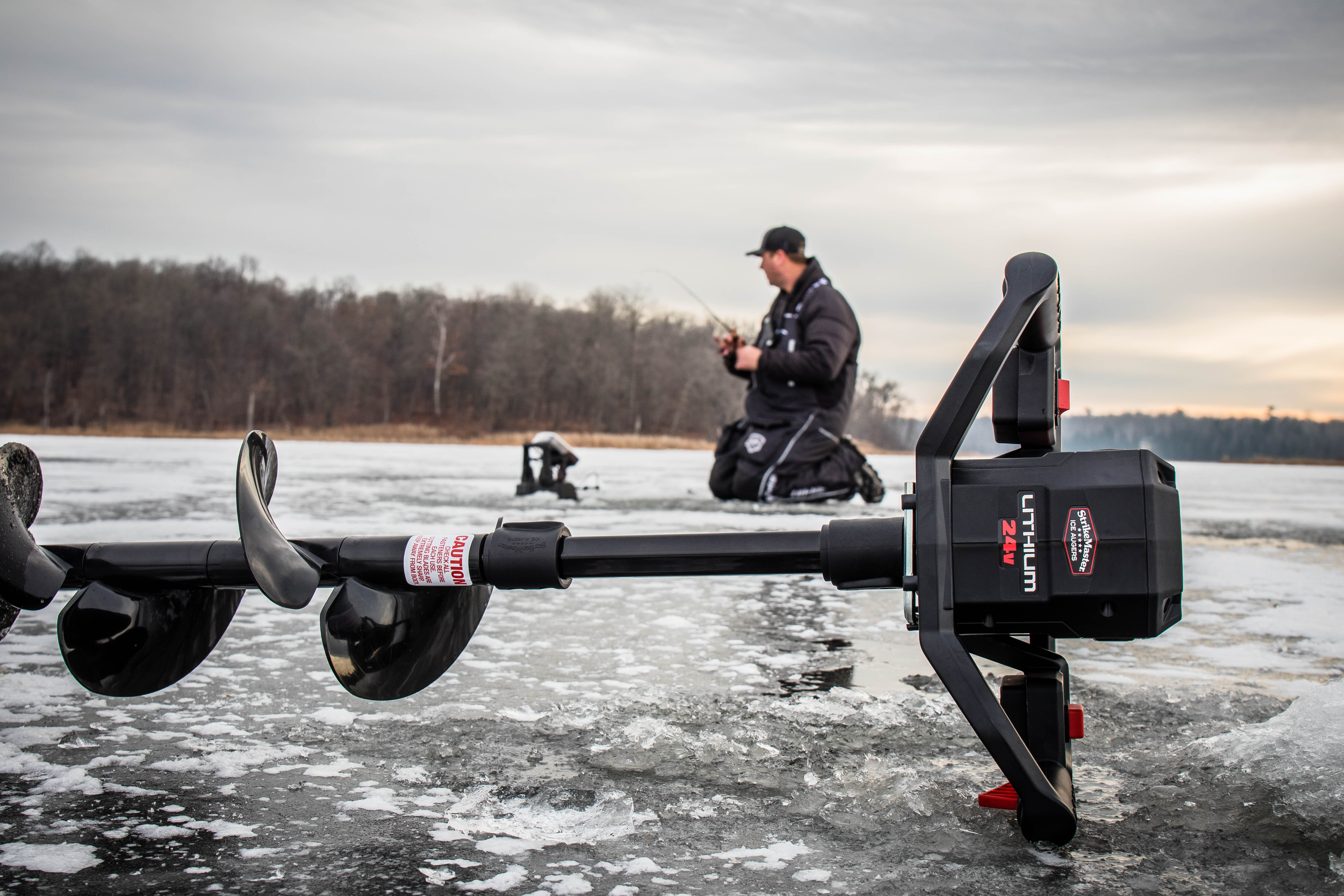
Electric augers:
- Test each battery under load: spin the auger in a controlled environment.
- Check charging systems, cords, and mounting hardware.
- Review storage and charging guidelines from the manufacturer, especially for lithium packs.
Manual augers:
- Check that handles spin freely and the shaft is straight.
- Inspect extensions and connection points if you fish thick ice.
On-Ice Backup Plans and Blade Storage
Even with perfect pre-season prep, stuff fails. Advanced anglers carry:
- A spare set of sharpened blades in a hard plastic case.
- Extra bolts and the correct wrench or Allen key.
- A small bottle of light oil or rust inhibitor to protect metal surfaces.
Store blades dry, lightly oiled, and always covered with guards. Tossing bare blades into a sled or bucket is how you dull them before they ever hit ice.
To go deeper, internally link to a dedicated Ice Auger Maintenance Guide if you have one on your site.
Organizing Ice Fishing Tackle for Maximum Efficiency
Audit Last Season’s Tackle
Before you buy anything new, dump every ice box on the table. This is the brutal honesty part of pre-season ice fishing prep:
- Discard bent jigs, broken hooks, and hopelessly rusted hardware.
- Separate “works great” baits from “never leaves the box” baits—donate or retire the latter.
- Group gear by species and application: panfish, walleye, lake trout, pike, deadstick gear, etc.
An honest audit helps you avoid hauling useless weight and ensures your best producers are easy to find.
Build a Modular Ice Tackle System
Instead of one overloaded tackle coffin, think in modules. An efficient system might include:
- Core box: Always comes—terminal tackle, basic spoons, snaps, split shot, key confidence baits.
- Species boxes: Panfish tungsten box, walleye spoon/rattle bait box, laker/whitefish box.
- Condition boxes: “Clear water finesse” vs “stained water loud and flashy.”
Label boxes clearly (on the spine and lid) using a marker or label maker. Some anglers go even further and note “depth range” or “best on X Lake” for quick decision-making in the shack.
Rust Prevention, Hook Upgrades, and Terminal Tackle
Pre-season is prime time to prolong the life of your tackle and increase hook-up ratios:
- Swap rusty or weak trebles for premium replacements on spoons and rattle baits.
- Add anti-rust tabs or silica packs to tackle boxes to fight moisture.
- Ensure each box has appropriate snaps, swivels, beads, and weights so you’re not hunting across boxes mid-bite.
Pre-Rig Leaders and Rigs
One of the best advanced moves in pre-season ice fishing prep is pre-rigging leaders and custom rigs:
- Tie fluorocarbon leaders of different lengths and pound-tests for each species.
- Pre-build deadstick rigs, dropper chains, and stinger-hook setups for walleyes and perch.
- Wrap leaders on foam disks, leader spools, or dedicated wallets—label them by species and line size.
When a hot bite starts and fish are inhaling a specific rig, you’ll appreciate being able to swap leaders in seconds rather than tying in the wind.
Rod, Reel, and Line Prep
Your tackle system is only as good as the rods and reels delivering it:
- Rods: Inspect guides for chips using a cotton swab (snags = damage). Check reel seats, handles, and tip-tops.
- Reels: Clean old grease, lightly lube gears and drags with cold-friendly lubricants, check anti-reverse and handle play.
- Line: Replace heavily used mono and fluoro; flip braid on the spool if still in good shape or replace if frayed or faded.
If you need new rods, reels, or line, check out our top recommendations:

Checking and Calibrating Ice Fishing Electronics
Pre-Season Sonar and Flasher Checks
For many advanced anglers, ice fishing electronics are the heart of their system. Don’t wait until the first trip to find out a transducer cable is cracked or a flasher won’t power up.
Pre-season steps:
- Power on each unit and cycle through all modes and ranges.
- Inspect cables and connectors for nicks, corrosion, or loose connections.
- If possible, test in open water or a controlled depth (dock, pool, tank) to verify depth readings and sensitivity.
GPS, Mapping, and Waypoint Management
For serious anglers, pre-season is the time to get your mapping dialed:
- Update GPS and map card firmware to the latest version.
- Clean up waypoints—delete junk, rename key spots, and group waypoints by lake or pattern.
- Create “Ice 2025” (or current season) waypoint categories for new discoveries.
Consider building early-ice, midwinter, and late-ice waypoint lists or routes so you’re not scrolling endlessly on the ice. Internally link to a resource like Ice Fishing Electronics Guide for readers who want in-depth sonar and mapping tutorials.
Forward-Facing and Live Imaging Prep
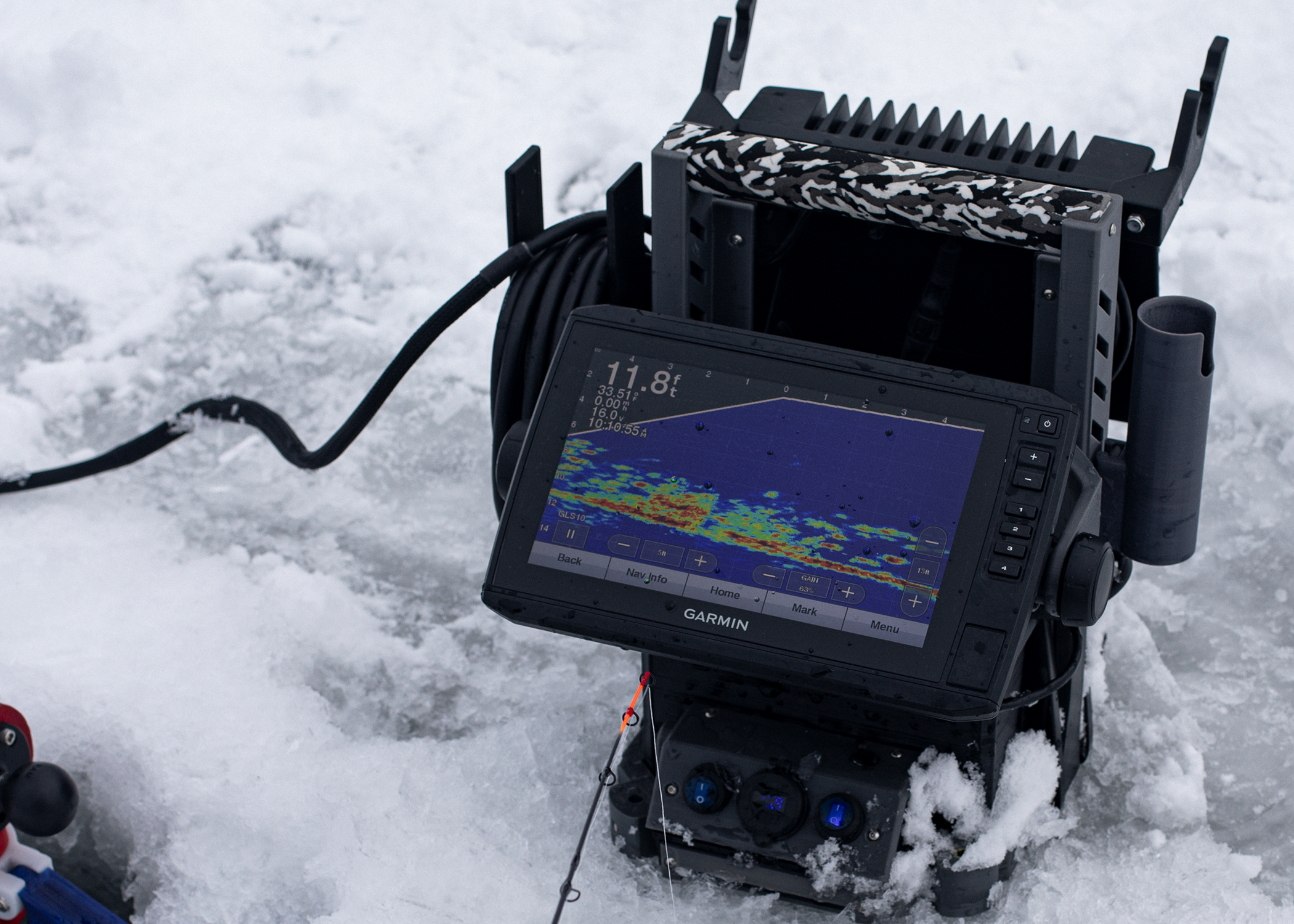
If you’re running forward-facing or advanced live sonar on the ice, treat it like your most valuable tool:
- Update firmware, paying attention to any winter-specific features or bug fixes.
- Calibrate heading sensors and verify transducer orientation.
- Test your portable mount or shuttle so you’re not tinkering with hardware on a frozen lake.
Use pre-season time to experiment with gain, color palettes, and noise filters so you have baseline settings ready for typical depths and clarity.
Battery Health and Power Management
Nothing ruins a first-ice mission like electronics dying at prime time. Pre-season ice fishing prep should include a full battery audit:
- Charge and then test each battery with a voltmeter and, if possible, under load.
- Label each with purchase date and capacity (e.g., 10Ah lithium, 9Ah SLA).
- Retire any batteries that sag quickly or won’t hold charge; upgrade to lithium where possible for lighter weight and better cold performance.
Set up a charging station in your garage or basement. Know which charger goes with which battery, and don’t mix incompatible chemistries. For detailed battery care, you can link externally to battery manufacturer resources and internally to any power-management articles you have.
On-Ice Electronics System Organization
Finally, think about how your electronics live on the ice:
- Mount sonar and GPS on a shuttle or sled in a way that keeps cables protected and screens visible.
- Use Velcro, clips, or zip ties to route cables so they don’t snag boots, rods, or auger bits.
- Pack spare fuses, connectors, and at least one backup battery for full-day or multi-day trips.
Shelter, Sled, and Clothing Tune-Up
Inspect and Maintain Shelters
Even though they’re not in the article title, shelters are a big part of effective pre-season ice fishing prep. Look over your hub or flip-over:
- Check fabrics for tears, pinholes, or seam separation.
- Inspect poles, hubs, hinges, and sled frames for cracks or bending.
- Lubricate zippers and replace broken pulls or guy lines.
Patch small holes with repair kits and consider re-waterproofing heavily used fabric. An internal link to Ice Fishing Shelter Maintenance can add extra depth.
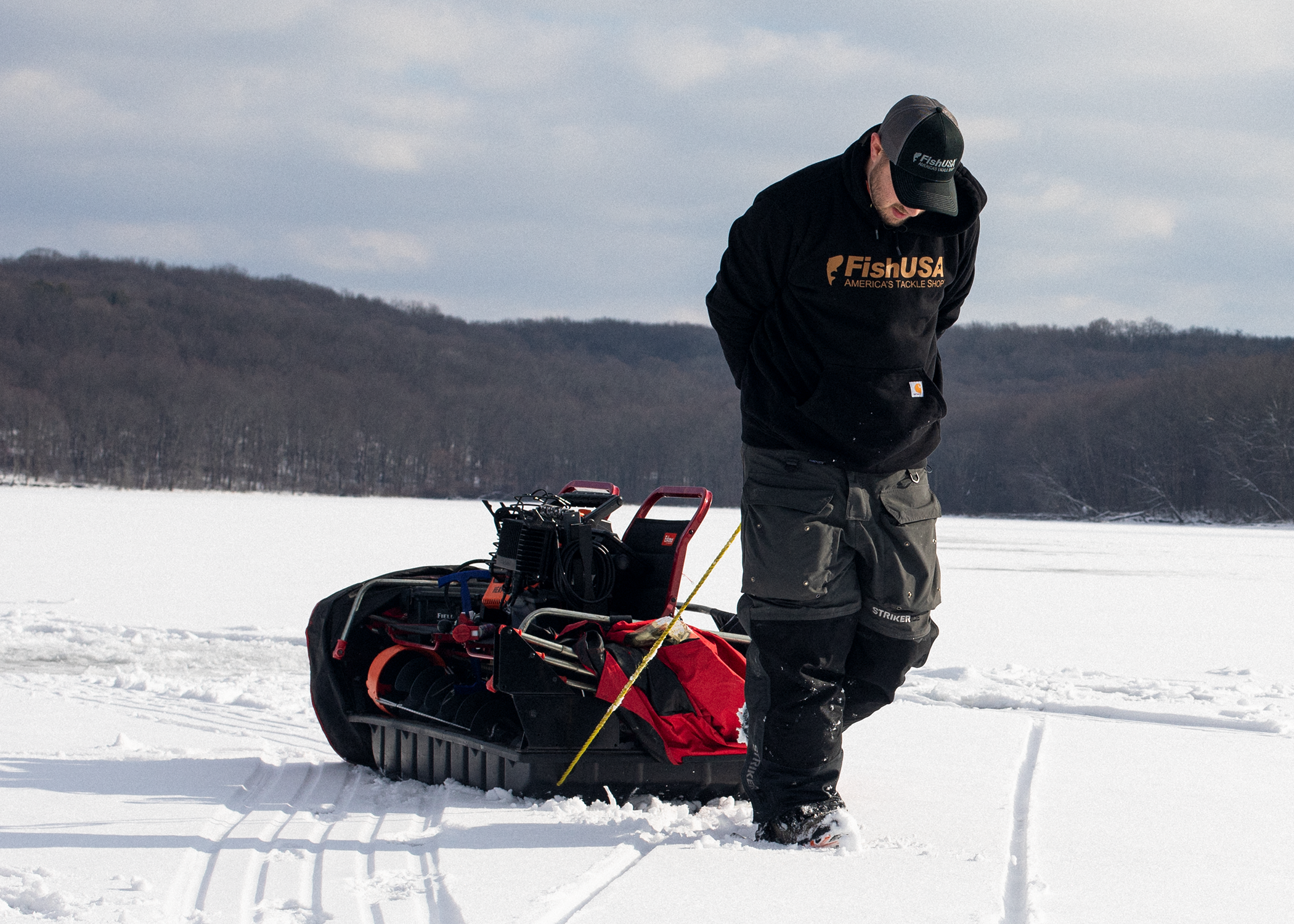
Sleds, Tow Systems, and Transport
Your sled is your mobile base. Pre-season checks should include:
- Inspecting runners and bottom for cracks; add wear strips if they’re thin.
- Checking tow bars, pins, and hitches for play or wear.
- Dialing in a packing system that keeps heavy items low and rods/electronics protected.
Clothing and Safety Gear Audit
Last but not least, make sure your body and safety systems are as ready as your gear:
- Verify float suit integrity; inspect for rips or broken zippers.
- Check ice picks, throw rope, cleats, and headlamps.
- Refresh hand warmers, glove liners, and spare socks in your sled or bag.
Need some ice fishing apparel? Check out our buying guide: What to Wear Ice Fishing: A Complete Guide to Staying Warm and Safe
Creating a Pre-Season Ice Fishing Timeline
Month-by-Month Prep Plan
Instead of doing everything in one frantic weekend, spread your pre-season work out:
- Early fall: Auger maintenance and blade sharpening, rod and reel servicing, plan for any new gear purchases.
- Mid fall: Tackle audit and reorganization, hook upgrades, leader tying, rust control.
- Late fall / just before ice: Electronics tests and updates, battery checks, shelter and sled inspection, clothing and safety gear audit.
Turn Prep into a Repeatable Routine
Once you’ve built a solid pre-season system, save it. Keep your checklist, make notes after each season, and refine the process. The goal is to make pre-season ice fishing prep something you barely have to think about—it just happens on schedule every year.
FAQs – Pre-Season Ice Fishing Prep for Experienced Anglers
How early should I start my pre-season ice fishing prep?
Many advanced anglers start in early fall. Big-ticket tasks like auger maintenance and electronics updates are best done well before the first cold snap. Tackle organization and clothing checks can wait a little longer, but you want everything finished before the first realistic ice window.
Is it better to sharpen auger blades or just replace them?
It depends on blade condition and your skill. Lightly dulled blades with intact geometry can often be sharpened; chipped, cracked, or heavily corroded blades are better replaced. Some manufacturers recommend professional sharpening or replacement only—always check their guidance.
How often should I replace ice fishing line?
Mono and fluoro used heavily should generally be replaced each season for critical setups. Braid can last longer if you monitor for fraying and abrasion and occasionally flip it on the spool, but if you see wear, it’s cheap insurance to re-spool.
What’s the best way to store ice fishing tackle in the off-season?
At the end of the season, dry everything thoroughly, remove soft plastics that can melt into boxes, and store gear in a cool, dry place. Pre-season is the time to check for rust, add anti-rust tabs, and reorganize so everything’s ready to roll.
How do I know if my sonar battery is still good?
Charge it fully and test voltage, then run your unit for a few hours and monitor sag. If voltage dives quickly or runtime is much shorter than expected, it’s time to replace. For SLA batteries, several seasons of hard use is often the upper limit; lithium packs last longer if treated properly.
Which electronics updates are most important before ice season?
Firmware updates for sonar and GPS, map card updates, and waypoint management are key. Outdated firmware can cause glitches or poor performance, and old maps might miss key contour details that help break down new water.
How can I prevent rust on my ice jigs and spoons?
Dry tackle before storing, avoid leaving boxes open in a wet sled, add anti-rust tabs or silica packs, and periodically purge moisture by opening boxes in a warm, dry environment. Pre-season is the perfect time to spot and replace any compromised hooks.
Do I really need a written pre-season checklist?
Strictly speaking, no—but a written ice fishing pre-season checklist is one of the easiest ways to guarantee you don’t forget something important. It turns prep from a vague idea into a predictable process and frees up mental energy for what matters: finding and catching fish.
Conclusion: Turn Pre-Season Prep into First-Ice Confidence
Serious hardwater anglers know that success on first ice doesn’t start on the lake—it starts on the bench, weeks or months before. When your pre-season ice fishing prep includes sharpened auger blades, a stripped-down and organized tackle system, and electronics that are fully tested and powered, you’re not wasting prime hours fighting gear. You’re drilling clean holes, finding fish fast, and making the most of those magical early-season windows.
Take a night this week to build or refine your pre-season checklist. Schedule time for auger maintenance, tackle organization, and electronics testing, and log what you do so next year is even smoother. Your future self—standing on perfect first ice with everything working flawlessly—will be grateful.
If this guide helped you think differently about pre-season prep, share it with the buddies who always say “I’ll get to it” and then show up with dull blades and half-dead batteries.
Shop Ice Fishing Gear