

Garmin LiveScope LVS34 vs. LiveScope 2 (LVS42 & LVS44): Is Garmin’s New Live Sonar Worth the Upgrade?
Garmin LiveScope LVS34 vs. LiveScope 2 (LVS42 & LVS44): Is Garmin’s New Live Sonar Worth the Upgrade?
Garmin has raised the bar again. The new LiveScope 2 Series introduces the LVS42 HD and LVS44 transducers with substantial improvements in image quality, target separation, coverage, stabilization, and installation over the LVS34. Here’s everything that changed and how to choose between them.
Last updated: July 2026 · By: FishUSA Staff
Overview
Garmin’s LiveScope technology completely changed the way anglers fish. From bass tournaments to open water walleye fishing, ice fishing, and so much more, forward-facing sonar has become one of the most valuable tools on the water. When the LiveScope Plus system featuring the LVS34 transducer launched, it delivered noticeably sharper images and better target separation than the original LiveScope.
Now Garmin has raised the bar once again.
The all-new Garmin LiveScope 2 Series introduces two new transducers — the LVS42 HD and LVS44 — bringing substantial improvements in image quality, target separation, installation, coverage, and overall performance. Whether you’re trying to distinguish individual fish in a school, watch your lure more clearly, or scan farther from the boat, LiveScope 2 represents Garmin’s biggest leap forward since the introduction of LiveScope itself.
In this guide, we’ll compare the Garmin LVS34, LVS42 HD, and LVS44 to help you determine whether upgrading to LiveScope 2 is the right decision.
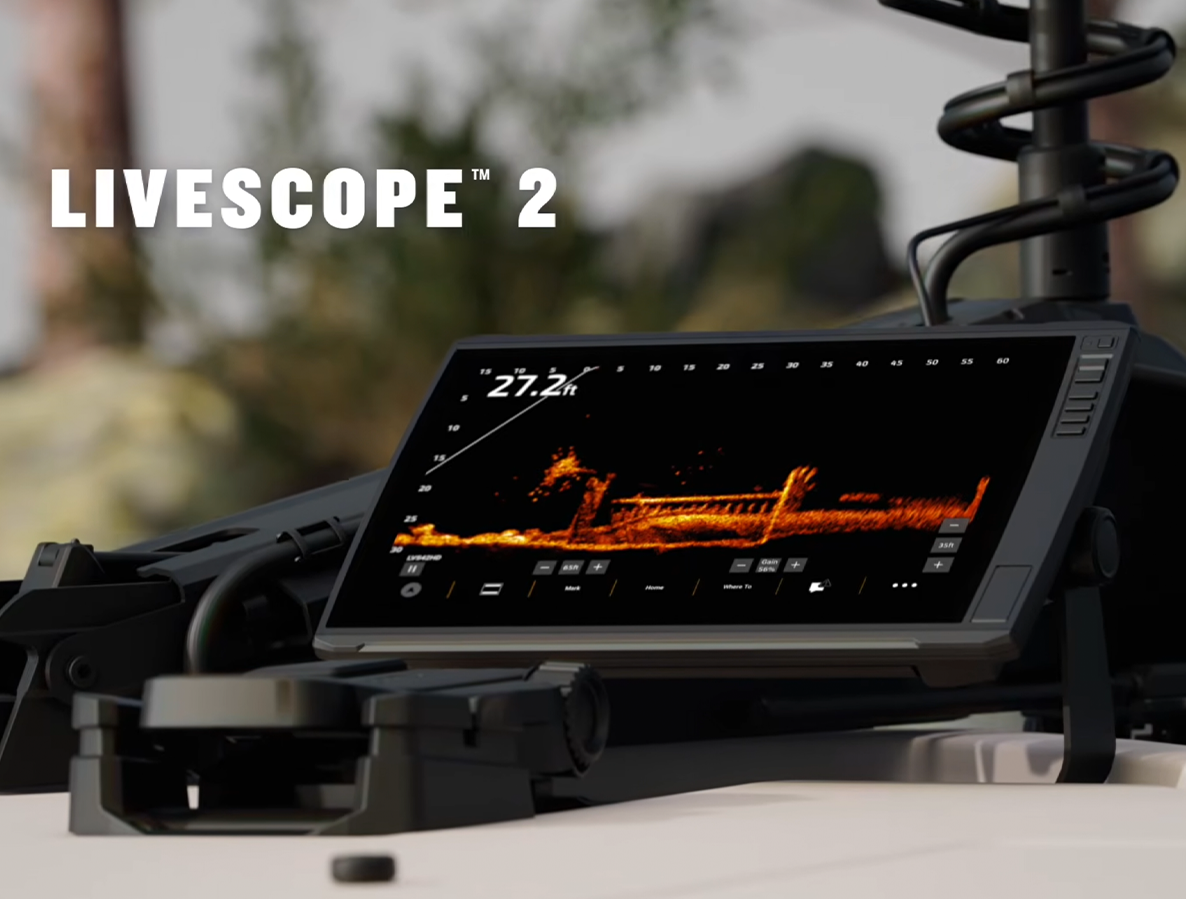
Garmin LiveScope LVS34 vs. LiveScope 2 at a Glance
| Feature | LiveScope Plus (LVS34) | LiveScope 2 HD (LVS42) | LiveScope 2 (LVS44) |
|---|---|---|---|
| Image Resolution | Excellent | Up to 50% more detail at shorter ranges | Up to 20% higher resolution |
| Maximum Range | 200 ft | Optimized to 125 ft | Up to 250 ft |
| Target Separation | Excellent | Best Garmin has ever produced | Improved over LVS34 |
| Sonar Coverage | Standard | Wider | Widest |
| Image Stabilization | No | Yes | Yes |
| Noise Reduction | Good | Improved | Improved |
| Installation | Requires GLS10 black box | Direct connection to compatible chartplotter | Direct connection to compatible chartplotter |
| Water Detection | No | Yes | Yes |
| Temperature Sensor | External | Built-in | Built-in |
The Biggest Improvement: Incredible Image Clarity
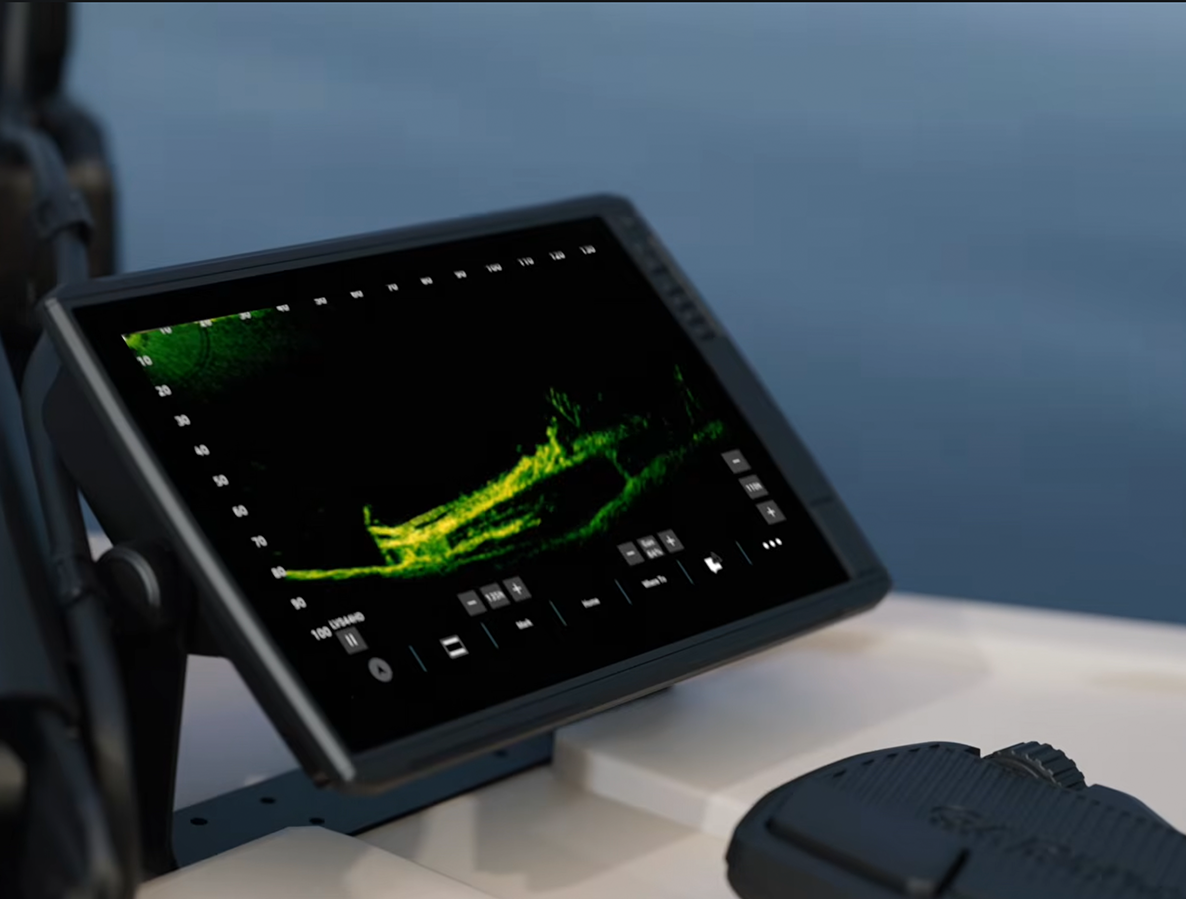
The first thing anglers will notice with LiveScope 2 is just how clean everything looks.
Garmin redesigned the sonar processing to dramatically reduce clutter, ghosting, and image artifacts while improving overall detail. Fish, bait, brush piles, rock transitions, and even your lure appear noticeably sharper than they do with the LVS34. Garmin says the new system offers smoother sonar with integrated image stabilization and significantly better target separation.
That means:
- Fish are easier to distinguish from structure.
- Individual fish within schools separate more clearly.
- Small jigging baits become easier to follow.
- Fish behavior is easier to interpret.
- Bottom composition appears more defined.
For anglers who spend hours staring at a LiveScope screen, these improvements add up quickly.
Better Target Separation Means Better Decisions
One of the biggest challenges with live sonar is identifying exactly what you’re seeing.
With the LVS34, multiple fish close together could sometimes blend into a single target, especially at longer distances.
Garmin addressed this directly with LiveScope 2.
The company states that the new transducers provide significantly improved target separation, allowing anglers to distinguish fish from surrounding cover with much greater confidence. This becomes especially valuable when fishing:
- Brush piles
- Standing timber
- Rock piles
- Bridge pilings
- Dock posts
- Deep schools of crappie
- Suspended, grouped-up fish
Instead of seeing one large blob, anglers can often identify individual fish and determine exactly how they’re positioned.
LVS42 HD: Built for Maximum Detail
The LVS42 HD is designed for anglers who prioritize image quality over maximum range.
If most of your fishing happens within normal casting distance, this is likely the best LiveScope Garmin has ever produced.
Garmin claims the LVS42 HD delivers:
- Up to 50% more detail
- Exceptional close-range clarity
- Outstanding lure tracking
- Cleaner fish separation
- Optimized performance out to approximately 125 feet
For bass anglers, crappie fishermen, and ice anglers who spend most of their time watching fish within casting distance, the LVS42 HD offers an incredibly detailed underwater picture.
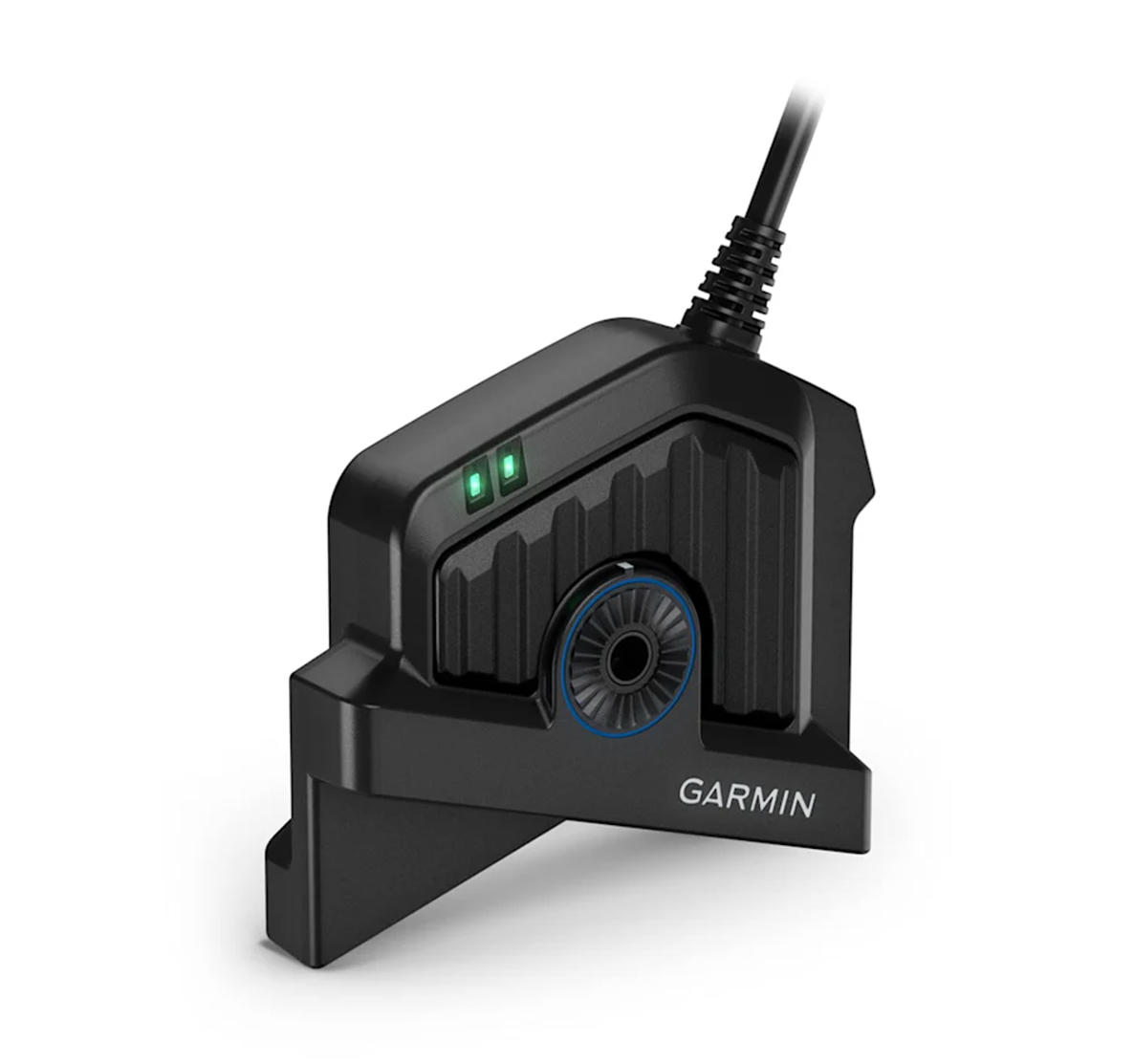
LVS44: More Range Without Sacrificing Clarity
While the LVS42 focuses on maximum detail, the LVS44 is designed for anglers who want to scan farther.
Compared to the LVS34, Garmin says the LVS44 provides:
- 20% higher resolution
- 25% more usable range
- Maximum forward viewing out to 250 feet
- Wider sonar coverage
- Improved target separation
This makes the LVS44 especially attractive for anglers fishing expansive flats, open-water pelagic species, or large reservoirs where covering water efficiently is essential.
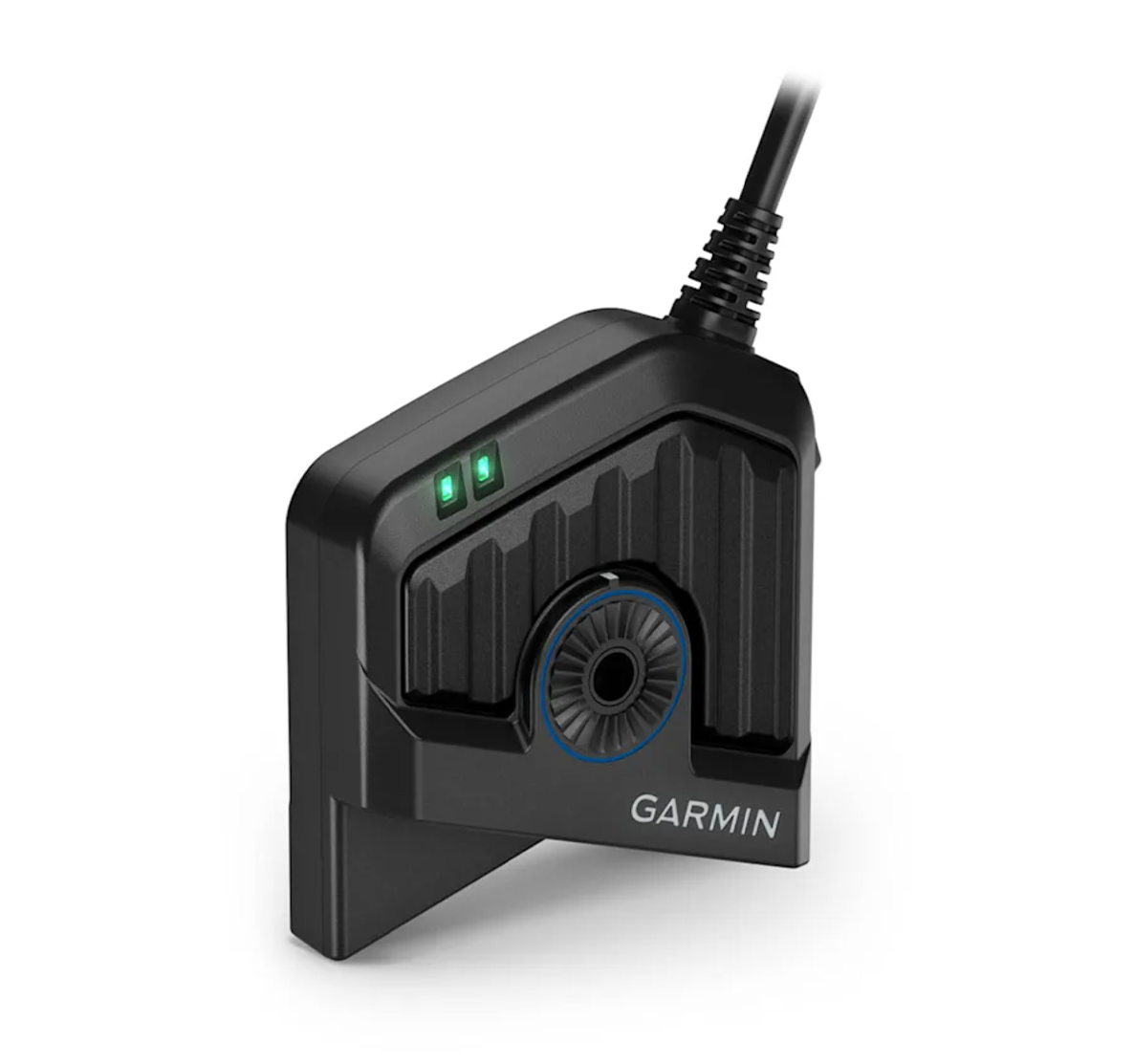
Wider Sonar Coverage
Another noticeable improvement is the beam angle.
The LVS34 already offered impressive coverage, but LiveScope 2 expands the viewing area in Forward, Down, and Perspective modes.
A wider beam means:
- More water covered in each sweep
- Fish stay visible longer
- Less frequent transducer adjustments
- Better awareness of fish moving around the boat
For anglers who constantly rotate a LiveScope pole while searching for fish, this wider field of view makes locating targets faster and easier.
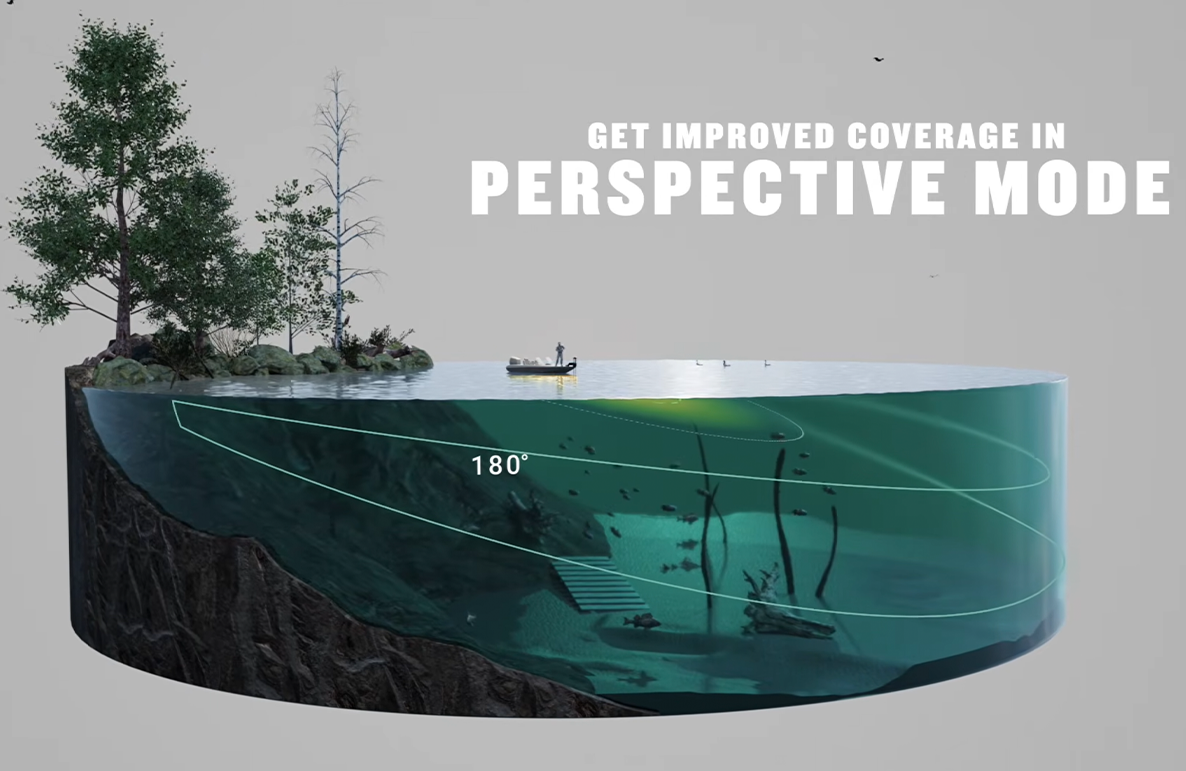
Image Stabilization Makes Everything Smoother
One of the more underrated upgrades is integrated image stabilization.
Boat movement, trolling motor vibration, wind, and waves can all create subtle motion in live sonar.
Garmin’s new stabilization technology helps keep images more consistent, reducing screen movement and making fish easier to follow.
Whether you’re fishing windy offshore conditions or slowly working down a shoreline, the sonar picture remains noticeably steadier.
Simpler Installation: No GLS10 Black Box Required
Perhaps the most practical improvement is one that many anglers will appreciate before they even launch the boat.
The LVS34 requires Garmin’s GLS10 sonar module (black box).
LiveScope 2 eliminates that requirement entirely.
Instead, the new transducer connects directly to compatible Garmin chartplotters, reducing wiring, simplifying installation, and freeing up valuable storage space in the boat. Garmin also integrated automatic water detection and a built-in water temperature sensor directly into the transducer.
Benefits include:
- Fewer cables
- Less installation time
- Cleaner rigging
- Reduced overall system complexity
- More room inside storage compartments
Which LiveScope 2 Transducer Should You Buy?
Choose the LVS42 HD if you:
- Fish primarily within casting distance
- Bass fish with forward-facing sonar
- Target crappie around brush
- Ice fish
- Want the absolute clearest picture Garmin offers
The LVS42 HD prioritizes image quality above all else.
Best for detail: LVS42 HD
Bass anglers, crappie fishermen, and ice anglers who spend most of their time watching fish within casting distance will find the LVS42 HD offers the clearest underwater picture Garmin has ever produced.
Choose the LVS44 if you:
- Use forward-facing sonar while trolling
- Want maximum range
- Scan large flats
- Hunt suspended fish
- Frequently search for fish before casting
The LVS44 is Garmin’s longest-reaching LiveScope system while still delivering a significant improvement in image quality over the LVS34.
Best for range: LVS44
Trollers, open-water hunters, and anglers who cover large flats and reservoirs will benefit most from the LVS44’s 250-foot range and wider coverage — without giving up the image quality gains of the LiveScope 2 platform.
LVS42 HD & LVS44 Transducers
Garmin’s latest live sonar technology — choose detail or range.
Should Current LVS34 Owners Upgrade?
The LVS34 remains an outstanding live sonar system and continues to provide excellent real-time imaging.
However, LiveScope 2 introduces meaningful improvements that many serious anglers will immediately appreciate.
Reasons to upgrade include:
- Cleaner sonar images
- Better target separation
- Improved lure visibility
- Less screen clutter
- Wider coverage
- Longer range (LVS44)
- Higher detail (LVS42 HD)
- No GLS10 black box
- Faster, simpler installation
- Built-in sensors and automatic water detection
For tournament anglers, dedicated bass fishermen, serious crappie anglers, and those who chase offshore walleye, salmon, and trout, these improvements can make fish easier to locate, identify, and catch.
Final Thoughts
Garmin didn’t simply refresh LiveScope — they refined nearly every aspect of the system. The new LiveScope 2 Series builds upon one of the most influential sonar technologies ever introduced by delivering clearer images, smoother performance, better target separation, expanded coverage, and an installation that’s dramatically simpler than previous generations. The LVS42 HD is built for anglers who demand the sharpest possible image at normal fishing distances, while the LVS44 is designed for those who want to cover more water without sacrificing clarity. If you’re already impressed by what the LVS34 can do, LiveScope 2 takes that experience to another level. Whether you’re dissecting offshore structure, tracking suspended fish, or watching a bass react to your lure in real time, Garmin’s latest live sonar technology offers a noticeable step forward that many anglers will find well worth the upgrade.