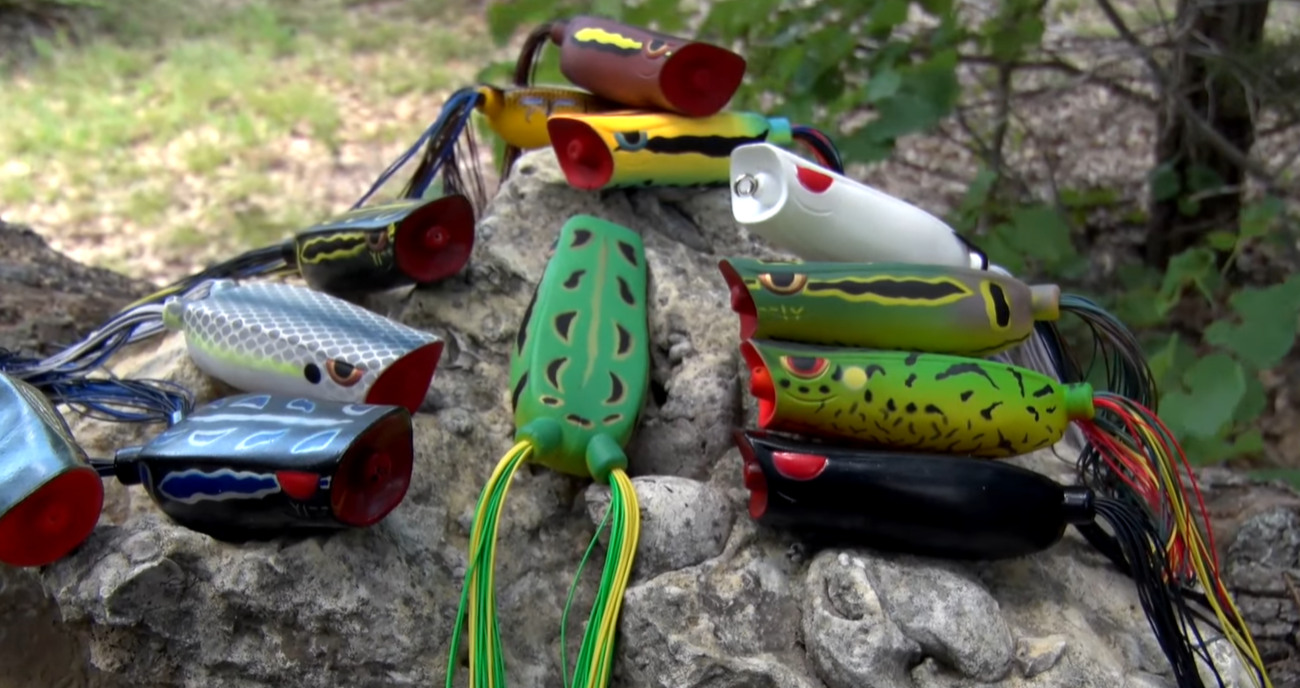

Best Spring Bass Fishing Lures: What to Throw (and When) to Catch More Bass
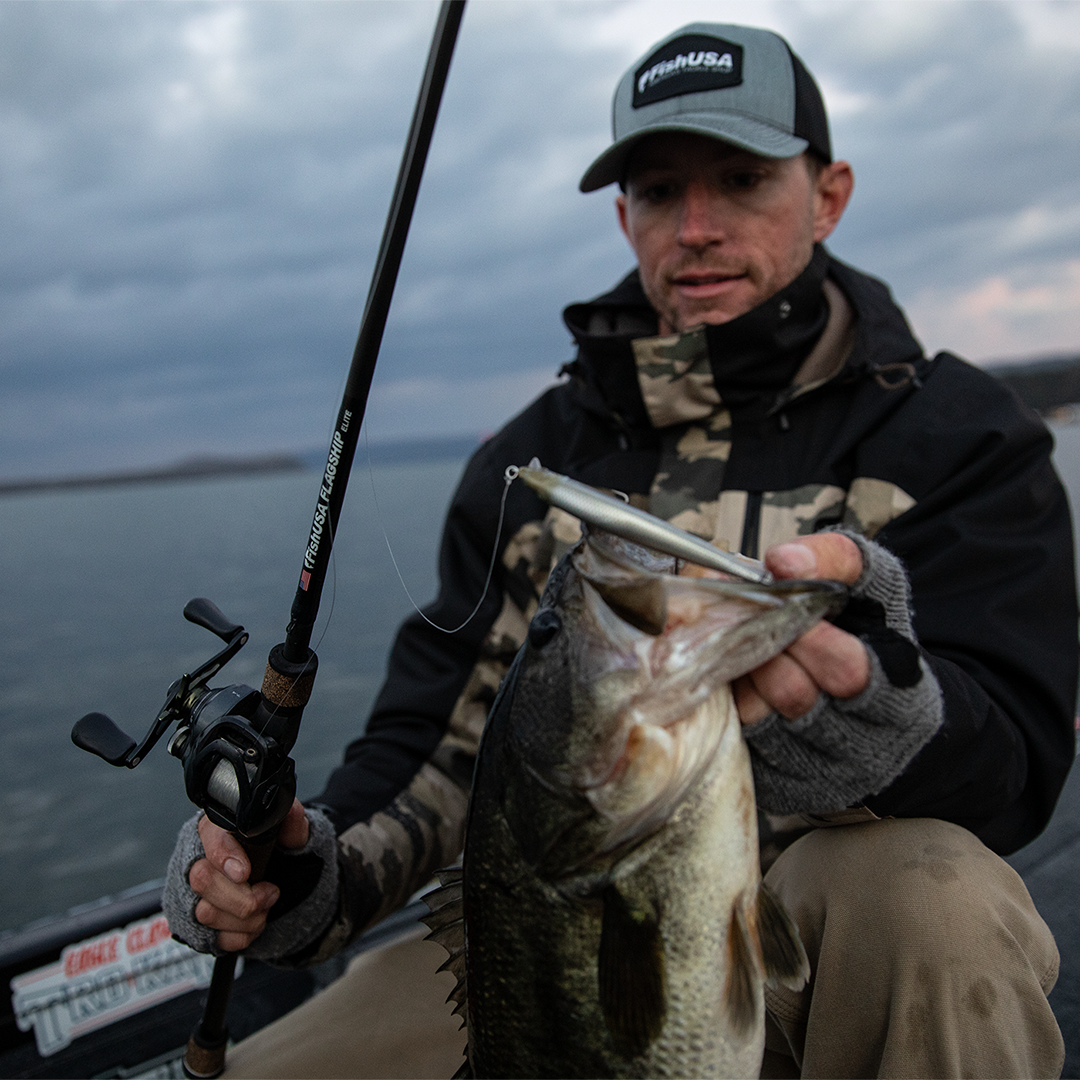
Spring is the most exciting—and most confusing—time to bass fish. One day they’re roaming and feeding, the next they’re guarding beds, and the next they’re sliding back out to recover. If you’ve ever asked, “What are the best spring bass fishing lures?” This guide breaks it down into a simple, proven lineup you can rely on from pre-spawn to post-spawn.

Spring is the most exciting—and most confusing—time to bass fish. One day they’re roaming and feeding, the next they’re guarding beds, and the next they’re sliding back out to recover. If you’ve ever asked, “What are the best spring bass fishing lures?” This guide breaks it down into a simple, proven lineup you can rely on from pre-spawn to post-spawn.

Table of Contents

  • Quick Answer: The Top Spring Lures
  • Spring Bass Phases (Pre-Spawn, Spawn, Post-Spawn)
  • 10 Best Spring Bass Fishing Lures (With When/Where/How)
  • Color + Retrieve Cheat Sheet
  • Tackle Notes: Rod, Line, and Trailers
  • FAQs
  • Wrap-Up: Build a Spring Lure Lineup That Matches Bass Behavior

For additional spring timing and pattern context, see: FishUSA: Spring Bass Fishing Guide.

Quick Answer: The Top Spring Bass Fishing Lures

If you want a short list that covers almost every spring scenario, start with these: lipless crankbait, jerkbait, vibrating jig (chatterbait style), spinnerbait, jig, wacky rig Senko, creature bait, and a topwater option (buzzbait or frog) for warming afternoons and post-spawn.

Browse a full selection here: Bass Baits & Lures.

Spring Bass Phases: Pre-Spawn, Spawn, Post-Spawn
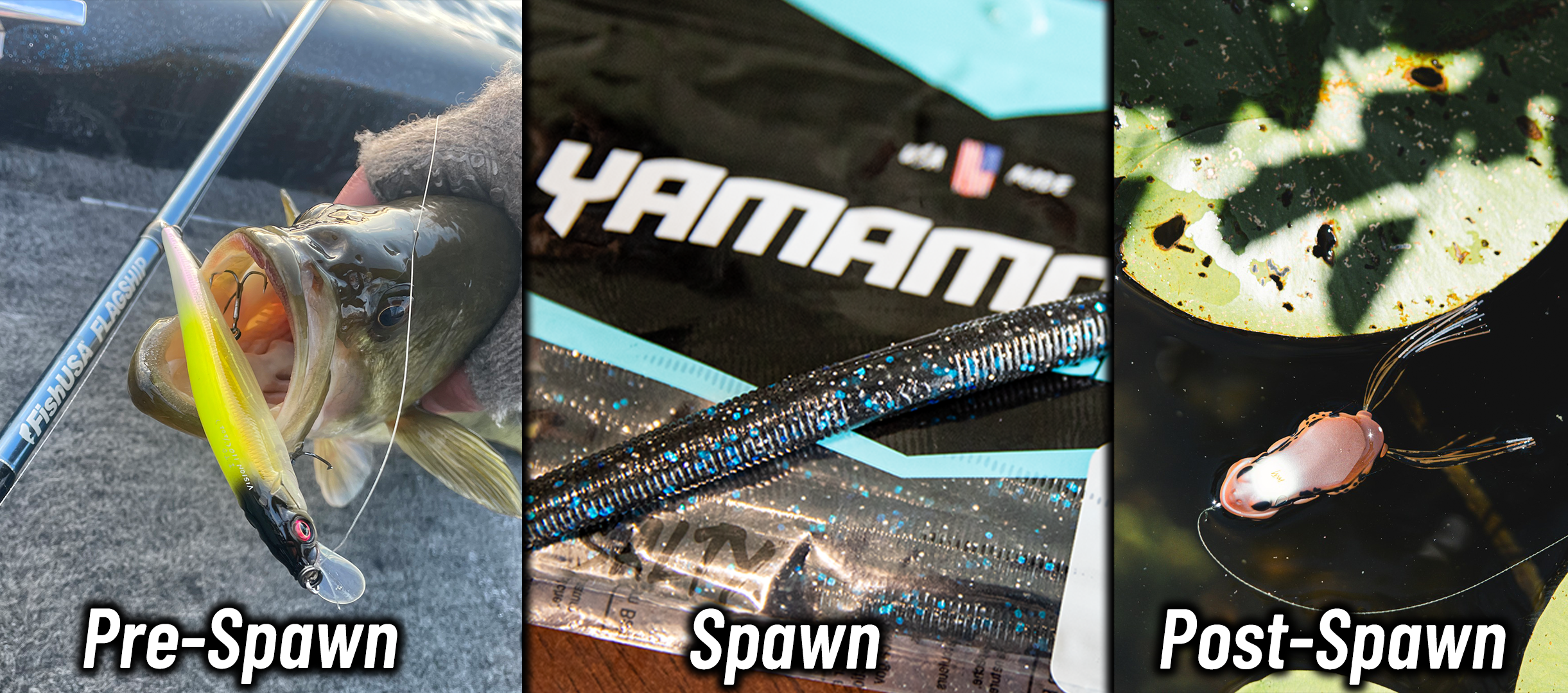
The “best” spring bass lure changes because bass behavior changes. Think of spring as three phases:

  • Pre-spawn: bass feed up and move toward spawning flats. Reaction baits shine for covering water.
  • Spawn: many fish are shallow and selective. Finesse, slow presentations, and precise casts matter most.
  • Post-spawn: bass recover and then feed again. You can mix reaction and finesse depending on pressure and water clarity.

10 Best Spring Bass Fishing Lures (With When / Where / How)
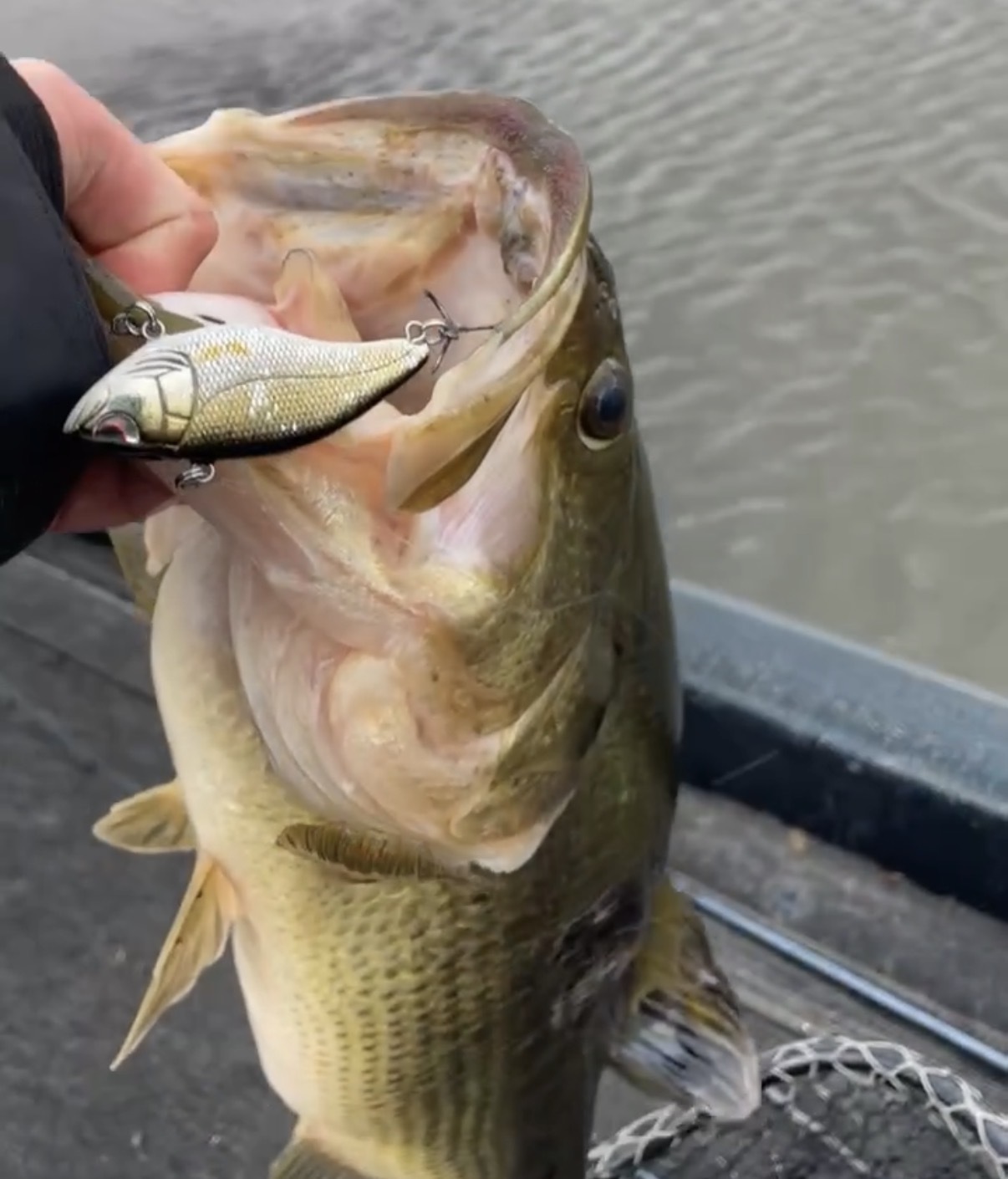
1) Lipless Crankbait (The Pre-Spawn Search Tool)

A lipless crankbait is a spring staple because it covers water fast and triggers reaction bites. It’s especially effective when bass are roaming flats, emerging grass, or the first break near spawning areas.

  • When: early spring through pre-spawn; anytime bass are feeding and moving.
  • Where: grass flats, shallow points, transitions (rock-to-mud), and windblown banks.
  • How: yo-yo it off bottom or rip it free from grass—many strikes happen right after it clears.

Recommendations

2) Suspending Jerkbait (Cold Water Precision)

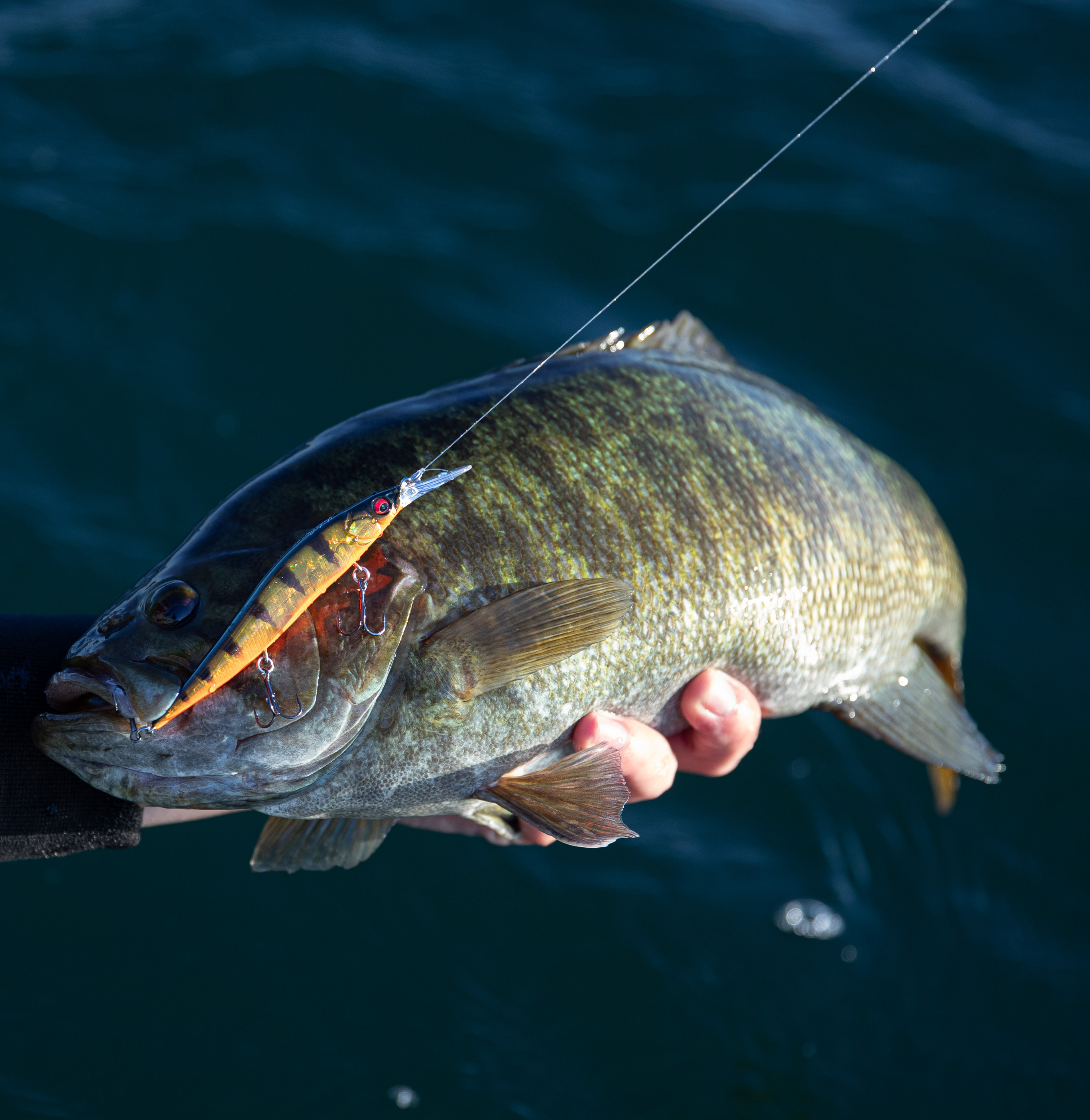
When the water is still cold and bass don’t want to chase far, a suspending jerkbait can be the difference-maker. The pause is the magic: it stays in their face and looks easy.

  • When: early spring, cold fronts, clear water, or high fishing pressure.
  • Where: secondary points, channel swings, rock, and clear flats near deeper water.
  • How: twitch-twitch-pause; extend pauses when fish are sluggish.

Recommendations

3) Vibrating Jig (Chatterbait-Style) (Grass + Dirty Water MVP)

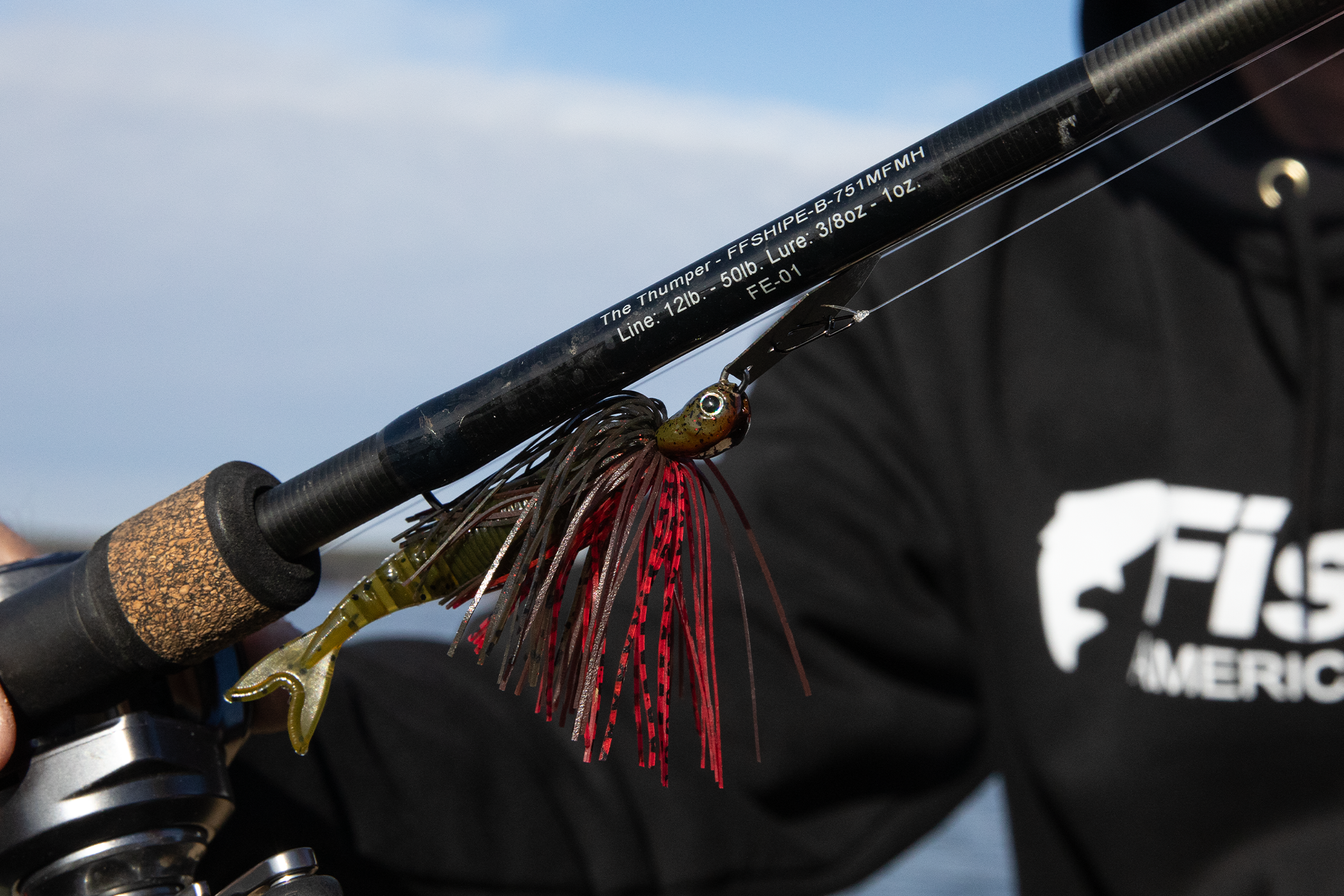
A vibrating jig is one of the best spring bass fishing lures because it combines flash, vibration, and a “hunting” action that calls fish in when visibility is limited. It also shines around grass.

  • When: pre-spawn to post-spawn; best in stained water and around vegetation.
  • Where: grass lines, shallow flats, and banks with scattered cover.
  • How: steady retrieve with occasional speed changes; snap it free from grass like a lipless.

Pro tip: trailers matter—match profile to forage. Slim for pressured fish, bulkier for dirty water.

Recommendations

4) Spinnerbait (Windy Bank Problem Solver)

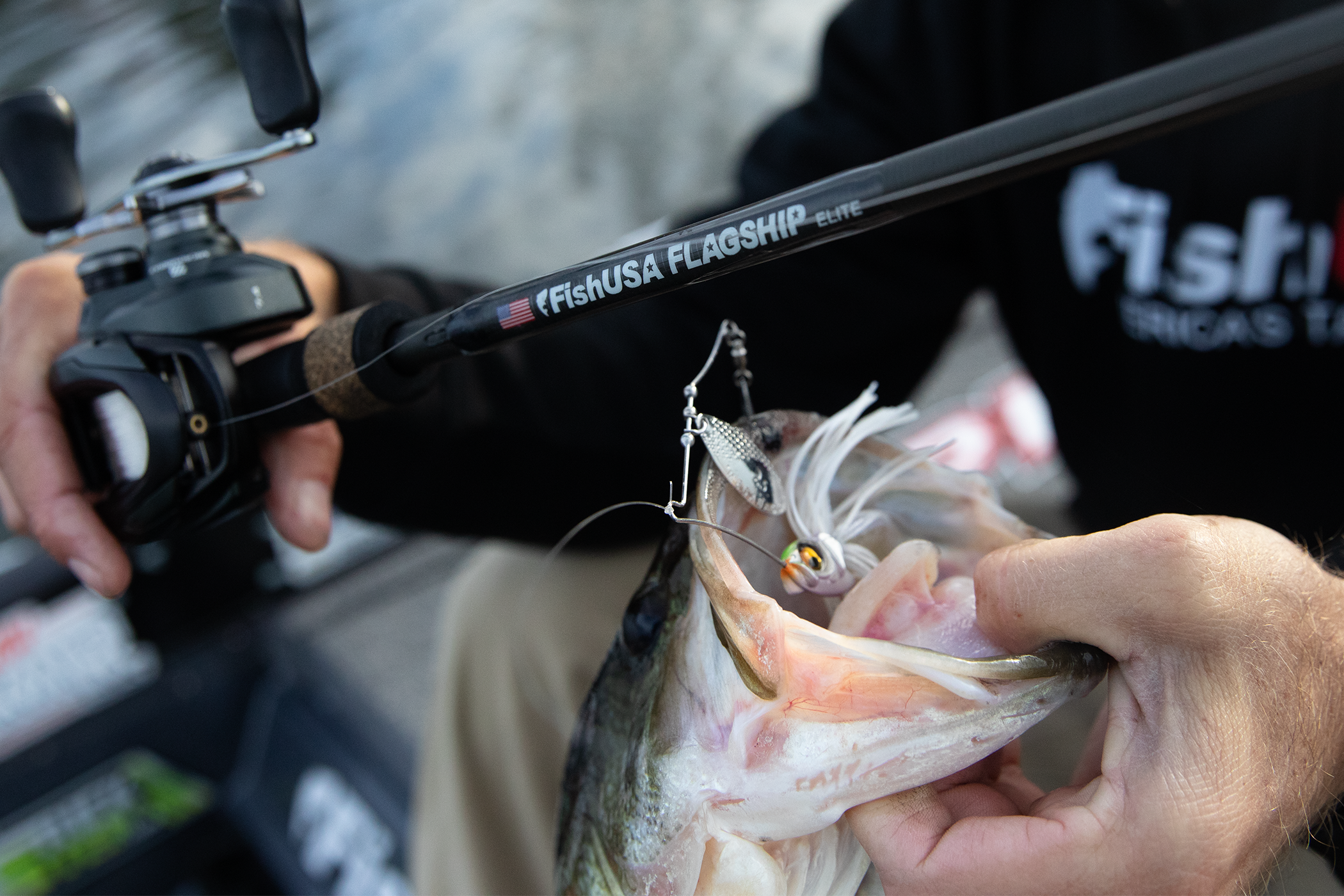
If you only carry one moving bait for “tough light + wind,” make it a spinnerbait. It’s weed-friendly, covers water, and stays effective when bass track by vibration and flash.

  • When: pre-spawn and post-spawn; windy days; stained water; anytime you need to cover water.
  • Where: windblown banks, laydowns, grass edges, and around docks.
  • How: slow roll it near cover or burn it shallow when fish are aggressive.

Recommendations

5) Small Crankbait / Squarebill (Deflection = Strikes)

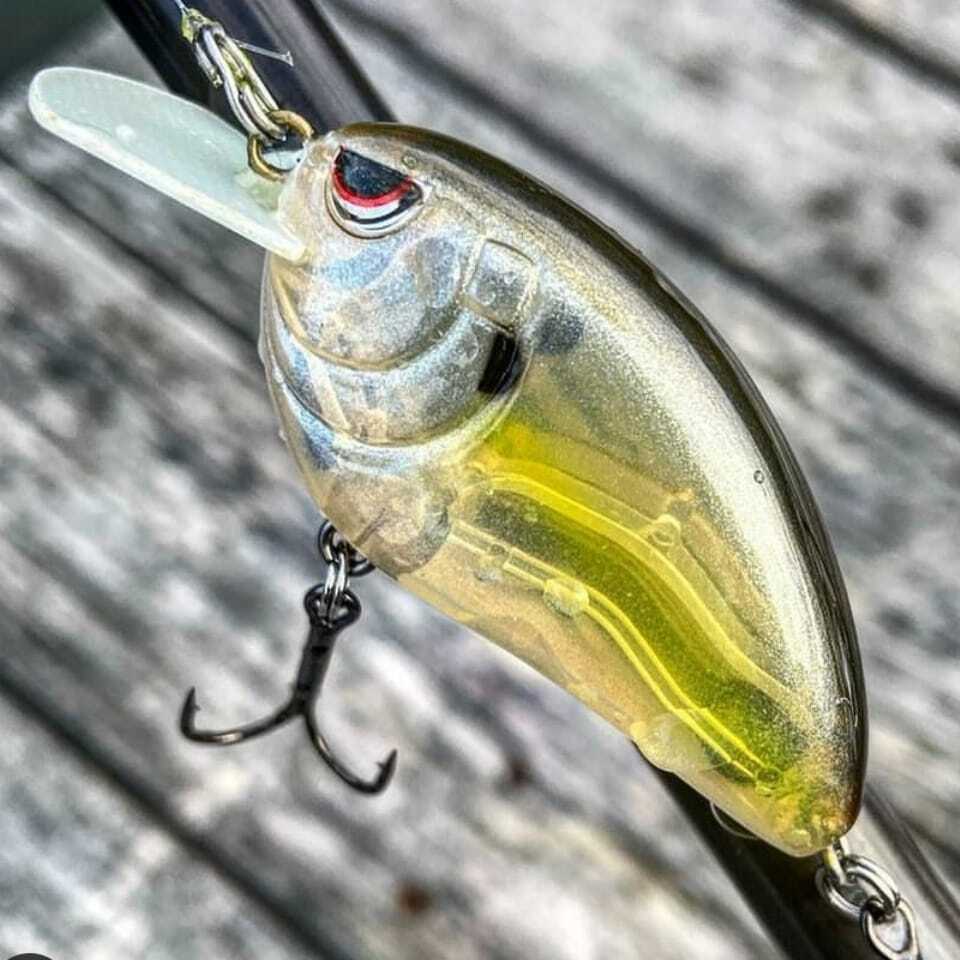
In spring, bass often set up around hard cover on the way to the bank—rock, wood, riprap, and docks. A small crankbait or squarebill that deflects off cover can trigger bites from fish that won’t chase in open water.

  • When: pre-spawn through post-spawn, especially as water warms.
  • Where: riprap, chunk rock, stump fields, laydowns, and shallow transitions.
  • How: grind it into cover—hits and ricochets are a feature, not a bug.

Recommendations

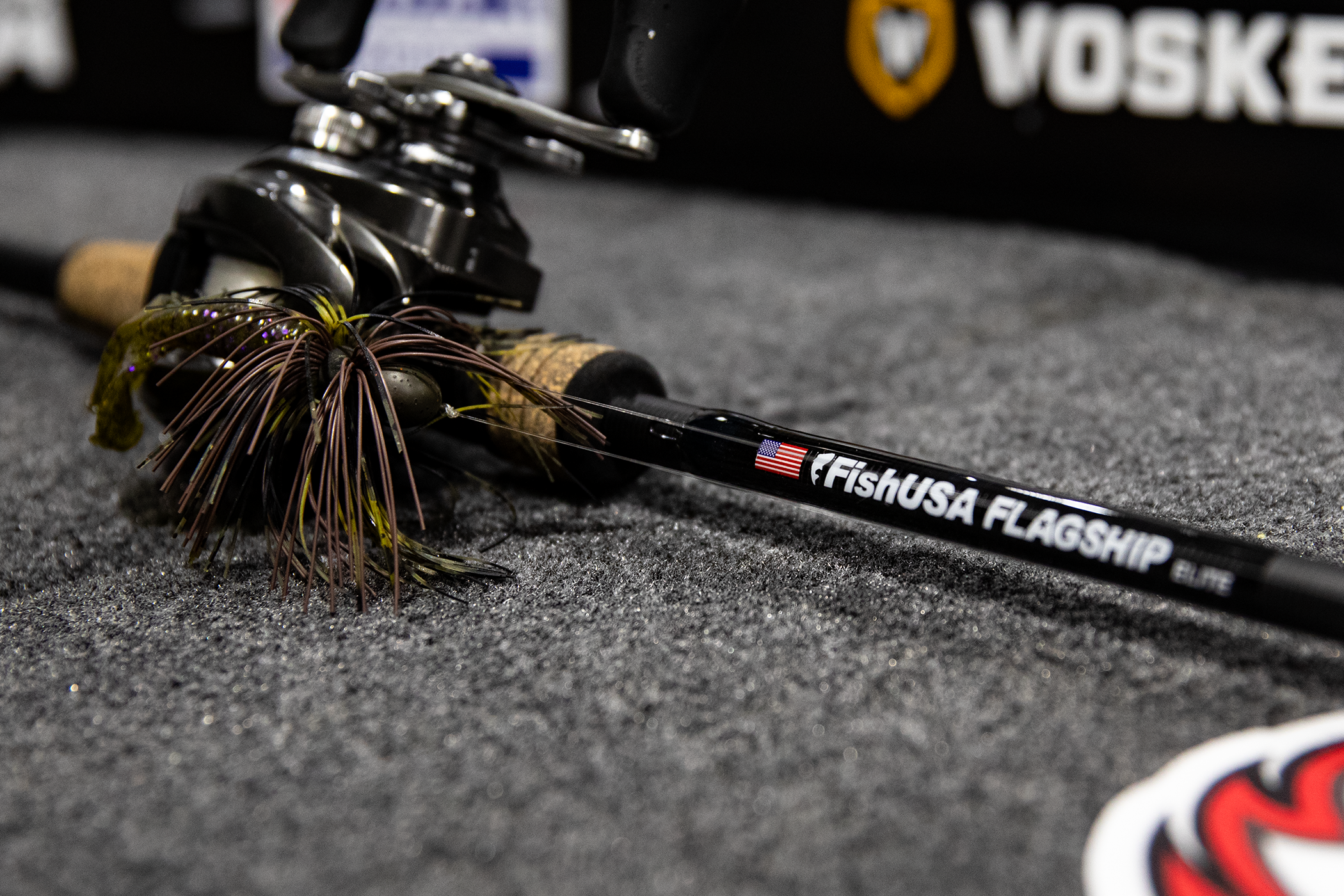
6) Jig (The Big Bass “Closer”)

If spring fish are around cover and you want higher-quality bites, a jig belongs in your lineup. It’s a classic for pitching to wood, rock, and docks—and it’s a strong follow-up lure after reaction baits bring fish out.

  • When: all spring, especially when fish relate to cover or you’re hunting bigger bass.
  • Where: laydowns, docks, rock transitions, and the first drop off spawning flats.
  • How: short hops and pauses; keep it in the strike zone longer than you think.

Recommendations

Also see:Jig Trailers

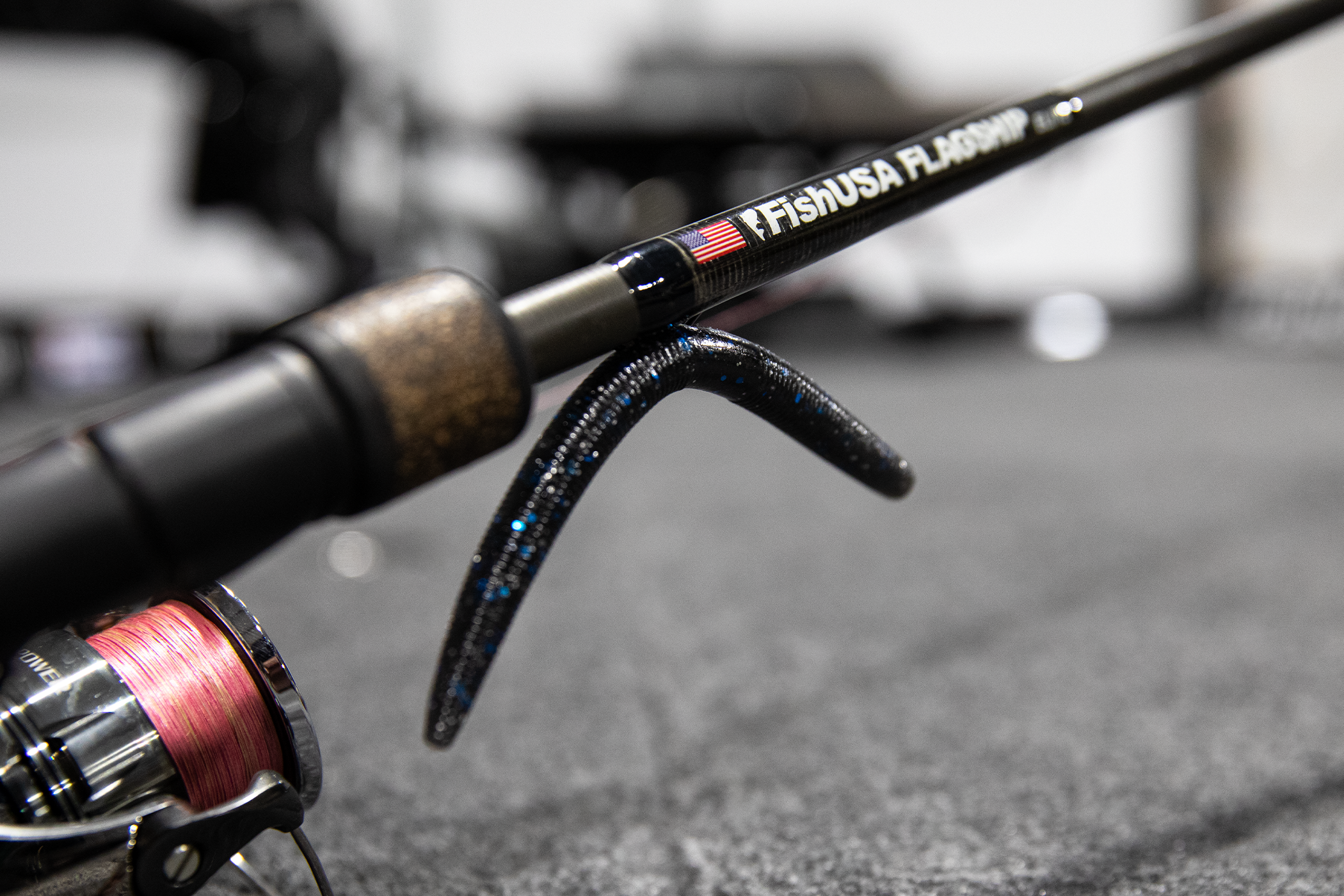
7) Wacky Rig Senko (Spawn and Post-Spawn Insurance)

When bass are shallow and picky—or you’re fishing behind other anglers—a wacky rig stick worm is an easy way to get bites. The slow fall and subtle shimmy are tough to beat.

  • When: spawn, post-spawn, calm conditions, pressured lakes.
  • Where: bedding areas, docks, shallow cover, and edges of spawning flats.
  • How: cast, let it fall on semi-slack line, and watch for ticks or line movement.

Recommendations

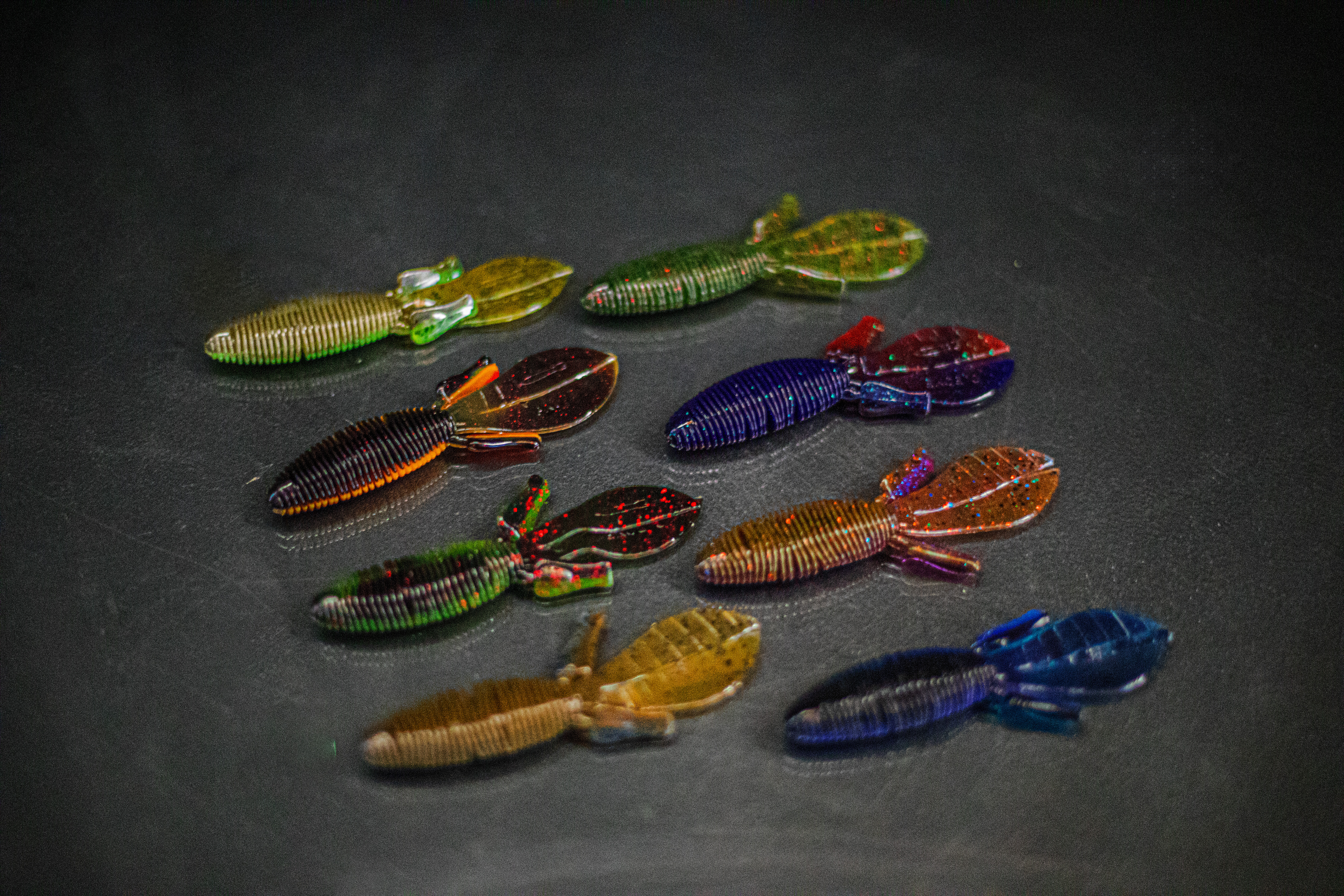
8) Creature Bait (Flipping + Bed Fish Trigger)

Creature baits excel in spring because they match common forage and can be fished slowly in tight quarters. They’re also effective for bed fish, especially when you need a bait that “looks alive” with minimal movement.

  • When: spawn and post-spawn; also pre-spawn around cover.
  • Where: reeds, wood, laydowns, shallow grass, and bedding areas (where legal/ethical).
  • How: Texas rig for cover, or pitch it and let it soak; small shakes beat big hops.

Recommendations

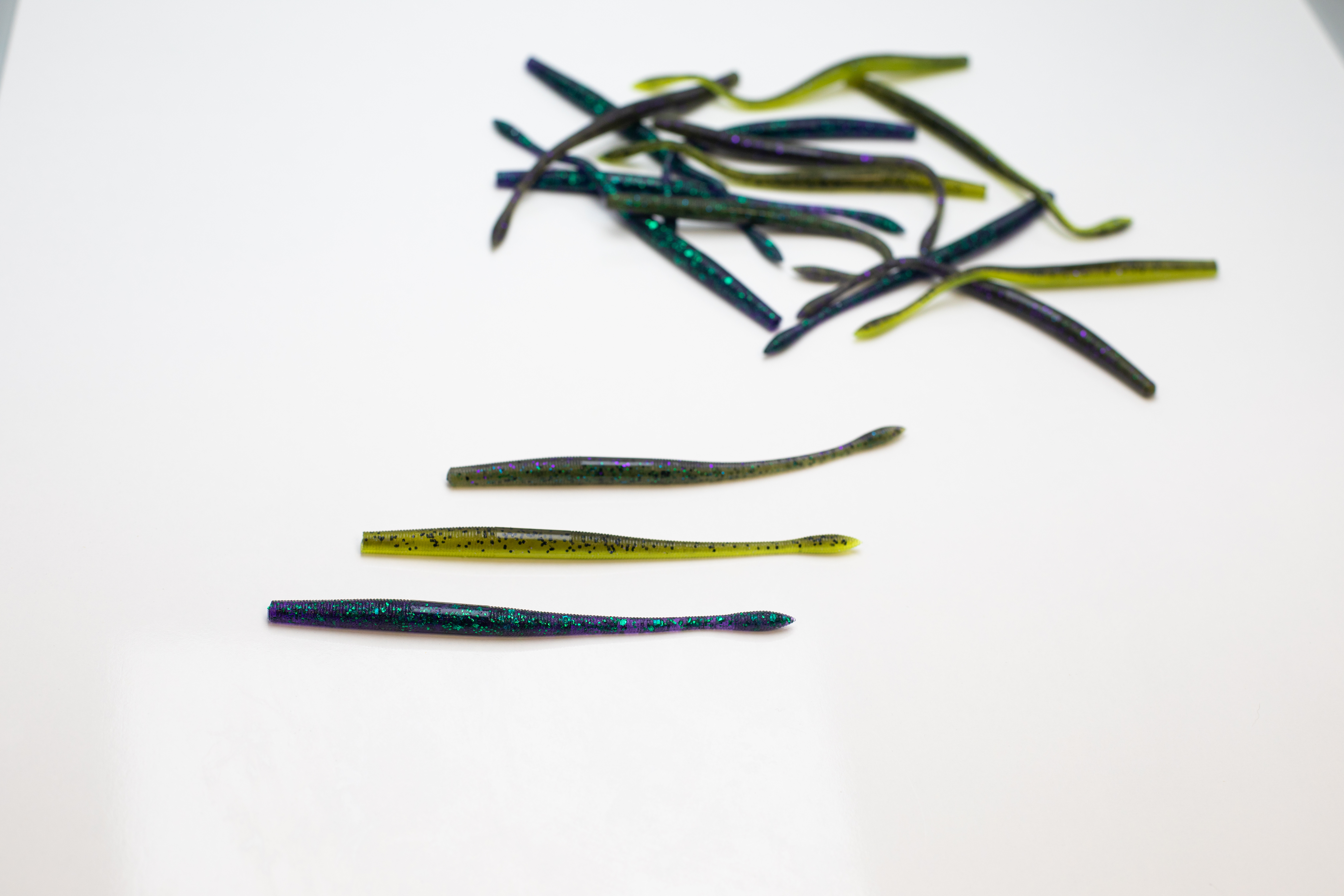
9) Floating Worm (Shallow Water “Do-Nothing” Killer)

A floating worm is a spring sleeper lure. It’s subtle, easy to fish, and deadly in shallow water when bass are cruising, guarding, or just not willing to eat a fast-moving bait.

  • When: spawn and post-spawn, especially on calm sunny days.
  • Where: shallow flats, pockets, and around bedding zones.
  • How: twitch it in place; keep it visible and slow.

Recommendations

10) Buzzbait or Hollow-Body Frog (Warming Afternoons + Post-Spawn)

As spring progresses and afternoons warm, topwater becomes a real player—especially around shallow cover and emerging vegetation. Buzzbaits cover water fast; hollow-body frogs shine when weeds start to thicken.

  • When: late spring, warming trends, post-spawn; also pre-spawn warm spells.
  • Where: shallow grass, pads, edges, and around cover where bass ambush.
  • How: keep buzzbait moving; pause frogs in openings and walk them over cover.

Recommendations

Color + Retrieve Cheat Sheet (Spring Bass)

  • Clear water: natural shad/perch/craw patterns; longer pauses on jerkbaits; smaller profiles.
  • Stained water: more contrast (chartreuse/white/black-blue); vibration matters (spinnerbait/vibrating jig).
  • Cold front: slow down, extend pauses, switch to finesse (wacky rig, jig, floating worm).
  • Wind: lean on spinnerbaits, lipless cranks, and squarebills on windblown banks.

Recommended visual: a one-page “Spring Bass Lure Matrix” (water clarity × temperature trend × cover type).

Tackle Notes: Rod, Line, and Trailer Basics

You don’t need 10 specialized combos to fish spring effectively, but a few smart pairings help.

  • Moving baits (cranks, spinnerbaits, vibrating jigs): consider a moderate to moderate-fast rod and line suited to cover and depth.
  • Bottom contact (jigs, Texas rigs): faster rod, stronger line, and a leader setup that matches cover.
  • Finesse (wacky rig, floating worm): spinning gear with a leader for stealth and better hook-ups.

Need a one-stop place to build the full spring kit? Bass Fishing Tackle & Gear.

FAQs: Best Spring Bass Fishing Lures

What is the #1 best spring bass lure?

If you need one “do-it-all” spring lure, many anglers start with a lipless crankbait for pre-spawn searching and a wacky rig stick worm when fish get shallow and finicky. If your water has lots of grass, a vibrating jig is hard to beat.

What lures are best for pre-spawn bass?

Reaction baits that cover water—lipless crankbaits, jerkbaits, spinnerbaits, and squarebills—are top picks because fish are moving and feeding.

What lures work best during the bass spawn?

Go slower and more precise with wacky rig stick worms, creature baits, jigs, and floating worms around bedding zones and shallow cover.

What are the best spring bass lures for muddy water?

Choose lures bass can find: spinnerbaits, vibrating jigs, and louder or higher-contrast crankbaits. Focus on vibration, contrast, and tight cover.

What should I throw after a spring cold front?

Slow down with a jerkbait (longer pauses), a jig, or finesse like a wacky rig or floating worm. Fish tighter to cover and give bass time to commit.

Wrap-Up: Build a Spring Lure Lineup That Matches Bass Behavior

The best spring bass fishing lures aren’t a single magic bait—they’re a small system that matches how bass act as conditions change. Start with a reaction bait to find fish (lipless crankbait, jerkbait, spinnerbait, vibrating jig), then keep a “closer” ready (jig, wacky rig Senko, creature bait). As the water warms, add topwater for explosive post-spawn bites.

Shop spring bass essentials

Shop Bass Fishing Gear

  • Bass Casting Rods
  • Bass Spinning Rods
  • Bass Hard Baits
  • Bass Soft Baits