
Ice Fishing Chautauqua Lake: Where to Go, What to Use, and How to Catch Fish Through the Ice

Trip-planning + tactical guide focused on Chautauqua Lake’s North Basin—the easiest place to start when you’re new to this Western New York hardwater gem.

Trip-planning + tactical guide focused on Chautauqua Lake’s North Basin—the easiest place to start when you’re new to this Western New York hardwater gem.

Table of Contents

  • Quick Answer: Where to Start
  • Chautauqua Lake Ice Fishing at a Glance
  • Ice Safety and How to Check Conditions
  • North Basin Access Points and Parking
  • Target Species and Where to Begin
  • Best Lures & Baits for Chautauqua Lake
  • Proven North Basin Tactics (First Trip Game Plan)
  • Gear Checklist + Electronics
  • Regulations and Licensing
  • FAQs
  • Final Takeaway: Make Your First Chautauqua Trip Easy

Quick Answer: Where Should You Start Ice Fishing Chautauqua Lake?

If you’re planning on ice fishing Chautauqua Lake for the first time, don’t try to “fish the whole lake.” Treat it like two different lakes and begin on the North Basin, where most visiting anglers find the most approachable hardwater pattern. Public access is abundant (including Mayville Lakeside Park and the DEC Prendergast Point Launch), and common targets include walleye plus a strong mix of yellow perch, crappies, and bluegills.

Chautauqua Lake Ice Fishing at a Glance

Chautauqua Lake is a well-known Western New York destination that makes a great day trip (or weekend) for anglers within driving distance of Jamestown. One reason it’s so beginner-friendly: it has multiple public access areas and a strong reputation for panfish action on the ice—especially in the North Basin. FishUSA’s own local-focused write-up recommends “cutting the lake in half” and focusing on the northern basin to simplify your first visit.

What you can catch through the ice

Chautauqua Lake is a multi-species winter fishery with walleye, black and white crappie, yellow perch, bluegill, plus other species.

When to go (season timing without guessing conditions)

  • Early ice: often best for aggressive panfish; keep safety front and center.
  • Mid-ice: stable patterns; dial in depth + lure cadence.
  • Late ice: changing conditions; be extra cautious near inlets/outlets and pressure zones.

Ice Safety and How to Check Conditions Before You Go

Ice safety deserves a dedicated section because conditions can change quickly—sometimes within the same day or the same bay. The Chautauqua Lake Association (CLA) shares clear safety guidance and thickness “rules of thumb,” emphasizing that these are guidelines only and that ice can vary from place to place.

Basic ice safety checklist

  • Bring a spud bar and check thickness as you move (especially if you’re exploring new water).
  • Wear ice picks and consider a float suit or flotation layer.
  • Fish with a buddy when possible, and let someone know your plan.
  • Be cautious around moving water, creeks, and areas near docks where bubblers may affect ice formation.

How to check conditions (without relying on rumors)

  • Start with local stewardship resources and safety guidance (CLA is a great reference point).
  • Review NYSDEC regional information for planning and general awareness.
  • Verify in-person: drill and measure ice thickness yourself.

North Basin Access Points and Parking for Ice Fishing Chautauqua Lake

One of the best parts of planning a Chautauqua trip is that you have multiple public access options. NYSDEC lists several access sites for Chautauqua Lake ice fishing, including Mayville Lakeside Park, DEC Prendergast Point Launch, Midway State Park, Long Point State Park, DEC Bemus Point Launch, and Lakewood Community Park. (Some locations are noted as plowed.)

Quick “choose-your-fish” access guide (North Basin)

  • Targeting perch: many anglers start around Prendergast Point access.
  • Targeting crappies/bluegills: the Mayville/Lakeside Park area is a common starting point.

FishUSA’s original local guide specifically points new visitors toward Prendergast Point for perch and Lakeside Park at Mayville for crappies/bluegill.

Target Species and Where to Begin on the North Basin

Yellow perch: the crowd-pleaser

Perch are a major draw because they tend to school and can provide steady action when you find them. The North Basin’s shallower zones and edges often hold roaming schools—so mobility is your friend.

  • Best approach: drill a small grid, search until you mark fish, then refine with finesse lures.
  • Key behavior: perch can get color-picky—rotation matters.

Crappie and bluegill: shallow bite potential

Crappies and bluegills often relate to weeds and soft edges. If you’re looking for “numbers” fishing or taking kids out, panfish can be the most fun-per-hour you’ll find on Chautauqua Lake.

Learn more: 

Walleye: deeper program with low-light windows

Walleye are on the menu here, too. A practical first step is focusing on deeper edges and bite windows around low light. If you’re new, keep it simple: one active jigging rod + one set line where legal, and pay attention to timing.

Learn more: 

Best Lures and Baits for Ice Fishing Chautauqua Lake
New water can be intimidating—so start with a short list of confidence lures and fish them well. The three-lure “core” below comes straight from a proven Chautauqua approach, especially for perch.

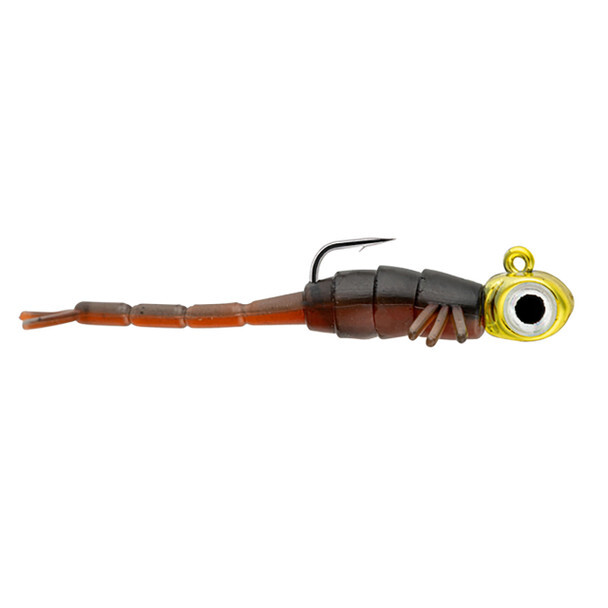
1) Northland Rigged Tungsten Broom Bug

The Northland Rigged Tungsten Broom Bug comes pre-rigged, making it easy to use straight out of the package. Its lifelike appearance and tungsten head make it a reliable option for quick, effective presentations.

This pre-rigged lure is excellent for anglers who want to spend less time rigging and more time fishing. It’s easy to use and perfect for beginners. The tungsten head ensures it drops quickly, and the lifelike design attracts perch effectively, especially when jigged gently.

2) Rapala Jigging Rap (balanced jig for calling fish in)

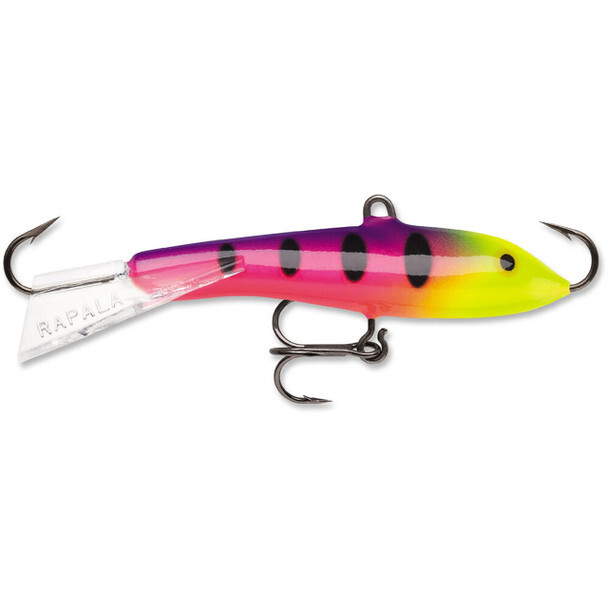
The Rapala Jigging Rap is a strong “search and trigger” lure. In practical terms: use it to call fish in, then refine with finesse if they get picky. For perch, smaller sizes (like size 3) are a common sweet spot.

3) Bay de Noc Crushed Ice Swedish Pimple

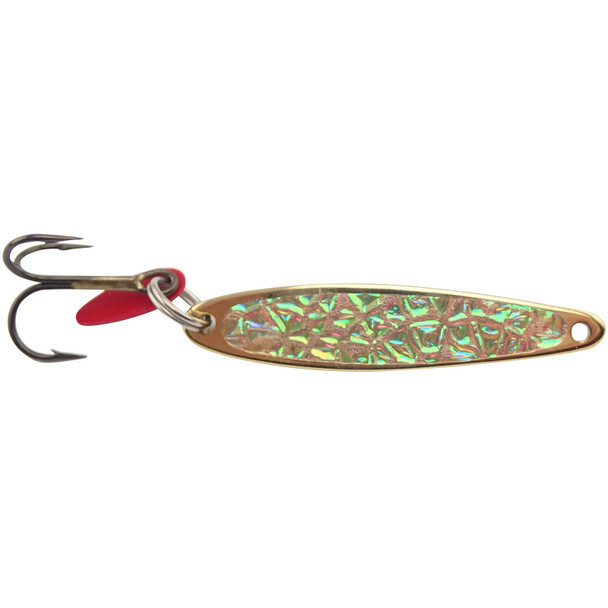
The Bay de Noc Crushed Ice Swedish Pimple is a classic, time-tested jigging spoon that shines on Lake Chautauqua when fish want flash and a wounded-baitfish look. Built on the Swedish Pimple design (a proven producer for decades), the “Crushed Ice” finish adds extra reflection to pull fish in under the ice, and it’s typically pre-rigged with a treble hook and an attractor/flapper for added action. It’s a reliable choice for walleye, perch, trout, and panfish—especially when you work it with short snaps and pauses to let it flutter.

Proven North Basin Tactics: A Simple First-Trip Game Plan

The fastest way to shorten the learning curve on Chautauqua Lake is to fish efficiently. That means drilling with a plan, adjusting lures based on fish mood, and moving when the bite tells you to move.

Step 1: Use “smart crowds” without being a crowd problem

On a first visit, following general angler concentration can help you avoid dead water—local anglers usually know the seasonal zones. Keep spacing respectful, don’t set up on top of someone, and avoid crossing lines.

Step 2: Drill a grid, not a single hole

  • Start with 8–15 holes in a small area (depth/edge) so you can quickly test where fish are.
  • Hop holes until you mark fish; don’t “camp” too long on empty water.
  • Once you find fish, drill a few more holes around the productive depth to stay on moving schools.

Step 3: Run a two-speed lure system (call + finesse)

  • Call fish: start with a Jigging Rap or spoon to pull fish in.
  • Close the deal: switch to the Ratso when fish are present but hesitant.
  • Rotate colors: if bites slow, change one variable at a time (color first, then cadence).

Step 4: For walleye, lean into low-light windows

Keep your walleye plan simple: fish deeper edges at low light with a controlled cadence and consider glow options where appropriate. Remember: you’re not trying to do everything on trip one. You’re trying to stack small wins and learn.

Gear Checklist for Chautauqua Lake Ice Fishing

Rods, reels, and line

  • Panfish/perch: light or ultralight rod, smooth drag, thin line for sensitivity.
  • Walleye: medium power rod, slightly stronger line, leader as needed for clarity and abrasion.

Must-have tools

  • Sled for hauling gear (especially if you’re walking in from access points)
  • Auger + scoop + extra blades
  • Spud bar and measuring tool for ice checks
  • Ice cleats and a safety kit (picks, rope, flotation)

Electronics: sonar vs underwater camera

If you’re choosing one electronics upgrade, sonar helps you find depth and fish quickly. Underwater cameras can help you identify species and learn how fish react to your lure. Explore both here: Sonar and Underwater Cameras.

Regulations and Licensing (Don’t Skip This)

Chautauqua Lake is listed by NYSDEC with a reminder that special regulations apply, and fishing rules can change over time. Your safest move is to review the official NYSDEC regulations resources before you go. NYSDEC Chautauqua County ice fishing

Pro tip: If you’re traveling from out of state, verify licensing requirements and any baitfish transport rules before bringing minnows.

FAQs: Ice Fishing Chautauqua Lake

Where is the best ice fishing on Chautauqua Lake?

Many first-timers do best starting on the North Basin and using public access like Mayville Lakeside Park or the DEC Prendergast Point Launch. NYSDEC lists multiple public access sites and notes special regulations apply.

Is the north basin better for ice fishing than the south basin?

For a first trip, the North Basin is often the easiest starting point because it simplifies your search and commonly concentrates ice anglers. Once you learn seasonal zones and access patterns, exploring beyond becomes easier.

What are the best perch lures for Chautauqua Lake ice fishing?

A proven perch rotation includes a finesse option like the Ratso, a balanced “caller” like a Jigging Rap, and a flashy spoon like the VMC Flash Champ. Bring multiple colors and change one variable at a time.

Where can I park for ice fishing near Mayville?

NYSDEC lists Mayville Lakeside Park as a public access site for Chautauqua Lake.

Do I need a New York fishing license to ice fish Chautauqua Lake?

In most cases, yes—unless you’re fishing on designated free fishing days or under a specific exemption. Always confirm current requirements via NYSDEC’s regulations resources.

What’s safer: fishing alone or with a group on the ice?

Fishing with a buddy (or near others while maintaining respectful spacing) is generally safer. The Chautauqua Lake Association emphasizes caution because ice varies across the lake.

Final Takeaway: Make Your First Chautauqua Trip Easy

Chautauqua Lake can feel huge on your first visit—but it becomes simple when you focus on the North Basin, pick one target species, and fish a short, proven lure rotation. Start with reliable access sites, drill a grid, rotate colors, and move with the fish. Keep ice safety non-negotiable, and verify regulations before you travel.

Shop Ice Fishing Gear

  • Ice Rods
  • Ice Baits & Lures
  • Ice Electronics
  • Ice Fishing Accessories