How to Reduce Lure Snag: Proven Tactics to Fish Heavy Cover Without Losing Baits
By: FishUSA Staff
May 7, 2026
If you’ve ever watched a favorite crankbait disappear into a rock pile or felt a jig lock up in a laydown, you know the pain. Lures are expensive, prime spots are snaggy, and it can feel like you’re just donating tackle every time you cast at good cover. Learning how to reduce lure snag is one of the fastest ways to save money, fish more efficiently, and finally feel confident targeting the gnarliest spots on the lake.
This article breaks everything down step-by-step. We’ll look at why lures get snagged in the first place, how to choose the right baits and hooks, and the best weedless rigging tricks for rocks, weeds, and timber. You’ll also learn casting angles, retrieval techniques, and line setups that help prevent lure snag before it happens. Along the way, we’ll recommend visuals (rigging diagrams, casting-angle illustrations, and short videos) and link out to deeper guides so this piece becomes a complete, SEO-friendly resource on reducing lure snags.
Table of Contents
- Why Lures Get Snagged in the First Place
- Choosing Lures and Hooks That Naturally Avoid Snags
- Rigging Techniques to Reduce Lure Snag in Different Cover
- Casting Angles and Retrieval Techniques That Avoid Snags
- Line, Leader, and Terminal Tackle Choices to Protect Lures
- Situational Strategies: Reducing Lure Snag Across Techniques
- FAQs – How to Reduce Lure Snag
- Conclusion – Fish the Nastiest Cover with Confidence
Why Lures Get Snagged in the First Place
Common Causes of Lure Snag
Before you can fix the problem, you need to know what’s causing it. Most snag issues come down to a handful of repeat offenders:
- Exposed hooks in heavy cover: Throwing open-treble plugs or bare jigs straight into brush, rock crevices, or thick weeds is asking for trouble.
- Wrong lure for the structure: A deep-diving crankbait around shallow branches or a big-treble jerkbait in heavy pads will snag more than it catches fish.
- Bad angles and retrieves: Dragging lures straight into the face of a stump or across the sharp face of riprap wedges hook points into every crack.
- Too much or too little weight: Overweight rigs dig down into rocks and brush; underweight rigs get swept under cover by current and wind.
- Poor line control: Excess slack allows your lure to swing, pendulum, or sink into trouble instead of gliding over structure.
The good news: all of these causes are fixable. By choosing snag-resistant lures, rigging weedless, and using smarter presentation, you can greatly reduce lure snag without avoiding the best fish-holding cover.
Different Types of Snags and What They Tell You
Not all snags are the same, and each one gives you clues about what’s below:
- Rock snags: Hooks wedged between boulders or in riprap. This often means you’re around key structure—points, rock transitions, and breaklines where fish love to hold.
- Weed snags: Hooks and split rings clogged with grass, pads, or moss. You’re probably on a weed edge or in the heart of a grass bed—another prime area.
- Wood snags: Hooks stuck in laydowns, brush piles, or standing timber. Great for bass, crappie, and pike, but a lure graveyard if you’re not rigged right.
- Dock and metal snags: Pilings, cables, and chains can trap lures. These spots often hold fish but demand precise casting and more snag-proof rigs.
Instead of avoiding these areas because of snags, you’ll learn how to approach them smarter. The goal isn’t to avoid cover; it’s to fish it better.
Choosing Lures and Hooks That Naturally Avoid Snags
Lure Styles That Reduce Lure Snag Around Cover
Some lures are inherently more snag-prone than others. If you want to stop losing baits, start by leaning on lure categories designed to slip through cover:
- Texas-rigged soft plastics: Worms, creature baits, tubes, and craws with the hook point buried in the plastic are a foundation of snag-resistant fishing.
- Weedless jigs: Jigs with fiber or wire weed guards protect the hook point around rocks, wood, and sparse vegetation.
- Swimbaits and frogs with protected hooks: Soft swimbaits with top-hook slots and hollow-body frogs keep hook points pressed against the body until a fish bites.
- Spinnerbaits and bladed jigs: The arm or blade on spinnerbaits and bladed jigs often deflects off cover first, keeping the hook trailing behind and reducing snag risk.
- Squarebill crankbaits: The square lip on crankbaits helps deflect off wood and rock, and many are designed to float up when paused, backing out of snags.
Hook Design and Orientation for Fewer Hang-Ups
Hooks are the business end of every lure—and often the snag point. A few key concepts help you prevent lure snag through smart hook choice:
- EWG (extra wide gap) hooks: Ideal for Texas rigs and weedless swimbaits. They allow you to bury the point while still having enough gap for solid hooksets.
- Offset hooks: The offset bend anchors soft plastics, helping keep the lure straight and the hook point covered.
- Hook orientation: Upward-facing hooks (like on jigs) paired with weed guards or trailers are less likely to dig in than downward-facing exposed trebles in cover.
- Lighter-wire hooks: In some snaggy situations, lighter-wire hooks can bend out when you pull hard, allowing you to retrieve the lure and then bend the hook back.
Include close-up photos of different hook styles side-by-side, with alt tags like “EWG hook vs straight-shank hook for weedless rigging to reduce lure snag.”
Using Weed Guards and Brush Guards the Right Way
Weed guards are a big reason jigs and some lures can be fished in nasty cover. But there’s a balance to strike:
- Trim for conditions: In light cover, you can trim and thin fiber guards slightly for better hooksets. In heavy brush, keep more strands to protect the hook.
- Spread the fibers: Flaring the fibers slightly over the hook point increases protection, especially in wood and rock.
- Match guard stiffness: Stiffer guards for big fish and heavy cover; softer guards for finesse situations where bites are subtle.
A simple infographic showing “too stiff,” “too soft,” and “just right” weed guard trims would help readers visually dial in their jigs.
Rigging Techniques to Reduce Lure Snag in Different Cover
How to Reduce Lure Snag in Rocks and Riprap
Rocky points, riprap banks, and offshore humps are classic snag zones, but they’re also loaded with fish. To fish rocks without constant losses:
- Use football or stand-up heads: These shapes roll and pivot over rocks instead of wedging in like narrow, pointed jig heads.
- Texas rig instead of exposed hook jigs: A creature bait or craw Texas-rigged on a bullet weight is far less likely to snag than an open-hook jig dragged through boulders.
- Try Carolina and drop-shot rigs: Both allow you to keep the hook and bait slightly off bottom while the weight makes contact. Often, the weight will snag before the hook, and with a gentle pop, you can free it.
- Control depth: Count your lure down and aim to run just above the rocks rather than plowing through them.
Weedless Rigging for Grass, Pads, and Vegetation
Weeds and grass beds are bass magnets, but open trebles disappear there. To prevent lure snag in vegetation:
- Texas rig everything: Worms, craws, and swimbaits with the point buried in the plastic or skin-hooked just under the surface are the standard.
- Peg your weight: A pegged bullet weight (with a bobber stop or toothpick) helps your bait punch through grass instead of the weight sliding away while the plastic hangs up.
- Use frogs and weedless topwater: Hollow-body frogs, toads, and weedless spoons slide over pads and mats with minimal snagging.
- Choose compact profiles: Bulky, long appendages catch more grass; streamlined shapes slip through more easily.
Fishing Wood and Brush Piles with Fewer Hang-Ups
Laydowns and brush piles can feel like lure graveyards, but they’re also prime big-fish spots. To work them effectively:
- Flip and pitch precisely: Short, controlled casts into openings reduce the chance of hooking the branch above or behind your target zone.
- Use stout tackle: Medium-heavy or heavy rods with strong line (fluoro or braid) let you steer fish and pop lures free instead of burying deeper.
- Lift, don’t yank: When you feel resistance, gently lift and shake the jig or Texas rig. Sideways yanks often dig the hook deeper into limbs.
- Stay vertical when possible: A more vertical line angle helps baits drop straight down and pull straight up instead of sawing across branches.
A short video clip showing flipping a Texas rig into a brush pile and gently working it out would be a perfect visual here.
Snag-Reducing Rigs for Rivers and Current
Current pushes your lure into every crack and root unless you adjust your rigging. To reduce lure snag in rivers:
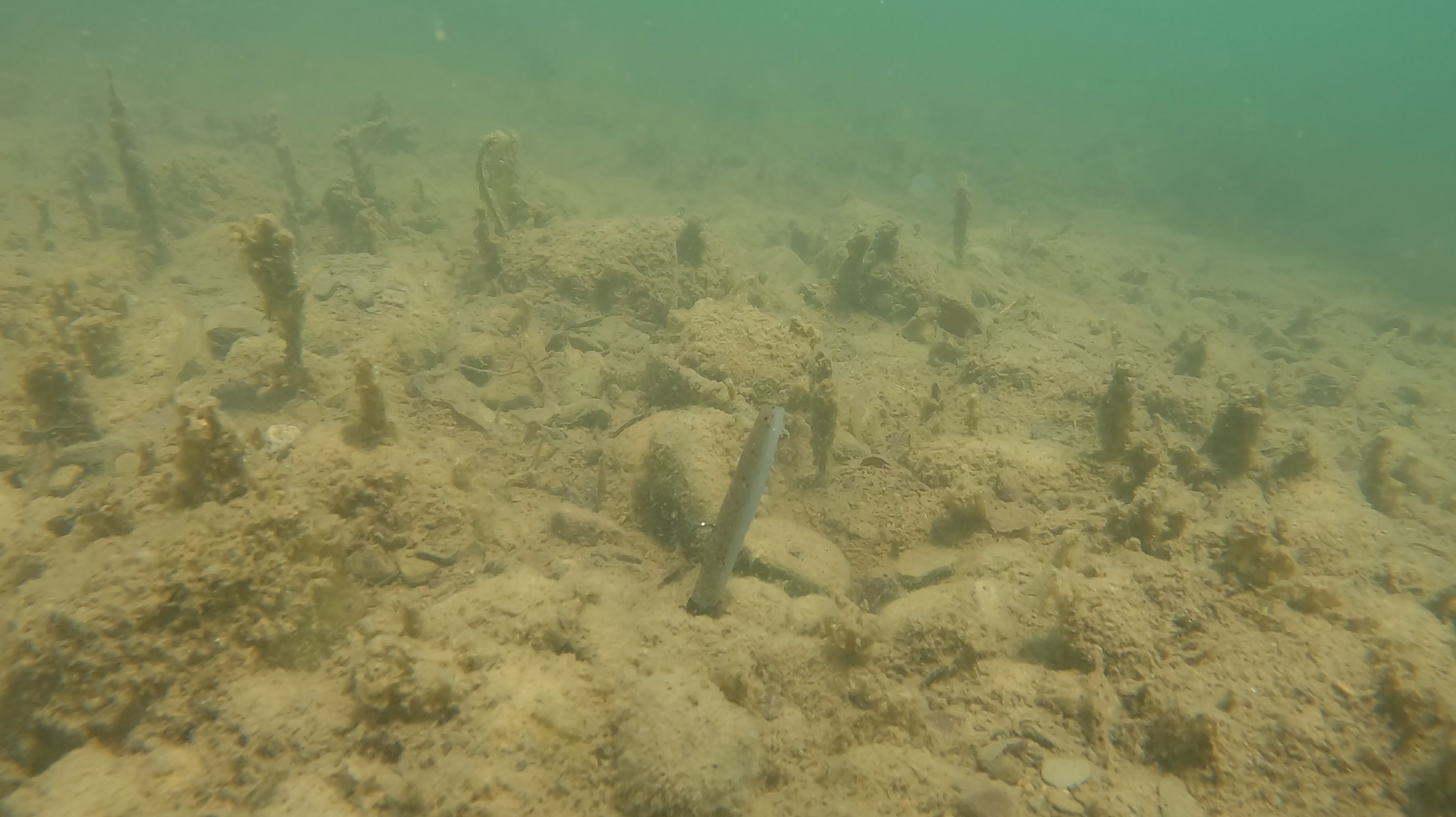
- Use slip floats: Suspending baits under adjustable floats keeps them above snaggy bottoms and lets you drift naturally with the current.
- Drop-shot rigs: The weight hits bottom first, while the hook and bait sit above. If you snag, it’s often the weight, which can sometimes be popped free.
- Short leaders on Carolina rigs: In stronger current, shorter leaders keep the bait closer to the sinker and reduce the amount of line that can wrap around rocks.
Casting Angles and Retrieval Techniques That Avoid Snags
Smart Casting Angles Around Cover
Where and how you cast can be just as important as what you cast. A few angle adjustments can dramatically reduce snagging:
- Cast past the cover: Aim beyond the stump, rock pile, or weed clump so you retrieve through or alongside it, not straight into its face.
- Work parallel to edges: Casting parallel along weedlines, riprap, or dock rows keeps your lure in the strike zone while limiting how deeply it dives into the worst tangles.
- Approach from downwind/downcurrent: This keeps the line more in line with the lure, reducing slack and pendulum swings that cause snagging.
Consider adding a simple overhead diagram showing good vs bad casting angles around a piece of cover with alt text like “Casting angles that reduce lure snag around wood and rock.”
Controlling Depth and Speed to Reduce Hang-Ups
Depth control is crucial for avoiding snags. A lure running just above the bottom will catch fish without burying into every obstacle:
- Count down sinking lures: Learn how many seconds a particular lure takes to reach a given depth, and stop it before it hits bottom.
- Use your rod tip: Lifting the rod raises the lure; dropping it lets the bait sink. Adjust on the fly as you feel bottom contact.
- Adjust retrieve speed: Speed up slightly when you feel the lure bump heavy cover; slowing down too much can let it sink and snag.
- Leverage buoyant baits: Some crankbaits and plugs float when paused. If you hit cover, pause and let the bait rise over it.
Deflection and Pause Tricks for Snag-Resistant Presentations
Deflection is one of the most powerful anti-snag fishing tips—and it often triggers bites:
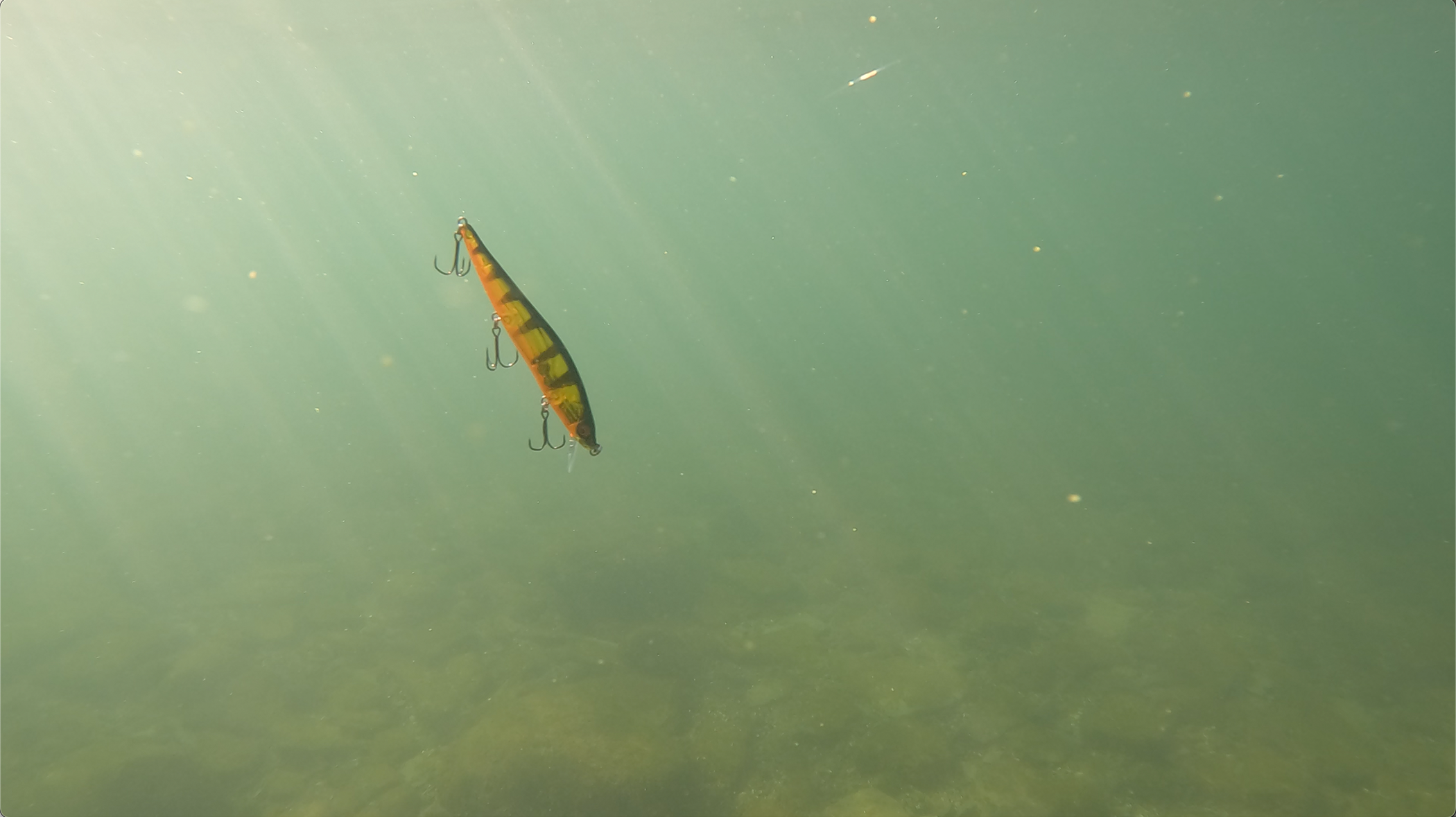
- Squarebill crankbaits: Designed to hit cover and bounce off, often drawing reaction strikes while avoiding snags.
- Spinnerbait deflection: The wire arm hits cover first, pushing the bait around it while the hook trails behind.
- Pause after contact: When you feel the bait hit a limb or rock, pause or gently lift to let it float or slide over the obstacle.
A short embedded video showing a squarebill deliberately bouncing off stump after stump without hanging up would complement this section perfectly.
Line, Leader, and Terminal Tackle Choices to Protect Lures
Line and Leader Setup for Snaggy Areas
Your line setup plays a big role in whether your lure survives contact with cover:
- Braid mainline + fluorocarbon leader: Braid gives sensitivity and strength to pull fish out of cover, while fluoro adds abrasion resistance around rocks and wood.
- Heavier leaders for rocks and timber: Stepping up leader strength a bit can help it survive minor scuffs instead of snapping at the first scrape.
- Mono for buoyancy and stretch: Mono floats and stretches, making it a good match for certain topwaters and crankbaits around moderate cover.
Weights, Sinkers, and Jig Heads That Slip Through Cover
Terminal tackle choices affect how easily your rig glides through obstacles:
- Bullet and cone sinkers: Their tapered shape helps poke through grass and slide over rocks.
- Pencil sinkers: Long and slender, they’re great for drop-shotting in rocks and boulders.
- Free-swinging heads: Some jig heads allow the hook to move independently of the weight, which can help avoid wedging between rocks.
- Lighter weights in tight cover: Heavy weights dig down and wedge into crevices; going lighter can keep your lure riding higher and slipping through.
Tools That Can Save Snagged Lures
Even when you do everything right, you’ll still sometimes snag. Having the right tools can save a lot of money:
- Lure retrievers (plug knockers): Weighted devices you slide down the line to knock a bait free.
- Telescoping poles: Great for shallow-water snags around docks or visible cover.
- Breakaway setups: In extreme snag zones, some anglers use a lighter line below the main leader so only the weight or small part of the rig is sacrificed.
Situational Strategies: Reducing Lure Snag Across Techniques
Reducing Snag with Crankbaits and Jerkbaits
Crankbaits and jerkbaits are notorious for snagging, but they’re also deadly when used correctly:
- Choose buoyant models: Floating or slow-rising baits can be paused to float over cover.
- Use shorter bills in shallow cover: Squarebills and shallow divers are safer around wood and grass than deep divers.
- Fish over, not through: Run jerkbaits over the top of brush or weed edges instead of straight into the thickest part.
Reducing Snag with Jigs and Soft Plastics
Jigs and plastics are fantastic around cover if rigged right:
- Trim jig skirts and guards: A tidier profile can slide through cover better and reduce “extra” material that catches debris.
- Compact trailers: Shorter craws or chunks catch less grass than long, flappy appendages.
- Hop instead of drag: Hopping a jig over rocks or wood often leads to fewer hang-ups than dragging it along bottom.
Reducing Snag with Topwater Lures
Topwater can be surprisingly snag-free if you pick the right baits:
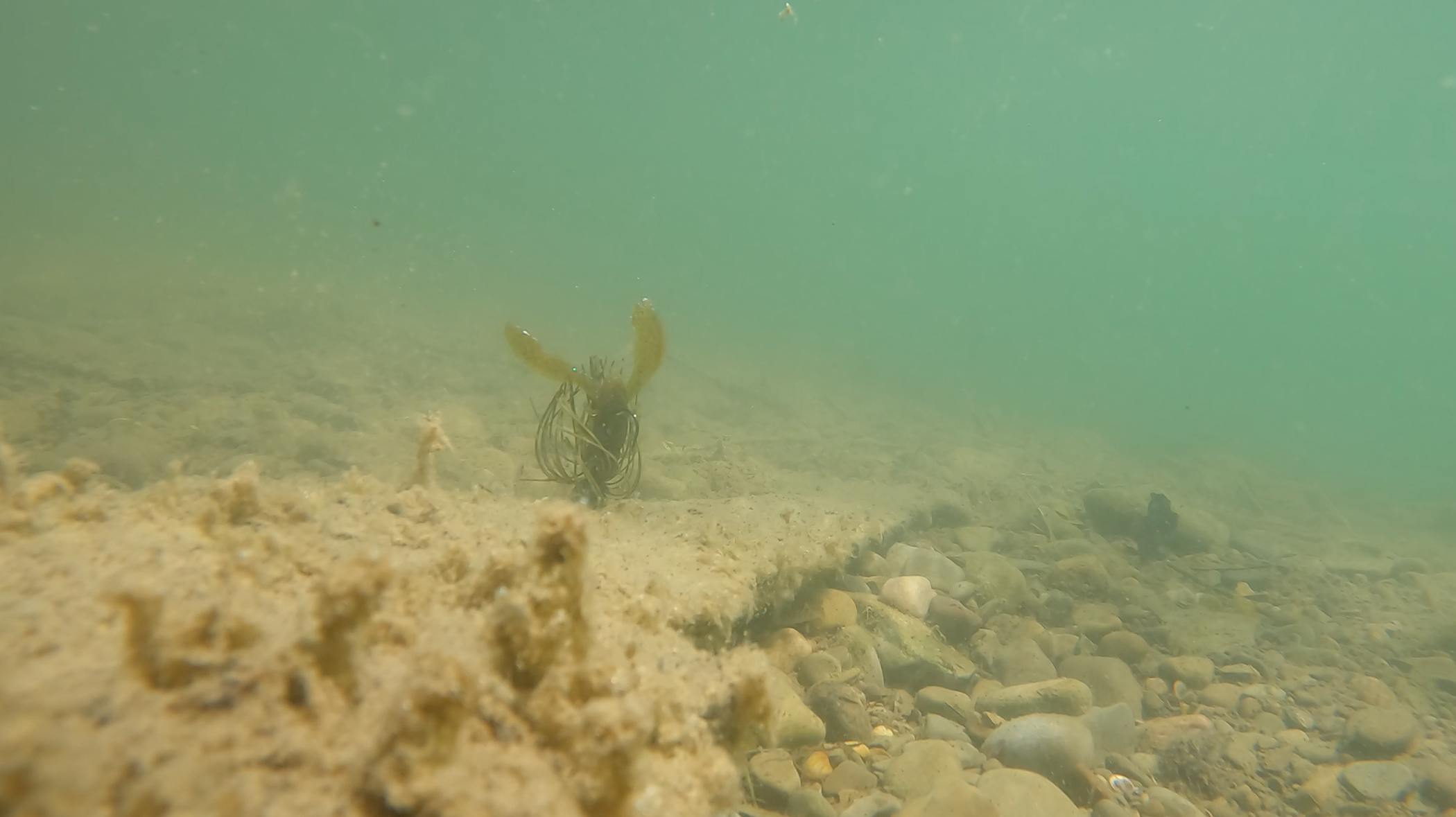
- Use frogs and buzz toads in heavy cover: They ride on top of mats and pads, with hooks tucked close to the body.
- Avoid treble-heavy lures in thick weeds: Walkers and poppers with multiple trebles belong near edges, not deep in salad.
- Work edges instead of centers: Running topwater along the edge of a mat gives you blowups without burying treble hooks in stems.
FAQs – How to Reduce Lure Snag
How do I keep my lures from getting snagged in rocks?
Use football jigs, stand-up heads, and Texas-rigged plastics instead of exposed-hook jigs. Control depth so the lure runs just above the rocks, and use lift-and-hop retrieves instead of constant dragging. Squarebill crankbaits that deflect off cover and float on the pause are also great options.
What is the best way to reduce lure snag when fishing weeds?
Rig weedless with Texas rigs, weedless swimbaits, and hollow-body frogs. Peg your bullet weights to help punch through grass, and choose compact, streamlined baits that slip through vegetation. Braid mainline also helps you cut through stalks instead of hanging up.
How can I fish wood and brush piles without losing lures?
Use Texas-rigged soft plastics and jigs with good weed guards, flip and pitch accurately into openings, and lift-shake your bait out of cover instead of yanking sideways. Heavier rods and line give you the power to pull fish and lures up and away from branches quickly.
What are the best weedless lures for bass fishing in heavy cover?
Texas-rigged worms and creatures, weedless swimbaits, hollow-body frogs, and jigs with properly tuned weed guards are all excellent. Spinnerbaits and bladed jigs can also be surprisingly snag-resistant around sparse grass and wood.
How do I stop my crankbaits from getting hung up?
Switch to squarebill or shallower-running crankbaits around cover, and keep them running just above bottom, not grinding into it. When you feel contact, pause or gently lift the rod to let the bait float or deflect over the obstacle instead of plowing through.
Are there rigs that are almost snag-free for beginners?
Yes. Texas-rigged plastics, basic slip bobber rigs, and some weedless swimbaits are very forgiving. They’re great starting points if you’re learning how to fish heavy cover without constantly losing gear.
How do I reduce lure snag when shore fishing?
Pick casting lanes that avoid overhanging trees and brush, use slightly shorter rods for better control, and rely on weedless rigs and floats to keep baits off snaggy bottom. Casting parallel to shorelines and along edges can also keep lures in safer, more productive zones.
Which line and leader setups help prevent lure loss?
A braid mainline with a fluorocarbon leader is a popular choice for heavy cover. Braid provides strength and sensitivity; fluorocarbon offers abrasion resistance and lower visibility. In very snaggy areas, some anglers use slightly heavier leaders and, in extreme cases, breakaway sections below the main leader.
Conclusion – Fish the Nastiest Cover with Confidence
Snags are part of fishing, but they don’t have to define your day—or your tackle budget. By choosing snag-resistant lures, rigging weedless, adjusting your casting angles and retrieves, and using the right line and terminal tackle, you can dramatically reduce lure snag and finally fish the best cover with confidence.
Before your next trip, pick a few changes to implement: maybe swap one of your open-hook jigs for a weedless version, commit to Texas-rigging around grass, or practice casting past and alongside cover instead of straight into it. As these habits stack up, you’ll lose fewer baits, hook more fish, and spend more time doing what you actually came to do—fishing, not retying.
If this guide helped you, share it with a buddy who’s always “feeding the lake”.
Ship Fishing Tackle & Gear
