

Bottom Fishing for Winter Trout: Rigs, Baits, and Cold-Water Strategy

A practical, winter-ready guide for Great Lakes tributaries and similar cold-water rivers.

A practical, winter-ready guide for Great Lakes tributaries and similar cold-water rivers.

Table of Contents

  • Why Bottom Fishing for Winter Trout Works (and When It’s the Best Option)
  • Where Winter Trout Hold: Think “Low Effort, High Reward”
  • Best Baits for Bottom Fishing Winter Trout
  • The Best Winter Trout Bottom Rig (Simple Setup That Works)
  • Advanced Winter Bottom Fishing: Tandem Minnow Rigs & Plunking
  • Presentation Tips That Matter Most in Winter
  • Gear Checklist for Bottom Fishing Winter Trout
  • Common Mistakes (and How to Fix Them)
  • FAQs: Bottom Fishing for Winter Trout
  • Final Takeaway: Keep It Simple, Fish the Bottom, Catch More Winter Trout

Why Bottom Fishing for Winter Trout Works (and When It’s the Best Option)

Winter trout fishing can feel like a puzzle you never quite solve: you know fish are in the river, you see a few roll or swirl, but bites are few and far between. The question most anglers ask is simple: How do you consistently catch trout and steelhead when the water is cold and the fish won’t move?

The answer—more often than not—is bottom fishing for winter trout. In cold water, trout and steelhead commonly hold in slower, deeper lanes where they can conserve energy. Presenting a natural bait near the bottom puts your offering right in their “easy meal” zone.

Quick Answer: Bottom fishing in winter means presenting bait close to the riverbed—where trout and steelhead are most likely to hold—using a sinker-and-leader rig that drifts naturally without snagging. 

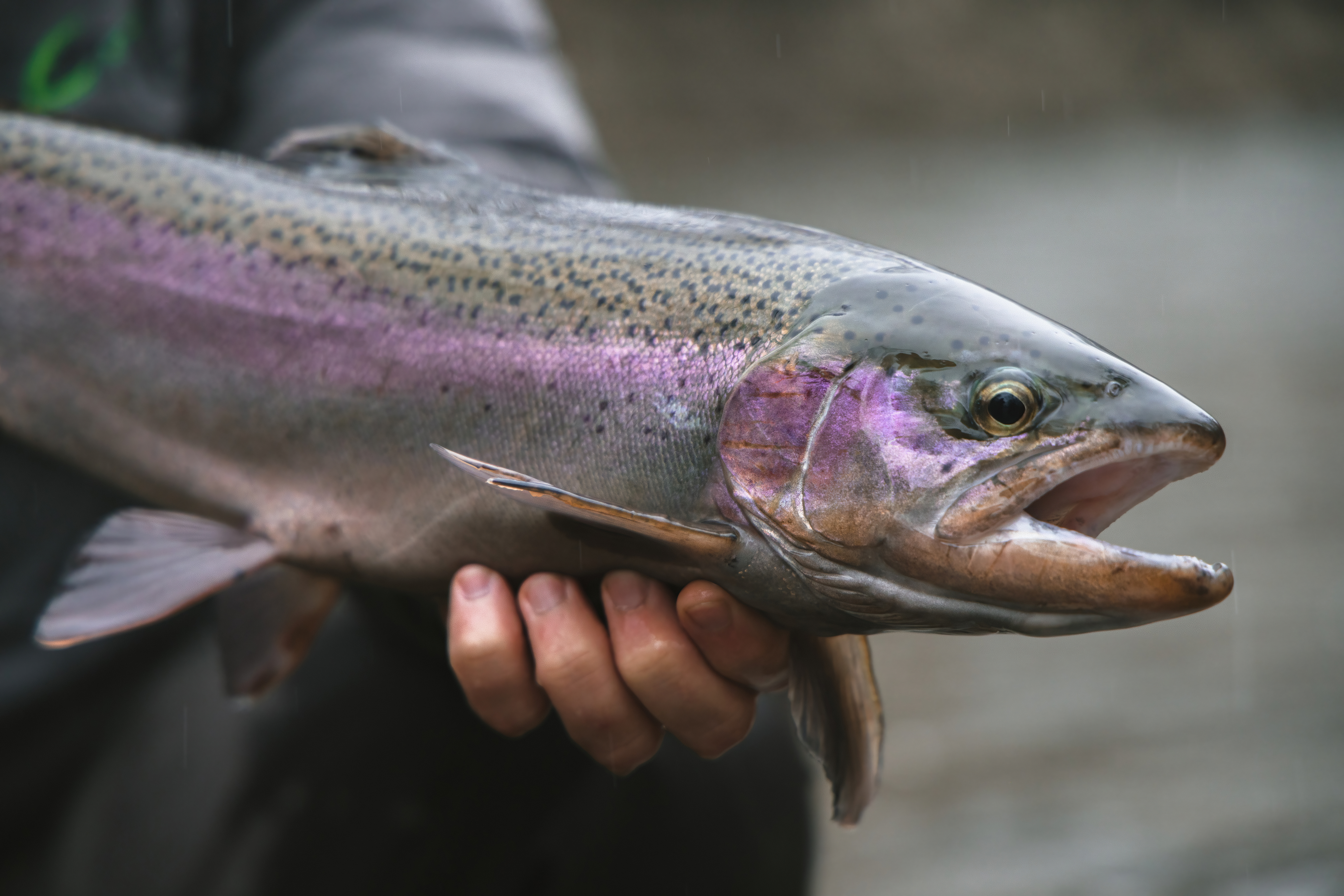
Where Winter Trout Hold: Think “Low Effort, High Reward”

Cold water slows everything down. Winter trout and steelhead are still feeding, but they’re less likely to chase. Your job is to put a meal in front of them in a place they can eat it with minimal effort.

High-percentage winter holding water

  • Deeper runs and wintering holes: consistent depth with softer current lanes.
  • Inside seams: the calm edge beside faster flow—fish can slide out and grab food.
  • Tailouts: where a run tapers and current slows; excellent travel and feeding lanes.
  • Bottom transitions: gravel-to-sand, rock-to-muck, weed edges—tiny changes can concentrate fish.

Actionable tip: If you can’t describe the current seam you’re targeting, you’re probably fishing “water” instead of fishing a lane. 

Best Baits for Bottom Fishing Winter Trout

The best bait for winter trout depends on your water clarity, depth, and how pressured your fish are. Keep it simple: start with roe/egg sacs, keep minnows ready (where legal), and don’t overlook corn when you need something easy, visible, and scent-friendly.

Roe and egg sacs: the winter standard

Eggs are a natural cold-water food source in Great Lakes tributaries, and they’re easy for fish to pick up without burning energy. The real “hack” is matching buoyancy and color to conditions.

Floating egg sacs (best in deeper swims and dirtier water)

  • Why they work: floaters lift the bait slightly off the bottom so it’s easier to see and less likely to snag.
  • When to use: deeper runs, heavier flow, stained water.
  • Colors that often shine: chartreuse, white, pink, orange (adjust based on clarity).

Non-floating egg sacs (best in low, clear water)

  • Why they work: more subtle and natural—great when fish are spooky.
  • When to use: low, clear flows and sunny days with high visibility. 

(“Egg Sac” photo) 

Minnows: dead-drift, salted, or live (check regulations)

Minnows are an opportunistic winter meal—high reward for low effort. But always check your local rules to avoid introducing invasive species or using illegal baitfish.

Salted minnows (easy to carry, deadly on tough days)

  • Presentation: dead on bottom or gently swaying in current.
  • Why winter trout eat them: it’s food, it’s easy, and it requires little chase.
  • Field tip: salted minnows are pocket-friendly for long hikes and cold weather.

Live minnows (classic producer when fish show aggression)

  • When they shine: slightly warmer winter windows, moderate flows, and when fish are moving.
  • Rigging note: keep hooks small and presentation natural.

Dyed minnows (color triggers can be real)

Dying minnows can add a reaction trigger when fish are ignoring natural offerings. If you’re experimenting with color and scent, check outPautzke products and how-to content for bait prep ideas.

Corn: simple, cheap, and surprisingly effective

Yes—corn. It stays on the hook well, is easy to thread, and carries scent effectively. It can be a great option when your hands are freezing and you want a bait that’s fast to re-bait without fuss.

Anise-scented corn (a winter favorite)

Tip: soak corn in quality anise oil so the scent lasts.

Soaked corn for sub-freezing days (dispersion matters)

In true cold snaps, oils don’t “milk” into the water as readily. A thin liquid scent carrier can help distribute flavor in frigid conditions. Experiment (and keep notes), because winter patterns repeat year to year.

Cured corn (tougher bait + color control)

If you want more durability and color options, cured corn products can help. Pair it with a scent like krill when you need more pull: Pautzke Liquid Krill Fish Attractant.

The Best Winter Trout Bottom Rig (Simple Setup That Works)

If you want one rig that covers most winter conditions, it’s the sliding sinker rig (often called an egg sinker rig). It’s simple, effective, and easy to adjust for flow and depth.

Sliding sinker rig: step-by-step

  1. Mainline: 8–10 lb test is a common starting point for Great Lakes tributaries (adjust heavier for big water or heavy cover).
  2. Slide on an egg sinker: choose a weight heavy enough to hold bottom without bouncing.
  3. Add a bead: protects your knot from the sinker.
  4. Tie on a swivel: reduces line twist and provides a clean connection point.
  5. Leader: 1–3 feet of lighter fluorocarbon for stealth and better drift.
  6. Hook: match size to bait (size 6 is a common all-around for egg sacs and corn).

How to choose sinker weight (the “no-bounce” rule)

The biggest mistake in winter bottom fishing is using a sinker that’s too light. If your weight ticks and bounces down the riverbed, you snag more and catch less. Aim for a sinker that holds bottom in the lane you’re fishing—then fish slightly upstream to maintain control.

Leader length: a quick guide

  • Fast or turbulent flow: 12–18 inches keeps things controlled.
  • Moderate flow: 18–30 inches is a great default.
  • Low, clear water: 30–36 inches can look more natural (and gets more bites).

Advanced Winter Bottom Fishing: Tandem Minnow Rigs & Plunking

Tandem hook setup for minnows (check legality first)

A tandem hook minnow rig can be extremely effective for winter trout when fish are short-striking or just “tasting” a bait. Before you use it, confirm local regulations (hook count and bait rules vary).

  • High hook: through the eyes/head area for stability.
  • Trailing hook: lightly in the back to improve hookups on short strikes.
  • Stealth tip: keep leader light and avoid oversized hardware.

Plunking for trout: still-fishing done right

Plunking is a “set it and let it work” approach—especially useful when fish travel predictable lanes. The classic plunking presentation often uses an attractor like a Spin-N-Glo above the hook to add visibility and vibration while your bait sits in the lane.

Presentation Tips That Matter Most in Winter

Drift control beats “perfect gear”

In winter, your drift is everything. A natural presentation close to bottom will outfish a complicated setup every time. Focus on controlling your line angle, keeping the sinker from bouncing, and letting the bait drift like it belongs there.

Bite detection: expect “nothing,” then a tiny tick

  • Watch the line: subtle twitches, slight hesitations, or sideways movement.
  • Feel for “dead weight”: many winter bites feel like a snag that suddenly swims.
  • Set with confidence: a firm sweep set is often better than a dramatic hookset.

Clear vs stained water: a quick winter playbook

  • Clear water: smaller baits, lighter leaders, non-floating sacs, more natural colors.
  • Slight stain: balanced approach—moderate float, moderate color, moderate leader.
  • Dirty/high water: floating sacs, brighter colors, stronger scent, heavier weight for bottom control.

Gear Checklist for Bottom Fishing Winter Trout

You don’t need a garage full of gear. You need a reliable system that stays organized, rigs quickly, and works with cold hands.

Must-have terminal tackle

  • Egg sinkers (multiple sizes)
  • Small beads
  • Quality swivels (tiny but strong)
  • Fluorocarbon leader material
  • Hooks sized for eggs/corn and minnows
  • Egg sac netting + floats (if tying your own)

Cold-weather efficiency tips

  • Pre-tie leaders: store in a small leader wallet so you can re-rig fast.
  • Keep bait accessible: a pocket-sized container saves time and keeps hands warmer.
  • Bring a backup spool: winter snags happen—be ready.

Common Mistakes (and How to Fix Them)

Mistake: sinker too light

Fix: go heavier until you can hold bottom without bouncing. This reduces snags and improves presentation.

Mistake: leader too heavy in clear water

Fix: drop leader size and lengthen slightly; switch to non-floating egg sacs and more natural colors.

Mistake: overworking the bait

Fix: winter fish want easy meals. Let the drift do the work and keep movement subtle.

Mistake: ignoring baitfish rules

Fix: confirm local regulations before transporting or using minnows (and especially before moving between waters).

FAQs: Bottom Fishing for Winter Trout

What is the best bait for winter trout bottom fishing?

Roe/egg sacs are a top choice in many Great Lakes tributaries, especially when fish are lethargic. Minnows (salted or live where legal) can be excellent when fish respond to protein and profile. Corn is a simple, effective option that carries scent well and is easy to re-bait in freezing temps.

Floating vs non-floating egg sacs: which is better?

Floating egg sacs often work better in deeper water and stained conditions because they lift the bait off bottom and improve visibility. Non-floating sacs often work better in low, clear water where trout are wary and a subtle presentation gets more bites.

What sinker weight should I use?

Use the lightest sinker that still holds bottom without bouncing. If your sinker is ticking and rolling constantly, go heavier. “Hold bottom, don’t drag” is the goal.

How long should my leader be in winter?

A 1–3 foot fluorocarbon leader covers most winter conditions. Shorten in heavy flow for control and lengthen in clear/slow water for a natural look.

What is plunking for trout?

Plunking is still-fishing in a river—anchoring your rig in a travel lane and letting current do the work. An attractor like a Spin-N-Glo can help fish find the bait, especially in stained water or deeper lanes.

Final Takeaway: Keep It Simple, Fish the Bottom, Catch More Winter Trout

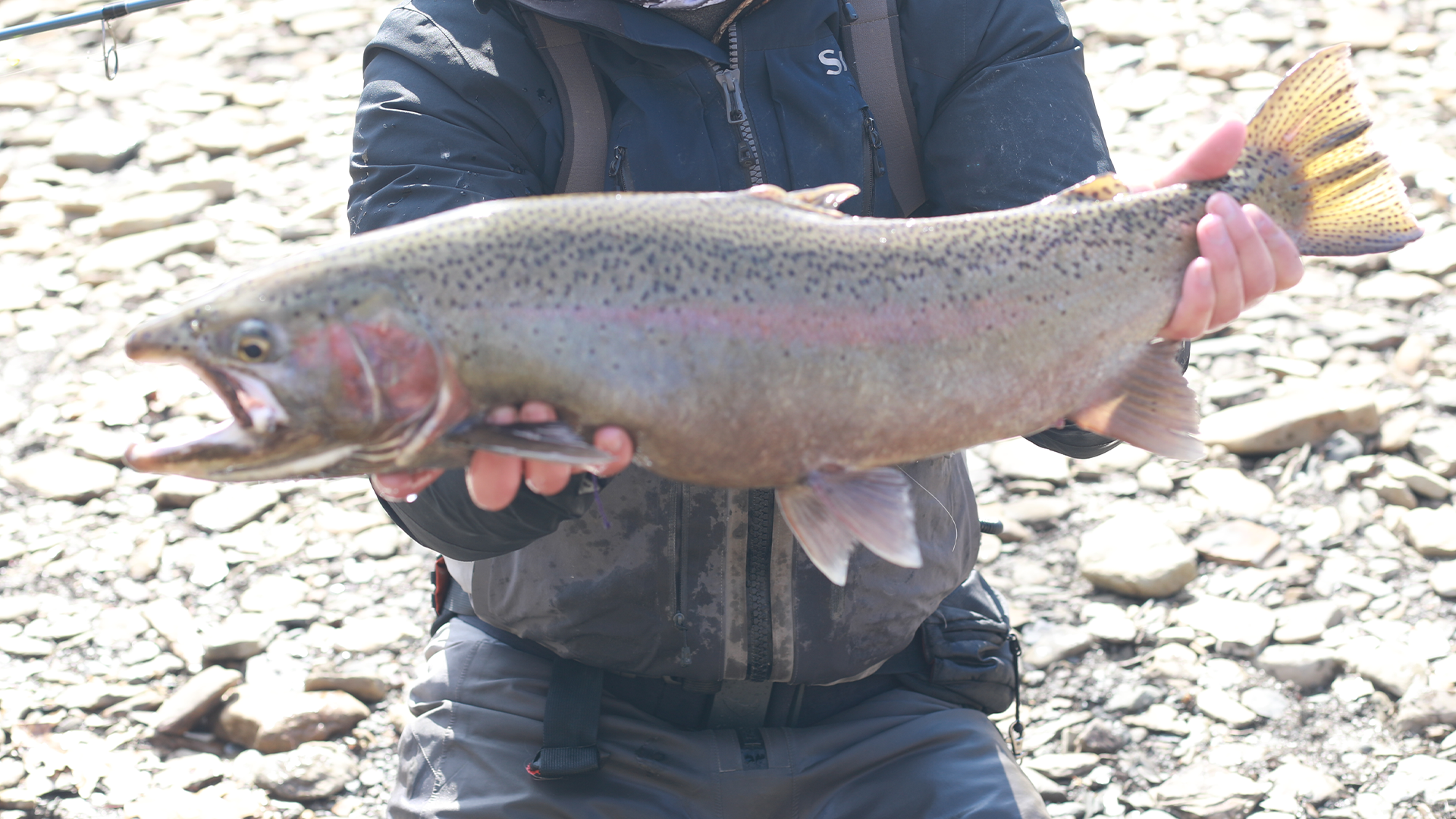
Winter trout and steelhead fishing doesn’t have to be complicated. The most consistent approach is a controlled, natural bottom presentation using proven baits. If you remember nothing else, remember this system:

  • Choose the right bait: eggs for natural drift, minnows for protein and profile, corn for simple scent and convenience.
  • Rig it right: sliding sinker + bead + swivel + 1–3 ft fluorocarbon leader.
  • Fish it right: hold bottom without bouncing, drift naturally, and watch for subtle bites.

Shop Trout Fishing Gear

  • Trout Rods
  • Trout Jigs
  • Trout Soft Baits
  • Jarred & Cured Baits