


Why Lake Erie's Late-Fall Walleye Bite Best After Dark, and the Lures That Prove It
Every fall, some of the biggest walleye in Lake Erie move shallow once the sun goes down. Here is why it happens, where and when to find them, and the stickbaits built for exactly this bite.
Last updated: November 2026 · By: FishUSA Staff
Late fall is when Lake Erie walleye anglers start fishing in the dark. As the water cools, big walleye that spent the summer roaming open water move onto shallow reefs, breakwalls and shorelines to feed, and they do most of that feeding at night. Anglers who show up at dusk with a handful of stickbaits can catch fish from shore that are out of reach for most of the year.
The night bite is not luck. It comes down to how walleye see, what the baitfish do once the sun sets and how Lake Erie changes in the fall. Understanding why it happens tells you where to stand, when to cast and which lures to tie on.
Why Lake Erie Walleye Bite Best After Dark in Late Fall

Four things line up in late fall to push walleye onto a night feeding schedule.
1. Walleye Are Built to See in the Dark
A walleye's eye has a reflective layer behind the retina called the tapetum lucidum. It bounces incoming light back through the eye, which is what gives walleye their glassy, “wall-eyed” look. That adaptation lets walleye see well in low light, while many of the baitfish they eat cannot. After dark, walleye have the advantage, and they use it.
2. Fall Water Gets Clearer
As the water cools, algae dies back and much of Lake Erie clears up. Walleye avoid bright light, so in clear water they tend to hold deeper or tighter to cover during the day. When the light fades, they move shallow with confidence. For more on how clarity changes where walleye hold, see our Lake Erie walleye water color playbook.
3. Baitfish Move Shallow
In the fall, schools of emerald shiners, gizzard shad and other baitfish crowd harbors, river mouths and shallow shorelines. Walleye follow the food. Shallow rock and sand flats near deep water become dinner tables after dark.
4. Walleye Are Feeding Up for Winter
Cooling water signals the coming winter, and walleye feed heavily to build reserves. Late fall is also when many anglers catch their heaviest walleye of the year, because the fish are at or near their peak body weight going into winter.
Where to Find Late-Fall Walleye at Night
Look for shallow structure with easy access to deeper water and a reason for baitfish to be there. On Lake Erie, that usually means:
- Breakwalls and piers: Rock walls at harbor mouths hold baitfish and break up current. They also put shore anglers within casting distance of feeding fish.
- River and harbor mouths: Current and food washing out of tributaries draw baitfish, and the walleye that hunt them follow.
- Shallow reefs and rocky points: Hard bottom in a few feet of water near a drop-off is classic night water.
- Beaches with rock or gravel bottom: Long, gradual shorelines can produce when walleye roam the shallows at night, especially for anglers trolling stickbaits.
Many of the best spots are accessible from shore along the Ohio, Pennsylvania and New York shorelines. If you don't have a boat, our guide to shore fishing for Lake Erie walleye covers how to approach it, and casting for walleye from shore at night goes deeper on the technique.
When the Night Bite Peaks
Water temperature is a better guide than the calendar. The night bite usually builds as surface temperatures fall through the 50s and holds into the 40s, which on Lake Erie typically means mid-October through December. Every year is different, so check water temperatures and local reports.
| Water Temperature | What to Expect | Approach |
|---|---|---|
| Upper 50s °F | Baitfish start moving shallow; the night bite begins | Steady retrieves with floating and suspending stickbaits |
| Low 50s to upper 40s °F | Often the most consistent night fishing | Slow, steady retrieves; add short pauses |
| Mid 40s °F and colder | Fish are still catchable but slower | Slow down more; let suspending baits hang |
Time of Night
Many anglers find the first few hours after dark are the most productive, starting at dusk as the light fades. That said, fish can move in and out all night, so a slow hour does not mean the night is over.
Wind and Waves
A light wind blowing into a shoreline can stir baitfish and help the bite. Big waves crashing onto a breakwall make fishing difficult and dangerous, so pick sheltered spots on rough nights.
The Lures That Prove It: Stickbaits Built for the Night Bite
The lures that have caught Lake Erie's night walleye for decades share the same traits, and those traits match what walleye want after dark:
- Long, slender profile: It matches emerald shiners and young gizzard shad, the baitfish walleye are chasing.
- A steady, wide wobble at slow speed: Walleye find bait at night by sight and by feeling vibration through their lateral line. A bait that swims well slowly gives them both.
- Shallow running depth: Night fish are often in just a few feet of water, so the bait has to stay above the rocks.
- Flash, rattles or contrast: These help fish track the bait when light is low.
Suspending Jerkbait: Rapala Husky Jerk
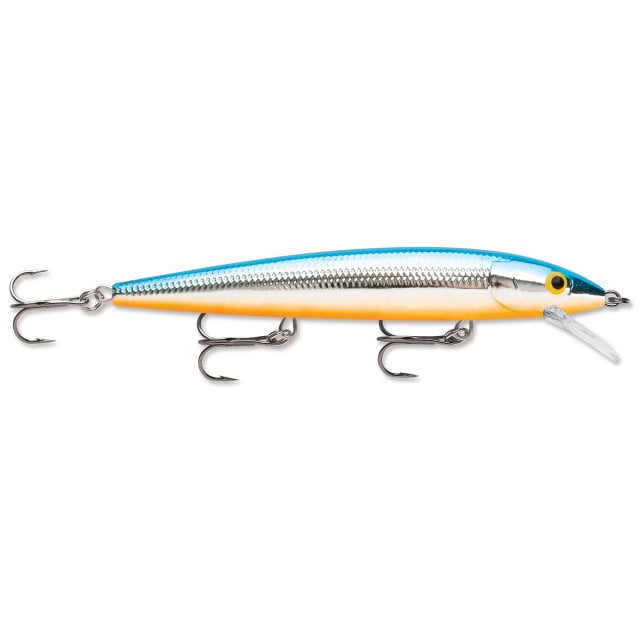
The Husky Jerk suspends when you stop reeling, so it hangs in front of a following walleye instead of floating away. That makes it a top choice in the colder water of late fall, when a pause in the retrieve often triggers the strike.
Rattling Stickbait: Smithwick Suspending Rattlin Rogue
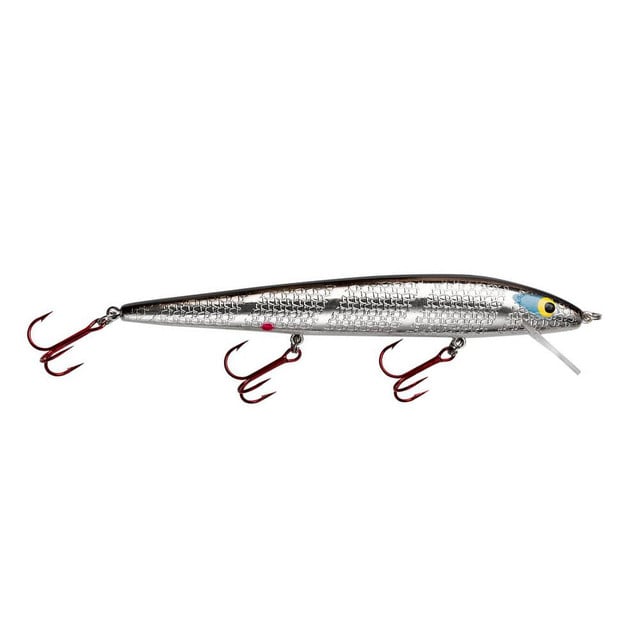
The Rogue's slender body rolls side to side, flashing like a real baitfish, and its rattles add sound that helps walleye home in on it in the dark. It is a long-time favorite of Lake Erie shore anglers.
Shallow Floating Minnow: Bomber Long A

At 1/2 ounce, the Long A casts well into the wind off a breakwall, and its shallow dive keeps it above the rocks. It is also a solid choice for trolling shallow beaches at night.
Classic Balsa Minnow: Rapala Original Floating

The balsa Original Floating Minnow has a lively wobble even at very slow speeds, which is exactly what night walleye want. Because it floats, it is a good choice over shallow rock where a sinking bait would snag.
Trolling Crankbait: Bandit Walleye Shallow Diver

For anglers trolling at night, the Bandit Walleye Shallow Diver covers shallow to mid-depth flats, and its square bill deflects off rocks instead of hanging up. For more trolling options, see our list of the best walleye crankbaits.
Which Color at Night?
Most night anglers carry two groups of colors. Natural baitfish finishes, like silver, chrome and perch, work well in clear water with some moonlight. High-contrast colors with dark backs, or glow finishes, give a stronger silhouette on the darkest nights. If one group isn't working, switch to the other.
How to Fish Stickbaits for Night Walleye
Casting from Shore or a Boat
- Cast parallel to structure. Run your bait along a breakwall or the edge of a flat, not straight out from it, so it stays in the strike zone longer.
- Reel slow and steady. Turn the handle just fast enough to feel the bait wobble. Cold-water walleye rarely chase.
- Add pauses with suspending baits. A one- or two-second pause lets the bait hang in front of a following fish.
- Keep moving. Walleye roam at night. If you're not getting bites, walk down the wall or try the next point.
Trolling Shallow Water at Night
Boat anglers often troll stickbaits and shallow crankbaits along beaches and flats at night, using planer boards to spread lines and get baits away from the boat in shallow water. Speeds are typically slow in cold water. Our guides to walleye trolling speed control and walleye trolling lead length cover how to dial both in.
Night Walleye Gear
For casting stickbaits, a medium-power spinning rod in the 7 to 8 foot range gives you long casts and enough backbone to steer a big walleye away from the rocks. Braided line casts far and lets you feel the bait's wobble, and a fluorocarbon leader adds abrasion resistance around rocks. See our complete night shore walleye setup for a full rod, reel and line breakdown.
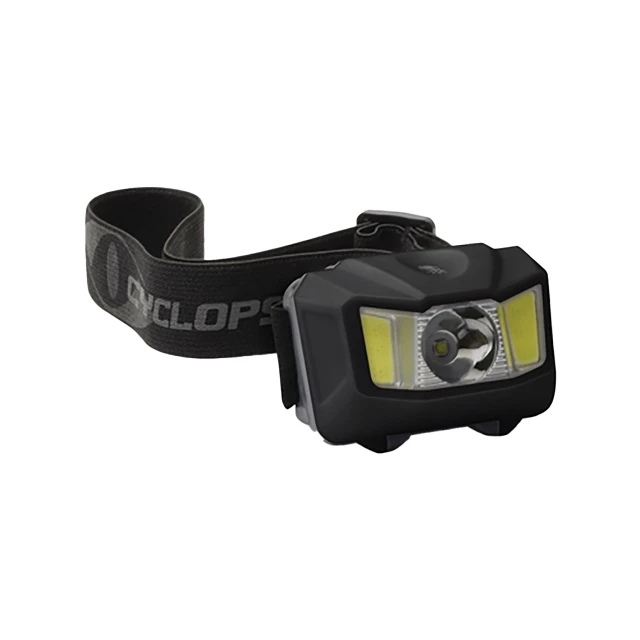
A headlamp is essential for tying knots, unhooking fish and walking safely on rocks. Keep the light off the water as much as you can, since shining it on the shallows can spook fish.
Late-Fall Night Fishing Safety
Late-fall night fishing on Lake Erie means cold water, wet rocks and darkness. A few rules matter more than any lure:
- Wear a life jacket on breakwalls and in the boat. Cold water can incapacitate a swimmer within minutes.
- Watch your footing. Breakwall rocks are slick with spray and ice. Wear boots with good traction.
- Fish with a partner and tell someone your plans.
- Check the marine forecast. Lake Erie can build big waves quickly in fall winds.
- Know the rules. Seasons, limits and night-fishing access differ between Ohio, Pennsylvania, New York and Ontario waters, so check current regulations before you go.
Frequently Asked Questions
Walleye have a reflective layer behind the retina, called the tapetum lucidum, that lets them see well in low light. In late fall, Lake Erie's water clears and baitfish move shallow after dark, so walleye move onto shallow structure at night to feed on prey that cannot see them as well.
The night bite usually builds as surface water temperatures fall through the 50s and into the 40s, which on Lake Erie typically means mid-October through December. Timing varies by year and by location, so watch water temperatures and fishing reports rather than the calendar.
Long, slender minnow-shaped stickbaits are the standard for night walleye on Lake Erie. Popular choices include the Rapala Husky Jerk, Smithwick Rattlin Rogue, Bomber Long A and Rapala Original Floating Minnow for casting, plus shallow-running crankbaits like the Bandit Walleye Shallow Diver for trolling.
Reel slowly and steadily, just fast enough to feel the lure wobble. Cold-water walleye rarely chase a fast bait at night. Adding an occasional short pause, especially with a suspending stickbait, often triggers a strike.
Yes. Late fall is one of the best times of year to catch Lake Erie walleye from shore, because fish move onto shallow structure near breakwalls, piers and harbor mouths after dark. Casting stickbaits with a slow, steady retrieve is the most common shore approach.
Many night anglers carry both natural baitfish colors, such as silver, chrome and perch patterns, and high-contrast colors with dark backs or glow finishes. In clear water and with some moonlight, natural colors work well, while darker or high-contrast colors give a stronger silhouette on very dark nights.
Yes, walleye still bite during the day, especially in deeper water, on cloudy days or in stained water. The shallow, shore-accessible bite is usually best from dusk through the first several hours of darkness, when fish move up to feed.
Final Thoughts
Lake Erie's late-fall night bite happens for clear reasons: walleye see well in the dark, the water clears, baitfish crowd the shallows and the fish are feeding up for winter. Put yourself on shallow structure near deep water at dusk, tie on a slender stickbait and reel it slowly, and you are fishing the same pattern that has produced big Lake Erie walleye for generations.
For more night tactics, read our guide to how to catch walleye at night, and find everything you need in our walleye baits and lures shop.