


Mastering Night Fishing for Walleye
Walleye are built to dominate in the dark. This guide covers where to find them after sunset, which lures and baits to use, how to set up your gear, and what conditions produce the best bites.
Last updated: October 2026 · By: FishUSA Staff
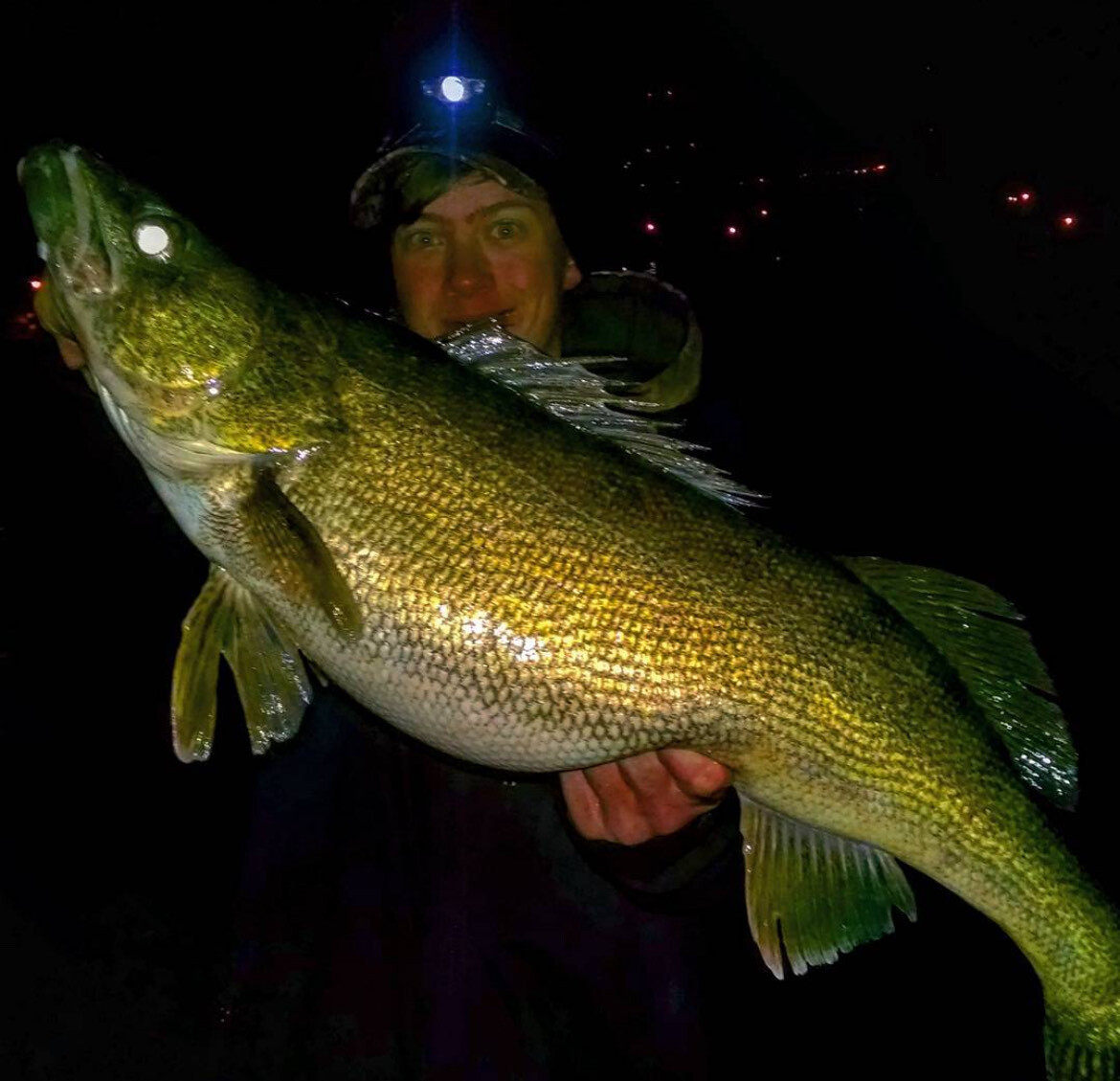
Walleye are known for their exceptional night vision, making night fishing one of the most productive ways to target them. While they can be elusive during the day, walleye become more aggressive and move into shallow waters under the cover of darkness. This guide covers where to find walleye, the best lures, bait, and techniques to help you land more fish at night.
Why Night Fishing for Walleye is Effective
Walleye have a special layer in their eyes called the tapetum lucidum, which enhances their ability to see in low-light conditions. This gives them a significant advantage over baitfish and makes them more active and aggressive after dark.
- Less Fishing Pressure: Fewer anglers are on the water at night, reducing competition and spooky fish.
- Shallower Water: Walleye move from deep daytime holding areas into shorelines, weed lines, and rocky points as light fades.
- Better Strike Rate: Walleye become more aggressive in low-light conditions, making them easier to trigger and land.

Where to Find Walleye at Night
At night, walleye move closer to shore, often hunting in areas where baitfish are concentrated. Focus on these key locations:
1. Rocky Shorelines and Points
Walleye use rocky areas to ambush prey. Cast parallel to the shoreline and retrieve your lure slowly along the structure.
2. Shallow Flats
Walleye roam shallow flats in search of baitfish. Look for water 3 to 8 feet deep with gradual depth changes that allow walleye to slide in and out as conditions change.
3. Weed Edges and Drop-Offs
Baitfish often gather around weed edges, and walleye follow. Target transition areas where vegetation meets open water or where depth changes abruptly.
4. Bridges and Dams
Structures like bridges and dams create natural funnels for baitfish, making them prime nighttime walleye locations. Light from bridges can also attract bugs, which draws baitfish and in turn draws walleye.
5. River Current Breaks
In rivers, walleye position themselves behind current breaks such as boulders, sandbars, and bridge pilings. These breaks allow walleye to rest while watching the current deliver food. See our guide on casting for walleye from shore at night for more on working river and lakeshore structure.
Best Lures for Nighttime Walleye
Walleye rely on their sense of vibration and contrast at night. Choose lures that create movement and stand out in low-light conditions.
1. Jerkbaits
Best For: Covering shallow flats and rocky shorelines.
- Retrieve Tip: Use a slow, steady retrieve with occasional pauses to trigger reaction strikes.
- Best Colors: Black, purple, and silver.
2. Shallow-Diving Crankbaits
Best For: Fishing near drop-offs and rocky areas.
- Retrieve Tip: A slow, steady retrieve allows the bait to produce consistent vibration and track true in low-visibility water.
- Best Colors: Firetiger, chartreuse, and blue.
3. Glow-in-the-Dark Jigs
Best For: Jigging in deeper water and along weed edges when walleye are holding off the bottom.
- Retrieve Tip: Lift and drop the jig to create a fluttering action that triggers strikes on the fall.
- Best Colors: Glow white, green, and orange.
4. Soft Plastic Swimbaits
Best For: Fishing along weed lines and submerged structure.
- Retrieve Tip: A slow, steady retrieve mimics a swimming baitfish and keeps the bait in the strike zone longer.
- Best Colors: Dark colors with UV highlights for maximum contrast.
Shop Walleye Soft Plastic Swimbaits
5. Spinner Rigs
Best For: Trolling slowly along flats and drop-offs while covering water.
- Retrieve Tip: Maintain a slow, steady trolling speed to keep the blades spinning and the harness riding naturally.
- Best Colors: Chartreuse, red, and gold.

Best Live Bait for Night Walleye Fishing
Live bait can be highly effective at night, especially when walleye are less aggressive or water temperatures push them toward a slower feeding pace.
- Live Minnows: Hook through the lips on a jighead or rig under a slip bobber for suspended presentations.
- Nightcrawlers: Deadly on a spinner rig or slow-dragged on a jig along bottom. Walleye can track the scent trail in the dark.
- Leeches: Ideal for fishing with slip bobbers in shallow water — their natural undulating action triggers bites when fish are finicky.
Best Gear Setup for Night Walleye Fishing
Rod and Reel
- Rod: Medium-light to medium-power spinning rod in the 6'6"–7'6" range for versatility across lure types.
- Reel: Spinning reel with a smooth, reliable drag system — critical for landing fish in the dark when you can't always see what you're doing.
Fishing Line
- Braided Line (10–15 lb test): Best for sensitivity when fishing jigs and swimbaits. No stretch means better feel for bottom contact and soft strikes.
- Fluorocarbon Leader (8–12 lb test): Provides near-invisibility in clear water and abrasion resistance near rocks and structure.
Lighting and Safety Gear
- Headlamp: Essential for rigging baits, handling fish, and changing lures without killing your night vision. A red-light setting preserves your vision between tasks.
- Navigation Lights: Required if fishing from a boat at night — both by law and for safety on busy waterways.
- PFD (Personal Flotation Device): Always wear a life jacket when fishing from a boat at night.
Tips for Catching More Walleye at Night
- Fish Slow: Walleye prefer a slow, deliberate retrieve at night — give them time to locate and commit to the bait.
- Use Dark or Glow Colors: Black, purple, and glow baits create strong silhouettes and visibility in low-light conditions.
- Stay Quiet: Sound travels farther at night, so minimize boat noise, avoid dropping gear, and move through shallow water carefully.
- Pay Attention to Moon Phase: Walleye are more active during full and new moons — plan your outings accordingly.
- Watch for Baitfish Activity: Surface disturbances, nervous water, or diving birds can all indicate baitfish schools — and walleye will be close behind.
Best Weather Conditions for Night Walleye Fishing
- Cloudy Nights: Overcast skies reduce ambient light, encouraging walleye to feed more aggressively across shallower flats.
- Light Wind: A subtle chop creates water movement that makes baitfish easier for walleye to ambush and disrupts the surface enough to mask your presence.
- Stable Barometric Pressure: Consistent pressure — not necessarily high or low, but steady — tends to produce more reliable feeding activity than rapidly changing conditions.
Frequently Asked Questions
Walleye have a special reflective layer in their eyes called the tapetum lucidum, which amplifies available light and gives them exceptional vision in near-darkness. This biological advantage lets them see and ambush baitfish that are essentially blind by comparison. After sunset, walleye move from deeper daytime holding areas into shallow feeding zones, often becoming far more aggressive than they are during daylight hours.
At night, walleye move shallower and concentrate near structure that funnels baitfish. Focus on rocky shorelines and points, shallow flats in 3–8 feet of water, weed edges and drop-offs, bridges and dams, and river current breaks behind boulders or sandbars. Any area that concentrates forage will attract walleye after dark.
Jerkbaits and shallow-diving crankbaits are top producers at night because they create vibration and a strong silhouette. Black, purple, and silver are productive dark-water colors, while glow whites and chartreuse work well for depth jigging. Glow-in-the-dark jigs, soft plastic swimbaits with UV highlights, and spinner rigs are also effective when walleye are less aggressive and need a slower presentation.
Yes. Walleye tend to be most active during full and new moons. A full moon provides ambient light that helps walleye track baitfish across shallow flats, while new moon nights create near-total darkness that pushes walleye onto structure and makes slower presentations more effective. Both moon phases consistently produce bites, though tactics may differ.
A medium-light to medium-power spinning rod in the 6'6"–7'6" range paired with a smooth-drag spinning reel is the standard setup. Spool with 10–15 lb braided line for jigs and swimbaits, or use mono for jerkbait work. Adding an 8–12 lb fluorocarbon leader improves low-visibility performance and provides abrasion resistance near rocks and structure.
Both produce fish at night, but lures cover more water and trigger reaction strikes from active walleye. Live bait — particularly minnows, nightcrawlers, and leeches — shines when walleye are less aggressive or water temperatures are on the extreme end of their comfort range. Many experienced night anglers start with lures to locate active fish, then switch to live bait when the bite slows.
Final Thoughts
Night fishing for walleye is one of the best ways to catch big fish while avoiding daytime fishing pressure. By using the right lures, targeting key locations, and fishing at a slower pace, you can maximize your success after dark. Whether you're casting crankbaits along rocky points, working a suspending jerkbait over a weed flat, or slow-dragging live bait near a current break, nighttime is prime time for connecting with trophy walleye.