Skip to Main Content
FREE SHIPPING on Orders Over $75

Braid vs Mono vs Fluoro for Walleye (When to Use Each Line)

Braid, mono, and fluorocarbon each do something the other two don't — and picking the wrong one for the job costs you bites before you ever change a lure. This guide breaks down what each line type actually does well, practical pound-test ranges, and exactly which setup to run for jigging, jerkbaits, trolling, harnesses, and night shore walleye.

Learn Walleye Braid vs Mono vs Fluoro

Support Guide · Walleye Line Selection

Braid vs Mono vs Fluoro for Walleye (When to Use Each Line)

Braid, mono, and fluorocarbon each do something the other two don't — and picking the wrong one for the job costs you bites before you ever change a lure. This guide breaks down what each line type actually does well, practical pound-test ranges, and exactly which setup to run for jigging, jerkbaits, trolling, harnesses, and night shore walleye.

Covers: line differences · braid · mono · fluoro · by-technique chart · leader setup · mistakes · gear

Last updated: June 2026 · By: FishUSA Staff

Quick Start

If you only read one section

  • Braid is best when sensitivity, hooksets, and deep-water bottom contact matter most.
  • Mono is best when you want stretch, forgiveness, easy handling, and a budget-friendly mainline.
  • Fluoro is best for leaders, clear water, abrasion resistance, and stealth near the lure.
  • Braid-to-fluoro is the best all-around setup for most walleye jigging.
  • Straight mono is still the easiest choice for trolling, casting crankbaits, and beginner setups.
  • Straight fluoro can work for jerkbaits, clear water, and finesse presentations, but it isn't always the easiest mainline to manage.
  • Use lighter line when fish are pressured or water is clear.
  • Use a stronger leader when fishing rocks, zebra mussels, docks, night shore spots, or rough bottom.
  • The “best” line always depends on technique, depth, water clarity, and how much stretch or control you want — not a single universal answer.

Default recommendation

For most walleye anglers, the easiest starting point is braid mainline with a fluorocarbon leader for jigging, mono or fluoro for jerkbaits depending on cadence, and mono or braid-based systems for trolling depending on your spread.

Most arguments about “the best walleye line” miss the point — braid, mono, and fluoro aren't competing for the same job. Each one solves a different problem, and the anglers who catch the most fish simply match the right line to the technique in front of them instead of running one spool for everything.

Line Differences

You don't need a physics lesson to pick the right line — just a clear idea of what each type actually does differently on the water.

Braid

Thin diameter for its strength, virtually no stretch, and very sensitive — braid transmits bottom contact and light bites better than any other line type. It's also the most visible underwater and the strongest for its diameter, which is why it casts farther and lets you use lighter pound tests without sacrificing strength.

Mono

Mono stretches, floats more than the other two, handles easily off the spool, and is the most forgiving line to fish with. It costs less than braid or fluoro and ties simple, reliable knots — the tradeoffs are a larger diameter for the same strength and noticeably less sensitivity.

Fluoro

Fluorocarbon is lower-visibility underwater than both braid and mono, more abrasion-resistant, sinks more, and is stiffer to handle. Those properties make it the best leader material in almost every walleye situation, even when it's not the easiest choice as a full mainline.

Braid for Walleye

Best Uses

Jigging, deep water, vertical presentations, casting jigs, feeling bottom, and any braid-to-leader system. Braid is the default mainline whenever bite detection and bottom contact matter more than anything else.

Strengths

  • Sensitivity — transmits bottom contact and light bites with almost no stretch in the way.
  • Thin diameter — casts farther and cuts through wind and current better than mono at the same strength.
  • Hookset power — a direct, no-stretch connection means more of your hookset energy reaches the hook.
  • Line management in depth — thin diameter holds more line on the spool and tracks well at depth.

Weaknesses

  • Visibility — braid is the most visible of the three underwater, especially in clear water.
  • No stretch — that same sensitivity means less forgiveness on a hard hookset or sudden headshake.
  • Can pull hooks if drag is set too tight, since there's no stretch to cushion the strike.
  • Can be harder to manage around sharp rocks or structure without a leader to absorb the abrasion.

Recommended Starting Ranges

Solve braid's weak points with a leader

A fluorocarbon leader cancels out most of braid's downsides — it hides the line near the lure and adds an abrasion buffer — without giving up the sensitivity that makes braid worth running in the first place.

Braid Setup

Walleye Jigging Line

The standard braid-to-fluoro pairing for jigging and casting setups

PowerPro Super 8 Slick V2

10 lb · Moss Green · mainline

Shop
Seaguar Blue Label Fluorocarbon

10 lb · 25 yds · leader material

Shop

Mono for Walleye

Best Uses

Beginner setups, trolling crankbaits, casting moving baits, and any situation where built-in stretch helps protect a hookset or absorb a fighting fish.

Strengths

  • Forgiving stretch — cushions hooksets and headshakes, which matters most on light-wire hooks.
  • Easy knots — ties cleanly and reliably without the specialized knots braid or fluoro sometimes need.
  • Good handling — manages well off the spool, in cold weather, and through guides.
  • Lower cost — the most affordable mainline of the three by a wide margin.

Weaknesses

  • More stretch reduces feel — bottom contact and light bites are harder to detect than on braid.
  • Larger diameter for the same strength than braid, which can limit casting distance and depth control in some systems.
  • Can limit lure running depth compared to thinner braid or fluoro on the same lead length.

Recommended Starting Ranges

Mono earns its place as a trolling baseline because the same stretch that hurts sensitivity becomes an advantage at trolling speed — it absorbs sustained pulling pressure and forgives a slightly mistimed hookset, which is exactly the kind of forgiveness a multi-rod trolling spread benefits from.

Fluoro for Walleye

Best Uses

Leader material, clear water, jerkbaits, finesse presentations, rocks and zebra mussels, and night shore casting where abrasion resistance matters more than you'd expect in the dark.

Strengths

  • Stealth — lower visibility underwater than braid or mono, especially in clear water.
  • Abrasion resistance — holds up against rocks, mussels, and rough bottom better than mono.
  • Sinks more — helps presentations get down and stay down without added weight.
  • The best leader choice in nearly every walleye situation, regardless of mainline.

Weaknesses

  • Stiffer than mono, which can make it less manageable as a full mainline, especially in cold weather.
  • Knots need extra care — fluoro can slip if a knot isn't seated and lubricated properly before cinching.
  • Less forgiving on hooksets than mono, since it has less stretch.

Recommended Starting Ranges

  • 8 lb for clear or finicky-fish conditions.
  • 10 lb as an all-around leader strength.
  • 12 lb for rocks, zebra mussels, night shore, or rough water.
  • 15 lb+ only when abrasion, cover, or technique clearly requires it.

For a full strength-and-length breakdown by technique and water clarity, see the Leader Strength + Length Guide.

Fluorocarbon

Leader & Fluoro Mainline

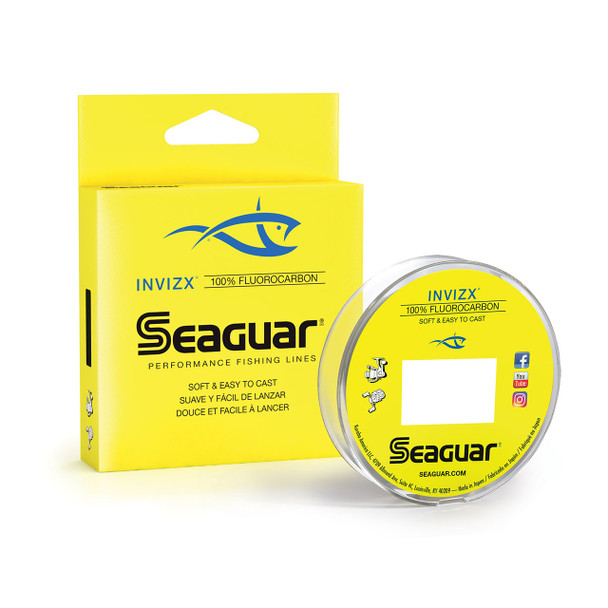
Blue Label for leaders and harnesses; InvizX for straight fluorocarbon mainline in clear water

Seaguar Blue Label Fluorocarbon

10 lb · 25 yds · leader material

Shop
Seaguar InvizX Fluorocarbon

10 lb · 200 yds · clear-water mainline

Shop

Technique Chart

Use this as a starting point for matching line setup to technique, then adjust strength up or down based on what you're actually seeing on the water.

Technique Best Line Setup Starting Strength Why It Works When to Adjust
Spring jigging Braid + fluoro leader 8–10 lb braid / 8–10 lb leader Braid gives bottom contact and hookset power; the leader adds stealth and abrasion resistance near the jig Step leader up to 12 lb around rocks or mussels; drop braid toward 8 lb in calm, clear water
Vertical jigging Braid + short fluoro leader 8–10 lb braid / 8–10 lb leader, 2–4 ft No-stretch braid keeps you in direct contact with bottom and light bites straight beneath the boat Shorten leader further if the knot is hanging up at the rod tip; lengthen in clear water
Casting jigs from shore Braid + fluoro leader, or straight mono 8–10 lb braid/leader, or 8 lb mono Braid casts farther for the same diameter; mono is simpler and more forgiving for less experienced anglers Switch to straight mono if backlashes or break-offs become a recurring issue
Jerkbaits Mono, or fluoro for stealth 8–10 lb mono or 10 lb fluoro Mono's stretch protects light wire hooks on a hard hookset; fluoro adds stealth and slightly more depth Move to fluoro in clear water; stay on mono if you're missing fish on the hookset
Crankbait casting Mono 8–10 lb mono Stretch absorbs sudden headshakes and forgives hookset timing on a moving bait Step down to 6–8 lb for smaller cranks and clearer water
Trolling crankbaits Mono, or a braid-based system with diameter planning 10–12 lb mono Forgiving stretch handles sustained pressure at speed; consistent diameter keeps running depth predictable across rods Move to thinner braid only when deliberately managing diameter for depth, and recheck lead lengths
Harnesses / bottom bouncers Mono mainline + heavier fluoro leader 10–12 lb mono / 12–15 lb+ leader Forgiving mainline plus an abrasion-ready leader handles constant bottom contact and a spinning blade Size leader up further on rock or zebra mussel bottom
Night shore walleye Braid + fluoro leader 8–10 lb braid / 10–12 lb leader Braid adds casting distance and bite detection in the dark; leader strength matters more than visibility since fish are already feeding in low light Step leader up to 12 lb+ around rocks or rip-rap you can't clearly see

Line by Technique

The chart above gives you the starting points. Here's the reasoning behind each one, with the gear it connects to.

Jigging

Default: braid mainline + fluoro leader. Braid's near-zero stretch transmits bottom contact and light bites better than any other line type, which is exactly what jigging depends on — feeling the jig tick bottom and detecting a take before the fish feels you. The fluoro leader adds the stealth and abrasion resistance braid doesn't provide on its own near the bait. See the Spring Jigging Setup for the full rod, reel, and line system, and the Jig Weight Chart for matching weight to depth and wind.

Jerkbaits

Mono gives forgiveness on jerkbaits — its stretch protects light wire hooks from a hard, sweeping hookset that would otherwise tear free. Fluoro can help in clear water or when you want the bait running a touch deeper, but it's stiffer and less forgiving if your hookset timing isn't dialed in yet. Braid-to-leader can work for jerkbaits too, but only if you're disciplined about keeping drag loose enough to avoid pulling hooks. See the Walleye Jerkbait Hub for cadence and presentation, and the Cold-Water Jerkbait Setup for the complete gear system.

Trolling Crankbaits

Mono is forgiving and simple — it's the easiest mainline to run across a multi-rod trolling spread and handles sustained pulling pressure at speed without drama. Braid can help in systems where you're deliberately managing diameter for depth, since thinner line lets a crankbait dive closer to its maximum on the same lead. Either way, line diameter directly affects running depth, so don't swap line types without rechecking your lead lengths. See Lead Length Rules for Cranks and the Trolling Starter Spread for the full setup.

Harnesses / Bottom Bouncers

These rigs drag bottom continuously, so the priority shifts to abrasion resistance, swivel quality, and leader control rather than stealth. Run a forgiving mono mainline with a heavier fluoro leader, and use a quality ball-bearing swivel to prevent line twist from the spinning blade. See the Harness + Bottom Bouncer Setup for the complete rig.

Night Shore

Braid-to-fluoro is useful at night for the same reasons it works during the day — extra casting distance and better feel — but leader strength matters more than usual since you often can't see the rocks or rip-rap you're casting near. Step leader strength up rather than relying on the dark to hide a lighter leader. See the Night Shore Setup for the complete system.

Leader Setup

A braid-to-fluoro leader system is the most versatile modern walleye setup, and it doesn't need to be complicated.

  • Braid-to-fluoro is the most versatile modern walleye setup — it covers jigging, casting, and night shore fishing with one system.
  • Choose a knot you tie confidently. A double uni, FG knot, or Alberto all work — the best knot is the one you can tie correctly and consistently, including in cold or low-light conditions.
  • Test knots before fishing. Pull hard on both ends before your first cast — a knot that's going to slip usually shows it under deliberate pressure, not on a fish.
  • Retie after abrasion. Any nick, cloudy spot, or rough feel near the knot means it's time to cut back and retie.
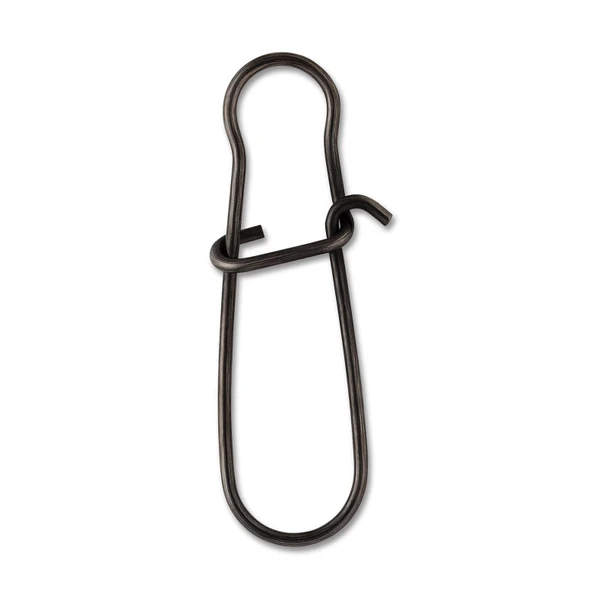
  • Use snaps when changing jerkbaits or cranks often — swapping baits without retying saves real time across a full day on the water.
  • Direct tie can help with small, finesse baits where an oversized snap would throw off the lure's balance and action.

Starting setup

For the full strength and length breakdown by technique and water condition, see the Leader Strength + Length Guide.

Leader System

Braid + Fluoro + Snaps

Everything you need to build a braid-to-fluoro leader system for jigging and casting

PowerPro Super 8 Slick V2

10 lb · Moss Green · mainline

Shop
Seaguar Blue Label Fluorocarbon

10 lb · 25 yds · leader material

Shop
VMC Duolock Snaps
VMC Duolock Snaps

Size 1 · value pack

Shop

Common Mistakes

  • Using braid with no leader in clear water. Bare braid near the lure is the most visible setup you can run — a fluoro leader fixes this in one knot.
  • Using leader that's too light around rocks or mussels. Stealth doesn't matter if the leader fails on the next abrasive contact.
  • Using mono when you need bottom contact in deep water. Mono's stretch absorbs the feel you need to detect light bites and bottom transitions at depth.
  • Using fluoro mainline that's too heavy or stiff for the reel. Oversized fluoro mainline manages poorly off small spinning reels and casts worse than it should.
  • Setting drag too tight with braid. Without stretch to cushion the strike, a tight drag on braid pulls hooks far more easily than the same drag setting on mono.
  • Changing lure color before checking line, leader, and contact. Confirm your line setup and connection are sound before you start swapping baits.
  • Copying a trolling lead length without matching line diameter. Lead-length charts assume a specific diameter — a different line type or pound test changes running depth even at the same lead length.

Gear

A short, practical list — not a sales pitch. These are the categories worth having on hand.

Starter Line Kit

Want the full system?

This guide covers line selection. For the complete rod, reel, and terminal setup built around it, go to the Spring Jigging Setup, the Cold-Water Jerkbait Setup, the Walleye Trolling Starter Spread, or the Night Shore Walleye Setup for casting after dark.

Read Next

FAQ

There's no single best line — it depends on the technique. Braid is best for jigging and any time you need sensitivity and direct bottom contact. Mono is best for trolling, casting cranks, and beginner setups where forgiving stretch helps. Fluoro is best as leader material and for clear-water, finesse, or abrasion-heavy situations. Most experienced walleye anglers carry all three and switch based on what they're doing that day.
Yes — braid is the standard choice for walleye jigging. Its lack of stretch transmits bottom contact and light bites far better than mono or fluoro, which matters most when you're working a jig vertically or casting it along bottom. Pair 8–10 lb braid with a fluorocarbon leader to add the stealth and abrasion resistance braid doesn't provide on its own.
Yes — mono is a strong, simple choice for trolling crankbaits. Its stretch absorbs sudden pressure at trolling speed and forgives a slightly early or late hookset, and consistent diameter across rods keeps your running depths predictable. 10–12 lb mono is a reliable trolling baseline for most walleye crankbait setups.
Better depends on the job. Fluorocarbon is less visible and more abrasion-resistant, which makes it the better choice for leaders, clear water, and rocky or mussel-covered bottom. Mono is more forgiving, easier to handle, and more affordable as a mainline, which makes it better for trolling and casting moving baits. Neither is universally better — they're suited to different roles.
8–10 lb covers most walleye situations regardless of line type — 8–10 lb braid for jigging, 8–10 lb mono for casting or general use, and 8–12 lb fluorocarbon for leaders. Step up to 12–15 lb when fishing rocks, zebra mussels, docks, or rough water where abrasion is the bigger risk. Step down toward 6–8 lb in clear water with pressured or finicky fish.
Yes, in most cases. Braid alone is highly visible and offers no abrasion buffer near the lure, and a fluorocarbon leader solves both problems while keeping braid's sensitivity on the mainline. Braid-to-fluoro is the most versatile modern walleye setup, especially for jigging and night shore casting.
Mono is the most forgiving choice for jerkbaits — its stretch protects light wire hooks on hard, sweeping hooksets. Fluorocarbon can help in clear water or when you want a bait running slightly deeper, but it's stiffer and less forgiving on the hookset. Braid-to-leader can work if you're disciplined about drag, but it's not the easiest starting point for jerkbaits.
Braid mainline to a fluorocarbon leader is the standard setup for night shore walleye. Braid adds casting distance and bite detection in low light, while the leader's strength matters more than its visibility since fish are already feeding in the dark. Run 10–12 lb leader material if you're casting near rocks or rip-rap you can't clearly see.
Yes. Thinner line creates less water resistance, which lets a crankbait dive closer to its published maximum depth on the same lead length. Switching from 12 lb to 10 lb mono, for example, is noticeable on most trolling cranks. If you're matching a published lead-length chart, make sure your line diameter is close to what the chart assumes or your depth will run shallower or deeper than expected.
8–10 lb braid mainline to an 8–12 lb fluorocarbon leader, 4–8 ft long, covers the large majority of walleye jigging situations with one setup. For trolling, 10–12 lb straight mono is the simplest baseline. You don't need more than these two systems to start — adjust strength and length from there based on water clarity and abrasion.
Exit off-canvas