


/
/
From finesse spinning rods to heavy-duty surf and trolling sticks, every rod type is built for a specific job. Here’s how the eight most common types of fishing rods differ, what each one does best, and which one fits the way you fish.
Last updated: October 2026 · By: FishUSA Staff
Fishing rods come in various types, each designed for specific fishing styles, techniques, and species. Understanding the different types of rods can help you choose the right one for your fishing needs — whether you’re a beginner buying a first rod, a bass angler adding a dedicated casting setup, or a walleye and salmon troller outfitting a boat. Below, we explore the most common types of fishing rods and their ideal applications. Once you know which type you need, our guide to graphite vs. fiberglass vs. composite rods explains how blank material changes the way each rod performs.
Use this quick comparison to narrow down which rod type matches your reel, technique, and target species before diving into the details below.
| Rod Type | Reel Pairing | Best For |
|---|---|---|
| Spinning | Spinning reel (underneath) | Beginners, finesse techniques, general-purpose fishing |
| Casting | Baitcasting or spincasting reel (on top) | Larger fish, heavy cover, power techniques, bass |
| Fly | Fly reel with fly line | Trout, panfish, and other species on flies |
| Ultralight | Small spinning reel | Panfish, trout, kids, and beginners |
| Trolling | Trolling / line counter reel | Salmon, steelhead, walleye, and saltwater species |
| Telescopic | Spinning, casting, and other styles | Traveling anglers and limited storage |
| Surf | Spinning or conventional reel | Shore and surf fishing for striped bass and redfish |
| Ice | Small spinning or inline reel | Walleye, perch, and panfish through the ice |

Spinning rods are among the most popular and versatile types of fishing rods. They feature a spinning reel mounted underneath the rod, making them easy to use for beginners and experienced anglers alike. These rods are ideal for casting light lures and are commonly used in freshwater and saltwater fishing.
Key Features:
Best For: Beginners, finesse techniques, and general-purpose fishing in both freshwater and saltwater.
See our picks for the best spinning rods for top models across every power and price range.

Casting rods are designed for use with baitcasting or spincasting reels, which are mounted on top of the rod. These rods offer greater casting accuracy, power, and control, making them ideal for techniques that require precise lure placement, such as bass fishing.
Key Features:
Best For: Anglers targeting larger fish, fishing around heavy cover or with power techniques, and those requiring precision, such as bass anglers.
Compare top models in our best casting rods guide, or learn how to choose a bass fishing rod by technique.

Fly rods are specifically designed for fly fishing, a technique that uses lightweight artificial flies as bait. These rods are long and flexible, allowing anglers to cast flies accurately using a fly line and leader. They are available in different weights to match the size of the fish and type of water being fished.
Key Features:
Best For: Anglers targeting trout, panfish, and other species using the fly fishing technique.

Ultralight rods are designed for fishing with light lines and small lures. They are extremely sensitive, making them perfect for detecting subtle bites. These rods are often used for targeting small fish species like panfish and trout. Ultralight rods are also a great choice for beginner anglers and kids, as they are a joy to fish with.
Key Features:
Best For: Targeting small fish with light line and lures and for beginning anglers or children.
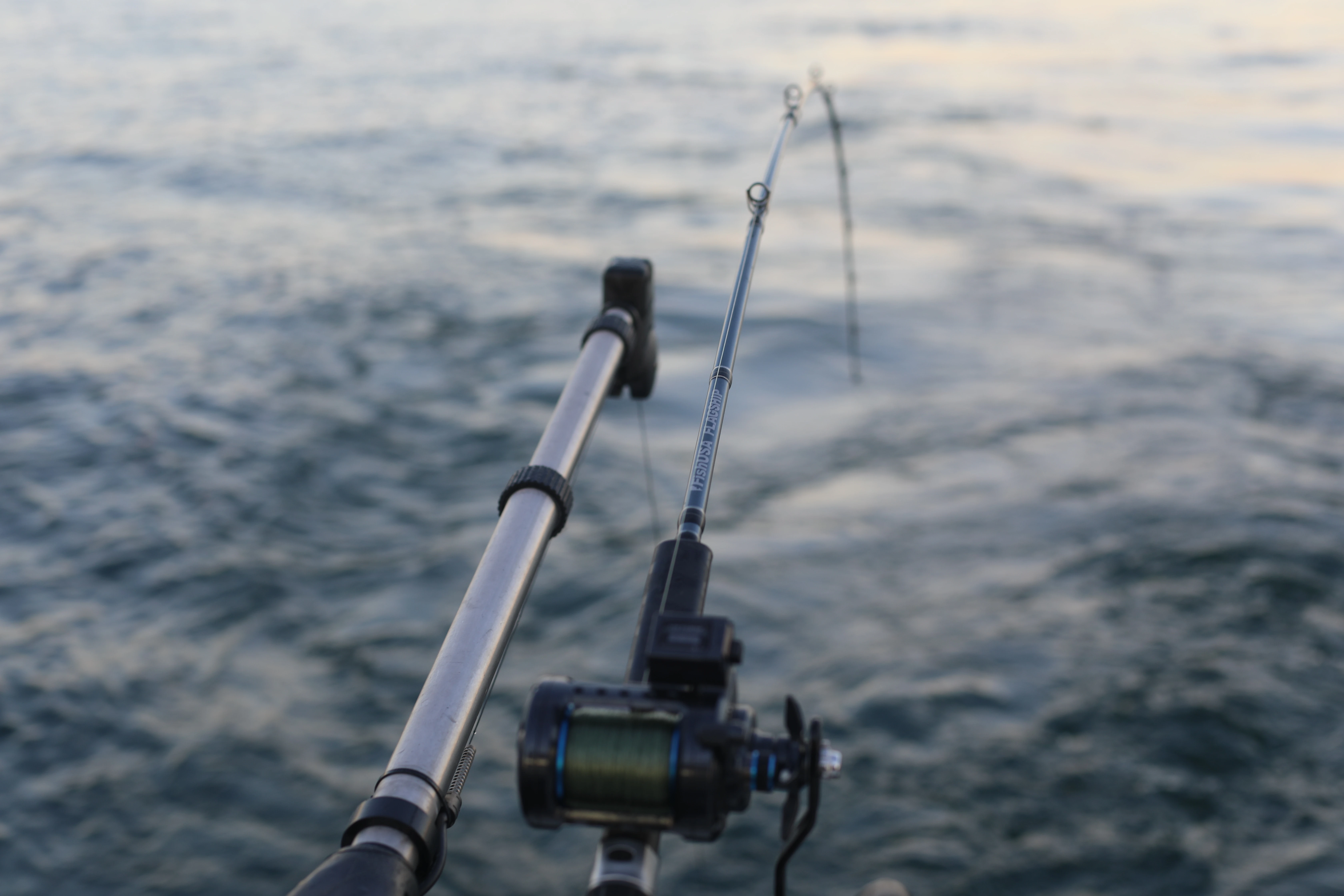
Trolling rods are specifically designed for pulling bait or lures behind a moving boat. They are strong and durable, capable of handling the resistance created by the moving boat and large fish. These rods are commonly used for freshwater species such as walleye, steelhead, salmon, or trout and a variety of saltwater species as well.
Key Features:
Best For: Freshwater trolling for species like salmon, steelhead and walleye, and for a variety of saltwater species as well.
For model recommendations by length and power, see our guide to the best trolling rods.

Telescopic rods are collapsible fishing rods that are easy to store and transport. These rods are versatile and available in various lengths and styles. While they may not offer the same sensitivity as traditional rods, they are perfect for anglers on the go.
Key Features:
Best For: Traveling anglers and those with limited storage space.
Surf rods are long, heavy-duty rods designed for fishing from the shoreline or surf. They are built to cast heavy baits long distances into the ocean. These rods are paired with spinning or conventional reels and are made to withstand the harsh saltwater environment.
Key Features:
Best For: Anglers fishing from the shore or surf for species like striped bass and redfish.

Ice fishing rods are short, sturdy rods designed for fishing through holes in the ice. They are highly sensitive to detect light bites in cold conditions and are often paired with spinning reels or inline reels. These rods are perfect for targeting species like walleye, perch, and panfish.
Key Features:
Best For: Ice fishing for a variety of species, including walleye, perch, and panfish.
Ready to outfit for hardwater? Start with our picks for the best ice fishing rod and reel combos.
The main types of fishing rods are spinning rods, casting rods, fly rods, ultralight rods, trolling rods, telescopic rods, surf rods, and ice fishing rods. Each is built for a specific reel type, technique, or fishing environment, from finesse fishing for panfish to trolling for salmon or casting heavy baits from the beach.
A spinning rod is the best choice for most beginners. The reel hangs underneath the rod, it is easy to cast without backlashes, and a medium-power spinning rod around 6 to 7 feet long handles a wide range of freshwater species. Ultralight spinning rods are also a great option for kids and anglers targeting panfish and trout.
A spinning rod holds the reel underneath the rod and has larger guides near the reel, which makes it easy to cast light lures. A casting rod holds a baitcasting or spincasting reel on top of the rod and has smaller guides and often a trigger grip, which gives more accuracy, power, and control for heavier lures, heavier line, and fishing around cover.
It is not recommended. Casting rods have small guides positioned on top of the blank, while a spinning reel needs large guides underneath the rod for line to come off the spool smoothly. Mismatching them reduces casting distance, increases line friction, and puts stress on the rod. Always pair spinning reels with spinning rods and baitcasting reels with casting rods.
Rod power describes how much force it takes to bend the rod, ranging from ultralight to extra heavy, and it determines the line and lure weights the rod handles best. Rod action describes where the rod bends: fast action rods bend mostly near the tip for sensitivity and quick hooksets, while moderate and slow action rods bend deeper into the blank for casting light lures and keeping treble hooks pinned.
Yes, telescopic rods are a good choice for traveling anglers and anyone with limited storage space. They collapse down to a compact length and come in spinning, casting, and other styles. They may not offer the same sensitivity as a traditional one-piece or two-piece rod, but they are convenient to keep in a car, boat, or backpack.
Ice fishing requires a short, sensitive ice fishing rod, typically between 24 and 36 inches long, so you can fish close to the hole and detect light bites in cold water. Ice rods are usually paired with small spinning reels or inline reels and are used for species like walleye, perch, crappie, and bluegill.
Each type of fishing rod is designed to excel in specific fishing scenarios. Understanding the differences in design, functionality, and application can help you choose the perfect rod for your next fishing adventure. Whether you’re casting light lures with a spinning rod, battling big fish with a trolling rod, or catching trout on a fly or tenkara rod, the right rod can make all the difference.
Hook Me Up!
Sign up for emails and texts to get exclusive updates and offers.
By providing your number above, you agree to receive recurring automated marketing text msgs (e.g. cart reminders) to the mobile number used at opt-in from FishUSA on 25043. Consent is not a condition of purchase. Msg frequency may vary. Msg & data rates may apply. Reply HELP for help and STOP to cancel. See Terms and Conditions & Privacy Policy