A snap saves time. A direct tie can save the bite. Knowing which one to use — and which size hardware won't kill your lure's action — is one of the smallest decisions in walleye fishing with one of the biggest effects on how a bait actually performs. This guide breaks down when to snap, when to tie direct, and exactly how to size the hardware for every common walleye presentation.
Snaps vs Direct Tie for Walleye (When to Use Each)
A snap saves time. A direct tie can save the bite. Knowing which one to use — and which size hardware won't kill your lure's action — is one of the smallest decisions in walleye fishing with one of the biggest effects on how a bait actually performs. This guide breaks down when to snap, when to tie direct, and exactly how to size the hardware for every common walleye presentation.
Covers: what snaps do · when to snap · when to direct tie · by lure type · snap sizing · swivels · mistakes · gear
Last updated: June 2026 · By: FishUSA Staff
Quick Start
If you only read one section
Use snaps when you need fast lure changes, especially with jerkbaits, crankbaits, trolling baits, and night shore search baits.
Direct tie when finesse, small jigs, live bait rigs, or ultra-clear water demand the cleanest presentation.
Small snaps usually preserve lure action better than oversized snaps.
Avoid bulky snap swivels on small jigs and subtle jerkbaits unless twist control matters more than action.
Snaps help with cold hands, night fishing, boat control, and testing colors or profiles quickly.
Direct tie is better when a bait looks muted, off-balance, or too hardware-heavy.
For crankbaits and jerkbaits, a quality small snap often improves convenience without hurting action.
For jigging, direct tie is usually the cleanest default, but snaps can work when changing jig weights often.
Retie or replace snaps if the wire bends, the closure weakens, or the leader gets nicked near the hardware.
Default recommendation
For most walleye anglers: direct tie small jigs and finesse rigs, use small snaps for jerkbaits/crankbaits, and use swivels only when line twist is a real issue.
The snap-vs-direct-tie debate isn't really a debate — it's a question of what the lure and the moment actually need. Fast color changes on a jerkbait call for different hardware than a finesse jig falling on a slack line. Get the match right and the hardware disappears into the background, which is exactly where it belongs.
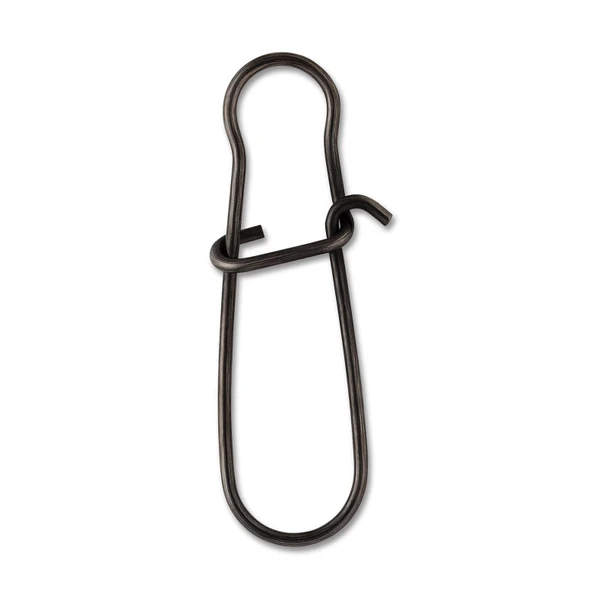
A snap is a small piece of hardware, but it changes more about your presentation than its size suggests. Here's what it actually does — good and bad.
Fast lure changes. Swap colors, profiles, or sizes in seconds without cutting and retying your leader.
Preserves your knot and leader. Every retie shortens your leader and risks a weaker knot under pressure; a snap lets you change baits without touching either.
Can let some hard baits move more freely. A small amount of play at the nose can help certain crankbaits and jerkbaits roll and dart slightly more naturally.
Adds hardware, weight, and bulk. Even a small snap is extra mass at the nose of the lure — usually negligible, but not zero.
Can collect weeds or alter action if oversized. A snap that's too big for the bait catches more debris and can throw off balance, fall rate, or wobble.
None of this makes snaps good or bad on their own — it just means the size and situation matter more than the decision to use one at all.
When to Use Snaps
Snaps earn their place any time speed, repeatability, or convenience outweighs the small tradeoff in bulk.
Jerkbait fishing where cadence and color changes matter — testing profiles quickly is often how you find what triggers fish that day.
Crankbait casting and trolling, where swapping depth, color, or running style between passes is constant.
Night shore fishing, where low visibility and cold hands make retying a knot far harder than it should be.
Trolling spreads, where repeatable, fast changes across multiple rods matter more than on a single casting setup.
Testing color, profile, or weight quickly when you're trying to figure out what the fish want.
Cold-weather fishing, where numb fingers make a clean knot much harder to tie reliably.
Best snap traits
Small — sized to the bait, not oversized for convenience.
Strong — rated for the fish and conditions you're actually facing.
Clean closure — snaps shut fully and doesn't gap under pressure.
Easy to open with wet or cold hands — matters more than it sounds like it should.
Not bulky for the bait size — the single biggest factor in whether action is affected.
Terminal Tackle
Walleye Snaps & Swivels
Quick-change snaps for jerkbaits and cranks, plus ball-bearing swivels for trolling setups
Direct tie isn't always the “better” choice — but it's almost always the cleanest presentation, which matters more in certain situations than others.
Small jigs, where every bit of natural fall and subtle action counts.
Live bait rigs, where minimal hardware keeps the presentation as natural as possible.
Finesse plastics, where a snap's weight and bulk are large relative to the bait itself.
Ultra-clear or calm water, where fish get a long, careful look and every variable counts.
When fish are swiping or short-striking — removing hardware is one of the first things worth testing.
When a lure looks muted or off-balance with a snap attached — a quick beside-the-boat check will show you this immediately.
When weeds or debris are catching on hardware — fewer exposed parts means fewer places for vegetation to hang up.
Direct tie costs you a little time on every lure change and uses a bit more leader over a day of fishing. For the situations above, that tradeoff is worth it for the cleaner presentation it buys you.
By Lure Type
Use this as a starting point. Bait size and water clarity can push any of these toward the other choice.
Lure / Rig
Snap or Direct Tie?
Why
Notes
Jig head + plastic
Direct tie
Preserves natural fall and subtle action that small jigs depend on
A small snap is workable if you're swapping head weights often for depth or wind
Hair jig
Direct tie
Hair action is delicate; added hardware at the head changes how it pulses
Keep the connection as minimal as the bait itself
Blade bait
Either, lean direct tie
Blade baits already vibrate strongly; a small snap rarely hurts, but direct tie keeps it cleanest
A snap is fine if you're changing blades often during a search bite
Jerkbait
Small snap
Fast color and profile changes matter more here than on almost any other walleye lure
Size the snap to the bait — oversized hardware dulls the side-to-side snap of the cadence
Crankbait casting
Small snap
Quick changes let you test depth and color without cutting line on every swap
A correctly sized crankbait snap has minimal impact on action
Trolling crankbait
Small snap
Repeatable, fast changes across multiple rods are essential to running an efficient spread
Match snap size across all rods so running depth stays consistent
Harness / bottom bouncer
Snap + swivel
Constant bottom contact and a spinning blade both call for fast changes and twist control together
A ball-bearing swivel matters more here than the snap itself
Night shore minnow bait
Small snap
Cold hands and low light make retying difficult; snaps let you swap baits by feel
Practice opening your snap in the dark before you need to do it on the water
Live bait rig
Direct tie
Minimal hardware keeps the presentation natural, which matters most with live bait
Use a small swivel above the rig only if your bait is spinning and twisting line
Snap Size + Hardware Rules
Sizing matters more than the snap-vs-direct-tie decision itself. The wrong size can undo the benefit of either choice.
Match snap size to lure size. The bait determines the hardware, not your line or leader strength.
Smaller is usually better until strength or handling becomes a real issue — don't size up for convenience alone.
Oversized snaps can kill action on small baits by adding disproportionate weight and bulk at the nose.
Tiny snaps can be hard to manage with cold hands — balance minimal size against what you can actually operate on the water.
Check closures and replace bent snaps. A snap that's been bent open even slightly won't hold reliably under a hard strike.
Situation
Hardware Choice
Why
Small jig / finesse plastic
Direct tie
Any snap is disproportionately bulky relative to a small, light bait
Average jerkbait
Small crankbait/jerkbait snap
Sized correctly, it adds fast color changes with minimal effect on cadence
Trolling crankbait
Small-to-medium crankbait snap
Needs enough strength for sustained trolling pressure without going oversized
Night shore search bait
Small snap with a clean, easy-to-feel closure
Fast changes by feel matter more than in daylight, when you can see what you're doing
Harness / bouncer system
Small swivel + snap
Twist control and quick changes both matter on a rig that drags bottom constantly
Swivels vs Snap Swivels vs Snaps
These three pieces of hardware solve different problems, and mixing them up is how anglers end up with the wrong one tied on.
Snap: built for quick lure changes. Doesn't address line twist at all.
Swivel: built for line twist control. Doesn't make lure changes any faster.
Snap swivel: combines both jobs in one piece of hardware, but it's bulkier than either a plain snap or a plain swivel on its own.
Barrel / rolling swivels: the better choice specifically when twist is a real, ongoing problem — smaller and cleaner than a snap swivel when you don't also need fast changes.
Practical Examples
Use a swivel in harness or bottom bouncer systems. A spinning blade twists line continuously, and a quality ball-bearing swivel is the standard fix.
Avoid bulky snap swivels on small jerkbaits and jigheads. The added bulk is disproportionate to the bait, and these lures rarely cause meaningful line twist on their own.
Use plain snaps for crankbait or jerkbait swaps when twist isn't the main issue. Most casting and trolling crankbaits don't spin enough to need a swivel — a snap alone covers the need for fast changes.
Common Mistakes
Using oversized snap swivels on small baits. The bulk overwhelms a light jig or finesse plastic and changes how it falls and moves.
Blaming lure color when the snap is killing action. Check your hardware before you start cycling through colors.
Never checking a bent snap. A snap that's been forced open even slightly can fail under a hard strike when you need it most.
Direct tying everything and wasting leader during constant color changes. If you're testing five colors in twenty minutes, a snap saves real leader and time.
Using a snap where weeds or debris are catching. Switch to direct tie or a smaller, cleaner snap profile in heavy vegetation.
Using no swivel when a harness or spinning bait is twisting your line. Visible line twist above the rig is the clearest sign you need one.
Changing hardware without testing lure action beside the boat. A quick look in the water tells you immediately whether the new setup is hurting action — don't guess.
Gear
A short, practical list — not a sales pitch. These are the categories worth having on hand.
It depends on the lure and the situation, not a universal rule. Use a small, quality snap for jerkbaits, crankbaits, trolling baits, and night shore search baits where fast changes matter. Direct tie small jigs, live bait rigs, finesse plastics, and anything fished in ultra-clear or calm water where the cleanest presentation matters most.
A properly sized snap rarely changes action in a way that matters. Problems show up when the snap is oversized for the lure — extra weight and bulk at the nose can mute a jerkbait's snap or throw off a small jig's fall. Match snap size to lure size and action loss is usually a non-issue.
Yes, in most cases. A small, quality snap lets you swap colors and profiles quickly without retying, which matters when you're testing what triggers fish on a given day. Just keep the snap sized to the bait — an oversized snap on a smaller jerkbait can dull the side-to-side snap of the cadence.
Yes — crankbaits are one of the best candidates for a snap. Fast color and depth changes matter for dialing in a trolling pass or a casting bite, and a correctly sized crankbait snap has minimal impact on action. This is true for both casting and trolling presentations.
Direct tie is the cleanest default for most jigging, especially with small heads and finesse plastics where every bit of natural fall and action matters. The exception is when you're changing jig weights frequently to match depth or wind — a small snap can save time there without much downside.
Match the snap to the lure, not the line. A small crankbait or jerkbait snap covers most casting and trolling presentations. Go a size up only when you need extra strength for bigger baits or rougher fish, and avoid sizing up just for convenience — that's exactly what kills action on smaller baits.
Not inherently — but they're bulkier than a plain snap, and that bulk matters more on small baits. Snap swivels make sense when you need both quick changes and twist control in the same piece of hardware. Avoid them on small jigheads and subtle jerkbaits where a plain, smaller snap or direct tie will preserve action better.
Use a swivel any time a bait spins or a rig is prone to line twist — harnesses and bottom bouncers are the clearest example, since a spinning blade twists line constantly without one. A quality ball-bearing or ball-bearing-style swivel is worth the upgrade in these systems. Crankbaits and jerkbaits that don't spin usually don't need one.
A small, correctly sized snap is rarely the reason fish refuse a bait in clear water — leader visibility and presentation matter far more. That said, in ultra-clear, calm conditions with pressured fish, direct tie removes one more variable and gives the cleanest possible presentation, which is why finesse anglers default to it there.
Direct tie for jigs and finesse plastics, and a small quality snap for jerkbaits, crankbaits, and trolling baits. Add a small barrel swivel only for harnesses, bottom bouncers, or any rig that's visibly twisting your line. That combination covers the large majority of walleye situations without overcomplicating your terminal tackle.
Hook Me Up!
Sign up for emails and texts to get exclusive updates and offers.
By providing your number above, you agree to receive recurring automated marketing text msgs (e.g. cart reminders) to the mobile number used at opt-in from FishUSA on 25043. Consent is not a condition of purchase. Msg frequency may vary. Msg & data rates may apply. Reply HELP for help and STOP to cancel. See Terms and Conditions & Privacy Policy
Snaps vs Direct Tie for Walleye (When to Use Each) | FishUSA