


/
/
From minnows and nightcrawlers to jigs, crankbaits, and soft plastics, the right bait depends on water temperature, clarity, and where walleye are feeding. Here are the top walleye baits and exactly how to fish each one.
Last updated: October 2026 · By: FishUSA Staff
Walleye are one of the most sought-after game fish in North America, known for their elusive nature and delicious flavor. Anglers across the continent — from Lake Erie trollers to inland lake jiggers and river anglers chasing spring runs — are constantly searching for the best walleye bait to increase their chances of landing these prized fish. With so many options available, it can be challenging to determine which bait will work best in cold water, warm water, clear water, or stained conditions. This guide will explore the top walleye baits on the market and how to use them effectively.
Already know what you want to throw? Dial in your presentation with our harness and bottom bouncer setup or our picks for the best walleye crankbaits.
Before diving into the best walleye baits, it’s essential to understand walleye behavior. Walleye are known for their keen eyesight, especially in low-light conditions. They are most active during dawn, dusk, and overcast days. Walleye are also bottom-oriented fish, often found near structure like rocks, weed edges, and drop-offs. Knowing where and when to target walleye can help you choose the right bait for the job.
| Bait | Type | Best Conditions | Top Presentation |
|---|---|---|---|
| Minnows | Live | Cool water | Jig, slip bobber, live bait rig |
| Nightcrawlers | Live | Late spring & summer | Harness / spinner rig |
| Leeches | Live | Warm summer water | Slip bobber, live bait rig |
| Jigs | Artificial | Year-round, near bottom | Hop or drag, tipped with bait |
| Crankbaits | Artificial | Covering water | Trolling drop-offs & weed edges |
| Spinner Rigs | Artificial + live | Bottom structure | Slow troll with a crawler |
| Swimbaits | Soft plastic | Active, baitfish-focused fish | Steady swim on a jig head |
| Grubs | Soft plastic | Rocky bottoms | Bounce on a jig head |

Minnows are one of the most popular live baits for walleye. Their natural movement in the water makes them irresistible to these predatory fish. Shiner and fathead minnows are particularly effective, especially in cooler water temperatures.

Nightcrawlers are another excellent live bait for walleye. Their scent and movement in the water can entice even the most reluctant fish to bite.

Leeches are highly effective in warmer water, making them a great choice during the summer months. Their wiggling action in the water draws walleye in from a distance.
While live bait is incredibly effective, artificial baits have their own set of advantages. They are easier to store, last longer, and can cover more water quickly.

Jigs are among the most versatile artificial baits for walleye fishing. They can be tipped with live bait or soft plastics to increase their appeal. For a complete rod, line, and jig breakdown, see our spring walleye jigging setup.

Crankbaits mimic the movement of baitfish and are highly effective for covering large areas of water.

Spinner rigs, also known as worm harnesses, are another classic walleye bait. The spinning blades create flash and vibration, attracting walleye from a distance.
Soft plastics are versatile, durable, and can imitate various prey species that walleye feed on.
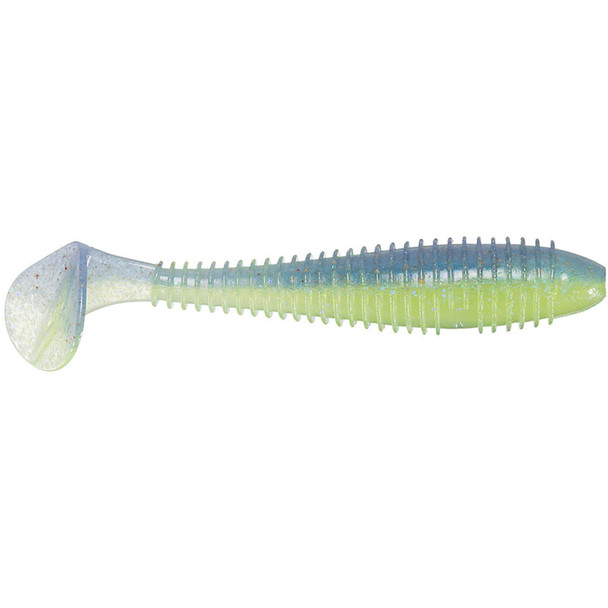
Swimbaits are effective for mimicking baitfish, and their lifelike action can trigger aggressive strikes from walleye.

Grubs are a simple yet effective soft plastic bait that can be used in a variety of situations.
Pay attention to the local forage in the body of water you’re fishing. If walleye are feeding on shad, use baits that mimic shad in size and color. Matching the hatch increases your chances of success.
Water clarity and temperature can greatly affect walleye behavior. In clear water, natural colors and subtle presentations work best. In stained or muddy water, bright colors and baits with added vibration or scent can help attract fish. Our Lake Erie walleye water color playbook breaks down color choices by clarity.
As a rule of thumb, minnows shine in cold water during early spring and late fall, nightcrawlers take over as water warms into late spring, and leeches are at their best in the heat of summer. Switching baits with the season keeps you matched to what walleye are actively feeding on.
Don’t be afraid to try different baits and techniques throughout the day. What works in the morning may not be as effective in the afternoon. Stay adaptable and be willing to switch things up as needed.
Live bait is the most consistent walleye bait overall. Minnows are best in cold water during spring and fall, nightcrawlers dominate on spinner rigs through late spring and summer, and leeches excel in warm summer water. For artificial options, jigs tipped with a minnow or soft plastic and crankbaits trolled along drop-offs are the most productive.
It depends on water temperature. Minnows such as shiners and fatheads are better in cold water, typically below about 55°F, when walleye key on baitfish. Nightcrawlers become more effective as water warms in late spring and summer, especially when trolled slowly on a spinner rig or worm harness.
Leeches and nightcrawlers are the top summer walleye baits. Leeches are highly effective in warm water fished on a slip bobber or live bait rig along weed edges and drop-offs. Nightcrawlers on spinner rigs trolled over bottom structure are a classic summer pattern. Crankbaits trolled over deep structure also produce well when walleye suspend in summer.
In clear water, natural colors that match local forage, like silver, perch, and shad patterns, work best with subtle presentations. In stained or muddy water, bright colors such as chartreuse, orange, and firetiger, combined with added vibration or scent, help walleye find the bait.
Hook a minnow through both lips from the bottom up when jigging or trolling so it tracks straight. Hook it lightly through the back just under the dorsal fin when fishing a slip bobber or live bait rig so it can swim naturally. Either way, avoid the spine so the minnow stays lively.
Yes. Jigs, crankbaits, swimbaits, and grubs all catch walleye without live bait. Artificial lures are easier to store, last longer, and cover water faster. Crankbaits trolled along drop-offs and swimbaits on a jig head are especially effective for active fish, while scented soft plastics help when the bite is tough.
Walleye are most active at dawn, dusk, and on overcast days because their eyes are adapted to low light. They often move shallower to feed during these periods. On bright, calm days, focus on deeper structure like drop-offs, rock humps, and weed edges where walleye hold until light levels drop.
Choosing the best walleye bait involves understanding walleye behavior, considering water conditions, and being willing to experiment. Whether you prefer live bait, artificial lures, or soft plastics, having a variety of options in your tackle box will prepare you for any situation. With the right bait and a little patience, you’ll be well on your way to catching more walleye.
Hook Me Up!
Sign up for emails and texts to get exclusive updates and offers.
By providing your number above, you agree to receive recurring automated marketing text msgs (e.g. cart reminders) to the mobile number used at opt-in from FishUSA on 25043. Consent is not a condition of purchase. Msg frequency may vary. Msg & data rates may apply. Reply HELP for help and STOP to cancel. See Terms and Conditions & Privacy Policy