


Best Fly Rods by Species
A fly rod guide to buying the right rod for the right fishing application
Last updated: November 2026 · By: Jason Sealock
Fly fishing has grown to offer anglers an plethora of options in fly fishing gear. There are hundreds of rods, reels, line choices not to mention all the fly tying materials, tools and flies themselves to choose from. Understanding what you need as a new fly fisher or even attempting fly fishing for other species can be daunting when you don't have the budget to test a bunch of rods to see which one will work best. One of the most important parts to us is picking the best fly rod by species you intend to chase the most.
One bright spot in the fly fishing expansion the last two decades is the growth in manufacturers and options for multiple species of fish also created wider ranges of price points. Obviously, added technologies in the manufacturing processes and more expensive materials can push price points above $1,000 for top-of-the-line fly rods. However, you do not need to spend thousands of dollars to catch fish consistently and enjoy your fishing with much less priced gear. There are many great fly rods in the $100-$300 price points now.
And likewise, there is nothing wrong with spending top dollar for what you feel is the cream of the crop fly rod if it is something you will use a lot, find more enjoyment from using higher quality gear, or just want to save up the money to own one really nice setup for the activity you enjoy the most.
As avid fly fishermen, we have many memorable catches on rods under $100 as well as some very memorable catches on rods over $1,000. All this to say, buy the best rod you can that fits your budget and the species of fish you intend to chase, and then just focus on the mechanics, the approaches and learning more about your waters.
So let us help you understand the fly rods by species and help you choose the best fly rod for your fishing.
Breaking Down Fly Rods by Species
So understanding which fly rod you choose for which species you intend to chase involves several key factors that include the following:
- Length
- Line weight
- Specific Application
Generally speaking shorter, lighter line-weight rods are intended for smaller fish species while longer heavier line-weight rods are intended for larger fish species. And then there are some middle of the road crossover length and weight combinations that enable you to fish for the widest range of species.
These are not hard fast rules. You can absolutely catch panfish on a 6wt, 9-foot fly rod even though it is more intended for large species like larger river trout and freshwater bass. And you can land big steelhead, salmon and decent sized saltwater fish on 9-foot 7-weight rod with quite a bit of fight.
The goal should be to find the best length, weight and application combination to make your efforts more efficient and comfortable for the environment you fish. If you're in a small stream with a lot of trees and obstacles, trying to cast a 10-foot graphite rod can be a lot more challenging than casting say a 7-foot glass rod. And things like wind can also mean that casting a shorter 3-weight rod might have much less distance than a longer 5-weight rod.
All that is to say, we are going to give you some general guidelines, but again these are not hard fast rules. You can bend these recommendations to fit your specific environments and applications and we'll explain some of those in great detail as we go. But to start here is a quick rundown of fly rod recommendations by species.
Trout Fly Rods
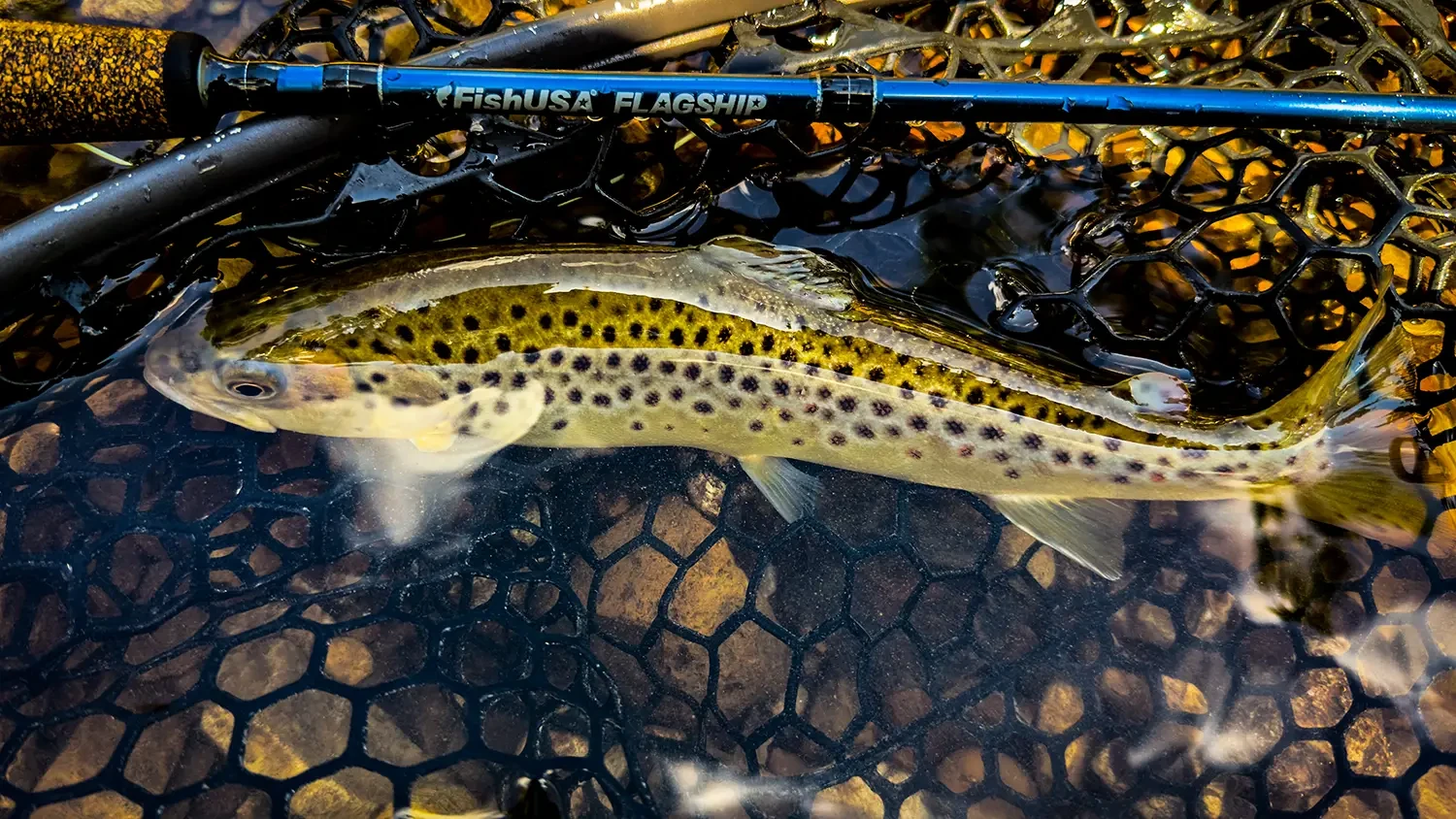
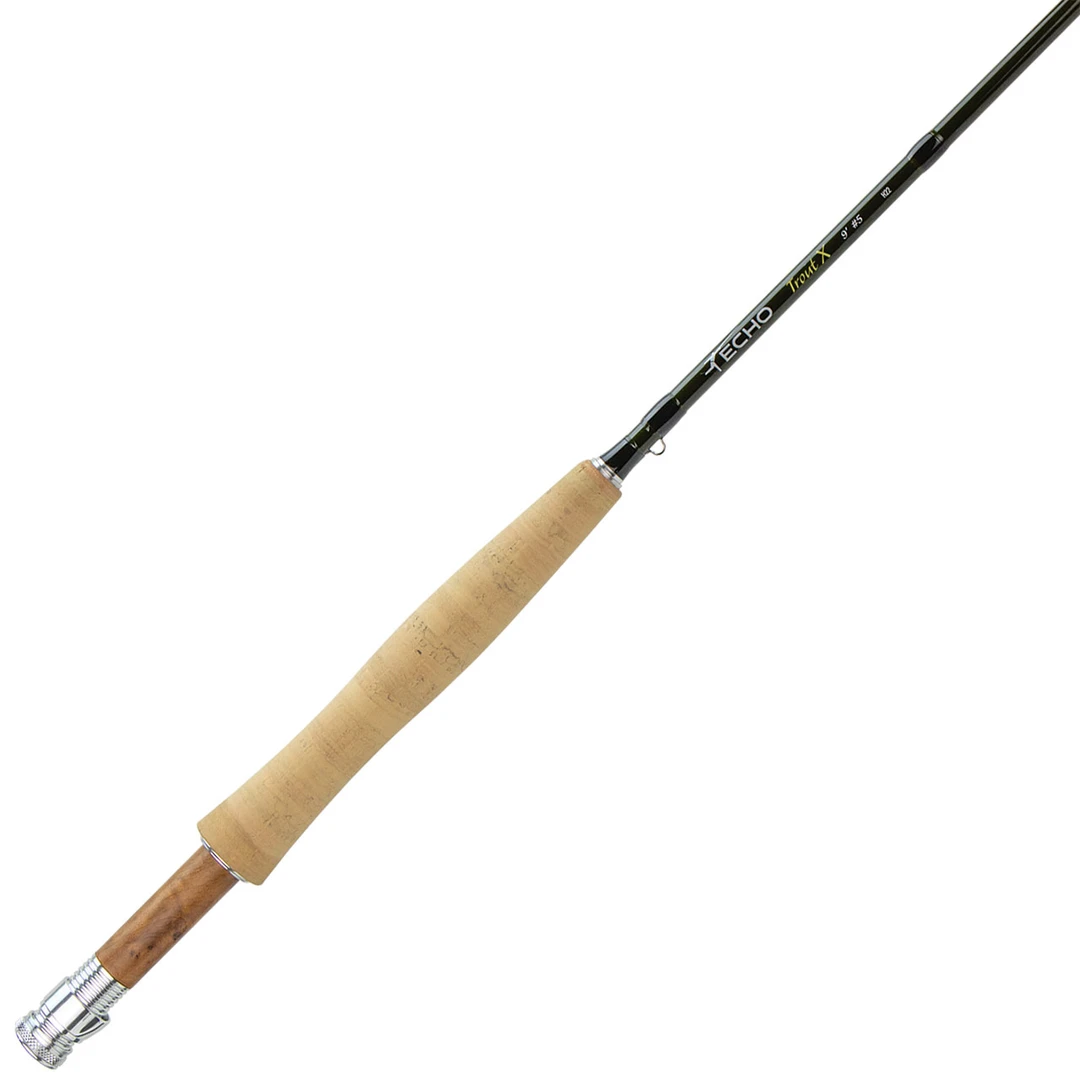
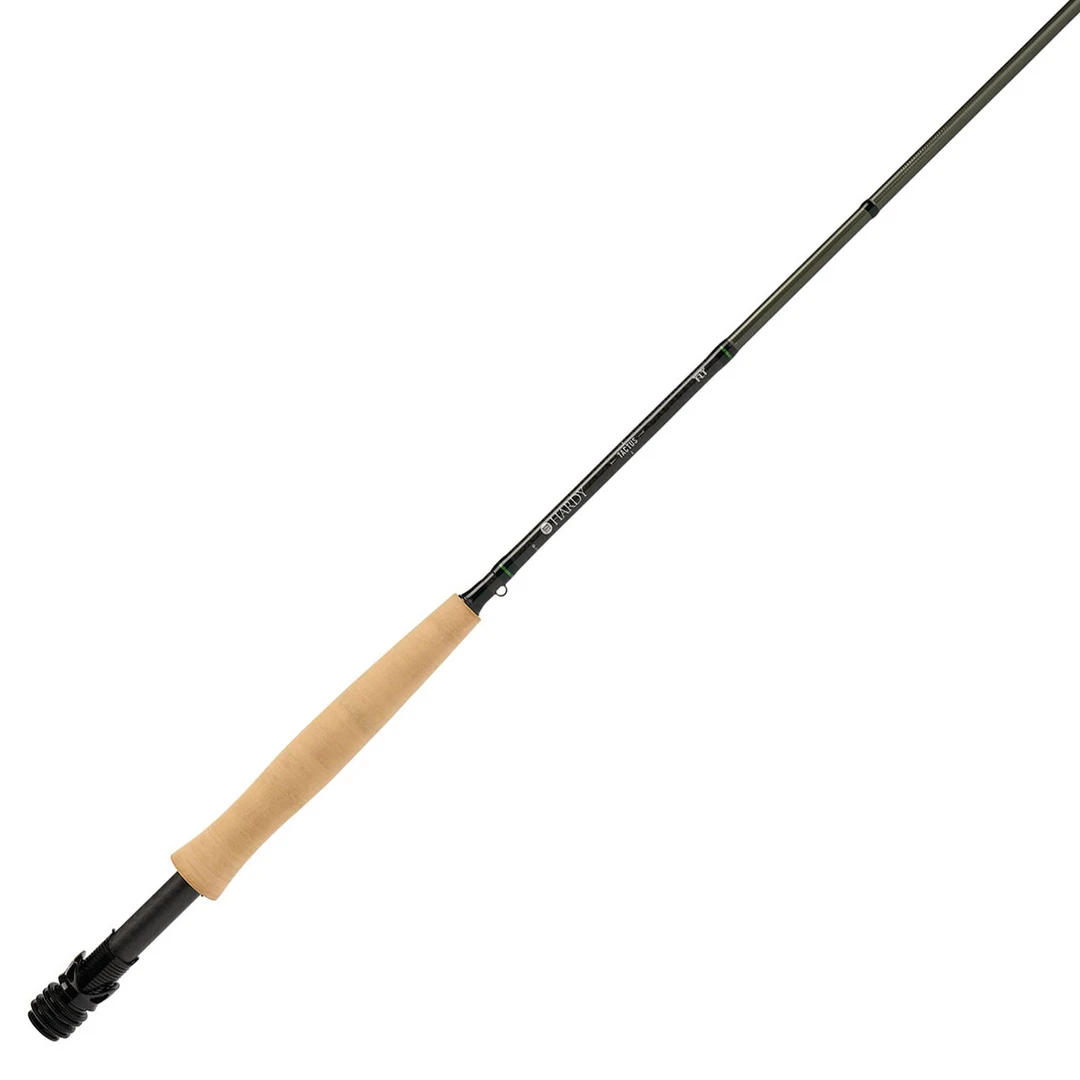
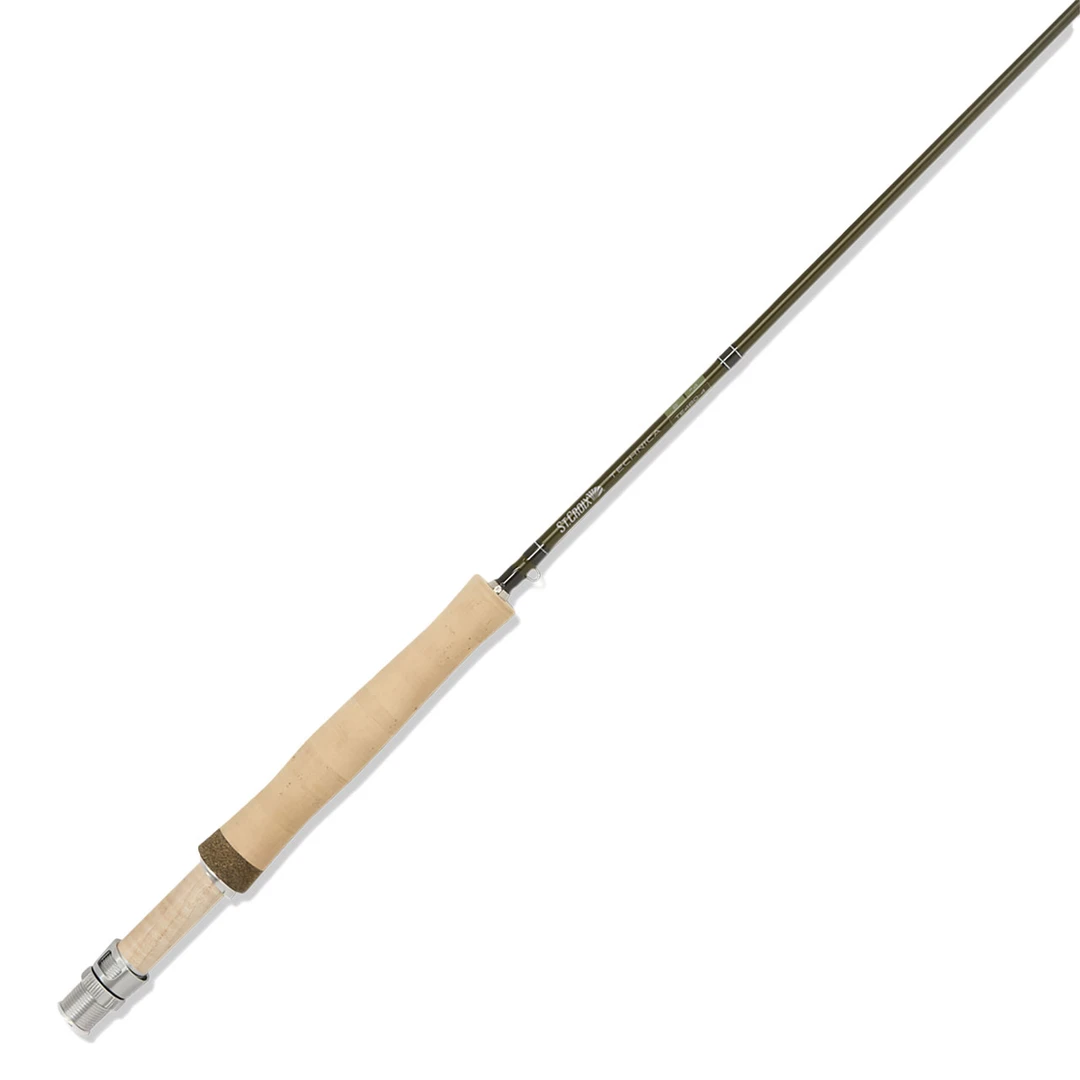
For your regular rainbow, brown, cutthroat and brook trout, rods in the 3wt to 6wt line classes are the norm and rod lengths from 7-foot to 9-foot. Get the job done for most trout fly fishermen. There are of course circumstances and techniques that can warrant lighter rods and longer rods. Euro Nymphing is one specific way of fly fishing for trout that often involves longer lighter rods. Also fishing small creeks for smaller wild trout in higher elevations often calls for smaller lighter rods for fishing in tight quarters for smaller trout. But I have also seen the power of a 10-foot euro rod in the hands of a competition fly angler in super tight small environments. Once you have the right rod, check out our picks for the best trout flies.
Some of the many rods we recommend but certainly are not limited to this list would include the following:
Our Trout Fly Rod Picks
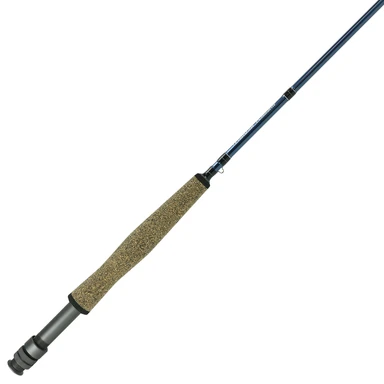
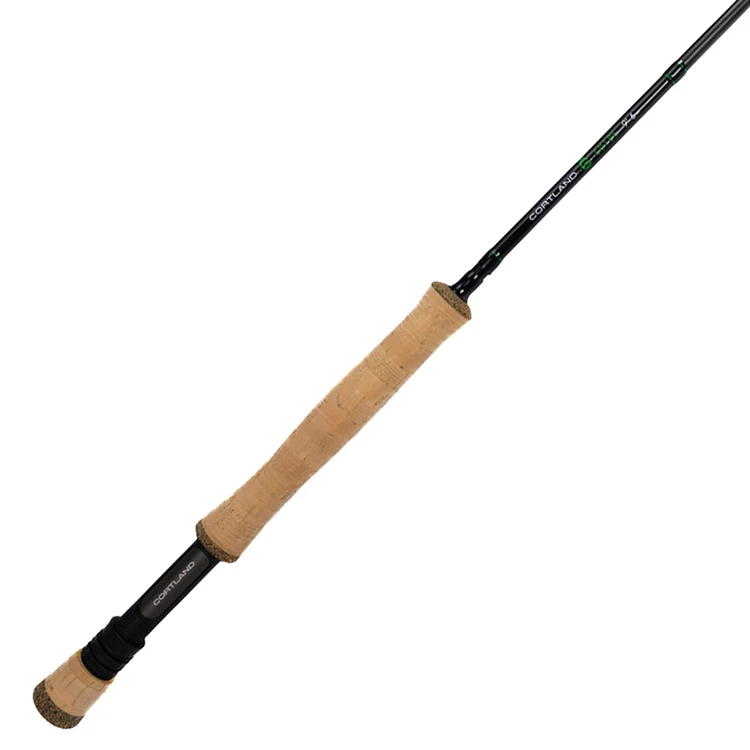
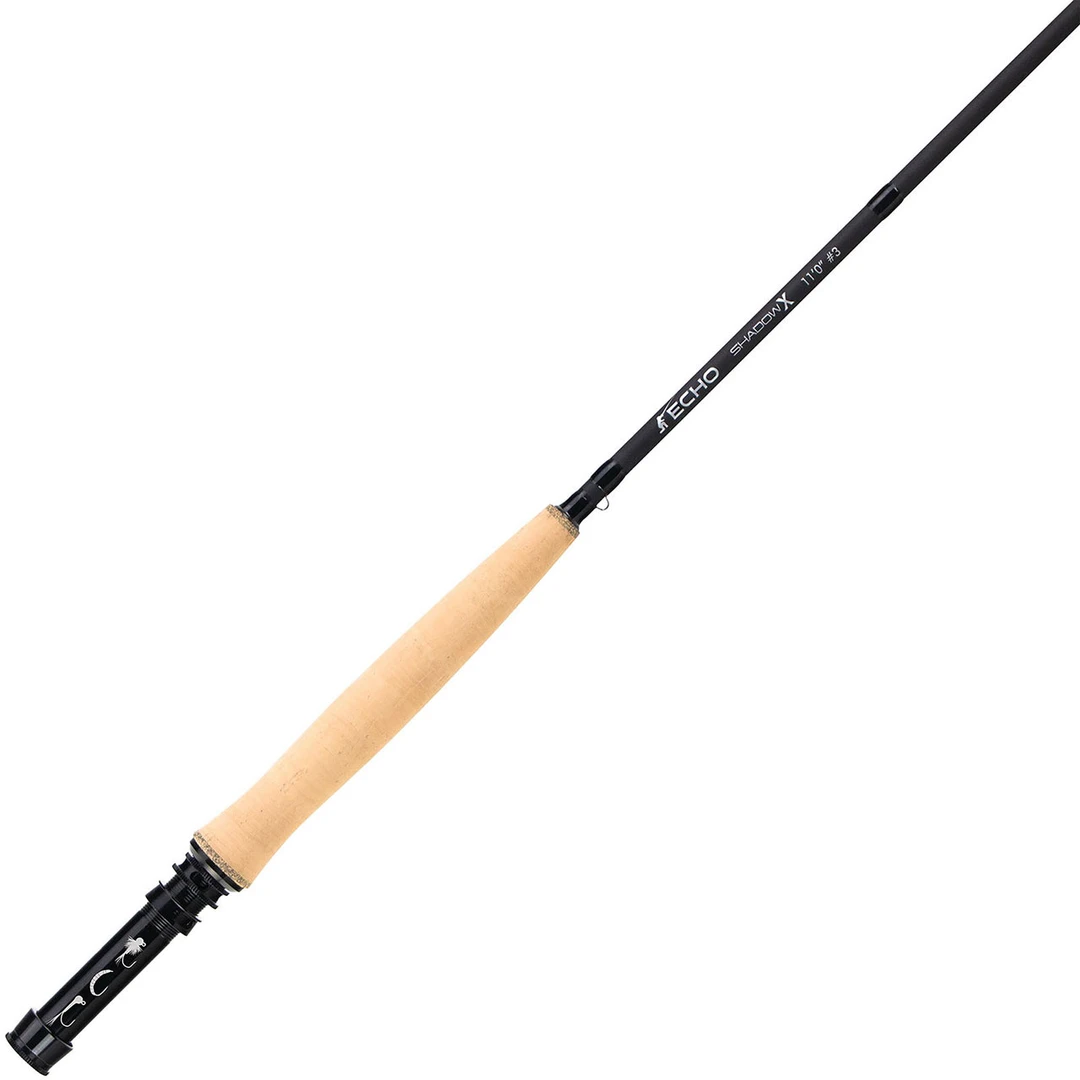
3wt to 6wt · 7-foot to 9-foot
Panfish Fly Rods
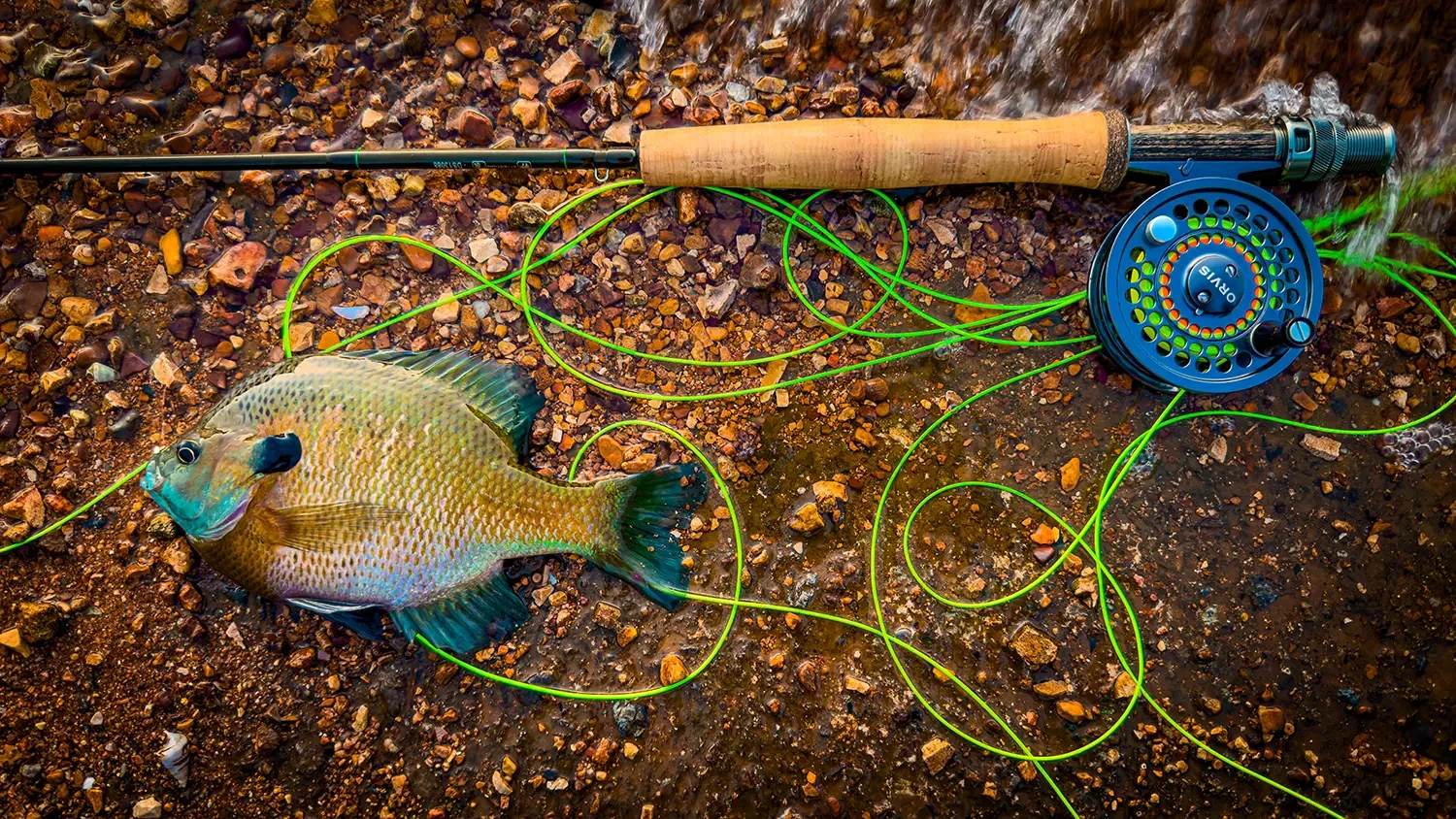
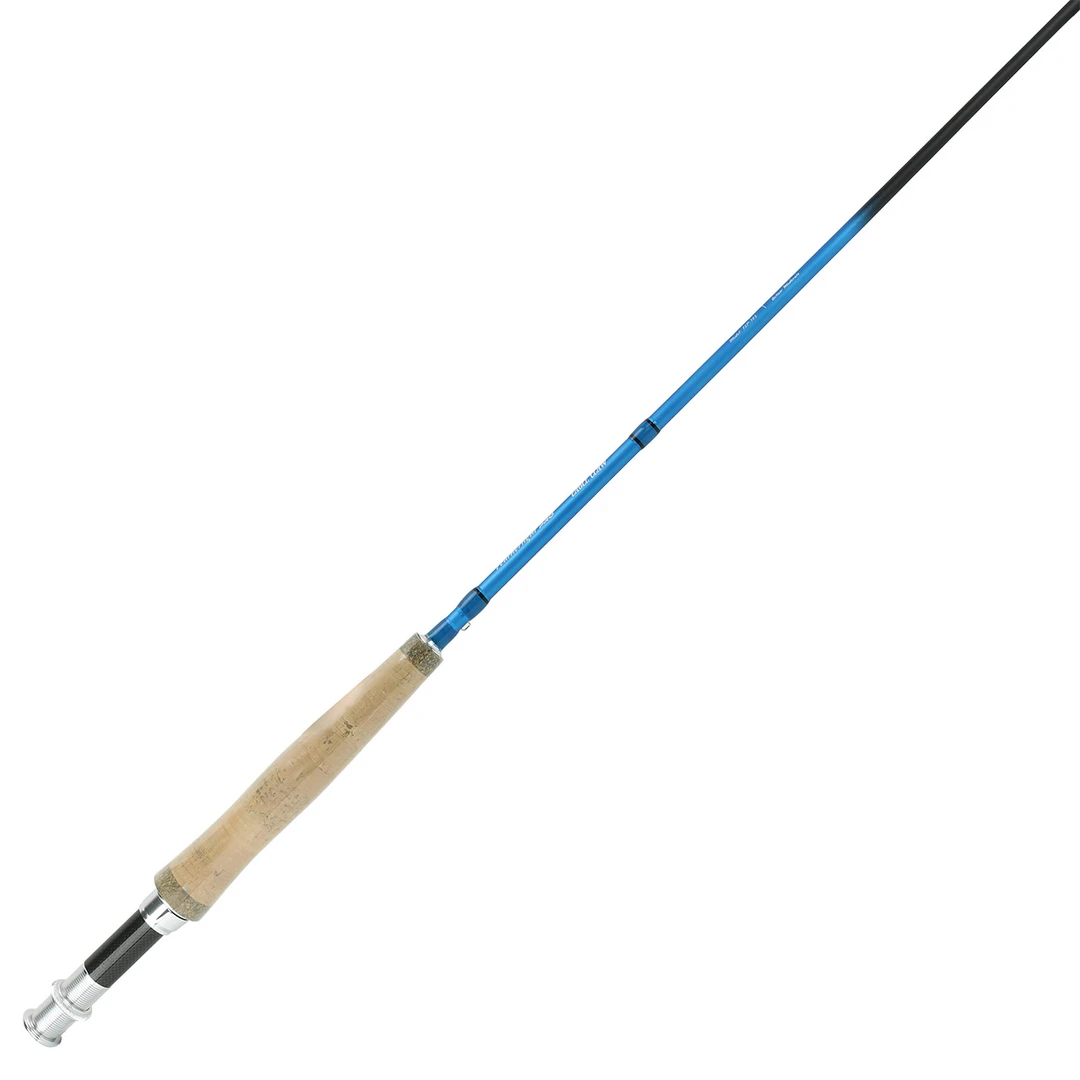
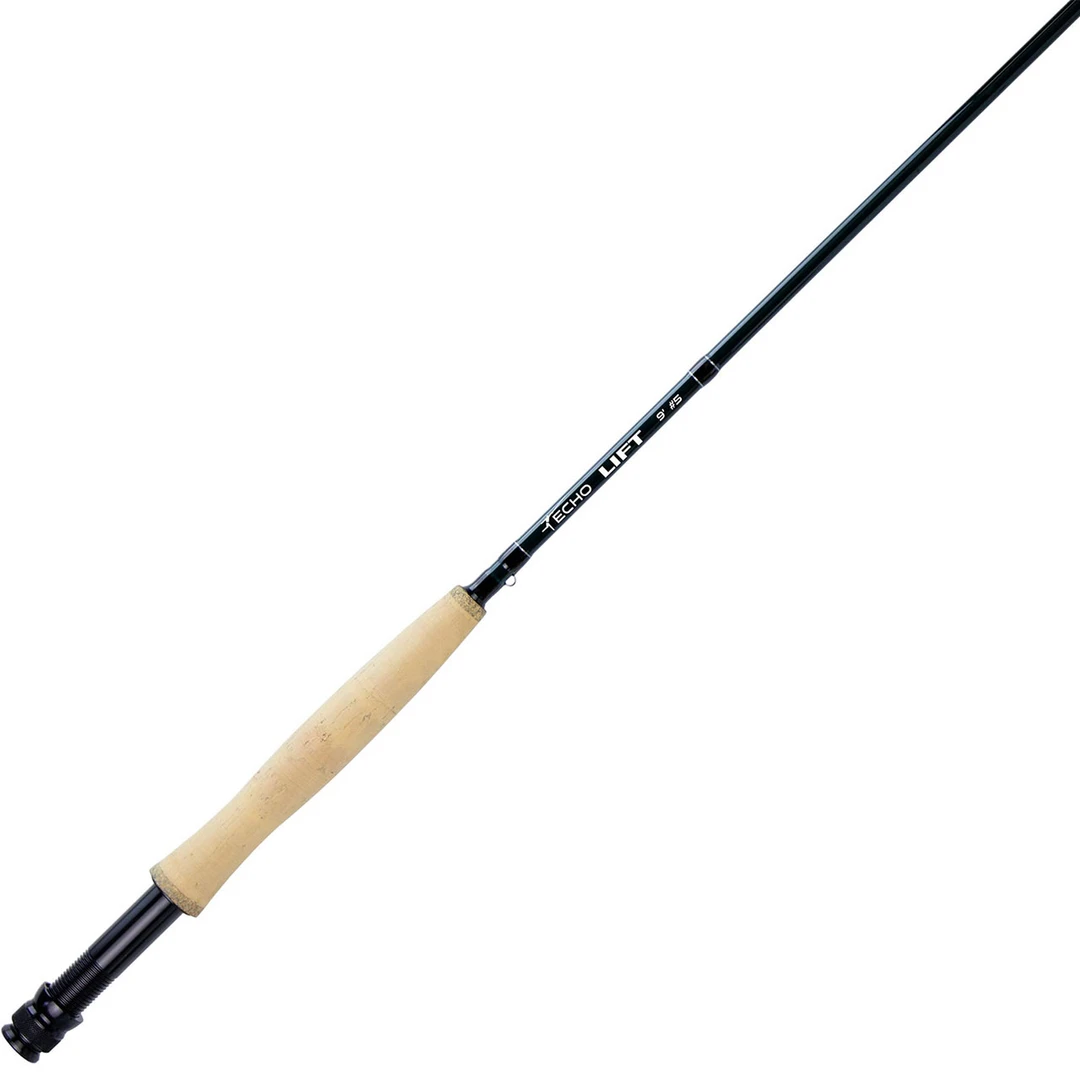
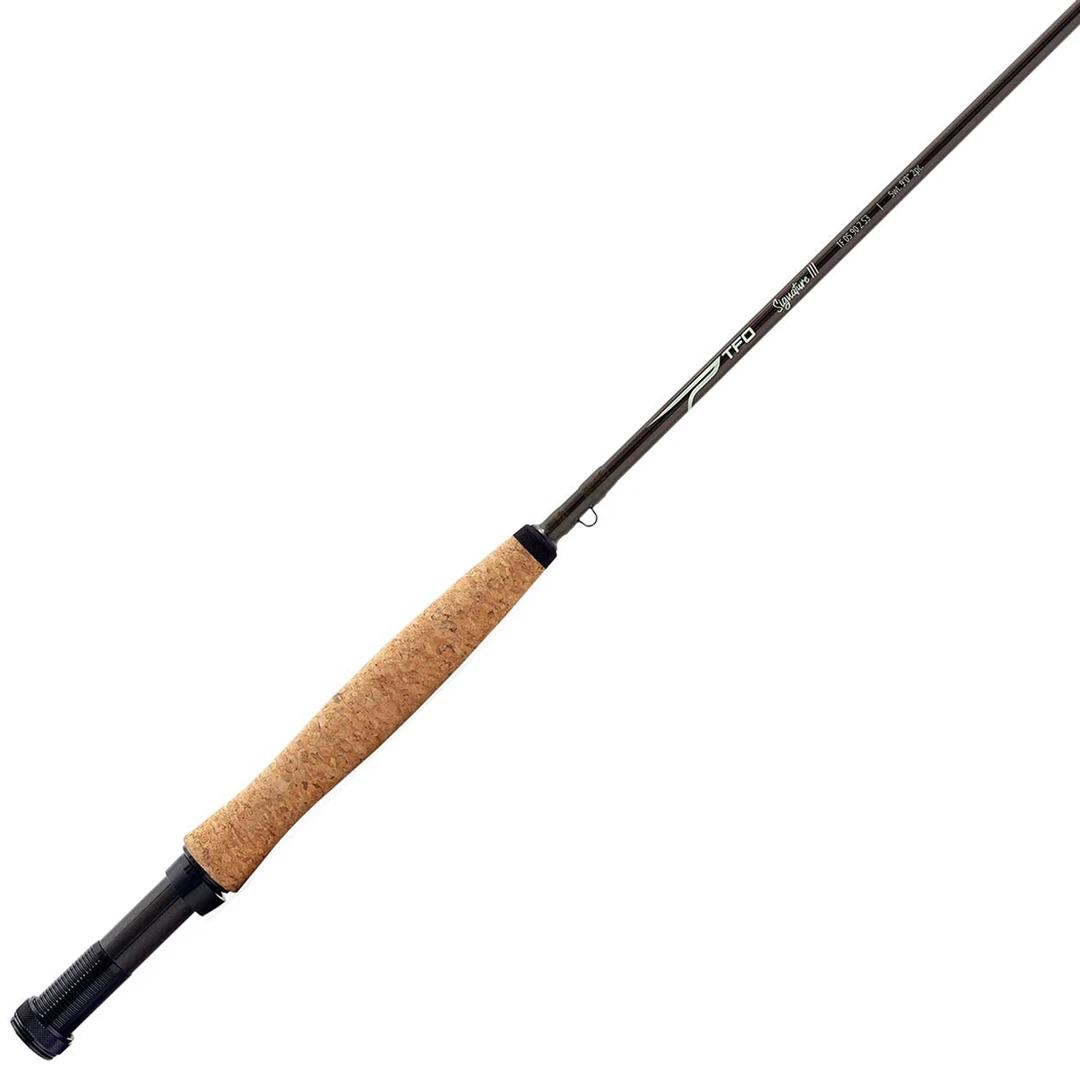
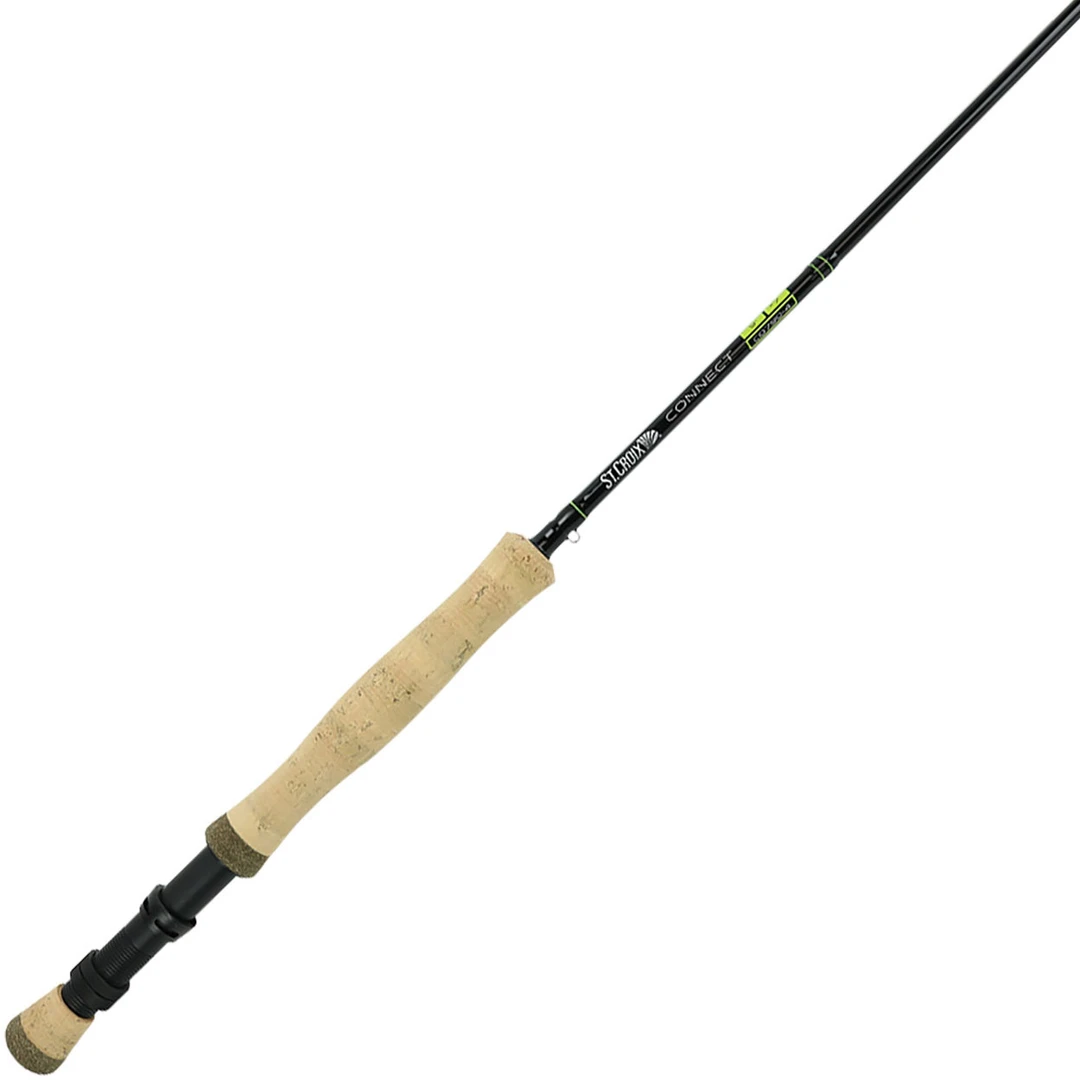
For panfish, a much lighter rod will get the job done and the lengths can be smaller too although a little more length and line weight can make casting in the wind easier. We think panfish are the perfect way to introduce new anglers to fly fishing and that's often because you can buy a smaller lighter rod to see if you enjoy fly fishing and have some steady action before diving more deeply into the sport.
We recommend 2 to 4-weight rods although if you think you are going to catch big bass, pike and other species, you might want to be prepared for those as well and go up a bit on weight and size. But a 7-foot, 9-inch 2 weight rod is a dang blast to chase panfish with. For more on rigging and tactics, see our guide to fly fishing for bluegill.
Some rods we would recommend at various price points would include the following:
Our Panfish Fly Rod Picks
2 to 4-weight
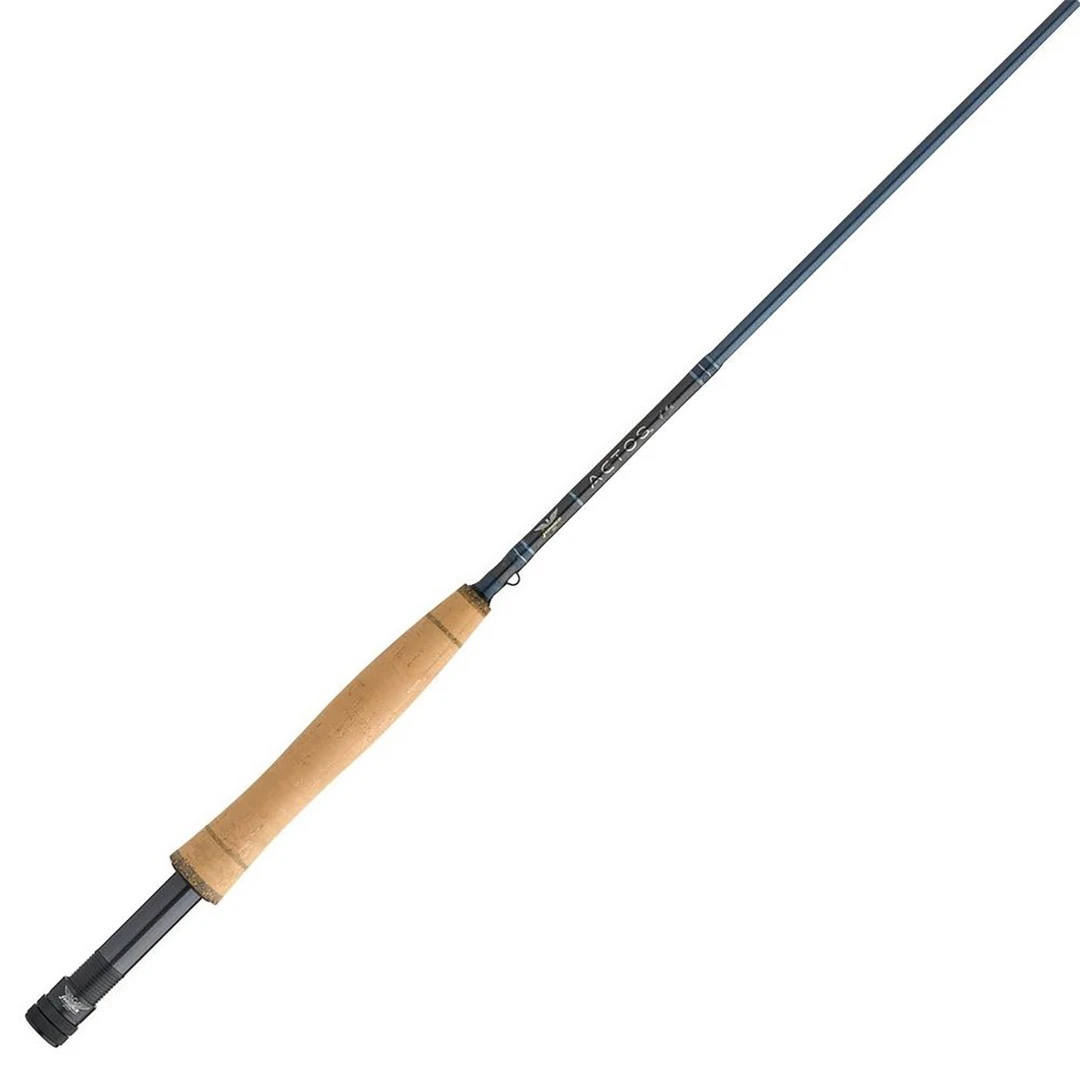
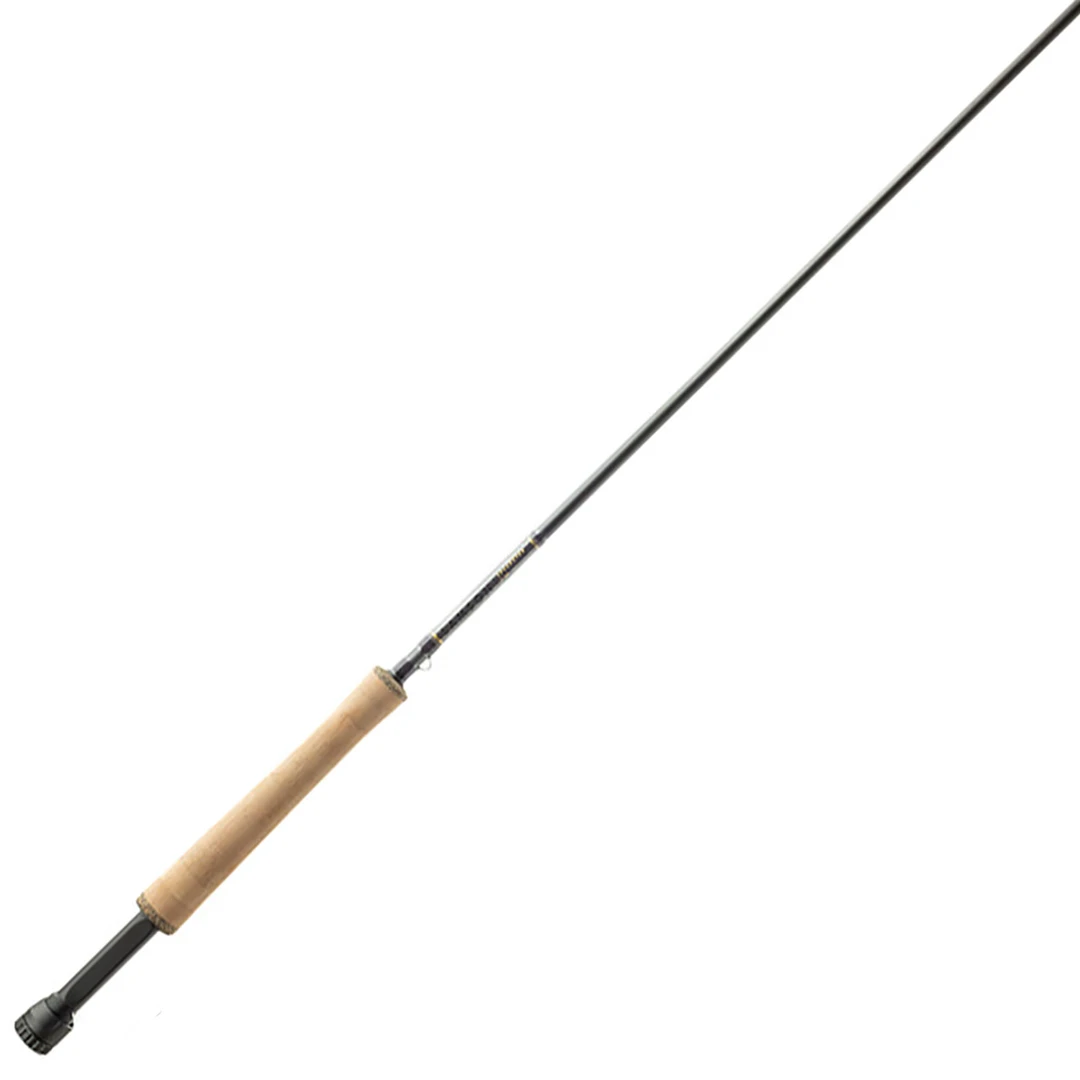
Freshwater Bass Fly Rods
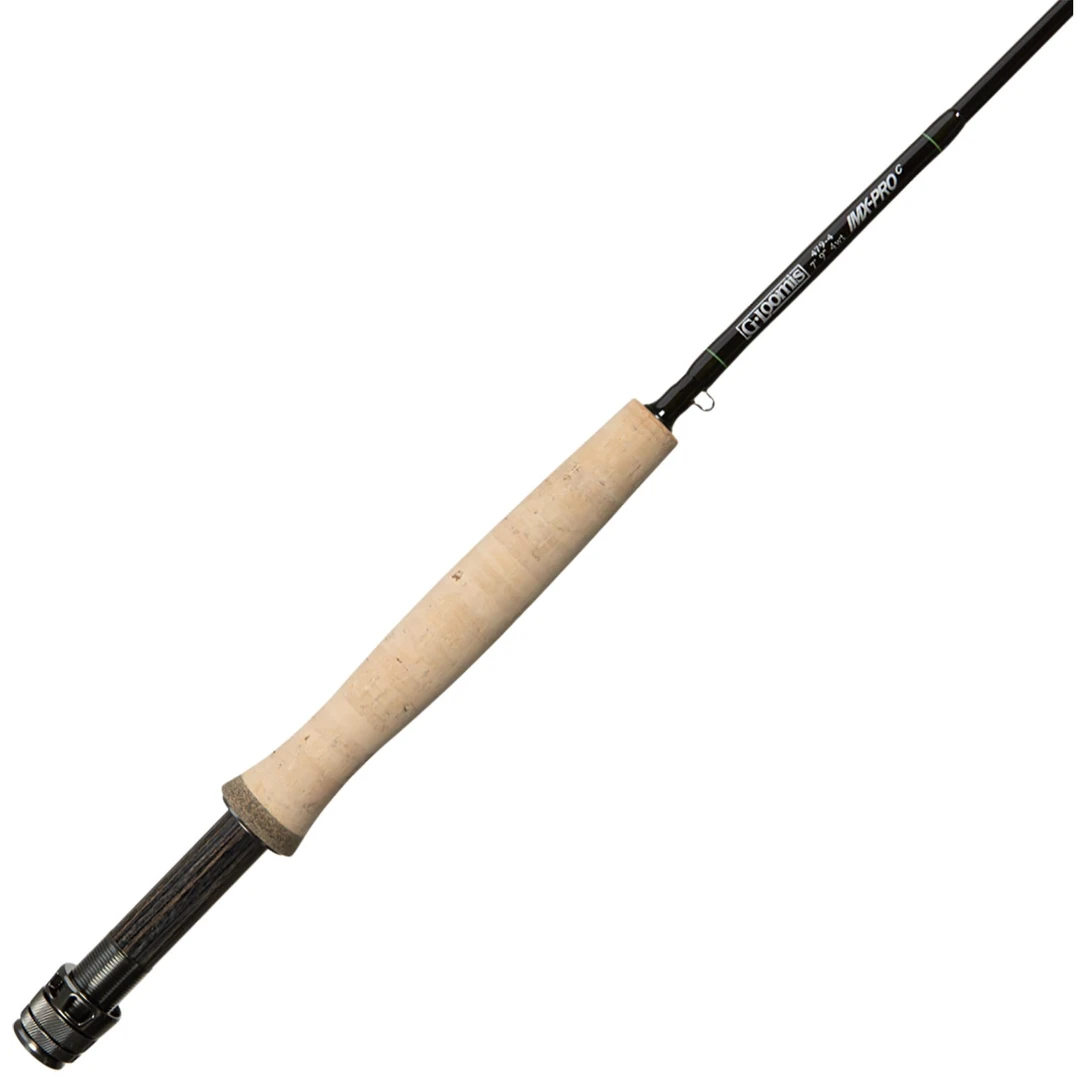
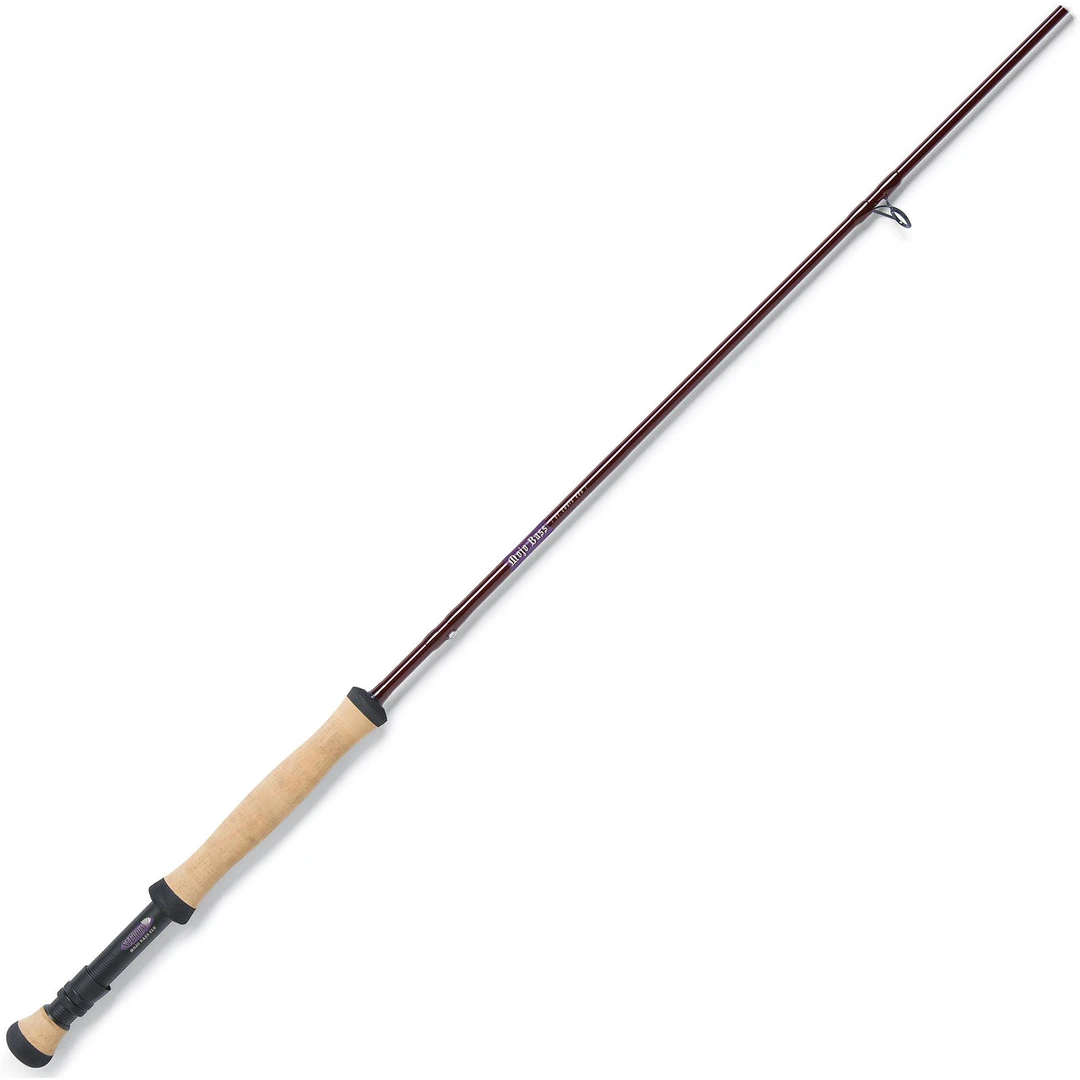
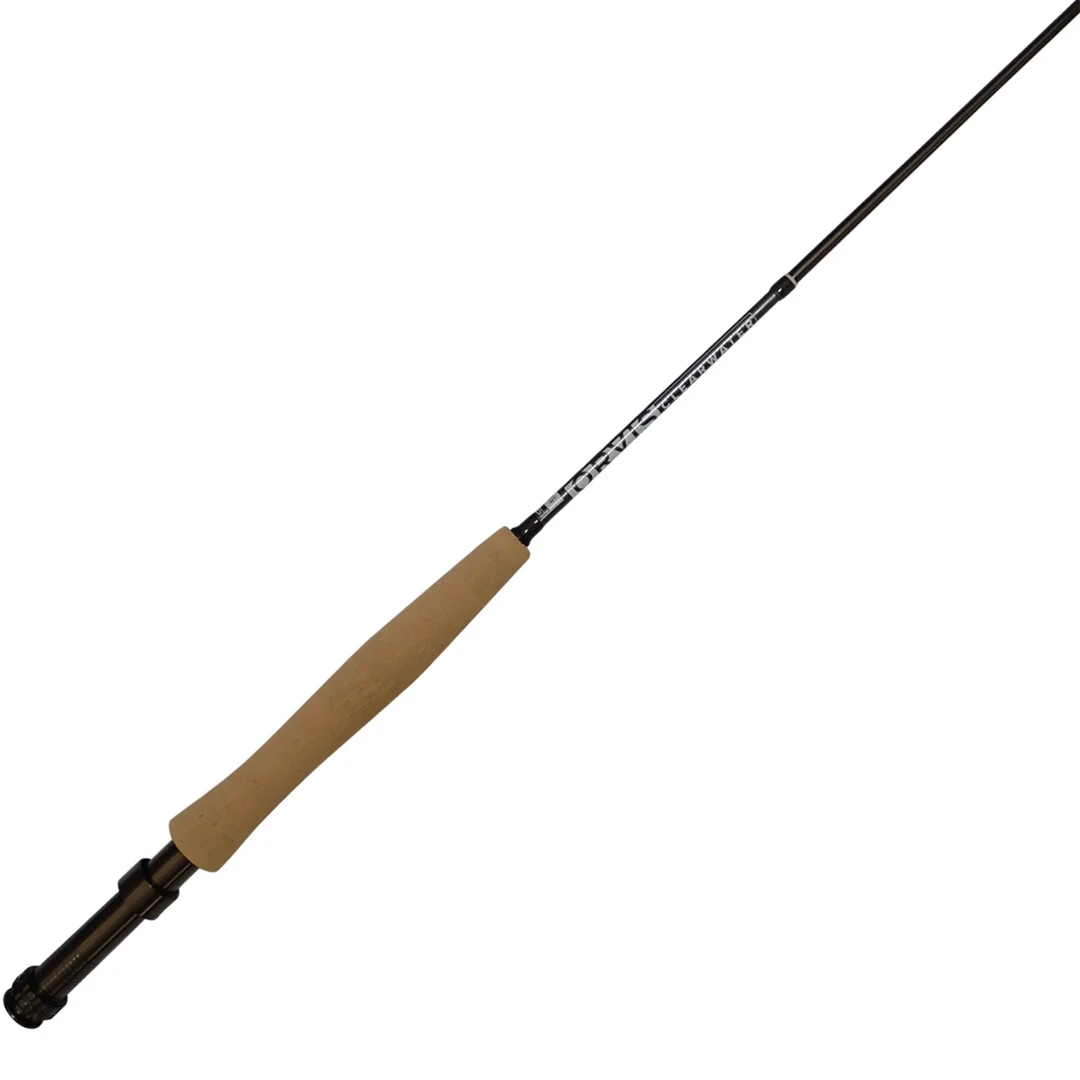
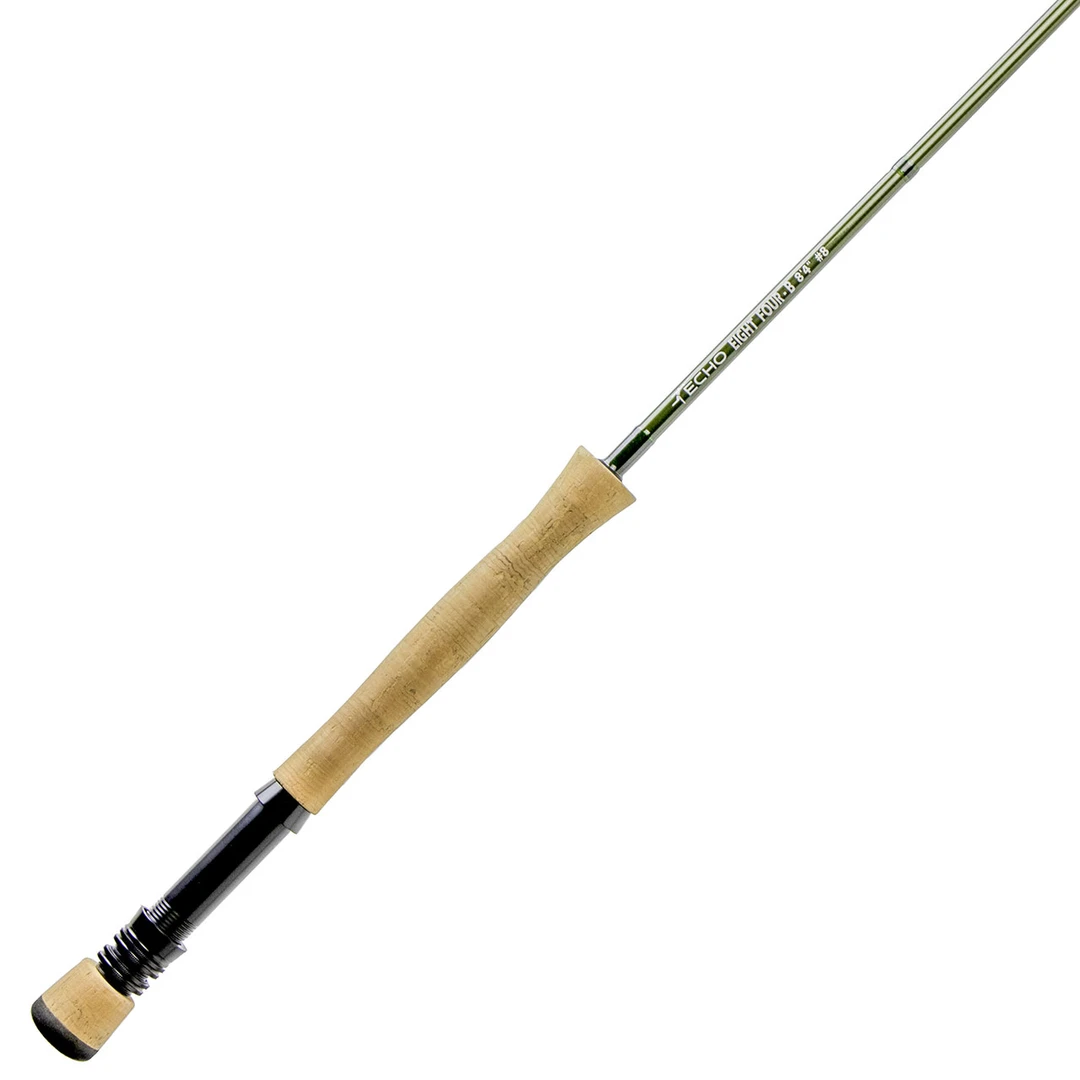
A bass fly rod can be anything from a 7-foot to 9-foot rod in 4- to 6-weight sizes. Sometimes you will be throwing big chugging bugs or bushy streamers and you might want to step on line size for the rod to give you a little more punch with wind-resistant flies. So you can put 6 weight line on a 5-weight rod and get a little more punch and distance but still have a good fight. Bass rods are usually nimble and punchy because you are using larger flies and working them aggressively to get reactions unlike your more traditional trout and bluegill flies. For more on tactics, flies and gear, see our complete guide to fly fishing for bass.
Some bass fly rods we would recommend you checking out would be the following:
Our Bass Fly Rod Picks
4 to 6-weight · 7-foot to 9-foot
Musky Fly Rods
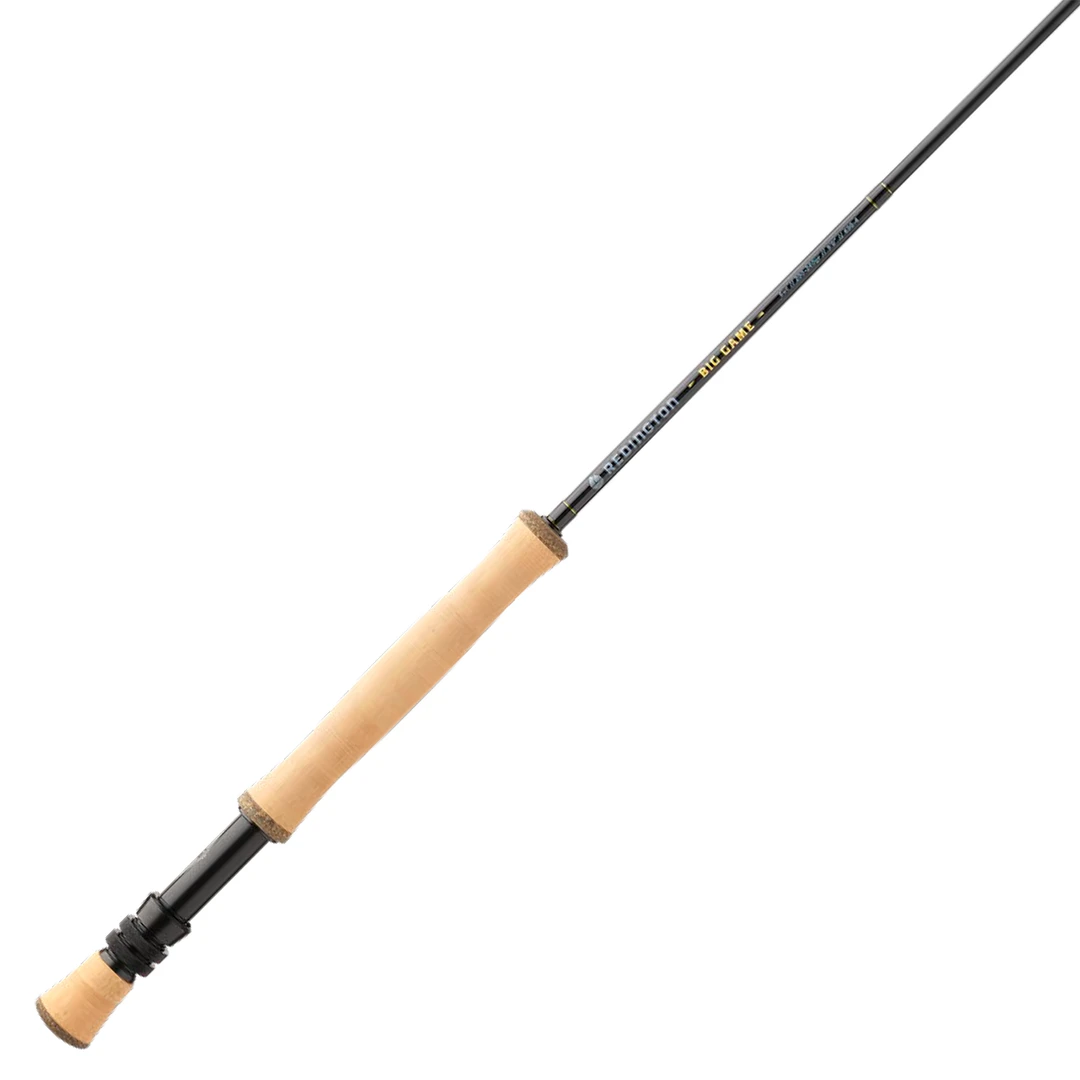
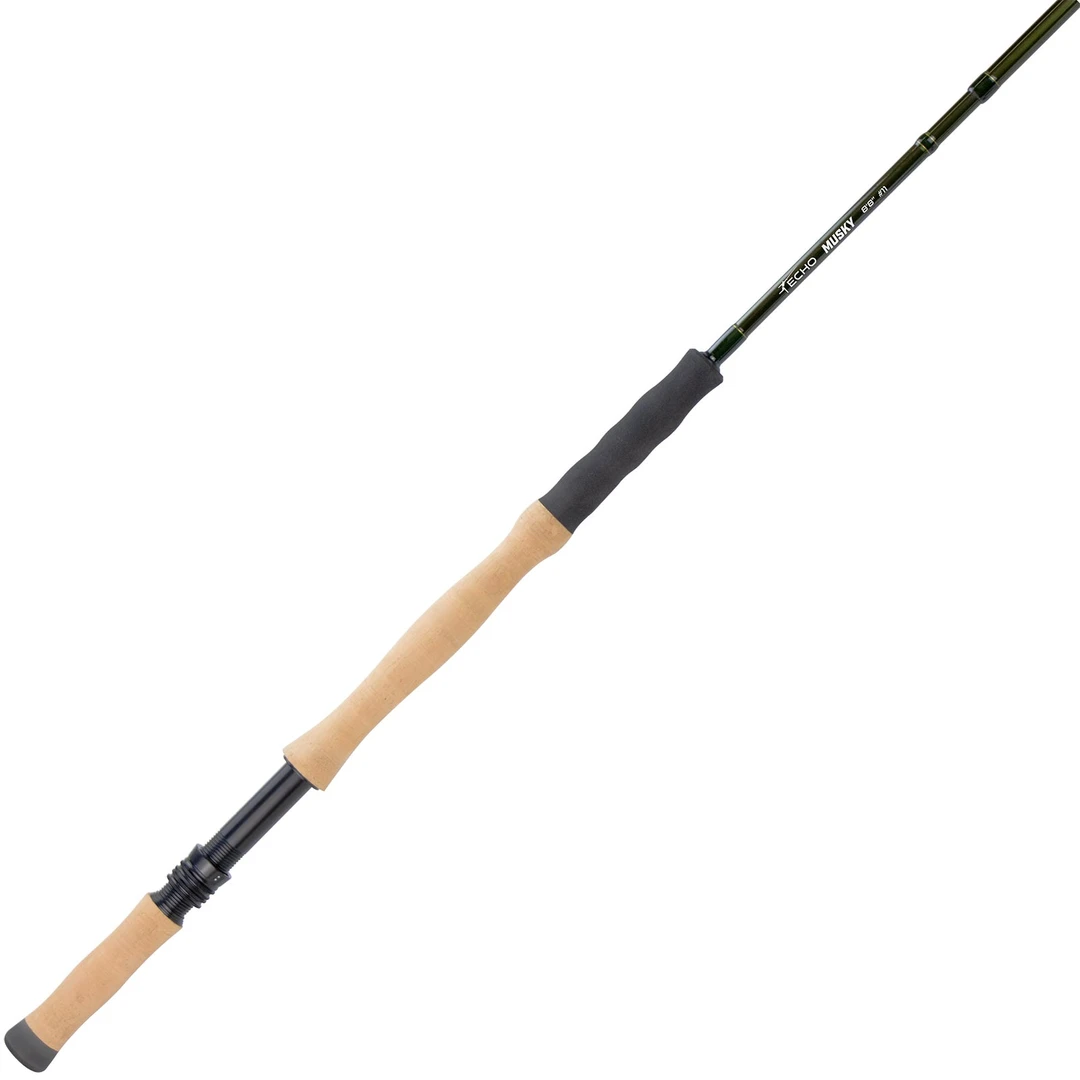
For musky fishing and large pike you start getting into the more two handed larger grip rods with a lot of backbone. There are several musky designed specific fly rods but for the most part you are talking about larger longer grips in 7 up to 12-weight sizes in that 8-foot to 10-foot range depending on what and where you will be fishing. This is a lot of throwing big bushy flies, and working them to get reactions from these apex predators.
Several of the rods we carry will work for musky fishing but here are a few of our recommendations from our lineup of rods:
Our Musky Fly Rod Picks
7 to 12-weight · 8-foot to 10-foot
Steelhead and Larger Trout Fly Rods
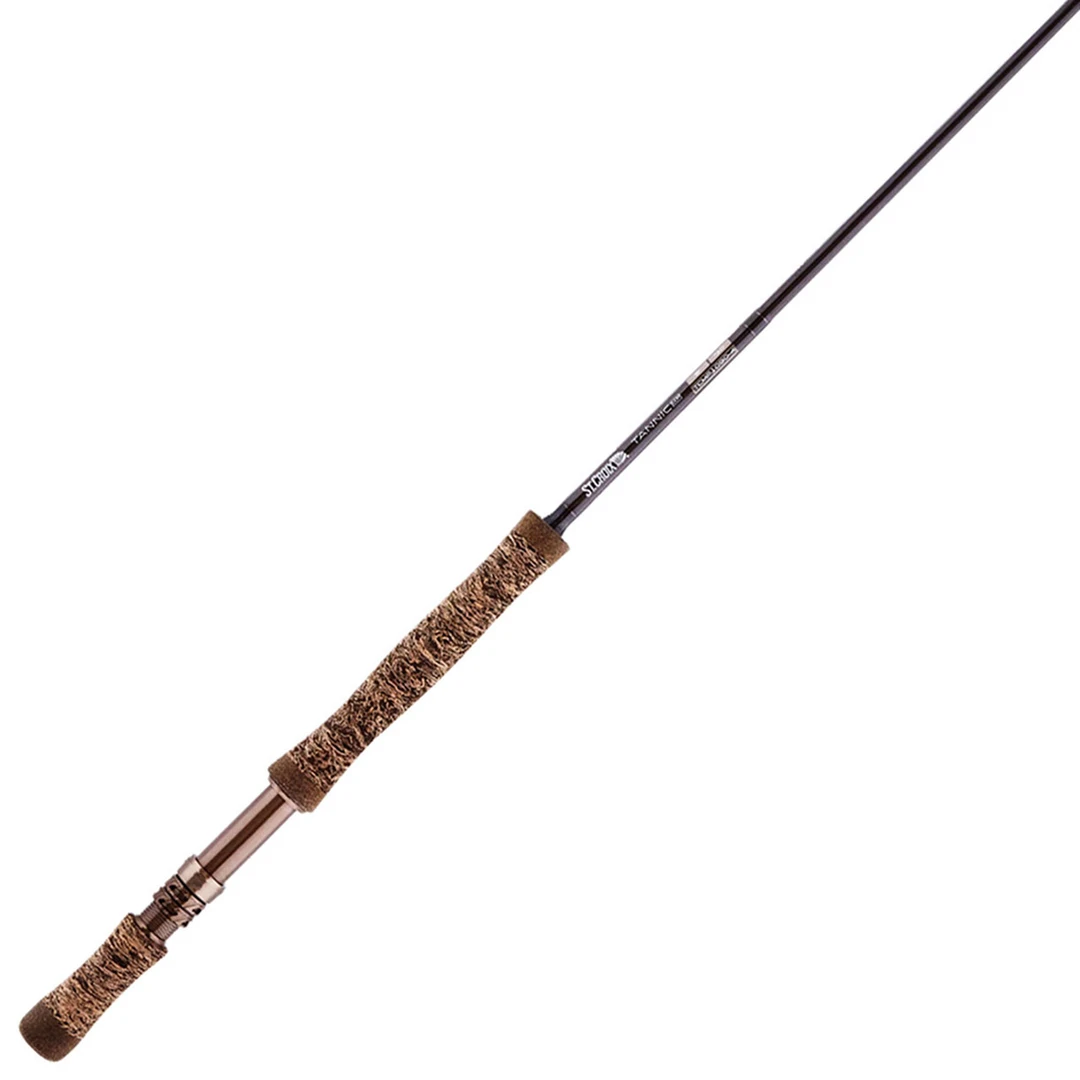
As with the musky rods, a lot of your steelhead specific fly rods feature two handed grips for throwing and controlling larger flies but there are also a lot of conventional rods built a bit bigger and stouter to handle these much bigger trout with smaller fly patterns like eggs and leeches. We will discuss spey and switch rods individually in a minute, but there are a lot of great rods in our store that make dynamite steelhead and other big sea run, great lake run trout rods.
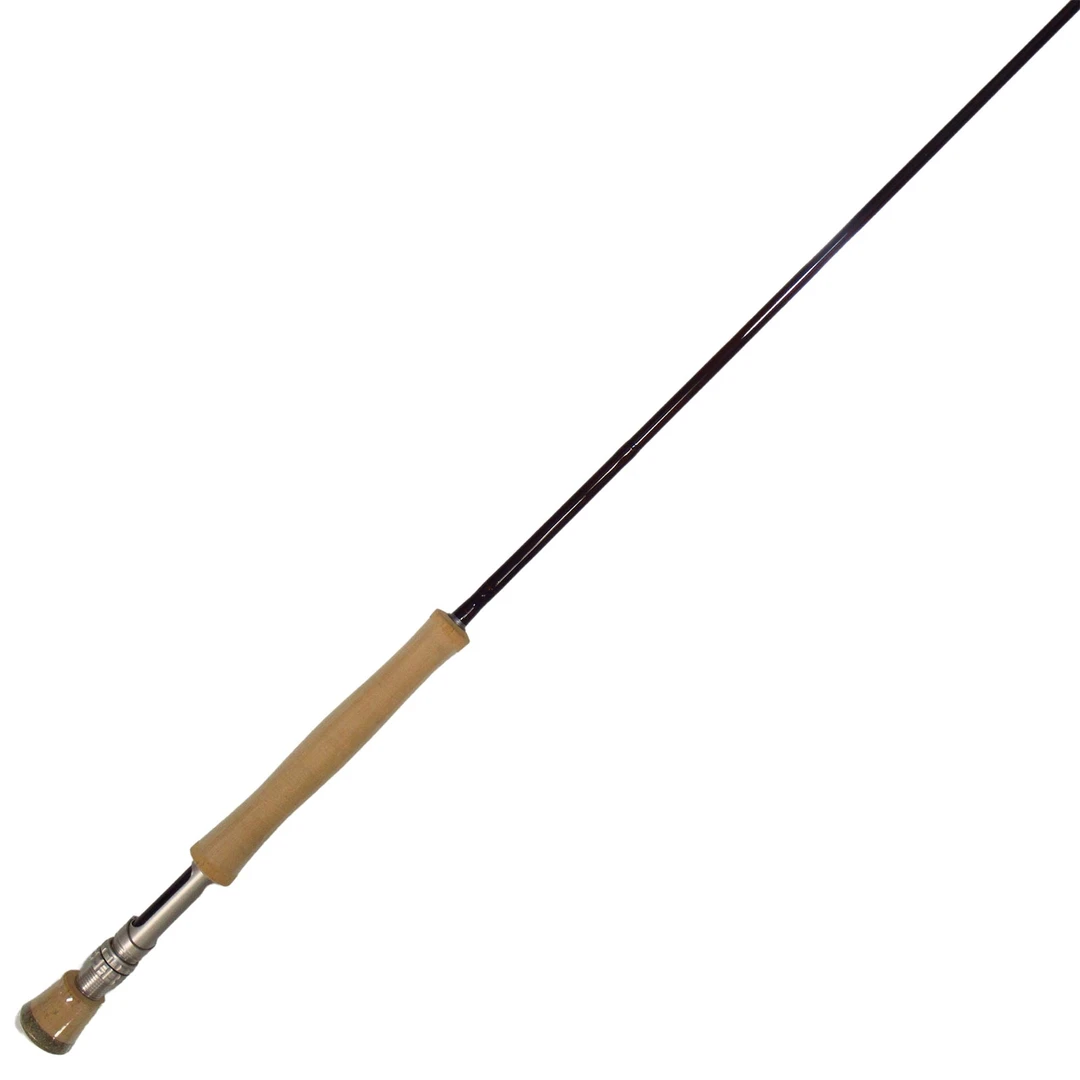
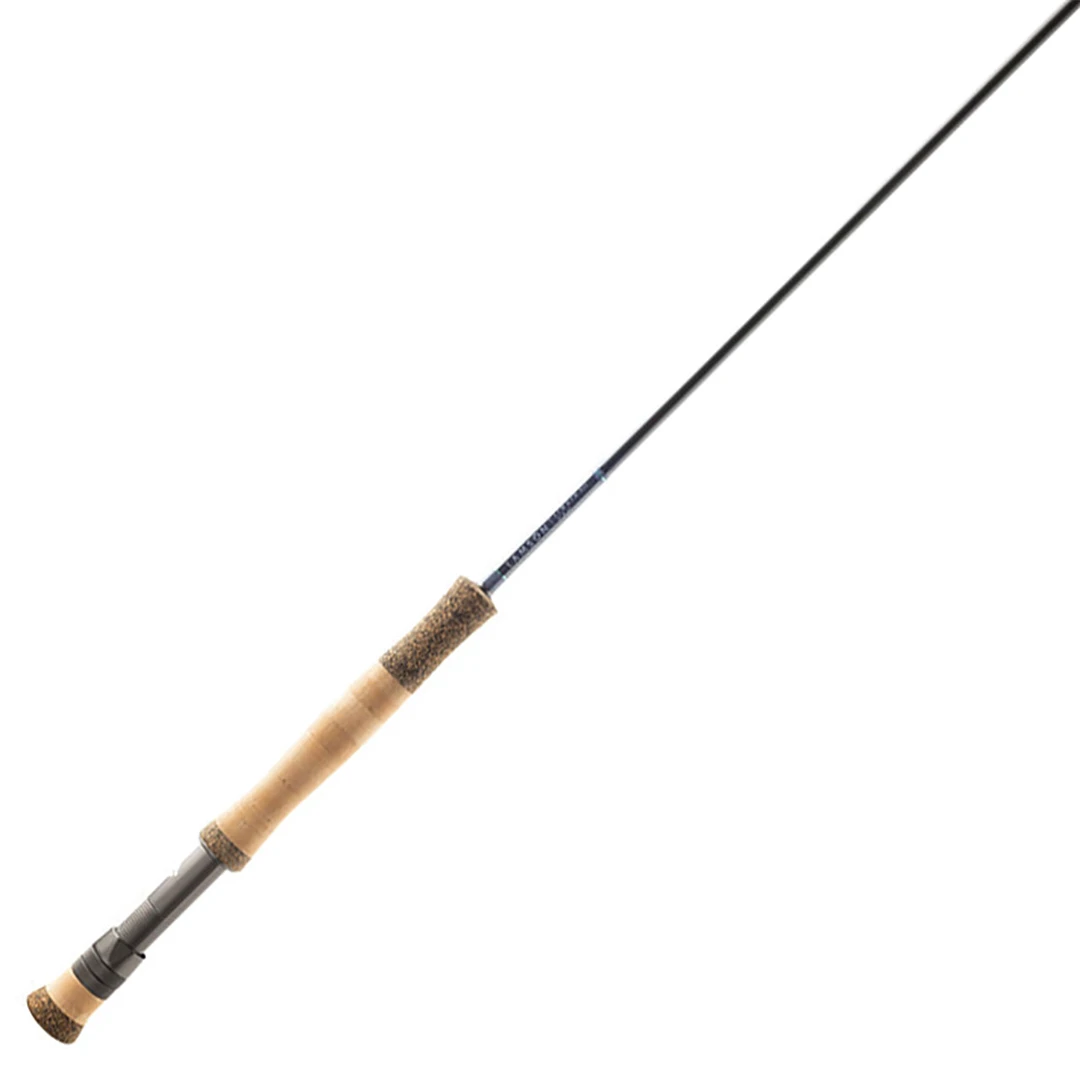
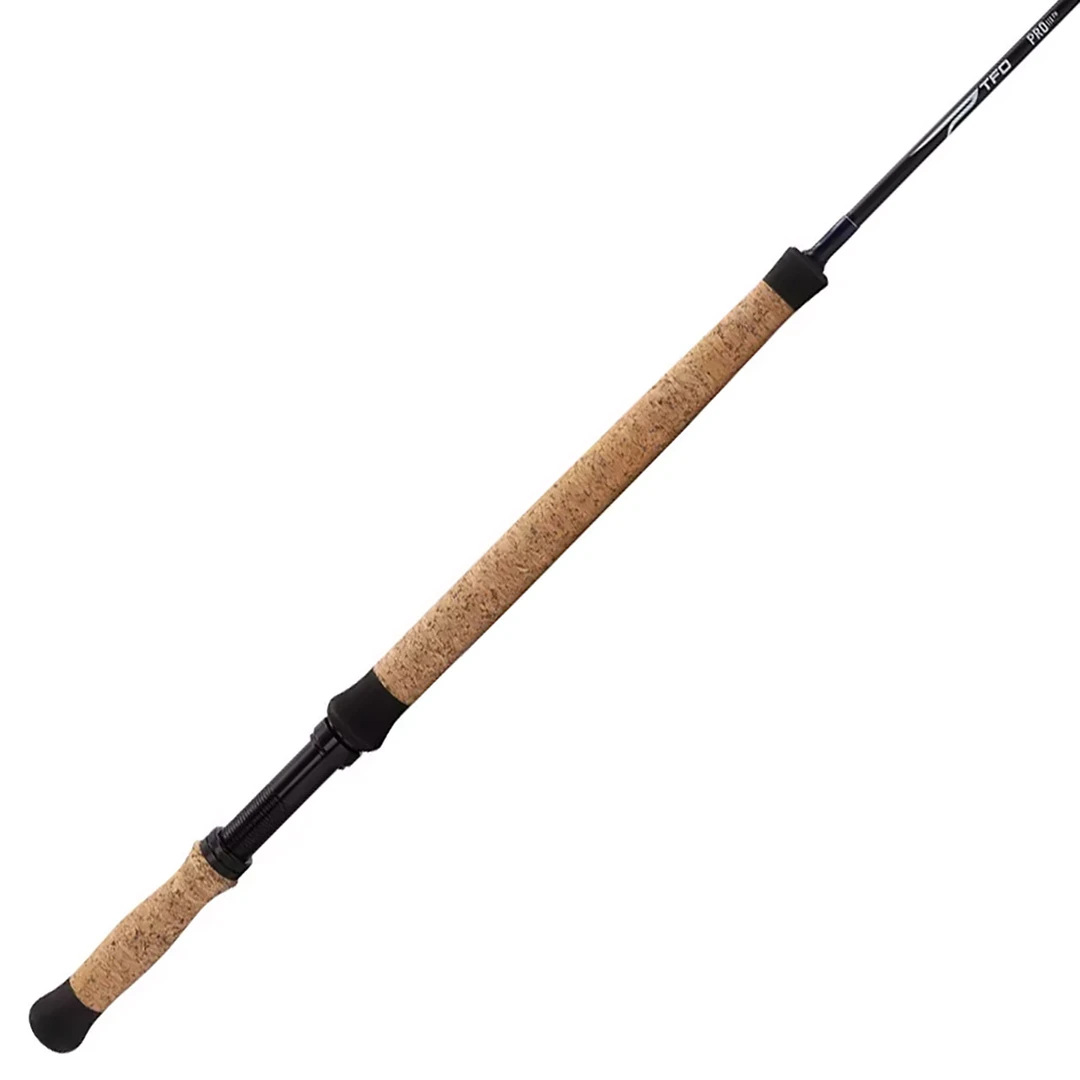
Here a few of our recommendations:
Our Steelhead & Big Trout Fly Rod Picks
Great Lakes and sea run
Breaking Down Fly Rods by Technique Applications
Inside of the various species of fly rod options, there are also specific applications for fishing those species based more on the way you fish for them and or the makeup the environments you fish for them, say larger river systems where distance casting matters. There are always situations where a 10-foot Euro rod might make more sense than an 8-foot dry fly rod and vice versa. Or when specialized rods for Spey and Switch casting/fishing matters more because of the environment you have to fish.
Let's take a quick look at some of the specialized technique-base fly rods
Euro-Nymphing Fly Rods
Euro-nymphing rods enable anglers to tight line weighted nymphs on specialized micro leaders to effectively get your flys to depths with precision compared to drifting under indicators or long distance casting and long drifts with dry flys. Euro-nymphing rods generally run 10 to 11 feet and range from 2 wt to 4 wt in line weight. Anglers employ long, often 20 to 30-foot, monofilament leaders that they then attach tippet to fish tungsten and brass beaded flies accurately to depth in short deep current runs where it can often be hard to get a fly down to deeper fish in current with conventional fly methods. The flies are directed or followed with the rod on a semi-taught line that doesn't sag like a conventional fly line would, enabling the angler to maintain an accurate level drift at depth for 20 to 30 feet.
Most of our euro rod are designated as such in our fly rod section.
Spey Casting Fly Rods
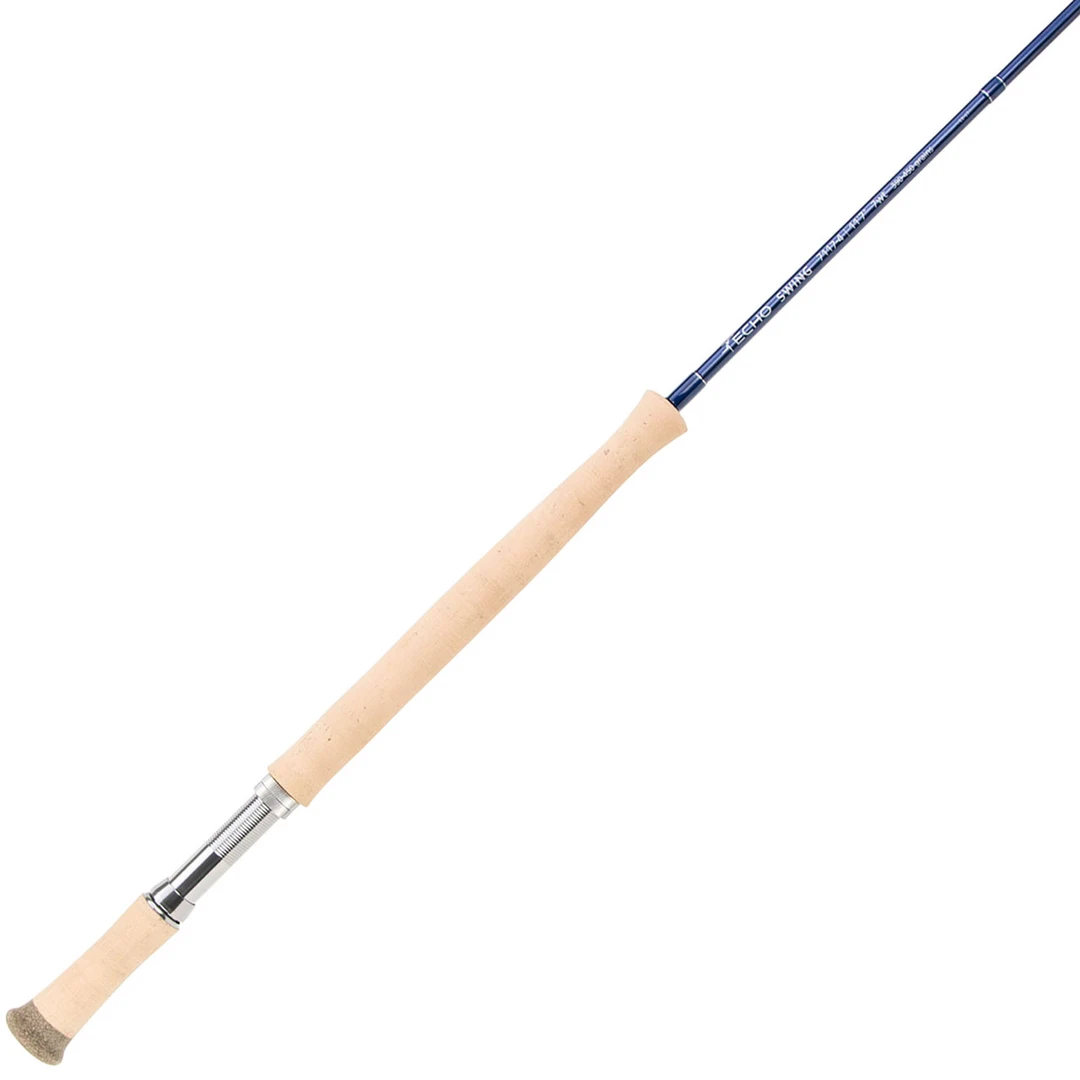
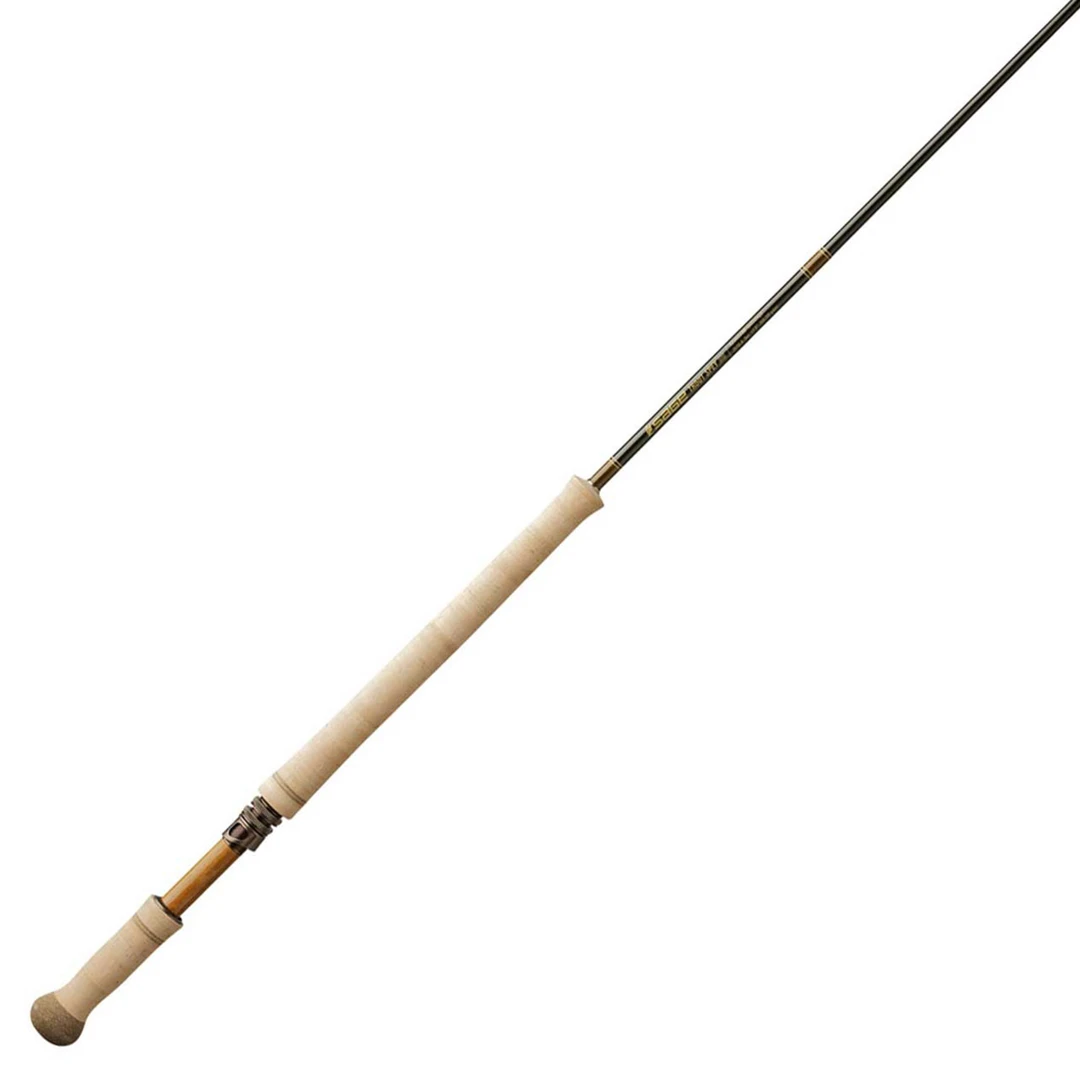
Spey rods allow for long Skagit and Scandi type water loaded casts that allow the angler to make a D-loop on the water and then take it up and two hand launch it across larger runs to get maximum distance on their drifts and swings in these larger systems. Spey rods are two handed rods at much longer lengths from 12 to 15 feet to enable the angler to lay a bunch of line out and then shoot all the line on a two-hand, double-loaded cast. These rods are popular for salmon, steelhead and larger sea run brown trout on larger rivers and systems. The combination of standard aerial loops and water-loaded D-loops gives the angler a reach he could never achieve with standard fly rods.
All of the spey fly rods in our store are notated as such in their title and descriptions.
Switch Casting Fly Rods
Switch fly rods offer anglers rods capable of doing two-handed spey casts as well as single handed conventional casts. These rods are very popular among anglers who chase migrating fish up tributaries off the Great Lakes and sea run rivers where they might be fishing big open areas, or narrower more densely tree laden areas where tight precise casting is more important. As such they are usually much shorter in length and often not as heavy line weights as traditional spey rods.
Our Switch rods are notated in their title and descriptions and several brands offer great options at every budget.
Glass Rods
Fiberglass and bamboo were the original fly rod materials and there are still anglers who love fishing with glass rods for their softer slower actions and better fight with smaller fish. These rods are still very popular for fishing smaller creeks, chasing smaller wild trout in higher elevations like native brook trout strains and for anglers that just appreciate the added fight and slow methodical approach to fly fishing with glass rods.
Fly Rod Brands and Price Point Considerations
We carry a wide selection of fly rods because there are so many reputable brands now in the fly rod space and there are a wide range of price points, and applications offered. So we try to give fly fishermen a lot of options so they can get the perfect rod for their budget, species and locations they like to fish the most.
Price Point Brands
When we talk about price point rods, we are not talking about cheap or low price rods. We are talking about rod makers who make a range of rods at various price points in an attempt to offer rods at many different budgets for the widest variety of fly anglers. This is a difficult approach because it often means warehousing extra materials, additional machining and tooling, additional costs just in offering extra options for anglers. So if you are looking for a range of prices, budgets and options, we would suggest some of the following brands:
- Echo
- St. Croix
- Orvis
- Douglas
- Temple Fork Outfitters
- Lamson
- Greys
- Redington
- Cortland
High End Fly Rod Brands
Likewise, when we say high end rods, it doesn't automatically suggest that we think these are the best rods. When we talk about high-end rod brands we are simply referring to brands who often don't offer "lower price point" rods or a range of price points. They generally stick with the most expensive materials and components and thus you end up with only the higher or highest price rod options. Some of the brands we carry and there are other high end brands we don't carry that are also very good rod brands.
These higher end brand options would include the following:
- G. Loomis
- Sage
- Hardy
- Thomas and Thomas
- Diamondback
Frequently Asked Questions
For rainbow, brown, cutthroat and brook trout, rods in the 3wt to 6wt line classes and 7 to 9 feet long handle most trout fishing. Small high-elevation creeks often call for shorter, lighter rods, while euro-nymphing uses longer, lighter rods.
A 2 to 4-weight rod is ideal for panfish. A 7-foot, 9-inch 2-weight is a lot of fun, but if you expect to hook bass or pike as well, step up a bit in weight and length.
Bass fly rods typically run 7 to 9 feet in 4 to 6-weight sizes. When throwing big poppers or bushy streamers, many anglers put a 6-weight line on a 5-weight rod for extra punch with wind-resistant flies.
Musky and large pike call for stout rods with lots of backbone and longer grips, generally 7 to 12-weight and 8 to 10 feet long, to cast and work big bushy flies.
Spey rods are two-handed rods 12 to 15 feet long built for long water-loaded casts on big rivers. Switch rods are shorter and usually lighter, and can make both two-handed spey casts and single-handed conventional casts, which suits mixed open and tree-lined water.
No. There are many great fly rods in the $100 to $300 range. Buy the best rod that fits your budget and the species you fish most, then focus on mechanics, approach and learning your waters.
Final Fly Rod Considerations
Many personal preferences go into selecting the best fly rod for each angler. If we only thought there were 5 good fly rods, we would only carry those. But the fact remains that nearly every angler we talk to in the shop or online fishes just a little different than the last person. Each person has their own brand, component, cosmetic, and budget preferences. So we try to vet companies and their newest offerings every year to offer a wide range of options, prices and traits to accommodate our wide range of anglers we service.
Fly fishing means different things to different people. Some folks it's an escape from very tedious professions and they want to spend their hard-earned money on the very best there is and feel the satisfaction every time they are on the water. Some anglers want the bare minimum that will get them by and focus solely on whether or not they can figure the fish out better than folks with higher end gear.
Fly fishing, in an of itself, is a challenging and thus very rewarding way to fish. There is a nostalgia to fishing with a fly rod and sight casting to the biggest fish in a smaller fishing environment than say your larger natural lakes and reservoirs. It offers a more personal and direct connection to the fish, getting the to fall for the most delicate and natural of artificial presentations available.
We aim to provide you the best tools for the ways you want to and enjoy fishing the most. Hopefully this guide has given you a lot to consider in your next fly rod purchase. Tight lines everyone!