


Catching Crappie with Minnows: Tips and Techniques Explained
Live minnows are the primary forage for crappie and one of the most effective baits you can use. Here's the gear, rigs, and techniques you need to fish minnows for crappie with confidence.
Last updated: October 2026 · By: FishUSA Staff
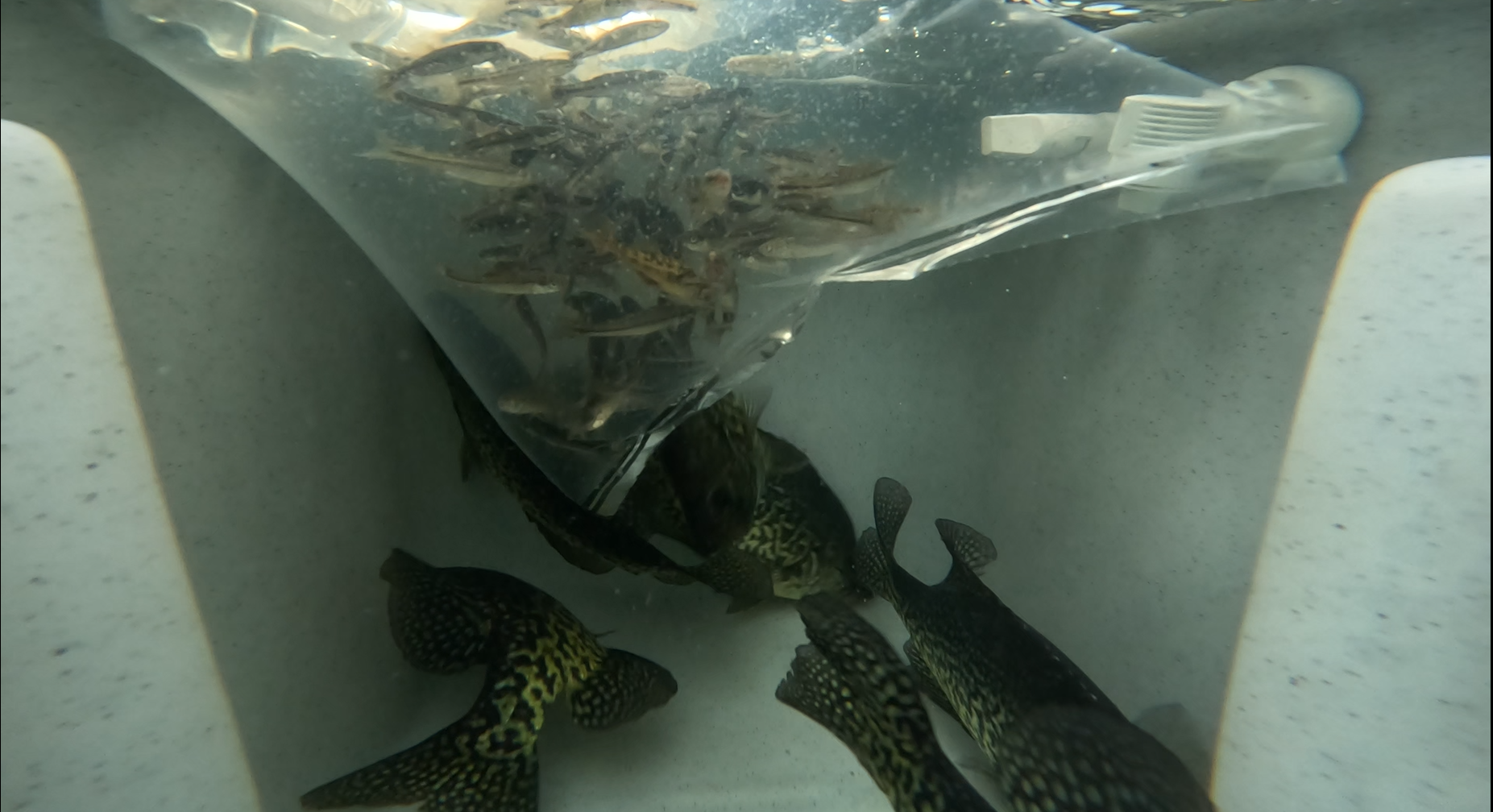
Fishing with live minnows is one of the most effective methods for catching crappie. In most cases, minnows are the primary forage for crappie, making them irresistible to both black and white crappie from spring spawning flats to deep winter brush piles. This guide will provide beginners and experienced anglers alike with everything they need to know about using minnows to target crappie, including gear, rigs, and techniques for success.
Why Use Minnows for Crappie?
Crappie primarily feed on small baitfish, and minnows are a natural and enticing bait that triggers their predatory instincts. Using live minnows can increase your chances of success, especially when crappie are finicky or not responding to artificial lures. Minnows can be fished in a variety of ways, making them versatile for different conditions and techniques.
To learn more about the shad, minnows, insects, and other prey that make up the crappie diet, see our guide to what crappie eat.
Essential Gear for Fishing with Minnows
Rod and Reel
A light or ultralight spinning rod paired with a spinning reel is ideal for fishing with minnows. A rod length of 6 to 7 feet offers excellent casting distance and sensitivity to detect subtle bites.
Check out our recommendations: Best Crappie Rods, Best Crappie Reels
Fishing Line
Use a light monofilament or fluorocarbon line in the 2- to 6-pound test range. These lines are less visible underwater and allow for a natural presentation of the minnow. For fishing around heavy cover or if high-vis line is preferred, consider using braided line with a fluorocarbon leader.
Learn more about choosing fishing line for crappie!
Live Bait Bucket
A live bait bucket with an aerator is essential for keeping your minnows healthy and active. Healthy minnows are more likely to attract crappie and give off more of an appealing scent to these predators.
Hooks
Choose small, sharp hooks such as Aberdeen hooks (size 4 to 8) that are designed to hold minnows securely while minimizing damage to the bait. These hooks are ideal for light presentations and easy hooksets.
Best Crappie Hooks: A Comprehensive Buying Guide
For a complete breakdown of rods, reels, line, and terminal tackle, see our crappie fishing setup guide.
Best Rigs for Fishing with Minnows
Slip Bobber Rig
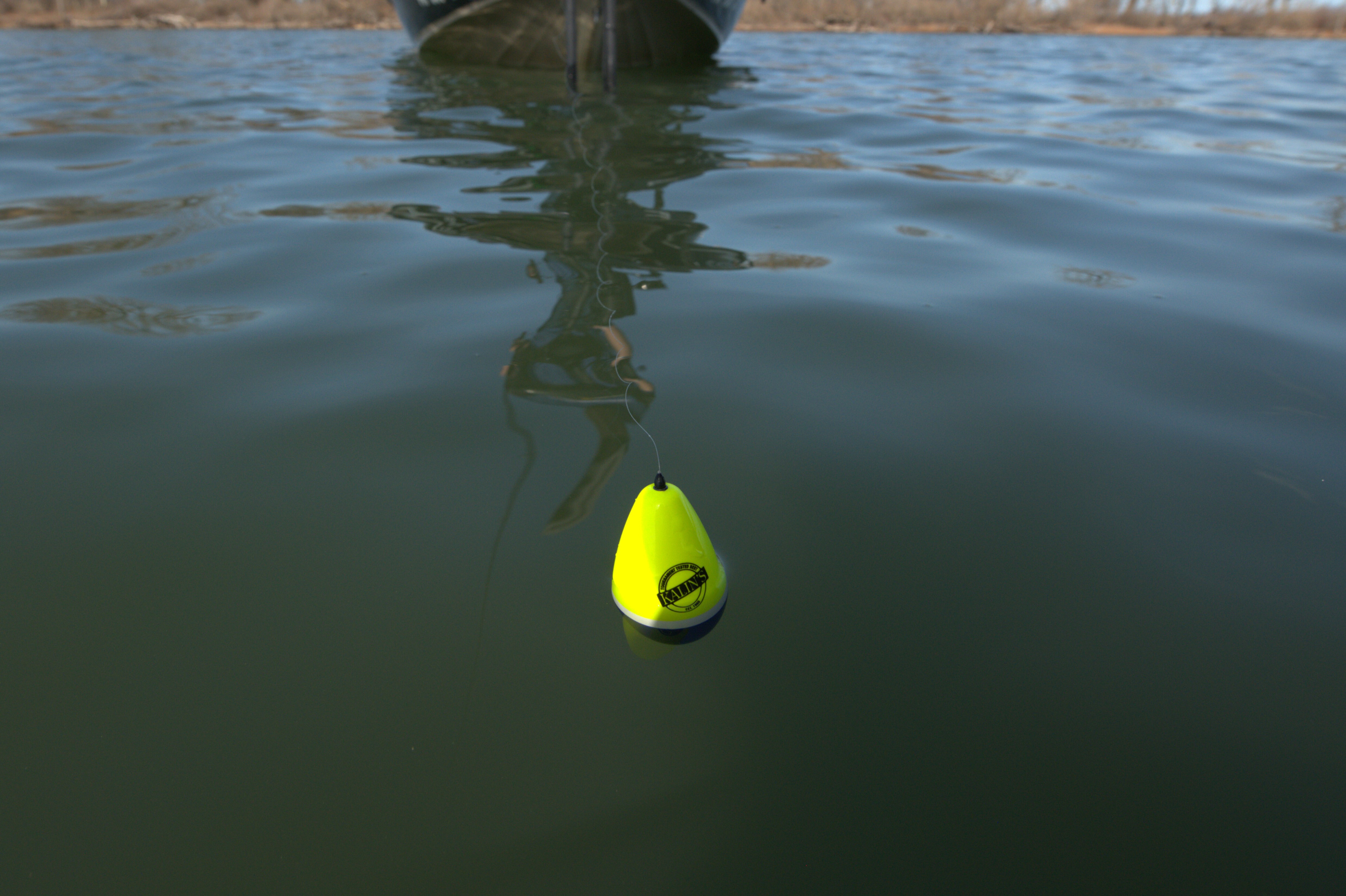
The slip bobber rig is one of the most popular and effective setups for fishing minnows at precise depths. Here's how to set it up:
- Slide a slip bobber onto your main line.
- Add a bobber stop above the bobber to set the desired depth.
- Tie on a small hook or jig head and attach a live minnow.
- Optionally, add a split shot weight to keep the bait at the correct depth.
Get more detail on float sizing and depth control in our guide to crappie fishing with slip floats.
Drop Shot Rig
The drop shot rig is perfect for vertical presentations and fishing near structures. Here's how to rig it:
- Tie a small hook onto your main line, leaving a long tag end.
- Attach a weight to the tag end, leaving 12–18 inches between the hook and the weight.
- Hook a live minnow through the lips or dorsal fin and drop the rig near submerged structures or crappie schools.
See our guide to drop shotting crappie for targeting suspended fish in open water.
Jig and Minnow Rig
This simple yet effective rig combines the movement of a jig with the realism of a live minnow. Here's how to set it up:
- Attach a jig head to your main line.
- Hook the minnow through the lips or just behind the dorsal fin.
- Cast or vertically jig the setup near crappie-holding structures.
Where to Hook the Minnow
| Hook Placement | Best For | Why |
|---|---|---|
| Through the lips | Casting, drifting, slow trolling, jig and minnow | Minnow tracks straight and looks natural while moving |
| Behind the dorsal fin | Slip bobber, still fishing, drop shot | Minnow stays lively and swims freely in place |
Techniques for Fishing with Minnows
Drifting
Drifting is effective when crappie are scattered or suspended in open water. Allow your slip bobber rig or jig and minnow rig to drift naturally with the current or wind, covering a wide area to locate active crappie.
Vertical Jigging
Drop your minnow rig straight down near submerged structures like brush piles, standing timber, or docks. Use subtle jigging motions to mimic the natural movement of a baitfish. Our guide on how to jig for crappie covers jigging cadences in more detail.
Slow Trolling
Troll multiple rods with minnows at varying depths to locate schools of crappie. Use a slip bobber rig or jig and minnow rig to present the bait at the desired depth.
Still Fishing
Anchor your position near promising structures and cast your minnow rig into the area. Allow the bait to sit still or move slightly with the water's current to attract crappie.
Tips for Success
- Handle Minnows Carefully: Avoid squeezing or injuring minnows when hooking them. Healthy, active minnows are more attractive to crappie.
- Match the Depth: Use a fish finder or experiment with different depths to find where crappie are holding. Adjust your rig accordingly.
- Fish During Peak Times: Early morning, late afternoon, and overcast days are ideal for fishing with minnows.
- Target Structure: Focus on areas with cover like brush piles, docks, and weed edges, where crappie are likely to congregate.
- Use Scent Attractants: Enhance your presentation by adding a scent attractant to your bait to make it even more enticing. Learn more about the best fish attractant.
Minnows are especially deadly around spawning crappie in spring, when they imitate both baitfish and egg-raiding intruders near the nest. For more live bait tactics, see our guide to using live bait for panfish.
FAQs About Crappie Fishing with Minnows
Hook a minnow through both lips, from the bottom lip up through the top, when casting, drifting, or trolling so it swims naturally as it moves. Hook it just behind the dorsal fin, above the spine, when fishing under a slip bobber or still fishing so it stays alive and swims freely. Avoid hitting the spine or squeezing the minnow.
Aberdeen hooks in sizes 4 to 8 are the best choice for fishing minnows for crappie. Their thin wire holds a minnow securely while doing minimal damage, which keeps the bait alive longer, and they allow quick, easy hooksets on light line.
Set your minnow at or slightly above the depth where crappie are holding. Use a fish finder to locate schools, or start a few feet below the surface and work deeper until you get bites. A slip bobber with an adjustable bobber stop makes it easy to fine-tune the depth.
Small minnows of roughly 1 to 3 inches, often sold as crappie minnows, are the best size for most crappie fishing. They match the baitfish crappie naturally eat and fit easily in a crappie's mouth. Slightly larger minnows can help target bigger crappie.
Both work. A plain Aberdeen hook under a slip bobber gives the most natural presentation and lets the minnow swim freely. A jig head tipped with a minnow adds weight, color, and action, which is better for casting, vertical jigging around structure, and fishing deeper water.
Keep minnows in a live bait bucket with an aerator to supply oxygen, and keep the water cool and out of direct sun. Avoid overcrowding the bucket, replace some of the water with fresh water from the lake as it warms, and handle minnows gently when hooking them.
Early morning, late afternoon, and overcast days are the best times to fish minnows for crappie. Low light makes crappie more active and more willing to move to a bait, especially around brush piles, docks, and weed edges.
Final Thoughts
Fishing with minnows is a proven method for catching crappie and can be used effectively in various conditions and seasons. By using the right gear, rigs, and techniques, you can maximize your success and enjoy productive fishing trips. Whether you're a beginner or an experienced angler, live minnows are a reliable and versatile bait that will help you reel in more crappie.
Gear up with fishing hooks, crappie jig heads, and a live bait bucket from FishUSA before your next trip.