/
/
The right float shows you every light crappie bite and keeps your jig or minnow at the exact depth the fish are holding. Here are our top picks for slip floats, fixed bobbers, and strike indicators — plus how to choose and rig them.
Last updated: October 2026 · By: FishUSA Staff
When it comes to crappie fishing, using the right float or bobber is critical for detecting light bites and keeping your bait at the perfect depth. Whether you’re fishing live minnows, jigs, or small plastics for black or white crappie — from the bank, a dock, or a boat — having the right float enhances your success. This guide highlights the best crappie floats, bobbers, and corks to help you choose the right tool for your fishing style, whether you’re a beginner or a seasoned slab hunter.
| Float | Type | Best For | Angler Level |
|---|---|---|---|
| Thill Crappie Corks | Slip or fixed | All-around crappie fishing | All levels |
| Rocket Bobbers | Fixed | Long casts from the bank | All levels |
| Northland Lite-Bite Slip Bobbers | Slip | Suspended and deep crappie | Intermediate |
| Leland’s Lures EZ Crappie Float | Fixed (slotted) | Quick rigging, close quarters | Beginner |
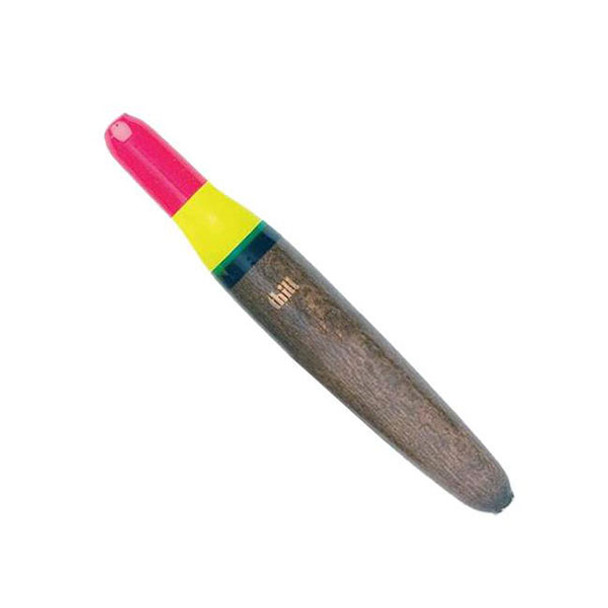
| Thill Gold Medal Center Slider | Slip | Deep water, larger jigs | Intermediate–Advanced |
| Foam Strike Indicators | Fixed (adjustable) | Ultra-light finesse bites | All levels |
The Thill Crappie Corks are a staple among crappie anglers, offering a versatile cork in three useful sizes. This cork features a line-through design as well as a spring, allowing it to be used as either a slip or fixed float.
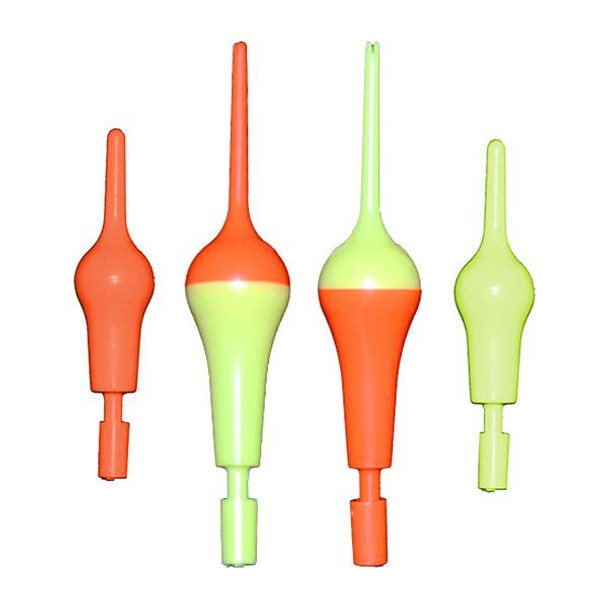
The Rocket Bobbers are designed for long, accurate casts while maintaining excellent sensitivity for crappie fishing. If you fish from shore, pair them with the strategies in our guide to bank fishing for crappie.

The Northland Lite-Bite Slip Bobbers are an excellent choice for fishing deeper waters, offering smooth line movement without sacrificing sensitivity.
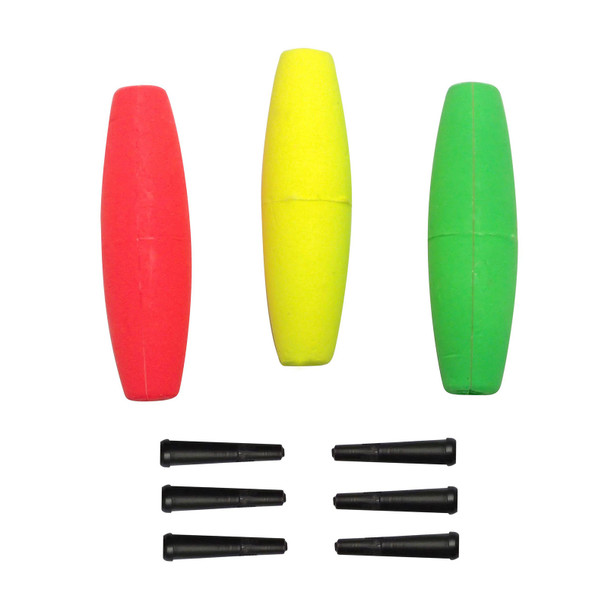
The Leland’s Lures EZ Crappie Float offers a simple, effective design for quick rigging and maximum performance.
The Thill Gold Medal Center Slider Floats are a premium option for precision crappie fishing, offering smooth line control and top-tier sensitivity.
The Foam Strike Indicators are versatile floats that excel at detecting ultra-light bites, perfect for crappie finesse fishing.
When selecting the best float or bobber for crappie fishing, keep these factors in mind.
Choose lightweight floats to detect subtle crappie bites. Floats with thin stems or foam indicators are ideal for finesse presentations. Crappie frequently bite on the way up, which lifts or tilts the float instead of pulling it under — a slim, properly weighted float shows those “up” bites clearly.
Look for bright, high-visibility tops to ensure you can see float movement clearly in all conditions — glare at midday, low light at dawn and dusk, or chop on windy days.
Use slip bobbers for deeper water and fixed bobbers for shallower presentations. As a rule of thumb, once the fish are deeper than your rod is long, a slip bobber becomes much easier to cast and fish.
Add enough split shot that only the colored tip of the float rides above the surface. A properly “shotted” float offers almost no resistance, so crappie hold on to the bait longer and you see more bites.
Crappie feed upward, so set your bait slightly above the depth where fish are holding. A slip bobber with a bobber stop makes it easy to adjust in small increments. For a full rigging walkthrough, see our guide to crappie fishing with slip floats.
Light monofilament in the 4–6 lb range floats, casts light rigs well, and has enough stretch to keep hooks from tearing out of crappie’s paper-thin mouths. Our guide to the best fishing line for crappie covers the options in more detail.
A small jig and soft plastic or a lively minnow under a float is a deadly combination, especially in cold water or around shallow cover. Browse our picks for the best crappie lures, jigs, and bait to round out your float setup.
Set the hook on any unusual movement — the float lying flat, sliding sideways, or twitching. These are often crappie bites that never pull the float fully under. For more ways to stay on fish, check out our crappie fishing tips.
For most crappie anglers, a slim, lightweight float with a high-visibility top is the best all-around choice. The Thill Crappie Cork is a strong starting point because it can be rigged as either a slip or fixed float and comes in three sizes. For deeper fish, a dedicated slip bobber like the Northland Lite-Bite or Thill Gold Medal Center Slider gives precise depth control. For bank anglers who need distance, a Rocket Bobber casts farther while still showing light bites.
Use a fixed bobber when crappie are shallow, generally less than about 6 feet, and you want quick, simple rigging. Use a slip bobber when crappie are suspended deeper than your rod length, because a bobber stop sets the depth while the float slides down to the jig for easy casting. Slip bobbers are the standard choice for brush piles, deep docks, and suspended fish in open water.
Match the bobber to the weight of your bait. The float should be just buoyant enough to hold up your jig or minnow and split shot, with only the brightly colored tip above the water. An oversized bobber creates resistance that crappie feel and drop. Small 1/64 to 1/32 oz jigs pair with small, slim floats, while 1/16 oz jigs or larger minnows call for a slightly bigger float.
Set the bait slightly above the depth where crappie are holding, because crappie feed upward. In spring that may be 1–4 feet in shallow spawning areas. In summer and winter, crappie often suspend 8–20 feet down near brush, docks, or basin edges. Use your electronics to find the fish, then set your bobber stop so the bait rides a foot or so above them.
Balsa floats are generally more sensitive because balsa is very buoyant for its weight, which allows slimmer shapes that slide under with little resistance. Plastic floats are tougher and usually cheaper, and they handle rough use and long casts well. Foam strike indicators are lightweight and easy to reposition. Many crappie anglers carry balsa slip floats for finesse fishing and plastic floats for bank fishing and casting distance.
Choose the bobber color that you can see best, since the fish rarely see the top of the float. Bright orange, chartreuse, and red tops stand out against most water and sky conditions. In glare or low light, a contrasting color helps you notice small movements, which matters because crappie often bite lightly and simply lift or tilt the float rather than pulling it under.
Yes. A jig under a float is one of the most effective crappie presentations, especially in cold water or around shallow cover where fish want a slow, suspended bait. Rig a 1/64 to 1/16 oz jig with a small soft plastic below a slip or fixed float, then let it sit or give it occasional twitches. The float keeps the jig at the exact depth of the fish and shows subtle bites clearly.
Choosing the right crappie float or bobber can significantly improve your fishing success. Whether you prefer a classic balsa float, a slip bobber for deep-water crappie, or an easy-to-use foam float, the options in this guide offer reliable performance and versatility. Pair the right float with your favorite bait or jig and get ready for a productive day on the water!
Hook Me Up!
Sign up for emails and texts to get exclusive updates and offers.
By providing your number above, you agree to receive recurring automated marketing text msgs (e.g. cart reminders) to the mobile number used at opt-in from FishUSA on 25043. Consent is not a condition of purchase. Msg frequency may vary. Msg & data rates may apply. Reply HELP for help and STOP to cancel. See Terms and Conditions & Privacy Policy