


When Do Bass Spawn? A Complete Guide to the Bass Spawning Season
The bass spawn is one of the most important times of the year for both bass populations and anglers. Learn when largemouth and smallmouth spawn, how their behavior changes through each phase, the best techniques to catch them, and how to release spawning fish responsibly.
Last updated: October 2026 · By: FishUSA Staff
The bass spawn is one of the most important times of the year for both bass populations and anglers. Understanding when largemouth and smallmouth bass spawn, how their behavior changes, and where to find them during this period can help you catch more fish while also ensuring proper catch-and-release practices to protect future generations of bass. This guide will explain the timing of the bass spawn, the different spawning phases, key environmental factors, and the best fishing techniques for targeting bass during this crucial period.
What Is the Bass Spawn?
The spawn is the reproductive period when bass move from deeper water to the shallows to create nests, lay eggs, and protect their offspring. This process ensures the survival of future generations of bass and is one of the best times for anglers to catch large, aggressive fish.
When Do Bass Spawn?
The timing of the bass spawn varies depending on species, location, and water temperature. Generally, the bass spawn occurs in the spring for most of the country, when water temperatures reach the ideal range for reproduction.
Largemouth Bass Spawning Time
Largemouth bass spawn when water temperatures are between 55°F and 75°F, with peak spawning activity occurring around 60°F to 65°F. The timing depends on the region:
- Deep Southern U.S. (Florida, Texas, Alabama): January – April
- Southern U.S. (Tennessee, Carolinas, Virginia): March – May
- Midwestern U.S. (Ohio, Illinois, Missouri): April – June
- Northern U.S. (Minnesota, Michigan, New York): May – July
Smallmouth Bass Spawning Time
Smallmouth bass prefer slightly colder water for spawning, usually between 55°F and 65°F. This means their spawn happens slightly earlier than largemouth bass in most regions:
- Southern U.S.: March – May
- Midwestern U.S.: May – June
- Northern U.S. and Canada: June – July
For more on each species, see our complete guides to largemouth bass fishing and smallmouth bass fishing.
Bass Spawn Water Temperature Chart
| Phase | Water Temp | Where Bass Are | Best Lures |
|---|---|---|---|
| Pre-Spawn | 45°F – 55°F | Secondary points, creek channels, drop-offs near flats | Jerkbaits, spinnerbaits, lipless crankbaits, jigs |
| Spawn | 60°F – 75°F | Shallow flats, coves, hard-bottom backwaters | Creature baits, finesse worms, drop shot rigs |
| Post-Spawn | After spawning | Points, ledges, deeper structure near flats | Topwater lures, jigs, drop shots |
The Three Phases of the Bass Spawn
The bass spawn occurs in three distinct stages: pre-spawn, spawn, and post-spawn. Each phase affects bass behavior and fishing techniques differently.
1. Pre-Spawn (Feeding Frenzy)
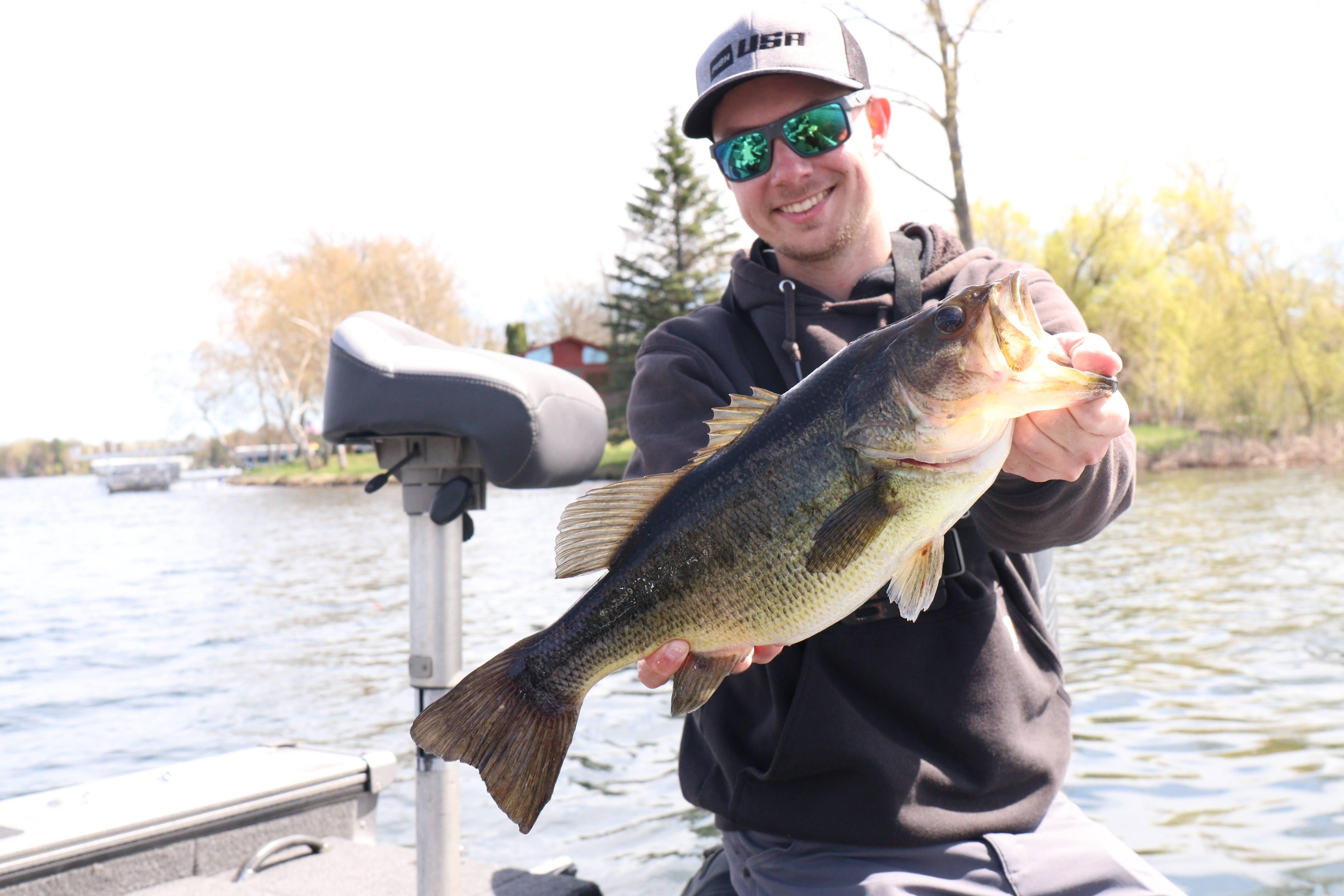
The pre-spawn period begins when water temperatures reach around 45°F to 55°F. During this phase, bass move from deep wintering areas toward shallower spawning grounds, feeding aggressively to build energy for spawning.
- Best Locations: Staging areas like secondary points, creek channels, and drop-offs near spawning flats.
- Best Lures: Jerkbaits, spinnerbaits, lipless crankbaits, and jigs.
- Fishing Tip: Target transition zones between deep and shallow water.
2. Spawn (Nesting & Guarding)
When water temperatures reach 60°F to 75°F, bass begin making nests in shallow, protected areas with sandy or gravel bottoms. Males fan out nests, while females lay eggs before leaving the males to guard them.
- Best Locations: Shallow flats, coves, and backwater areas with hard bottoms.
- Best Lures: Soft plastic creature baits, finesse worms, and drop shot rigs.
- Fishing Tip: Sight fishing is effective — look for circular beds in shallow water.
3. Post-Spawn (Recovery & Feeding)
After the spawn, females move back to deeper water to recover, while males stay near nests to protect fry. As the fry hatch and disperse, bass gradually return to their usual feeding patterns.
- Best Locations: Points, ledges, and deeper structure near spawning flats.
- Best Lures: Topwater lures, jigs, dropshots.
- Fishing Tip: Focus on bass moving away from spawning areas into slightly deeper water.
Learn more about Bass Feeding Habits – What Do Bass Eat?
How to Catch Bass During the Spawn
Fishing during the spawn can be highly productive if you understand how bass behave in each phase. Here are some effective techniques for targeting bass throughout the spawn cycle.
Pre-Spawn Fishing Techniques
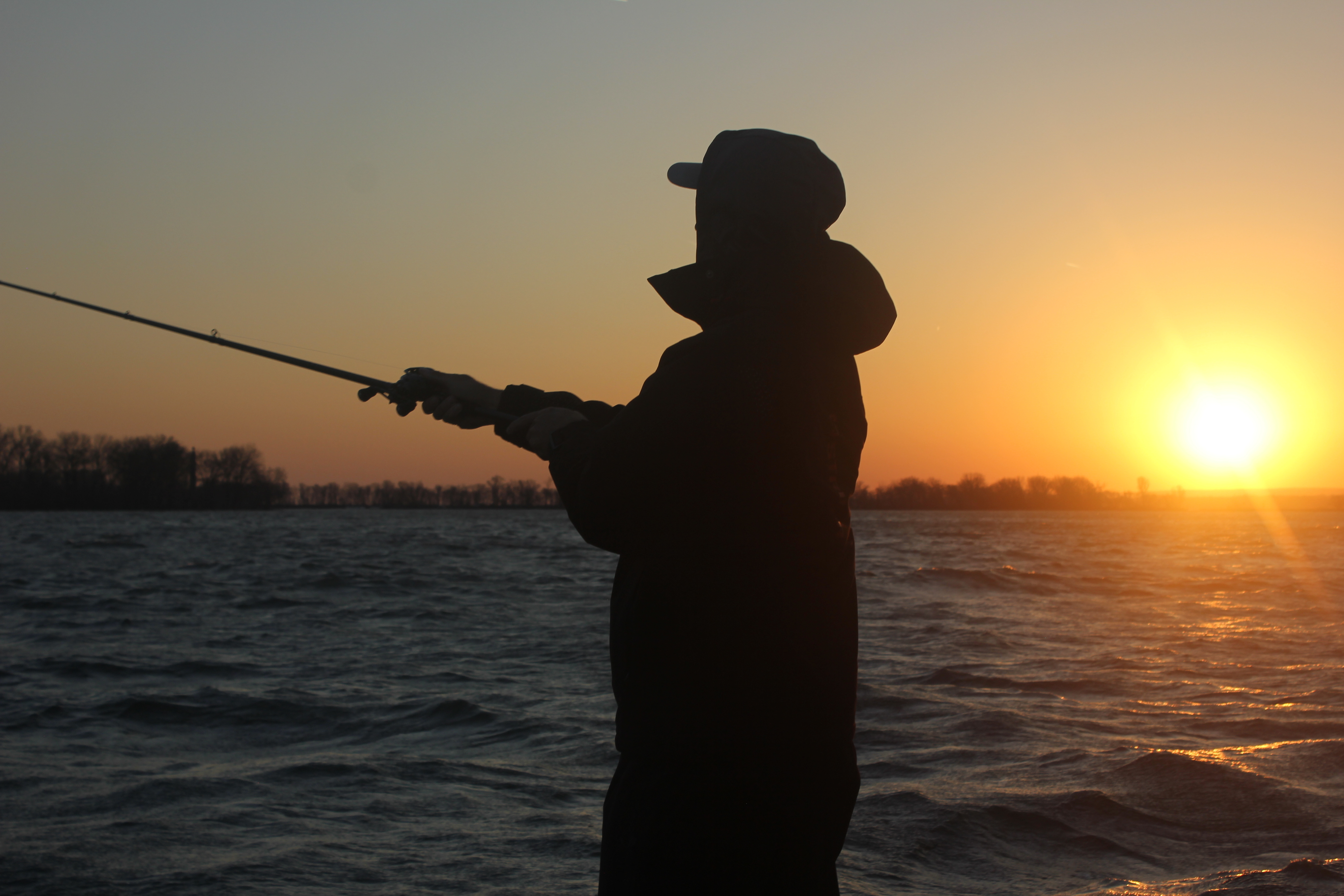
Since bass are actively feeding before the spawn, focus on using reaction baits to trigger aggressive strikes.
- Use Reaction Baits and Fish Fast: Pre-spawn offers the ability to fish fast and cover lots of water. Use reaction baits like jerkbaits, spinnerbaits, chatterbaits, and crankbaits and cover some water.
- Fish Transition Zones: Focus on steep sloping banks near shallow flats, structure on points at the mouths of pockets, and other areas near spawning flats.
Spawn Fishing Techniques
During the spawn, bass aggressively defend their nests, making them easier to catch with slow-moving lures.
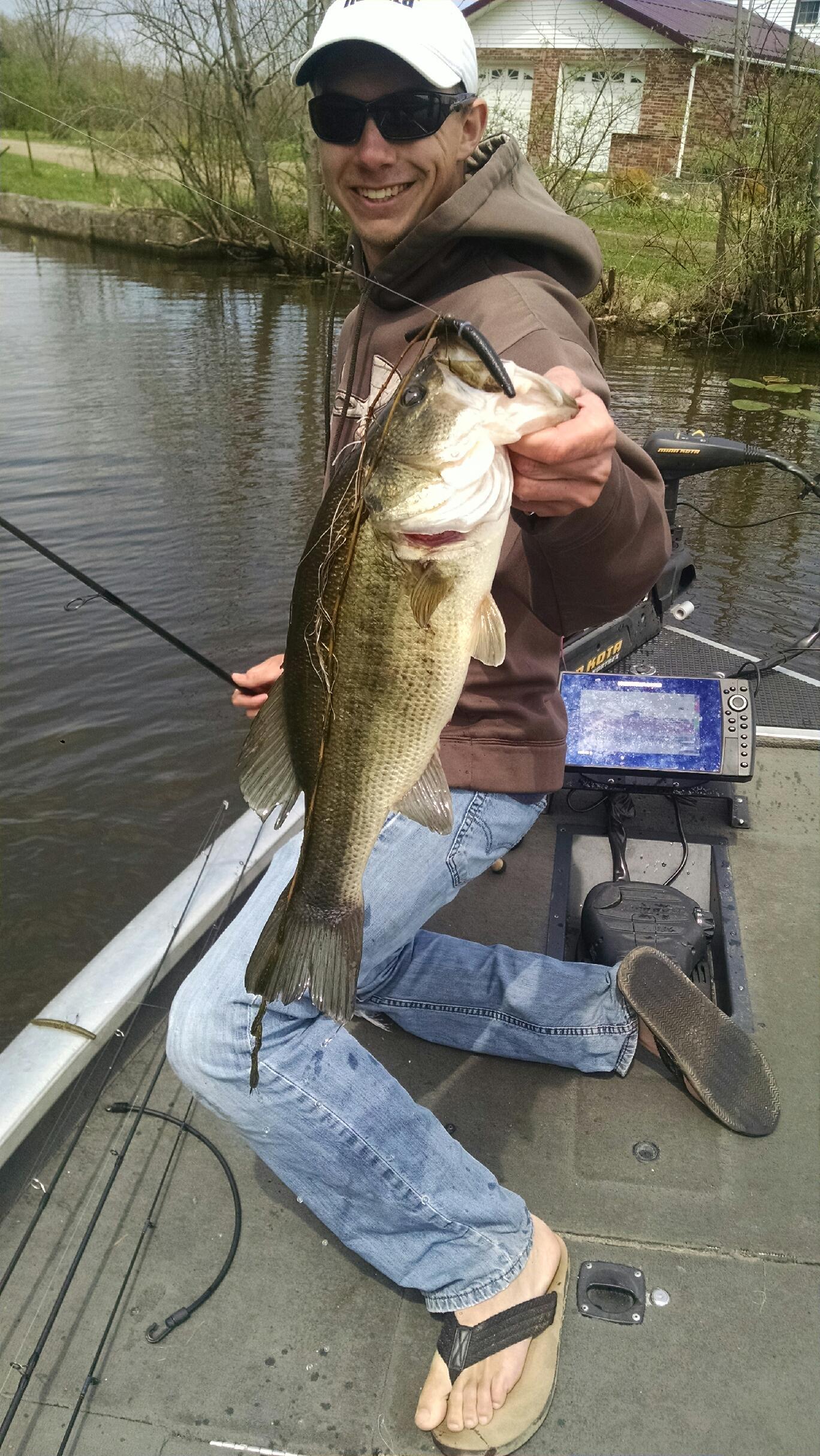
- Sight Fish for Beds: Look for circular nests in clear water and present soft plastics directly in them.
- Use Creature Baits: Bass attack anything near their nest, making Texas-rigged creature baits effective. See our picks for the best soft plastics for bass.
- Dropshot for Nesting Bass: A finesse dropshot rig lets you keep your bait near the nest without excessive movement. Our drop shot setup guide covers the rod, reel, and line to use.
Post-Spawn Fishing Techniques
As bass recover from spawning, their feeding patterns shift. Target post-spawn bass using a mix of topwater and slow-moving baits.
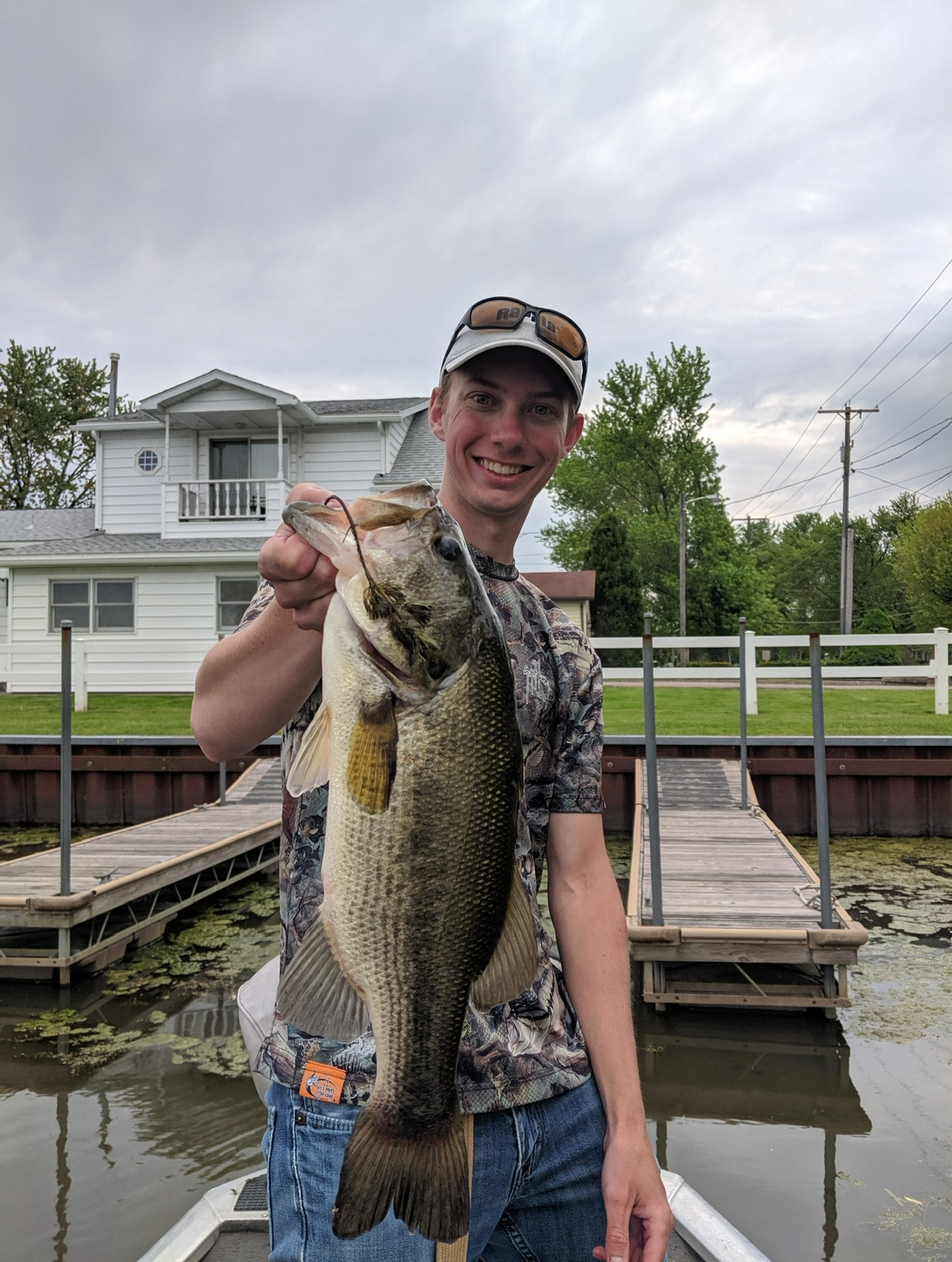
- Use Topwater Lures: Early morning and evening are best for walking baits, frogs, and poppers up shallow.
- Fish Swimbaits and Jigs: These lures work well around deeper transition areas and can be fished slow for lethargic bass.
- Target Shade and Cover: Bass seek cover as they recover from spawning stress.
Timing your trips around light and weather matters too — read our guide on the best time to fish for bass.
Catch and Release Best Practices During the Spawn
Since bass populations depend on successful spawning, it's crucial to practice ethical catch-and-release during this time.
- Minimize Handling: Handle bass gently and return them to the water quickly.
- Release Near Their Nest: If you catch a guarding male, release him close to the nest to protect the eggs.
- Avoid Overfishing Spawning Areas: Excessive fishing pressure can disrupt the spawn.

FAQs About the Bass Spawn
Largemouth bass spawn when water temperatures are between 55°F and 75°F, with peak spawning activity around 60°F to 65°F. Smallmouth bass prefer slightly colder water and usually spawn between 55°F and 65°F.
Bass spawn in spring for most of the United States, but the month depends on region. Largemouth spawn January to April in the Deep South, March to May in the southern states, April to June in the Midwest, and May to July in the northern states.
The three phases are pre-spawn, spawn, and post-spawn. In pre-spawn, bass stage near spawning flats and feed heavily. During the spawn, they build and guard nests in shallow water. In post-spawn, females recover in deeper water while males guard fry before bass return to normal feeding patterns.
For bass on beds, soft plastic creature baits, finesse worms, and drop shot rigs work best because they can be kept in the nest with minimal movement. In pre-spawn, reaction baits like jerkbaits, spinnerbaits, lipless crankbaits, and jigs are more effective.
The full spawning season can last several weeks to a few months on a single body of water, because not all bass spawn at the same time. Fish move up in waves as water temperatures rise, so pre-spawn, spawn, and post-spawn bass are often present on the same lake at once.
Bass build nests in shallow, protected areas with sandy or gravel bottoms, such as shallow flats, coves, and backwater areas with hard bottoms. Males fan out circular beds, which often look like light-colored patches on the bottom in clear water.
Fishing during the spawn is legal in many areas, but regulations vary, so check your local rules. If you fish for spawning bass, minimize handling, return fish quickly, release guarding males close to their nest to protect the eggs, and avoid putting excessive pressure on spawning areas.
Final Thoughts
Understanding the bass spawn is key to becoming a better angler. By knowing when and where bass spawn, adjusting your fishing techniques, and practicing ethical catch-and-release, you can enjoy some of the best fishing of the year while also protecting bass populations. Whether fishing the pre-spawn, spawn, or post-spawn, use these tips to maximize your success on the water.
Get ready for spawning season with bass baits and lures, bass casting rods, and bass spinning rods from FishUSA.