


/
/
Bass are opportunistic predators with a diverse diet that changes with the seasons. Understanding what they eat — and when — is the key to picking the right lure and putting more fish in the boat.
Last updated: October 2026 · By: FishUSA Staff
Understanding what bass eat is crucial for anglers who want to improve their catch rates. Bass are opportunistic predators with a diverse diet that changes based on their environment, size, and season. Their feeding habits revolve around availability, energy efficiency, and seasonal behavior. This guide explores the primary food sources for bass, seasonal feeding patterns, and the best bait choices for catching them.
Bass are apex predators in most freshwater environments, and their diet reflects that status. They eat whatever provides the best energy return with the least effort. As juveniles, they focus on insects and small crustaceans. As they grow, they shift to larger, higher-calorie prey. Adult bass diet typically includes:
Baitfish make up the largest portion of an adult bass's diet. Bass are built to chase and ambush fast-moving prey, and schooling baitfish give them the opportunity to feed efficiently. Understanding which baitfish are in your lake — and when — will help you select the right lure and presentation for maximum success.
Shad are one of the most common food sources for bass, especially in large lakes and reservoirs. Typically gizzard shad in northern regions and threadfin shad further south, they travel in schools, making them easy targets for bass.

Minnows and shiners — such as fathead minnows, spot tail shiners, and golden shiners — are a year-round food source for bass, especially in ponds, smaller lakes, and rivers. They are smaller than shad but just as effective at drawing strikes.

Herring are a less common food source for bass, but a primary forage where they do exist. Herring are common in large, deep reservoirs of the middle to southern United States. Bass in herring lakes will often roam offshore in pursuit of these nomadic baitfish.
Larger bass often target juvenile bluegill, sunfish, and perch, especially in shallow waters near vegetation. These panfish are high-calorie prey worth chasing for a big bass.
Crawfish are a staple in the bass diet, particularly around hard bottom, rock, or other structure. Their high protein content makes them an essential food source, and bass will go out of their way to root them out from the bottom.
Crawfish are most active from early spring to early fall. Bass will often hunt for them around rocks, logs, and stumps — anywhere crawfish can hide and molt.

While baitfish and crustaceans make up the majority of a bass's diet, they will also eat insects, frogs, and even small reptiles if the opportunity arises. These prey types are often seasonal and habitat-specific.
Juvenile bass rely heavily on insects and aquatic larvae before they transition to larger prey, but adults will take advantage of insect hatches as well. Large mayfly or dragonfly hatches can trigger surface feeding that looks more like trout behavior than bass behavior.
Topwater frogs are a great representation of the amphibians bass hunt near lily pads and weedy banks. A bass crushing a hollow-body frog on the surface is one of the most exciting strikes in freshwater fishing.
Although rare, bass will occasionally eat small snakes and lizards that fall into the water or swim through their territory. Large creature baits and worms dragged through shallow cover can draw reaction strikes from bass keying on reptilian prey.
Large bass have been known to eat mice, rats, and even small birds that fall into the water. This is more common in rivers and areas with overhanging trees, where terrestrial animals frequently enter the water. Giant swimbaits and large topwaters are the classic presentations for targeting trophy fish feeding on unusual prey.
The diet of bass changes with the seasons. Understanding these patterns will help you choose the right bait at the right time and present it where bass are actively feeding.
Spring is one of the most active feeding windows of the year. Bass aggressively feed to build energy reserves before and after the spawn.

In summer, bass can be found at a wide range of depths depending on water temperature and available forage. Early morning and evening surface activity is common, while midday fish often drop to deeper structure.

Fall is the baitfish season. Shad and minnows school up in massive numbers, and bass gorge on them before the cold sets in. Reaction baits that cover water quickly and match the size and profile of schooling baitfish are the top producers.
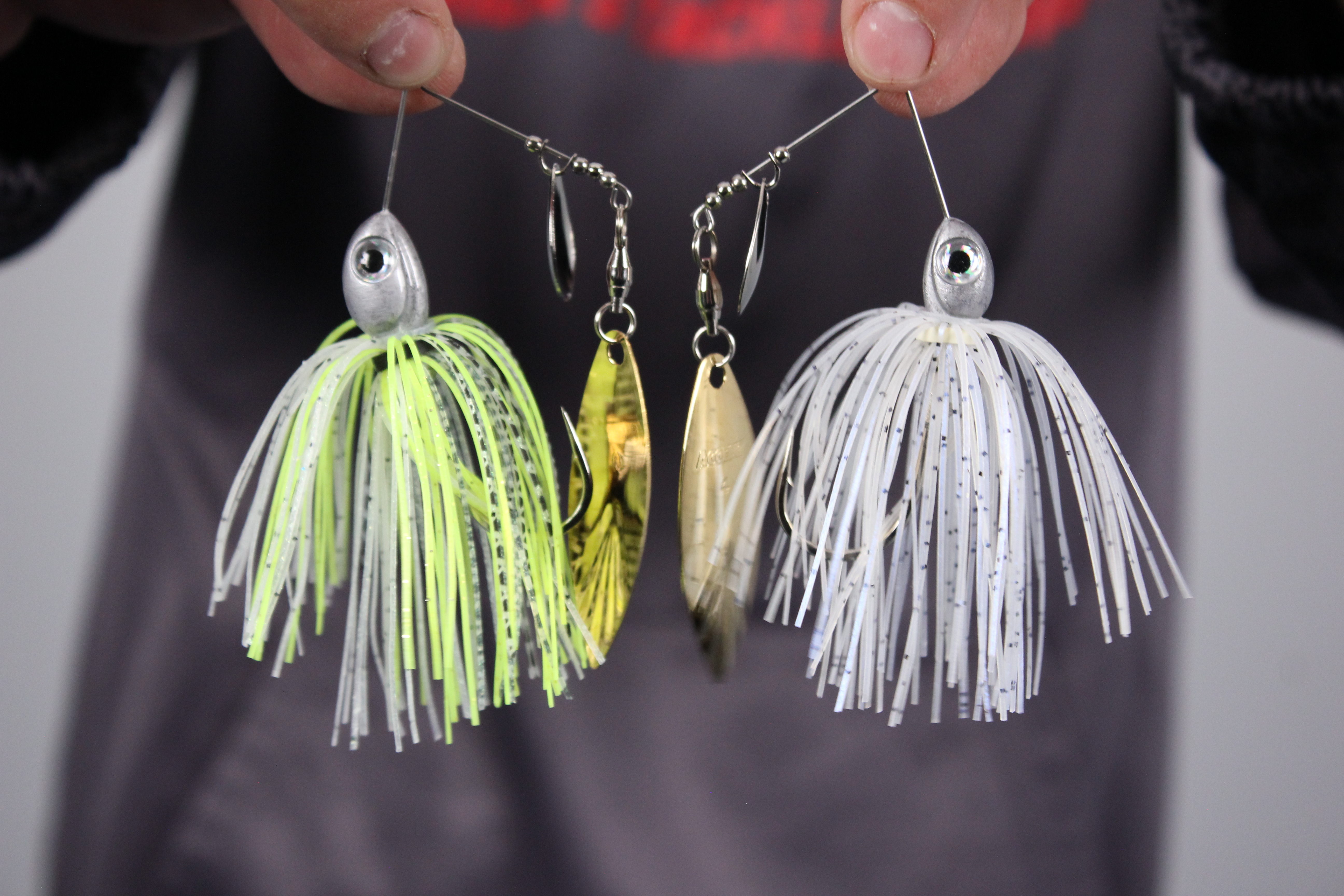
Cold water slows bass metabolism dramatically. They conserve energy and feed infrequently, but they do still eat. The key is finding deeper holding areas and presenting slow, finesse presentations that a lethargic bass can inhale without expending much energy.
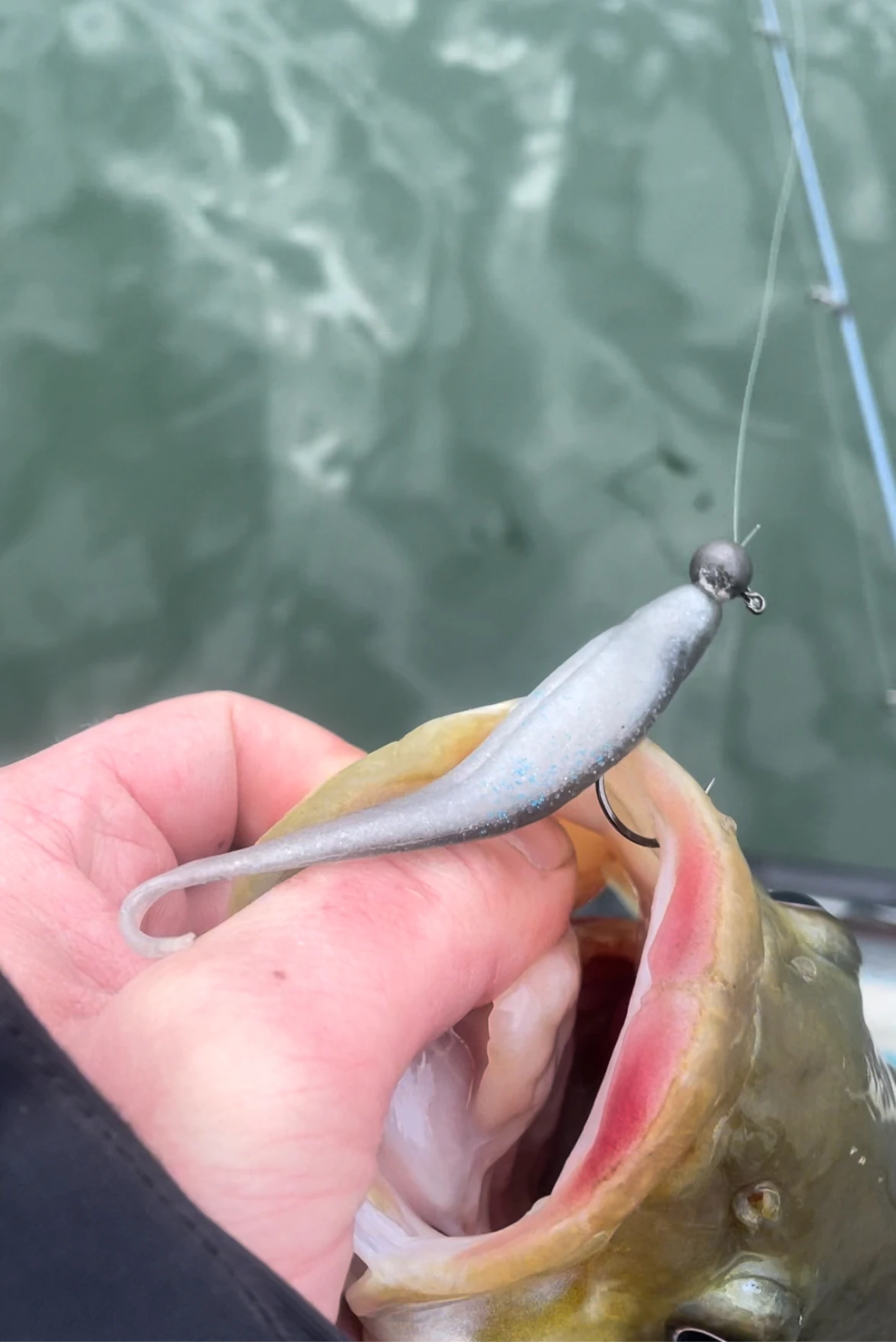
Largemouth bass eat a wide variety of prey, but shad, bluegill, and crawfish make up the majority of their diet in most lakes and reservoirs. They also eat minnows, frogs, and other available prey depending on the season and habitat.
Smallmouth bass have a similar diet to largemouth but tend to prefer crawfish and minnows more heavily. In rivers they also eat hellgrammites, aquatic insects, and gobies. Smallmouth in deep lakes often target schools of baitfish like shad or herring.
Yes, bass are aggressive predators that readily eat smaller fish, including juvenile bass of their own species. Their most common fish prey are shad, bluegill, minnows, and herring. Larger bass will target panfish and other forage fish near shoreline structure and vegetation.
Jigs and soft plastic craws best imitate crawfish. Swimbaits, jerkbaits, and spinnerbaits closely imitate shad and minnows. Hollow-body frogs are the top choice for imitating amphibians in heavy cover. Matching the dominant forage in your lake will produce the most consistent results.
Yes, bass actively hunt frogs and salamanders, especially in areas with lily pads, emergent weeds, and shallow vegetation. Hollow-body frogs and buzzbaits are the most effective lures for targeting bass feeding on amphibians. Late spring through early fall is the most productive window.
In winter, bass metabolism slows significantly and they feed less frequently, targeting smaller, easier-to-catch prey. Jigs, blade baits, and suspending jerkbaits are the most effective options because they can be worked slowly to match lethargic feeding behavior. Focusing on deep structure near wintering schools will put you on the most fish.
Bass are opportunistic predators that adjust their diet based on the environment and season. Whether they are hunting shad in open water, ambushing crawfish near rocky banks, or chasing bluegill in the shallows, understanding their feeding habits will improve your ability to catch them.
By selecting the right lures and mimicking their natural prey, you can increase your chances of success on the water. Pay attention to what forage is available in the lakes and rivers you fish, watch for seasonal transitions, and adjust your presentations accordingly. The more you think like a bass, the more fish you'll catch.
Hook Me Up!
Sign up for emails and texts to get exclusive updates and offers.
By providing your number above, you agree to receive recurring automated marketing text msgs (e.g. cart reminders) to the mobile number used at opt-in from FishUSA on 25043. Consent is not a condition of purchase. Msg frequency may vary. Msg & data rates may apply. Reply HELP for help and STOP to cancel. See Terms and Conditions & Privacy Policy