


Late Fall Muskie Fishing: Glide Baits, Suckers & the Cold-Water Window
Late fall is when many of the biggest muskies of the year are caught. The water is cold, the crowds are gone and heavy fish are feeding to put on weight before winter. Here is where they go after turnover, the baits and sucker rigs that catch them, and the gear and handling that cold weather demands.
Last updated: November 2026 · By: FishUSA Staff
Ask dedicated muskie anglers when they expect their biggest fish of the year and most will say late fall. When the leaves are off the trees, the water is in the 40s and the boat ramps are nearly empty, big female muskies are feeding hard to build reserves for winter. Fewer fish follow, but the ones that eat are often the heaviest you will see all season.
It is also demanding fishing. Days are short, the wind is cold, the bites are few and every mistake costs more, from a dull hook to a fish left out of the water too long. This guide covers how muskies behave as the water cools, where to find them, the baits and sucker rigs that work in the cold-water window, and how to handle fish safely when the air is below freezing.
Why Late Fall Produces the Biggest Muskies
A few things line up in late fall that make it the best trophy window of the year:
- Feeding for winter. As the water cools, muskies key on large, calorie-rich prey such as suckers, ciscoes, whitefish, walleye and big perch. Large fish often look for one big meal rather than many small ones.
- Females are at their heaviest. Female muskies are developing eggs for the spring spawn, so fish caught in late fall are often at or near their peak weight.
- Fish concentrate. Baitfish group up on predictable structure as the water cools, and muskies follow them. Instead of being spread across every weed flat, fish relate to fewer, more defined spots.
- Less pressure. Hunting seasons and cold weather pull most anglers off the water, so the fish see fewer baits.
The tradeoff is fewer total fish. Late fall muskie fishing is about patience, putting in hours on the best spots, and being ready when the one bite of the day comes.
Water Temperatures and Turnover
Water temperature is the best guide to what muskies are doing and how to fish for them. Use the ranges below as a general guide; every lake is different.
| Water Temp | What Muskies Are Doing | Presentations to Try |
|---|---|---|
| Mid to upper 50s °F | Fall transition; feeding around remaining weeds, rock and bait schools | Bucktails, big rubber, jerkbaits, glide baits, topwater on warm days |
| Around 50–55 °F | Turnover on many lakes; fish scattered and moods unpredictable | Cover water; fish shallow structure near deep water; try rivers and turned-over lakes |
| 40s °F | Prime trophy window; fish on deeper breaks, rock and bait | Glide baits, jerkbaits, big rubber, slow-rolled bucktails, sucker rigs |
| Upper 30s °F | Slower, shorter feeding windows, often midday | Slow glides with long pauses, rubber crawled near bottom, sucker rigs |
What Turnover Means for Muskies
In summer, many lakes stratify into a warm upper layer and a cold, deeper layer. As surface water cools in fall, it becomes denser and sinks, eventually mixing the whole lake. During and just after turnover, the water can look murky, smell off and show debris, and the fishing is often tough because fish and bait reposition.
Turnover does not happen at the same time on every lake. Shallow lakes turn over earlier than deep ones, so when one lake is in the middle of turnover, a nearby lake may already be past it or not there yet. If your lake has just turned, consider fishing a different one or a river for a week. Once the lake settles and stabilizes in the 40s, the fishing usually improves.
Where to Find Late Fall Muskies

Late fall muskies relate to food and to structure that offers quick access to deep water. Focus on these areas:
Deep Breaks and Steep Edges
Breaklines where shallow flats drop into deep water, steep points and the edges of deep basins concentrate bait and the muskies that follow it. Use your electronics to find bait schools along these edges and spend your time where the bait is.
Rock Bars, Reefs and Humps
Rock holds heat slightly longer and draws baitfish in late fall. Main-lake rock bars, reefs and humps near deep water are classic late fall muskie spots, especially on windy days when bait gets pushed onto them.
Remaining Green Weeds
As most weeds die off, any remaining green cabbage or other healthy weeds become magnets for baitfish and muskies. If you find green weeds near deep water late in the year, fish them thoroughly.
River Mouths and Rivers
River mouths and the deeper holes in rivers attract baitfish and muskies in late fall. Rivers also do not go through turnover the way lakes do, which makes them a good option when nearby lakes are turning over. Focus on deep holes, outside bends and current breaks.
Open Water and Suspended Fish
On some lakes, muskies roam open basins after schools of ciscoes or other suspended baitfish. If you see suspended bait over deep water, consider casting or trolling over it, and always follow local regulations on trolling.
Late Fall Muskie Baits
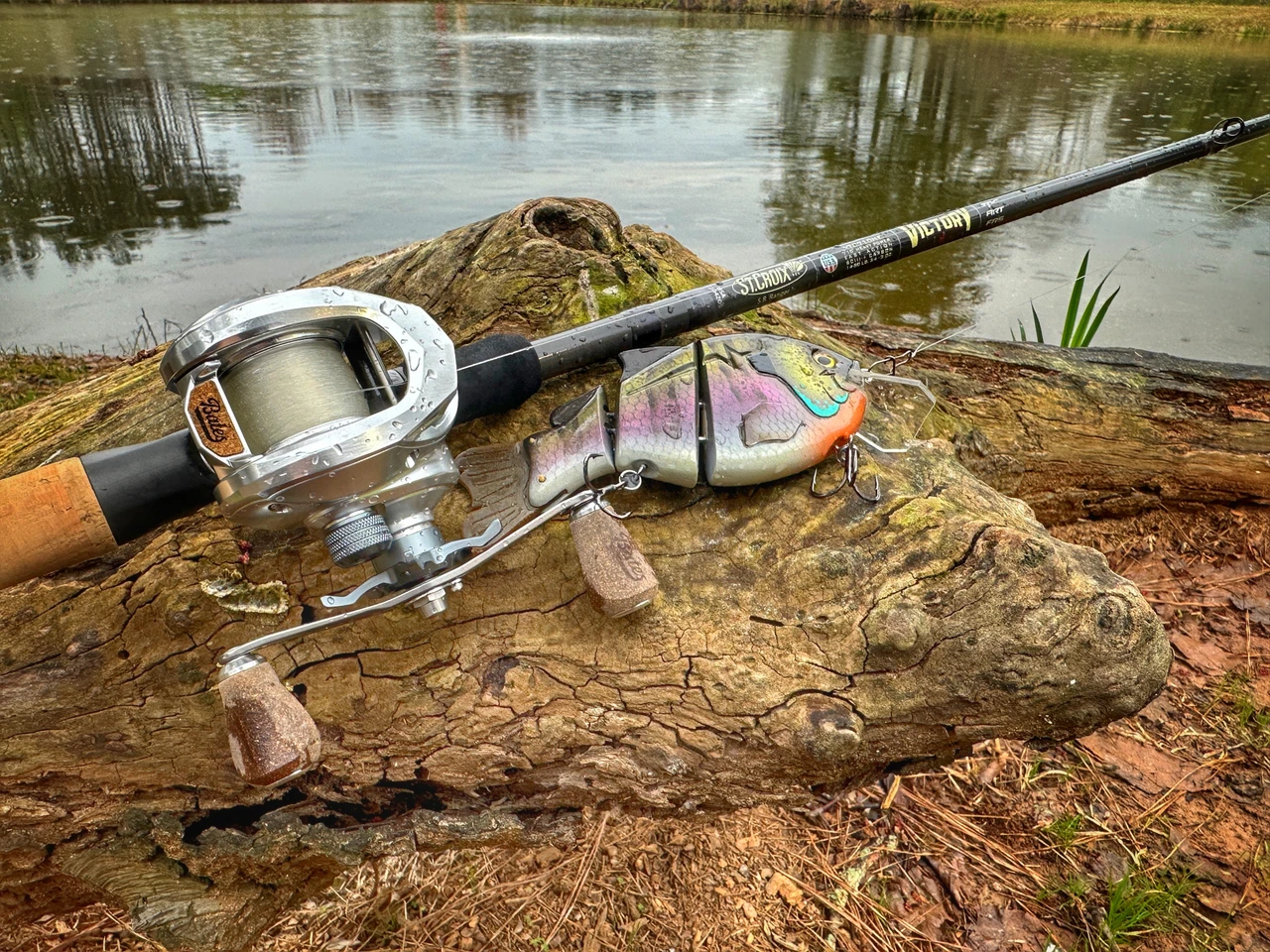
As the water cools, muskies are less willing to chase fast baits long distances. Lures you can work slowly, pause and keep in the strike zone become more effective. Many anglers also go bigger in late fall to match the larger prey muskies are eating.
Glide Baits
Glide baits are hard baits that walk side to side underwater with each turn of the reel or pull of the rod. In cold water they excel because you can work them slowly, pause them and keep them right in front of a fish. Give the bait a sharp, short pull or a few cranks to make it glide, then pause. Many bites come during the pause or as the bait turns. Rhythm matters: a smooth, consistent cadence usually produces the best action.
Jerkbaits
Jerkbaits move up and down or dart erratically as you pull them with the rod. Sinking jerkbaits can be counted down and worked in deeper water along breaks. Like glides, they let you pause and keep the bait in a small area, which is valuable when muskies are slow.

A long-time muskie staple, the balsa Super Shad Rap can be cranked steadily or worked with pulls and pauses, and it rises slowly when you stop it. That makes it a versatile option when fish want a big baitfish profile but will not chase far.
Big Rubber Baits
Large soft plastic swimbaits, often called big rubber, are a late fall staple, with Bulldawg-style baits being the best known. They have a big profile, move a lot of water and can be fished at nearly any depth. Count them down to the depth you want, then use a slow, steady retrieve or a lift-and-drop motion with pauses. In the coldest water, crawl them slowly along deep breaks and rock and let them fall back to the bottom.
Slow-Rolled Bucktails
Bucktails are a summer favorite, but they still catch muskies in the cold when fished slowly and deeper. Use a bucktail with a weighted head or a larger blade and slow-roll it just fast enough to turn the blades, letting it run deeper along breaks and over rock. This can be effective early in late fall before the water gets very cold.
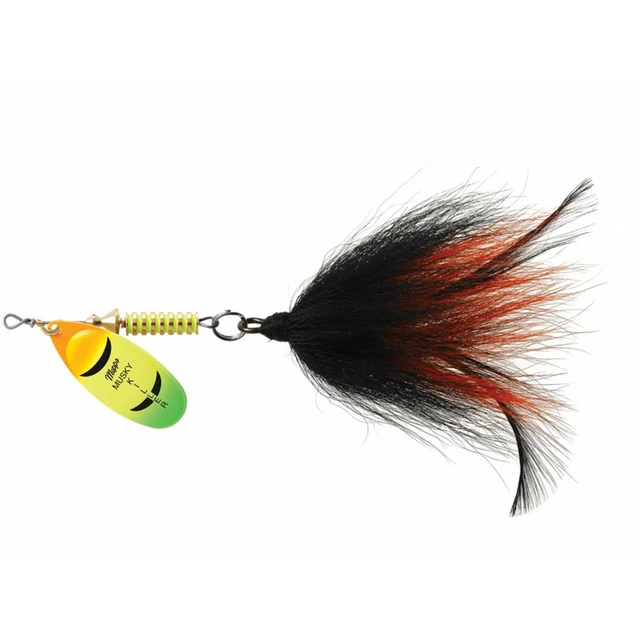
The Musky Killer is a classic bucktail spinner for muskie and pike. Slow-roll it along breaks and over rock early in the late fall period, when fish will still move to a spinning blade.
Quick-Strike Sucker Rigs
Live suckers are one of the most effective ways to catch big muskies in late fall. A large sucker struggling on a rig is hard for a cold, slow muskie to resist. Many anglers fish a sucker on a rod in a holder while they cast artificial baits, so a fish that follows a lure to the boat may turn and eat the sucker instead.
Check local regulations first. Rules on live bait, number of lines, rig types and hook requirements vary by state, province and water body. Some waters prohibit certain rigs or require specific hooks. Always confirm before you fish.
Why Quick-Strike Rigs
A quick-strike rig uses two treble or single hooks attached along the sucker's side or back, so you can set the hook soon after a muskie takes the bait. Setting the hook quickly helps prevent the fish from swallowing the bait and hooks deep, which is a major concern for releasing fish in good shape. Avoid rigs or techniques that let a muskie swallow the bait and run for a long time.
How to Fish Them
- Use a heavy rod and a reel with a smooth drag. Many anglers use a reel with a clicker or bait-feeding feature so the fish can take line without feeling resistance.
- Hook the sucker so it swims naturally and stays lively. Keep extra suckers in a bait bucket with fresh, aerated water.
- Set the sucker at a depth just above weeds or near the depth where you see bait or fish.
- When a muskie takes the sucker, reel down until you feel weight, then set the hook firmly. Do not wait.
Figure-8s in Cold Water
Many muskies follow a bait to the boat without striking. The figure-8 is a technique where you keep the bait moving at the end of every cast by pushing your rod tip into the water and sweeping it in a large figure-8 or oval pattern. Turns often trigger a following muskie to strike.
In cold water, adjust the technique:
- Slow down. Cold muskies are less likely to chase a fast-moving bait. Make wider, slower turns and keep the bait close to the fish's level.
- Go deep. Push your rod tip deeper into the water so the bait stays below the surface and in the fish's line of sight.
- Don't stop early. Keep the figure-8 going for several turns after you see a fish, and do one on every cast, even when you do not see a follow.
- Use the right rod length. Longer rods make bigger, smoother figure-8s easier.
Keep your reel set so you can engage the drag quickly when a fish eats at the boat. Strikes at boatside are violent and happen close to you, so be ready.
Late Fall Muskie Gear

Late fall baits are big and the fish are heavy, so your gear needs to handle both. It also needs to handle cold, wet conditions.
Rods and Reels
Heavy to extra-heavy casting rods in the 8 to 9 foot range are standard for muskie fishing. Longer rods help with casting distance, hooksets on long casts, figure-8s and controlling big fish at the boat. Pair them with a strong, high-capacity casting reel with a smooth drag. Match the rod's power to your heaviest baits, especially big rubber and large glides.
Line and Leaders
Braided line in the 80 to 100 lb class is standard for muskie fishing. It has the strength to handle big fish and heavy baits, and its lack of stretch helps drive hooks home on long casts. Always use a leader. Muskies have sharp teeth that will cut through line. Heavy fluorocarbon leaders, often in the 100 lb class or heavier, and wire leaders are both common. Use a leader long enough for figure-8s and to protect against a fish rolling in the line, and check it often for damage.
Nets and Release Tools
A large muskie net with a deep, rubber-coated or knotless mesh bag lets you land fish quickly and keep them in the water while you unhook them. Keep long-nose pliers, heavy-duty hook cutters and jaw spreaders within reach in the boat. Hook cutters are especially important: cutting a hook is often faster and safer for the fish than trying to remove a deeply embedded treble.
Rod: Okuma EVx B-Series Musky Casting Rods
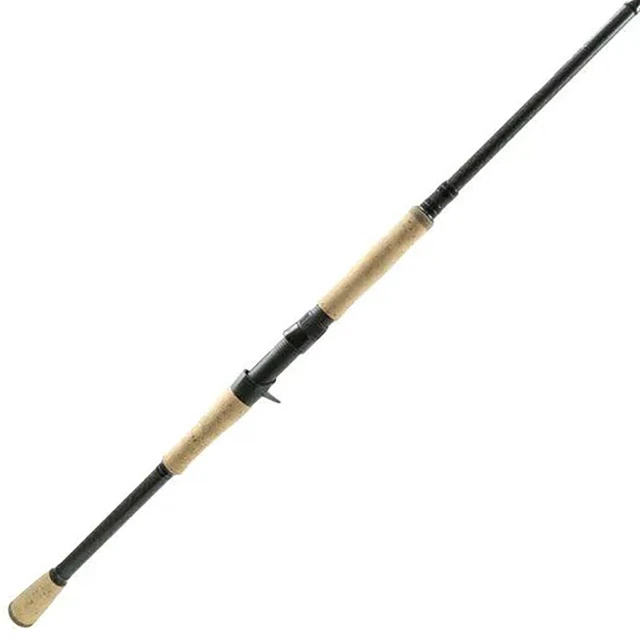
A purpose-built muskie casting rod with a 24-ton carbon blank and Sea Guide frames. Choose the length and power that match the size of the baits you throw most in late fall.
Leader: Cortland Tie-Able Stainless Steel Leader Material
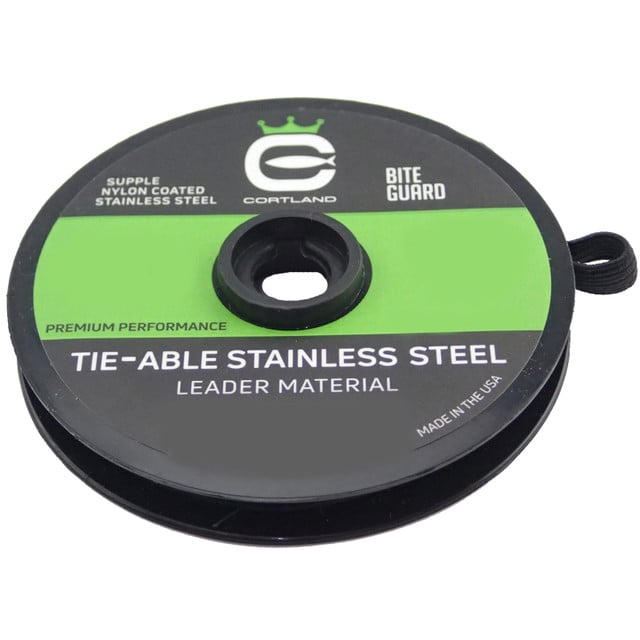
This nylon-coated stainless steel leader material can be tied with knots, so you can build custom leaders in the length you want. Choose a strength suited to muskie and check leaders often for kinks.
Net: Beckman Coated Net

A coated, flat-bottom basket is easier on a fish's slime and fins and less likely to tangle hooks. For muskie, choose the largest hoop size available so the fish can rest in the net in the water while you unhook it. Our guide to the best fishing nets covers more options.
Pliers: FishUSA Long Nose Fishing Pliers

At 11 inches long, these forged steel pliers help you reach hooks deep in a muskie's mouth while keeping your hands away from its teeth.
Hook Cutters: Bubba Blade Forged Wire Cutters
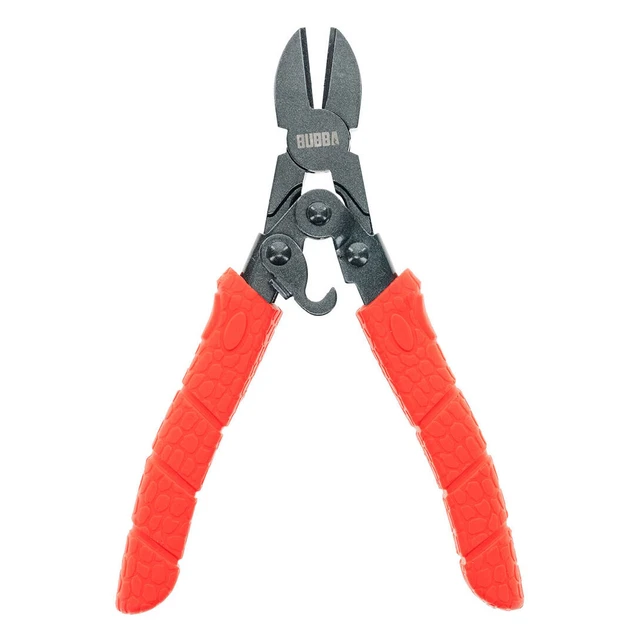
When a treble is buried, cutting the hook is often the fastest way to free the fish. These forged cutters handle hooks up to 8/0 as well as wire and leaders.
Handling Muskies in Cold Air
Proper handling is important any time of year, but late fall brings a specific risk: cold air. When air temperatures are below freezing, a muskie's gills and eyes can be damaged quickly when the fish is lifted out of the water. Follow these guidelines:
- Keep the fish in the net and in the water while you unhook it. A good net acts as a holding pen.
- Have tools and camera ready before you lift the fish, so it is out of the water for as little time as possible.
- Limit air exposure. In freezing temperatures, keep photos quick or take them with the fish partially in the water.
- Support the fish horizontally. Hold a muskie with one hand under the belly and the other under the gill plate, never by the eyes or gills.
- Revive the fish fully. Hold it upright in the water until it swims away on its own.
Cold water is also dangerous for anglers. Wear a life jacket, attach your kill switch, dress in layers, and let someone know your plans. Late fall weather changes quickly, and big lakes can become rough in a hurry.
If you plan to keep chasing muskies after the lakes lock up, our guide to ice fishing for muskie covers the tactics for hard water.
Frequently Asked Questions
Late fall muskie fishing is usually best once lakes have finished turning over and water temperatures settle into the 40s Fahrenheit, often from late October through freeze-up in the northern United States and Canada. Timing varies by lake and region, so track water temperature rather than the calendar.
Many anglers consider water in the 40s Fahrenheit the prime trophy window for muskies. In that range muskies concentrate on deep breaks, rock and baitfish schools and feed heavily on large prey before winter. Muskies are still caught in the upper 30s, but feeding windows are usually shorter.
Yes. During fall turnover a lake's layers mix, the water can look murky and fish and baitfish reposition, which often makes fishing tough for a week or more. Shallow lakes turn over earlier than deep lakes, so fishing a lake that has already turned, or a river that does not stratify, is a good way to avoid the worst of it.
Proven late fall muskie lures include glide baits, jerkbaits, big soft plastic swimbaits often called big rubber, and bucktails slow-rolled deeper along breaks. Baits that can be worked slowly, paused and kept in the strike zone tend to perform best as the water gets colder.
Regulations on live bait, rig types, hooks and the number of lines vary by state, province and individual water body. Many waters allow quick-strike sucker rigs, but some restrict them or require specific hooks. Always check the current regulations for the exact water you plan to fish before using one.
Yes. Muskies still follow baits to the boat in cold water, and a figure-8 at the end of every cast often triggers a strike. In cold water make wider, slower turns, push the rod tip deeper so the bait stays in the fish's line of sight, and keep the figure-8 going for several turns.
Most muskie anglers use 80 to 100 lb braided line for strength and hook-setting power with heavy baits. A leader is essential because muskie teeth cut through line easily. Heavy fluorocarbon leaders, often 100 lb test or heavier, and wire leaders are both common choices.
Keep the muskie in the net and in the water while you unhook it, have tools and camera ready before lifting it, and keep it out of the water only briefly, because freezing air can damage the gills and eyes quickly. Support the fish horizontally and revive it upright in the water until it swims away on its own.
Final Thoughts
Late fall muskie fishing is not for everyone. It is cold, the bites are few and the days are short. But it is the best chance many anglers will have at the biggest muskie of their lives. Watch your water temperature and the timing of turnover, focus on deep breaks, rock, remaining green weeds and rivers, and slow down with glide baits, jerkbaits, big rubber and slow-rolled bucktails. Where it is legal, a quick-strike sucker rig adds another chance at a big fish.
Make sure your gear is up to the task, and handle every fish with care in the cold air. Stock up on casting rods, leader material and boat nets at FishUSA before your next late fall trip.