


/
/
When walleye metabolism slows and jigs stop producing, a suspending jerkbait that hangs in the strike zone can be the answer. Here's how to fish them right.
Last updated: October 2026 · By: FishUSA Staff
While jigs are a tried-and-true presentation for cold water walleye, there's another highly effective option that often gets overlooked — suspending jerkbaits. These hard plastic lures have a natural minnow profile, frequently include internal rattles, and most importantly, suspend perfectly still in the water column when paused. That ability to hang in place is the secret behind their cold-water effectiveness.
Popular choices include the Rapala X-Rap and the Rapala Husky Jerk. These suspending jerkbaits come in various sizes and colors, allowing anglers to match the hatch and tailor the presentation to conditions. When used correctly, they can be absolutely deadly in early spring and late fall.
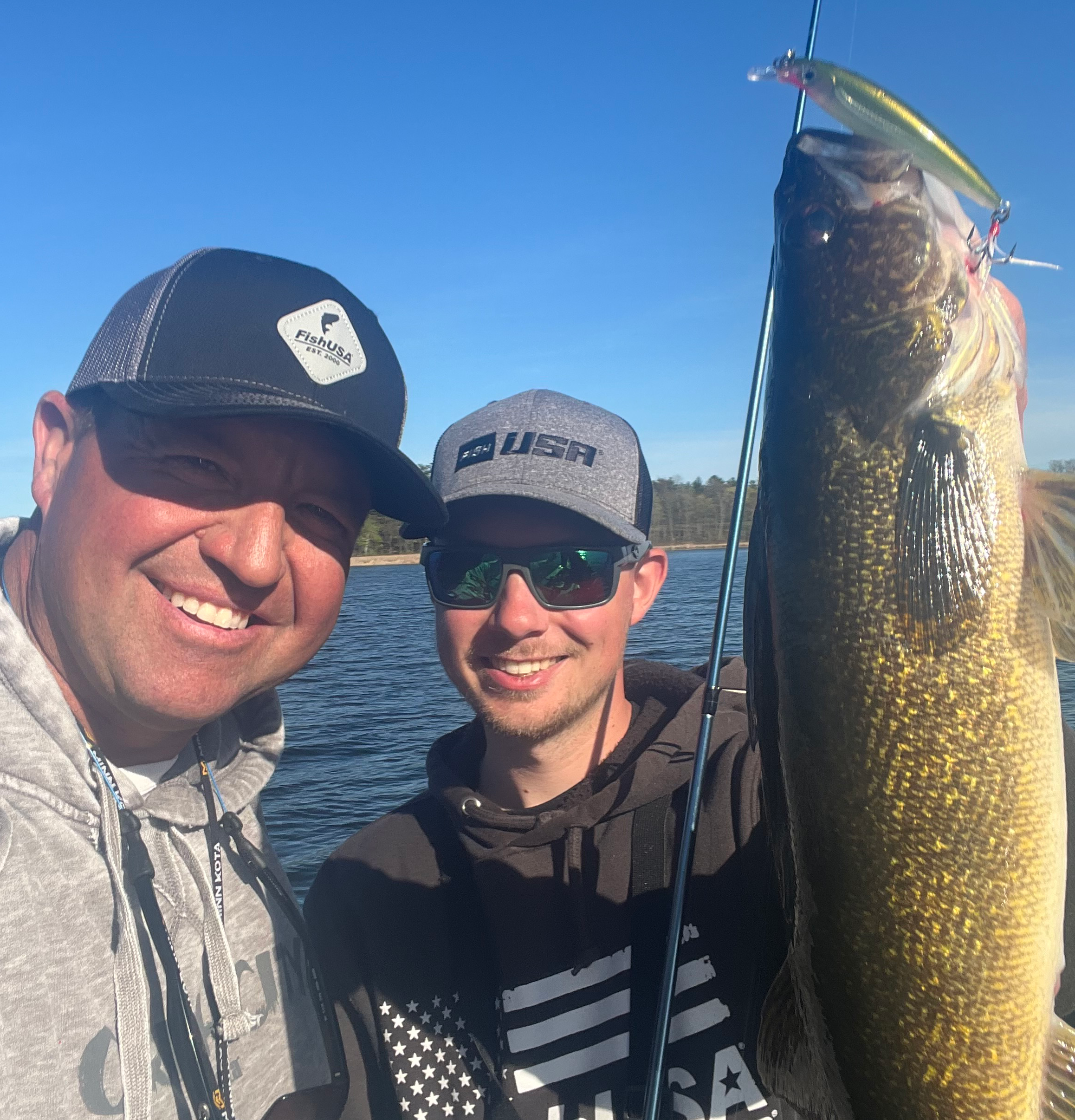
This technique shines on sunny, calm spring days when water temperatures are still cold but gradually warming. In early spring, fish seek the warmest areas in a lake or river — typically shallow water zones that heat up quickly under the sun. Look for water in the 1–3 ft range, especially areas adjacent to deeper water (5–8 ft or more) where fish can quickly retreat if needed.
Structure is also key. Rocks, timber, and wood capture and retain heat from the sun, creating attractive ambush points. These locations hold not only baitfish but also the larger predators that follow them.
Fishing these ultra-shallow zones requires baits that run shallow. The Rapala X-Rap #6 is a prime choice because it runs in the 3–5 ft depth range. This allows anglers to work the bait along shallow flats and bring it down the drop-off, triggering bites from fish sitting at various depths.
In cold water, walleye metabolism slows dramatically. They won't chase down fast-moving prey, so the goal is to make a lure appear like an easy, vulnerable target — a meal that's worth minimal effort. That's what makes suspending jerkbaits so effective: they hang in the strike zone long enough to draw interest from even the laziest fish.
The retrieve style matters. This isn't a power-fishing technique — it's a finesse game. The lure should look like a struggling minnow, perhaps an age-1 perch or walleye. Three retrieves stand out:
Don't rush. Some days, the slower the retrieve and the longer the pause, the better. Experiment with timing — try 2-second, 5-second, even 10-second pauses. Focus on one area and cover it thoroughly. This isn't about covering water quickly; it's about presenting to fish in a small zone where they're known to be holding.

Why does this technique work so well? In early spring, prey options are limited. Many baitfish from the previous year have grown too large to eat easily. Yet predators like walleye still seek high-protein meals — just ones they don't have to chase.
A suspending jerkbait presents a high-calorie meal that stays within easy reach. Walleye don't want to burn energy foraging in cold water. When a bait hangs in their face and twitches slightly, it triggers a response. It mimics a dying baitfish or an injured forage item that can be eaten with minimal effort. That's the key — make it look easy.
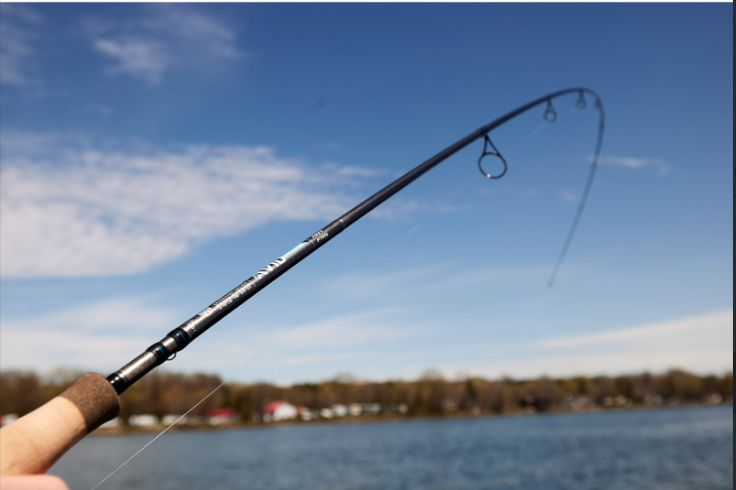
Use light to medium spinning gear with fluorocarbon or a fluorocarbon leader to help keep the bait neutrally buoyant. Braided mainline offers excellent sensitivity, but adding a fluorocarbon leader reduces line visibility and improves bait action. Keep hooks sharp — strikes may be subtle and often occur during the pause rather than the retrieve.
Suspending jerkbaits are hard plastic lures designed to hang motionless in the water column when the retrieve is paused. In cold water, walleye metabolism slows and fish become reluctant to chase fast-moving prey. A suspending jerkbait stays in the strike zone long enough to tempt even lethargic fish — it mimics an injured or dying baitfish that requires almost no energy to eat, which is exactly what cold-water walleye are looking for.
Early spring and late fall are the prime seasons. In spring, sunny calm days with gradually warming water temperatures — typically in the 38–50°F range — trigger walleye to move shallow and hunt. In fall, as water cools and baitfish become sluggish, a suspending jerkbait again matches the mood of the forage. The most productive windows are often midday on sunny spring days when shallow water warms fastest.
Slow and deliberate retrieves with extended pauses produce the most bites. The three main techniques are: a straight retrieve with pauses (reel slowly, stop every few feet, let the bait hang), a jerk-pause retrieve (sharp rod-tip twitches between pauses for flash and vibration), and a drag-pause retrieve (slowly drag the rod tip back, reel in slack for subtle motion). Experiment with pause lengths — 2, 5, or even 10 seconds — until you find what triggers strikes on a given day.
The Rapala X-Rap #6 (about 2.5") is a top choice for early spring because it runs in the 3–5 ft depth range, ideal for the shallow sun-warmed flats where cold-water walleye concentrate. The Rapala Husky Jerk in HJ8 or HJ10 covers a slightly deeper range and works well along drop-offs. Choose smaller profiles (2"–3") to match limited baitfish options in early spring, or go larger (4"–5") when targeting trophy fish in fall.
Light to medium spinning gear with a fast-action rod in the 6'6"–7' range is standard. Braided mainline (6–10 lb) provides excellent sensitivity for detecting subtle strikes, paired with an 8–12 lb fluorocarbon leader to reduce visibility and keep bait action neutral. Fluorocarbon's density — closer to water than mono or braid — helps the jerkbait suspend more naturally. Keep hooks sharp; cold-water bites are often gentle taps that happen during the pause.
Yes. Fall is the second prime window for suspending jerkbaits. As water temperatures drop in autumn, baitfish slow down and walleye shift from aggressive pursuit to opportunistic feeding — the same behavior that makes suspending lures effective in spring. Focus on rocky points, riprap banks, and transitions between shallow flats and deeper structure. The same retrieve styles apply: slow down, extend pauses, and let the bait do the work.
When a sunny day with rising temperatures arrives, don't overlook the shallows. Suspending jerkbaits like the Rapala X-Rap or Husky Jerk can target lethargic spring and fall walleye when nothing else gets a reaction. Focus on areas that warm up quickly, experiment with retrieves until you find the right cadence, and let the bait do the work. The combination of realistic size, flash, vibration, and the ability to suspend is irresistible to cold-water fish.
Stay focused, stay patient — when presented with an easy meal, even the laziest walleye will bite.
Hook Me Up!
Sign up for emails and texts to get exclusive updates and offers.
By providing your number above, you agree to receive recurring automated marketing text msgs (e.g. cart reminders) to the mobile number used at opt-in from FishUSA on 25043. Consent is not a condition of purchase. Msg frequency may vary. Msg & data rates may apply. Reply HELP for help and STOP to cancel. See Terms and Conditions & Privacy Policy