

BFS Fishing – A Complete Guide to Bait Finesse System
BFS Fishing: A Complete Guide to the Bait Finesse System
BFS has taken the bass fishing world by storm — but what exactly is it, where did it come from, and what gear do you need? This guide covers everything from the origins of the technique to the best reels, rods, line, and baits to get started.
Last updated: July 2026 · By: FishUSA Staff
What Is BFS Fishing?
BFS is an acronym that stands for Bait Finesse System — a term you may have heard getting thrown around a lot lately in the bass fishing world.
The BFS system consists of a baitcasting reel with a shallow, lightweight spool paired up with a baitcasting rod that has a lighter action than what’s typical. It’s essentially a baitcasting setup designed to be fished with light lines and lightweight lures that would traditionally be fished on spinning tackle. These reels typically weigh less than 7 oz, have a low max drag, and are much smaller and more compact than your typical baitcasting reel. Pair one up with a light action casting rod that won’t snap 6 lb test on a hookset and you have a state-of-the-art baitcasting system capable of slinging as light a bait as you desire.
However, you may ask yourself: why not just use a spinning outfit for these finesse techniques? If it ain’t broke, don’t fix it, right? We’ll discuss this in the next section.
The Origins of the Bait Finesse System
BFS originated for one main reason — highly pressured and finicky fish. Like many other modern bass fishing techniques, BFS originated in Japan and was later adopted by American anglers.
There are two potential ways the technique came to be:
- Involving trout fishing
- Involving largemouth bass fishing
The mountains of Japan contain some beautiful streams inhabited by finicky and line-shy trout. It is believed that Japanese trout anglers wanted to target these fish using casting gear to make more accurate casts, and quite simply because using casting gear is fun. However, no casting setup existed light enough to use the desired line or bait needed to fish for these trout, and thus, BFS was born.
Bass fishing, though, is also extremely popular in Japan, but there are significantly fewer places to do it there than in the United States, leading to extremely pressured fish that are difficult to fool with any presentation other than light lines and small lures.
Many bass anglers are also significantly more comfortable using casting gear than spinning gear. This preference to use casting gear paired with the need to finesse fish may have also birthed the technique of Bait Finesse System fishing. Although the same diameter line may be used on a BFS setup as a spinning setup, a casting reel typically has a faster gear ratio than most spinning reels, allowing for more line pickup and more control over a fish.
A well-dialed-in BFS outfit can also make deadly accurate casts and launch a light bait incredibly far. Regardless of how the technique came to be, American anglers have discovered and taken full advantage of it.
Why Is BFS So Popular Now?
Bass fishing in America continues to grow in popularity every year. There are more anglers on the water than there ever have been before, and the countless legendary bass lakes all over the country become more and more pressured as more people adopt the sport. Not only that, but incredible advancements in technology have also majorly changed the game.
With forward-facing sonar, anglers can now physically see how fish are reacting to their baits and more easily cast right on their noses. This takes all the guesswork out of knowing if you’re actually around fish and gives an angler the confidence to work their baits very slow with finesse tactics.
Damiki rigging, or fishing vertically for fish suspended off the bottom, has also never been easier thanks to forward-facing sonar. BFS outfits are ideal for this style of fishing as well as Neko rigging, dropshotting, and many other finesse tactics. It’s also no secret that many American bass anglers prefer casting gear to spinning gear, especially in southern states.
There are many southern bass anglers that don’t even own a spinning rod. However, the intense fishing pressure as of late has demanded that bass anglers have more of a finesse approach to these pressured fisheries, and BFS has allowed those who prefer casting gear to put finicky largemouth in the boat.
This technique is not just for southern largemouth anglers, either. Up north, there are many lakes with gin-clear water that allows finicky, sight-feeding smallmouth and largemouth to pick out any irregularity in even the most dialed-in presentation. BFS allows these anglers to use casting gear to target these fish.
A scenario where BFS shines for big northern bass
- Water is gin clear and heavy tournament pressure has made fish extremely wary
- You’re fishing small holes in the grass with drop shots and ned rigs
- Big bass pull into the grass when hooked and throw the hook on spinning tackle
- A BFS casting setup with 15 lb braid and a 6–10 lb fluorocarbon leader lets you pitch accurately to grass holes and put more pressure on the fish to increase your landing percentage
BFS doesn’t have to be for just bass either. Many American crappie and trout anglers have adopted the technique as well and are raving about it.
BFS Gear
Daiwa and Shimano have paved the way for developing BFS-specific products, but other companies such as St. Croix, Cashion, Lamiglas, and Dobyns have also expanded their product lines to include BFS-capable rods.
BFS Reels
What is a BFS reel? A BFS reel is a baitcasting reel specifically engineered to handle light lines and lures. This reel is a critical component of the BFS fishing setup, providing the necessary control and precision for light tackle applications.
See our full buying guide for the Best BFS Reels.
Daiwa Tatula SV TW70 Low-Profile Casting Reel

| Specification | Details |
|---|---|
| Weight | 6.5 oz. |
| Gear Ratio | 6.3:1, 7:1.1, & 8:1.1 models |
| Line Capacity | 110 yds / 8 lb mono · 70 yds / 20 lb braid |
| Max Drag | 9.9 lbs. |
Key features:
- T-Wing System — Allows for less resistance when casting to help increase casting distance.
- Hyper Drive Digigear — Continuous strong and smooth rotation achieves increased meshing ratio without reducing gear tooth size.
- Hyper Armed Housing — Aluminum frame and side plate decreases weight and makes reel extremely compact.
- Hyper Double Support — Two bearing support with the pinion gear eliminates flex for ultra-smooth retrieve and gear rotation.
- Hyper Tough Clutch — Allows for sharp on/off performance with protection in saltwater.
Need more line capacity?
Try the Daiwa Tatula TW80 — same features as the TW70 but with a slightly larger spool. Good for 12–14 lb mono or fluorocarbon and 30–40 lb braid (110 yds / 12 lb mono · 95 yds / 30 lb braid).
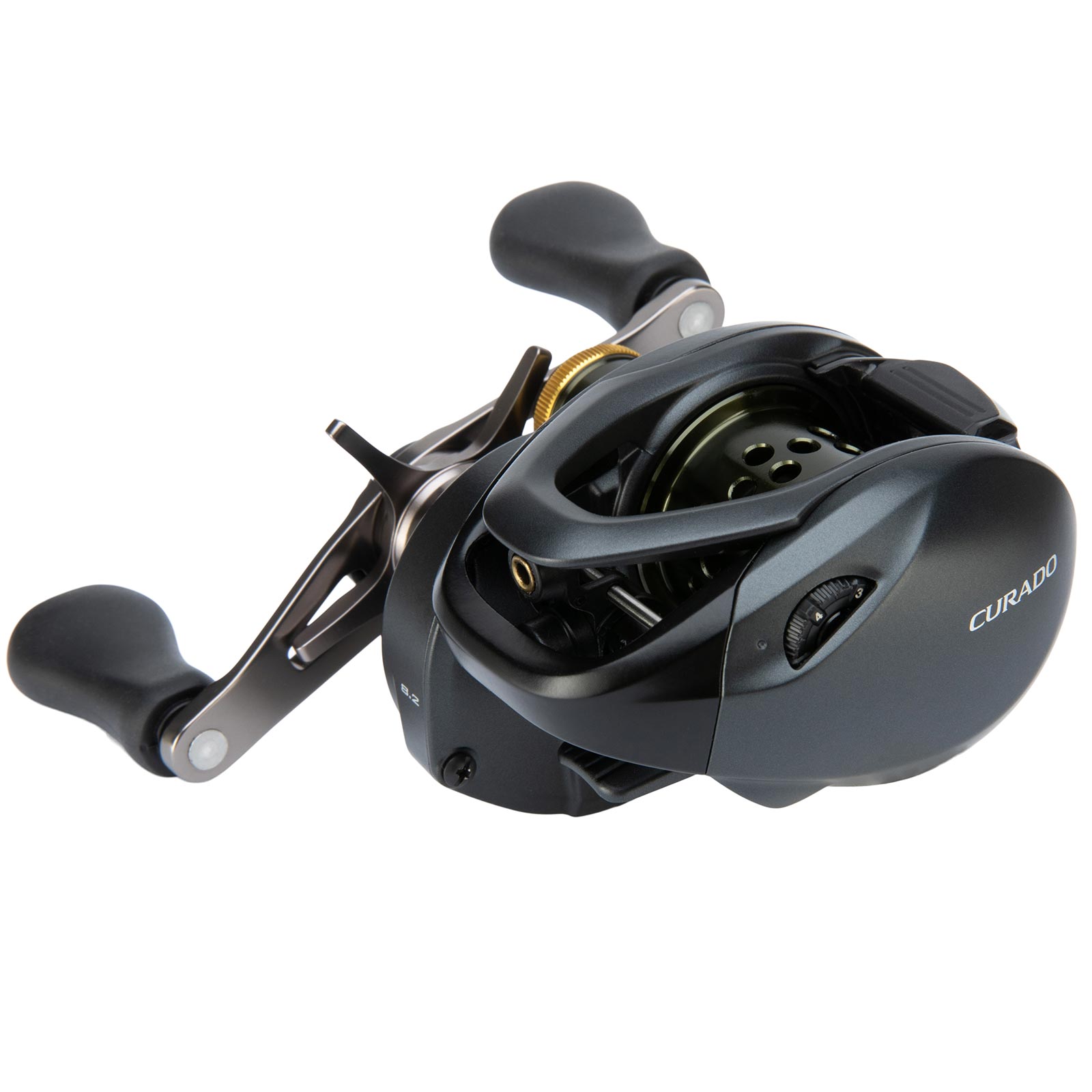
Shimano Curado BFS Casting Reel
| Specification | Details |
|---|---|
| Weight | 6.2 oz. |
| Gear Ratio | 8:2.1 |
| Line Capacity | 50 yds / 8 lb mono · 45 yds / 15 lb braid |
| Max Drag | 8 lbs. |
Key features:
- HAGANE Body — Metal reel body with high rigidity allows for maximum efficiency.
- Super Free Spool — When the clutch is disengaged, the pinion gear and spool shaft align perfectly, resulting in zero friction and excellent castability of light baits.
- FTB – Finesse Tune Brake — Eliminates the brake unit from the spool, resulting in an incredibly lightweight spool and aiding the casting distance of light lures.
BFS Rods
What is a BFS rod? A BFS rod is a specialized fishing rod designed specifically for light tackle fishing. Originating in Japan, BFS rods are tailored to provide superior sensitivity, control, and casting precision, which are essential for effectively using small lures.
A BFS rod needs to be well made in order to protect light line and leaders from snapping on a strong hookset or the slightest abrasion. A fast but soft tip and perfect taper are extremely important.
See our full buying guide for the Best BFS Rods.
Dobyns Sierra Ultra Finesse Casting Rod

| Model | Length | Power | Action | Line Weight | Lure Weight | Pieces |
|---|---|---|---|---|---|---|
| SUF650C | 6’ 5" | Light | Moderate | 2–8 lbs. | 1/16–5/16 oz. | 1 |
| SUF690C | 6’ 9" | Light | Moderate | 2–8 lbs. | 1/16–5/16 oz. | 1 |
| SUF691C | 6’ 9" | Light | Fast | 2–8 lbs. | 1/16–5/16 oz. | 1 |
| SUF700C | 7’ 0" | Light | X-Fast | 2–8 lbs. | 1/16–5/16 oz. | 1 |
| SUF701C | 7’ 0" | Light | Fast | 2–8 lbs. | 1/16–5/16 oz. | 1 |
| SUF740C | 7’ 4" | Light | X-Fast | 2–8 lbs. | 1/16–5/16 oz. | 1 |
Jenko Double Down BFS Casting Rod

| Model | Length | Action | Line Weight | Lure Weight |
|---|---|---|---|---|
| BFS66CML | 6’ 6" | Mod. Fast | 2–6 lbs. | 1/80–1/8 oz. |
Shimano Expride B Casting Rod

| Model | Length | Power | Action | Line Weight | Lure Weight | Pieces |
|---|---|---|---|---|---|---|
| EXC72MLB | 7’ 2" | Med. Light | X-Fast | 7–14 lbs. | 3/16–1/2 oz. | 1 |
St. Croix Mojo Bass Trigon Casting Rod

| Model | Length | Power | Action | Line Weight | Lure Weight | Type |
|---|---|---|---|---|---|---|
| JOC610MLMF | 6’ 10" | Med. Light | Mod. Fast | 6–20 lbs. | 1/8–7/16 oz. | BFS treble lite |
| JOC71MLMF | 7’ 1" | Med. Light | Mod. Fast | 6–20 lbs. | 1/8–7/16 oz. | BFS treble mid |
Lamiglas Ultra Light Casting & Trolling Rod

| Model | Length | Power | Action | Line Weight | Pieces |
|---|---|---|---|---|---|
| XCC762ULGH | 7’ 6" | Ultra Light | Moderate | 4–10 lbs. | 1 |
BFS Line
Line choice matters on a BFS setup. The ultra-light spool is engineered for low memory, low diameter line — heavy, stiff line will undo most of the castability advantage. Fluorocarbon is the most popular choice for its near-invisibility and low stretch; mono offers more forgiveness on light wire hooks; braid with a fluoro leader works well when fishing around cover and you need abrasion resistance.
Fluorocarbon Line


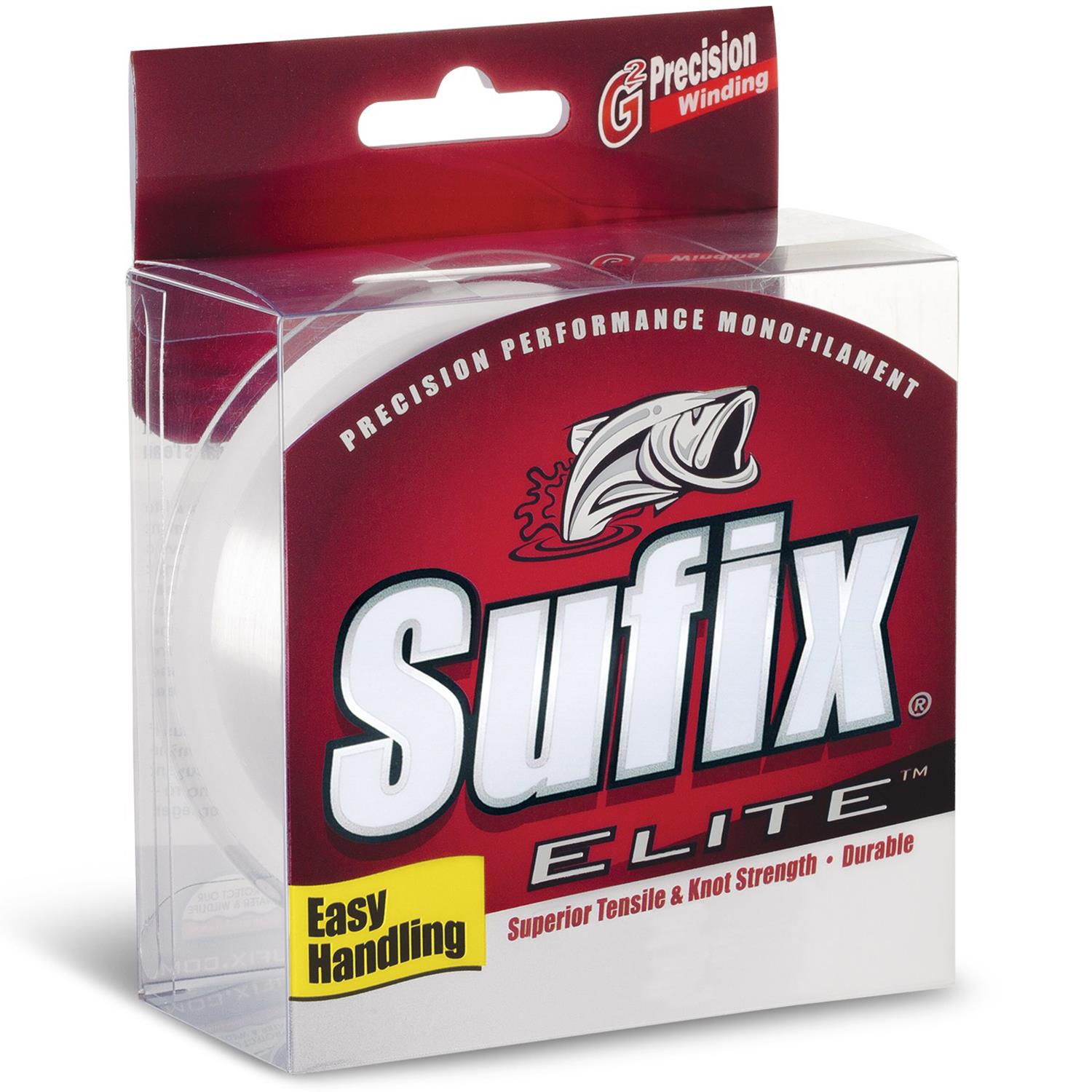
Monofilament Line

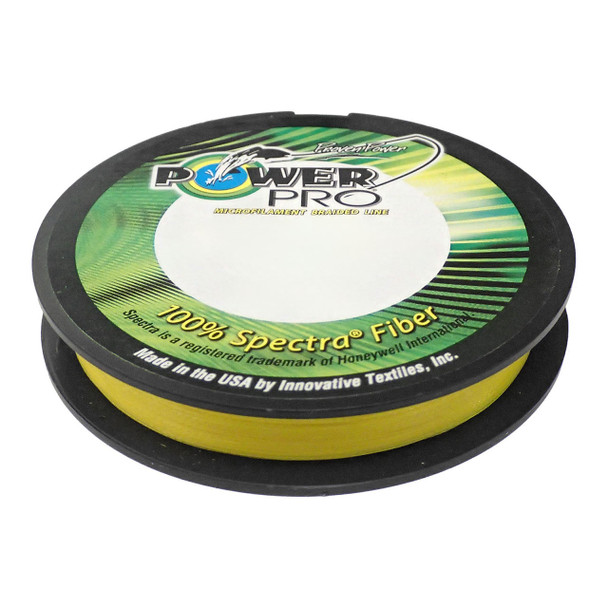
Braided Line

BFS Baits & Techniques
Finesse Soft Plastics
Z-Man Finesse & Micro Series — Many options available:
Ned Rigs
Ned head: Z-Man Micro Finesse Shroomz Jig Head
Drop Shot
Baits: Roboworm Straight Tail Worms (4.5–6") — Although 6" may sound large for a BFS bait, these worms are extremely thin and still maintain a small profile.
Hooks:
- Gamakatsu Split Shot & Drop Shot Hooks — Sizes 4, 2, 1
- VMC Finesse Neko Hook — Sizes 2 & 1
Wacky & Neko Rigs
Baits:
Hooks:
Weights:
Damiki Rigs
Baits:
Jig heads:
Texas Rigs
Baits:
Hooks: VMC Wide Gap Hooks (1/0 and 2/0)
Crankbaits
Rebel:
Rapala Ultralight Series:
- Rapala Ultra Light Shad
- Rapala Ultra Light Crank
- Rapala Ultra Light Minnow
- Rapala Ultra Light Rippin’ Rap
- Rapala Countdown Elite Crankbait
- Rapala Original Floater — 1½–3½"
Topwater
Jerkbaits
Spybaits
Swimbaits
Baits:
- Keitech Fat Swing Impact — 2.8" & 3.3"
- Megabass Spark Shad — 3"
Swimbait heads:
- Gamakatsu Round Jig Heads — 1/0 & 2/0
- Owner Ultrahead Round Jig Heads — Ideal for 3.3" Keitech
Conclusion
All of these BFS baits and techniques have a time and place where they will excel for not only bass, but trout, crappie, and a number of other game fish as well. You may have already tried many of them on spinning tackle, but pick up a BFS setup and see what you think. There’s a good chance you’re pleasantly surprised with an increased landing percentage, more control over big fish, long and accurate casts, and just flat-out fun.
BFS is a technique that’s sure to continue to gain more traction everywhere that it’s practiced. As it does, more products centered around this exciting new technique are sure to arise. Fishing pressure is only going to continue to increase as the number of anglers grows and electronics become more advanced, so purchasing BFS tackle is not an investment that will only pay off in the short term. Tight lines!
BFS Fishing FAQ
BFS stands for Bait Finesse System. It refers to a baitcasting setup specifically engineered to cast lightweight lures on light lines — the kind of finesse presentations traditionally reserved for spinning tackle.
A BFS reel uses a specially designed spool that is significantly lighter and shallower than a standard baitcasting spool. This ultra-light spool requires very little force to begin rotating, which makes it possible to cast lures as light as 1/16 oz without a backlash. Standard baitcasting reels have heavier spools that need more momentum to start spinning — momentum a lightweight lure simply cannot generate.
Most BFS presentations benefit from a light to medium-light power rod with a moderate to moderate-fast action. The lighter power rating protects your light line and leaders from snapping on a hard hookset, while the moderate action gives a forgiving load through the blank. Fast or extra-fast tips are too stiff for most BFS work — they can snap light line and don’t flex enough to cast small lures accurately.
Yes. BFS works well for crappie, trout, and any species that feeds on small bait and responds to light presentations. The same qualities that make BFS effective for finicky bass — accuracy, light lures, light line — carry over directly to trout in clear streams and crappie in pressured fisheries.
Most BFS applications use 6–12 lb fluorocarbon or monofilament as the main line. Braid is also common — typically 10–15 lb — with a 6–10 lb fluorocarbon leader. The lighter end (6–8 lb) is best for ultra-clear water and highly pressured fish. The heavier end (10–15 lb braid) works when fishing around light cover where you need abrasion resistance and more leverage on a larger fish.
BFS originated in Japan, developed from two parallel needs: Japanese trout anglers who wanted to use casting gear on finicky mountain stream trout, and Japanese bass anglers fishing heavily pressured waters who needed an alternative to spinning tackle that still allowed light presentations. American anglers later adopted and popularized the technique.
Not necessarily better, but different. BFS gives you baitcasting accuracy, a higher gear ratio for more line control, and stronger leverage on a fish in heavy cover. Spinning tackle is easier to learn, handles very light jigs more naturally, and requires less tuning. BFS earns its keep when you need precise pitching accuracy into small targets or when fishing areas where a big fish can pull you into cover and you need the higher gear ratio and drag of a casting reel.
Most BFS setups comfortably cast lures from 1/80 oz up to about 5/16 oz. Some BFS reels and rods can handle up to 1/2 oz, but the real advantage over conventional baitcasting is in the sub-1/4 oz range where standard casting setups struggle to load properly. Ned rigs, drop shots, wacky rigs, tiny crankbaits, and small swimbaits are all well within BFS range.