Planer board fishing is one of the most effective ways to cover water and target suspended fish, especially when trolling for walleye, salmon, trout, and even crappie. Yet for many beginners, the technique can seem complex—or even intimidating. Between setting up the spread, managing tangles, and detecting bites, there’s a lot to consider.
Planer Board Fishing 101: Essential Tips for Success on the Water
Planer boards can dramatically expand your trolling spread — but only if you set them up right. Here are the essential tips for spread symmetry, board order, crankbait tuning, release clips, and boat handling.
Last updated: October 2026 · By: FishUSA Staff
Planer board fishing is one of the most effective ways to cover water and target suspended fish, especially when trolling for walleye, salmon, trout, and even crappie. Yet for many beginners, the technique can seem complex — or even intimidating. Between setting up the spread, managing tangles, and detecting bites, there's a lot to consider.
But once you understand the fundamentals, planer boards can dramatically increase your catch rate and make trolling more efficient and enjoyable.
Here's a comprehensive guide with tips to help you get started — or troubleshoot if you're struggling to make planer board trolling work.
Keep Your Trolling Spread Symmetrical
One of the most important principles of planer board fishing is uniformity. Consistency across your trolling setup helps prevent tangles and ensures accurate depth control.
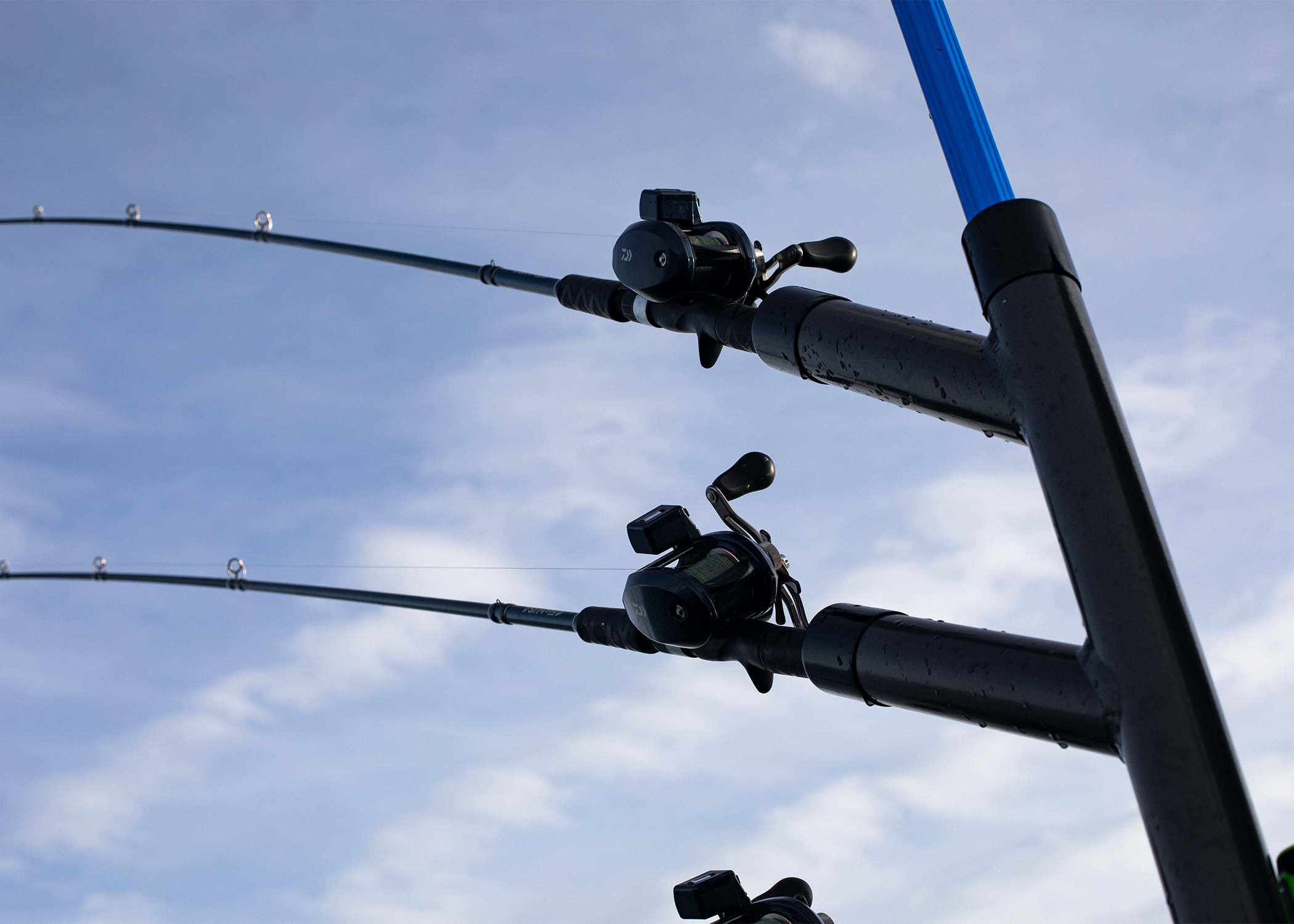
Use matching rods and reels on each side of the boat. This ensures consistent rod action and bite detection. When each rod loads identically, any difference in bend — such as one dipping more than the others — can indicate a bite or lure issue. Shop Trolling Rods and Trolling Reels.
Run the same lures, line types, and leader lengths. If you're trolling crankbaits, use identical models on each side. If using crawler harnesses, make sure blade size, bead patterns, and snell lengths match. This helps maintain the same diving depth and swimming action on both sides of the spread.
Keep line lengths consistent. Varying line lengths causes baits to run at different depths, making it difficult to avoid crossing lines — especially when fighting a fish or turning the boat.
Set Boards in the Right Order
Setting your boards in the correct sequence avoids accidental tangles when fish hit or lines are reset.
First line out goes farthest from the boat. Place the longest lead (furthest planer board) in the rod holder closest to the bow or the highest position on a rod tree.
Subsequent rods step inward and downward. Work your way back toward the stern or to lower holders. This creates a "ladder" effect and prevents lines from crossing when reeling in.
Tune Every Crankbait
A poorly tuned crankbait can ruin your entire trolling pass by veering off course and tangling with other lines.
Check every lure's action before setting it out. It should track straight and not favor one side.
Use a tuning tool like the Reef Runner Tune-A-Fish Crankbait Tuner to quickly adjust the eyelet of the lure if it's running off-center.
Poorly tuned baits not only tangle lines, but they also reduce your odds of getting bites — fish want a natural, consistent swimming action. Learn How To Tune A Crankbait.
Choose the Right Release Clip
The release clip on your planer board line is critical. It needs to hold firmly during trolling — but release cleanly when a fish strikes or when you want to reset.
Pick a clip that matches your fishing style and target species. Lighter clips are better for small crankbaits or panfish. Heavier clips are ideal for deep-diving plugs and aggressive walleye.
Practice unclipping quickly and efficiently. Many fish are lost not due to a faulty hookset — but because of fumbling during the release. Whether using OR16, Sam's Pro Releases, or snap weights with release clips, find what works best for you and stick with it.
Monitor Your Spread and Stay Organized
Staying vigilant and maintaining an organized trolling setup can prevent many common problems.
Watch your rods constantly. A rod that's slightly different in bend or rhythm can indicate a fish or fouled lure.
Communicate with your boat mates. If you're reeling in a fish from the outside rod, make sure everyone knows so you can clear inside lines if needed.
Use rod holders that keep rods secure and easy to grab. Rod trees and adjustable holders like those from Cisco, Traxstech, or Big Jon can be game changers for serious trollers.
Turning and Boat Handling Tips
Trolling in straight lines is easy — turns are where many tangles happen.
Make wide, gradual turns. This prevents your inside planer boards from losing tension and dropping behind the spread.
Slow down slightly on the inside of the turn. If fish are biting deep, keep your inside lines deeper by maintaining speed consistency. If using crankbaits or jets, they can rise or fall dramatically in sharp turns.
Planer Board Fishing — Frequently Asked Questions
Planer board fishing is a trolling technique where boards are deployed to the sides of the boat to spread lures wider than the boat's wake. This allows anglers to cover more water and present baits to suspended fish — like walleye, salmon, and trout — without spooking them with the boat motor.
Most trollers run two to four boards per side of the boat, staggered at different distances. Beginners should start with one board per side to learn the system before expanding to a full spread. More boards mean more coverage but also more complexity when fighting fish and managing turns.
Planer boards are most commonly used to target walleye, salmon, lake trout, steelhead, and crappie. Virtually any suspended or mid-water fish that responds to trolled presentations can be caught using planer boards.
Crankbaits, crawler harnesses, and stick baits are among the most popular options for planer board fishing. Crankbaits are especially effective because they dive to consistent depths and cover ground efficiently at trolling speeds. The key is tuning each bait to run straight before deploying it.
When a fish strikes, the planer board will typically fall back toward the boat and the rod tip will load up noticeably. A board that drops behind the spread or dips toward the water is usually a sign of a fish on the line. Watching your rods constantly for changes in bend or rhythm is the key to detecting bites early.
Final Thoughts
Planer board fishing might have a learning curve, but once you master the basics, it becomes an indispensable tool for serious anglers. Whether you're trolling for trophy walleye on Lake Erie or targeting suspended trout on inland reservoirs, mastering your planer board setup will help you cover water efficiently and put more fish in the boat.
By staying organized, consistent, and observant, you can turn those confusing first attempts into smooth, productive trolling sessions.
Sign up for emails and texts to get exclusive updates and offers.
By providing your number above, you agree to receive recurring automated marketing text msgs (e.g. cart reminders) to the mobile number used at opt-in from FishUSA on 25043. Consent is not a condition of purchase. Msg frequency may vary. Msg & data rates may apply. Reply HELP for help and STOP to cancel. See Terms and Conditions & Privacy Policy
Planer Board Fishing 101: Essential Tips for Success on the Water | FishUSA