

Small Stream Trout Fishing
Small Stream Trout Fishing: The Complete Guide to Catching Wild Trout in Small Creeks
When the big rivers are too high, too low, too warm, or too crowded, small streams can deliver some of the most exciting trout fishing you’ll ever have — often with wild trout in crystal-clear water and barely enough room for a cast. This guide covers finding productive creeks, reading micro-water, staying stealthy, and choosing the right flies and lures.
Last updated: June 2026 · By: FishUSA Staff
Quick Start: The Small Stream Formula
The 60-second version
- Find the right creek — use topo maps and your state’s trout stream classification map to narrow down water before you ever wade in.
- Read micro-water — pockets, seams, undercuts, and confluences hold trout in small streams the same way runs and pools do on big rivers.
- Keep flies and lures simple — attractor dry flies, basic nymphs, small streamers, inline spinners, and light spoons cover almost every situation.
- Stay stealthy — stay low, move slowly, avoid skyline, and make your first cast count. In tight cover, accurate first casts matter more than fancy casting.
Small stream trout fishing comes down to four pillars: find the right creek (maps + habitat clues), read micro-water (pockets, seams, undercuts), use simple flies or small lures, and stay stealthy. In tight cover, accurate first casts matter more than fancy casting. When you do it right, wild trout often eat quickly — because in small water, they don’t have time to overthink a meal.
Why Small Streams Outfish Big Rivers (More Often Than You Think)
Small creeks don’t get the glory of the Yellowstone or the Delaware, but they’re often more reliable. A little wild trout stream can remain fishable through weather swings that blow out bigger water. When the big river spikes or warms up, tributaries and shaded headwaters can become the better option.
- More “fishable days”: small streams can settle quickly after rain and stay cooler under canopy.
- Less pressure: many anglers drive past tiny water chasing “named” rivers.
- More visual fishing: in clear, shallow creeks, you can often see structure, seams, and feeding lanes.
And depending on your region, these creeks can hold incredible fish: brook trout in the East, browns in the Midwest, cutthroats in the West, and more. The key is learning how to locate the streams that actually sustain trout.
How to Find Small Trout Streams Near You
Finding a productive small trout stream is often the hardest part — because there’s less “internet hype” and fewer guidebook write-ups. The good news: you can narrow your search before you ever lace up your boots by using maps and trout stream classification resources.
Start With Maps: “Blue Lines,” Topo Maps, and Stream Networks
Topographic maps help you identify drainage, gradient, and access. USGS topo resources (including modern downloadable maps) are a solid starting point for scouting creeks and headwaters. If you’re learning map tools, USGS explains how their topo maps are built and accessed here: USGS Topographic Maps. For an interactive mapping tool, you can explore hydrography and base layers on: USGS The National Map Viewer.
Use Trout Stream Classification Maps (They Save Years of Guesswork)
Many states publish interactive maps showing stocked waters, wild trout streams, special regulation areas, and more. For example, Pennsylvania’s Fish and Boat Commission provides trout water classifications and an interactive trout streams map: PA Trout Water Classifications. Even if you’re not in PA, look for your state’s equivalent “trout stream map” or “wild trout waters” listing.
Gradient Matters: Avoid Extremes
You don’t need to be a hydrologist — just use common sense. Very steep gradients can create lots of chutes with fewer stable holding lies. Very low gradients can mean warmer water and lower oxygen in summer. The best small streams usually have a mix: pockets, riffles, runs, and small pools.
Watch for Red Flags That Limit Trout
Some factors won’t show up clearly on a map. Acid mine drainage (AMD), pollution, and riparian tree removal can drastically reduce or eliminate trout habitat. If you suspect AMD in your region, this Ohio EPA overview is a good plain-language explanation of how mine drainage can impact aquatic life: Ohio EPA: Abandoned Mine Drainage (AMD). For broader coldwater habitat context — like why temperature and shade matter — Trout Unlimited has excellent education resources: TU: Stream Temperature Monitoring Resources.
Confluences are excellent first stops
Where two streams join, depth, oxygen, and food sources often increase. If you’re exploring new water, confluences concentrate current seams and holding cover — making them a reliable place to start scouting a stream you’ve never fished.
Reading Small Stream Water: Where Trout Hold
Locating trout in a small stream is often simpler than big water — because there are fewer places they can comfortably sit. The trick is to think in micro-habitats: tiny pockets, seams, and cover edges that create calm water and deliver food.
Pocket Water and Micro-Holding Lies
- Behind rocks: classic current breaks where trout can hold with minimal effort.
- Logjams and root wads: overhead security + ambush points.
- Undercut banks: shade and protection — often home to the best fish in the creek.
- Little “bathtub” pools: even a 2–3 foot depression can hold multiple trout.
Seams: The Most Important “Lane” in a Small Stream
Trout usually position just out of the main current and let the flow deliver insects and disoriented bait. If you can identify a soft edge seam, you’ve found a feeding conveyor belt.
Confluences: Small-Stream Hotspots
Where two streams join, depth, oxygen, and food sources often increase. If you’re exploring new water, confluences are excellent “first stops” because they concentrate current seams and holding cover.
Stealth Tactics: How Not to Spook Wild Trout
In small creek trout fishing, your approach is often more important than your fly choice. Wild trout in skinny water are paranoid for a reason: they live in a world of herons, mink, otters, and anglers. Your goal is to get one clean, accurate presentation before the fish ever knows you’re there.
Approach Strategies for Clear, Shallow Water
- Stay low: crouch, kneel, or use cover like rocks and trees to break your outline.
- Slow down: heavy footsteps and sloppy wading telegraph danger.
- Avoid skyline: don’t stand tall on open banks above the pool you want to fish.
- Make the first cast count: repeated false casts and line flash can shut a pool down.
Minimize False Casts (Especially With a Fly Rod)
In tight canopy, use roll casts, sidearm casts, or a bow-and-arrow cast. The less line you wave around, the fewer fish you spook. A short leader (often 6–8 feet) with a sturdier tippet can help turn flies over and also makes it easier to free inevitable snags.
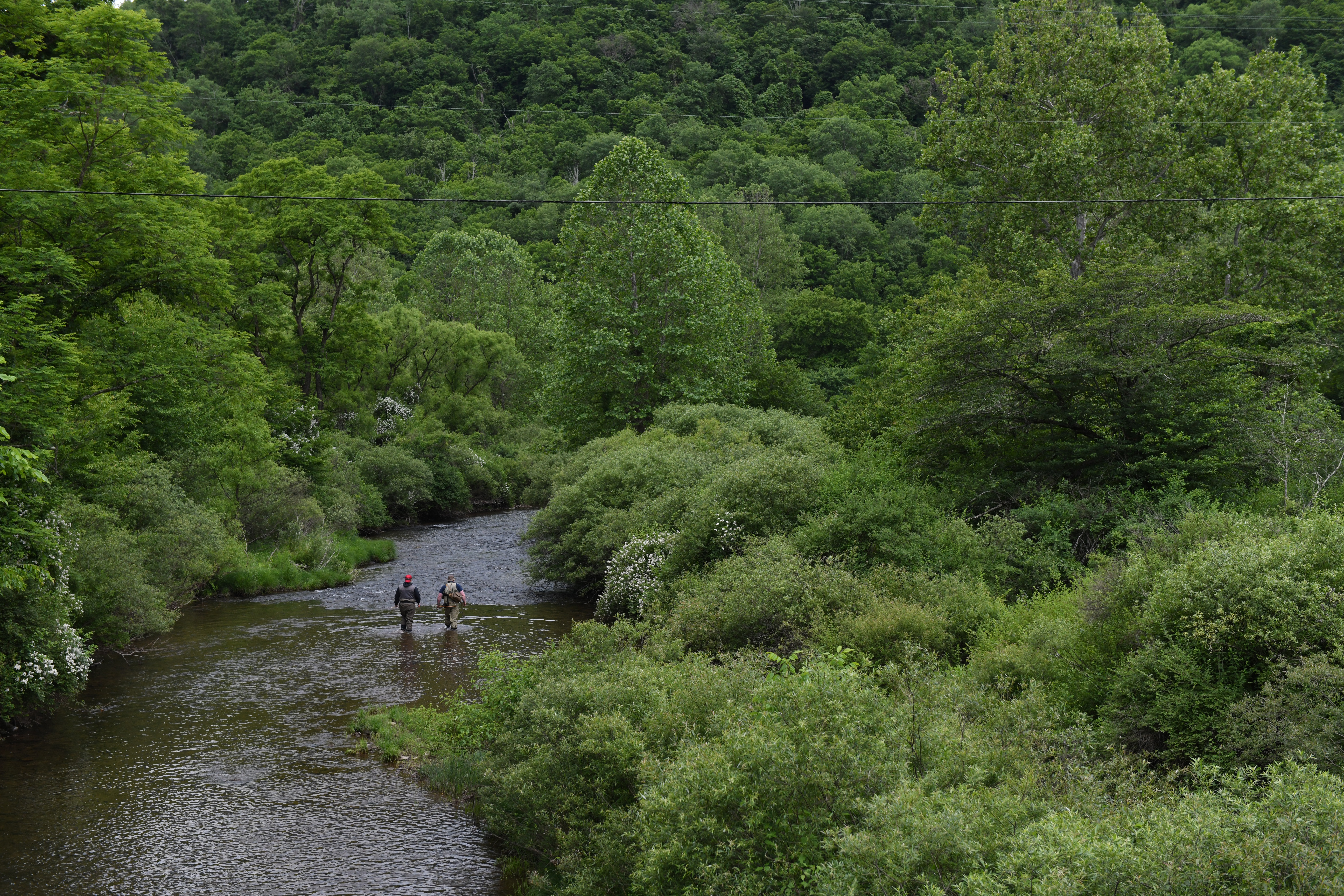
One shot per pool
Treat every small-stream pocket like you only get one cast. Plan your approach, pick your target lane, and commit to a clean first presentation before you ever false-cast over the water you’re about to fish.
Best Gear for Small Stream Trout Fishing
You can catch small stream trout with almost anything, but tight quarters reward compact, simple gear. Choose what matches your terrain and your preferred style: fly fishing, ultralight spinning, or bait.
Ultralight Spinning Setup (Tight Cover Advantage)
A short spinning rod is hard to beat when there’s no room for a backcast. It’s also an easy way to cover water quickly with spinners and spoons. Start here: Trout Spinning Rods.
Fly Fishing Setup for Small Creeks
A light fly rod and a straightforward leader help you place accurate casts in small pockets. Stock up on effective patterns here: Fly Fishing Flies.
Stream Essentials
- Polarized sunglasses (spot seams, fish, and structure)
- Small net (helps quick, low-stress releases)
- Nippers/forceps (especially if you’re using barbless hooks)
- Light pack and minimal extras (mobility matters)
Best Flies for Small Streams (Simple, Effective Selection)
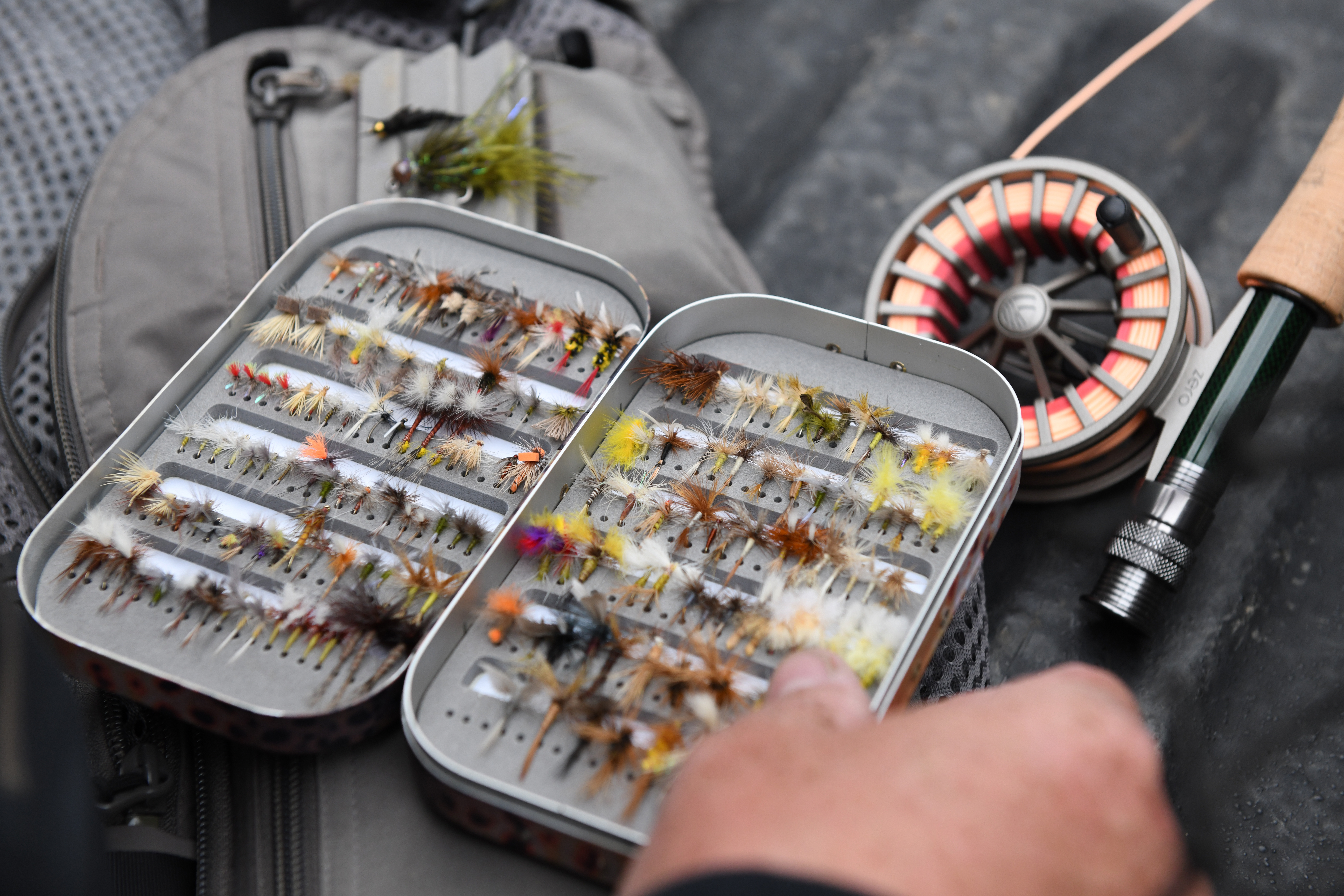
Dry Flies: Attractors First, Match Later
Small stream trout are often less picky than big-river trout. Start with visible attractors, then adjust smaller if fish refuse. The benefit of attractors is confidence: you can see the fly, track drifts, and fish faster.
Nymphs: The Consistent Producer
If you want the most reliable approach, dead-drift a nymph through pockets and seams. Short-line drifts and minimal line on the water keep the presentation natural.
Streamers: Big Trout Live in Small Water Too
The largest trout in a small creek often behave like ambush predators. A small streamer swung or stripped past an undercut can trigger explosive eats, especially for browns.
Best Lures and Baits for Small Creek Trout Fishing
Spinners and Spoons: Fast Coverage With Minimal Space
In brushy creeks, spinners and spoons shine because you can fish upstream without needing a backcast. They’re also excellent for quickly sampling water when you’re exploring a new stream.
Tip: swap to single hooks
Consider swapping treble hooks to single hooks where possible for safer releases — especially on wild trout water.
Barbless Hooks (Optional, But Helpful)
Barbless hooks make releases quicker and reduce handling time. They also make it easier to free snags in tight cover. Shop Barbless Hooks →
Live Bait: Extremely Effective, Fish It Responsibly
Redworms, mealworms, crickets, and minnows can all produce in small streams. The main drawback is deep hooking — especially when fish swallow bait quickly. Fish a tight line and set the hook fast to improve release survival.
Presentations That Catch Trout in Tiny Water
The “One Perfect Drift” Principle
In small streams, trout don’t have long to inspect a fly or lure — and you often don’t get a second chance. Focus on one clean presentation: the right line, the right depth, and minimal drag.
How to Fish a Pocket Sequence (Fast and Repeatable)
- Start downstream: fish the tail of a pool first so you don’t push fish forward.
- Hit the seams: drift the soft edges where food funnels through.
- Finish tight cover: undercuts, logs, and boulders often hold the best trout — make accurate casts.
Upstream Hardware Fishing in Brushy Creeks
Cast slightly upstream, retrieve just fast enough to keep the blade spinning or spoon wobbling, and use the current to help the lure work naturally. If you’re snagging constantly, you’re either too deep or retrieving too slowly for that particular pocket.
Wild Trout Handling and Conservation
Many small streams hold wild trout and fragile habitat. Simple choices — like minimizing handling and supporting streamside vegetation — protect the fishery. Shade and stream temperature matter for trout health, and community science resources like TU’s stream temperature monitoring explain why coldwater protection is so important: Trout Unlimited: Stream Temperature Monitoring.
Best Practices for Releases
- Wet your hands before touching trout.
- Keep fish in the water as much as possible.
- Use barbless hooks if you frequently catch and release.
- If using bait, set quickly to reduce deep hooking.
Know the Rules
Trout waters may have special regulations (seasonal closures, gear restrictions, wild trout protections). Always check your state’s current regulations before fishing a new creek.
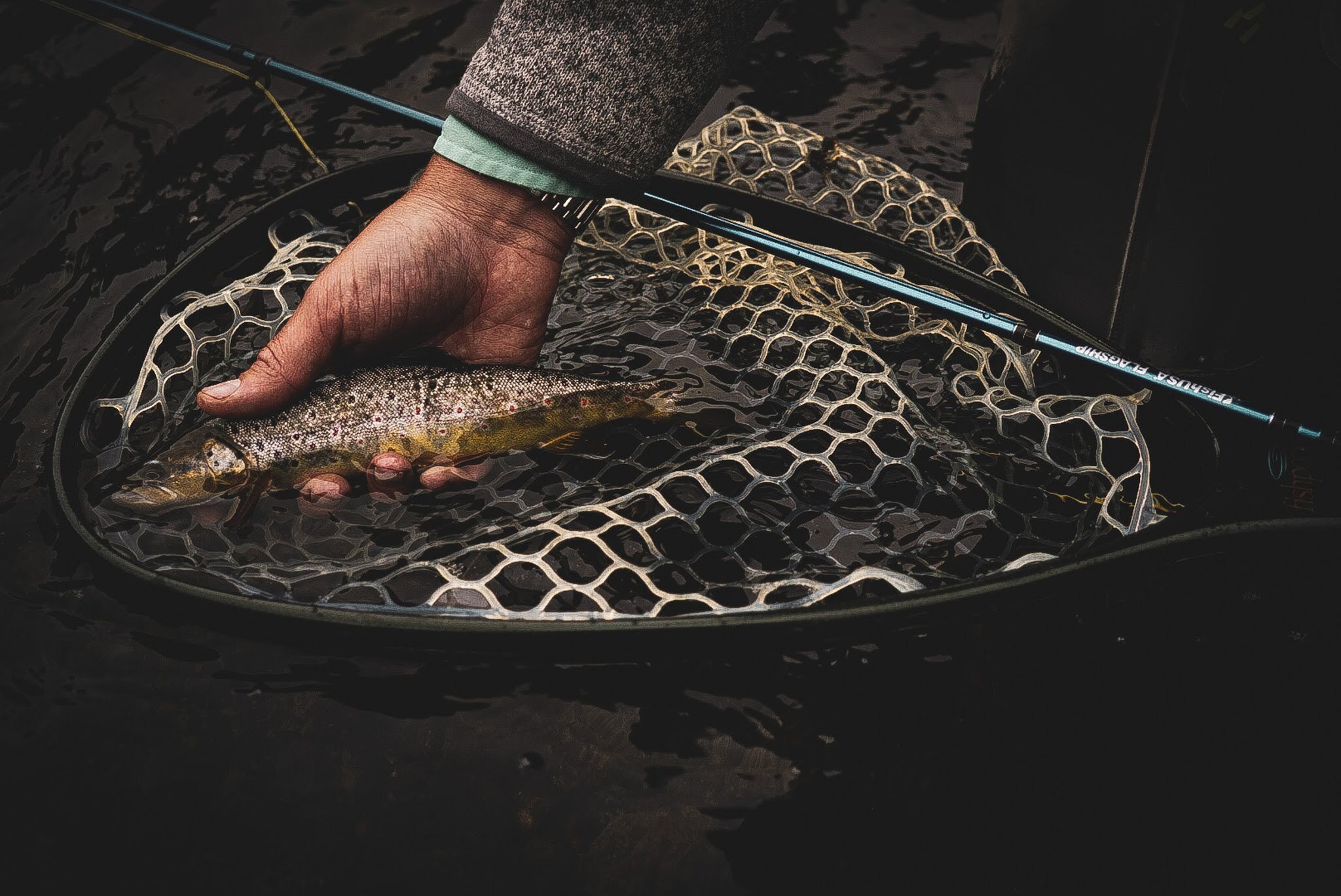
Final Thoughts: Small Streams, Big Thrills
Small stream trout fishing is one of the purest forms of angling: quiet water, wild trout, and the challenge of making one perfect presentation without being detected. Use maps to find the right creeks, read pockets and seams, keep your tackle simple, and lean hard into stealth.
When you do, you’ll discover that “tiny water” can deliver some of the biggest fishing memories you’ll ever make.
Small Stream Trout Fishing FAQ
Use topo maps and trout stream classification maps to identify likely creeks, then verify habitat — cool water, shade, riffle/pool structure, and clean flow. Official trout stream maps, like state fish & boat agency interactive maps, are the fastest shortcut to narrowing down water before you ever lace up your boots.
Small inline spinners and light spoons are top choices for covering tight water quickly, especially in brushy creeks where a backcast isn’t an option. Consider switching to single hooks for safer releases on wild trout water.
Attractor dry flies, basic nymphs, and small streamers cover most small stream situations. Start simple and visible, then adjust to smaller or more natural patterns if fish refuse.
Trout hold behind rocks, undercut banks, logs, root wads, and along soft current seams — anywhere they can rest out of the main flow while food drifts past. Confluences where two streams join are also reliable holding spots because depth, oxygen, and food all increase.
Stay low, move slowly, use cover to conceal your approach, and make your first cast count. Reduce false casts, avoid standing in open skyline positions, and fish from downstream to upstream so you aren’t pushing fish ahead of you.
A short, light spinning rod is the easiest option when there’s no room for a backcast — it lets you cover water quickly with spinners and spoons. If you prefer fly fishing, a light fly rod paired with a short 6–8 ft leader makes accurate roll casts and bow-and-arrow casts manageable in tight cover.
Not always. Many small creeks can be fished from the bank or by wet-wading in warmer months. Waders become useful when you need to cross frequently, fish deeper pockets, or extend a session into cold water — but they aren’t required to catch fish in most small streams.
Yes, especially on wild trout water. Barbless hooks make releases faster, reduce handling time and stress on the fish, and make it easier to free yourself from inevitable snags in tight cover. Many wild trout streams require barbless hooks by regulation, so check local rules.