


How Cold Is Too Cold to Catch Bass? What Water Temperature Really Tells You
Short answer: it is never too cold to catch bass. Bass bite in near-freezing water and even through the ice. What changes is how they feed, where they hold and how slowly you need to fish. Here is what each water temperature tells you and the lures that keep working as it drops.
Last updated: November 2026 · By: FishUSA Staff
Every fall, plenty of anglers put the bass boat away the first time the water drops into the 50s. They are leaving fish on the table. Bass are cold-blooded, so their activity follows the water temperature, but they never stop eating. Anglers catch them in water in the upper 30s, and some even target them through the ice.
So the real question is not whether it is too cold, but what the water temperature is telling you to change. This guide breaks down how bass behave as the water cools, how largemouth and smallmouth differ, how weather and sun change the bite, and the cold water lures that keep producing all winter.
The Short Answer: It's Never Too Cold, But Everything Slows Down
There is no water temperature at which bass stop biting. Cold water slows a bass's metabolism, so it needs less food, digests it more slowly and spends less energy chasing it. That is why the bite feels like it disappears. The fish are still there; they are just less willing to move far or fast for a meal.
That changes three things for you:
- Speed: The colder the water, the slower your retrieve and the longer your pauses.
- Distance: Bass will not move far for a bait, so you need to put it closer to them.
- Location: Bass tend to gather near deeper water, steep breaks and stable spots, often in fewer, tighter groups. Find one fish and you can often find several.
What Bass Do at Each Water Temperature
Use these ranges as a general guide. Every lake is different, and how fast the water is changing matters as much as the number on your graph. A steady 48 °F after a warm week often fishes better than 52 °F the morning after a cold front.
| Water Temp | What Bass Are Doing | Presentations to Try |
|---|---|---|
| 60s °F | Active fall feeding; chasing baitfish, often shallow | Crankbaits, spinnerbaits, swimbaits, topwater |
| 50s °F | Still feeding, but slowing; moving toward deeper structure | Jerkbaits, swimbaits, jigs, slower crankbaits |
| Mid to upper 40s °F | Feeding less often; holding near deep breaks and bluffs | Suspending jerkbait with long pauses, blade baits, finesse jigs, hair jigs |
| Below about 45 °F | Sluggish; short feeding windows, often on the warmest part of the day | Blade baits, hair jigs, float-n-fly, Ned rigs, dragging jigs |
| Under the ice | Slow but catchable, especially near weeds and drop-offs | Small jigging spoons, jigs and finesse baits fished vertically |
Under the ice, the water near the bottom of a lake usually stays close to 39 °F, the temperature at which water is densest. That is one reason bass can still be caught all winter. If you want to try it, our guide to ice fishing for bass covers the gear and approach.
Largemouth vs Smallmouth: Who Handles the Cold Better?
As a general rule, smallmouth bass stay more active in cold water than largemouth. That is why so much winter bass fishing centers on smallmouth in clear, rocky lakes, rivers and reservoirs. In the 40s, a smallmouth will still rise to a jerkbait or chase a blade bait a short distance.
Largemouth can still be caught in cold water, but they tend to need an even slower approach. Look for them near deep weed edges, docks over deeper water, steep banks and channel swings, and fish jigs and finesse baits right on the bottom. For a full breakdown of how the two species differ, see largemouth vs. smallmouth bass.
Air Temperature, Sun and Warming Trends
Water temperature controls bass activity, but the weather controls the water. In cold water, small changes of just a few degrees can turn a dead day into a good one.
Watch the Trend, Not the Forecast High
Several days of stable or warming weather slowly raise water temperatures and tend to improve the bite. A hard cold front with a sharp drop in air temperature and bright, bluebird skies afterward often makes bass tighten up for a day or two. Plan your trips around stable stretches when you can.
Fish the Warmest Part of the Day
In cold water there is no need for a dawn start. Late morning through mid-afternoon is often best, because the sun has had time to warm the shallows. Sunny afternoons after a few mild days are prime time.
Look for Water That Warms First
- Banks that face the afternoon sun and are protected from cold wind.
- Rock, riprap and dark bottoms, which absorb heat and warm the water around them.
- Shallow pockets and the backs of creeks on sunny days, especially next to deeper water.
- Inflows that are warmer than the main lake. Check them with your thermometer, because some inflows are colder.
How to Measure Water Temperature
Most boat sonar units show surface water temperature from a sensor in the transducer, which is the easiest way to track it as you move around the lake. Watch for small differences between areas, because a bank a couple of degrees warmer than the rest of the lake can hold the most active fish.
Keep in mind that surface temperature is not always the temperature where the fish are. On a sunny afternoon the top few inches can warm faster than the water below. From shore or a kayak, a simple fishing thermometer on a cord lets you check temperatures at different depths.
Cold Water Bass Lures That Still Catch Fish
The best cold water lures have one thing in common: you can keep them in front of a bass for a long time without moving them far. Here are five proven options and how to fish each one.
Suspending Jerkbait: The Long-Pause Classic


A suspending jerkbait hangs in place when you stop it, which gives a cold bass time to decide. Twitch it down to depth, then pause. In the 50s, a pause of a few seconds may be enough. In the 40s, pauses of 10 seconds or longer are common, and many bites come while the bait is sitting still. Pair it with a dedicated rod from our guide to the best jerkbait rods.
Blade Bait: Vertical Hops Over Deep Fish
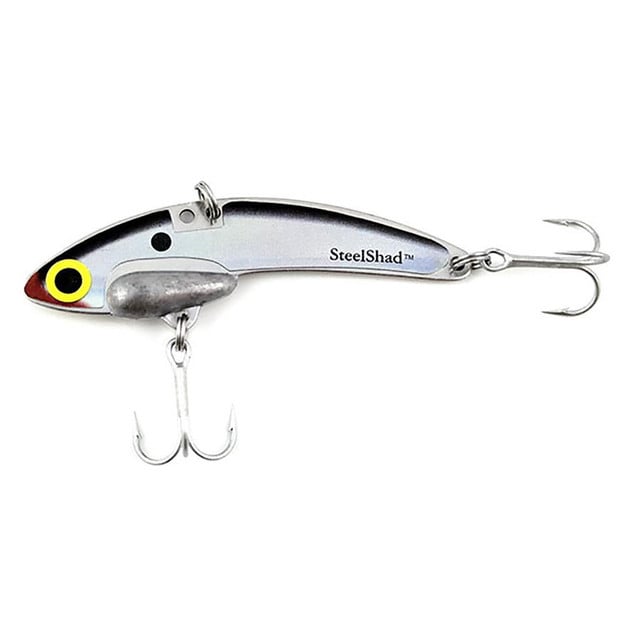
Blade baits sink quickly and vibrate hard with very little movement, which makes them ideal for bass grouped up on deep structure. Cast or drop it to the bottom, lift your rod just enough to feel the blade start to vibrate, then let it fall back on a semi-slack line. Most bites come on the fall. Keep the hops short as the water gets colder.
Hair Jig and Float-n-Fly: Subtle Enough for the Coldest Days

Hair and synthetic fibers breathe and pulse even when the jig is barely moving, which suits sluggish bass. Swim it slowly along the bottom or over suspended fish. For the float-n-fly, a cold water favorite for smallmouth and spotted bass, hang a small hair jig several feet under a float on a long spinning rod and let the waves give it action. It keeps a bait at one depth longer than almost any other presentation.
Finesse Jig: Slow-Drag the Bottom

A small jig with a compact trailer looks like a crawfish, and crawfish are an easy meal for a cold bass. Drag it slowly across rock and gravel, pausing often, instead of hopping it. Natural greens and browns are good starting colors. Our guide to jig fishing for bass covers trailers and rigging.
Ned Rig: The Do-Nothing Bait
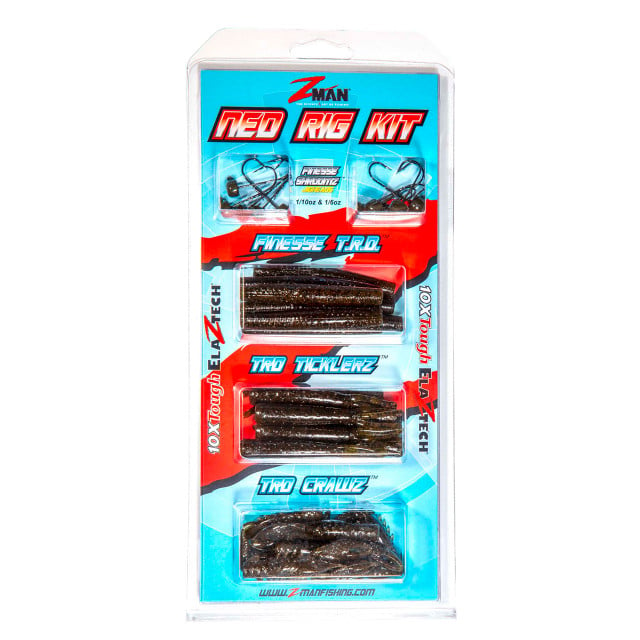
The Ned rig's buoyant plastic floats tail-up when it rests on the bottom, so it looks alive even when you are not moving it. That makes it one of the easiest cold water baits to fish well. Cast it out, let it settle, and slowly drag or lift it a few inches at a time.
Swimbaits on a light jig head also catch cold water bass, especially smallmouth feeding on baitfish. Fish them just fast enough to keep them off the bottom. For more lure ideas built around smallmouth, see our list of the best smallmouth bass lures.
Cold Water Safety
The fishing can be good in cold water, but falling in is far more dangerous than in summer. A sudden plunge into cold water can cause cold shock, an involuntary gasp and rapid breathing that makes it hard to swim, even for strong swimmers.
- Wear a life jacket whenever the boat is moving, and ideally the whole time you are on the water.
- Attach your engine kill switch lanyard.
- Dress in layers and bring a dry change of clothes in a waterproof bag.
- Tell someone where you are going and when you will be back.
- Watch the wind forecast; big lakes get rough quickly in late fall and winter.
For more on how to approach the season, see our full guide to winter bass fishing.
Frequently Asked Questions
There is no water temperature that is too cold to catch bass. Bass are caught in water in the upper 30s and even through the ice. Cold water slows their metabolism, so they feed less often and move less, but they still eat. The colder it gets, the slower and closer to the fish your presentation needs to be.
Bass do not stop biting at a set temperature. As water drops through the 50s and into the 40s, they feed less often and chase less, so fast-moving lures get fewer bites. Slow presentations like suspending jerkbaits, blade baits, hair jigs and finesse jigs keep catching bass in the 40s and colder.
Yes. Bass can be caught in 40 degree water, especially smallmouth. Fish slowly near deeper structure such as bluffs, channel swings, rock piles and steep points. Suspending jerkbaits with long pauses, blade baits hopped off the bottom, hair jigs and small finesse jigs are proven choices.
The best cold water bass lures are ones you can fish slowly or keep in front of fish for a long time: a suspending jerkbait with long pauses, a blade bait, a hair jig or float-n-fly, a finesse jig, and a Ned rig. Match the lure to how active the fish are and how deep they are holding.
In general, smallmouth bass stay more active in cold water than largemouth bass, which is why winter bass fishing on clear, rocky lakes and rivers often centers on smallmouth. Largemouth can still be caught in cold water, but they usually need an even slower presentation close to cover or deep structure.
Water temperature matters more, because bass are cold-blooded and their activity follows the water. Air temperature still matters because it changes the water. A few days of warm, stable weather can raise shallow water temperatures and improve the bite, while a hard cold front can shut fish down for a day or two.
In cold water, the best time is often late morning through mid-afternoon, especially on sunny days. The sun warms shallow water, rock and dark bottoms a few degrees, and even a small rise in water temperature can make bass more willing to feed.
Final Thoughts
How cold is too cold to catch bass? As long as you can safely get on the water, it isn't. Cold water changes how bass feed, not whether they feed. Slow down, fish closer to deep structure, pick the warmest hours and the warmest water you can find, and lean on baits that stay in front of fish: suspending jerkbaits, blade baits, hair jigs, finesse jigs and Ned rigs.
Watch your water temperature and the weather trend, and let them tell you how slow to go. Find everything you need to keep fishing through the cold months in our bass fishing gear shop at FishUSA.