


/
/
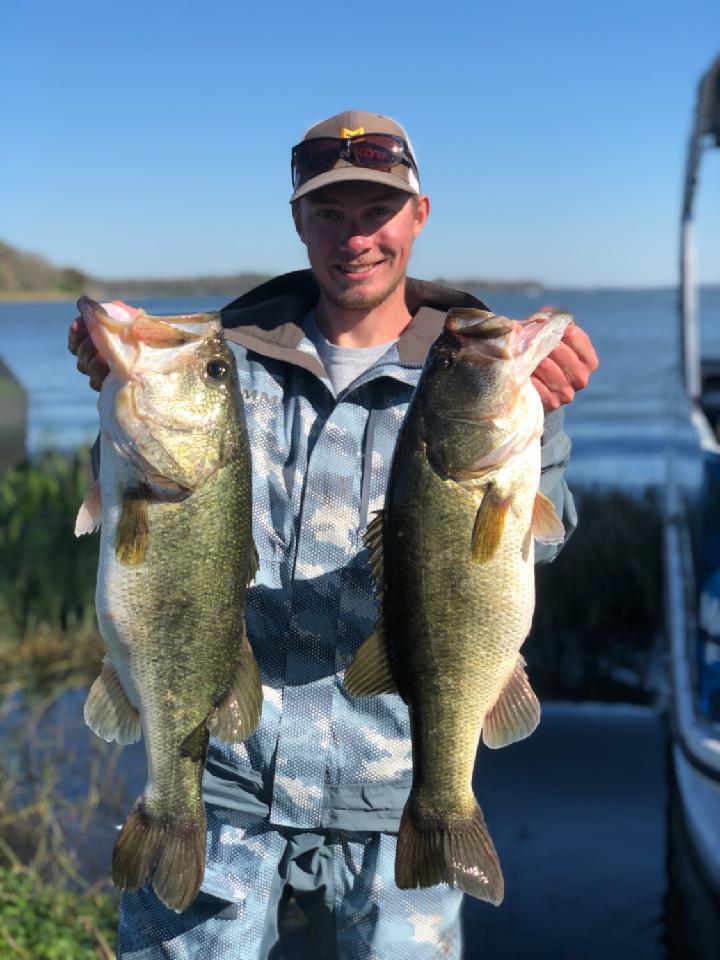
Florida is a bass angler's paradise — from world-famous largemouth lakes like Okeechobee and Toho to the tropical canals holding exotic peacock bass in South Florida. With warm water year-round, diverse habitats, superior genetics, and abundant forage, trophy bass opportunities exist in every season.
Last updated: September 2026 · By: FishUSA Staff
Florida is a bass angler's paradise — from world-famous largemouth bass lakes like Okeechobee and Toho to the tropical canals holding exotic peacock bass in South Florida. With warm water year-round, diverse habitats, superior genetics, and abundant forage, Florida produces trophy bass opportunities in every season. This guide delivers expert tactics, gear recommendations, seasonal strategies, and a breakdown of the state's top bass fishing waters.
Related: Best Time to Fish for Bass: A Seasonal and Daily Guide
Florida bass are opportunistic predators. In shallow, vegetation-rich lakes, they ambush from hydrilla, pads, and bulrush. In deeper reservoirs and rivers, they relate to submerged structure and bait schools. Successful anglers adapt presentations to match seasonal movements, water clarity, and forage activity.
Pro Tip: In summer, target the shady side of vegetation where oxygen is higher and bass are cooler.
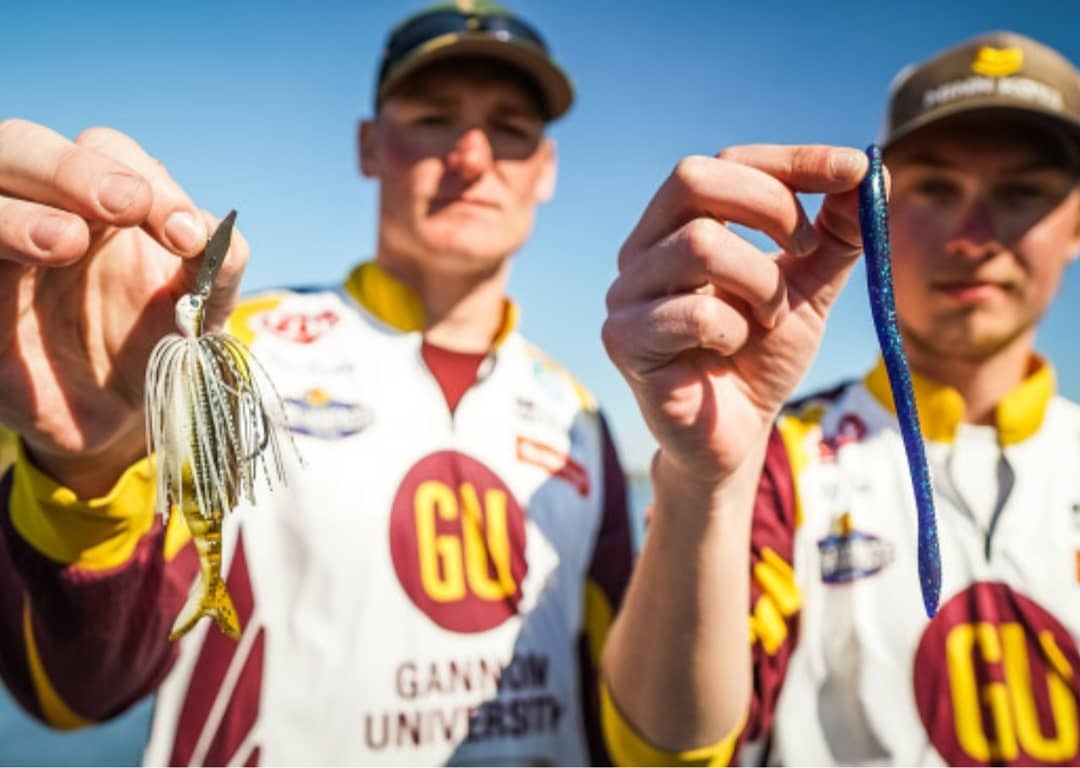
Florida is stacked with legendary bass fisheries, and while each water has its own personality, they all share the potential to produce giant fish if you approach them right. Here's how to fish them, season by season and condition by condition.
The "Big O" is Florida's crown jewel and one of the most famous bass lakes in the world. This massive, vegetation-rich fishery fishes like a living jungle — reeds, hydrilla, hyacinth mats, and eelgrass stretch for miles. In spring, target reed edges and scattered pad fields in the Harney Pond, South Bay, and Monkey Box areas with soft plastics and creature baits on heavy flipping gear. During the shad spawn, work topwaters and spinnerbaits tight to grass edges at first light. In summer, the bite pushes under thick mats where punching with 1–1.5 oz tungsten and a beaver-style bait is the only way to get them out.
Learn more: Lake Okeechobee Bass Fishing: Pro Tips, Hotspots & Seasonal Guide
Lake Toho has earned a reputation for producing monster bass during the spawn. Its hydrilla lines, submerged grass flats, and lily pad fields create prime staging and spawning habitat. The go-to pattern in January–March is pitching a Texas-rigged creature bait along hydrilla edges in Shingle Creek or Goblets Cove. In post-spawn, switch to swim jigs and chatterbaits to cover water and find feeding fish on outside grass lines. Cloudy days in summer can bring a strong topwater bite over scattered pads.
Learn more: Lake Tohopekaliga Bass Fishing: Year-Round Patterns, Hotspots, & Proven Techniques
Rodman is a timber-filled impoundment that fishes completely differently than Florida's open shallow lakes. Massive submerged stumps, laydowns, and hydrilla beds make it ideal for flipping and pitching heavy jigs or Texas rigs. The best days here come in February and March — flip jigs into timber in 8–12 feet and drag big worms along the outside grass lines. It's also one of the few Florida lakes where crankbaits for bass holding off main-lake structure consistently pay off.
The Harris Chain offers a mix of open-water shell bars, boat docks, canals, and expansive grass lines. Lakes Harris, Eustis, Dora, and Griffin are all connected, giving you options depending on weather and water clarity. Pre-spawn, crank or Carolina rig shell beds in the main lakes. During the spawn, the canals and backwaters load with fish — perfect for flipping or skipping wacky rigs under docks. In summer, offshore hydrilla beds become key, and working a big ribbon-tail worm or deep crank can produce serious weight.
Lake Kissimmee is part of the Kissimmee Chain and features massive vegetation lines, offshore hydrilla patches, and classic Florida spawning bays. The go-to spring pattern is targeting spawning flats with wacky Senkos and weightless flukes. Once post-spawn sets in, shift to working topwaters at dawn over hydrilla edges before the sun pushes bass deeper into the grass. Summer is prime for punching mats and fishing frogs over the thickest cover you can find.
Istokpoga is a large, shallow lake with dense vegetation — a flipper's dream. Most productive time is spent working pencil reeds, bulrush, and lily pad fields with a 1 oz tungsten and a compact creature bait. The lake also produces great numbers during the shad spawn when spinnerbaits and chatterbaits can load the boat quickly. The key to Istokpoga is moving until you find the right stretch holding active fish — they tend to group up here more than most lakes.
Stick Marsh/Farm 13 is one of the premier big-bass waters in Florida, especially during the cooler months. The hydrilla here holds fish year-round, but the winter and pre-spawn periods are unmatched. Multiple fish over eight pounds in January are possible by slow-rolling swimbaits and working lipless crankbaits along hydrilla lines. As the day warms, pitching soft plastics into isolated hydrilla clumps can produce giants.
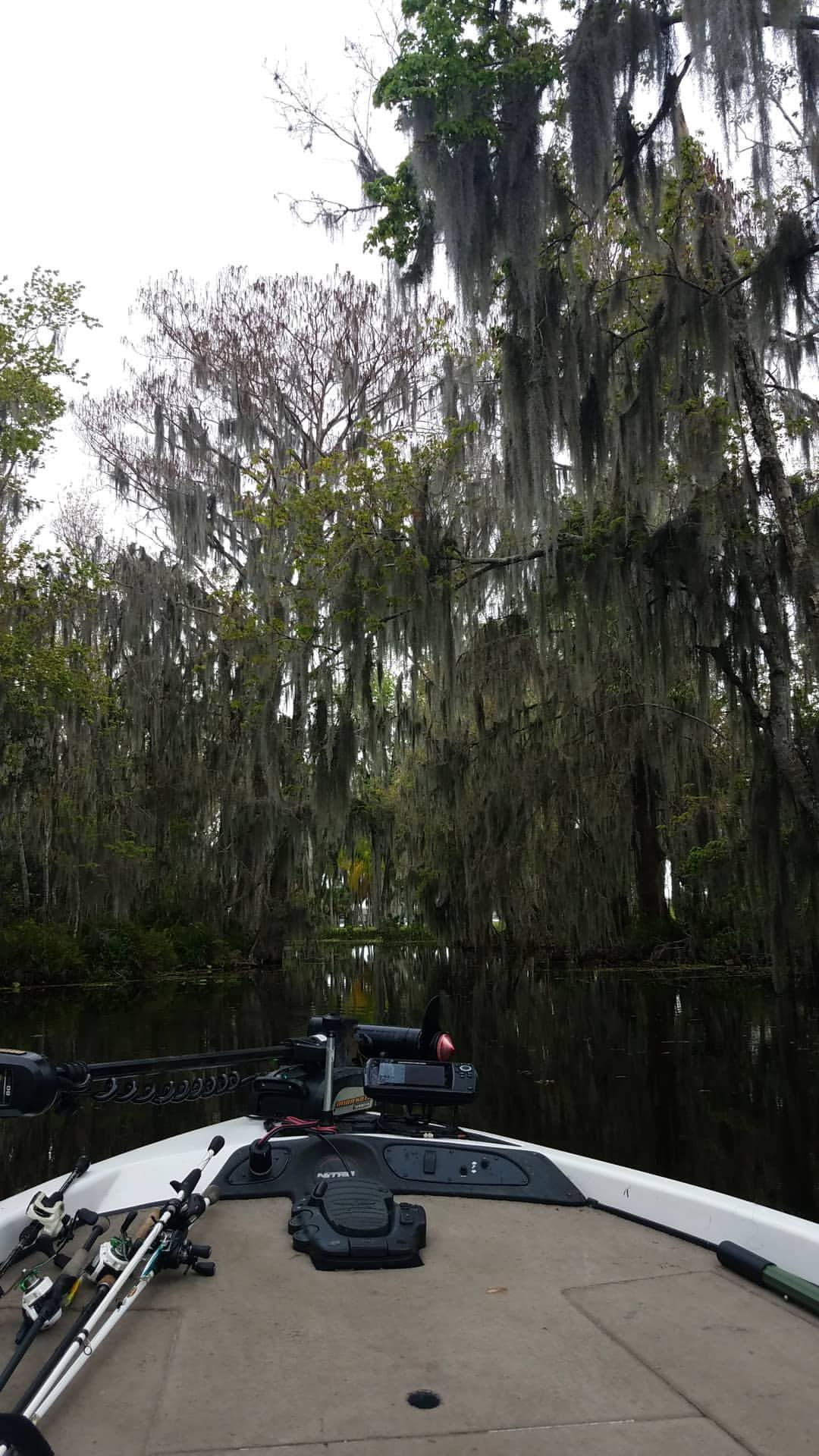
The St. Johns fishes like a moving-water lake system, with current breaks, shell bars, and eelgrass beds providing year-round habitat. In spring, target spawning bays off the main river with soft plastics. In summer, working crankbaits along main-channel shell bars and fishing topwaters around eelgrass beds can produce consistent action. Tidal influence means you have to pay attention to current — falling water often positions bass tight to cover.
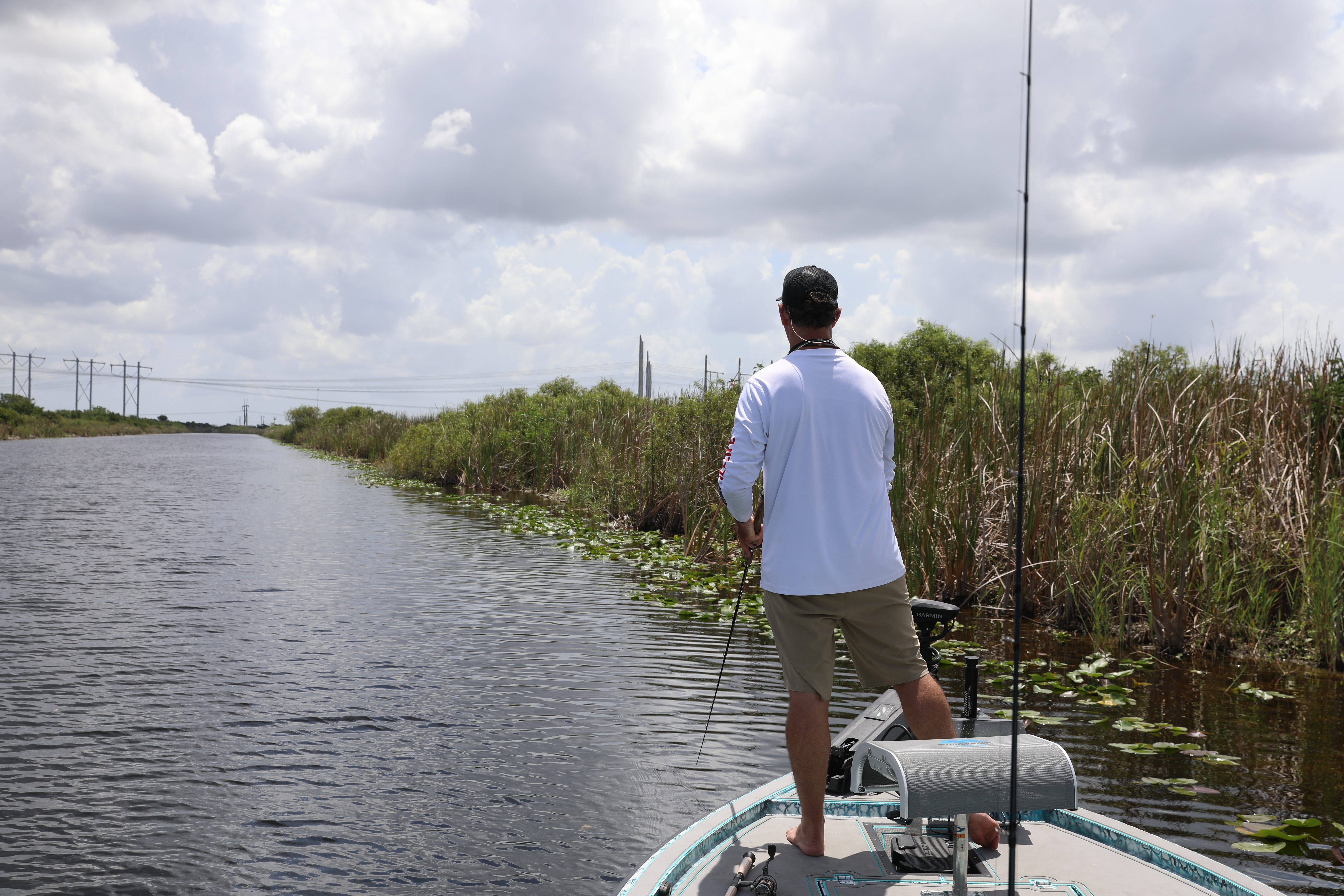
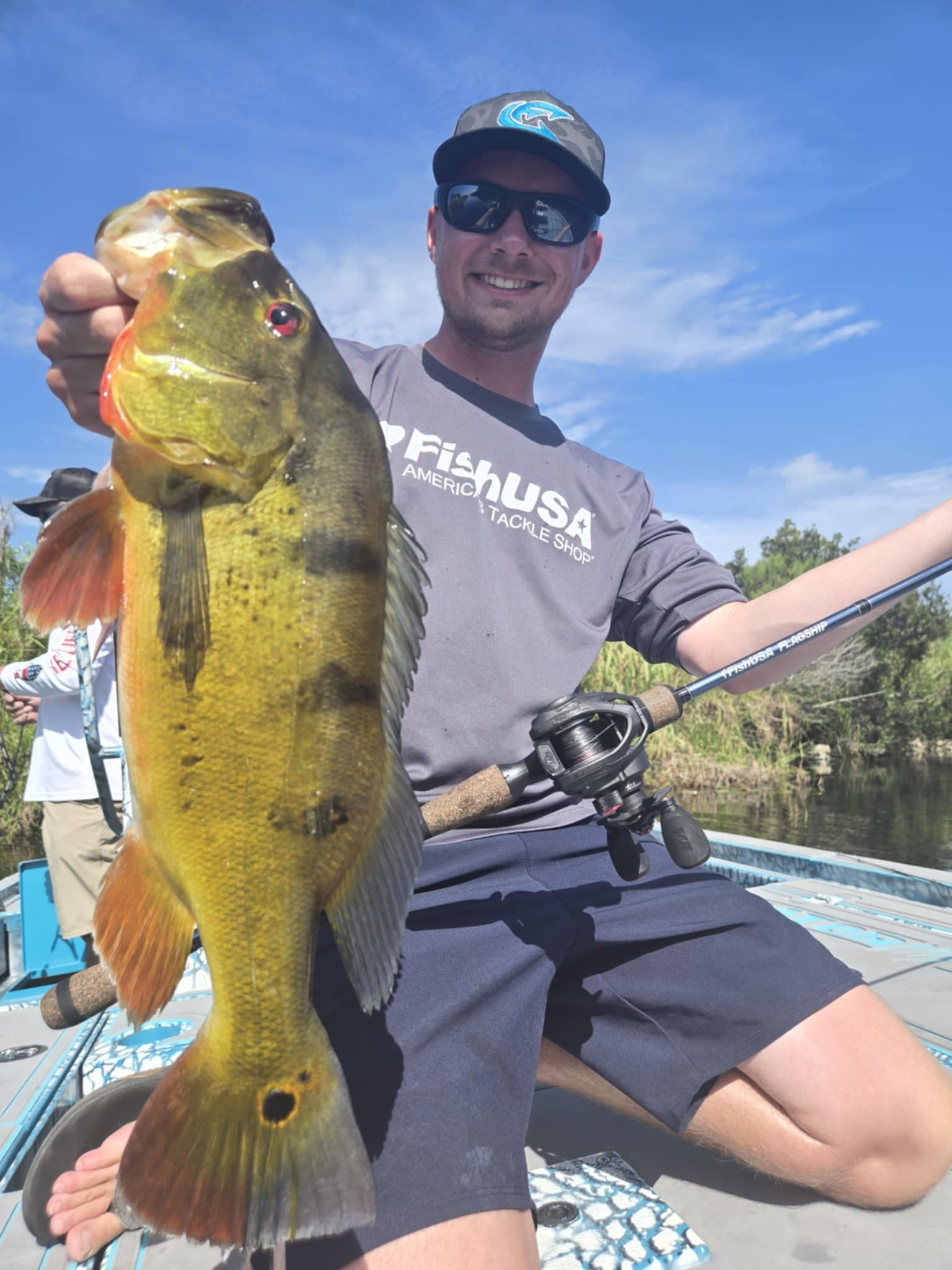
The Miami canal systems are a unique fishery offering the chance to catch both largemouth and exotic peacock bass in the same trip. Clear water makes sight-fishing a major part of the game — jerkbaits, small swimbaits, and topwaters all produce. The best action for peacocks is during warmer months, while largemouth can be caught year-round by targeting deeper holes and shaded structure.
Regulations can change annually — check the Florida Fish & Wildlife Conservation Commission for updates before fishing.
January–March during the pre-spawn and spawn produces the biggest fish statewide.
A soft-plastic worm — Texas or wacky rigged — works in nearly every condition in Florida.
No, many Florida lakes have excellent bank access, but a boat allows you to reach offshore grass lines and hidden structure that bank anglers can't access.
Florida's bass fishing is world-class. Whether you're punching mats on Okeechobee, walking a frog over Kissimmee's pads, or chasing peacock bass in Miami's canals, the variety and quality are unmatched. Adapt to the seasons, understand the forage, and you'll have consistent success year-round.
Hook Me Up!
Sign up for emails and texts to get exclusive updates and offers.
By providing your number above, you agree to receive recurring automated marketing text msgs (e.g. cart reminders) to the mobile number used at opt-in from FishUSA on 25043. Consent is not a condition of purchase. Msg frequency may vary. Msg & data rates may apply. Reply HELP for help and STOP to cancel. See Terms and Conditions & Privacy Policy