


Fishing the Fall Turnover for Bass and Crappie
When a lake turns over in the fall, the bite can go downright tough for a few days. Then bass and crappie group up and feed hard before winter. Here is what happens during turnover, where to find fish after it and the baits that catch them.
Last updated: November 2026 · By: Jason Sealock
If you have fished much, you know that the fall turnover marks a transition from the warmest water on the lake being at the surface to the warmest water on the lake being closer to the bottom. That transition also causes baitfish and game fish to change their locations and habits. This can bring on good fishing. But when the lake is "turning over," the fishing can get downright tough for a bit.
So it's good to understand what happens during the turnover and how the fish generally react during and, more importantly, shortly after the swap occurs. Fishing the fall turnover can be great for bass and crappie, so let's quickly break down the best approaches for both.
What Is the Fall Turnover?
On lakes with little river flow, and even in major creek arms or larger bays on riverine systems, turnover can occur as water temps fall sharply in the fall. Throughout summer, lakes that are more stratified form thermoclines, and water temps are generally affected by light penetration and depth. The shallowest water is often the warmest water, while the deepest water is often the coldest. Fisheries with a lot of river current and flow are less likely to turn over. However, if they have large creek arms or bays with no current, those portions will experience their own turnover, even if the main river does not.
Think about your tailwater trout rivers. The water that comes out of the bottom of the lake through the dam is cold enough to sustain wild trout populations that require water temps below 60 degrees through the hottest months of the year. Similarly, lakes have the warmest water at the surface and the coldest water close to the bottom.
What's important is that colder water is much denser than warm water, so it naturally settles to the bottom. These stratified layers insulate the lower levels from the upper levels, and that insulation increases with depth. So a lake that is 200 feet deep is a lot more insulated from top to bottom than one that is 60 feet deep.
As water temps drop when it cools off in the fall, a stratified body of water reaches a critical tipping point. The water on top is suddenly cooler than the water under it, and as it becomes denser it sinks to the bottom, forcing the water that was on the bottom up to the surface.
Why Turnover Makes Fishing Tough
The problem with the fall turnover is that the bottom-of-the-lake water had less oxygen and life, and a lot of sediment, dead leaves and decaying particles settle to the bottom. So when this inversion and flush occurs, with the top going to the bottom and vice versa, you get a lot of de-oxygenated water and lots of dead and decayed particles flushed up through the system. For lack of a better term, the water becomes less conducive to the health of the fish.
When Does Turnover Happen?
I often see the turnover start happening when water temps get into the low 60s and high 50s. It varies from fishery to fishery depending on a lot of factors like vegetation, sediment, depth and air temps in the region. But think of it in terms of the temperature of the deep water compared to the temperature of the water's surface. When the top gets colder than the bottom, you will experience the flip.
How to Approach Fishing After the Fall Turnover
One saving grace of the fall turnover is that it generally lasts just a few days, and then everything settles into the new normal for the fall heading into winter. Much of the time, parts of bigger lakes may be turning over while other parts are not, or have already turned over and settled. So you can generally move around and find better water if the fishery is large enough to have different stages of the turnover.
And really, that is the whole game when fishing the turnover transition period: finding the better water the fish want to be in. If the shallow water is stirred and disturbed, you can sometimes simply go to deeper water. A lot of the time, the turnover turbulence is shallow or up high in the water column, and the better water starts showing up deeper first.
Expect Stubborn Fish
Be prepared for more stubborn fish. You might find the fish, but they are not as apt to chase for a few days until their environment settles back down. So more persistent presentations get more results. Things like dead sticking, hovering in place and slow rolling all perform better when the turnover makes things "funky" for a few days.
Follow the Bait
After the water has settled down, look for fish to transition with the bait. A lot of the time, the turnover moves baitfish shallow or deep, and that can be a good indication of where you need to move to find more active fish.
Where to Look for Crappie After the Turnover
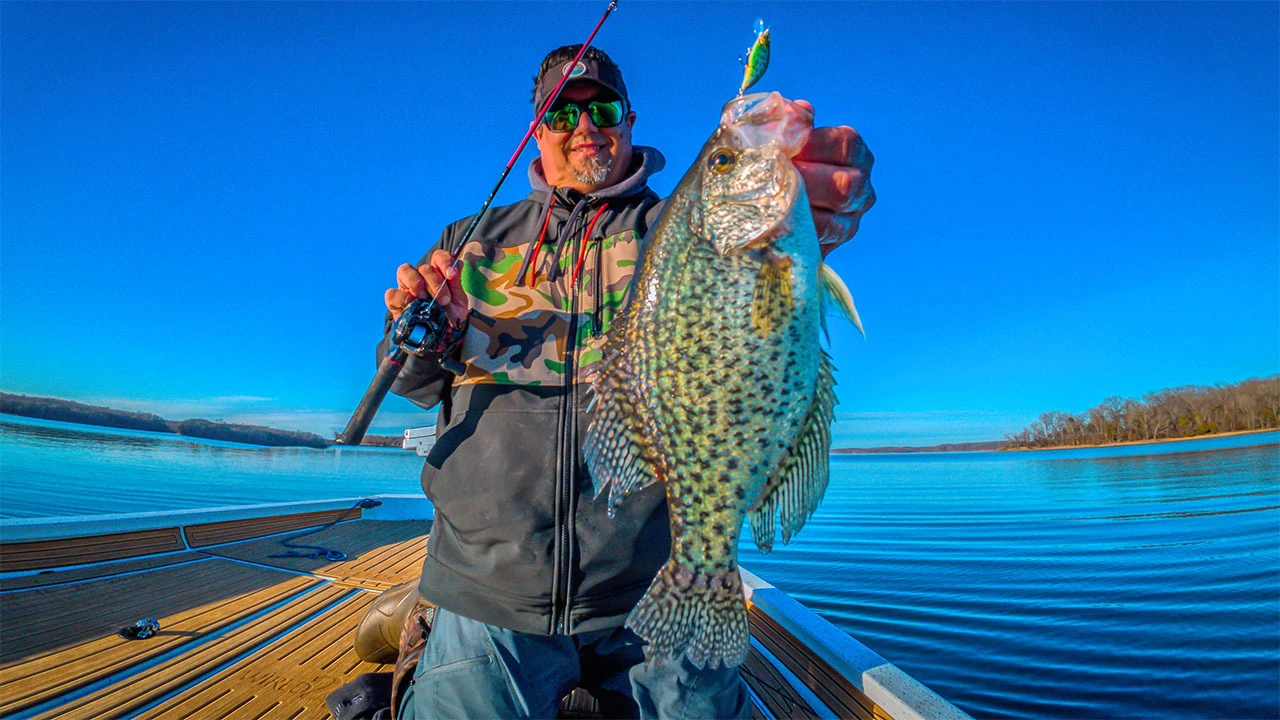
I often find some of the biggest schools of black crappie in the fall. They relate to structure a lot more than just cover this time of year. Cover can make a structure spot better at times, but the structure changes can be your clue. Where you find them depends a lot on the type of fishery. For more on the differences between the two species, see black crappie vs. white crappie.
Northern Natural Lakes
On northern natural lakes, the turnover can signal the transition from shallow weed edges to deeper basins. These basins can hold huge schools of fish grouping up to feed before winter settles in. While points and flats can be good, a deep flat next to a deep hole or channel might be a lot more productive and hold bigger groups. Crappie often seek feeding zones that sit next to where they plan to winter.
Highland Reservoirs
On highland reservoirs, you will find a lot of schools of black crappie suspending over creek channels. Again, brush can sweeten an area and hold fish. Open-water schools of bait can also draw fish into certain creeks. I often start in the last third of major creeks and work my way out toward where I think the crappie will winter. Again, the depth of a fishery can make one fish a lot differently than another.
Riverine Systems
On riverine systems like Kentucky Lake, black crappie will gather in big groups on channel swings and on flats farther back in the creeks. Then, as those arms cool and the turnover happens, they start moving back out toward the deeper parts of the creek arms and onto flats, pockets and humps next to the deepest water. I often find good groups on channel swing banks where the bottom goes from pretty shallow to very deep in about a boat length.
For more on finding and catching crappie this time of year, read our guide to fall crappie fishing.
Where to Look for Bass After the Turnover

There has been somewhat of a misconception in bass fishing that all bass run all the way up the creek arms in the fall. What they actually do is progressively get shallower all summer, as the most oxygenated water is the shallow water when water temps are at their highest.
Shallow does not always mean the very back of a bay or creek arm. Bass often follow the baitfish progressions off the main lake and into the creek arms, where they congregate on shallow structure and cover. That shallow water is not necessarily on the bank. It can simply be on flats, humps, long points and other feeding zones where the bait congregates. And it's often not all the way up a creek arm, but rather the back of a pocket or the big flats next to that creek arm's channel.
Work From the Last Third Out
Again, focus on working your way from the last third of the creek out toward the main lake or deepest basins. That is your optimal progression in the fall after the turnover. The lake is cooling down quickly, and you can often find bass congregating in deeper channels leading out of the bays and creeks, or out of shallower covered areas and into deeper wintering holes.
November and early December often have some of the best action if you can find fish grouped up in these feeding zones near deep-water edges.
Swing Banks and Steep Drops
Bass often use a lot of the same areas as black crappie. They can be shallow, but it's often next to deeper water. I focus my efforts on swing banks and places where shallow areas are closest to the steepest drops after coming out of the flatter feeding zones.
Best Baits and Presentations After the Turnover
Right After Turnover: Color and Action
Early on after the turnover, baits with more color and action often get results. It's about attention and triggering strikes when the fish are funky. Lipless crankbaits, ChatterBaits and spinnerbaits can all work well when the water gets into the low 60s and has some color from the turnover. But think slow rolling, not burning, for your cadence.
As the Water Settles: Blade Baits, Jerkbaits and Umbrella Rigs
As the water settles and clears, and the fish continue to work deeper, some often-overlooked staples can really shine. Blade baits really excel in this window after the fall turnover.
I have had some of my best days with a blade bait when bass, crappie, stripers and other game fish seem to pile into these last feeding zones next to the deepest wintering holes. They herd bait, feeding like crazy before the coldest water arrives.
A jerkbait can work wonders, as can specialty presentations like an Alabama rig. Something that can stand out in a sea of bait is often most productive in the late fall to winter transition. For more options, see our list of the best fall bass fishing lures.
Crappie: Size Up in the Fall
For crappie, after downsizing a lot in the summer, there is a window in the fall where you can use larger jigs and plastics and even catch some fish on hard baits. I have done well in the fall on small jigging spoons, small sinking minnow baits like Rapala CountDowns and even blade baits.
But day in and day out, a 1/16- to 1/8-ounce jig with a meaty profile is pretty hard to beat. That doesn't mean crappie won't still bite downsized baits. Sometimes, when they are really out of whack during a turnover event, you have to hold a small bait in place right over their nose to get one to bite.
I also break out the hair jigs for crappie in the late fall transition, and they quickly become my staple heading into the winter months. Baits like the Crappie Magnet Eye Hole Tungsten Pop-Eye Jig, Strike King Slab Daddy and Johnson Beetle Bou all work well as after-turnover fishing transitions into winter. For more crappie picks, see our guide to the best crappie lures, jigs and bait.
Top Turnover Baits for Bass
Slow-Rolled Bladed Jig: Z-Man ChatterBait Elite EVO

A ChatterBait gives off the color and vibration that grab a bass's attention when the water is stained from the turnover. Slow roll it rather than burning it.
Blade Bait: Silver Buddy

Blade Bait: SteelShad Original
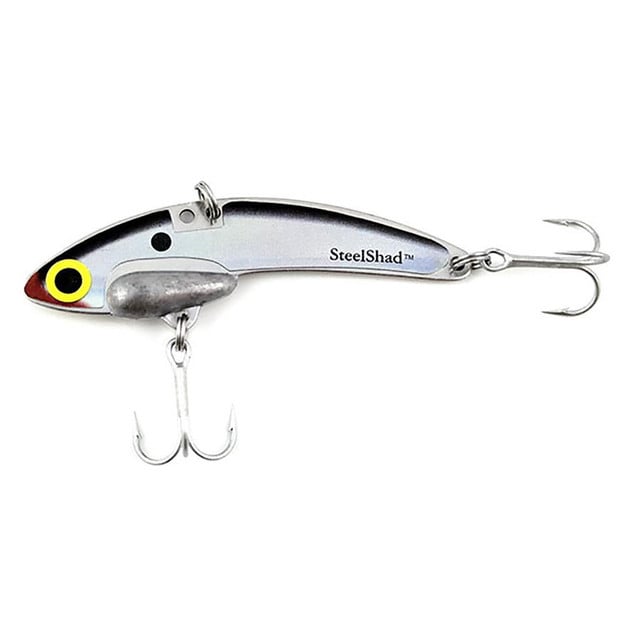
Either blade bait is a go-to once the water settles and fish pile into the last feeding zones next to the deepest wintering holes.
Lipless Crankbait: Bill Lewis Rat-L-Trap

The rattle and flash of a lipless crankbait help it get noticed in stained, post-turnover water. Keep the retrieve slow.
Umbrella Rig: YUM Scottsboro Flash Mob Jr Kit

An Alabama-style rig imitates a small school of baitfish, which helps it stand out when bass are herding bait before winter.
Suspending Jerkbait: Rapala PXR Mavrik 110

Suspending Jerkbait: Megabass Vision Oneten

A jerkbait can work wonders as the water clears and fish move deeper heading into winter. Pair it with a rod from our guide to the best jerkbait rods.
Top Turnover Baits for Crappie
Soft Plastic: Crappie Magnet Roo

Hair Jig: Eye Hole Tungsten Pop-Eye Jig

Hair jigs become a staple as the late fall transition heads into winter.
Micro Swimbait: Bobby Garland Slab Stalk'R

Micro Swimbait: Z-Man Shad FryZ
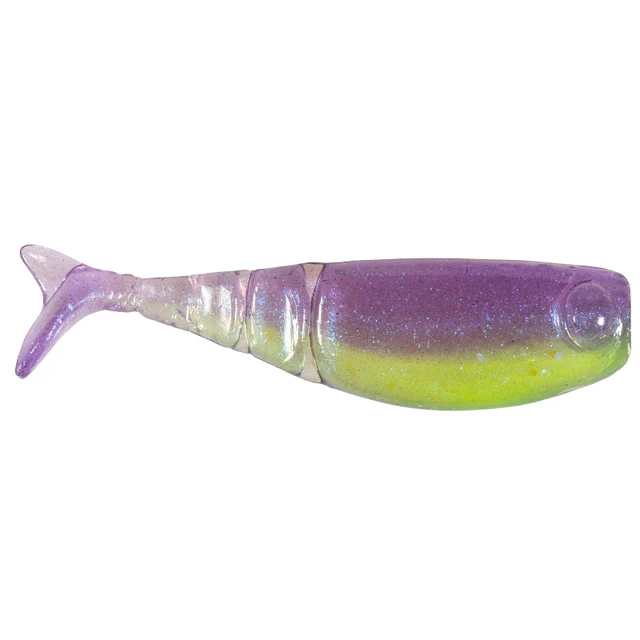
Rig soft plastics like these on a 1/16- to 1/8-ounce jig head for a meaty fall profile, or downsize and hold them still in front of fish that are out of whack during the turnover.
Frequently Asked Questions
Fall turnover happens when a stratified lake cools in the fall. Through summer the warmest water sits on top and the coldest, densest water sits on the bottom. As the surface cools, it eventually becomes colder and denser than the water below it and sinks, pushing the bottom water up to the surface. That bottom water carries less oxygen and a lot of sediment and decaying material, which can make the fishing tough for a few days.
There is no single turnover temperature. Turnover often starts when surface temperatures fall into the high 50s to low 60s, but it varies by lake depending on depth, vegetation, sediment and regional air temperatures. The key is when the surface water becomes colder than the deep water below it.
Fall turnover usually lasts just a few days before the lake settles into its new fall pattern. On bigger lakes, some areas may be turning over while others have not started or have already settled, so you can often move to find better water.
Fishing can get tough while a lake is actively turning over, because fish are less willing to chase. Slow, persistent presentations like dead sticking, hovering in place and slow rolling work best. Once the water settles, fishing often gets very good for a few weeks as bass and crappie group up and feed before winter.
After turnover, bass follow the baitfish and gather in feeding zones next to deep water, such as flats, humps, long points, the backs of pockets and swing banks where shallow water drops quickly into the channel. As the lake cools, they move from the last third of creek arms back toward deeper channels and wintering holes.
Crappie relate more to structure than cover after turnover. On natural lakes, look for deep flats next to deep holes or basins. On highland reservoirs, look for crappie suspended over creek channels, especially near brush. On river systems, check channel swings, flats and humps next to the deepest water in the creek arms.
Right after turnover, slow-rolled lipless crankbaits, ChatterBaits and spinnerbaits with more color and action draw attention. As the water settles and clears, blade baits, jerkbaits and umbrella rigs shine for bass. For crappie, a 1/16- to 1/8-ounce jig with a meaty profile is hard to beat, and hair jigs, small jigging spoons and small sinking minnow baits also work well.
Final Thoughts
Don't let the fall turnover discourage you from fishing. While it can make certain fisheries a little off kilter for a few days, it generally passes quickly, and fishing gets really good right after for a few weeks until winter fully sets in for the season.
Take advantage of fish grouping up and feeding competitively with each other. Start with baits that have a little more attraction, then move to more natural presentations as things settle down and winter temps bring their activity levels down a few notches. When the water gets colder still, our guide to winter bass fishing picks up where this one leaves off.